جولة جديدة من المحادثات الإيرانية السعودية
“عملية انفراج تدريجية هي أفضل ما يمكن أن نأمله في العلاقات الإيرانية السعودية”.
In the 19th century, the Gulf was a British lake. In the 20th century, American warships played an all but unchallenged role securing the safe and unfettered passage of oil to the West. As the 21st century progresses, the transition to a new era is unstoppable.
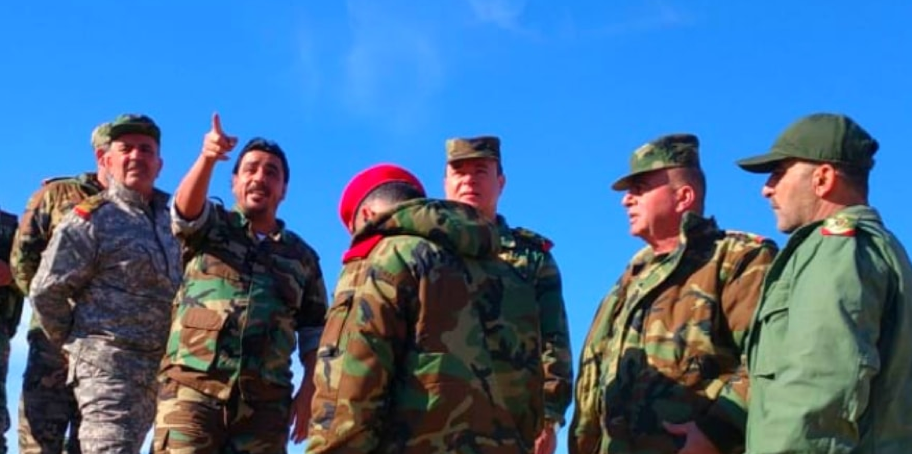
Five months into his job as commander of regime forces in Deir ez-Zor, Maj. Gen. Nizar Khader appears to have skillfully gained control over the diverse tapestry of loyalist forces in the region. Khader’s return to power in the east quickly put an end to the deadly disputes that had plagued the governorate’s security forces for years. He then launched a nearly three-month campaign, coordinated between Syrian, Iranian, and Russian forces, to push ISIS cells back into the province’s hinterlands, securing the crucial highway connecting Deir ez-Zor with Palmyra and Damascus to the west. His success, while impressive, will face its second major test soon as ISIS prepares for a potential Ramadan offensive.
Read MEI’s weekly briefing featuring expert analysis of key regional developments for the week ahead.
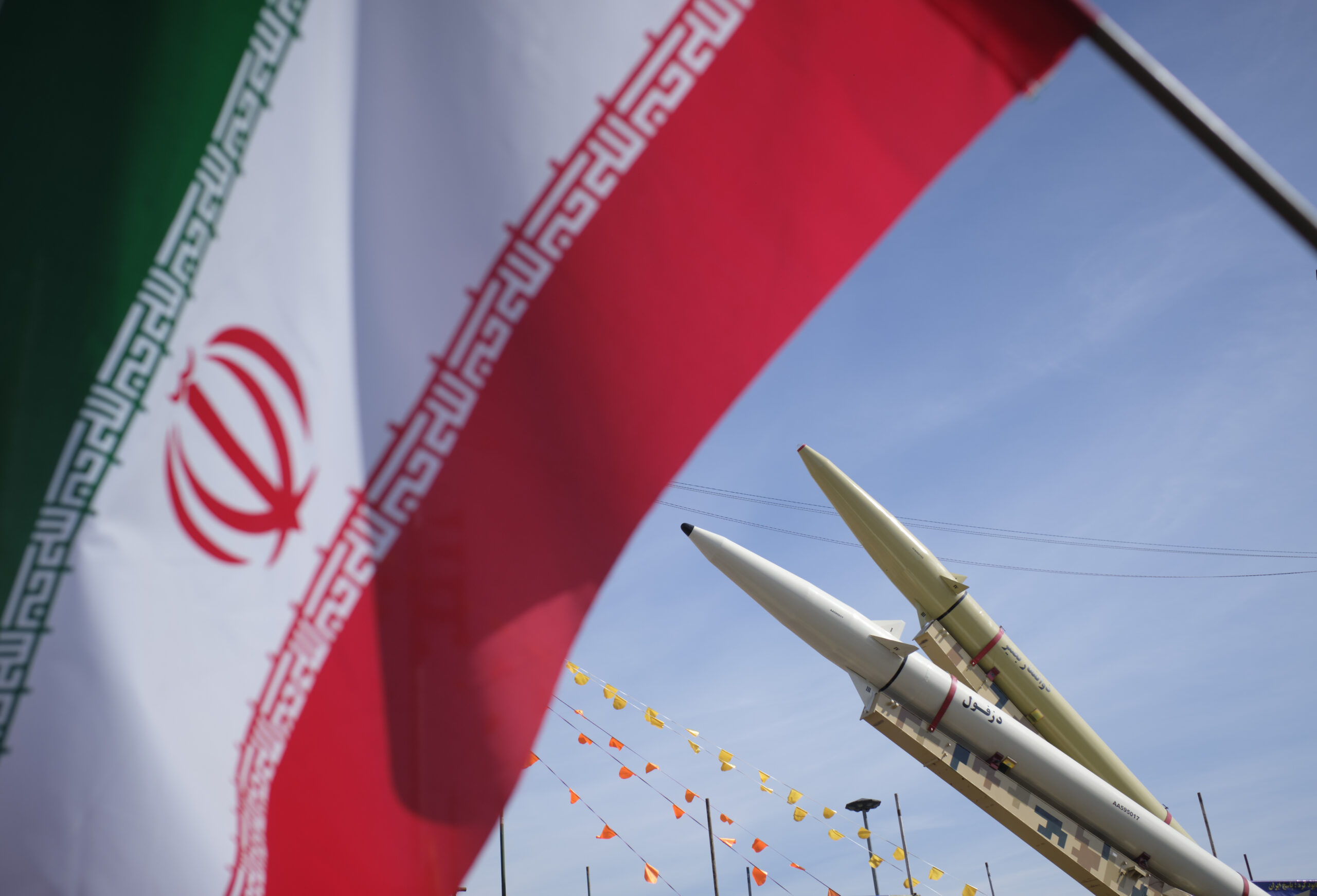
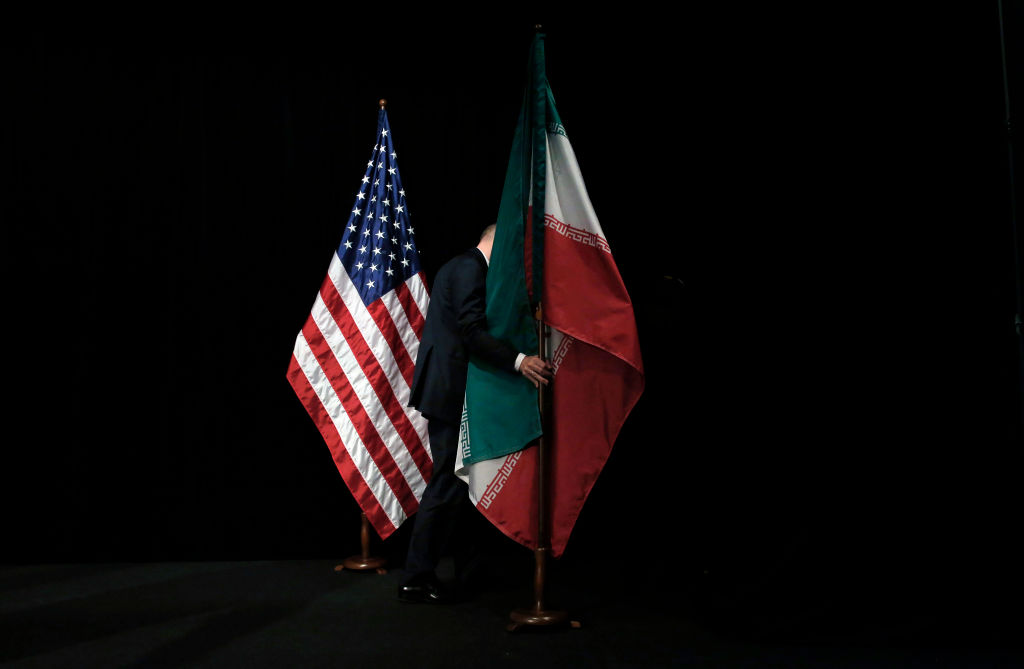
Even if we assume that there is goodwill between the U.S. and Iran to improve relations, the power of algorithms will place major stumbling blocks in the way of efforts toward future normalization. A priori programming of foreign policy options and lines of argument have led to immutable algorithms causing the relationship between the two countries to calcify. On both sides, the key personalities who define national security, interpret events, and shape policies toward one another have had virtually no direct contact or experiences with each other’s country. They interpret events, extract meanings, react to one another, and delineate policies through prisms, images, metaphors, binaries, groupthink, and in the lexicon of artificial intelligence, algorithms.
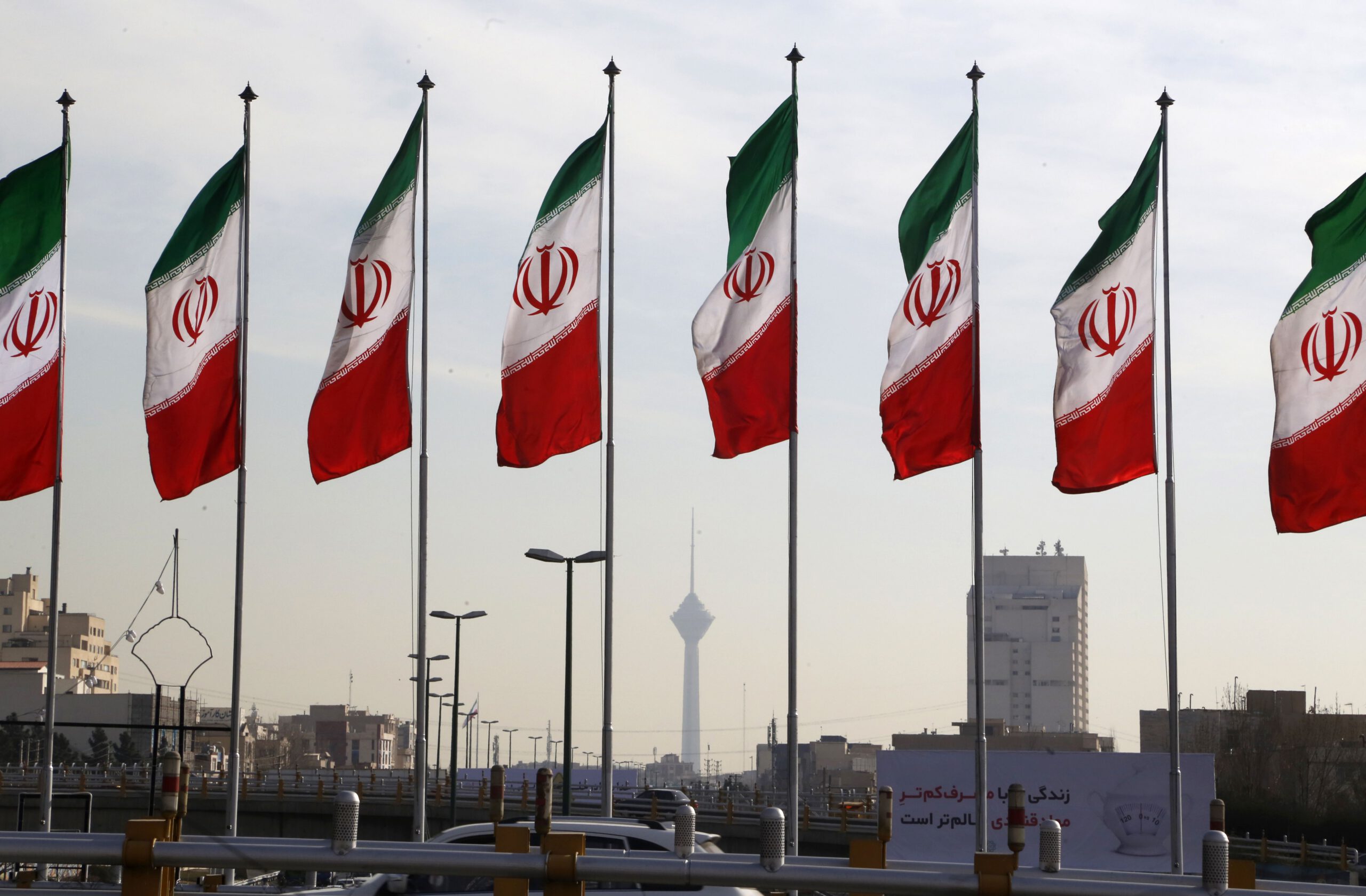
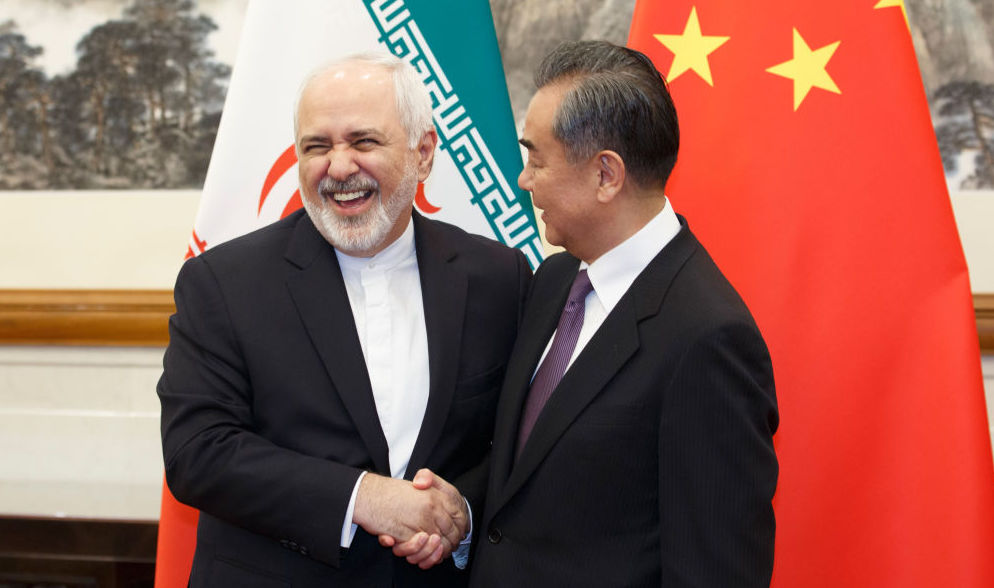
The announcement of the Comprehensive Strategic Partnership (CSP), a 25 year-long economic and development agreement between China and Iran, has immediately added to the intensifying discourse concerning US-China Geostrategic Competition. Nonetheless, a closer look at its implications suggests that it may be useful in achieving some U.S. goals with Iran: particularly regime modernization.
“يبدو أن كل شيء له علاقة بالمؤتمر في تركيا مازال مُعلقًا”.
Read MEI’s weekly briefing featuring expert analysis of key regional developments for the week ahead.
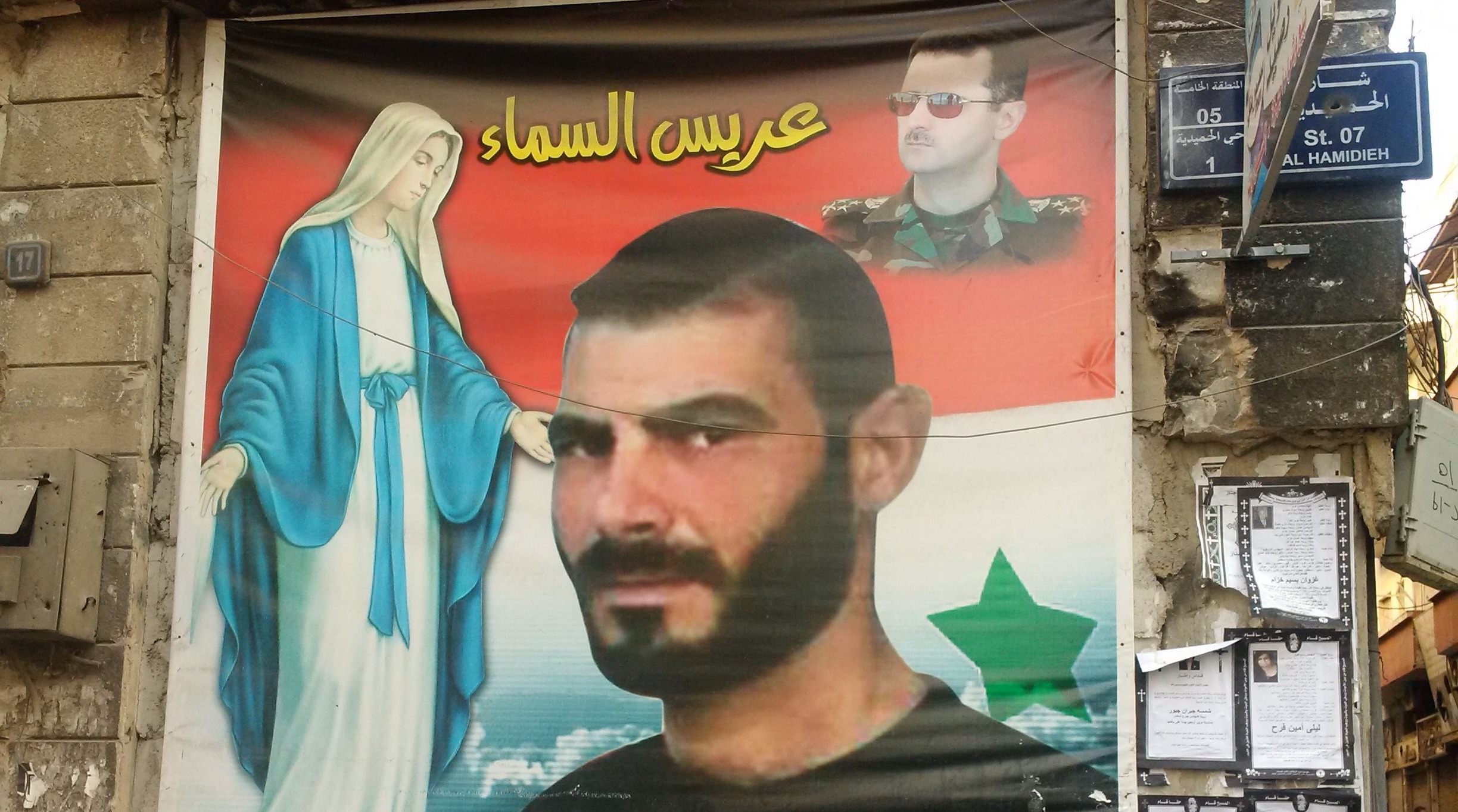
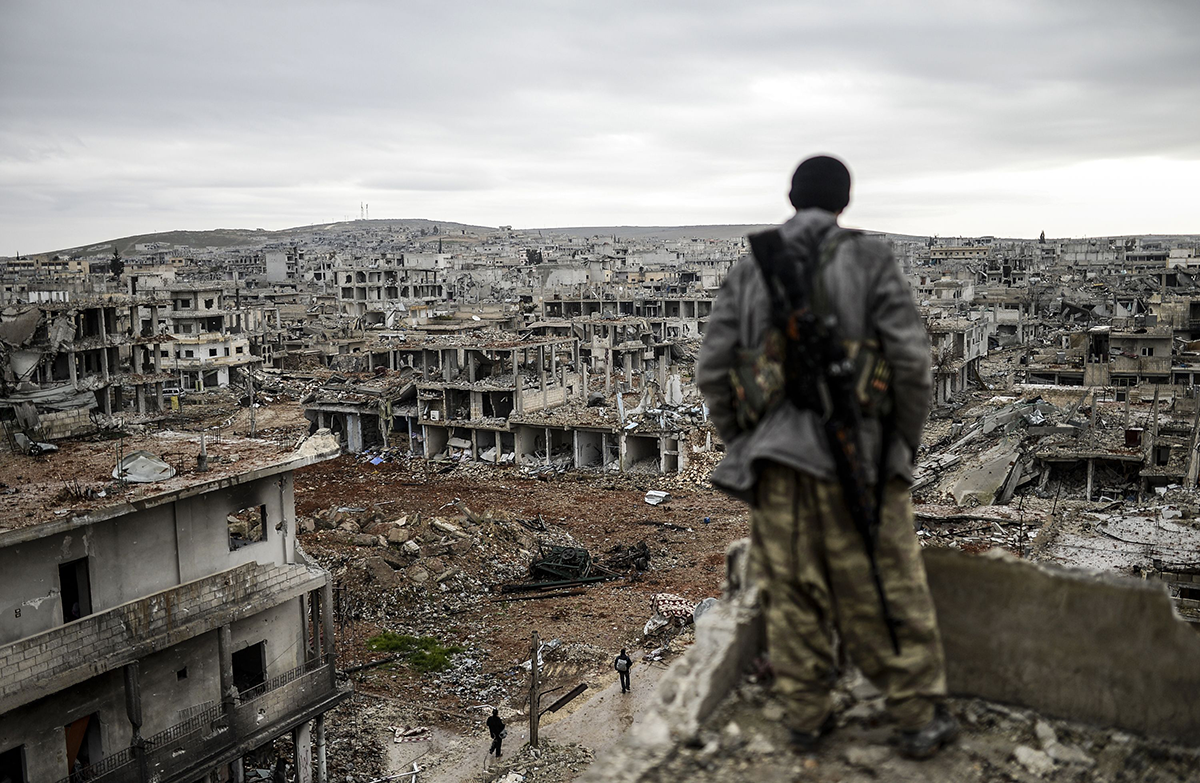
Since the start of the current war, Bashar al-Assad, in power since 2000, has consistently sought to promote himself as the protector of Syria’s minorities — be they Christian, Alawi, Shi’i or Druze —from Islamist extremists. Many Western audiences have been seduced by his smart casual look and by his increasingly prominent, beautifully turned-out British wife, Asma. With presidential elections due to take place, under Russian auspices, in the coming months, in which Assad is widely expected to run, his claim demands close scrutiny. What has happened to minorities over the last 10 years of war and how does that compare to their treatment historically inside Syria?
“يبدو الحفاظ على النسخة الأصلية من “خطة العمل الشاملة المشتركة” هو أفضل السُبُل لروسيا لمواءمة هذه الاعتبارات الثلاثة”.
Read MEI’s weekly briefing featuring expert analysis of key regional developments for the week ahead.
“لا يمكن للمجتمع الدولي أن يسمح لروسيا والصين حليفتها في مجلس الأمن بإنهاء مهمة الأمم المتحدة لتقديم المساعدة عبر الحدود إلى سوريا”.
Read MEI’s weekly briefing featuring expert analysis of key regional developments for the week ahead.
Operation Inherent Resolve (OIR) is the U.S. military’s name for the international intervention to defeat ISIS in Syria and Iraq starting in 2014. While OIR has been a success, it has necessarily been imperfect. Throughout the campaign, cost-benefit calculations made by policymakers led to missed opportunities and possibly a longer conflict. These decisions will have lasting repercussions that could undermine the hard-won victory against ISIS, as well as the ability to partner in future interventions. In particular, the United States mishandled its partner relationships in the war to defeat ISIS. Political considerations apparently won out against supporting and sustaining the SDF, our military partner forces.