Hezbollah Deputy Leader Expresses Gratitude to Iran and Syria
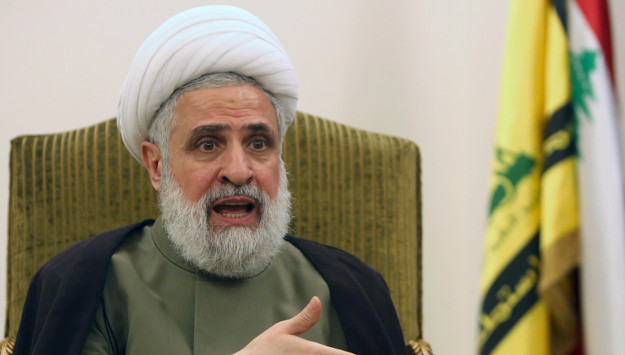
The deputy head of Lebanon’s Hezbollah organization, Naim Qassem, has again come out to remind a skeptical Lebanese population about reasons why the militant group has intervened in the Syrian conflict. According to Qassem, Hezbollah’s approach is “non-interference in the affairs of other countries” but
Iran-Backed Militia Units Continue West Mosul Operations
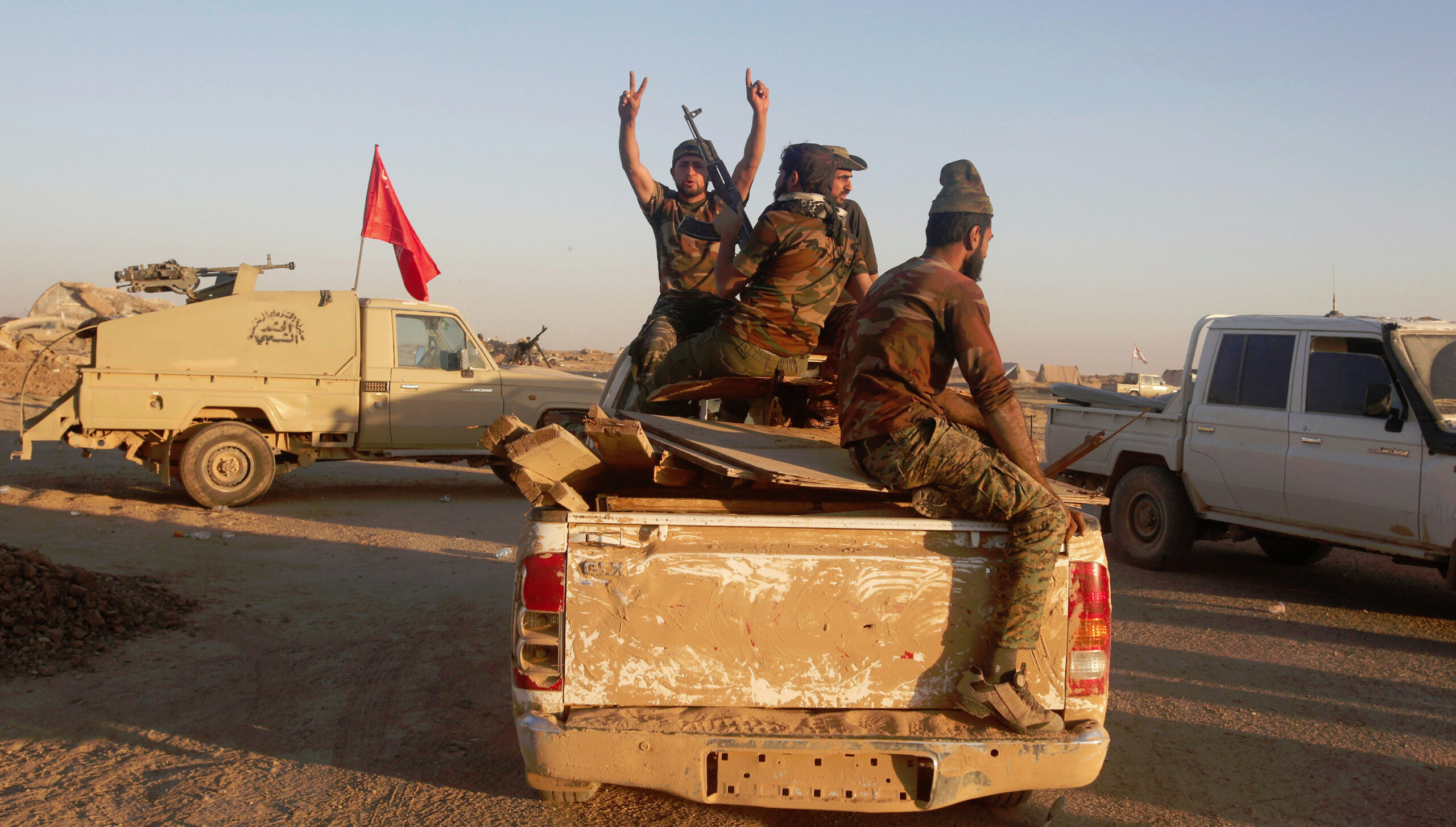
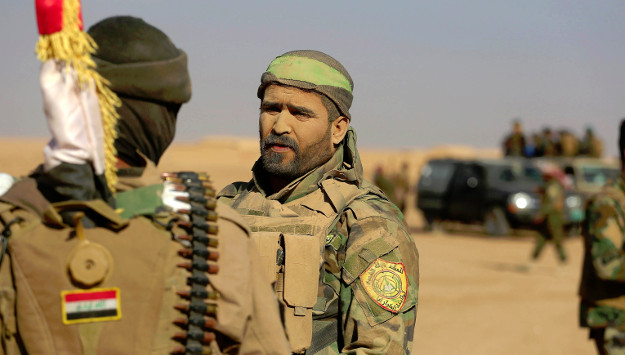
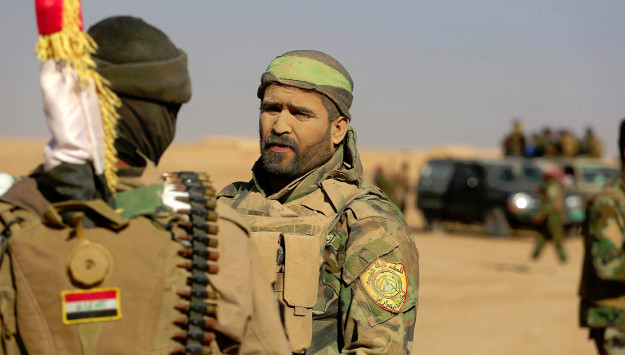
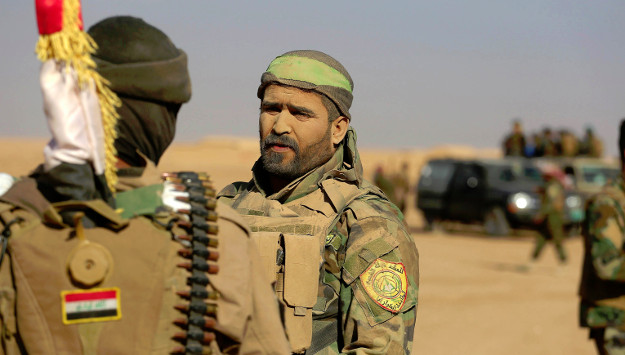
A senior Iraqi official has said that the Popular Mobilization Force (PMF) will take part in the “liberation” of western Mosul. “The popular mobilization forces in Nineveh Province will participate in the liberation operation of Tal Afar,” Iraqi National Security Advisor Falih al-Fayyad said in an interview with Iranian state-run Al-Alam News Network published on January 23.
Baghdad Will “Welcome” Iran’s Controversial Ambassador Pick
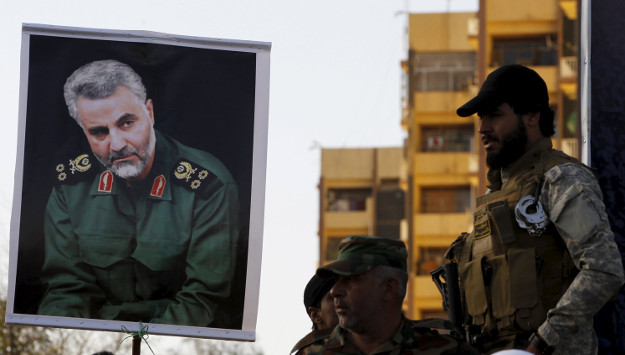
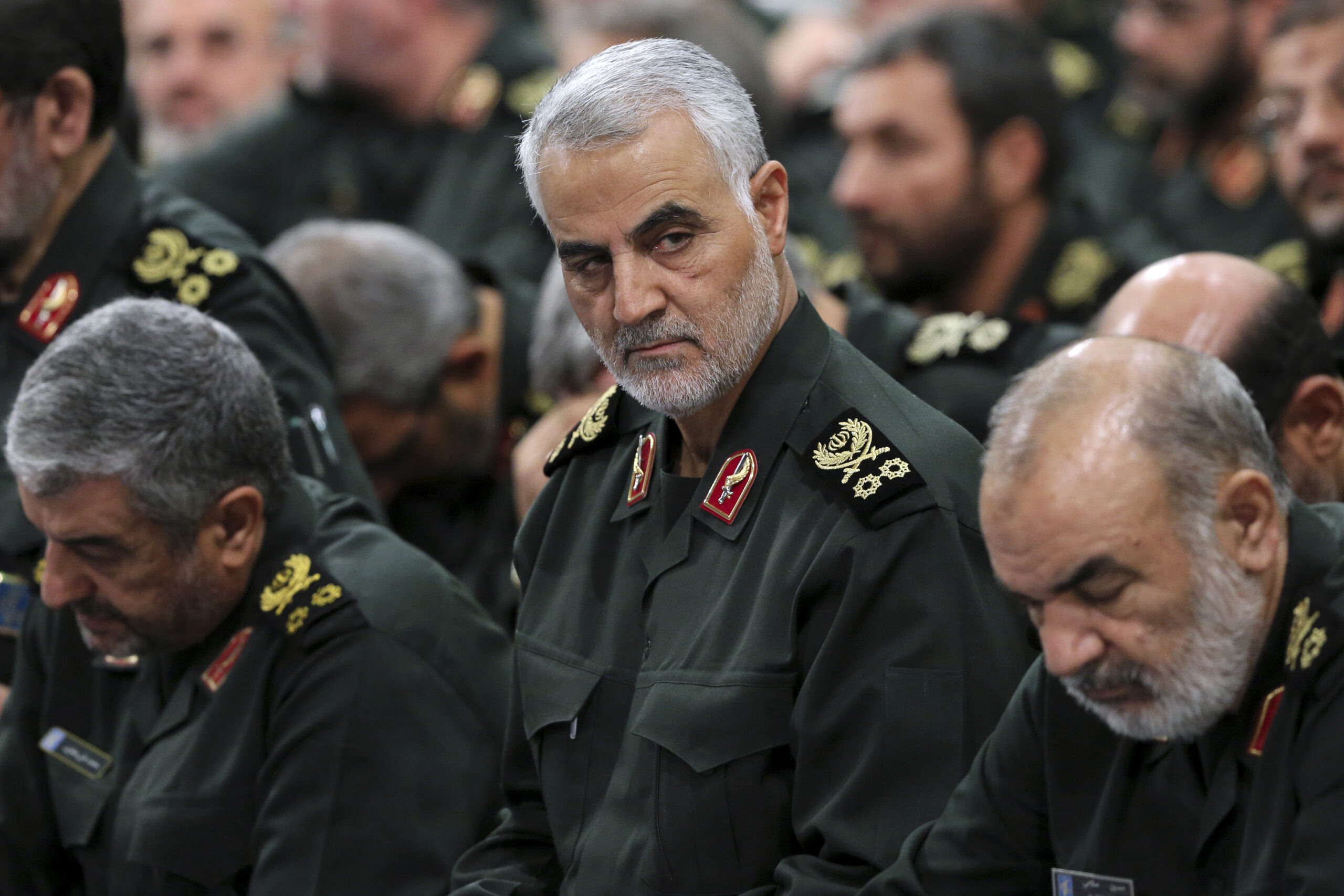
A senior Iraqi official has said that Baghdad will welcome Iran’s controversial pick to be its next ambassador to Iraq. Earlier this month, the Iranian media reported that Brigadier General Iraj Masjedi, a senior advisor to Quds Force Commander Qassem Suleimani, will be Iran’s next envoy to Iraq. The news drew criticism from Saudi officials.
Iranian General Calls for Closure of Saudi Consulate in Erbil
In the latest example of Iranian interference in Iraq, a top Iranian general has said that the presence of the Saudi consulate in Erbil, the capital of Iraq’s semi-autonomous Kurdish region, is not “just
Iran-Backed Militant Groups Make Territorial Gains in West Mosul
On January 12, Iran’s Fars News Agency (FNA) reported that the Popular Mobilization Forces (PMF) “liberated” three regions in the west of Mosul.
According to FNA, an outlet affiliated with the Islamic Revolution Guards Corps (IRGC), PMF forces are preparing for the “sixth phase of operations to liberate the west of Nineveh Province.”
Lebanon’s Government Should Lay the Groundwork for Fairer Representation and Accountability
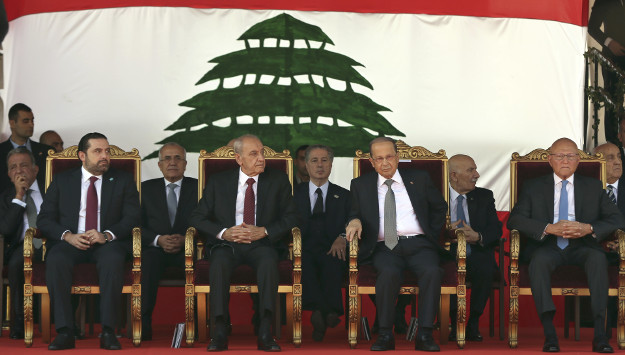
The Lebanese parliamentary electoral system is the worst in the world. It ensures that a small sectarian oligarchy can monopolize control of parliament and state power, and it sets impossible obstacles to the rise of new political parties and alternative leadership. The necessary remedy is to introduce proportional representation, either through the mixed system proposed by the National Electoral Law Commission headed by Fouad Boutros in 2006, or through other variations proposed by a number of groups since then.
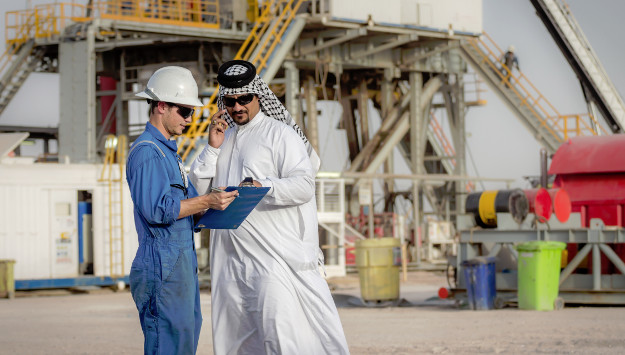
Iran’s Oil Ministry has announced that two new energy contracts have been signed with Iraq. In particular, Tehran is looking to export natural gas to Iraq. Energy is only part of the equation.
Iran Steps up Efforts to Expand Its Influence in Lebanon
On January 6, a high-level Iranian parliamentary delegation visited Beirut and pledged to provide military aid to the Lebanese army. Alaeddin Boroujerdi, the chairman of Iranian Parliament’s Committee for Foreign Policy and National Security, said the Islamic Republic was “determined to arm Lebanon’s army,” but added that the implementation of the plan was contingent upon Beirut’s approval.
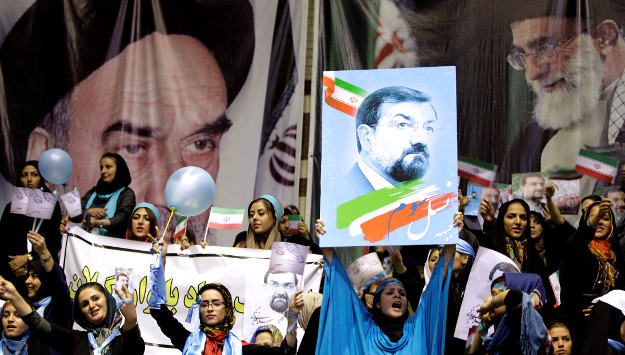
News Brief:Mohsen Rezaei, the long-time former head of the Islamic Revolution Guards Corps (IRGC), has launched a scathing attack on the government of President Hassan Rouhani and its pol
Iran Sees Iraqi Shiite Militiamen as “Strategic Capacity”
Ali Shamkhani, the head of Iran’s Supreme National Security Council (SNSC), has called Iraqi Shiite militia, the Hashd Al-Shaabi (Popular Mobilization Forces), a “strategic capacity for the future of Iraq.” Shamkhani said this to the visiting former Iraqi prime minister, Nouri al-Maliki. Mailiki in turn thanked Iran for its “support for the Iraqi government and people” and lashed out at Tehran’s regional rivals Turkey and Saudi Arabia.
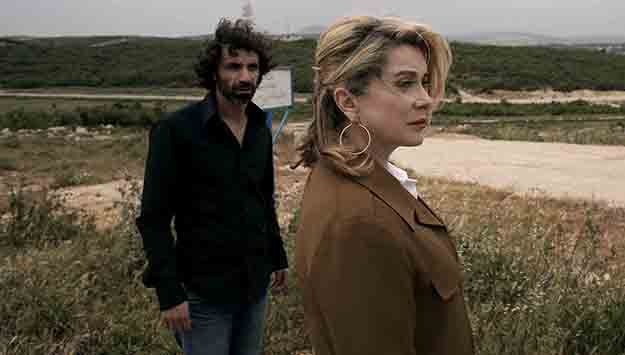
The long, turbulent history of Lebanese cinema is one fraught with financial precariousness, thwarted potentials, and colonialist impediments. Fighting for decades to break away from the hegemony of Egyptian cinema, Lebanon finally came of age in the 1960s and 1970s, reaching a peak with a series of hugely popular mainstream flicks that included the popular Rahbani/Fairuz folk musicals. The rise of what was once deemed as the most exciting Arab cinema at the time proved to be short lived, coming to a premature halt with the outbreak of the Lebanese Civil War.