This text has been translated by AI and may contain errors.
Skip to Content

Research & Commentary Results

Filter by
1599 Results
The ties that bind: The South Caucasus and the Middle East
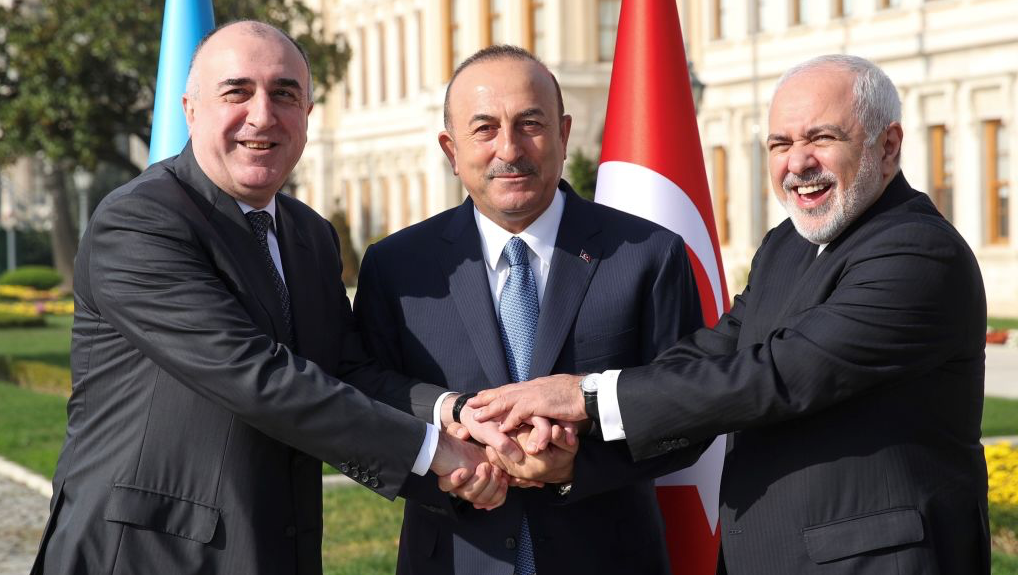
Turkish Foreign Affairs Minister Mevlut Cavusoglu (C), Minister of Foreign Affairs of Iran, Javad Zarif (R) and Azerbaijani Minister of Foreign Affairs, Elmar Mammadyarov (L) pose for a photo prior the tripartite meeting of foreign ministers of Turkey, Azerbaijan and Iran in Istanbul, Turkey on October 30, 2018.
  • Analysis
  • The ties that bind: The South Caucasus and the Middle East

    As neighboring regions, the South Caucasus and the Middle East are inextricably intertwined — so much so that the former is sometimes even considered part of the Greater Middle East. While geographical proximity is the strongest driver of interconnectivity between the two regions, geopolitics, business ties, and energy interests also link countries from the South Caucasus and the Middle East and form the basis for important bilateral and regional relationships.

    January 24, 2020

    The next Israeli election: The triumph of the fringes?
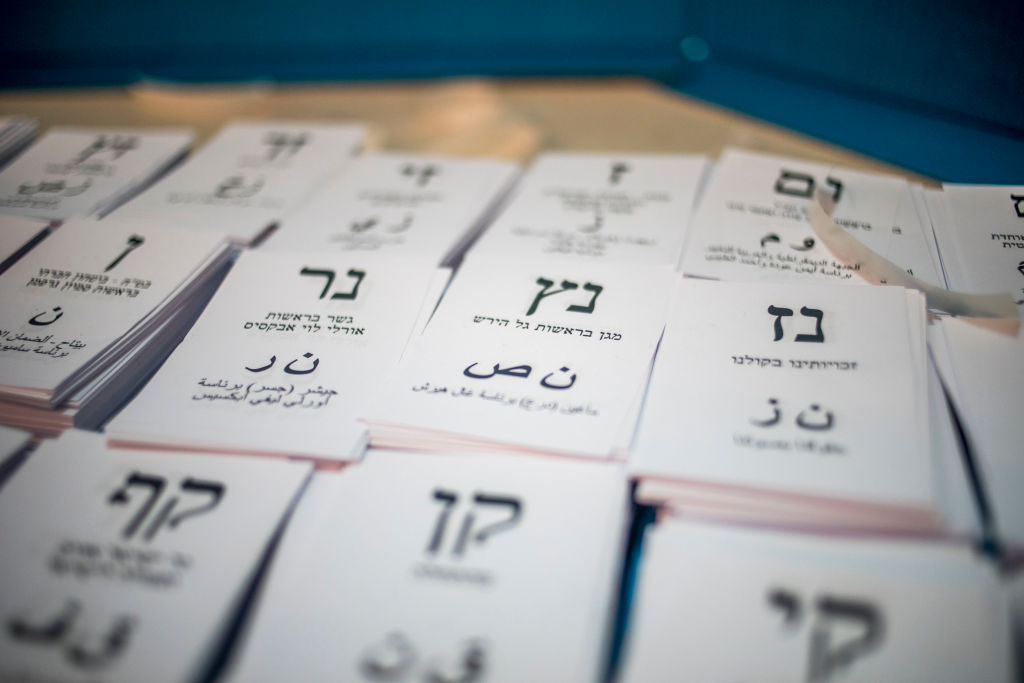
    Ballots seen with the party names during the elections. Israel holds elections for the next Prime Minister.
  • Analysis
  • The next Israeli election: The triumph of the fringes?

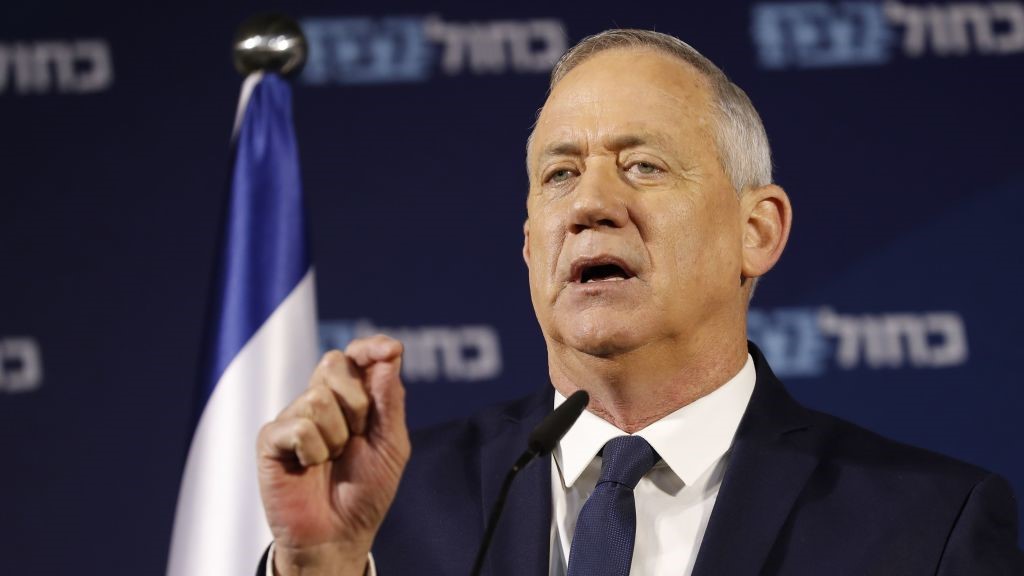
    Jan.15, 2020 was the last date to submit electoral “lists” for the Israeli election scheduled for March 2. A flurry of parties on both ends were registered in the days before the Jan. 15 deadline, and some of their leaders may well be part of and influence the Israeli government that will (eventually) be formed.

    January 22, 2020

    US policy in Afghanistan: Smoke and mirrors, but not yet hopeless
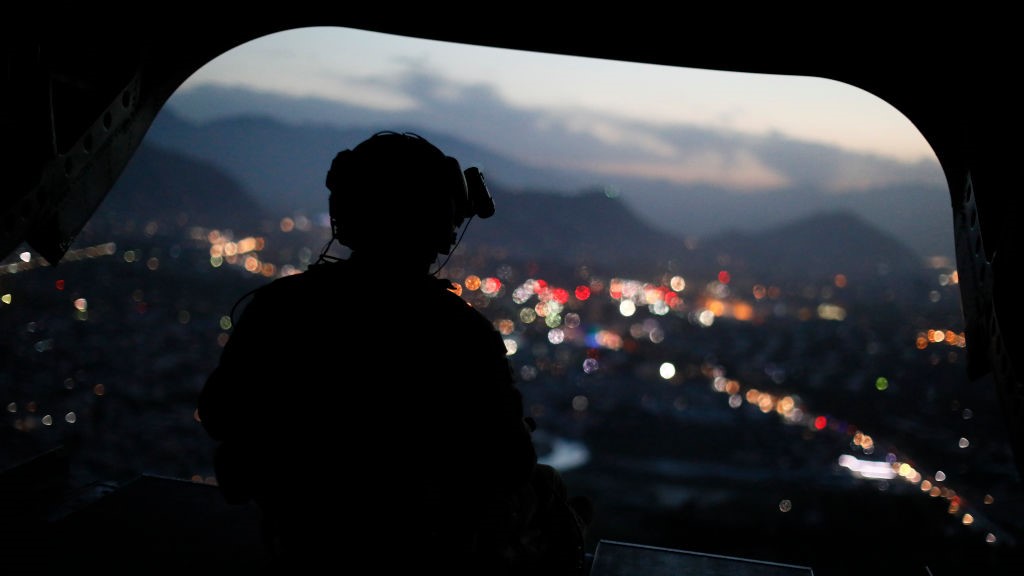
    A US Army serviceman sits at the tailgate of an helicopter carrying US Defence Secretary, after leaving the Resolute Support headquarters, in the Afghan capital Kabul on April 24, 2017.
  • Analysis
  • US policy in Afghanistan: Smoke and mirrors, but not yet hopeless

    18 years after CIA and U.S. special operations elements touched down in Afghanistan to pursue al-Qaeda and topple the Taliban, ongoing, incremental troop reductions reveal the smoke and mirrors manner in which the U.S. is withdrawing from the conflict in lieu of a negotiated settlement.

    January 16, 2020

    Jihadism in South Asia: A militant landscape in flux
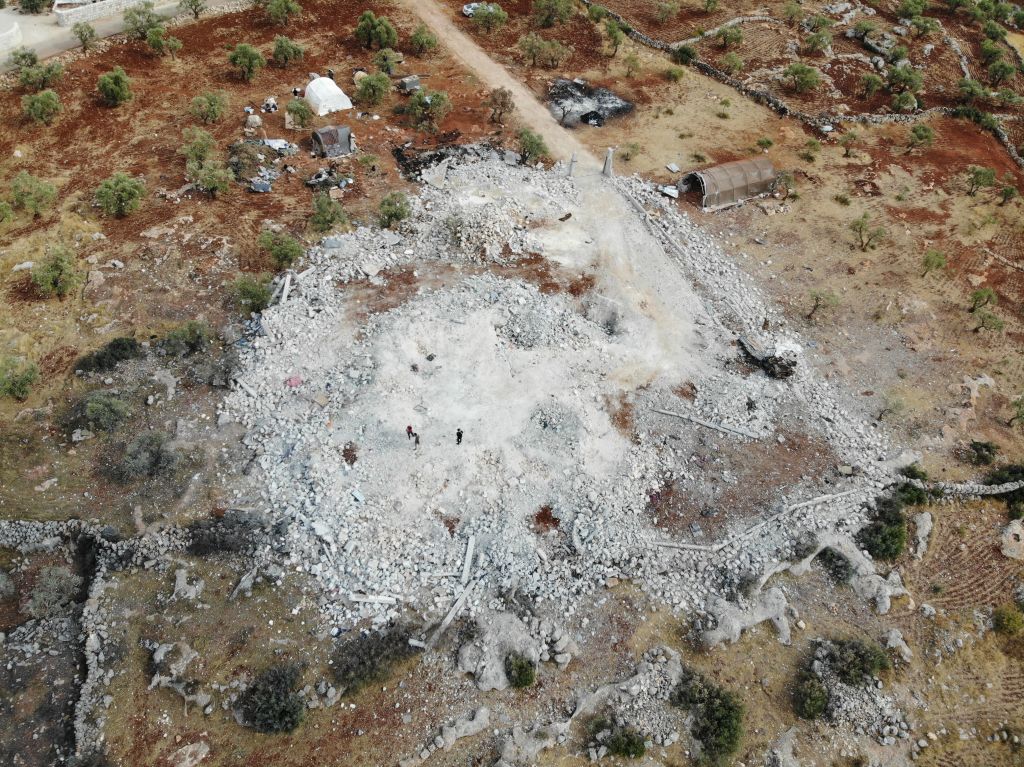
    An aerial view taken on November 1, 2019, shows the site where the Islamic State group leader Abu Bakr al-Baghdadi was reportedly killed according to US president Donald Trump, in a daring nighttime raid by US special forces near the small village of Barisha in northwestern Syria.
  • Analysis
  • Jihadism in South Asia: A militant landscape in flux

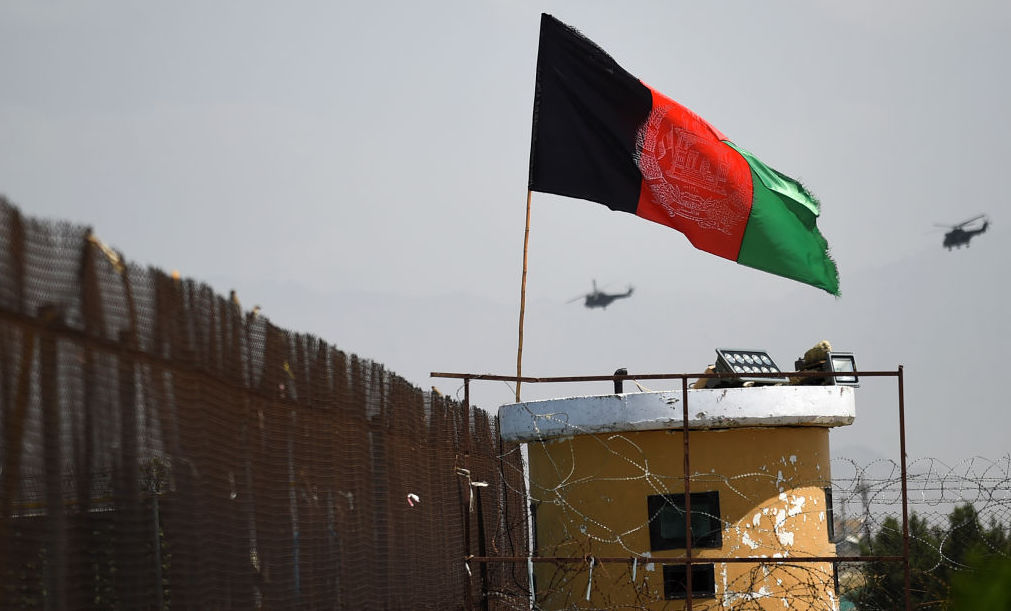
    Over the past five years, the focus of U.S. counterterrorism strategists has remained on the Middle East, especially after the emergence of ISIS in 2014, while Islamist terrorist organizations operating in South Asia have been considered a secondary threat. However, the fact remains that South Asia is home to more Islamist terrorist organizations than any other region of the world. Al-Qaeda was born there, in Afghanistan, and ISIS has roots in the region. But at the turn of the decade both global jihadist groups are now facing major challenges and the critical question is whether they will manage to survive this period of crisis amid a severe leadership vacuum following the death of ISIS’s supreme leader and caliph, Abu Bakr al-Baghdadi, and the killing of al-Qaeda heir apparent Hamza bin Laden. 
    January 8, 2020

    The Military-Security Dimension of Israel-Southeast Asia Relations
  • Analysis
  • The Military-Security Dimension of Israel-Southeast Asia Relations

    Over the past two decades, Israel has developed robust bilateral relationships with China, India, and Singapore. Israel has also succeeded in forging ties with Japan and South Korea. More recently, Israel has devoted considerable attention to strengthening its relations with Southeast Asian countries, particularly Vietnam, the Philippines, Thailand and Myanmar. Military-security cooperation in the form of arms trade as well as technology transfer and licensed production has emerged as an important dimension of Israel’s relations with Southeast Asian countries.

    January 7, 2020

    Israel in 2020: Heading for yet another election
    Israel's Prime Minister Benjamin Netanyahu attends the weekly cabinet meeting in Jerusalem on January 5, 2020.
  • Commentary
  • Israel in 2020: Heading for yet another election

    Politically Netanyahu seems to be about as popular as before his long-awaited indictment, which portends another inconclusive election and a political system unable to break the deadlock.

    January 6, 2020

    Stalemate and violence in Israel-Palestine
    Palestinians wave national flags as they march in the streets of the occupied West Bank city of Ramallah, calling for the cessation of divisions between Fatah and Hamas and the unification of the West Bank and Gaza Strip, on January 12, 2019.
  • Commentary
  • Stalemate and violence in Israel-Palestine

    Holding long overdue elections for the Palestinian presidency and the legislative arm of the Palestinian Authority could be a step toward redressing the Fatah-Hamas conflict.

    January 6, 2020

    What do recent successes against ISIS mean for a US withdrawal from Afghanistan?
    Member of the Islamic state ISIS militants stand alongside their weapons, as they surrendered to government in Jalalabad, Nangarhar, Afghanistan on November 17, 2019.
  • Analysis
  • What do recent successes against ISIS mean for a US withdrawal from Afghanistan?

    Afghan security forces, working in concert with U.S. airpower, have launched a series of successful attacks in eastern Afghanistan on ISIS forces, which operate locally under the banner of ISKP. Simultaneously, the Taliban has conducted its own military campaign against ISKP in the same region. These campaigns have significantly degraded ISKP’s position in eastern Afghanistan, a development that may well increase the likelihood of an eventual U.S.-Taliban peace deal.

    December 23, 2019

    Reviewing the Middle East in 2019
    Middle East Institute
  • Podcast
  • Reviewing the Middle East in 2019

    In our annual year in review episode, MEI experts Paul Salem, Gonul Tol, Charles Lister, Alex Vatanka, Marvin Weinbaum, and Mirette Mabrouk sit with host Alistair Taylor to discuss the key events across the region in 2019, what surprised them, and where things stand as we head into 2020.

    December 19, 2019

    The intra-GCC competition over the Palestinian heart
    Palestinian President Mahmoud Abbas (L) meets Saudi Arabian King Salman bin Abdulaziz al-Saud (R) in Riyadh, Saudi Arabia on October 15, 2019.
  • Analysis
  • The intra-GCC competition over the Palestinian heart

    Since 2017 three separate blocs have emerged within the Gulf. Driven by the region’s divisions, rival power centers, and conflicting interests, the Gulf states are playing an ever-greater role in Palestinian affairs.

    December 18, 2019

    Israel: Preoccupied by indecision
    Israeli Prime Minister Benjamin Netanyahu (C) arrives at the weekly cabinet meeting in Jerusalem December 8, 2019.
  • Commentary
  • Israel: Preoccupied by indecision

    The main — perhaps only — issue in Israeli politics now is the future of Netanyahu.

    December 16, 2019