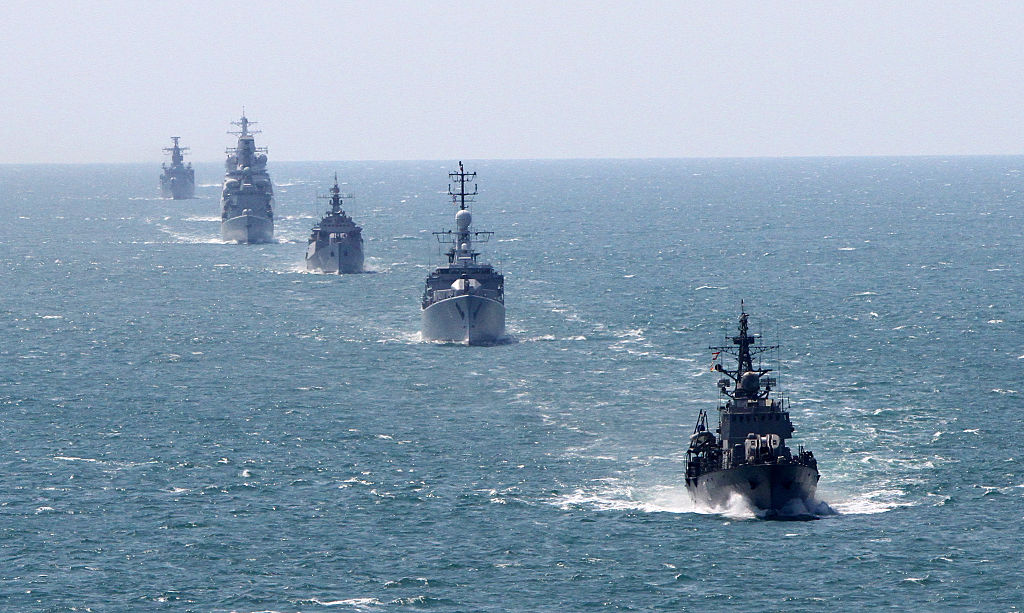
The Black Sea is a very important region for NATO, and has not received the attention it deserves; a separate focused NATO strategy and support for countries in the Black Sea would send a message that the Alliance takes the region seriously.
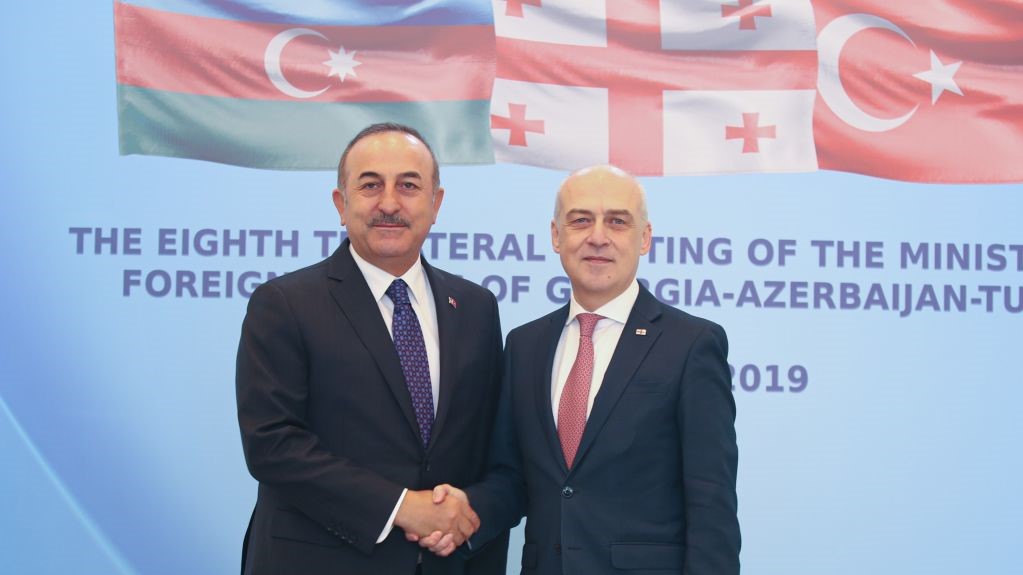
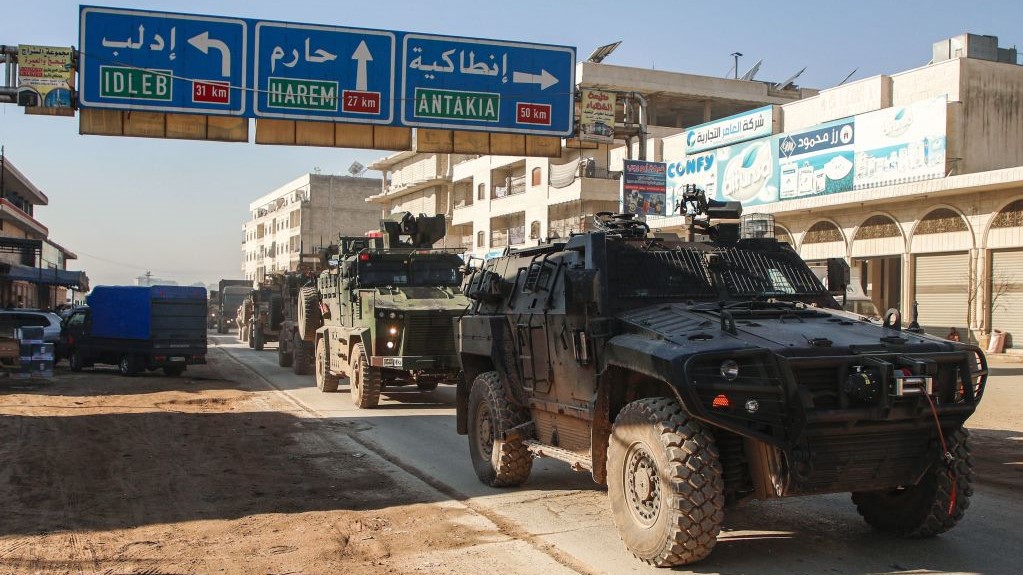
As Turkey-Russia ties warm, will Georgia be left out in the cold?
Turkey’s blossoming relationship with Russia has not only raised eyebrows in Washington and Western European capitals, it has also caused a great deal of discomfort in countries like Georgia that have borne the brunt of Russian aggression. A few recent scattered signals from Ankara, however, might comfort Turkey’s northeastern neighbor.
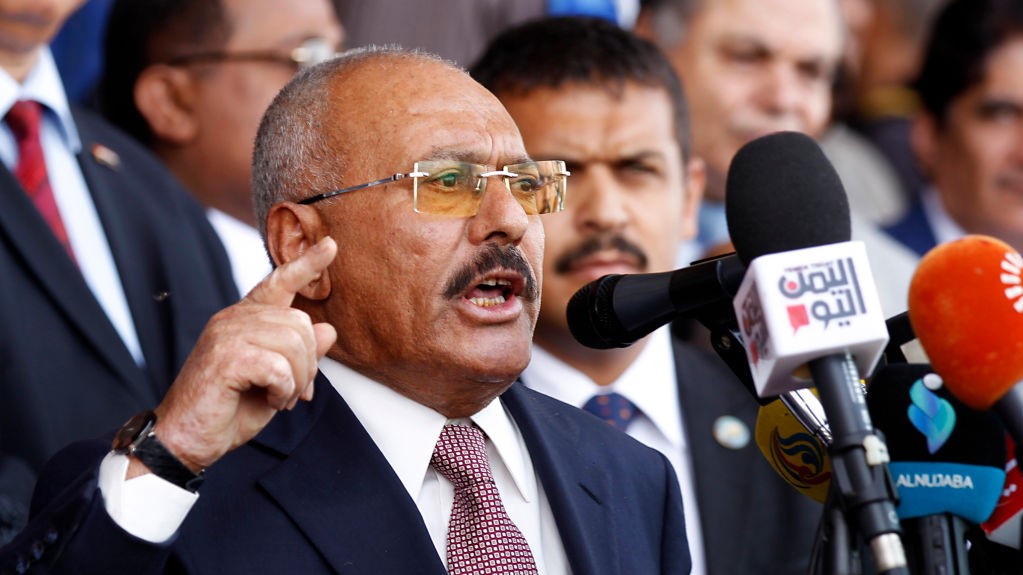
A fight for survival in a new landscape: Can Yemen’s GPC recover after Saleh?
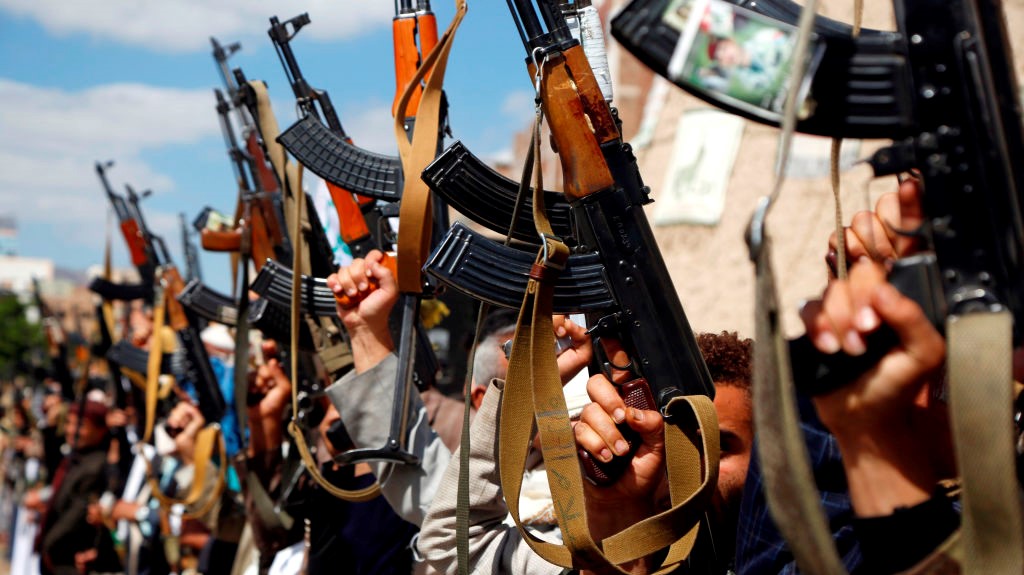
Since the death of its founder Ali Abdullah Saleh on Dec. 4, 2017, the General People’s Congress (GPC) — Yemen’s dominant political party for the past four decades — has faced a test in attempting to reunify its divided wings in Riyadh, Cairo, Abu Dhabi, and Sanaa amid a shifting strategic landscape. The GPC’s factions have competed over the party leadership, failed to elect a transitional leader, and exchanged accusations following the Saudi-brokered meeting in Jeddah in July 2019. Nevertheless, Abu Dhabi and Riyadh’s attempts to revive Saleh’s damaged old political vehicle continue, both politically and militarily.
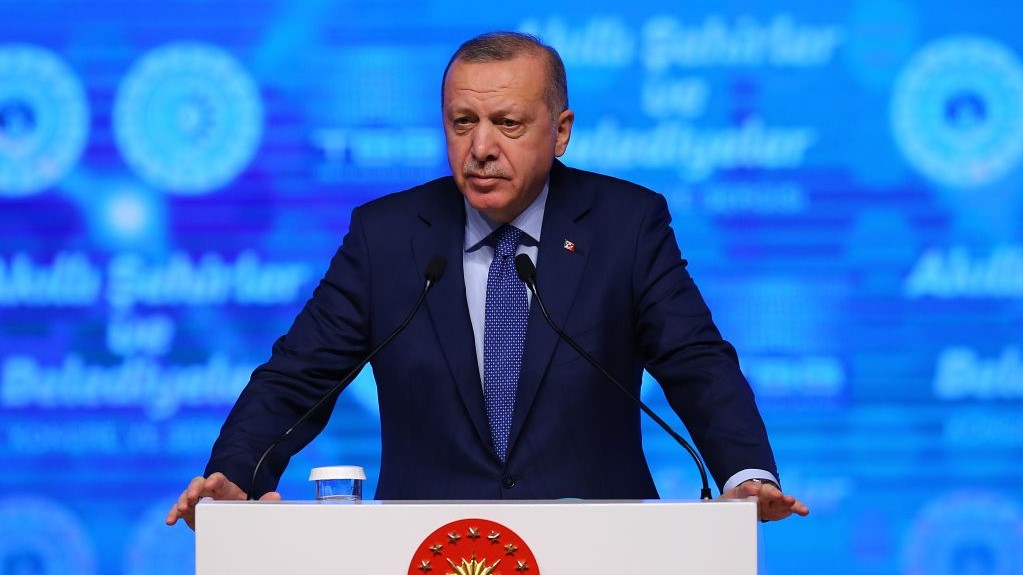
Turkey’s Parliamentary Purge and the HDP’s Dilemma
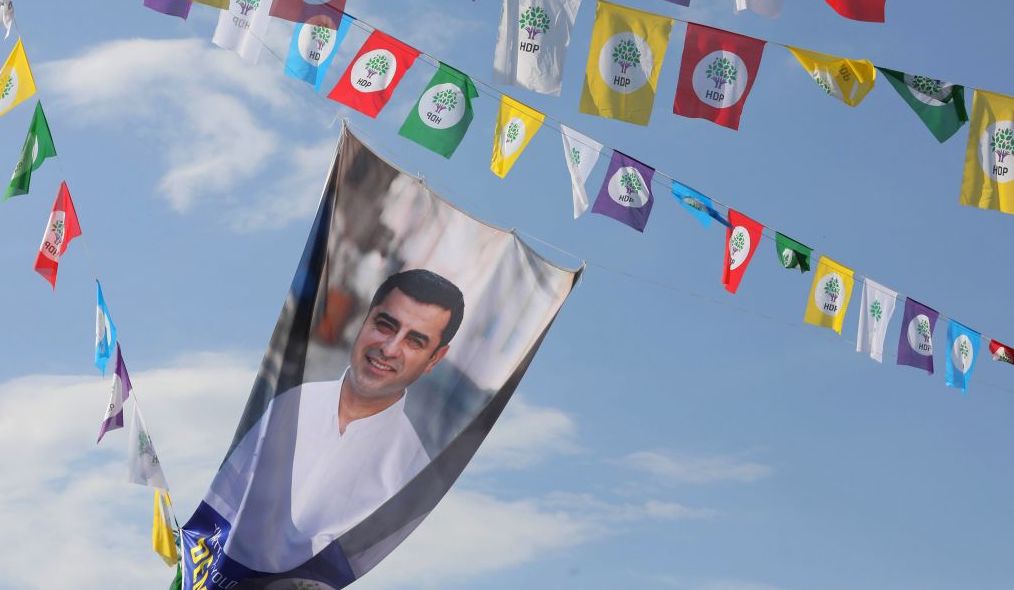
In 2016 the Turkish parliament voted to revoke parliamentary immunity and initiated the ruling Justice and Development Party’s (AKP) political purge of MPs with the Peoples’ Democratic Party (HDP). Despite the introduction of a new assembly in 2018, Turkey’s October invasion of northeast Syria provided ample incentives for the launch of new investigations into HDP members protesting the operation. The targeting of the HDP has set new legal and political precedents that could undermine the political capacity of the opposition coalition as a whole and create ideological divisions over the so-called “Kurdish Question.” This report records documented arrests of HDP MPs from June 2016 to January 2018 in order to identify prominent trends and waves of arrests that correspond to political and legal events.
The Bab el-Mandeb Strait: Regional and great power rivalries on the shores of the Red Sea
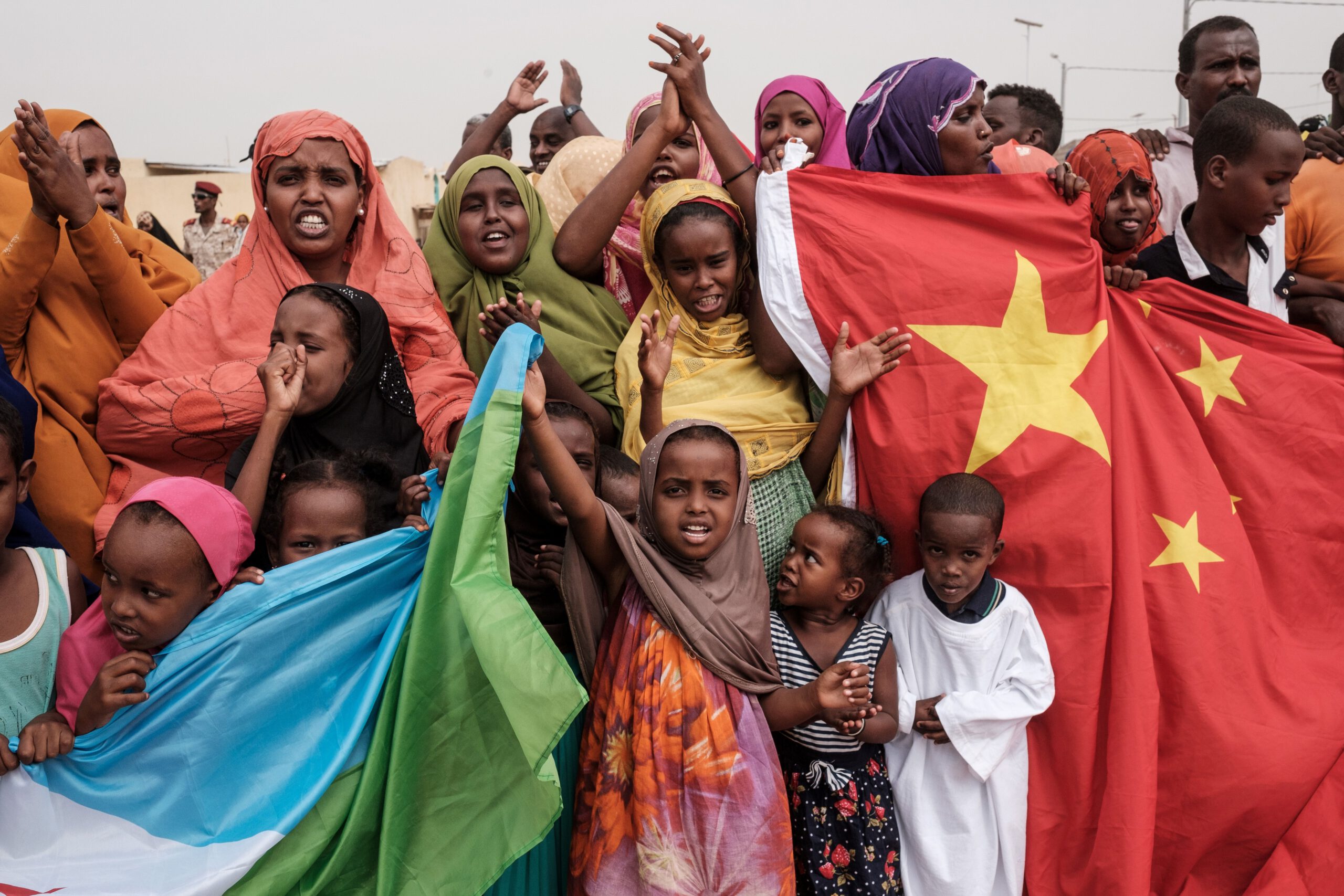
The Bab el-Mandeb Strait (“Gate of Tears” in Arabic) forms a vital strategic link in the maritime trade route between the Mediterranean Sea and the Indian Ocean via the Red Sea and the Suez Canal. On one side of the narrow strait lies the Arabian Peninsula. On the other is the Horn of Africa, a fragile region that has been plagued for decades by high levels of violence and instability within and across borders, and which in recent years has served as a launching pad for terrorism, piracy, human trafficking, and smuggling operations.
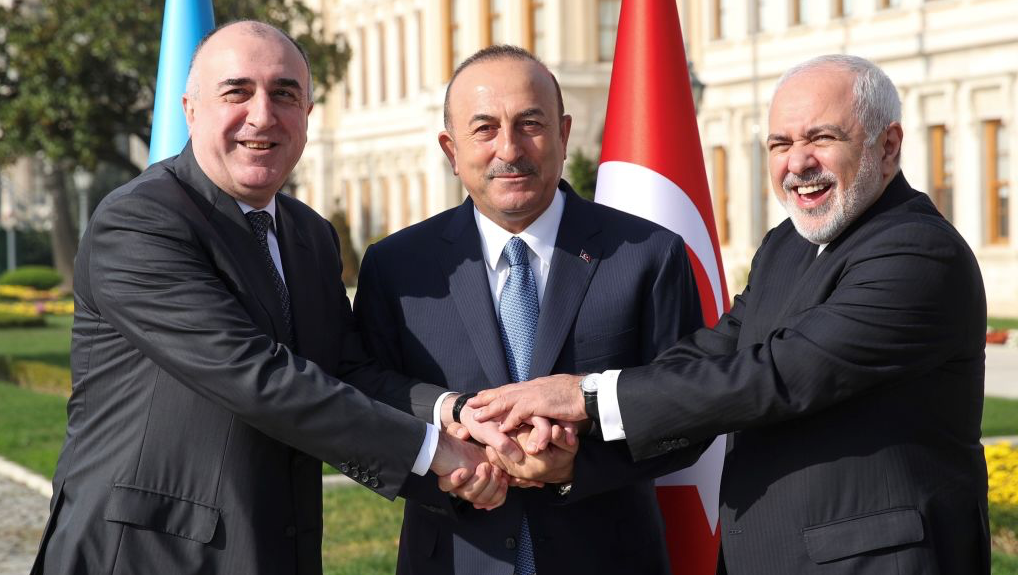
US-Iran escalation and its implications for the South Caucasus
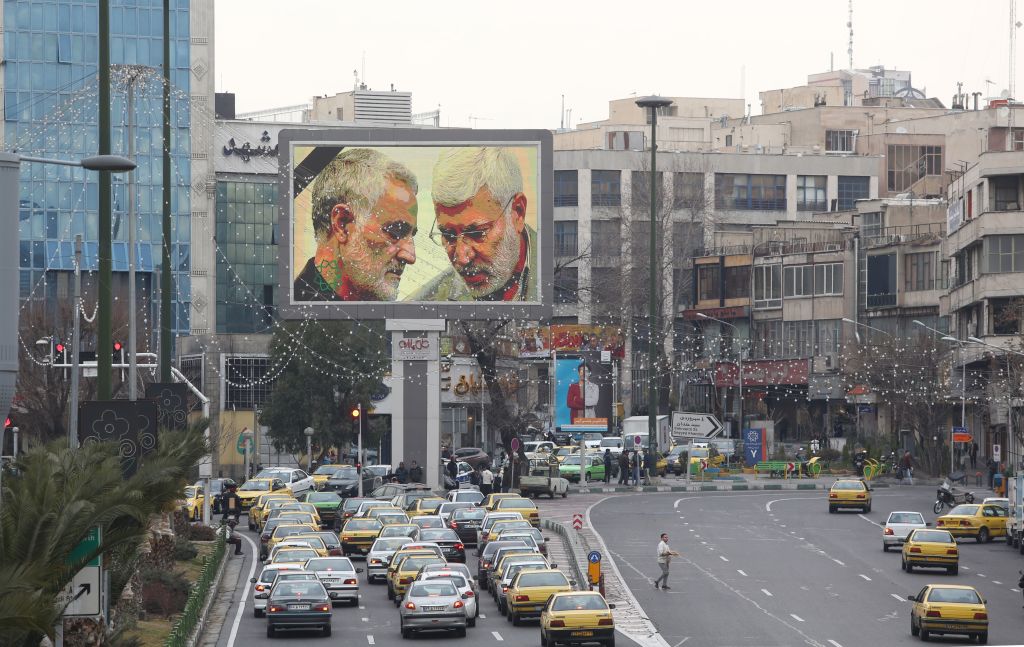
Over the past several weeks geopolitical experts have been talking a lot about what the surprise U.S. drone attack on Iranian Gen. Qassem Soleimani, head of the IRGC – Quds Force, on Jan. 3 means for the Middle East and relations between the major powers. What has received considerably less attention, however, is what Soleimani’s killing means for the South Caucasus, a region whose small size belies its strategic importance.
The ties that bind: The South Caucasus and the Middle East
As neighboring regions, the South Caucasus and the Middle East are inextricably intertwined — so much so that the former is sometimes even considered part of the Greater Middle East. While geographical proximity is the strongest driver of interconnectivity between the two regions, geopolitics, business ties, and energy interests also link countries from the South Caucasus and the Middle East and form the basis for important bilateral and regional relationships.
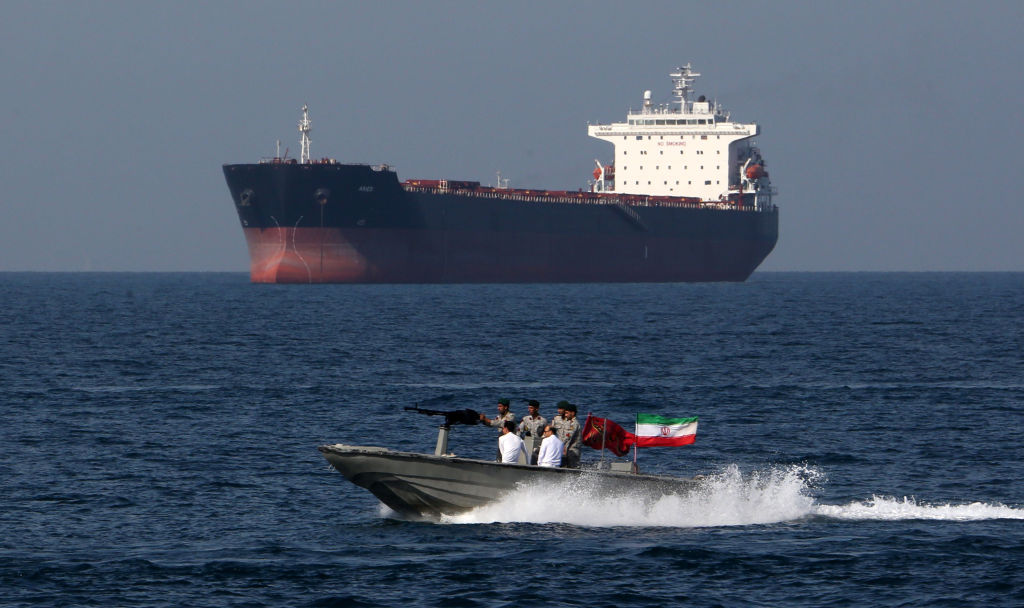
Iran’s “harsh revenge”: Is blocking the Strait of Hormuz really a plausible option?
In the immediate aftermath of the assassination of Gen. Qassem Soleimani, head of the Islamic Revolutionary Guard Corps – Quds Force, on Jan. 3, Ayatollah Ali Khamenei warned the U.S. of Iran’s “harsh revenge.” There has been much speculation around the timing, location, and the type (or form) of Iran’s promised revenge. Amin Mohseni-Cheraghlou takes a closer look at the impact of the widely discussed strategy of blocking the Strait of Hormuz.
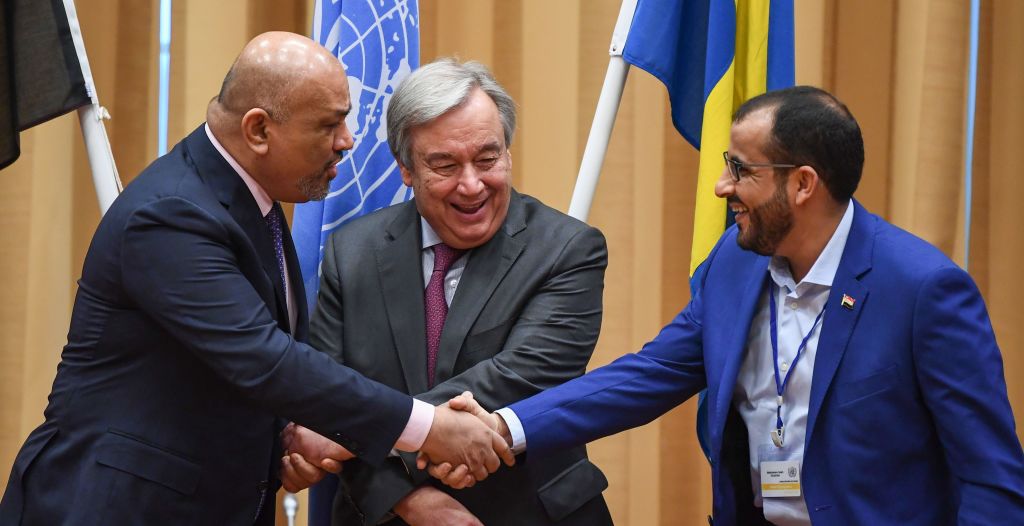
Yemen’s Stockholm Agreement one year on: Imaginary progress?
Just over a year ago, the international community rejoiced in the revival of the UN-led Yemen peace process with the conclusion of the Stockholm Agreement between the Yemeni government and the Houthi insurgency (Ansar Allah), brokered by UN Special Envoy Martin Griffiths. Although the deal marked the first political breakthrough in the peace process since the collapse of Geneva and Kuwait talks under Griffith’s predecessor, the ensuing hurdles in implementation meant that hopes for its success were short-lived. In evaluating the progress on the agreement’s three key components — covering prisoner exchange, Hodeida, and Taiz — it quickly becomes clear that the truism that implementing peace agreements is far more important, and difficult, than concluding them still rings true.
Foreign policy and commercial interests drive closer UAE-Syria ties
On Dec. 2, a series of public statements from Emirati and Syrian officials brought widespread attention to the UAE’s rapprochement with Syria. In a video circulated by Russian state media outlet RT, the UAE’s charge d’affaires in Syria, Abdul-Hakim Naimi, praised the “wise leadership” of Syrian President Bashar al-Assad and hailed the Syria-UAE relationship as “solid, distinct, and strong.” Syrian Deputy Foreign Minister Faisal Mekdad responded enthusiastically to Naimi’s comments by praising the UAE for standing by the Syrian government in its war against terrorism.
Following the recent escalation in U.S.-Iran tensions, the threat of Iranian cyberattacks is likely to intensify in the near to medium term. There are three possible fronts where Iran might look to carry out cyber operations: targeting the energy infrastructure of America’s Gulf allies; deploying malware against U.S. private sector companies; and launching disinformation campaigns that would aim to influence public opinion in both the Middle East and the U.S.