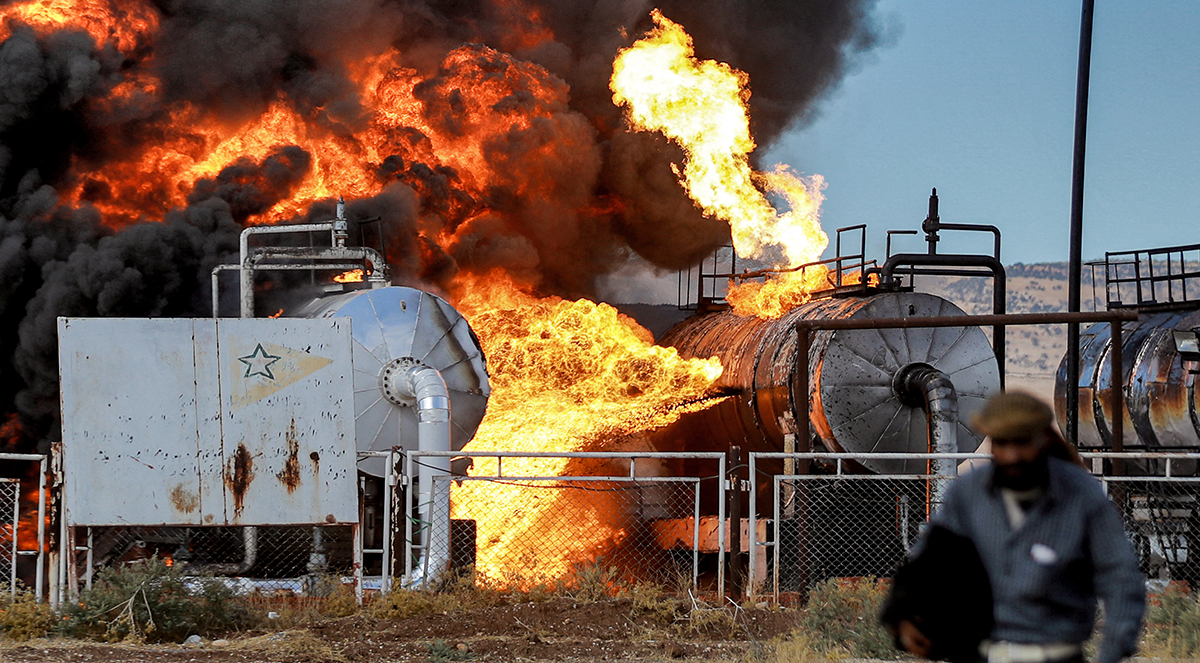
تزايد الاضطرابات في السويداء السورية مع ازدياد الغارات الجوية الأردنية ووفيات المدنيين
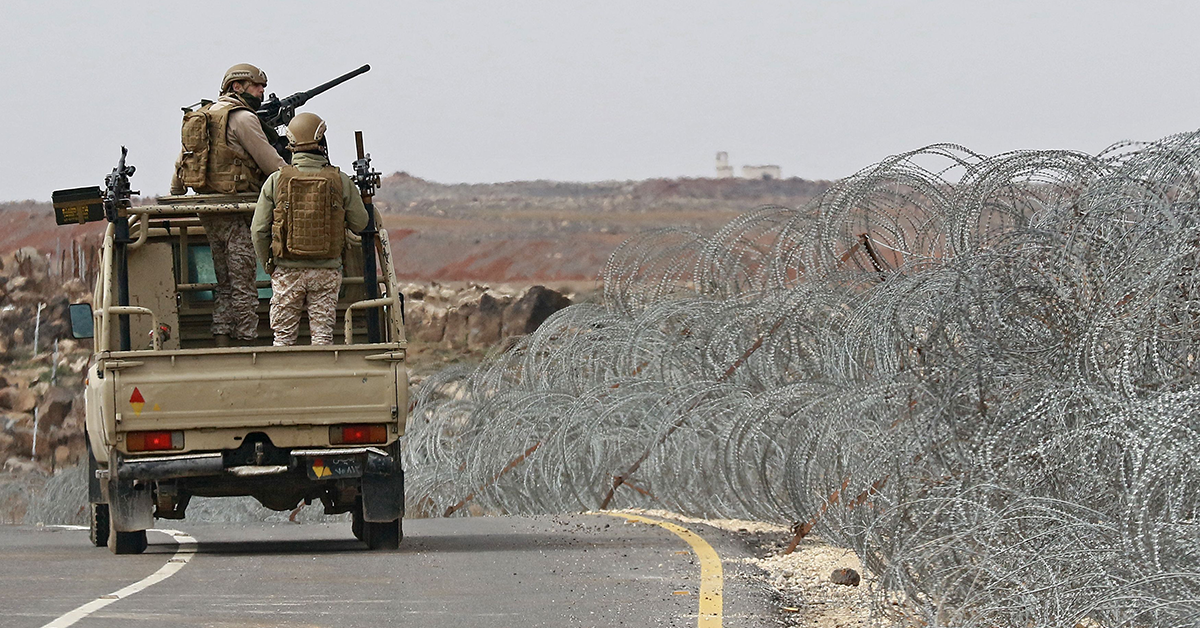
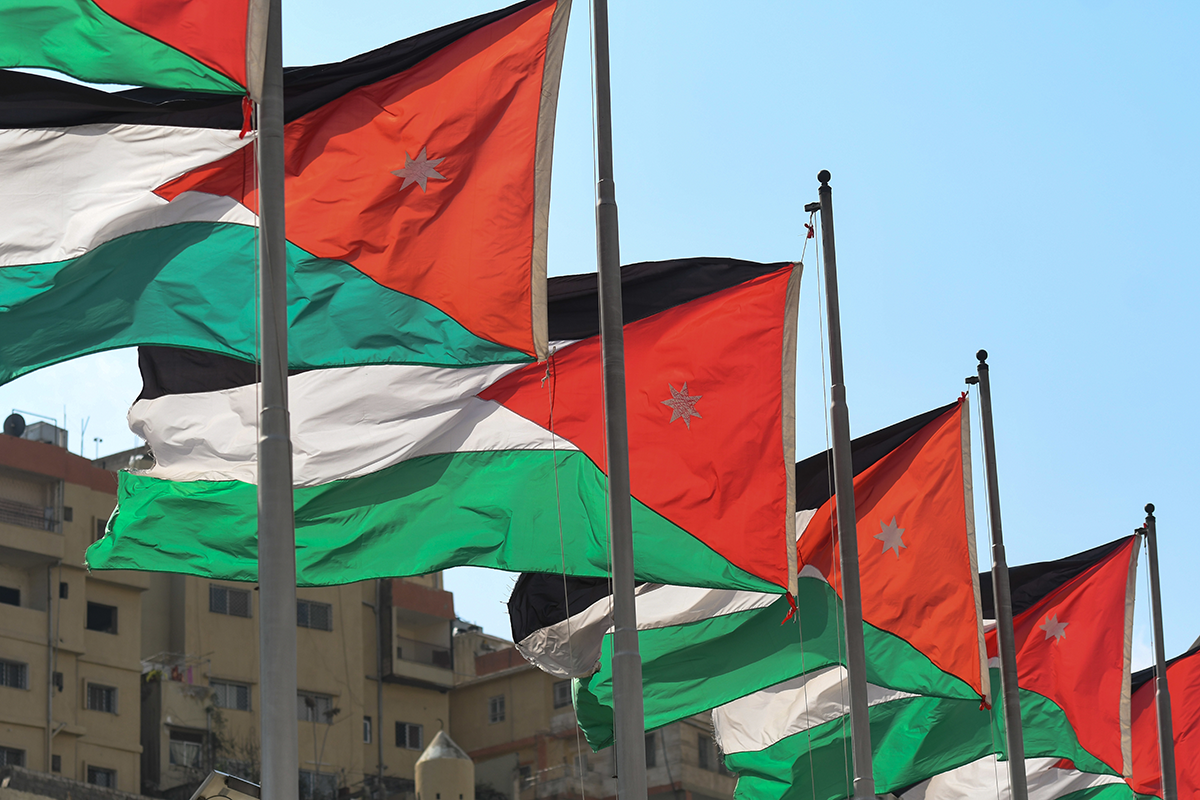
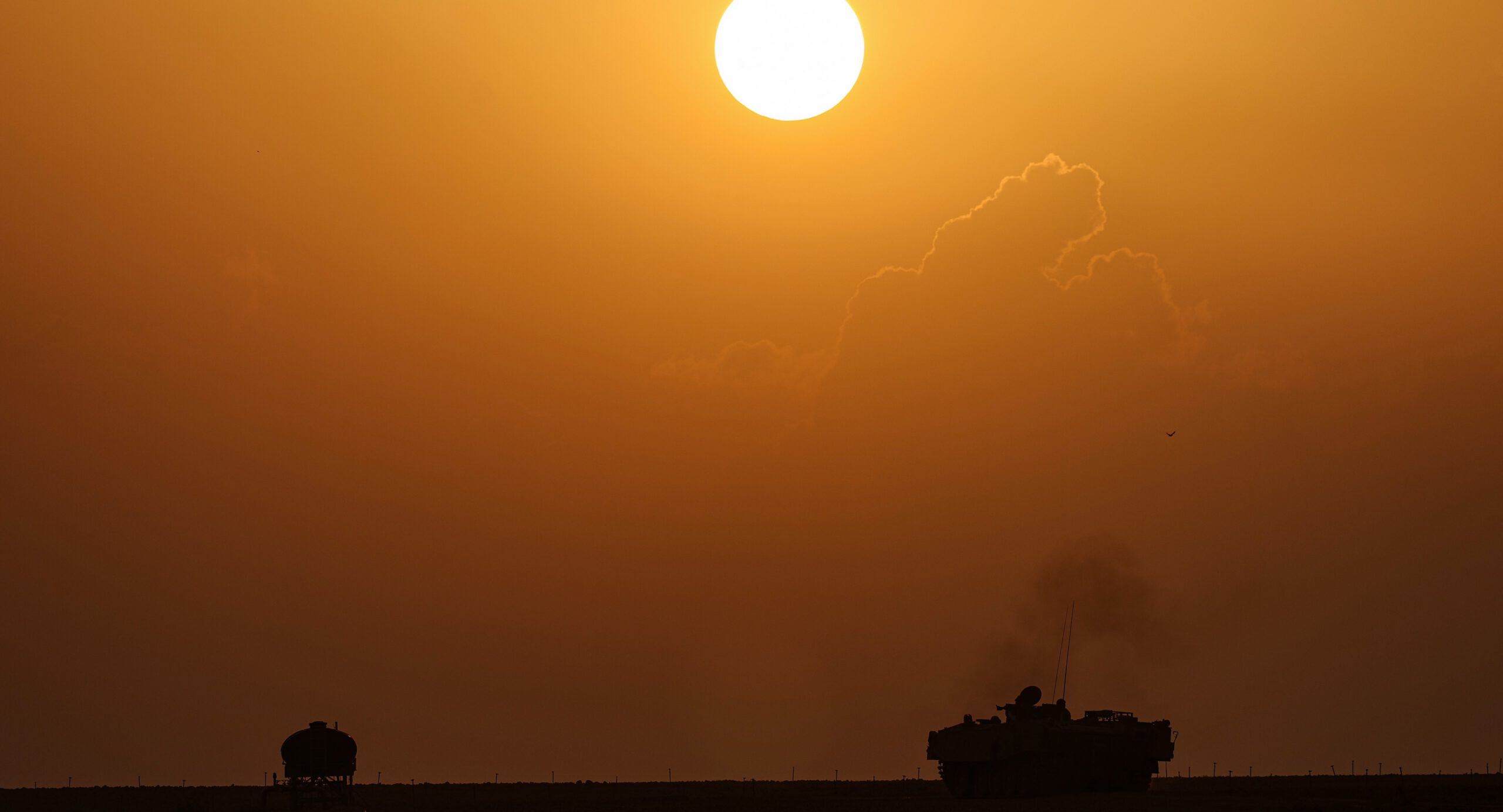
مع استمرار ارتفاع عدد القتلى المدنيين، تتعرض الأردن لانتقادات متزايدة بسبب غاراتها الجوية في محافظة السويداء بجنوب سوريا، التي تهدف إلى مكافحة عمليات تهريب المخدرات والسلع.
طموحات الأردن وأموال السعودية: نظرة على الاستثمارات السعودية في الأردن
في عام 2017، أنشأ صندوق الاستثمارات العامة السعودي وعدد من البنوك الأردنية صندوق الاستثمار السعودي الأردني لتوجيه 3 مليارات دولار إلى الاقتصاد الأردني. ويقدم مشروعان من مشاريع صندوق الاستثمار السعودي الأردني دراسات حالة ذات صلة بالتحديات التي تواجه الجهود الأردنية الأوسع نطاقاً لجذب المزيد من الاستثمار الأجنبي المباشر ودفع عجلة التنمية الاقتصادية.
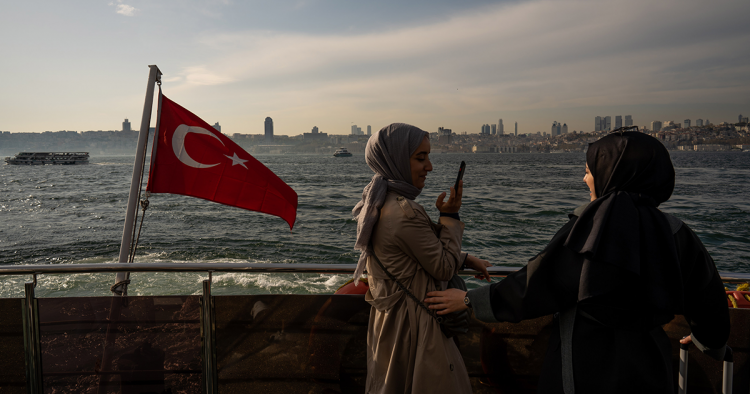
The year 2023 marks the 100th anniversary of the establishment of the Turkish Republic. MEI Editor-in-chief Alistair Taylor and Turkey Program Director Gonul Tol discuss where things stand today: the political landscape in the aftermath of the May 2023 elections, President Recep Tayyip Erdogan’s push for constitutional change, and how Turkey is dealing with key foreign policy issues like the Israel-Hamas war, Sweden’s NATO membership bid, and relations with the U.S.
Modern Türkiye (the official spelling of Turkey since 2021) sprang like a phoenix from the ashes in 1923, overcoming daunting odds. Its predecessor, the Ottoman Empire, had foolishly joined the war with the Central Powers in 1914 and naively thought its Arab subjects would remain loyal, only to have been utterly defeated and then dismembered. A rebellion led by the empire’s most famous war hero and leader, Kemal Ataturk, overthrew the last sultan, rejected an unjust treaty to divide up the country and repelled the occupying Allies. He established a contemporary republic based on popular
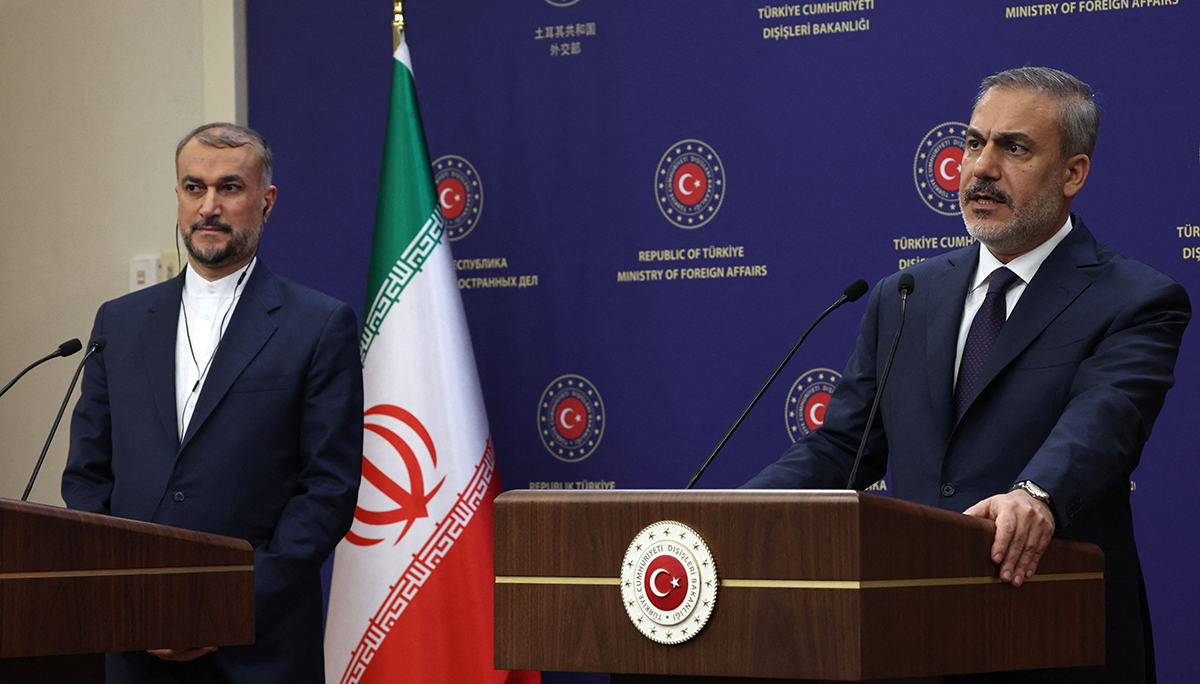
Turkey and Iran: Toward an “Axis of Revisionism” amid the war in Gaza?
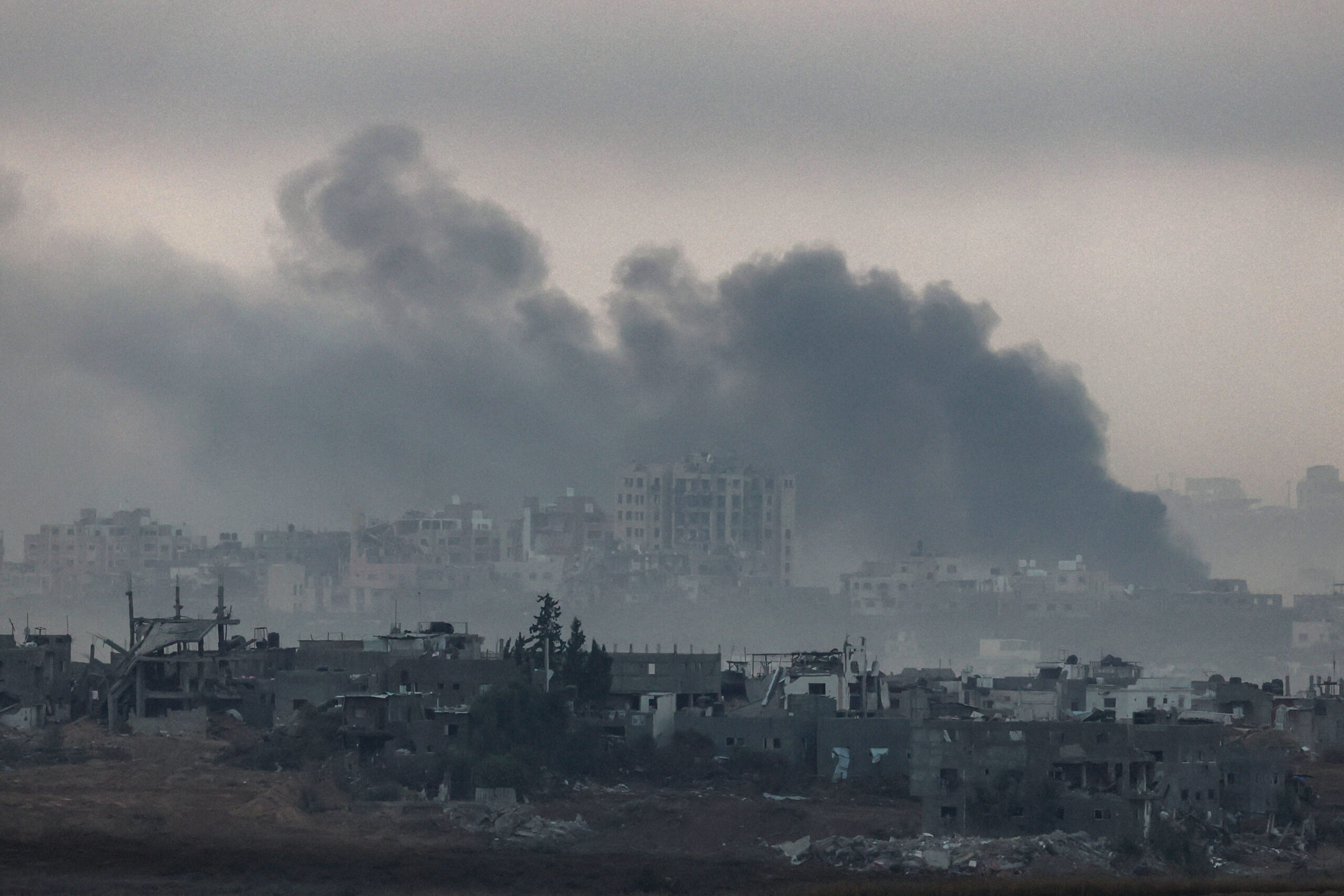
Hamas’ violent and unexpected Oct. 7 attack on Israel has shaken a fragile regional order in the Middle East. Ankara and Tehran are worried that a stronger U.S. presence in the Middle East is detrimental to their regional interests. The war in Gaza might help close the ranks between Turkey and Iran, yet there are serious limitations to a sustainable alliance between the two countries.
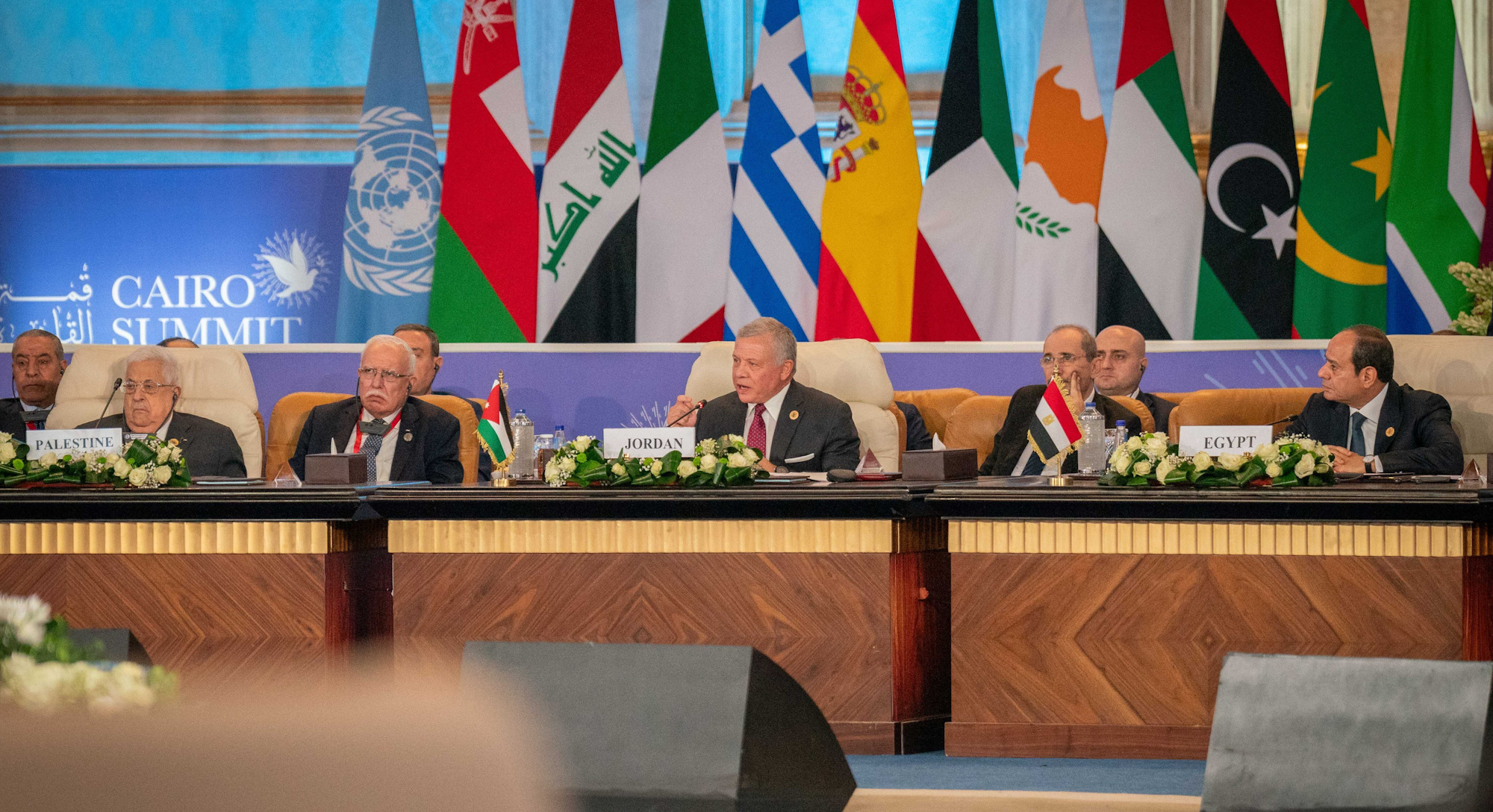
"الأسوأ قادم": الأردن يستعد لتداعيات الحرب بين إسرائيل وحماس
مع دخول الحرب بين إسرائيل وحماس أسبوعها الرابع، تجد المملكة الأردنية نفسها في طليعة الصراع، ويصبح الملك عبد الله الثاني شخصية مركزية في الجهود الدبلوماسية الإقليمية والعالمية الرامية إلى احتواء الصراع. وتستعد المملكة الهاشمية لصراع أوسع نطاقاً وتداعيات متعددة، مع قلة نفوذها وخياراتها السياسية.
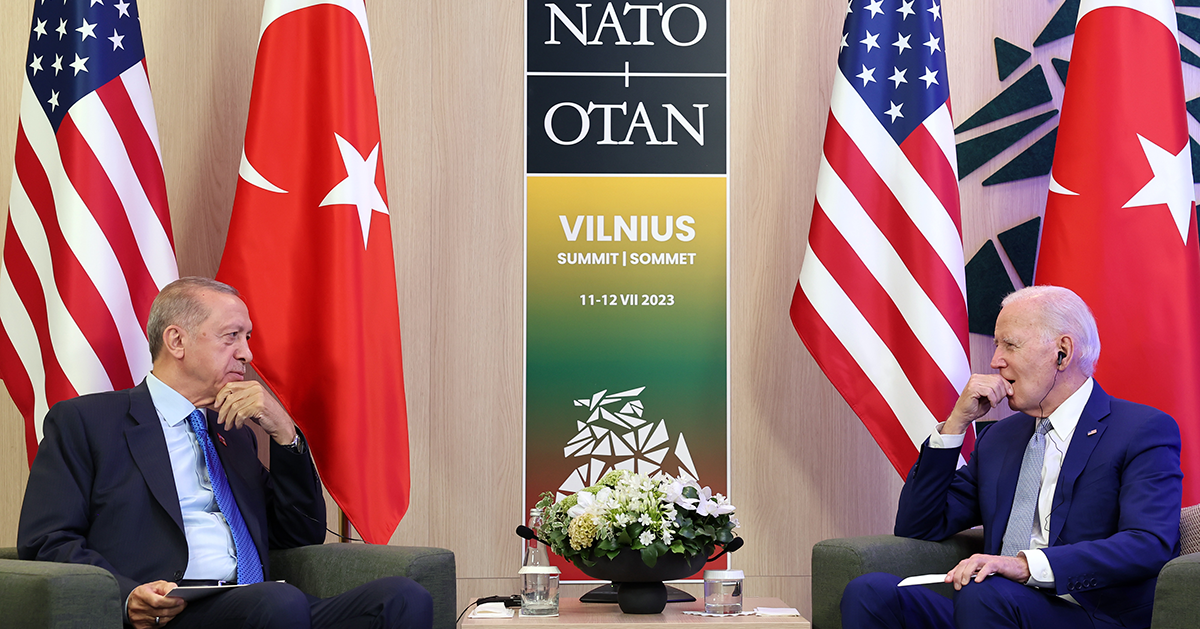
For the better part of a decade, Turkey and the U.S. have been locked in what might be considered an unhappy marriage, marked by bitter misunderstandings and growing distrust. Some optimists had hoped that something of a reset might be possible, but recent events, both in Turkey’s ongoing conflict with the PKK and because of the ripple effects from Israel’s war with Hamas, likely mean that U.S.-Turkish relations, far from improving, will get colder yet in the months to come.
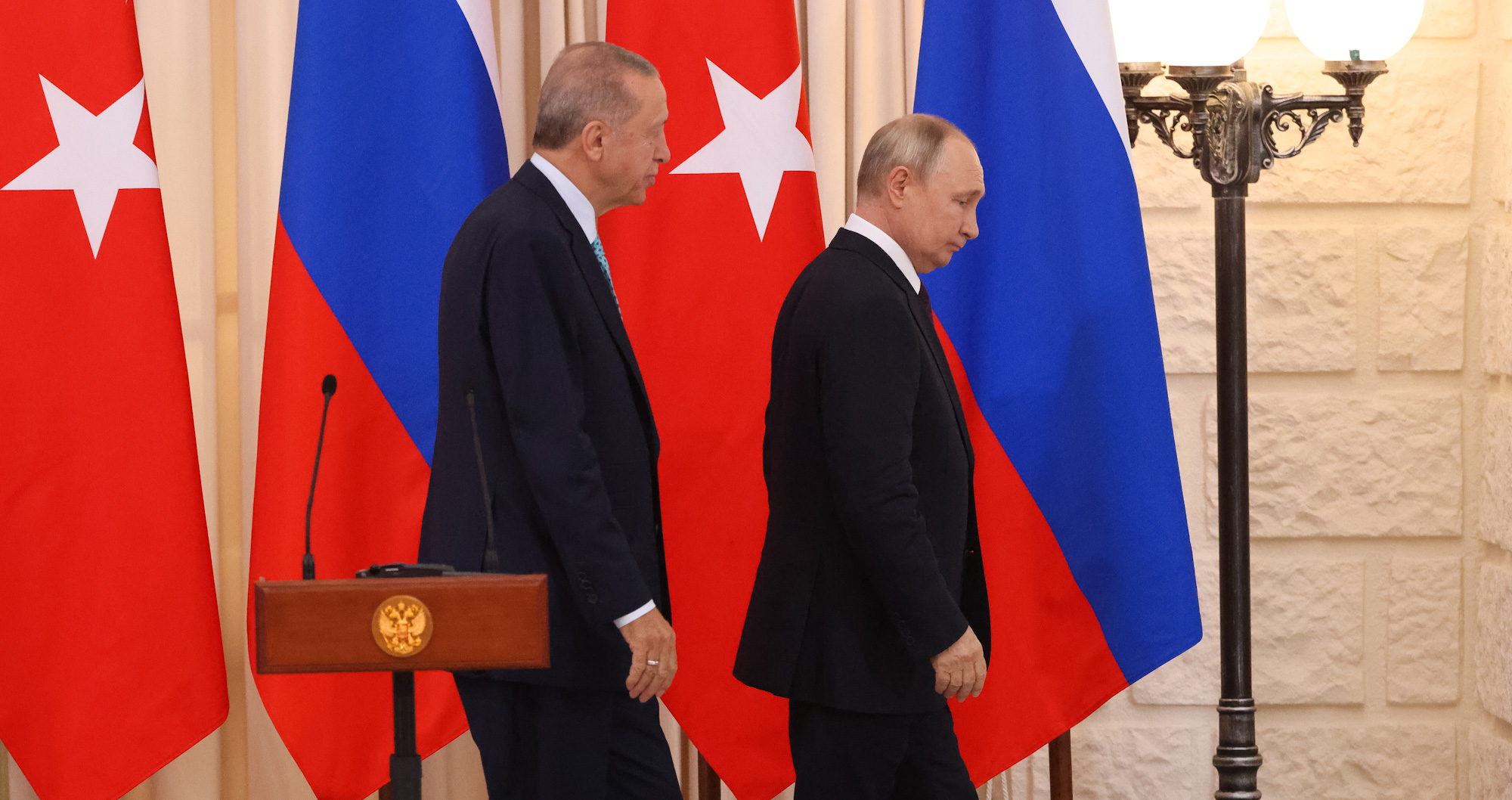
With Russia’s future uncertain, Turkey and the West need each other
Prigozhin’s coup was a serious warning sign that should prompt Turkey to cool ties with Russia and rebuild its relationship with the West. Yet today, Turkey and the West look at each other in terms of problems not solutions. While the political risks of reengagement are high for both sides, the potential rewards are well worth the effort needed to overcome them.
Turkish escalation in northeastern Syria amid changes in military strategy
After several quiet months on the Turkish-Syrian border, tensions have escalated in recent days. Turkish forces have intensified their attacks against the SDF in northeastern Syria and targeted PKK hideouts along the Turkish-Iraqi border. This escalation is unfolding against the backdrop of the suicide blast in Turkey’s capital, Ankara, on Oct. 1 that targeted the Interior Ministry.