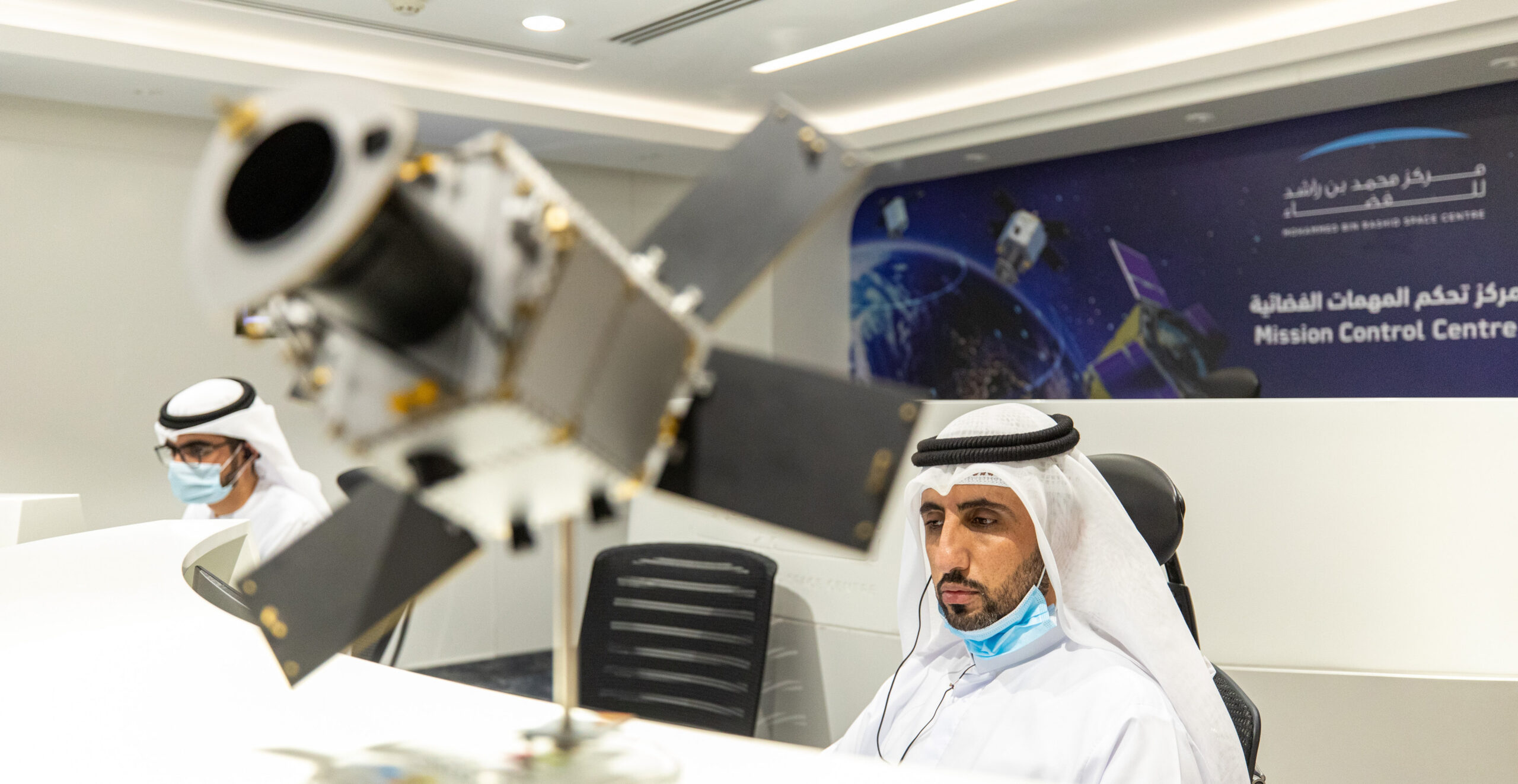
دور الشرق الأوسط في السباق بين الولايات المتحدة والصين للسيطرة على مجال الذكاء الاصطناعي
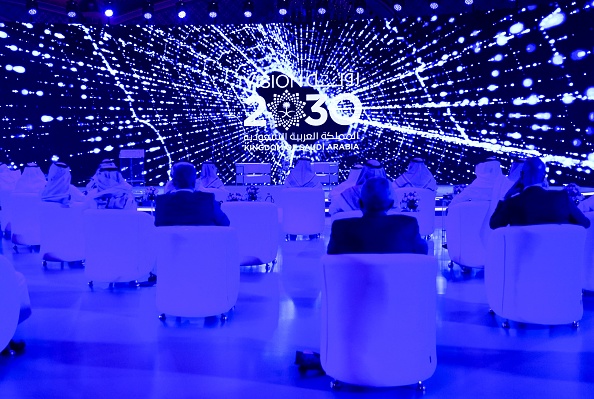
تعد الذكاء الاصطناعي محفزًا محوريًا للابتكار العالمي، حيث تتصدر الولايات المتحدة تطوير هذه التكنولوجيا التحويلية في خضم تنافسها المستمر مع الصين على القوة العظمى. يهدف هذا التقرير إلى تعريف مفهوم التفوق في مجال الذكاء الاصطناعي ومراجعة استراتيجية الولايات المتحدة في هذا المجال وفقًا لفهم أكثر شمولية له. كما يبحث التقرير في كيفية تأثير المنافسة على الأطراف الفاعلة في الشرق الأوسط، ولا سيما الإمارات العربية المتحدة والمملكة العربية السعودية، في محاولة لتوجيه الحوار حول السباق العالمي في مجال الذكاء الاصطناعي نحو مفهوم شامل لسيادة الذكاء الاصطناعي يرتكز على واقع الشؤون الدولية والتنافس بين القوى العظمى الأمريكية والصينية.
1,000 Days of Russia's Full-Scale War Against Ukraine
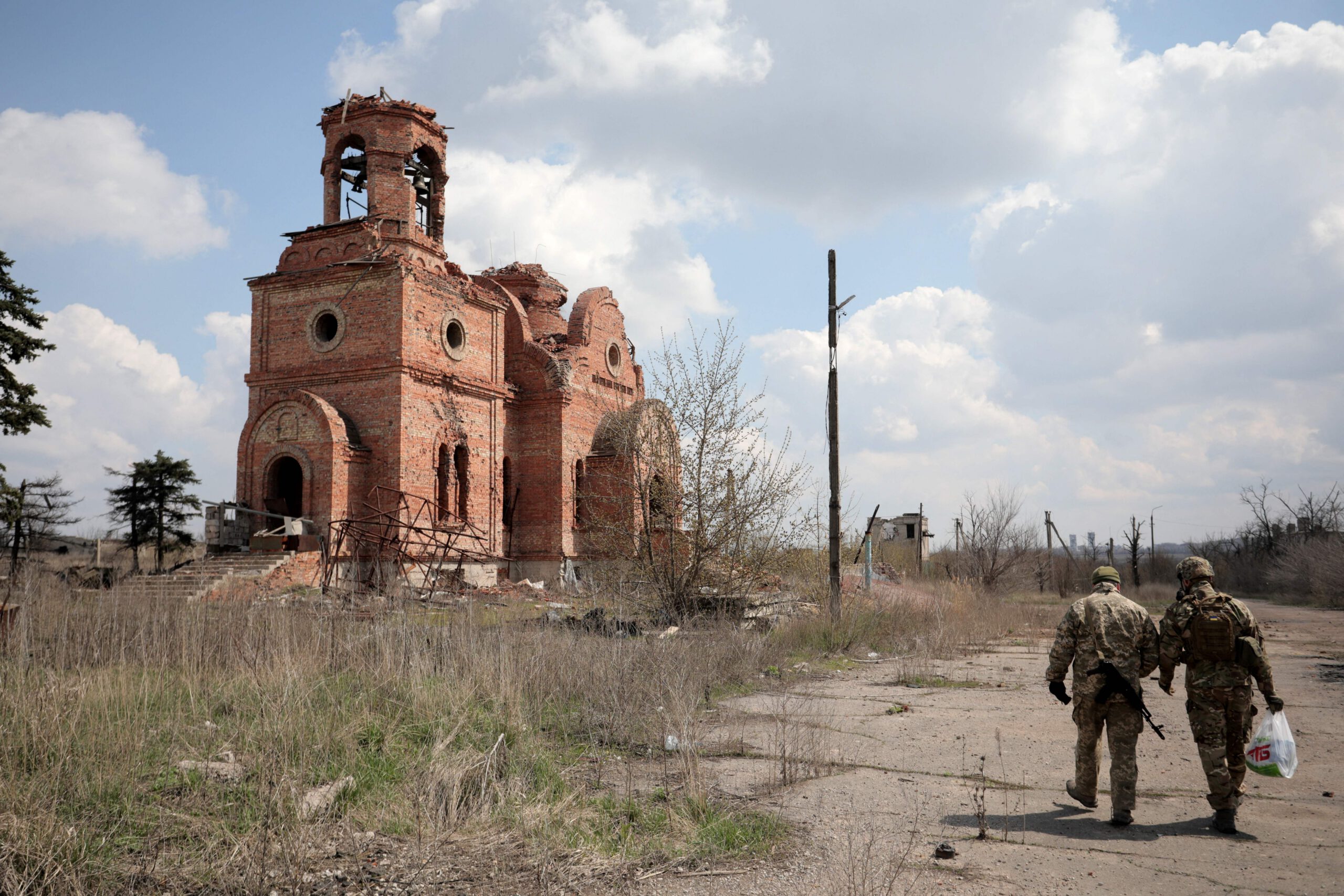
Wednesday, November 20, marks a somber anniversary for Ukraine: 1,000 days since Russia’s full-scale invasion of the country. Though the Ukrainians continue to hold out with Western assistance against Russian attacks, the past two-and-a-half years have been devastating for the country and its people. Ukraine now faces another winter at war as momentum appears to be shifting in Russia’s favor. What can the US and its allies do to ensure hostilities end as favorably as possible to Ukraine and in line with American strategic national interests?
Ukraine’s role in the Black Sea: Navigating a geopolitical crossroads
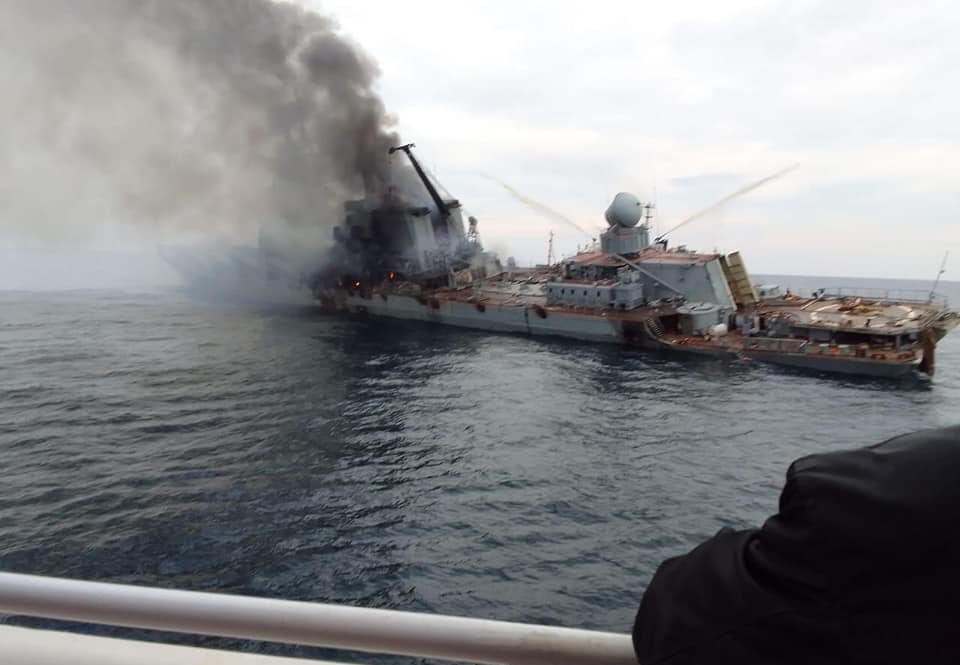
The Black Sea has recently become one of the world’s most important dynamically shifting geostrategic maritime areas, with Ukraine playing a crucial role in upending the naval balance of power there. Ukraine’s efforts to push back against Russia, bolstered by Western military aid, have challenged the status quo and reshaped the region’s security landscape.
ما وراء النفط: رهان جوجل الكبير على مستقبل الذكاء الاصطناعي في السعودية
في خطوة تاريخية تشير إلى الأهمية المتزايدة للشرق الأوسط في المشهد التكنولوجي العالمي، دخلت Google في شراكة استراتيجية مع صندوق الاستثمار العام السعودي (PIF)، وهو صندوق الثروة السيادي للمملكة. تؤكد هذه الشراكة على "الترابط المتزايد" بين الذكاء الاصطناعي والطاقة، حيث تستخدم المملكة العربية السعودية - إلى جانب الإمارات العربية المتحدة ودول الخليج الأخرى - فائضها من الطاقة لتشغيل مراكز البيانات، التي تعد ركيزة أساسية في البنية التحتية للذكاء الاصطناعي.
At last month’s Summit of the Future, the more than 190 UN member countries agreed to unprecedented new commitments on behalf of future generations, and they pledged to build a long-term future perspective into their mechanisms of governance, domestically and multilaterally. MEI’s Strategic Foresight Initiative program director Steven Kenney reflects on attending the summit and its outcomes.
الإمارات والولايات المتحدة ترفعان التكنولوجيا إلى مرتبة حجر الزاوية في علاقاتهما
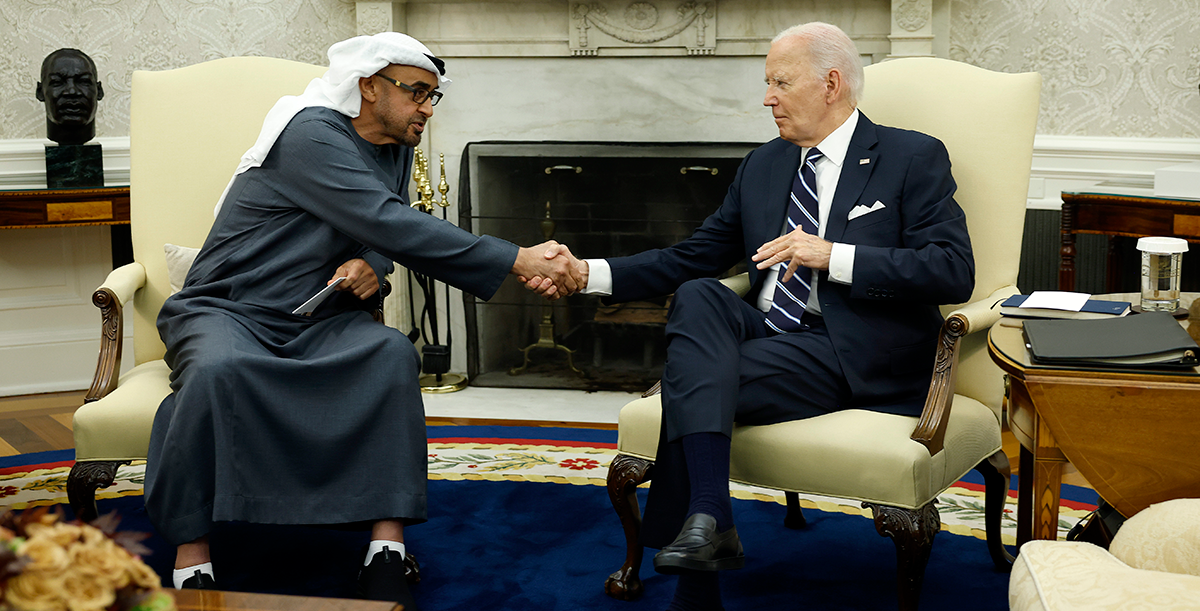
عندما زار الرئيس محمد بن زايد آل نهيان (MbZ) رئيس دولة الإمارات العربية المتحدة البيت الأبيض في 23 سبتمبر، كان البيان المشترك بين الولايات المتحدة والإمارات العربية المتحدة أحد أكثر البيانات شمولاً حتى الآن، حيث تضمن تعهدات بالتعاون في جميع القطاعات التكنولوجية تقريباً، وأشار إلى هدف واضح يتمثل في تحويل العلاقات الثنائية بعيداً عن الهيدروكربونات.
De-Russification: Understanding the trajectory and reversibility of Armenia’s Western pivot
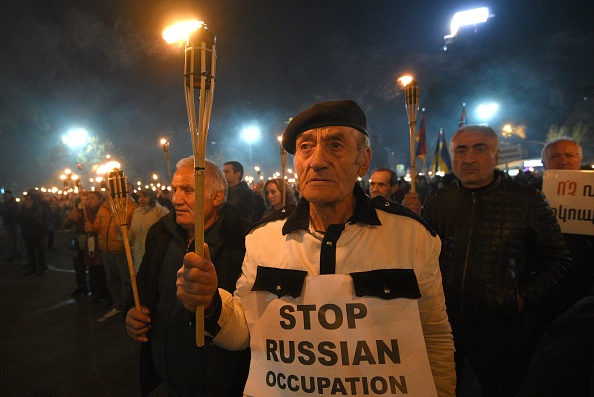
The question of whether Armenia’s recent shift away from reliance on Russia is reversible is central to understanding its democratization trajectory. In recent years, Armenia’s dependency on Russia for security and economic stability has been severely tested, particularly during the 2020 Second Karabakh War and subsequent Azerbaijani incursions on sovereign Armenian territory, where Russia’s lack of support led to widespread disillusionment. This discontent has spurred Armenia to diversify its security, economic, and diplomatic ties, with a notable strengthening of relations with the United States. However, the sustainability of this shift remains uncertain, as it hinges on various societal factors and internal dynamics.
Azerbaijan-Armenia peace talks: The status quo and an emerging diplomatic breakthrough
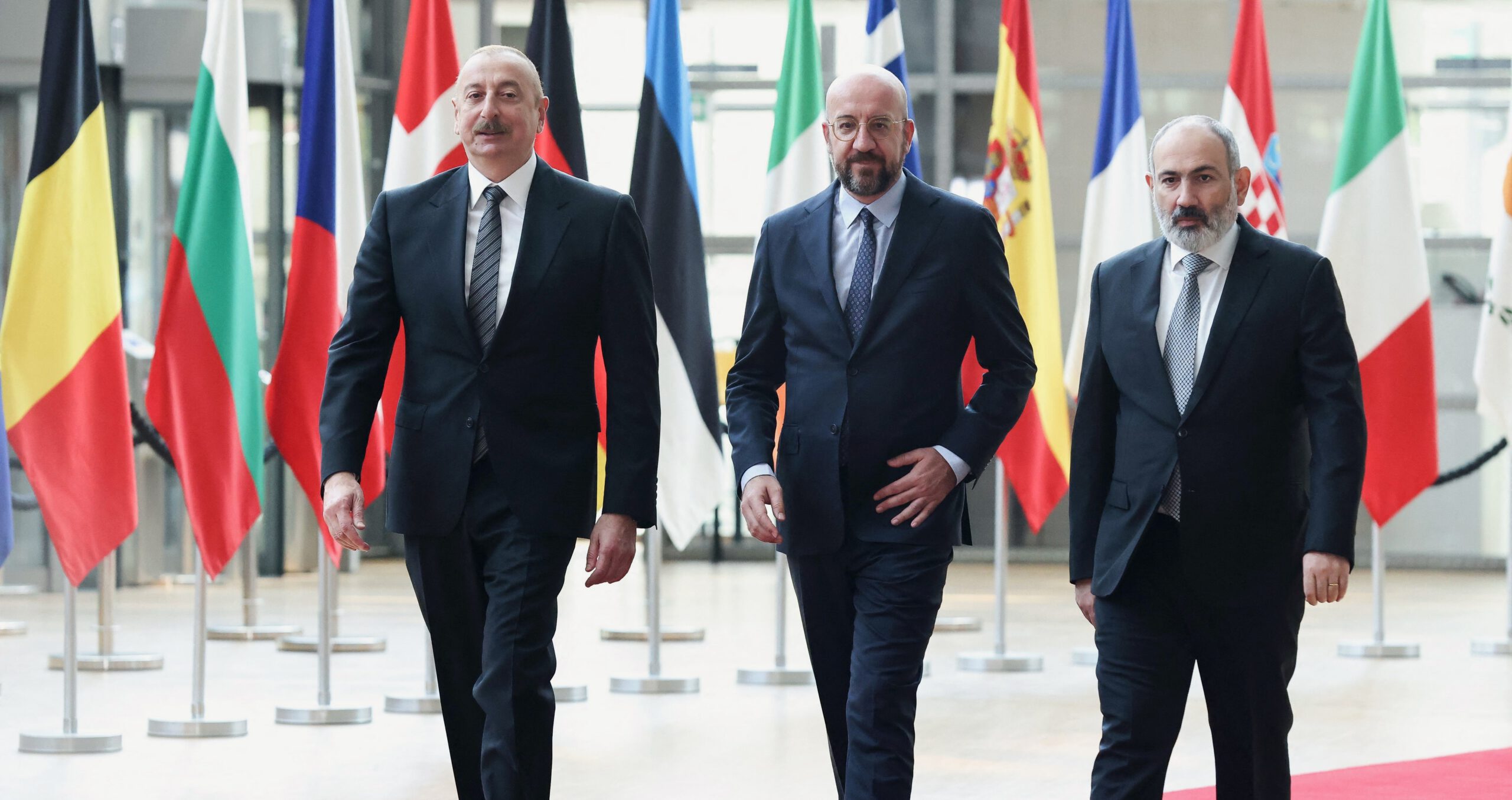
Azerbaijan’s takeover of Karabakh in September 2023, while a disruptive event, has opened the window for renewed dialogue to peacefully resolve the longstanding tensions between Azerbaijan and Armenia. While the ongoing negotiations are unlikely to lead to a comprehensive peace deal in the near term, they could alter the strategic calculus of key actors in the region. The most likely and consequential outcome of the talks will be a peace framework agreement that could rebalance the regional status quo, potentially leading to a peace deal between Armenia and Azerbaijan.
Azerbaijan’s green shift: Energy transition, COP29 commitments, and US collaboration
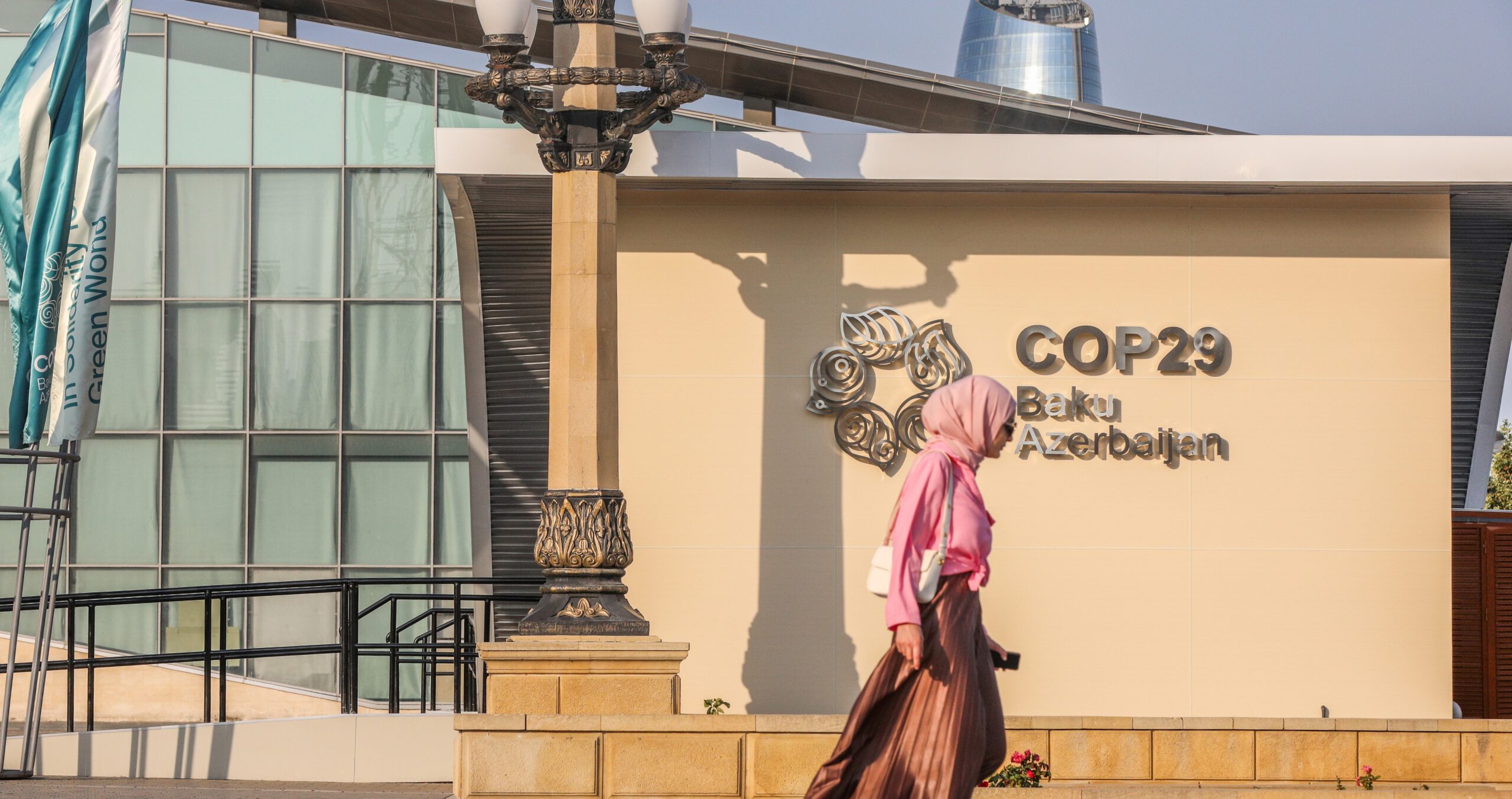
Azerbaijan seeks to establish itself as a major actor in the global energy transition space as it prepares to host the 2024 UN Climate Change Conference (COP29) in Baku, on November 11-22. COP29 offers many opportunities to improve US-Azerbaijani energy cooperation, including by coordinating the United States’ clean energy technology goals with Azerbaijan’s renewable energy revolution.
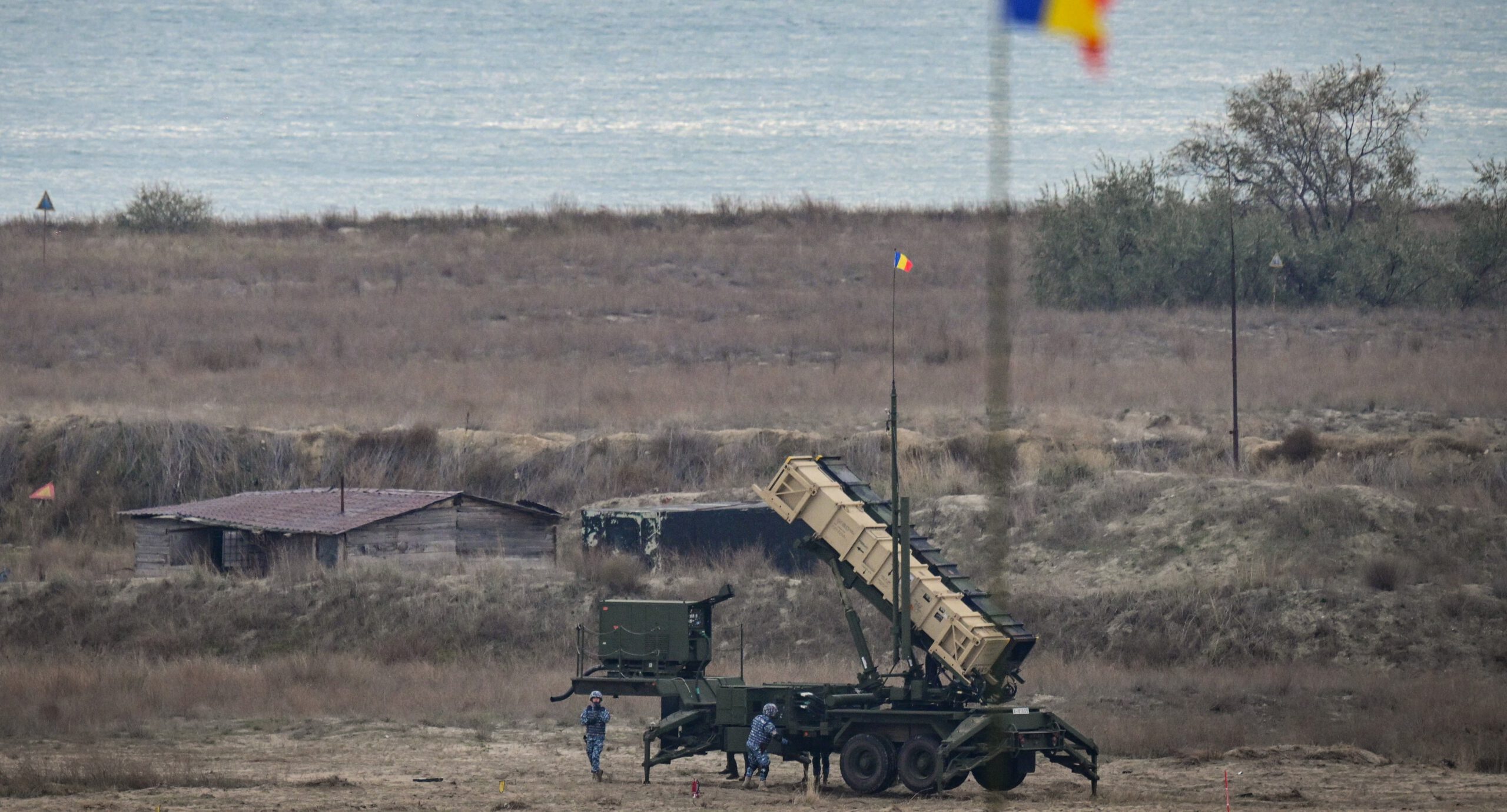
After the Cold War, the Romanian government chose to slim down its sizeable defense industry, but it essentially maintained its state-backed structure, personnel, and management, thus producing a thoroughly inefficient system. Today, Romania retains a proclivity to purchase Western, and particularly American, defense equipment; but it has often neglected any thorough assessments of life cycle costs or real force design considerations.
Securing the quantum future: The imperative for global collaboration
As China makes substantial strides in quantum R&D, the global community must urgently address vulnerabilities in our digital networks. The Middle East, like many other regions, stands at a critical juncture in this technological race, where quantum innovation brings both opportunities and risks.
As the Middle East becomes more autonomous and empowered domestically, the leaders in the region might consider more synergetic relations with each other and prepare national long-term plans that provide a balanced and integrated approach to social, technological, environmental, economic, and political development and progress.