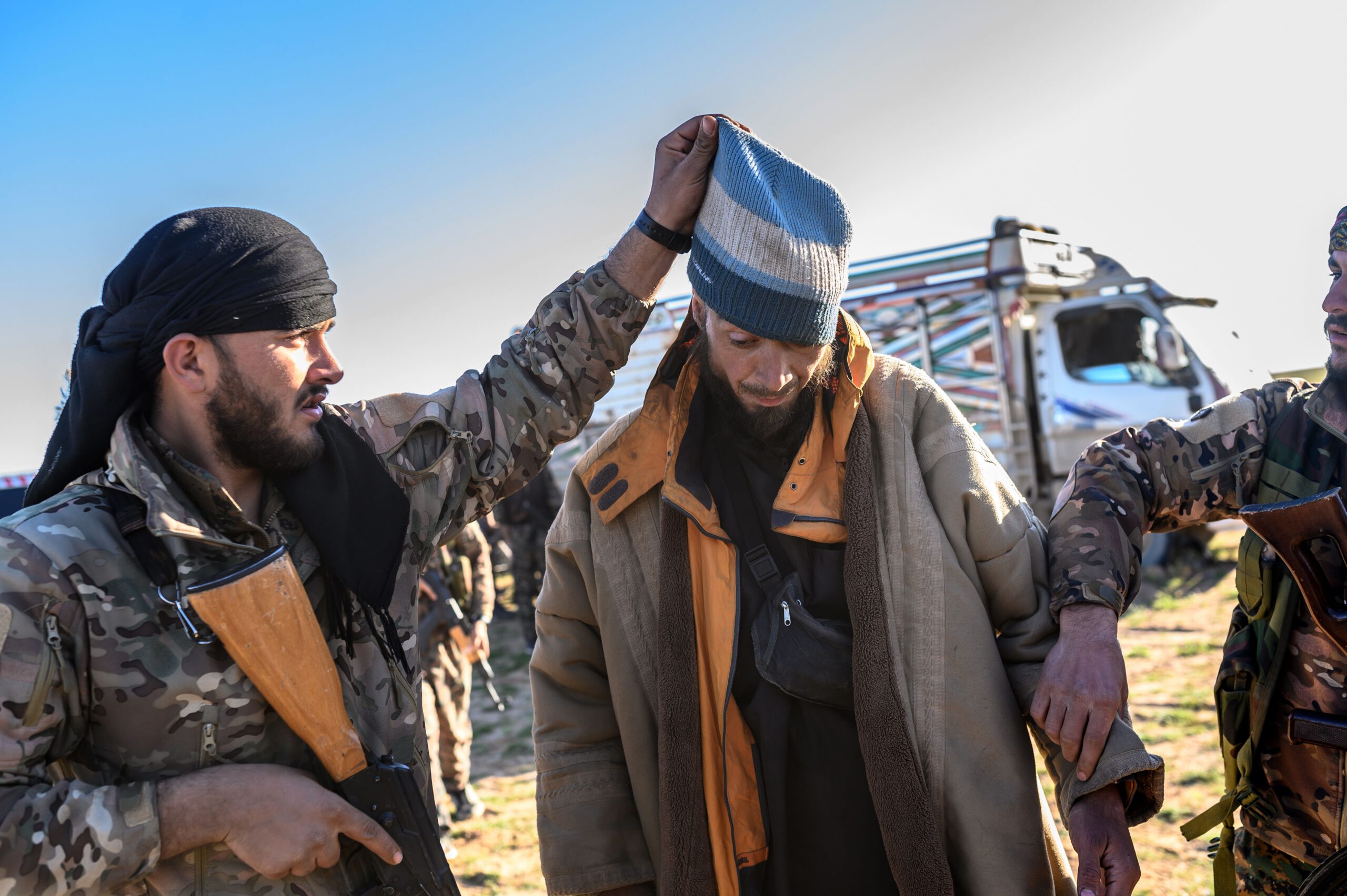
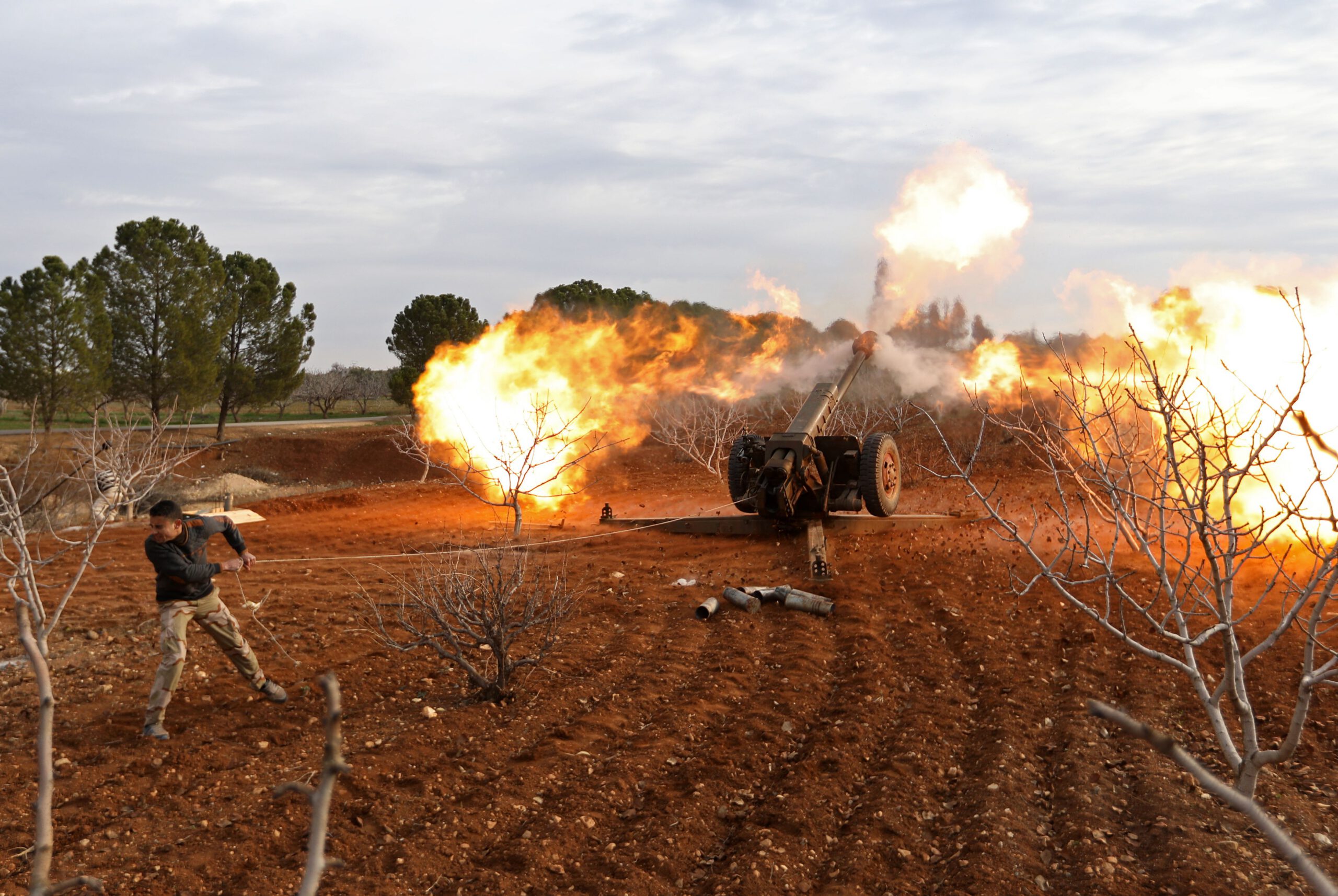
Perhaps the most immediate challenge facing the Syrian Democratic Forces is what to do with the influx of ISIS members and their families that have poured out of ISIS’s last stronghold, particularly since February 2019.
The Belt and Road Initiative in the Gulf: Building “Oil Roads” to Prosperity
Although the Gulf is not highlighted on the official map of China’s Belt and Road Initiative, it is one of the main regions where the BRI is being implemented. On the occasion of President Xi Jinping’s speech at the 6th Ministerial Conference of the China-Arab States Cooperation Forum in June 2014, he declared the regional countries as being “natural cooperative partners in jointly building the BRI.” Since then, Chinese state and private firms, banks, and financial institutions have embarked on efforts to advance the BRI in the Gulf, particularly in the energy sector.
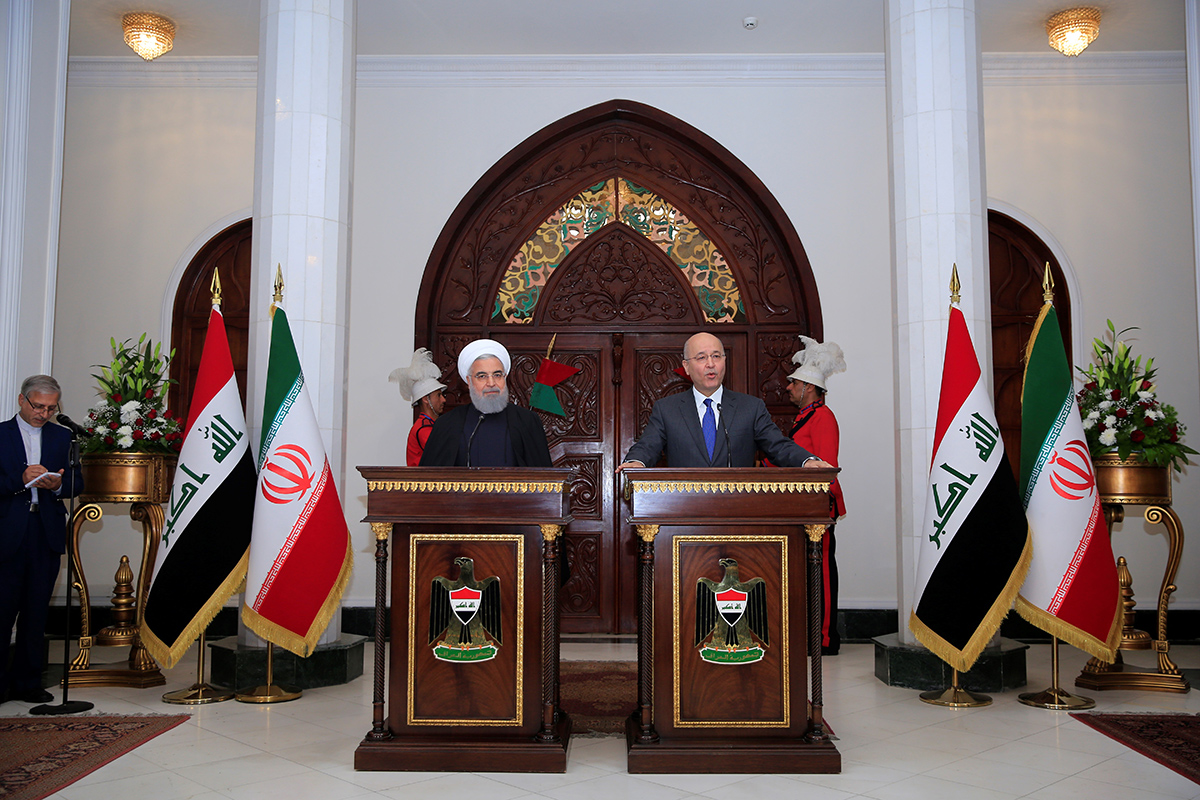
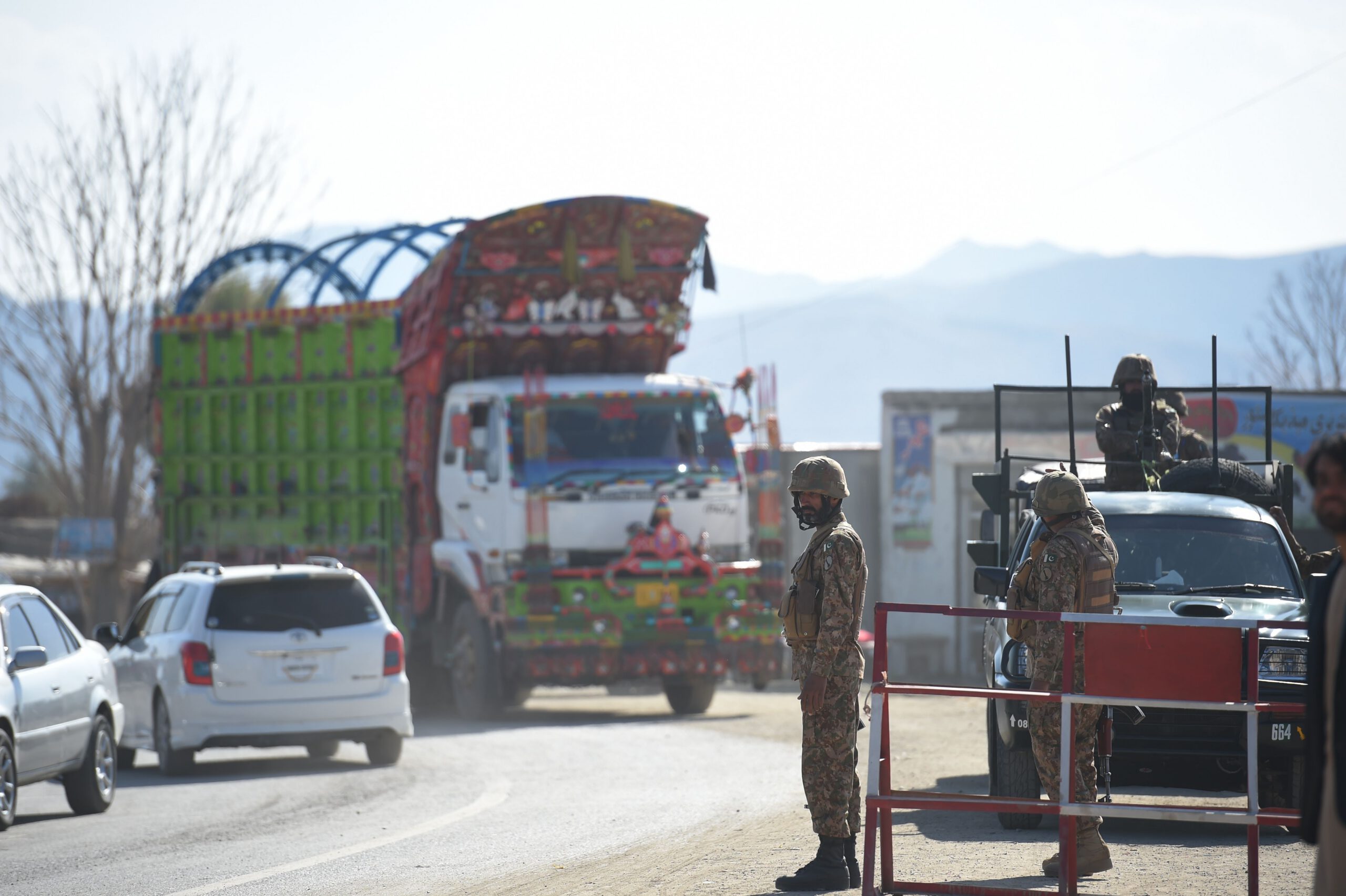
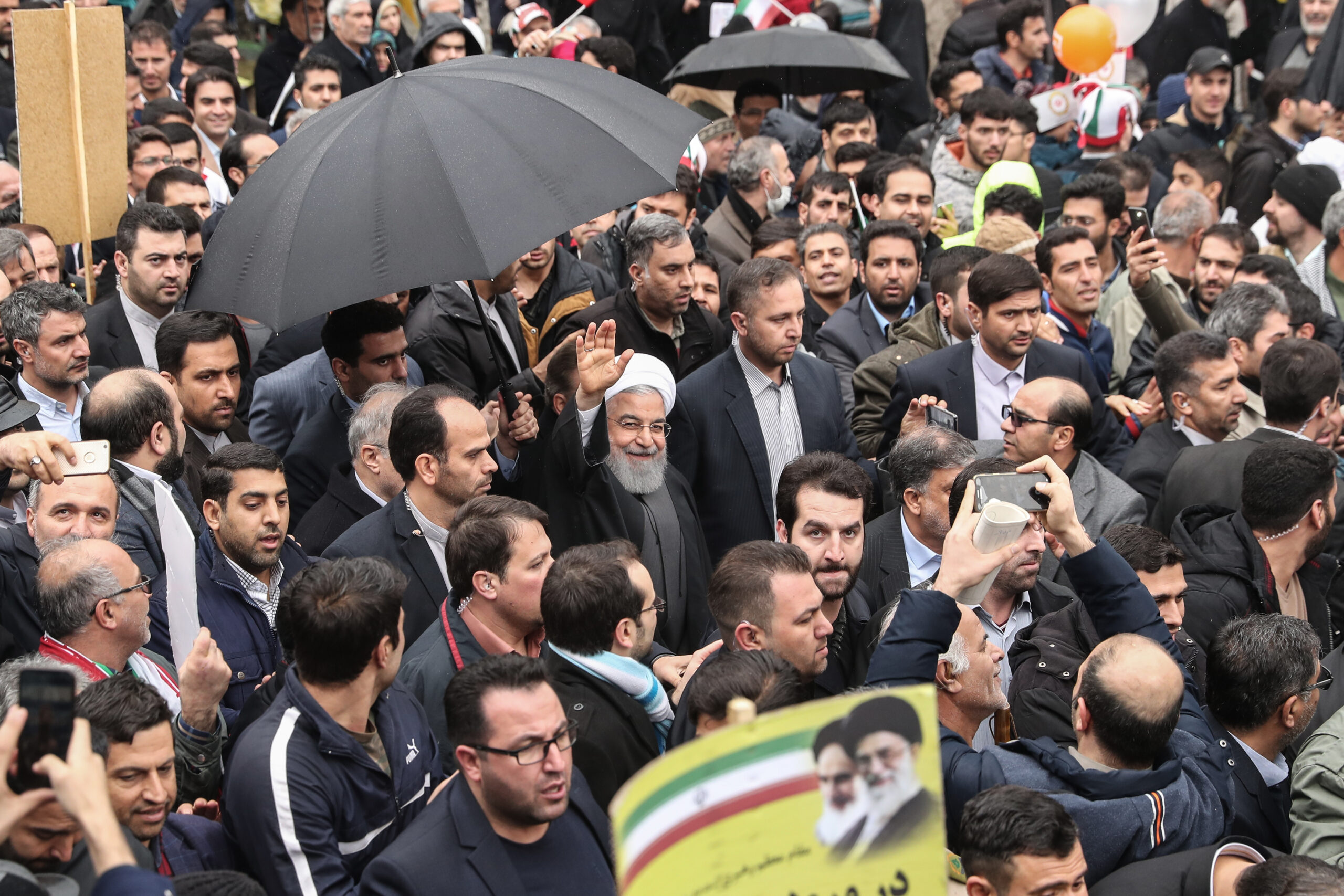
In this week’s Monday Briefing, MEI experts Randa Slim, Robert S. Ford, Marvin G. Weinbaum, James P. Farwell, Emadeddin Badi, Guney Yildiz, and Jean-François Seznec provide analysis on recent and upcoming events including Iranian President Hassan Rouhani’s visit to Baghdad, reconstruction efforts in Syria, the crackdown on militant Islamists in Pakistan, Iran’s cyber attack capabilities, upcoming elections in Libya, Turkish-Egyptian tensions, and Qatar’s $12B loan from bond markets.
Finding a way forward in the Baghdad-Erbil oil dispute
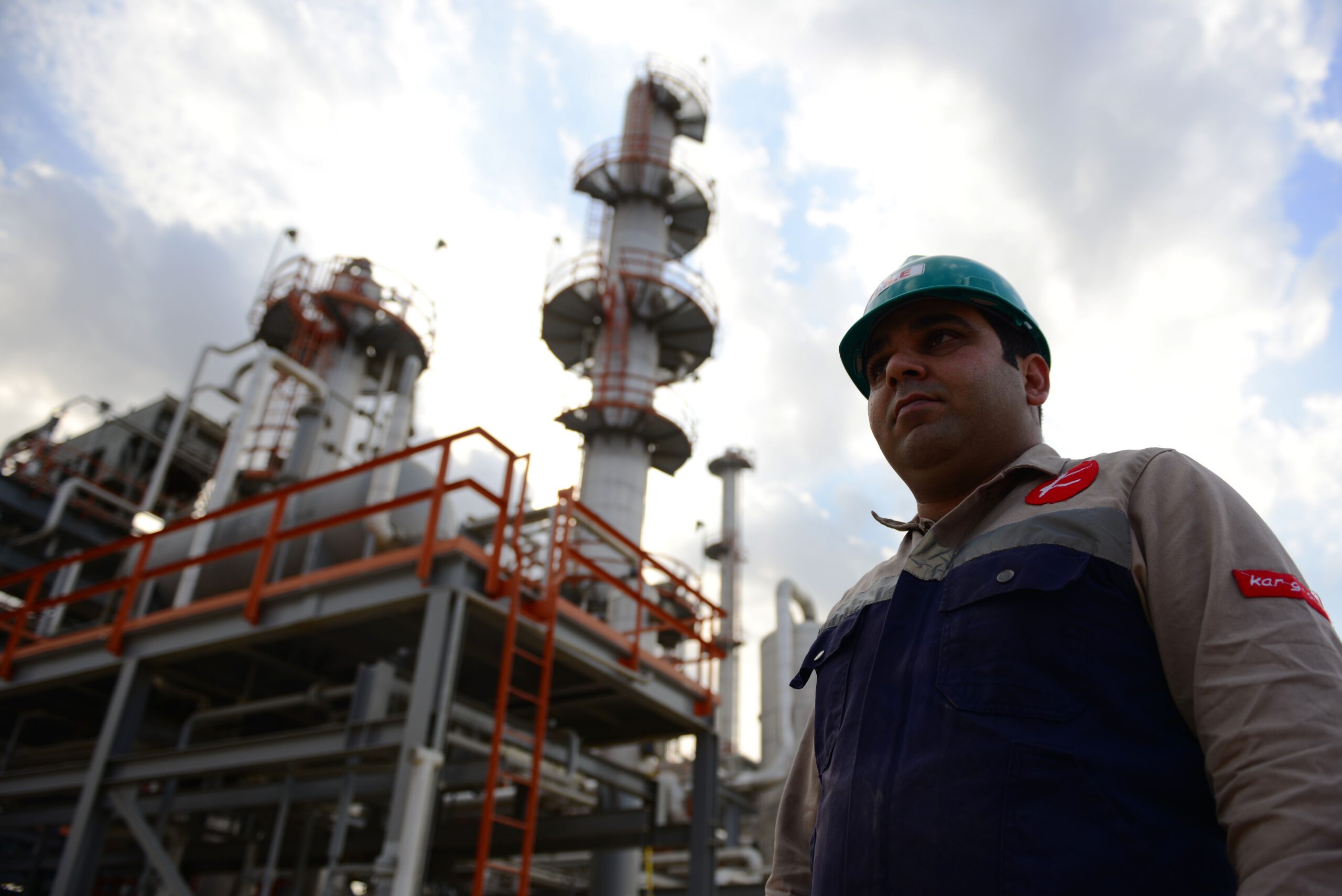
Disagreements between Baghdad and the Kurdistan Regional Government over oil policy have been one of Iraq’s most stubborn problems. Resolving this issue would allow for better development of natural resources, generate more revenue that’s badly needed for reconstruction, and might potentially deflate competing claims to disputed territories.
Mounting tensions between Morocco and Saudi Arabia
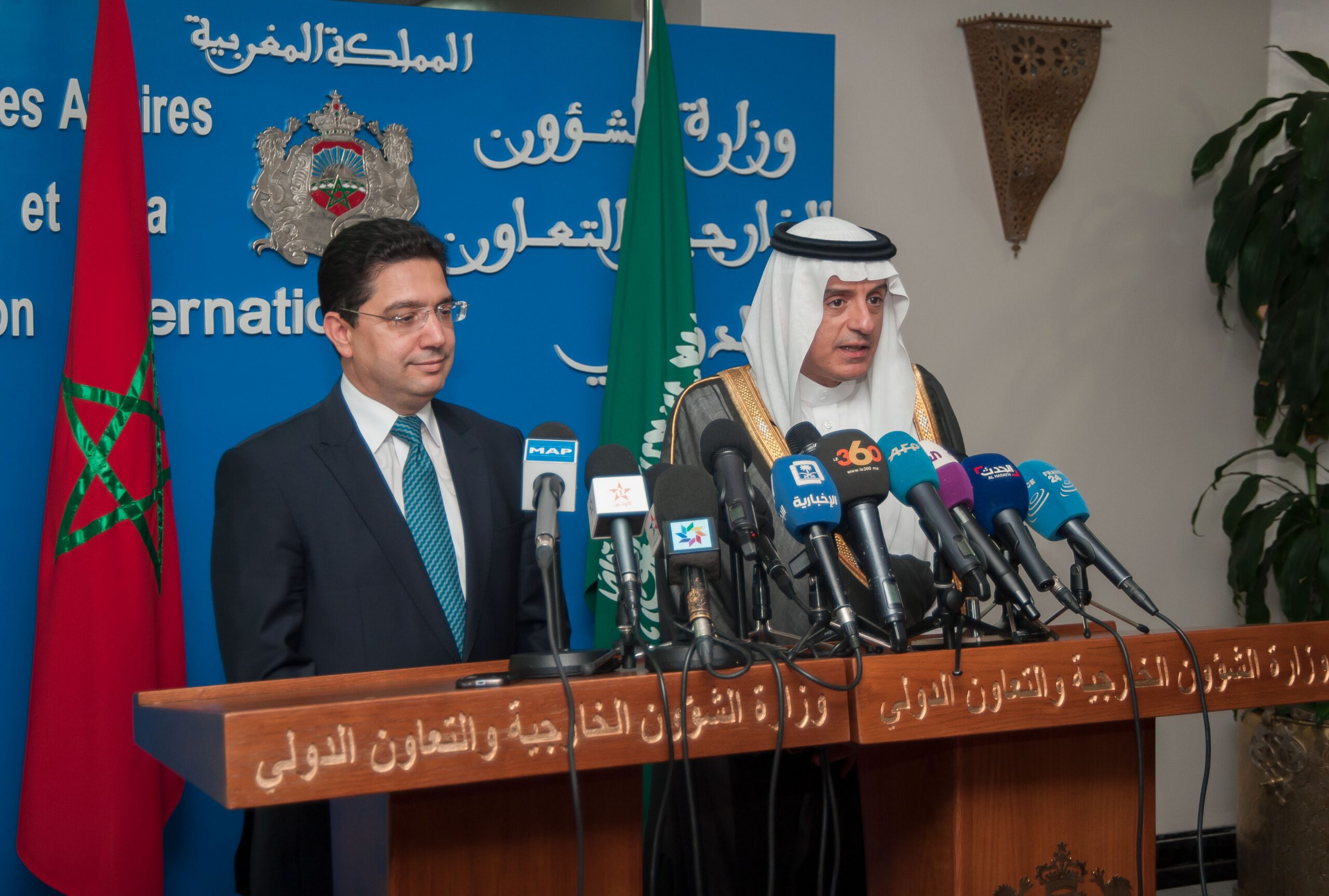
The alliance between Morocco and Saudi Arabia has historically been strong, bolstered by shared concerns about regional turmoil in the aftermath of the 2011 Arab Spring protests, but recent tensions have brought bilateral relations to an all-time low. Last month, frictions between Rabat and Riyadh came to the fore when Morocco recalled its ambassador from Saudi Arabia.
Monday Briefing: Tenuous promise in Pakistan and Afghanistan
In this week’s Monday Briefing, MEI experts Marvin G. Weinbaum, Robert S. Ford, Alex Vatanka, and Birol Baskan provide analysis on recent and upcoming events including a potential agreement between Pakistan and Afghanistan, protests in Algeria, Rouhani’s planned trip to Baghdad, and recent Turkish naval exercises.
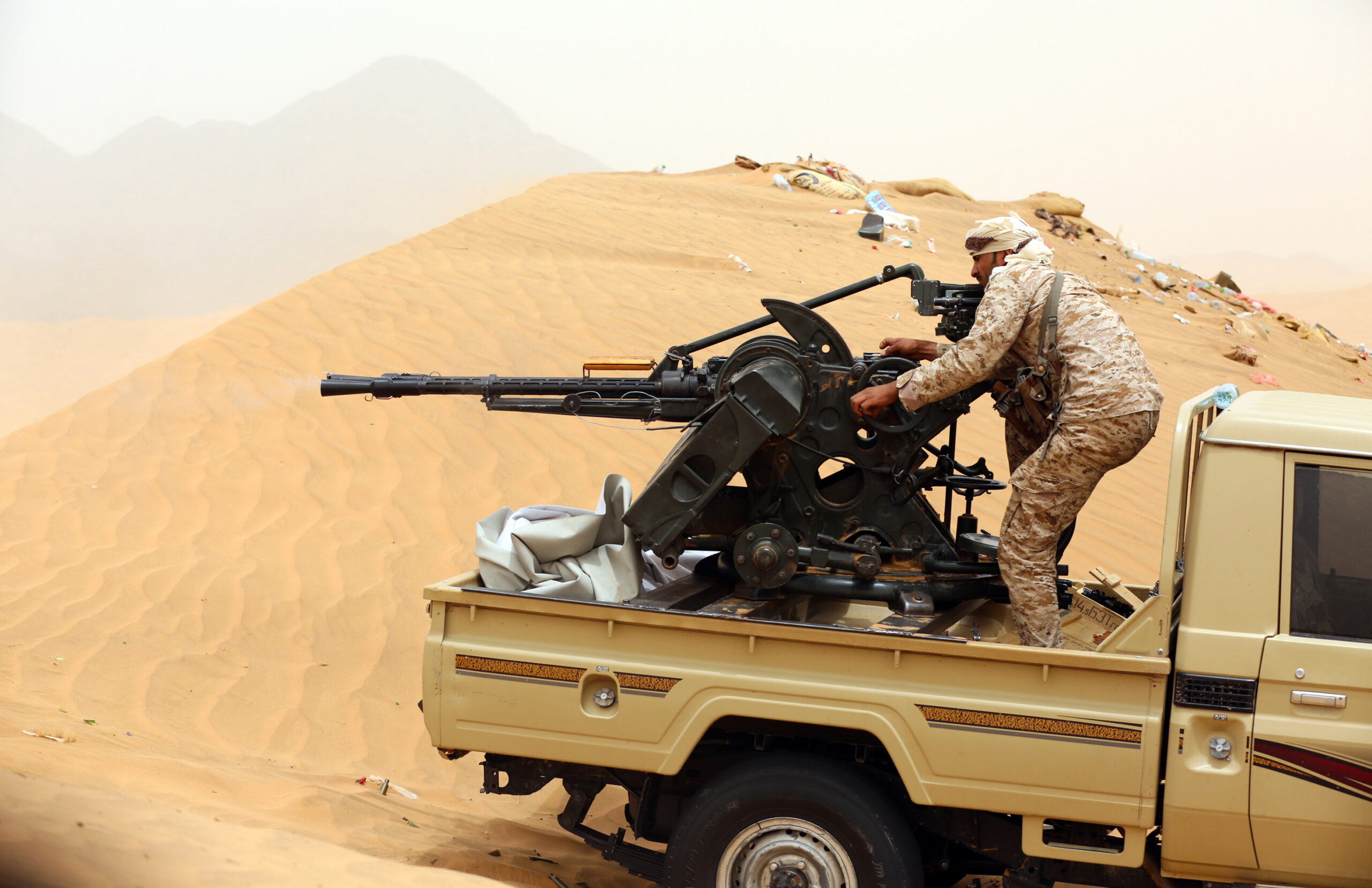
The ongoing civil conflict in Yemen is a continuation of a cycle of violence, political upheaval, and institutional collapse, caused by the failure of Yemeni society to address and resolve the popular anger and frustration arising from political marginalization, economic disenfranchisement, and the effects of an extractive, corrupt, rentier state.
Climate Change, Sea Level Rise, and Sustainable Urban Adaptation in Arab Coastal Cities
This article highlights how the lesser-known issue of sea level rise makes Arab states increasingly vulnerable to climate change. Using the city of Doha as a case study to highlight how sea level rise represents a critical threat to many Arab coastal cities and a national security challenge to Gulf Arab nations, this article underscores the need for greater anticipation in the region’s urban planning of the risks posed by climate change and sea level rise.
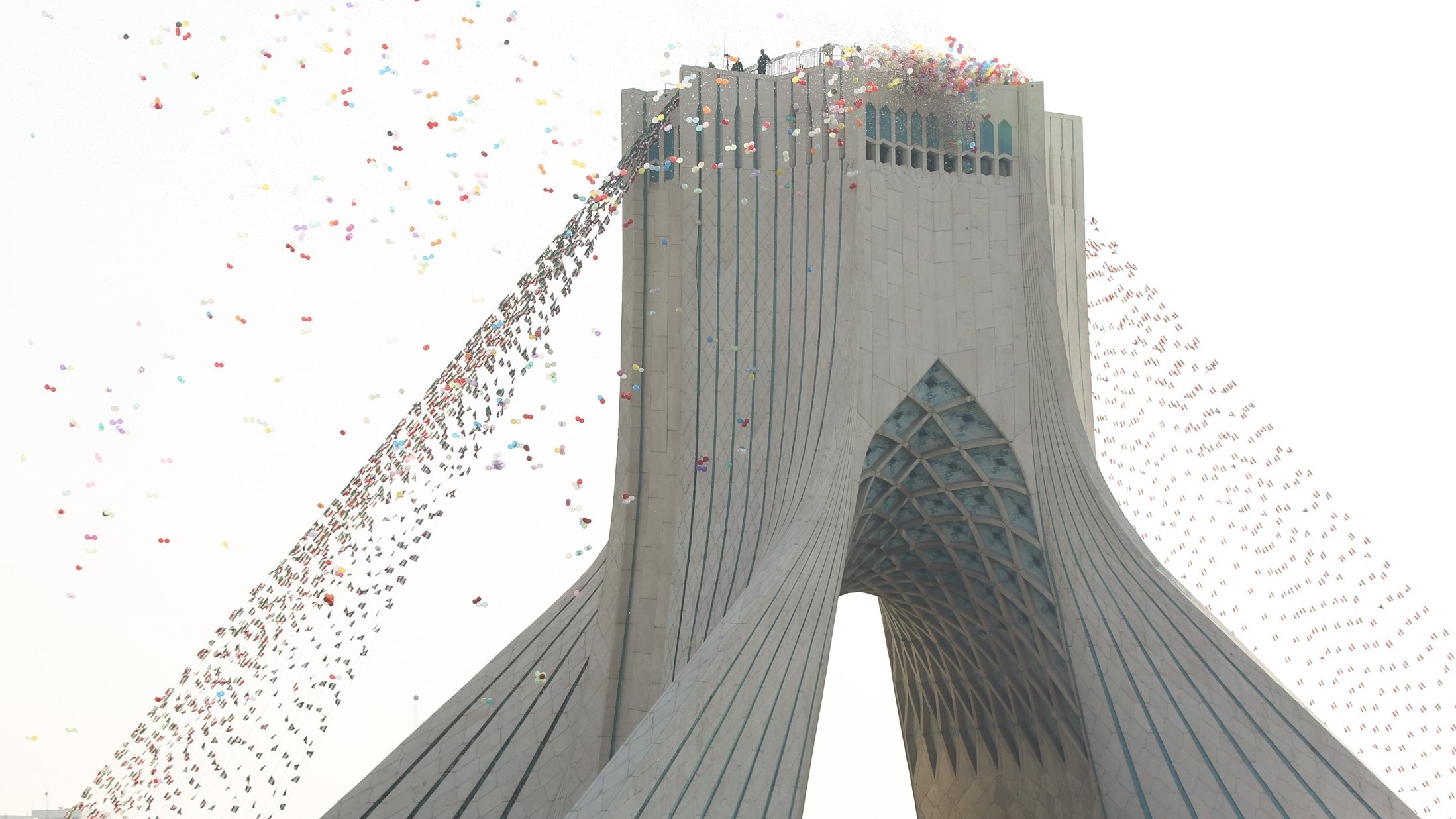
In this week’s Monday Briefing, MEI experts Ahmad Majidyar, Mirette F. Mabrouk, and Hassan Mneimneh provide analysis on recent and upcoming events including the 40th anniversary of Iran’s Islamic Revolution, a proposal for constitutional amendments in Egypt, and Iraqi PM Abdul-Mahdi’s first 100 days in office.
Iran and the Gulf states 40 years after the 1979 revolution
Geopolitically, the Iranian Revolution did more to transform the Middle East than any other event in the second half of the 20th century. It aimed to restructure not only Iran’s society and political system, but also others across the Islamic world. Refusing to align with either the United States or the Soviet Union in the Cold War, the newly established Islamic Republic sought to create a new geopolitical order in the Persian Gulf and greater Middle East based on a mantra of “neither East nor West.”
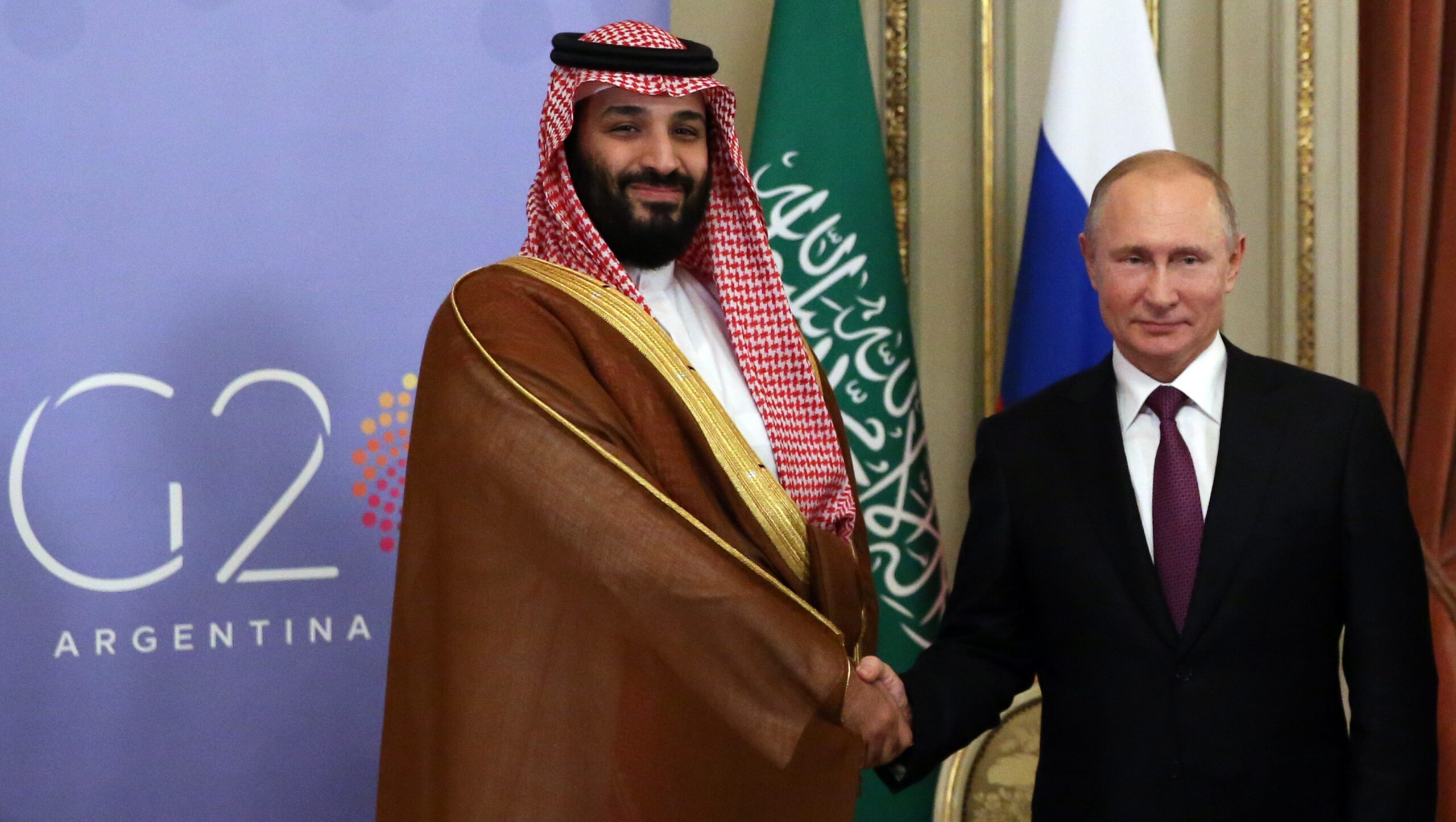
Growing ties with Russia could strain Saudi-US relations
With more of their geopolitical goals aligning, ties between Riyadh and Moscow are growing closer, and the kingdom plans to invest billions of additional dollars in Russian petroleum and other projects.
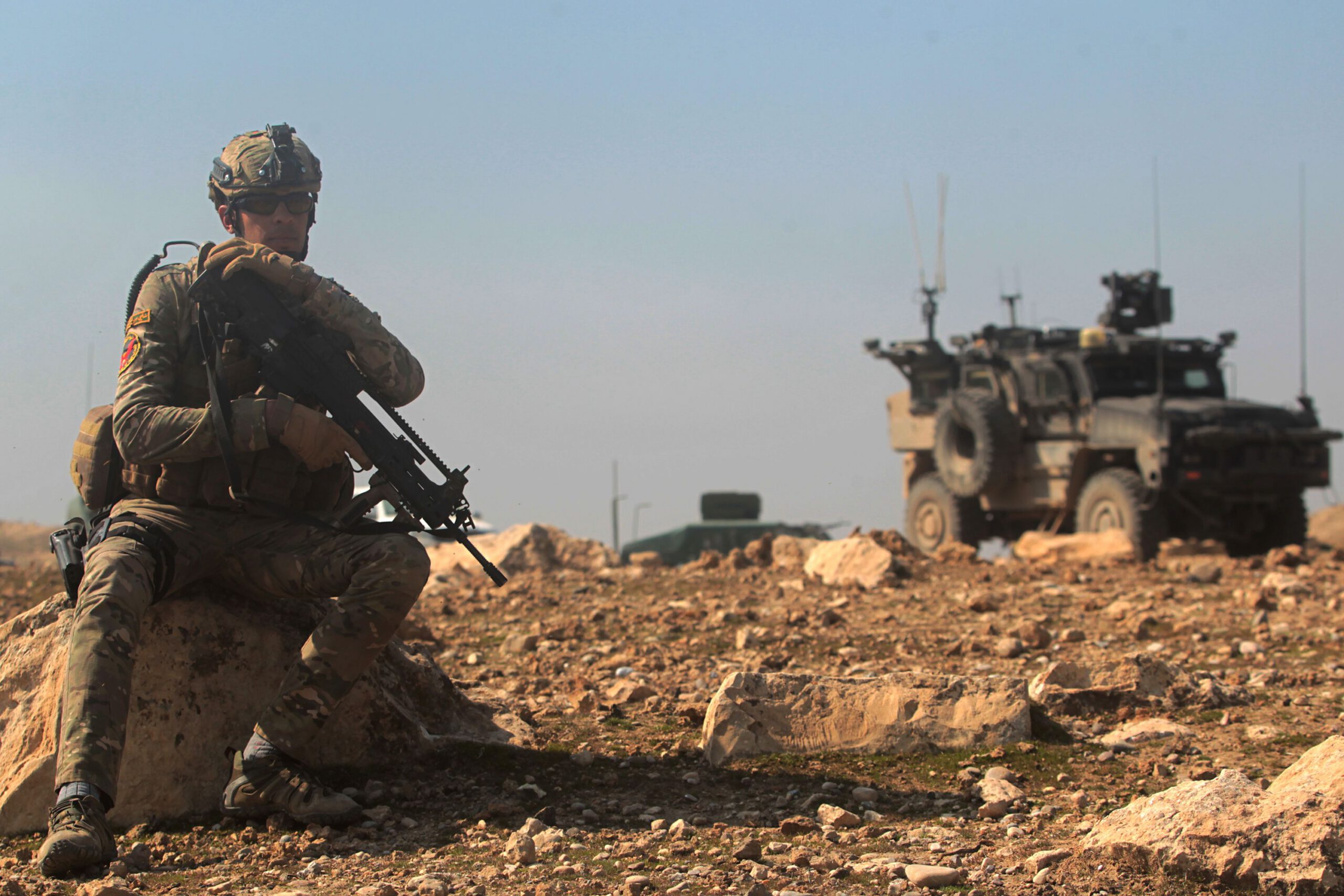
In this week’s Monday Briefing, MEI experts Randa Slim, Paul Salem, Ahmad Majidyar, and Marvin G. Weinbaum provide analysis on recent and upcoming events including President Trump’s comment about keeping U.S. troops in Iraq “to be able to watch Iran,” Pope Francis’s trip to the UAE, the EU’s maneuvers to defy U.S. sanctions on Iran, and intra-Afghan talks in Moscow.
Iraq: Stuck in the middle again
Randa Slim Senior Fellow, Director of Conflict Resolution and Track II Dialogues program
The Global and Regional Geopolitics of Civil War in the Middle East
Power dynamics between the major global and regional powers have indirectly influenced the civil wars currently plaguing the Middle East. The distribution of power caused by end of the Cold War facilitated the creation of two opposing camps that later competed for regional primacy in the civil wars of Iraq, Syria, and Yemen.
Zmkin Ali and Mac Skelton of the Institute of Regional and International Studies (IRIS) at the American University of Iraq Sulaimani, join host Alistair Taylor for a discussion on Iraq’s political climate, Baghdad’s relations with Erbil in the aftermath of the 2017 referendum, and other regional dynamics.
The Politics of Combating Infectious Diseases in Southeast Asia and the Middle East
This article compares the local responses to the 2012-2018 outbreak of Middle East Respiratory Syndrome (MERS) to that of the Avian Influenza outbreak in Southeast Asia from 2003-2015. How well do countries cope with the spread of new and deadly diseases? Why are some countries better at addressing the problem than others? And, what does this tell us about larger questions concerning states’ abilities to provide public goods (in this case health security) to their citizens and about global systems to prevent pandemics? What this comparison demonstrates is that countries with the ‘strongest’ state capacity to make and implement policy are best able to confront disease outbreaks.