Qassem Soleimani and the Iranian regime’s quest for legitimacy
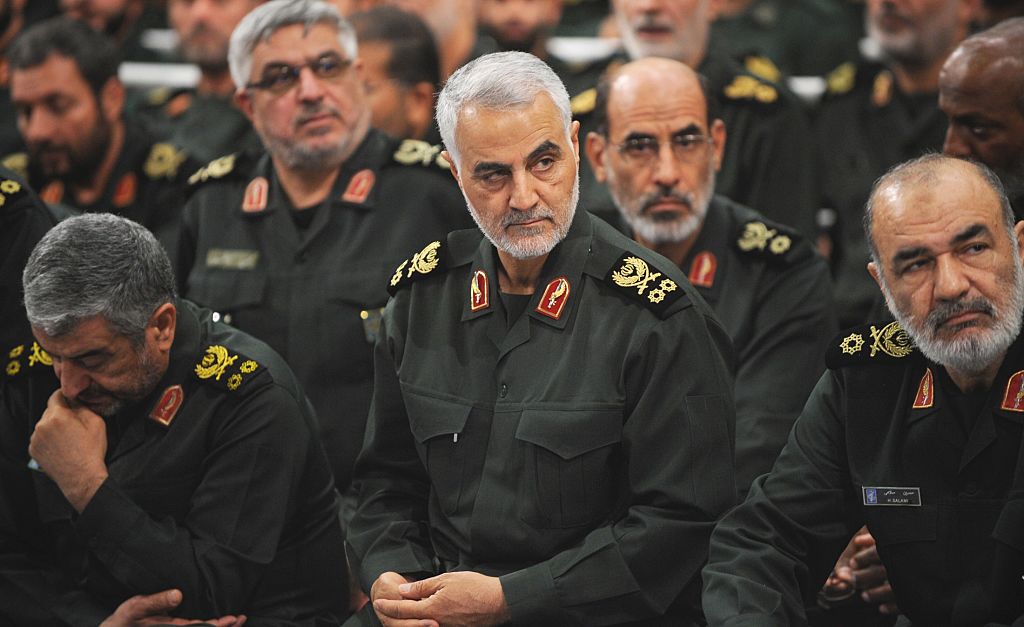
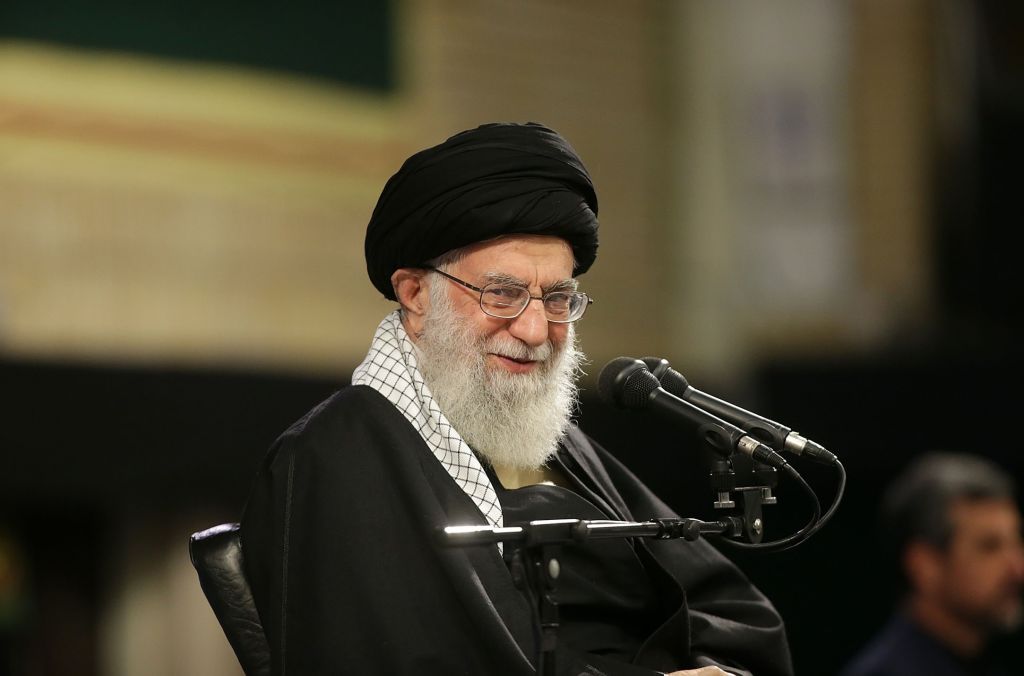
If there is one Iranian military figure that can be considered an international celebrity of sorts, it is General Qassem Soleimani. He is the head of the Quds Force, the arm of the Islamic Revolutionary Guard Corps that operates outside of Iran’s borders. This week, he gave his first ever lengthy public interview, focusing on Iran’s role in the 2006 war between Lebanese Hezbollah and Israel.
Iran’s attack on Saudi Arabia was ill-timed and premature
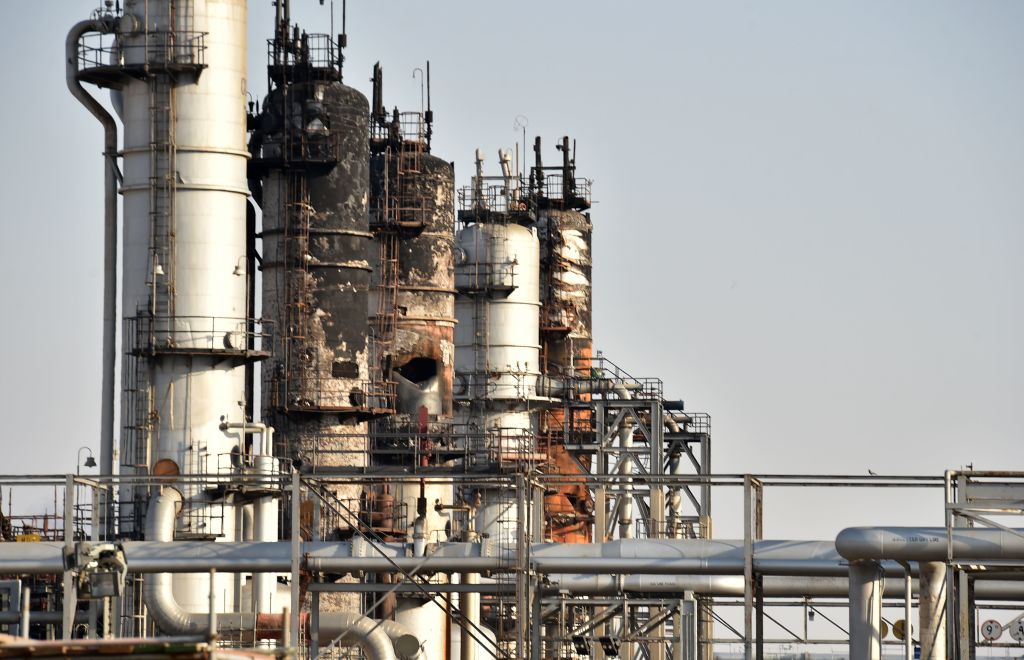
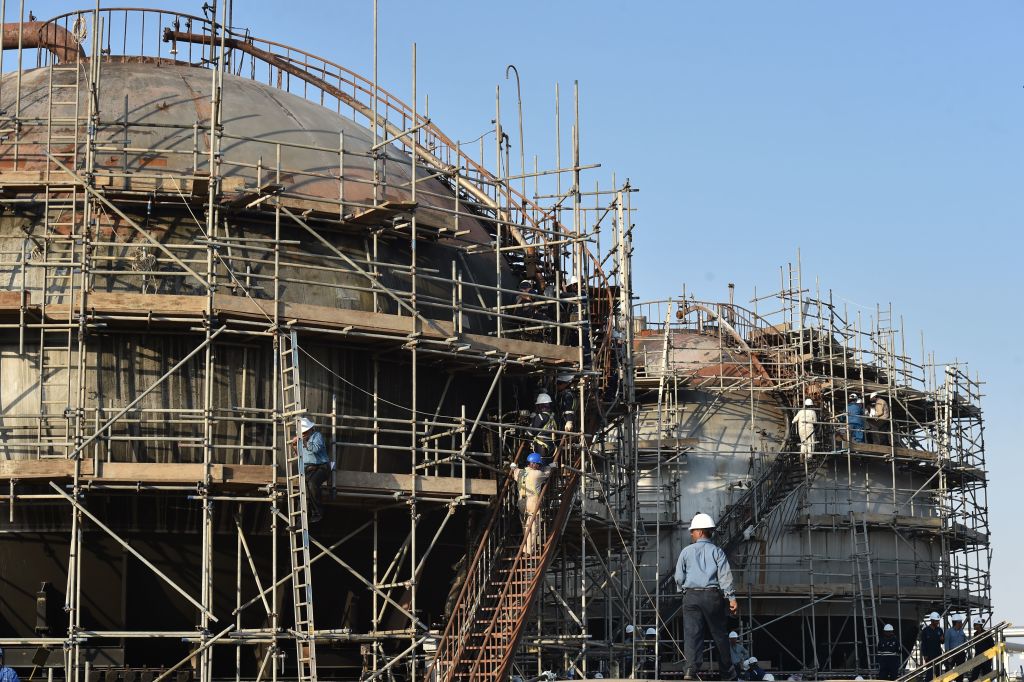
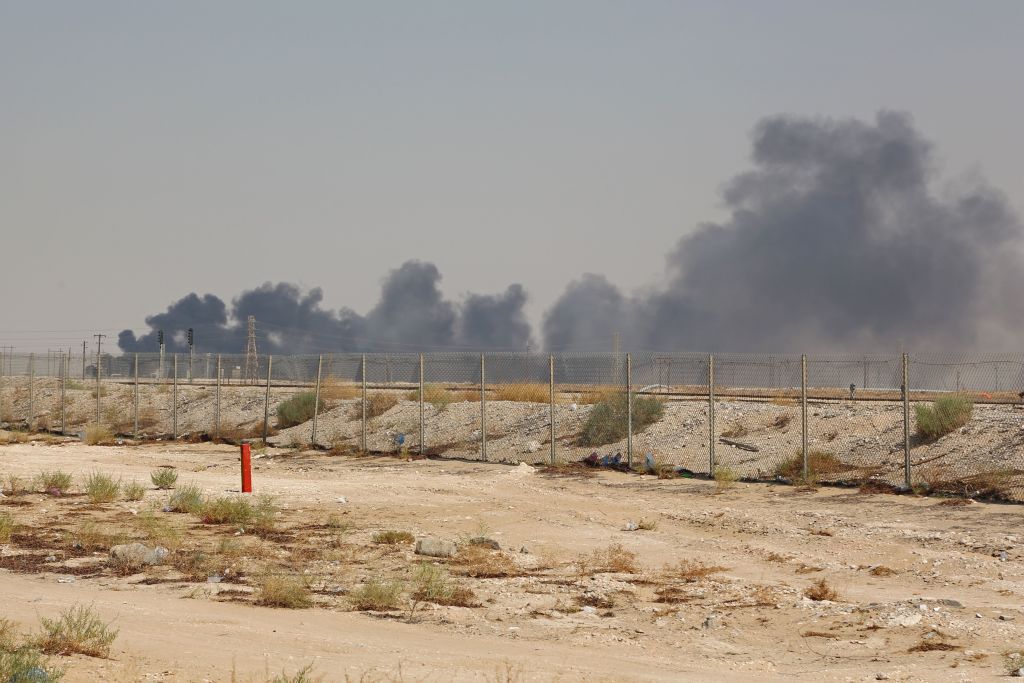
On Sept. 14, the news that Saudi Arabia’s oil facilities had been attacked and damaged came as a shock. And yet, in the not too distant future, this attack will likely be regarded as a tactical mistake. Tehran has miscalculated the timing of such a spectacular attack and it’s unclear whether Iran will get another opportunity to strike such a surprise blow again.
After Aramco: Will halting Houthi attacks on Saudi Arabia end Yemen’s war?
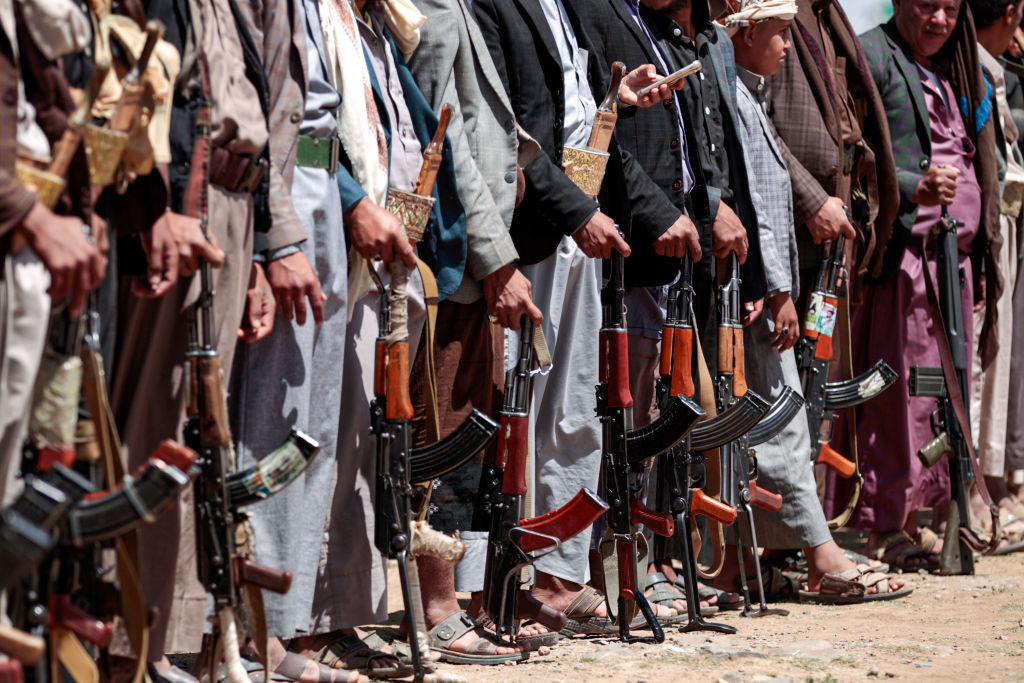
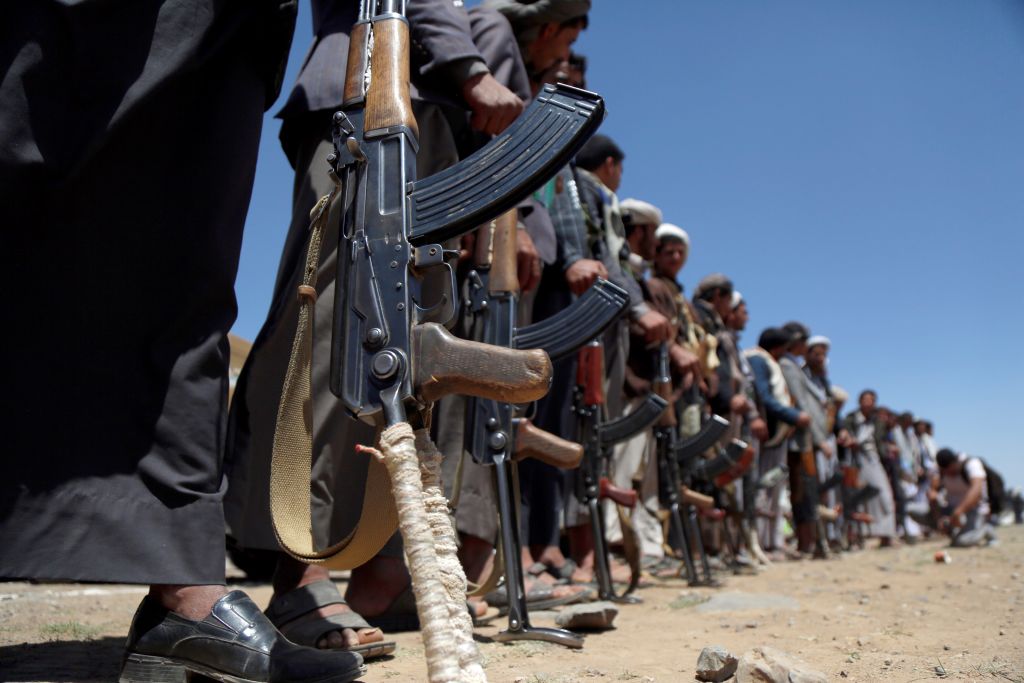
After five years of indecisive war, there is a clear desire on the part of the international community to bring the conflict in Yemen to an end, and the recent UN-endorsed Houthi initiative seems predicated on the assumption that ending the fighting between Riyadh and the Houthis would achieve this. A closer look at the situation, however, suggests this assumption is flawed.
Although the Houthi militia claimed the attacks on Saudi Aramco oil facilities in Saudi Arabia on September 14, experts doubt that the drones were launched from Yemen. Despite the Houthis’ affirmations and Iranian denials, investigations by the US and the Arab Coalition have demonstrated the weapons used were Iranian, and the location of the oil installations in northeastern Saudi Arabia makes them almost certainly out of range from Yemen.
What does the Saudi oil facility attack mean for Russia?
The Sept. 14 attack on key Saudi oil facilities, which knocked out over half of the kingdom’s oil production, has signaled a significant change in approach toward regional and global security. It’s clear that things won’t be the same again. But what does it mean for Russia?
The attack reduced Saudi oil production by 5.7 million barrels per day (bpd), leading to a sharp rise in global oil prices of nearly 20%. Although this was a very important development from an energy and economic perspective, we should not underestimate the political and security ramifications either. The entire paradigm of a secure Gulf under the protection of the U.S. military umbrella has been undermined.
Why Iran’s leadership is opposed to US negotiations despite pressure
The unprecedented attack on critical Saudi oil infrastructure in Abqaiq and Khurais on Sept. 14 came just days after U.S. President Donald Trump’s dismissal of hawkish National Security Advisor John Bolton had opened a narrow window of diplomacy for Iran-U.S. negotiations to deescalate spiraling tensions.
Pakistan’s tricky balancing act between Saudi Arabia and Iran
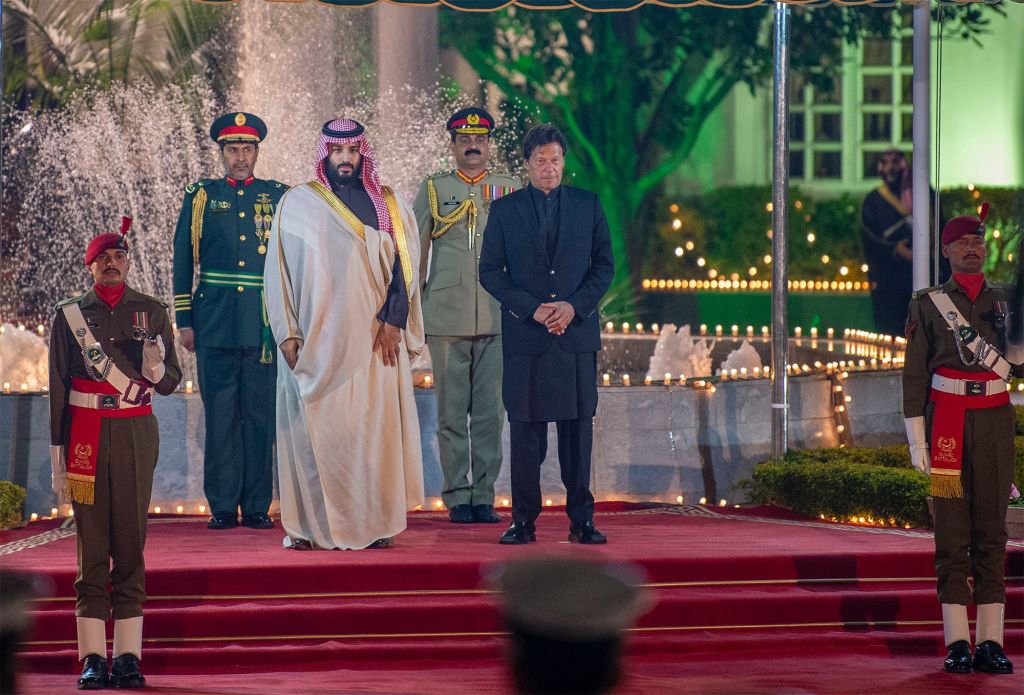
The Sept. 14 attack on Saudi Arabia’s Abqaiq oil processing plant has put Pakistan in a place it never wanted to be: possibly forced to choose between Saudi Arabia and Iran.
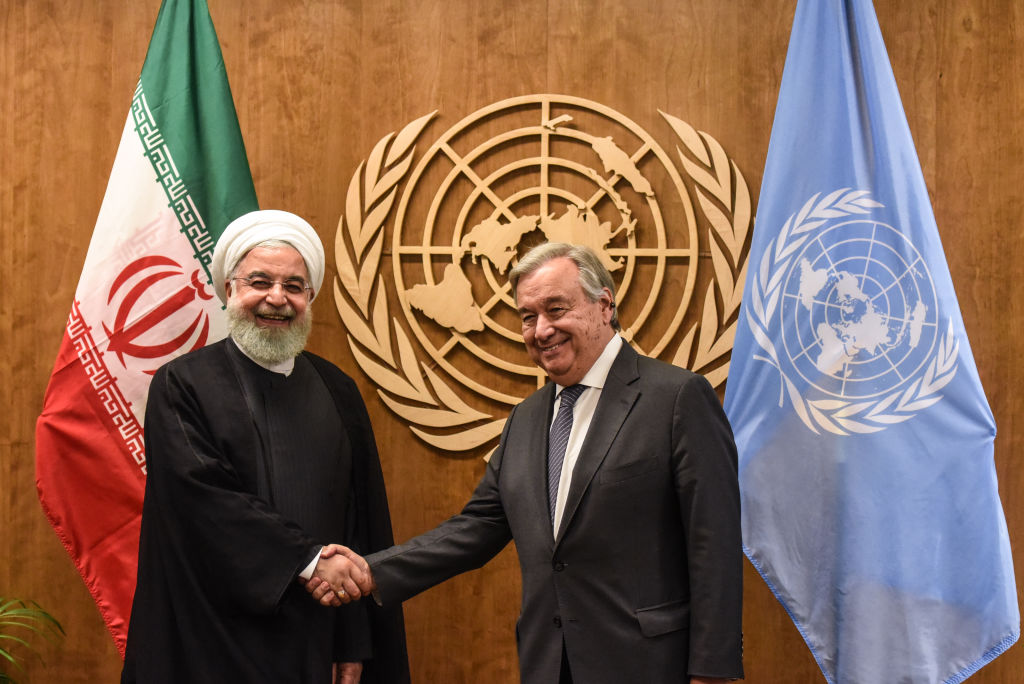
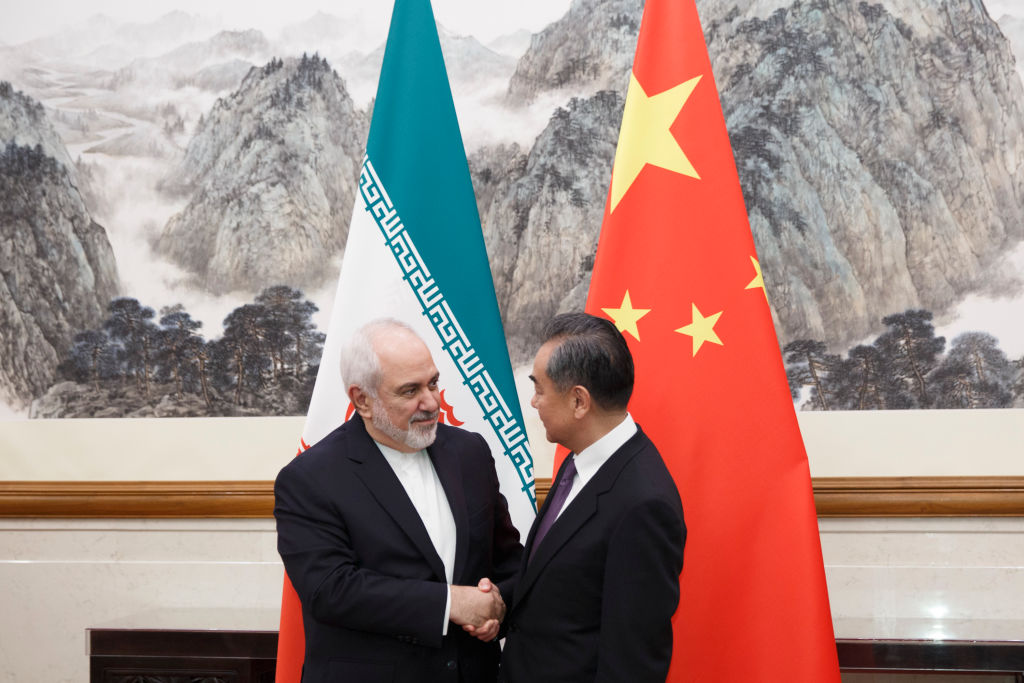
Iranian President Hassan Rouhani and Foreign Minister Javad Zarif do not expect to meet with senior U.S. officials in New York this week. For that to happen, President Donald Trump has to first lift the sanctions on Iran, and that is an unlikely scenario.
Monday Briefing: Middle East takes center stage at UNGA
This week’s briefing on recent news and upcoming events in the region featuring Gerald Feierstein, Alex Vatanka, Eran Etzion, Gonul Tol, Amal Kandeel, Marvin G. Weinbaum, Michael Sexton and Eliza Campbell.
From regime change to rapprochement? Turkey’s shifting Syria policy
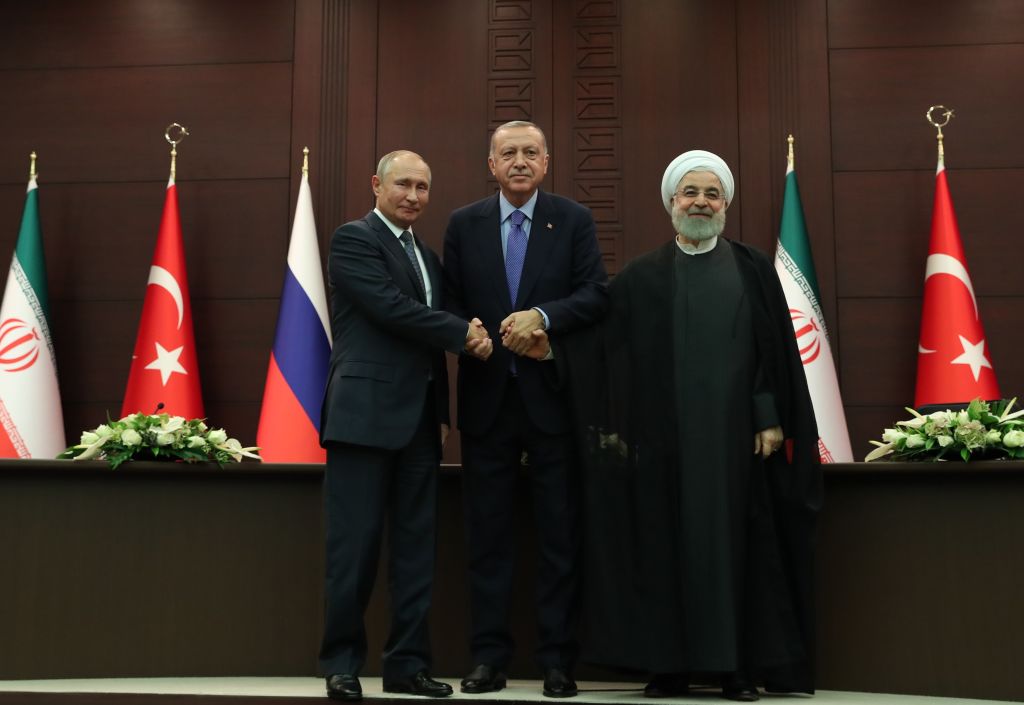
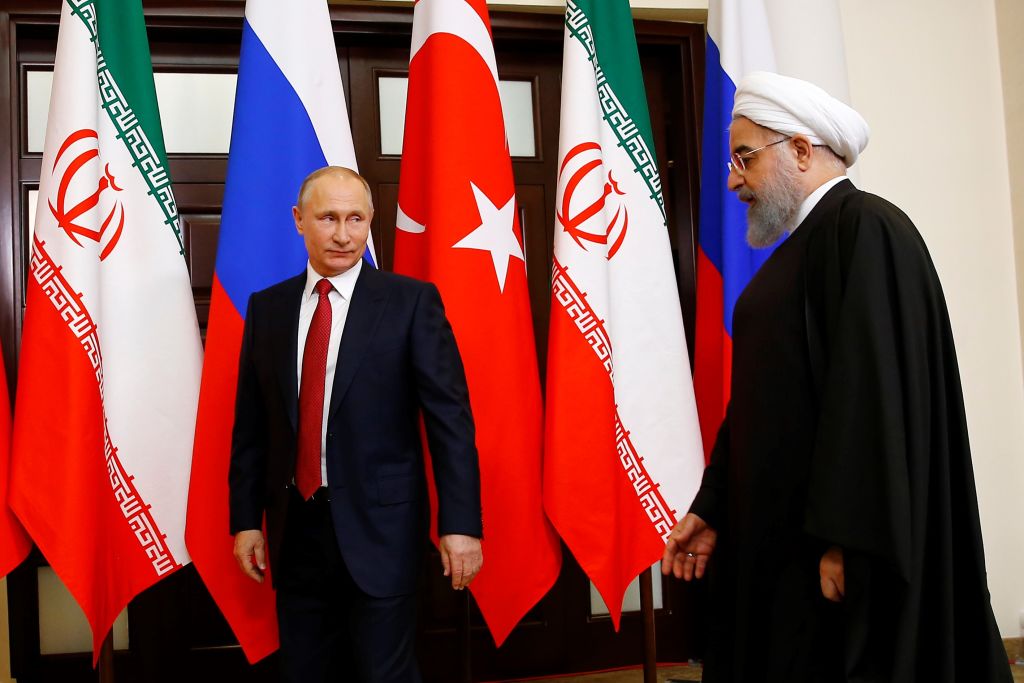
At a trilateral summit in Ankara earlier this week, President Recep Tayyip Erdogan sat back and ate treats as Iranian President Hassan Rouhani told the world that efforts to topple the Assad regime have failed. The scene was a stark reminder of how far Turkey’s Syria policy has shifted.
Saudi Arabia is under direct assault, and America’s response is muted. Despite U.S. President Donald Trump’s verbal threats against Iran, which is behind the attack, he’s not seriously contemplating using force. What’s most urgent now for U.S. policymakers is how to prevent this from happening again and how to most effectively defend U.S. partners from aggression in this still vital part of the world.
Yemen’s peace process: The Hodeida Agreement that never was?
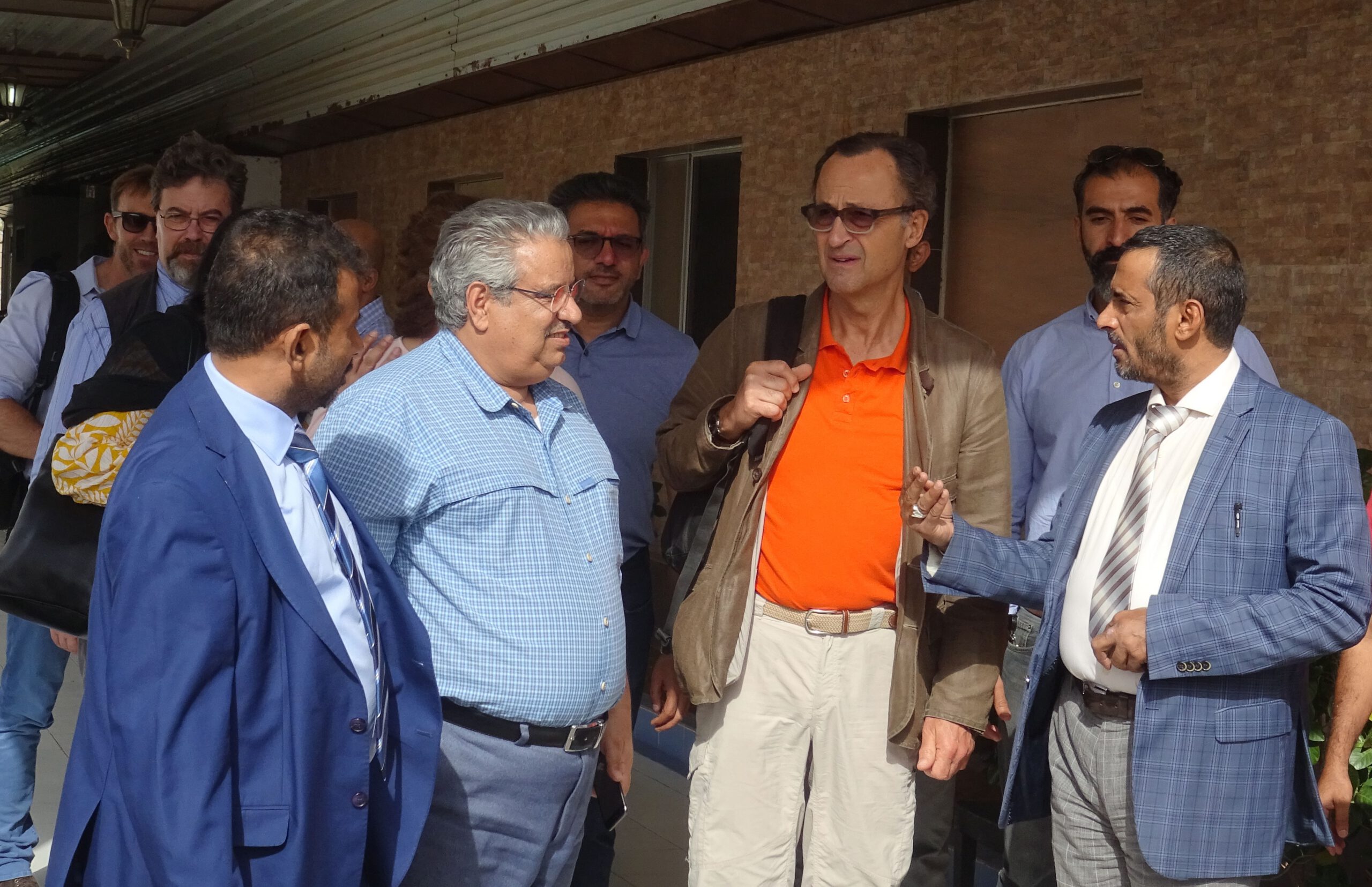
In late July, Lt. Gen. Michael Anker Lollesgaard left Yemen after his six-month term as the second head of the UN Mission in support of the Hodeida Agreement (UNMHA) came to an end. Unlike his predecessor, Maj. Gen. Patrick Cammaert, who departed quietly, Lollesgaard was given a proper sendoff from Sana’a. A senior Houthi commander, Maj. Gen. Ali al-Musheki, even went so far as to describe Lollesgaard as “a conscientious military commander.”
Russia, Iran, and the competition to shape Syria’s future
One important dynamic that is not acknowledged enough is the intensifying competition between Russia and Iran to determine the future shape of Syria and their position in it. While the very real competitive dynamic between Moscow and Tehran will never transition to hostility, it is beginning to have a very real effect on the evolution of major aspects of the crisis — from active conflict theaters, to the structures of the state, control over resources, and the prospect of intra-state conflict on Syrian soil.