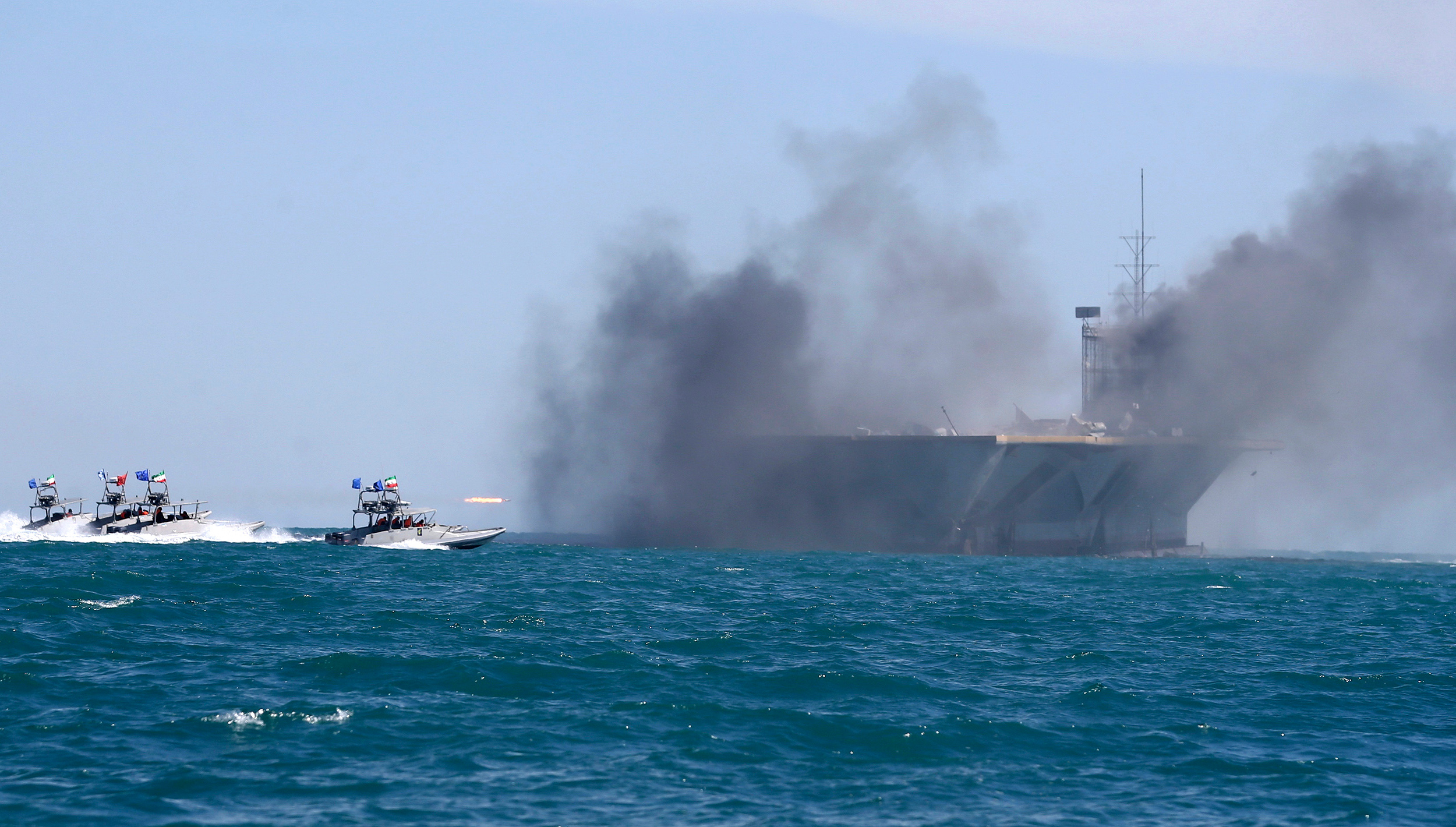
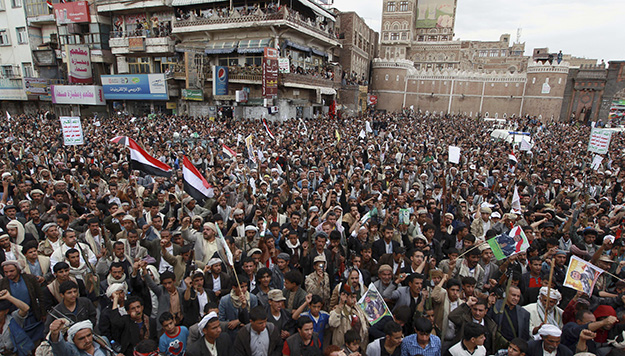
With its bold and public intervention in Yemen’s civil war, Saudi Arabia has cast off a half-century of caution and restraint in regional security affairs.
Collection Spotlight: In the Name of Oil: Anglo-American Relations in the Middle East, 1950-1958
Ivan L. G. Pearson’s In the Name of Oil: Anglo-American Relations in the Middle East, 1950-1958 provides a comprehensive analysis of the extent to which British interests in the Middle East influenced or were furthered by the United States between 1950 and 1958.
Frustrated Turkey Turns to Onetime Ally Saudi Arabia
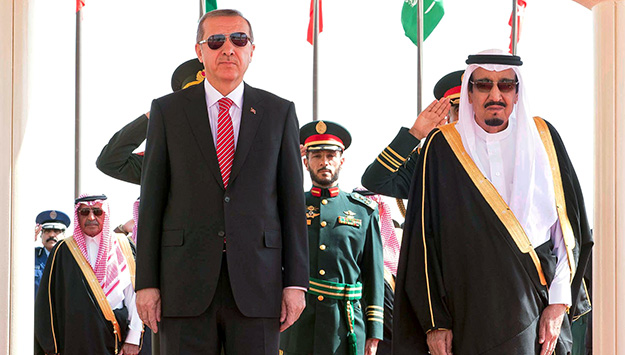
Frustrated by the United States’ failure to heed its advice on Syria and Iraq, and by Iran’s growing clout in these countries, Turkey seems to have decided to mend its frosty relationship with Saudi Arabia. When King Abdullah died earlier this year, Turkish President Recep Tayyip Erdogan immediately cut short an African tour and flew to Riyadh to offer his condolences. He declared a period of mourning in Turkey and ordered the Turkish flag to be flown at half-mast.
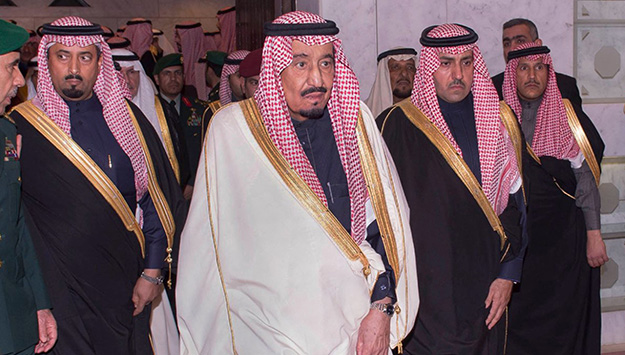
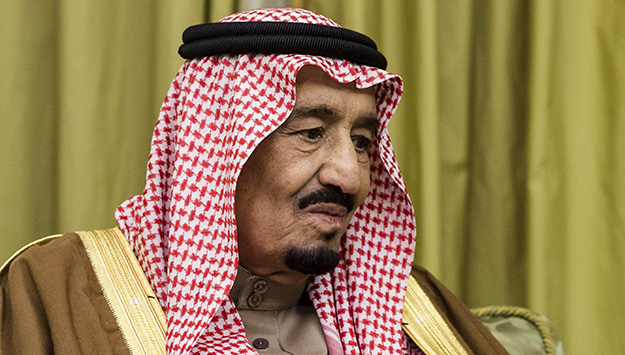
The death of King Abdullah in late January 2015 brought a seamless transition of power in Saudi Arabia. Crown Prince Salman acceded to the throne and Prince Muqrin became crown prince, while Prince Muhammad bin Nayef, minister of the interior, became second deputy prime minister and the first grandson of Ibn Saud in line for the throne. Despite speculation to contrary, the smooth transition was strong evidence of a preexisting agreement that included the late king, Salman, and other senior princes.
The Middle East is experiencing unprecedented upheaval, and by all indications the region is likely to remain in turmoil for the foreseeable future. From Yemen to Bahrain to Syria and Lebanon, the sectarian agendas and geopolitical maneuverings of the two regional heavyweights – Iran and Saudi Arabia – will likely remain the key drivers fueling the regional fire.
Drug Use and Harm Reduction in the MENA Region and in Lebanon
Repressive policies that stigmatize and punish drug users have tended to exacerbate social problems rather than mitigate them. In contrast, harm reduction (HR) approaches to drug use have been shown to prevent the spread of blood-borne viruses (such as HIV, HBV, and HCV), thereby lowering morbidity and mortality rates. Over the past 15 years, many HR initiatives have been launched in the MENA region, including Lebanon. However, continued progress in HIV prevention will require more structured and comprehensive HR interventions, adjusted to the needs of local populations.
It appears that the senior princes who run Saudi Arabia don’t read Western news reports about their country or the numerous analyses of Saudi affairs put forth by American and European think tanks. If they did, they would have known that the death of King Abdullah was going to set off a “succession crisis” that would divide the ruling family and possibly destabilize the kingdom. They clearly did not get the memo.
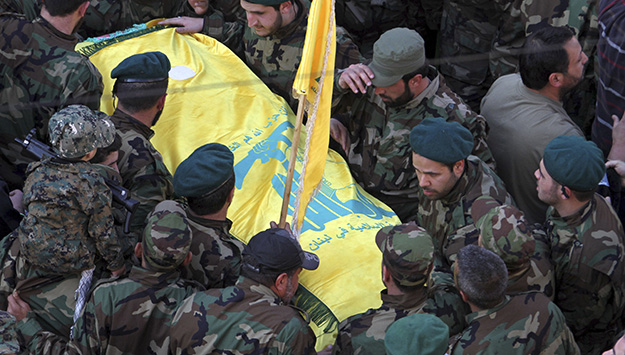
An Israeli helicopter fired rockets on a convoy in the Golan Heights on January 18, killing six members of Hezbollah and an Iranian general. MEI’s Randa Slim explains the context surrounding the attack and the likely repercussions.
Why did Israel choose this time to attack Hezbollah and Iranian targets in the Golan Heights?
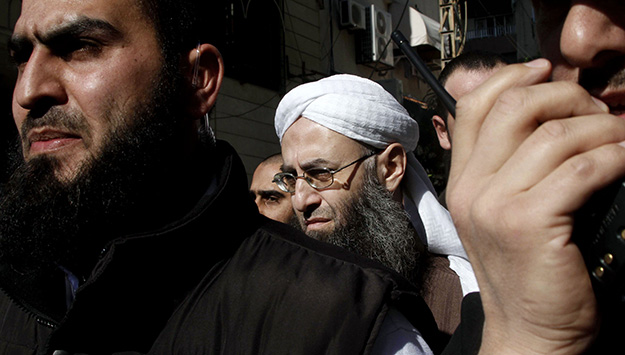
As fears of an ISIS surge in northern Lebanon continue to rise, it is important to have a balanced perspective on the makeup of current Lebanese Sunni Islamist groups. I recently spent three months conducting fieldwork in Lebanon, interviewing representatives from a wide variety of Islamist groups. I present my findings below.
Taiwan’s Relations with Saudi Arabia: An Interview with Ibrahim Chao
Over the past half century, Saudi Arabia has been the most important country for Taiwan’s Middle East diplomacy. The following interview with HE Dr. Ibrahim Chao (Hsi-lin Chao), Taiwan’s representative to the Kingdom from 2009 to 2012, sheds light on the contours of and recent developments in the bilateral relationship. Prior to joining the Ministry of Foreign Affairs of the Republic of China, or Taiwan, Ibrahim Chao earned an M.A. and a Ph.D. in Shariah (Islamic Law) from the Umm al-Qura University in Mecca, Saudi Arabia. Since retiring from the diplomatic service, he has served as an advisor to the Chinese Muslim Association in Taipei.
The Syrian Conflict and the Ascendancy of the Lebanese Armed Forces
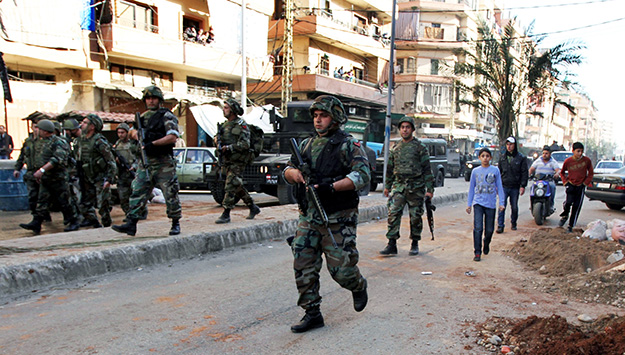
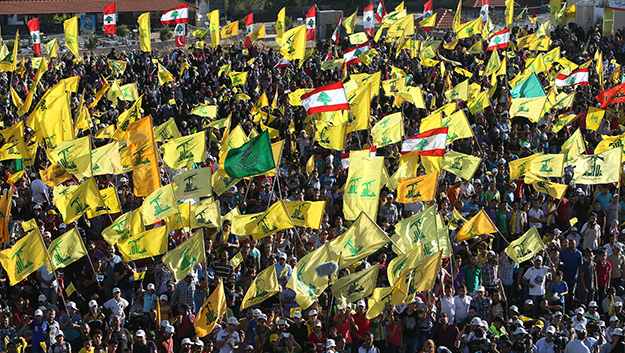
In the past, the Lebanese Armed Forces’ (LAF) inability to confront or deter Israel was reflected as political weakness for the Lebanese government vis-à-vis Hezbollah. Israel’s withdrawal from south Lebanon in 2000 heralded a growing political role for Hezbollah. This role was further enhanced by the 2006 war with Israel, with Hezbollah claiming victory and consolidating its influence within the LAF and the government.
As Syrian President Bashar al-Assad gazes across Damascus from his palace on Mount Qasioun, he can be grateful to his Russian, Iranian, and Hezbollah allies that he is still in a position to enjoy such a view.
The rise of China and India, coupled with major changes in the global energy market such as the US shale revolution have shifted the Gulf countries’ economic focus towards the Asian continent. East Asia has already emerged as the GCC’s most important trade partner, accounting for over 57% of its external trade.
One way to grasp the immense difficulty facing President Obama as he tries to forge an effective international coalition to oppose the Islamic State is to examine the difference between this effort and the last time the United States led a diverse group of countries to take on a conflict in the Middle East: Operation Desert Storm, in 1991.

 Ivan L. G. Pearson’s In the Name of Oil: Anglo-American Relations in the Middle East, 1950-1958 provides a comprehensive analysis of the extent to which British interests in the Middle East influenced or were furthered by the United States between 1950 and 1958.