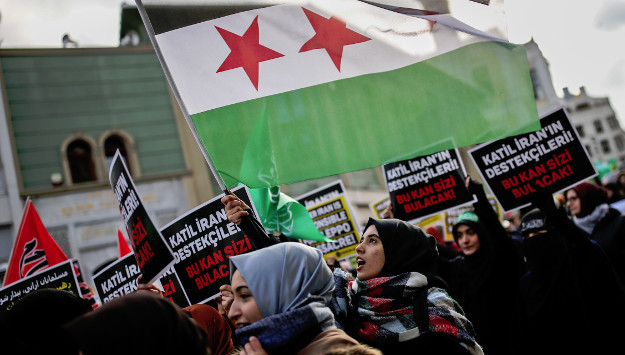
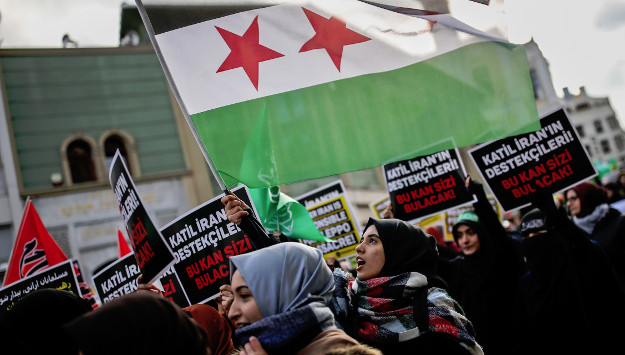
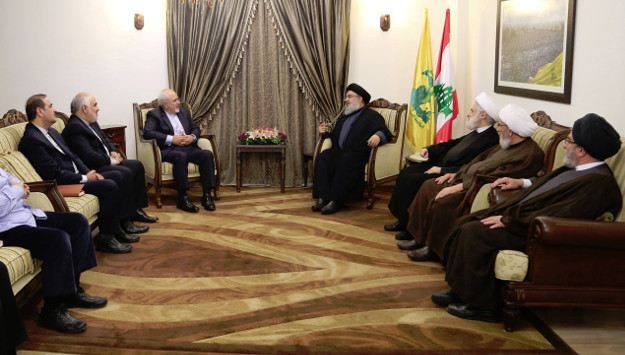
Kayhan, a leading newspaper that represents the most hardline of voices inside the Iranian regime, has been raising doubts about Turkish intentions in the Syrian conflict. The reservations the paper expressed come shortly after the late December 2016 Turkish-Russian-Iranian ceasefire deal aimed to kick-start the political process to find a solution to the six-year Syrian war.
Burden or Boon? Turkey’s Tactical Treatment of the Syrian Refugee Crisis
Turkey’s ruling Justice and Development Party (AKP) approaches the question of refugees much differently than its European counterparts. The latter’s pushing back against burden-sharing measures has led to what can be described as burden-shifting. In contrast, the AKP’s view of Syrian refugees in Turkey is that they are more of a boon than a burden. This essay explores the thinking and the tactics behind Turkey’s approach to dealing with the Syrian refugees challenge.
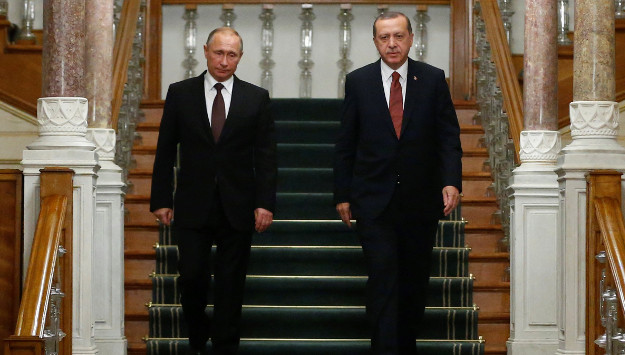
The current Syrian ceasefire effort of Russia and Turkey is a Russian attempt to impose a final political defeat on the rebels and a Turkish attempt to focus on eliminating the Kurds in Syria militarily and politically. Turkey is also intensely lobbying the new U.S. administration for help. The ceasefire deal rests on the barbarism of Russia and the Assad regime and the feckless response of the West. This is the peace Rome imposed on the prostrate Carthage. The unanimous UNSC vote endorsing the Russian/Turkish proposal enshrines one side’s brutality and the other’s moral vacuum.
Iran Steps up Efforts to Expand Its Influence in Lebanon
On January 6, a high-level Iranian parliamentary delegation visited Beirut and pledged to provide military aid to the Lebanese army. Alaeddin Boroujerdi, the chairman of Iranian Parliament’s Committee for Foreign Policy and National Security, said the Islamic Republic was “determined to arm Lebanon’s army,” but added that the implementation of the plan was contingent upon Beirut’s approval.
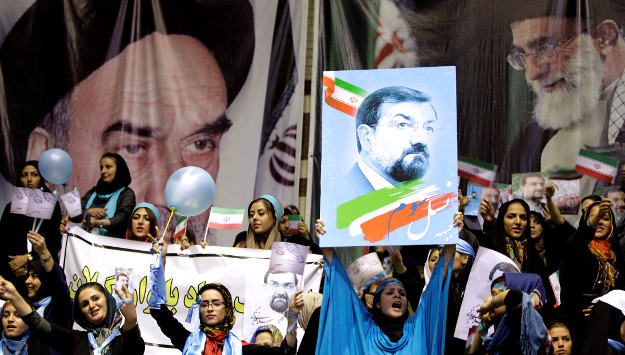
News Brief:Mohsen Rezaei, the long-time former head of the Islamic Revolution Guards Corps (IRGC), has launched a scathing attack on the government of President Hassan Rouhani and its pol
Turkey Warns Iran against Breach of Syria Cease-Fire
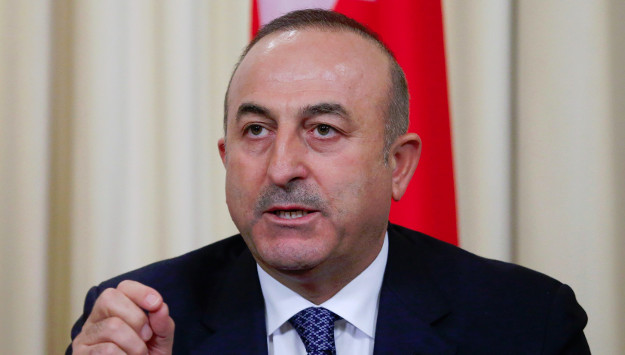
The Turkish foreign minister has openly urged Iran to “play its role as an underwriter of the ceasefire in Syria.” Mevlut Cavusoglu specifically demanded that Tehran rein in Shiite militiamen and the Lebanese Hezbollah and make them “stop violating” the ceasefire in Syria that was agreed on December28.
The long, turbulent history of Lebanese cinema is one fraught with financial precariousness, thwarted potentials, and colonialist impediments. Fighting for decades to break away from the hegemony of Egyptian cinema, Lebanon finally came of age in the 1960s and 1970s, reaching a peak with a series of hugely popular mainstream flicks that included the popular Rahbani/Fairuz folk musicals. The rise of what was once deemed as the most exciting Arab cinema at the time proved to be short lived, coming to a premature halt with the outbreak of the Lebanese Civil War.
From Conflict-insensitive to Conflict-driven Aid: Responding to the Syrian Refugee Crisis in Lebanon
In part due to a broader move from an emergency to development-based approach and due to pressure from central Lebanese government authorities, the humanitarian effort has now been coupled, since mid-2014, with one that takes into greater account the needs of local host communities alongside those of refugees. This traces the way in which tensions between hosts and refugees have become increasingly central to the development and execution of aid projects aimed at community-level support. The author argues that this has important consequences that may actually incentivize the tensions it aims to alleviate.
Tehran’s unwavering support for the regime of Bashar al-Assad continues to irk the Turks, according to press reports. On December 16, the Turkish prime minister, Binali Yildirim, and Iran’s vice president, Eshaq Jahangiri, spoke on the phone. The discussion was ostensibly about Jahangiri’s upcoming visit to Turkey, but also focused on the Syrian civil war.
New to the Oman Library’s shelves is a distinct collection, donated by Sallie Lewis on behalf of her late husband, Ambassador Samuel Lewis. This new addition brings a unique set of stories to the library, with many works containing signatures and personal notes from well known figures who worked closely with the ambassador during his career in the foreign service.
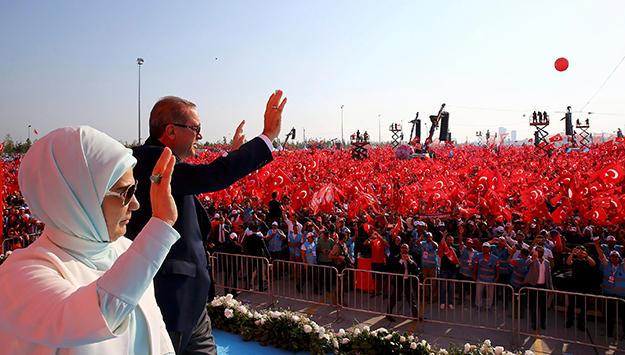
In this week’s Monday Briefing, MEI experts Herman Franssen, Charles Lister, W. Robert Pearson, and Marvin G. Weinbaum provide analysis on recent and upcoming events including OPEC’s agreement to reduce oil output, the continuing offensive in Aleppo, Erdogan’s increasing executive powers, and deteriorating relations between Pakistan and India.
Islamists in Government: Lessons from their Successes and Failures
The question of whether Islamist groups are compatible with democracy has been a topic of serious discussion for some time, especially considering the claims that Islamists have structural impediments when it comes to adapting to various social and political contexts.
Erdoğan’s Syria Remark Angers Iran, Russia and Syria
Turkish President Recep Tayyip Erdoğan’s November 29 remark that Turkey intervened in Syria to topple President Bashar al-Assad has drawn a sharp rebuke from Tehran, Damascus and Moscow.
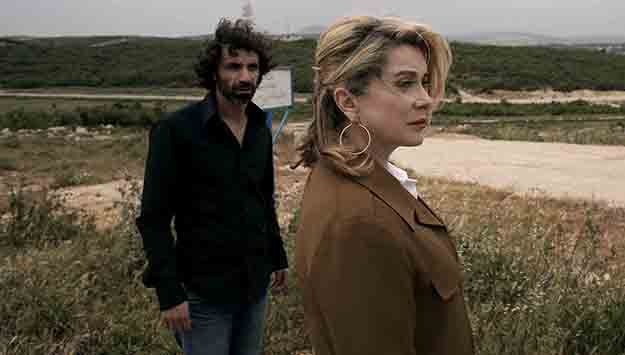
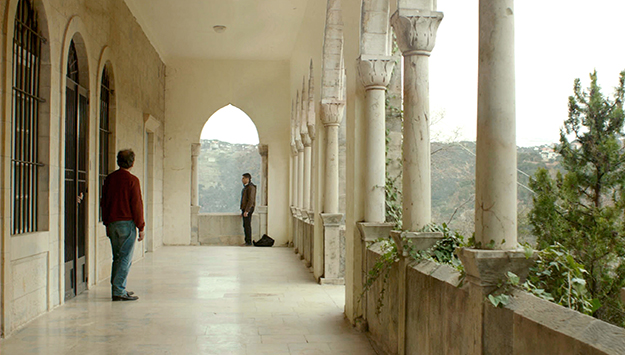
Countless films have been made about the Lebanese Civil War, the dominant subject of Lebanese cinema for the past 40 years. But in Vatche Boulghourjian’s striking debut film Tramontane, he wanted to tell a different story and tackle the lingering legacy of the civil war.