Will protests in Iran lead to negotiations with the US?
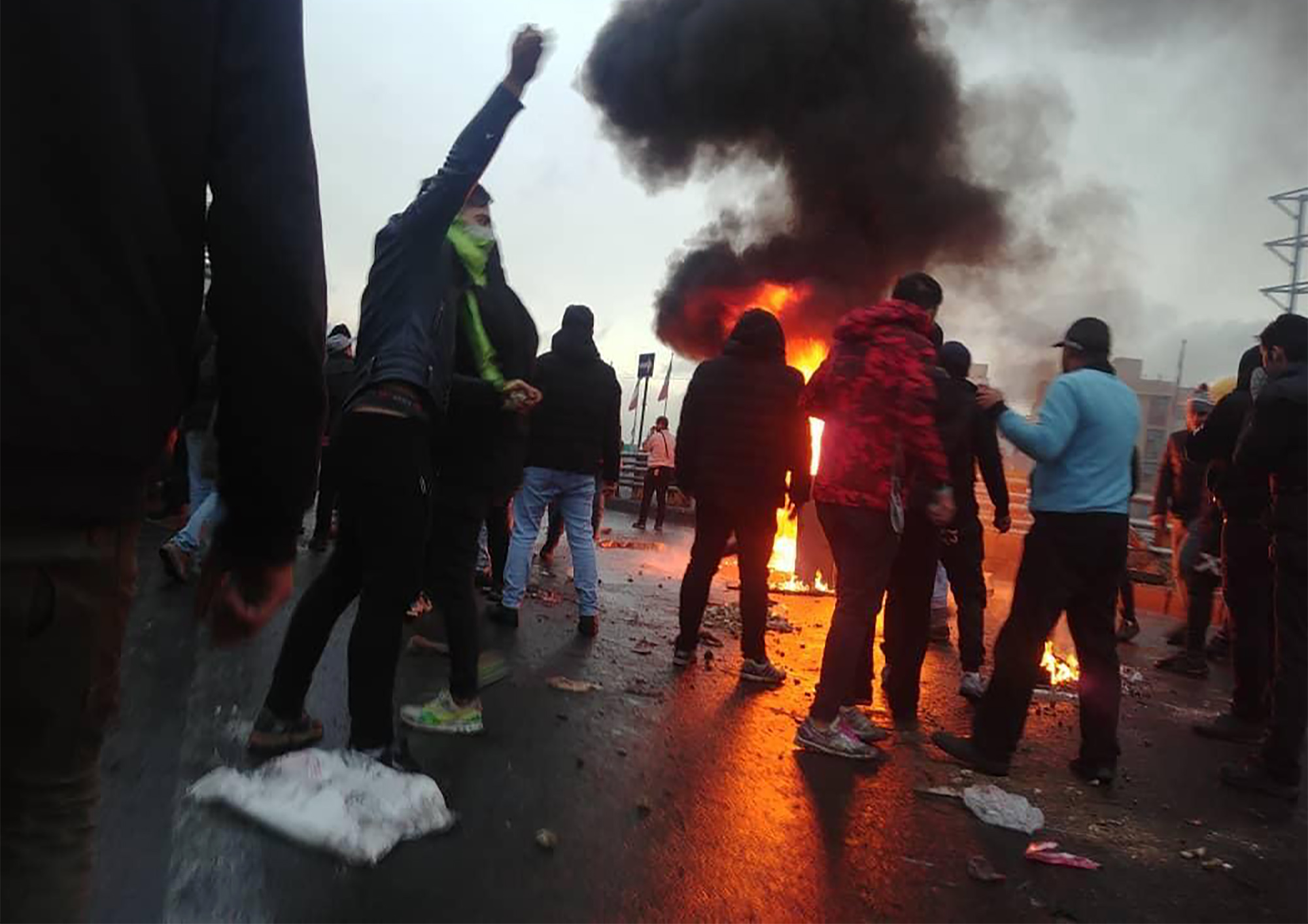
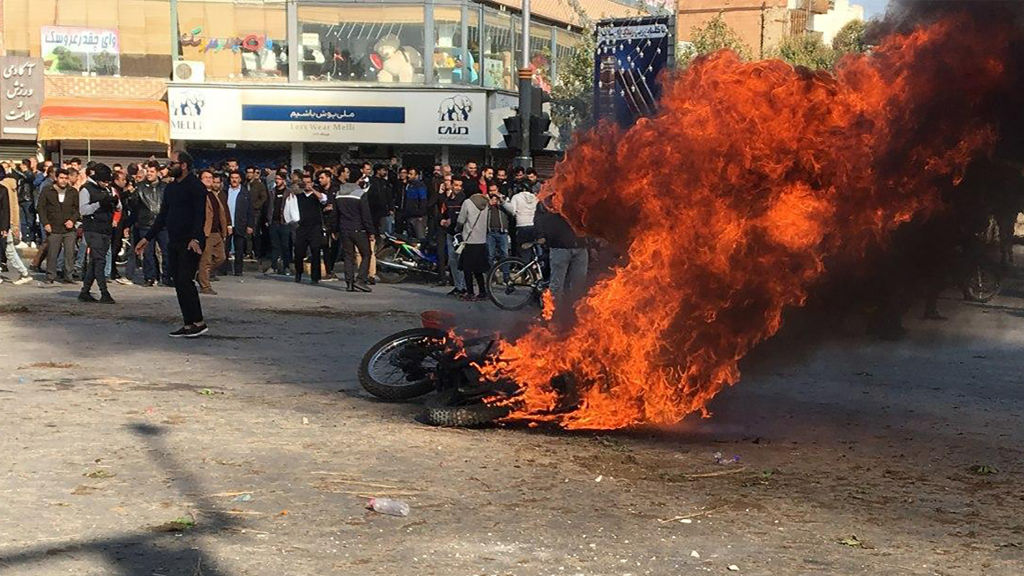
The protests that began in Iran in mid-November may well have a direct impact on Tehran’s relations with Washington. Initially sparked by the Iranian government’s sudden decision to raise fuel prices, the demonstrations have made clear the country’s fragile socio-economic and political situation.
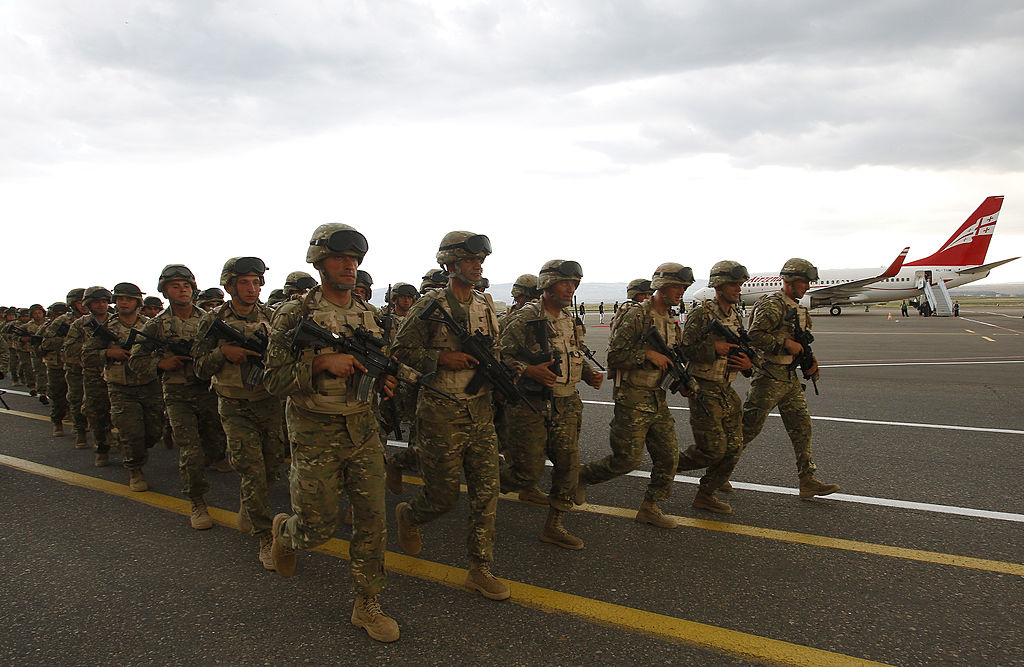
For years, politics and conflicts in the Middle East have spilled over into many other regions of the world. Refugee crises, terrorism, and political instability in the Middle East have impacted foreign and domestic policy and politics in North America and Europe, but the Caucasus is much closer and, therefore, a particularly important case for policymakers in Washington and Brussels.
Female entrepreneurship on the rise in Iran despite sanctions, social barriers, and an internet blackout
Female entrepreneurs in Iran have to contend with domestic, social, and legal barriers. To overcome the challenges, they are increasingly embracing online business, and many use Instagram as a platform.
Déjà vu all over again: The three “I”s of gasoline subsidies and social unrest in Iran
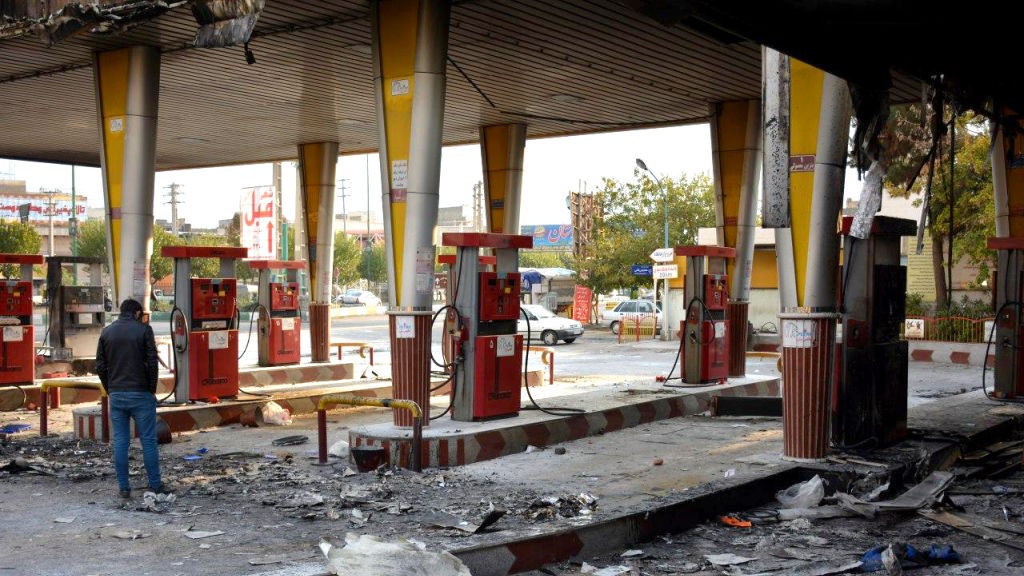
Adding to the backdrop of economic mismanagement, corruption, and increasing rates of poverty and inequality, the recent gasoline rationing and price hikes have ignited widespread and violent protests inside Iran. Despite recent changes, the country’s energy subsidy regime remains highly inequitable, ineffective, and inefficient.
Why the Gulf states are investing in Central Asia and the South Caucasus
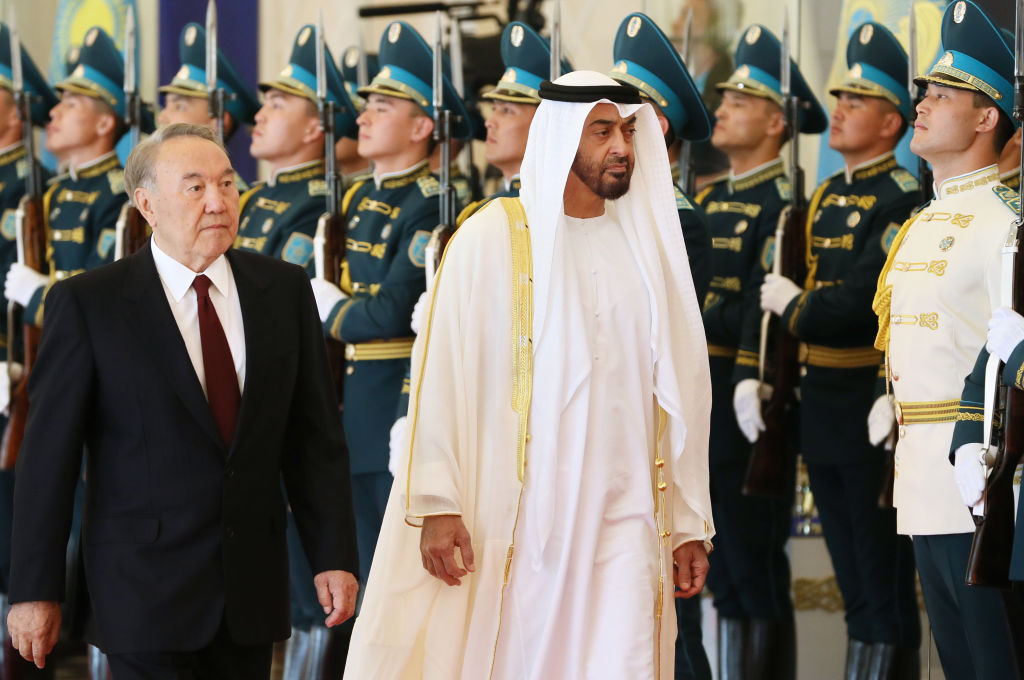
Following the sharp decline in oil prices in recent years, Central Asian and South Caucasus countries accelerated their efforts to diversify their economies away from oil and gas.They also began looking for additional investors. The wealthy states of the Persian Gulf were a natural fit, as they had the financial resources and were also interested in diversifying their economies away from petroleum. The United Arab Emirates (UAE) and Saudi Arabia have led the overseas investment charge.
Leveraging the Current Uprising for Sustained Political Change
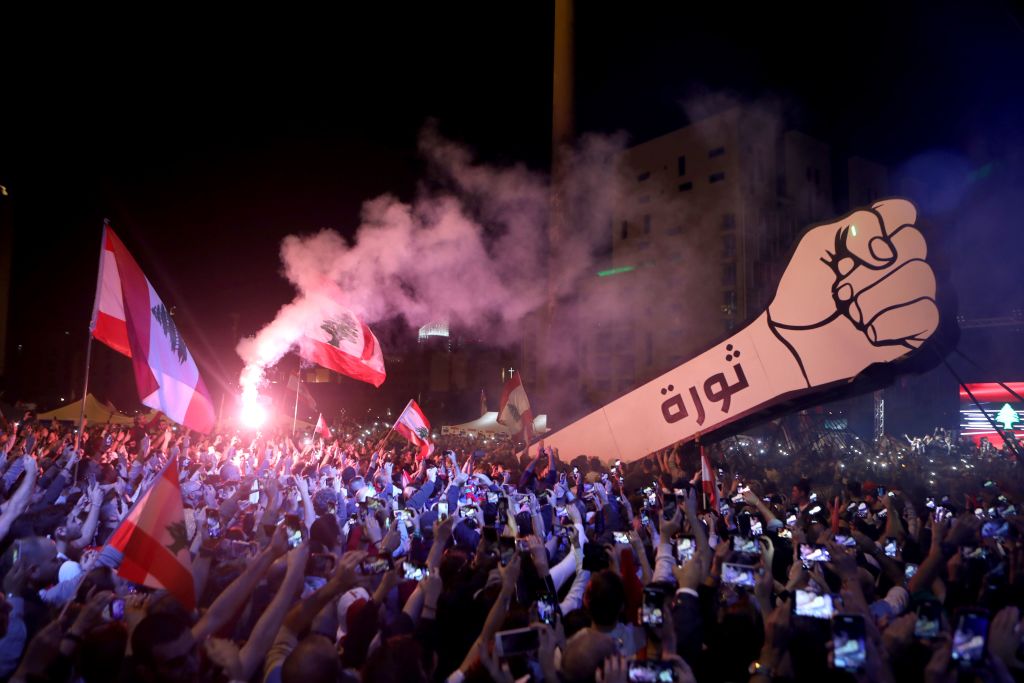
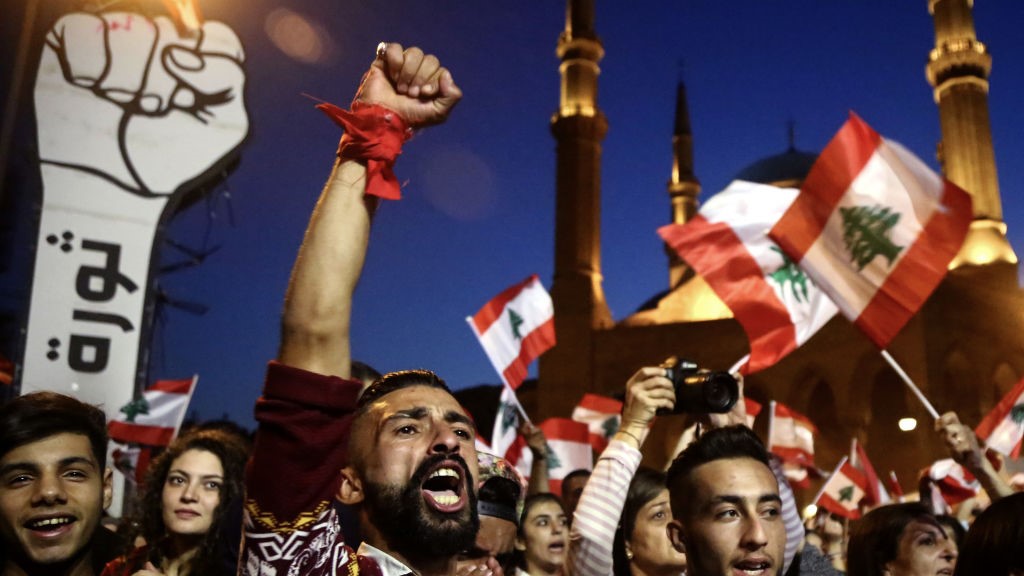
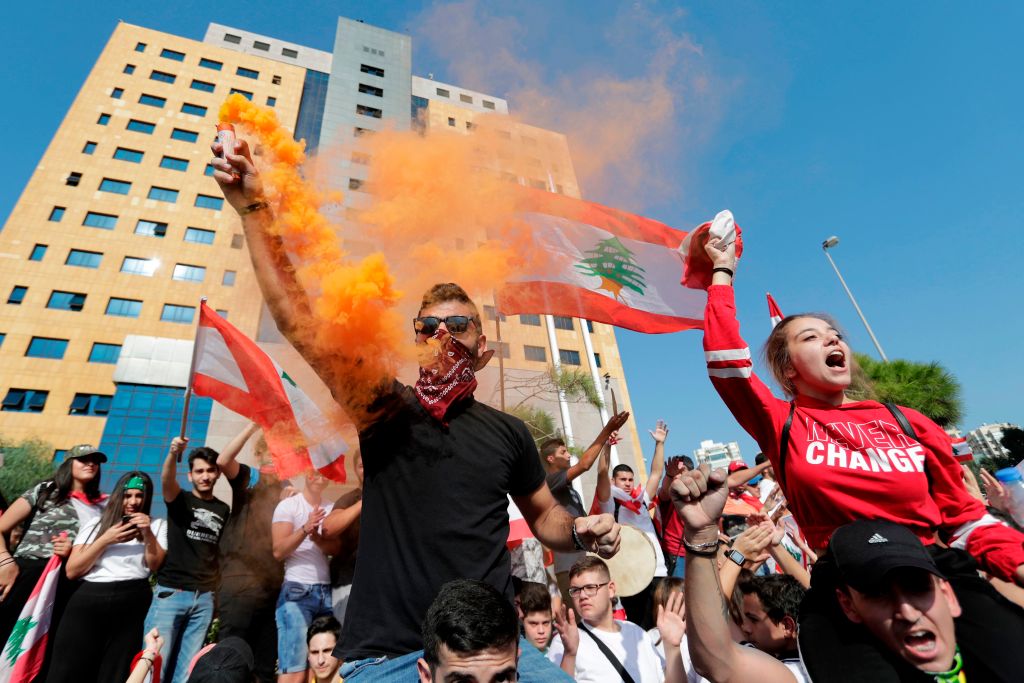
The nationwide protests are the most significant domestic political development in Lebanon since the end of the civil war. It would be useful to examine both the short and long term political potential of this new awakening.
In the short term, the protests have already mobilized the power of the public to bring down a corrupt and ineffective government, and to gain great leverage on the rejection or acceptance of any new government. They have also raised urgent national demands and forced the ruling class to confront these demands.
On a recent trip to my native Lebanon I looked on its ongoing, unprecedented protests with both wonder and worry. The country is a month into widespread anti-government demonstrations. The protests’ scale ebbs and flows but the relative calm during my stay had a fleeting if not sinister quality to it. That calm is unraveling. However this chapter of Lebanon’s history unfolds, this complicated country has changed irreversibly.
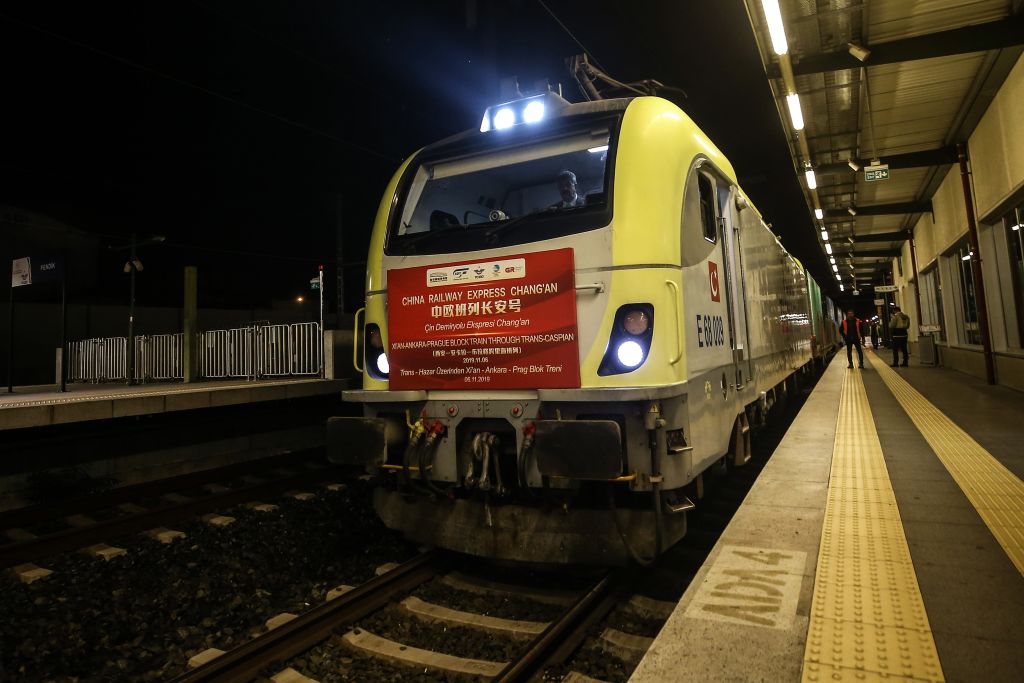
China’s Belt and Road Initiative (BRI) has been a powerful driver of the development of existing and new Eurasian rail routes. A web of competing and complementary rail lines has begun to form across the Eurasian landmass. Railway cargo service between China and Europe has fast become a compelling “middle option” — cheaper than air and faster than sea.
Brenda Shaffer (Georgetown University), Anna Borshchevskaya (Washington Institute for Near East Policy), and Alex Vatanka (MEI) join host Alistair Taylor to discuss how the dynamics between Russia and Iran are playing out in the Caucasus, and what it means for the countries of the region.
Tearing down the walls of vested interests in the Middle East and North Africa
The MENA region needs bolder and deeper economic reforms. GDP growth is projected to be 0.6 percent in the region in 2019, a fraction of what is needed to create enough jobs for its fast-growing working-age population. Even in the few countries that have had periods of higher growth since the 2011 Arab Spring, poverty rates have failed to drop, suggesting the need for reforms to instill fair competition and promote more inclusive patterns of growth.
On the surface the latest protests in Iran appear to be not that different from the previous ones in late 2017 and early 2018. In reality, however, things are quite different this time around, and the Iranian authorities are deeply alarmed.
The Saudi Aramco IPO: Short-term success, long-term loss
The Saudi Aramco IPO got started this Sunday morning with shares priced at SAR 30-32 ($8-8.50) each, valuing the company at $1.7 trillion, $300 billion below the original estimate. The lower valuation has been expected for some time by most investment banks and many financial analysts. The proceeds are expected to fund the Public Investment Fund’s forays into non-energy-based companies, advanced technologies, and even robot-filled cities.
Lebanon protests enter their second month amid stalemate and uncertainty
In Lebanon, the protests have entered their second month with contending parties stuck in a stalemate that is not hurting enough to incentivize concessions from any party. Ruling elites are at a loss what to do.
Punching above their weight: Cyber lessons for small states
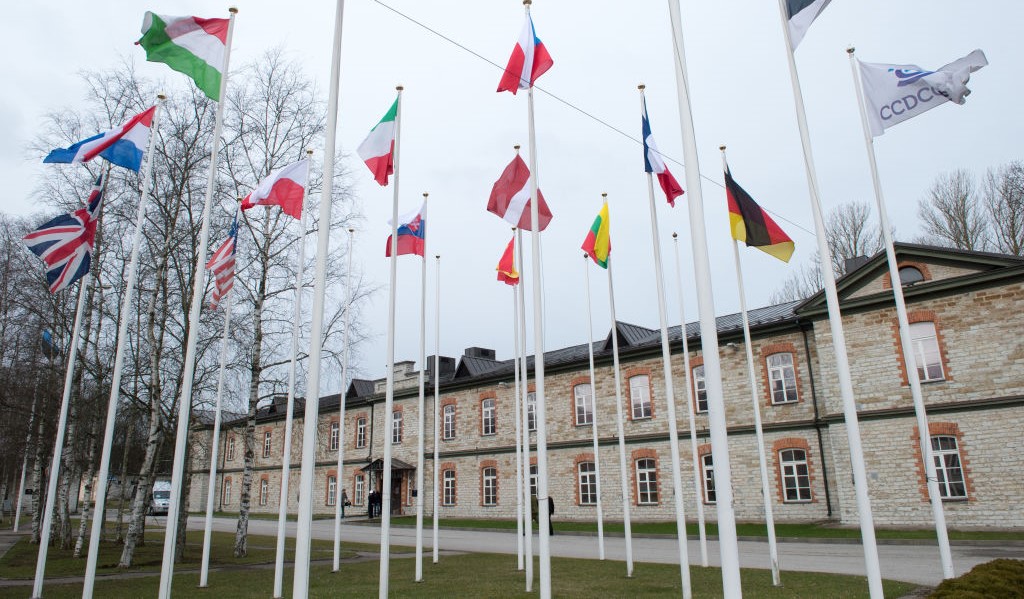
The role of cybersecurity in the future of geopolitics in the Middle East and the surrounding regions will have much to do with individual state and enterprise preparedness. With cyber threats a growing source of interstate tension, governments must take measures to increase national cyber preparedness that are tailored to their vulnerabilities and cyber ecosystems. Israel and Estonia are examples of states that prove this rule. Despite their relatively small size, both have demonstrated an exceptional capacity to deter or defend against cyber aggression from their much larger, more aggressive neighbors.
Balance in the Black Sea: The complex dynamic between Turkey, Russia, and NATO
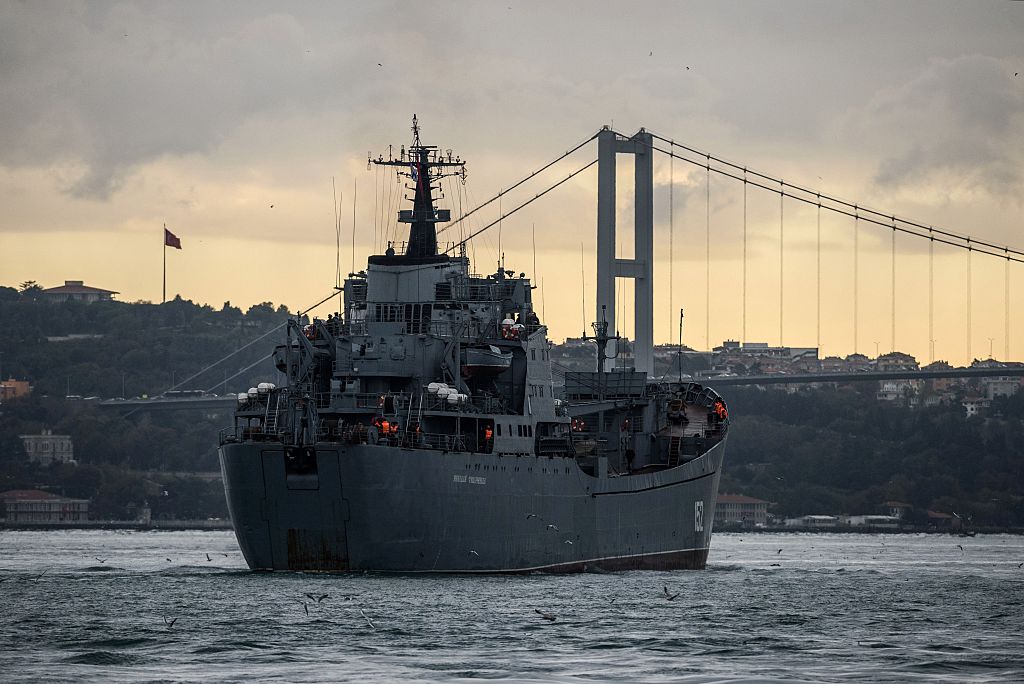
Turkey’s relations with its Western allies are at an all-time low while its partnership with Russia is flourishing. Since Russia began delivery of its S-400 advanced aerial defense system in July, questions have abounded about Turkey’s future in the NATO alliance. Such concerns are not baseless. Turkey-Russia ties have never been closer. The two countries cooperate closely not only on energy and trade but also in the defense sector. But fears of a Turkish withdrawal from the alliance overlook the continued tension between Ankara and Moscow, which makes NATO an indispensable partner for Turkey.