This text has been translated by AI and may contain errors.
Skip to Content

Research & Commentary Results

Filter by
3376 Results
Monday Briefing: Will Russia and Turkey face off over Nagorno-Karabakh?
  • Commentary
  • Monday Briefing: Will Russia and Turkey face off over Nagorno-Karabakh?

    This week’s briefing on recent news and upcoming events in the region featuring Maxim A. Suchkov, Ibrahim Jalal, Eliza Campbell, Alex Vatanka, and Marvin G. Weinbaum.

    September 28, 2020

    Iran, the GCC, and the failure of HOPE
    Photo by Drew Angerer/Getty Images
  • Analysis
  • Iran, the GCC, and the failure of HOPE

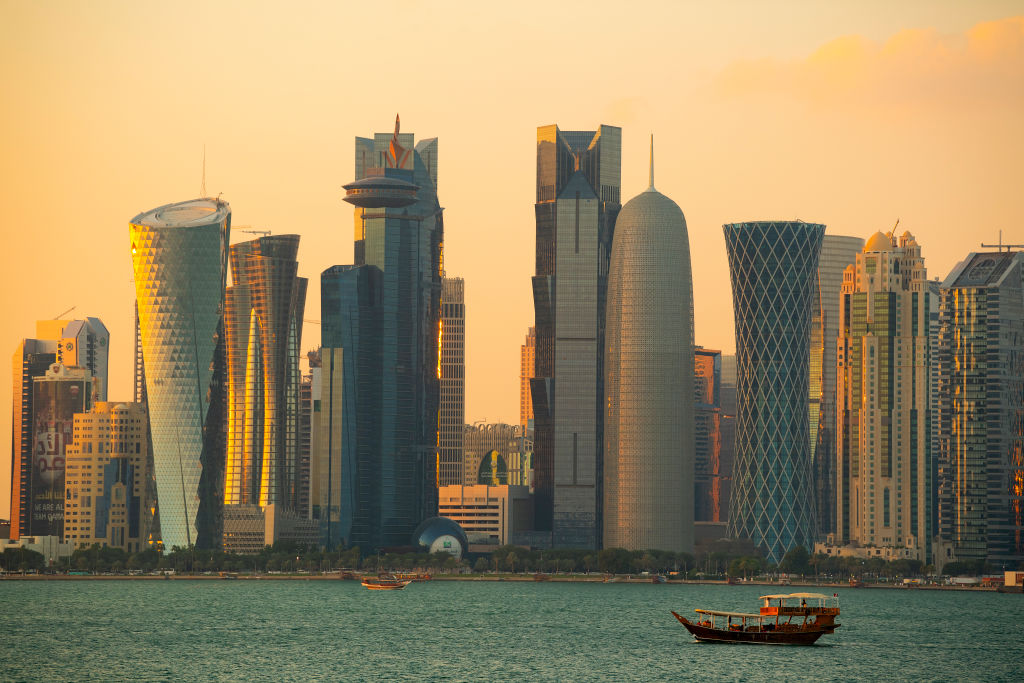
    Last September, at the 74th session of the U.N. General Assembly, Iranian President Hassan Rouhani proposed the optimistically named “Hormuz Peace Endeavor” (HOPE). Over the past year, however, Iran’s plan has failed to gain any traction with the GCC states, even as the region’s security environment has fundamentally changed in ways that are detrimental to the Islamic Republic.

    September 24, 2020

    Who owns Syria’s cultural heritage?
  • Analysis
  • Who owns Syria’s cultural heritage?

    Political manipulation of cultural heritage is a powerful tool in the armory of soft power. Syria’s President Bashar al-Assad understands this well, as does Russia’s President Vladimir Putin and Turkey’s President Recep Tayyip Erdogan.

    September 23, 2020

    Trump, the CIA, and our disorienting Iranian policy ride
    Photo by Olivier Doulier - Pool/ Getty Images
  • Analysis
  • Trump, the CIA, and our disorienting Iranian policy ride

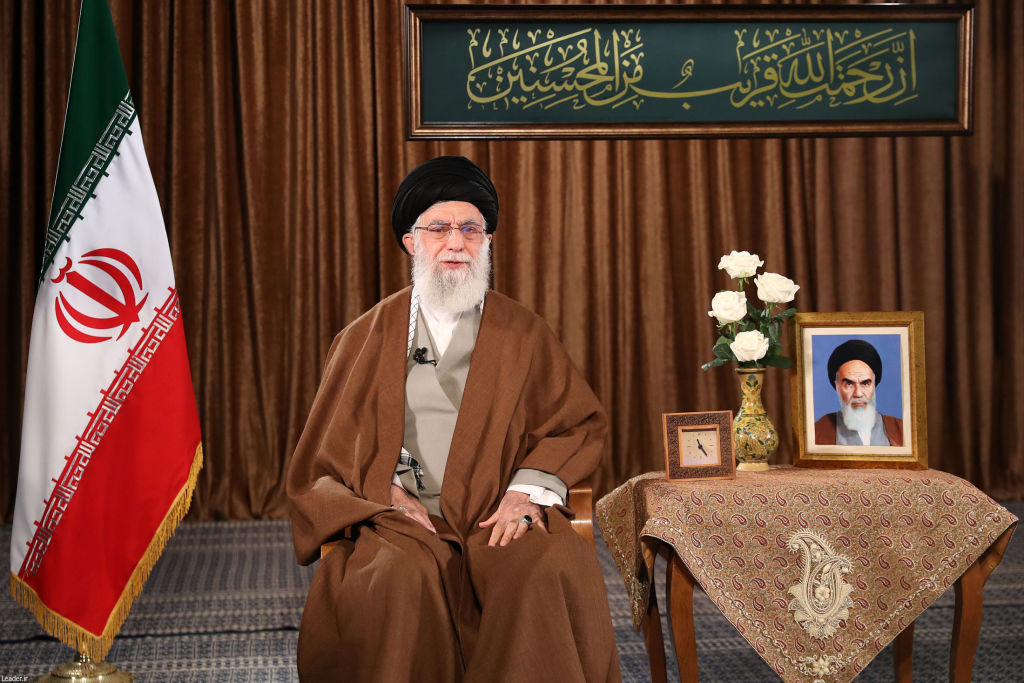
    Understanding President Donald J. Trump’s position on Iran over the two remaining months until the November election is no feat for the fainthearted. Depending on the source to which one subscribes, Trump is either provoking conflict with Iran or working a secret back channel to secure a deal, both variables purportedly intended to support his election prospects. So which is it? Or can it be both?

    September 16, 2020

    Kata’ib Khattab al-Shishani: Fact or fiction?
    Photo by MOHAMMED AL-RIFAI/AFP via Getty Images
  • Analysis
  • Kata’ib Khattab al-Shishani: Fact or fiction?

    Foreign fighters have played a major role in Syria’s ongoing conflict, with a presence in the country that numbered in the tens of thousands at its peak. One of the most mythologized sources of foreign recruits has been Chechnya, the once-separatist province of Russia’s North Caucasus that was reconquered by the Russian army in the early 2000s. Several thousand Chechen fighters traveled to Syria to fight in various opposition and Islamist factions, where their battlefield prowess made them a prized commodity among Syrian rebel militants.

    September 16, 2020

    The Iranian government’s risky stock market bet
    Photo by ATTA KENARE/AFP via Getty Images
  • Analysis
  • The Iranian government’s risky stock market bet

    Following the outbreak of the COVID-19 pandemic, the Tehran Stock Exchange (TSE) took a different path than the rest of the financial world. As markets around the globe plunged, the TSE soared to new heights. There has been a recent reversal, however, with the index falling sharply from its peak in early August and losing around 20 percent of its value over the course of a month. The story of the TSE is about the extreme measures a desperate government is willing to take to make ends meet. 

    Syria Still Matters: Charting a Strategic Approach to Syria Policy
    Photo by GEORGE OURFALIAN/AFP via Getty Images
  • Analysis
  • Syria Still Matters: Charting a Strategic Approach to Syria Policy

    Nine years of conflict in Syria has had a profoundly destabilizing effect on regional and international security. Although overarching dynamics have changed, the crisis is far from over — it is merely evolving. All of the conflict’s root causes remain in place and many have worsened. In controlling less than two-thirds of the country, the Syrian state and its Russian and Iranian backers are increasingly incapable of addressing the many challenges they face: economic collapse and inflation, fledgling insurgencies, a resurgent ISIS, a COVID crisis, and endemic corruption and mismanagement. What happens in Syria never stays in Syria. The United States cannot afford to prematurely withdraw or sustain today’s inconsistent and ill-considered policy — it must step up, re-assert its leverage, strengthen its partners, mobilize its allies, and move determinedly toward protecting American interests and helping to diplomatically resolve the crisis once and for all, creating space for foreign actors, the U.S. included, to depart Syrian soil responsibly.

    The many faces of Fairuz in Iran
    ​​​​​​​Photo by ANWAR AMRO/AFP via Getty Images
  • Analysis
  • The many faces of Fairuz in Iran

    Love for Fairuz has proven that Iranians, despite their intense political differences, can have a common interest. After the deadly explosion in Beirut — which killed more than 190 people and displaced about 300,000 — the first thing Iranians thought of to express their sympathy was Fairuz’s famous song “Li Beirut,” which became a trending hashtag on Persian Twitter.

    September 8, 2020

    Election 2020: Challenges and Opportunities for US Policy in the Middle East
  • Analysis
  • Election 2020: Challenges and Opportunities for US Policy in the Middle East

    In a new briefing book released ahead of the U.S. elections in November, entitled Election 2020: Challenges and Opportunities for US Policy in the Middle East, MEI scholars lay out key issues across the region, highlight the U.S. interests at stake, and provide policy insights and recommendations for the path forward. 

    How is the crisis in Lebanon impacting Syria’s economy?
    Photo by AFP via Getty Images
  • Analysis
  • How is the crisis in Lebanon impacting Syria’s economy?

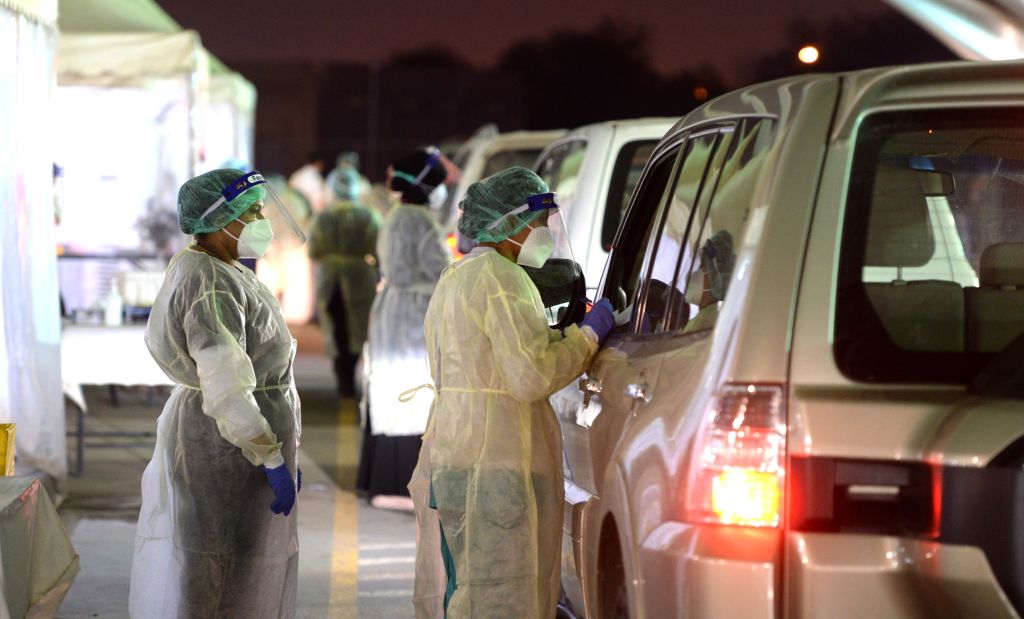
    The explosion at the Port of Beirut on Aug. 4 has resulted in a further escalation of the political and economic crisis in Lebanon. Its repercussions can already be deeply felt in neighboring Syria and are expected to take an even greater toll on the country given its complex links to Lebanon. This crisis is feeding into Syria through multiple channels and has severe implications for its ability to import goods and, ultimately, its food security.

    August 28, 2020

    What to expect from Syria’s new cabinet
    Photo by LOUAI BESHARA/AFP via Getty Images
  • Commentary
  • What to expect from Syria’s new cabinet

    On Aug. 25, Syrian President Bashar al-Assad tasked Hussein Arnous with forming a new cabinet. What should we expect from it? Ayman Abdel Nour highlights 12 important considerations that will factor into its makeup.

    August 28, 2020

    Iran’s “#MeToo” moment
    Photo by ATTA KENARE/AFP via Getty Images
  • Analysis
  • Iran’s “#MeToo” moment

    The ripple effects of the 2017 “#MeToo” movement shook Iranian social media this week as rape allegations were levelled against some of the country’s most prominent figures. The movement, which has led to the arrest of at least one alleged rapist so far, has triggered a broader conversation around sexual violence and harassment — an unspoken topic in Islamic Iran.

    August 28, 2020

    Strategic pause: What explains Russia’s inertia in eastern Syria?
    Photo by DELIL SOULEIMAN/AFP via Getty Images
  • Analysis
  • Strategic pause: What explains Russia’s inertia in eastern Syria?

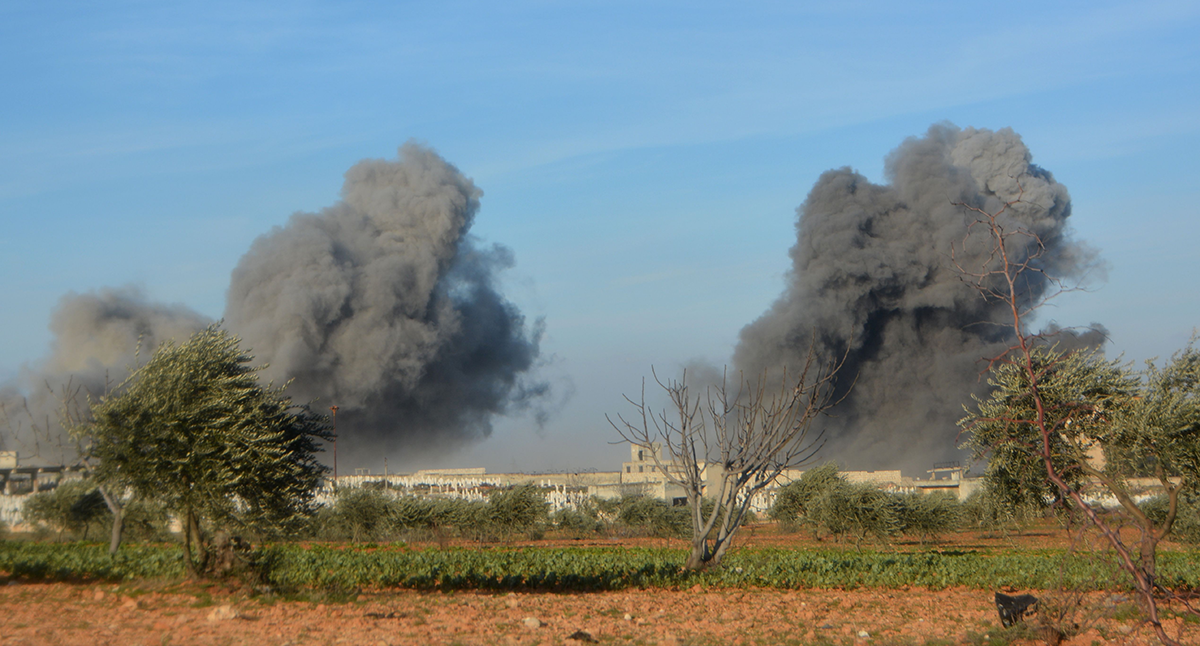
    Moscow has been scaling down its activities in eastern Syria and the most likely reason for this inertia lies in Moscow’s reluctance to be associated with actors seeking to erode the quasi-autonomy of the Trans-Euphrates region. Instead, Russia prefers to stand to the side and watch events unfold, while contemplating the right moment to jump in as a mediator and reap the political rewards.