
Democracy, Inclusion and Political Moderation: Lessons from Religious Movements in the Middle East and Indonesia
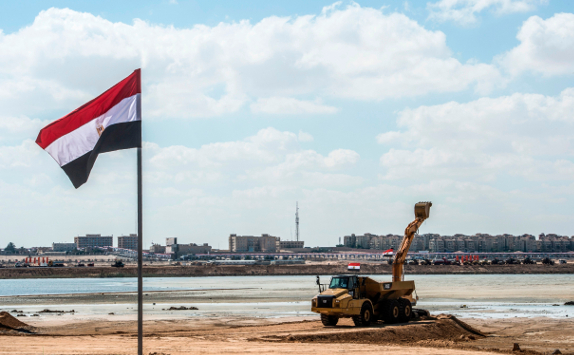
There is a longstanding argument that inclusion in the political process can moderate Islamist groups. Looking at the evolution of Islamic movements in Egypt and in Indonesia, this essay suggests that patterns of informal inclusion, the nature of regime repression and the role of state ideology can all have significant impacts on the diversity of religious life and mass appeal of reformist voices.
India-Gulf Counterterrorism Cooperation
India’s burgeoning economic relations with the Gulf Cooperation Council (GCC) countries have been accompanied by heightened security risks, including in the domain of terrorism. In light of these developments, this article addresses three questions: What is the nature and gravity of the transnational terrorist linkages that exist between India and Gulf Arab countries? What steps has India taken, in concert with its Gulf Arab partners, to counter the terrorist threat? And what more could be done to strengthen India-Gulf Arab counterterrorism (CT) cooperation?
Global LNG Markets in a State of Flux: Qatar in the Crosshairs?
International markets for natural gas — fragmented regionally and with differing price-setting mechanisms — are undergoing profound changes. The foundation is being laid for the emergence of a more globally integrated gas market, and the rapid expansion of the seaborne liquified natural gas (LNG) trade, which has forged links between distant markets, is a major reason why. Qatar — an LNG powerhouse — has dominated the Asia Pacific market, the world’s largest LNG-importing region. However, the Asian market is in a state of flux, as is the entire global LNG sector. This article explores the major changes taking place in international LNG markets, with particular attention to how Qatar is being affected by, and is adapting to them.
Yemen After the Death of Ali Abdullah Saleh
The killing of former Yemeni president Ali Abdullah Saleh marks a major turning point in Yemen’s ongoing civil war. Nadwa Al-Dawsari (POMED) and Gerald Feierstein (MEI) join Paul Salem to discuss the immediate fallout and what lies ahead.
We Have 4 Days to Stabilize Gaza
After the 2014 Israel-Gaza war, I tried and failed to convince Hamas to hand over a key border crossing between Gaza and Israel to the control of the Palestinian Authority (P.A.).
Egypt’s Major Terrorism Problem | Monday Briefing
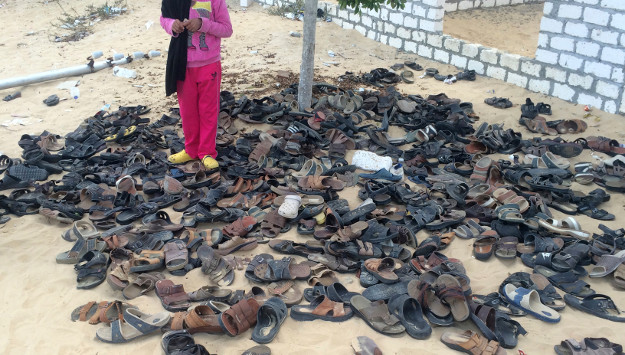
In this week’s Monday Briefing, MEI experts Charles Lister, Randa Slim, and Alex Vatanka provide analysis on recent and upcoming events including Egypt’s ongoing struggle with terrorism following the recent attack in Rawda mosque, the next round of intra-Syrian Geneva negotiations, and Iran’s anxiety over Russia’s plans in Syria.

France and Egypt Try to Moderate Saudi-Iran Escalation | Monday Briefing
In this week’s Monday Briefing, MEI experts Paul Salem, Alex Vatanka, Randa Slim, Marvin G. Weinbaum, and Eran Etzion provide analysis on recent and upcoming events including the Arab League meeting in Cairo to moderate the Saudi-Iran escalation, Iran’s view of the Sochi Summit as a turning point, Putin’s effort to reach an agreement on Syria before presidential elections, Afghanistan’s response to the increase of US troops on their ground, and the political upheaval in Israel as Netanyahu’s corruption case continues.
Yemen’s War Reshapes Arab Gulf Armies
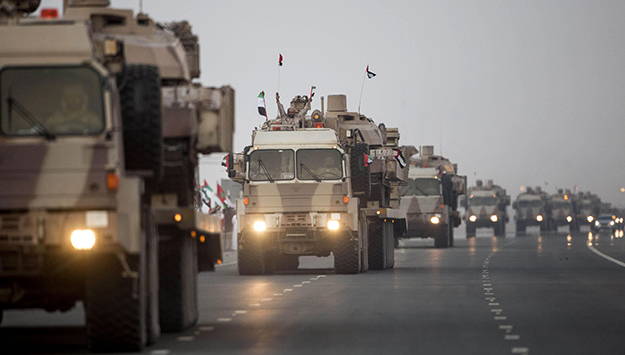
The war in Yemen is reshaping the armed forces of Arab Gulf states. It is the first time that Emirati and Saudi elite units are leading a war effort in their bid to counter Yemeni Houthi rebels and forces loyal to former President Ali Abdullah Saleh, as well as a counterterrorism campaign against jihadi groups, mainly Al-Qaeda in the Arabian Peninsula (AQAP).
The Saudi-Lebanon Crisis Is Largely About Yemen
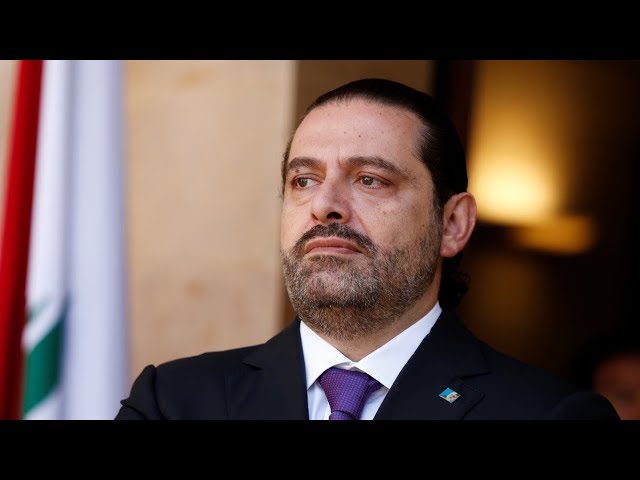
November 13, 2017 – The crisis between Saudi Arabia and Lebanon and the resignation of Prime Minister Saad Hariri appears to be largely about Yemen, says Paul Salem, Sr. Vice President for Policy Analysis, Research, and Programs at the Middle East Institute.
Hariri’s Resignation and the Saudi Corruption Crackdown
Last weekend’s arrests of prominent Saudi government officials and leading businessmen on charges of corruption has sent shockwaves through Saudi society as well as global center of finance and commerce. The developments also impacted Lebanon, with Prime Minister Saad Hariri announcing his resignation from the Saudi capital of Riyadh. MEI experts Gerald Feierstein, Jean-Francois Seznec, and Randa Slim join Paul Salem to discuss these developments.
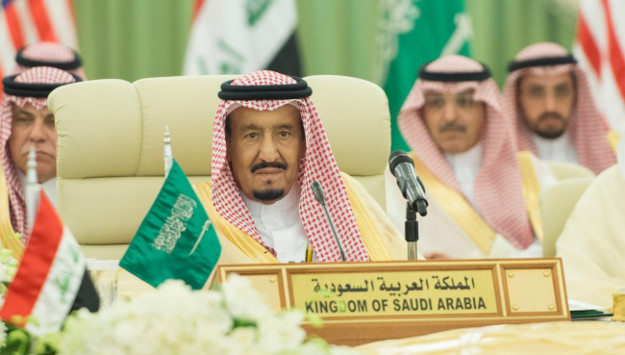
The End of Saudi-Style Stability
Read the full op-ed on The New York Times.
For decades, Saudi Arabia was a stable and reliable economic and strategic partner of the United States. That country no longer exists.
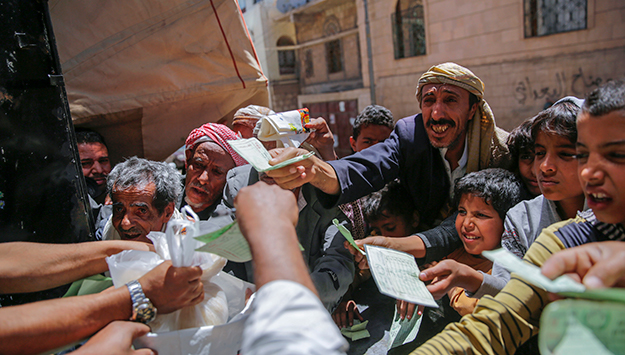
Yemen’s Humanitarian Disaster: Halting the Famine Threat
Summary
Only several months after the Saudi-led military coalition waged its ongoing campaign against the Iranian-backed Houthi rebels in March 2015, the United Nations began issuing warnings about famine. Today, millions of Yemenis are on the brink of famine, with about half a million suffering from a cholera outbreak. This paper analyzes the causes of Yemen’s humanitarian catastrophe and offers the Trump administration recommendations for helping the impoverished Arab state avoid a famine.
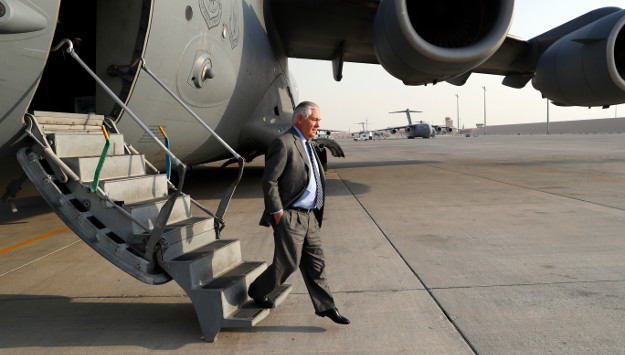
Tillerson Promotes Stronger Saudi-Iraq Ties | Monday Briefing
In this week’s Monday Briefing, MEI experts Gerald Feierstein, Marvin G. Weinbaum, Randa Slim, Paul Salem, and Gonul Tol provide analysis on recent and upcoming events including Secretary Tillerson’s visit to Riyadh and Doha as well as his visit to India and Pakistan, Abadi’s regional tour to promote positive relations with neighbors, Sisi’s visit to Paris to boost Egypt-France relations , and German Chancellor Merkel’s threat to cut European Union funding to Turkey due to its crackdown on democratic institutions.
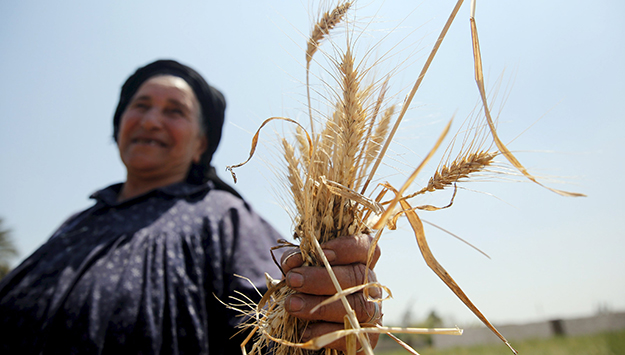
Millions of Rural Working Women in Egypt at Risk from Climate Change
The impacts of climate change on Egypt’s agriculture are likely to be substantial, and will affect the millions of Egyptian women reliant on this economic activity for their livelihoods. The agricultural sector employs a large percentage of Egypt’s working women, a sector known for its low and unstable earnings. Millions of rural Egyptian women working in agriculture already suffer from poverty, and climate change will make matters worse.