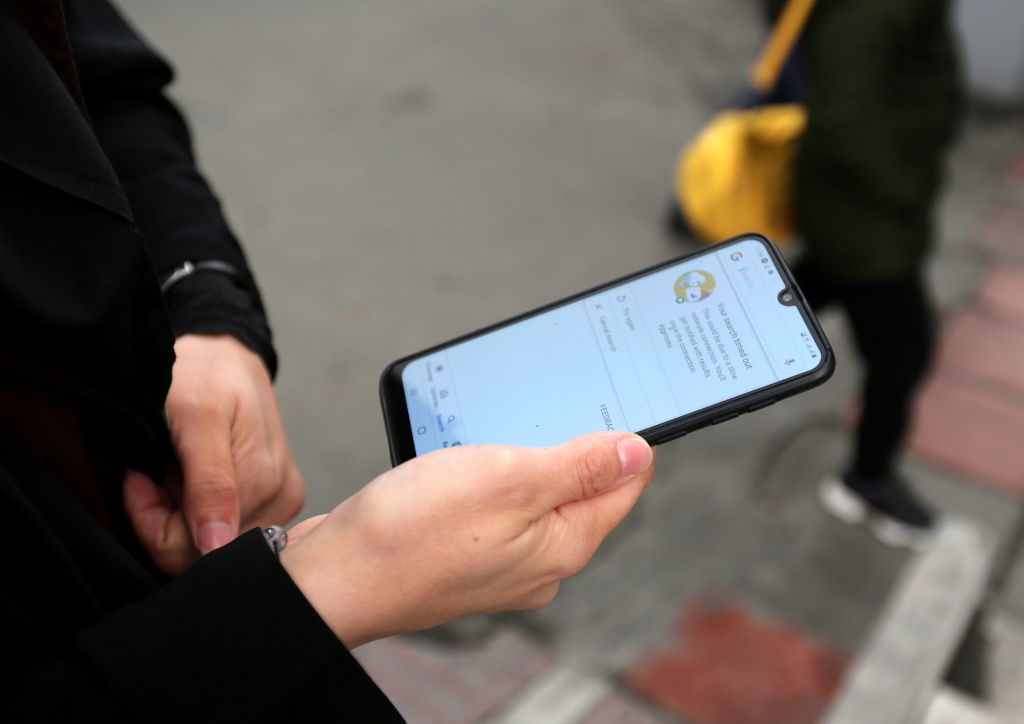
Researcher Mahsa Alimardani and MEI Cyber program director Mike Sexton join host Alistair Taylor to discuss the recent Iranian internet shutdown, its impact on protests and the nation’s economy, and what it means for the future of civil liberties in Iran and the wider region.
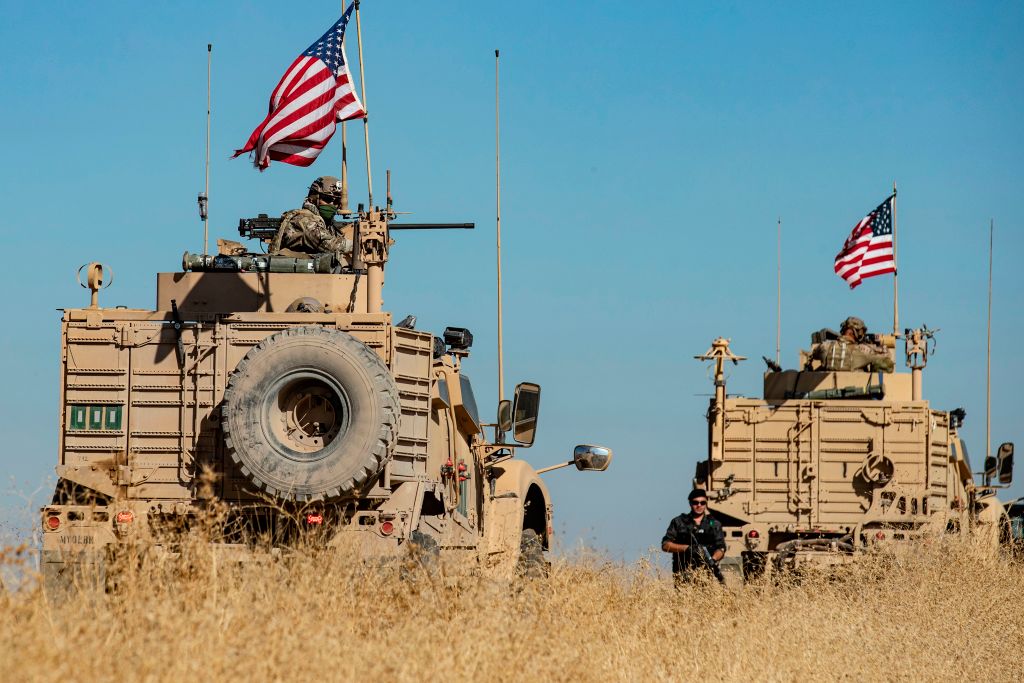
Upgrading Iran’s Military Doctrine: An Offensive “Forward Defense”
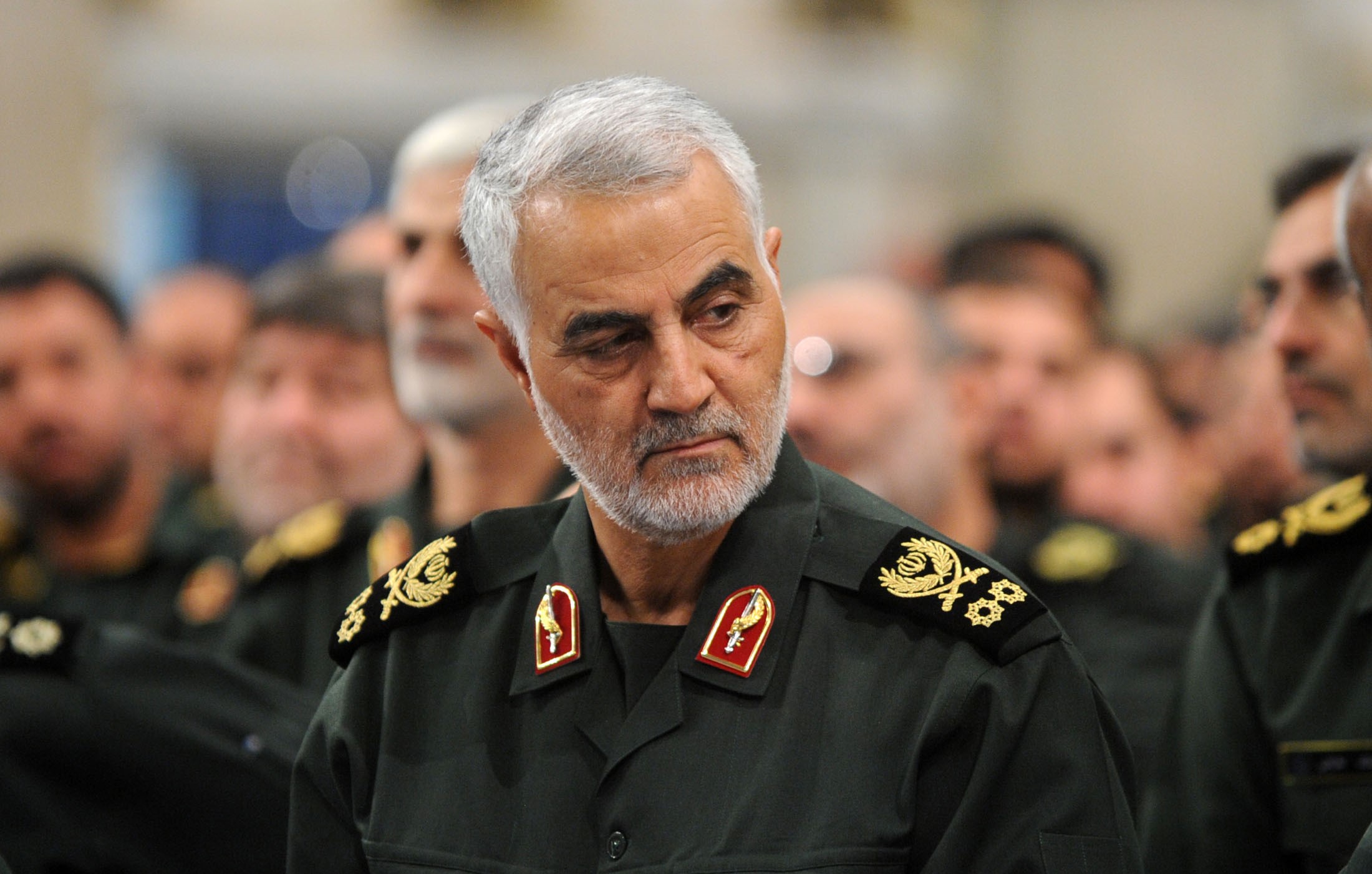
Since the 2011 “Arab Spring” uprisings, there have been several indications that Iran is shifting to an offensive military doctrine through the adoption of hybrid warfare. This essay will demonstrate that Iran’s “forward defense” doctrine emphasis on the offensive is influenced not simply by the “window of opportunity” created by regional upheaval but by a dispute about the domestic politics of the Islamic Republic between the radical Islamic Revolution Guards Corps (IRGC) and the reform camp within the regime currently represented by President Hassan Rouhani. This development represents a marked setback for the “civilianization” of the Iranian state.
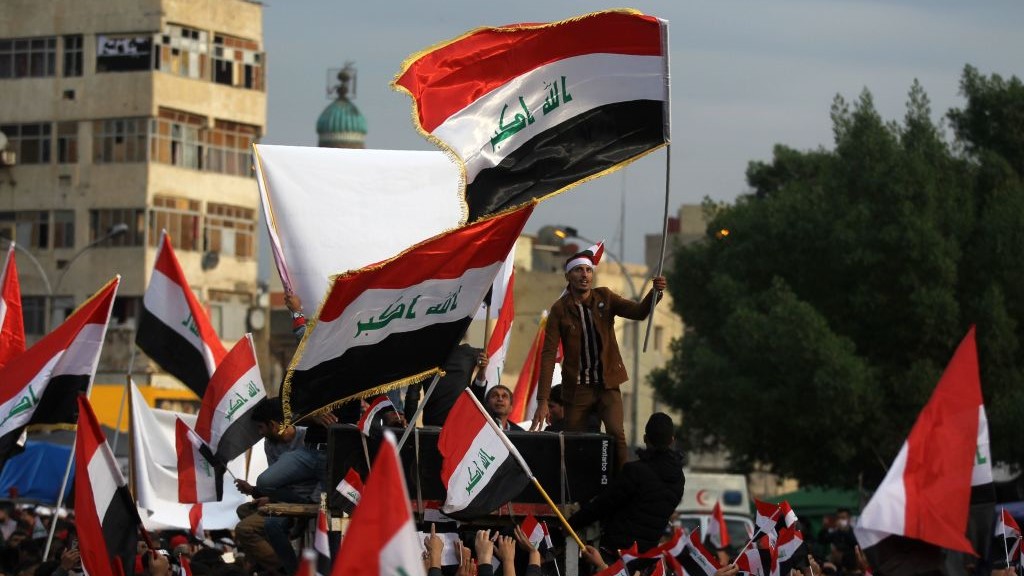
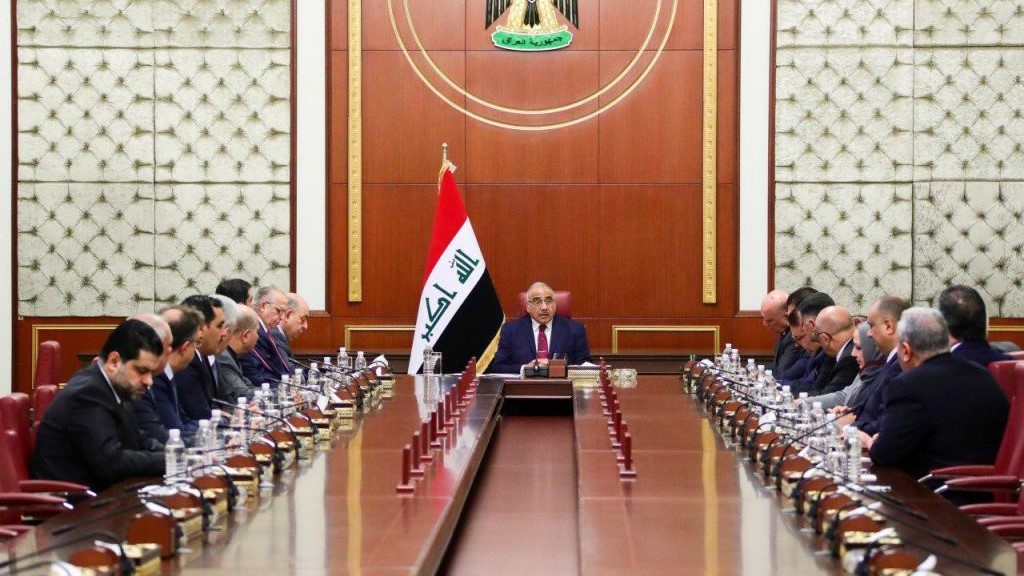
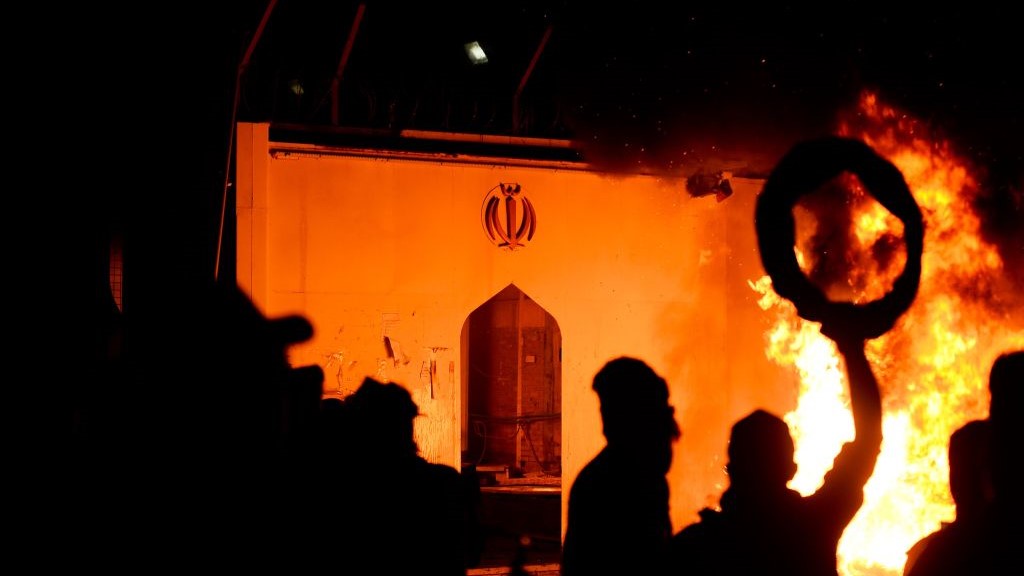
Political analyst Hafsa Halawa and MEI Senior Fellow Alex Vatanka join host Alistair Taylor to discuss the political crisis in Iraq following the resignation of Prime Minister Adel Abdul Mahdi, the protest movements that have rocked both Iraq and Iran, and the impact of Iranian impact in Baghdad on Iraq’s development going forward.
Rouhani vs. the pump: Ignoring better policy alternatives, again?
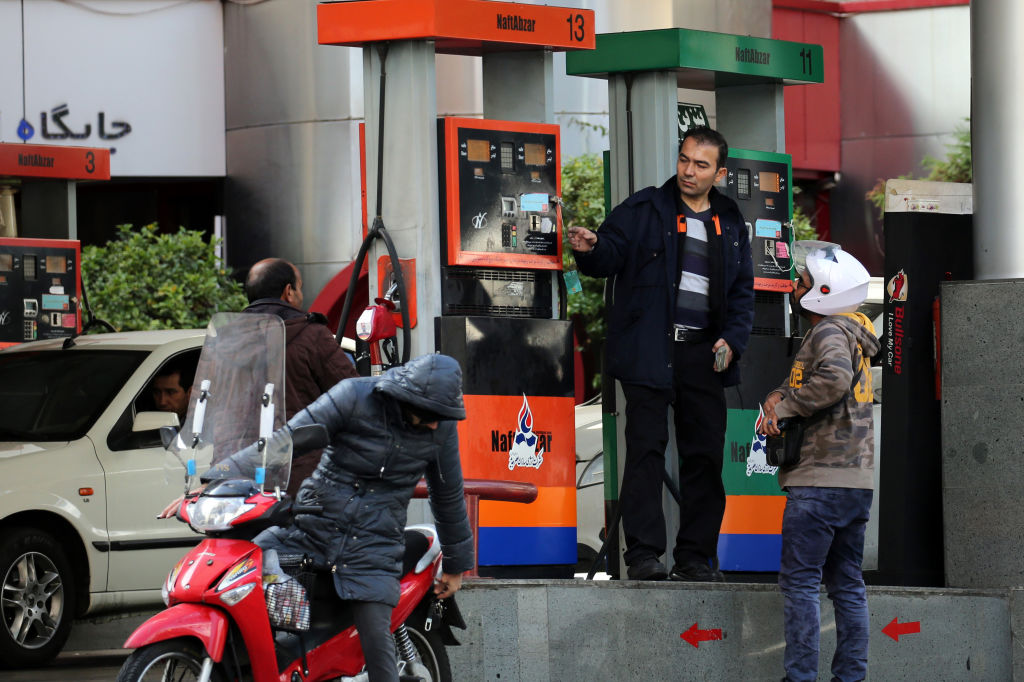
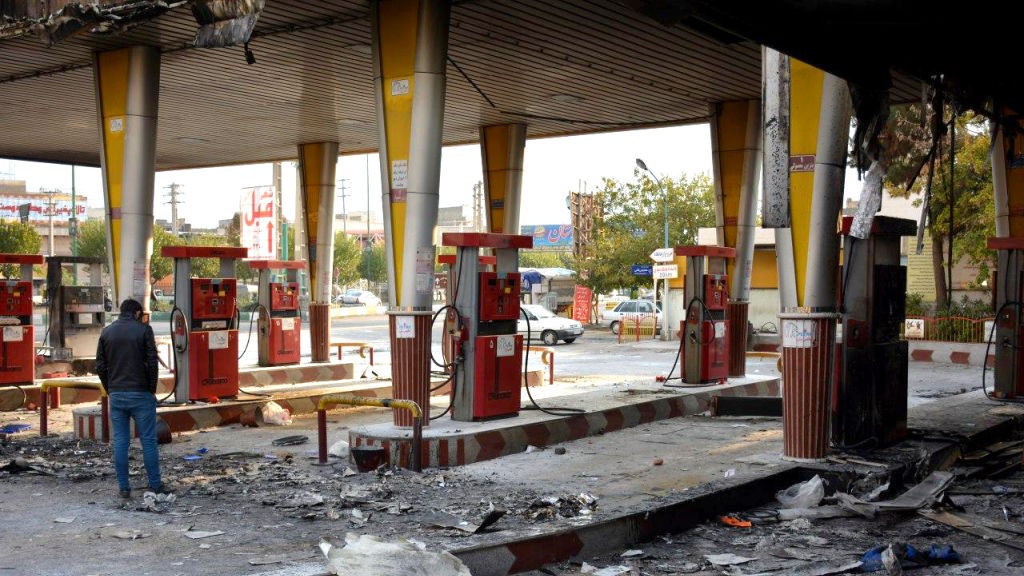
Faced with rapidly deteriorating public finances, Iranian policymakers had no choice but to reduce gasoline subsidies through a combination of rationing and price hikes. However, the way in which they did so was problematic, especially when they had other, better policy options that would have ensured a more equitable, effective, and efficient outcome.
Will protests in Iran lead to negotiations with the US?
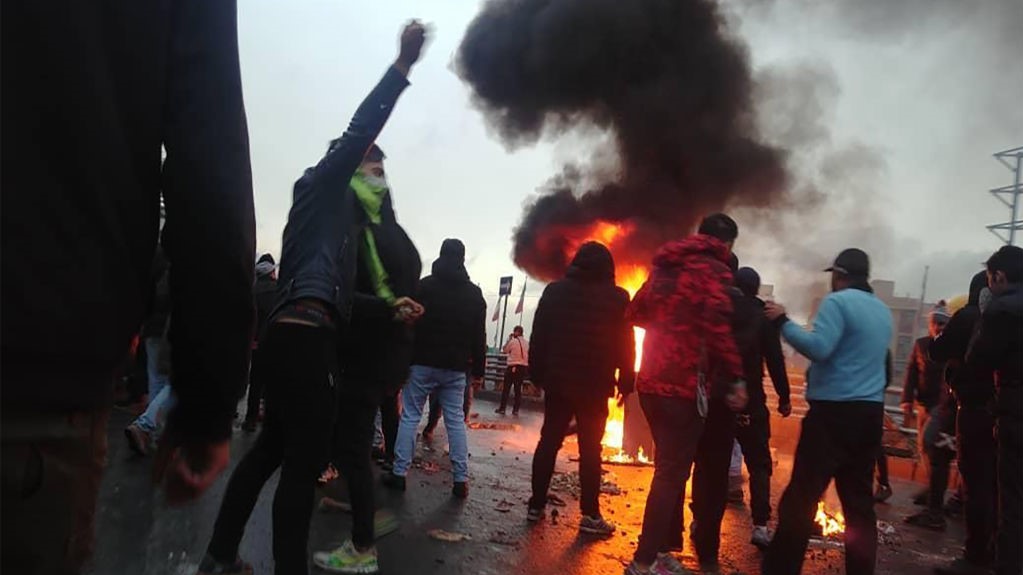
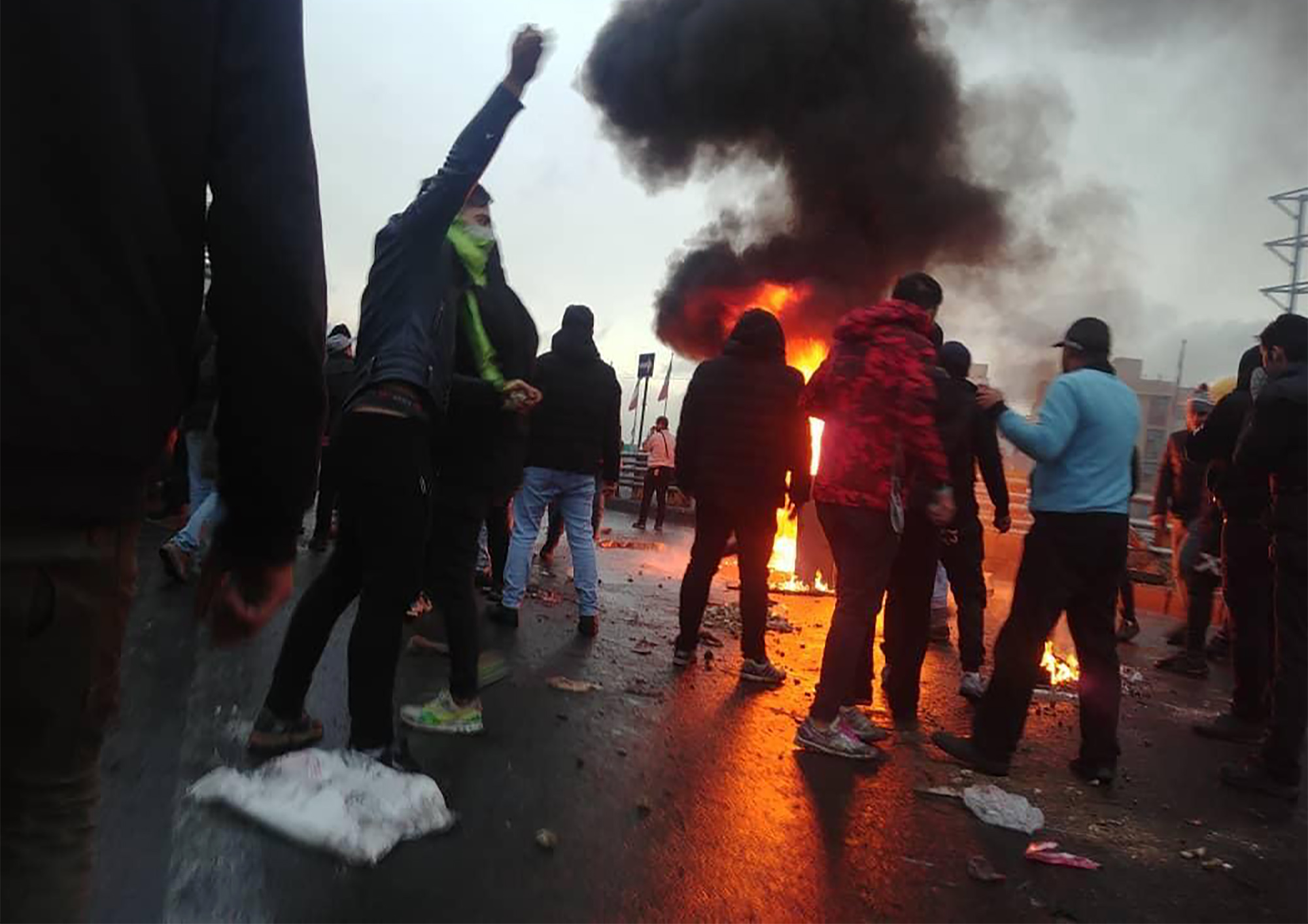
The protests that began in Iran in mid-November may well have a direct impact on Tehran’s relations with Washington. Initially sparked by the Iranian government’s sudden decision to raise fuel prices, the demonstrations have made clear the country’s fragile socio-economic and political situation.
There is no end in sight to Iraq’s political crisis even though Parliament unanimously voted to remove Prime Minister Adel Abdul-Mahdi on Sunday. Abdul-Mahdi now tends a caretaker government while Iraq’s political leaders are interpreting the country’s constitution to give President Barham Salih 15 days starting from Nov. 30 to name a new prime minister.
Female entrepreneurship on the rise in Iran despite sanctions, social barriers, and an internet blackout
Female entrepreneurs in Iran have to contend with domestic, social, and legal barriers. To overcome the challenges, they are increasingly embracing online business, and many use Instagram as a platform.
Déjà vu all over again: The three “I”s of gasoline subsidies and social unrest in Iran
Adding to the backdrop of economic mismanagement, corruption, and increasing rates of poverty and inequality, the recent gasoline rationing and price hikes have ignited widespread and violent protests inside Iran. Despite recent changes, the country’s energy subsidy regime remains highly inequitable, ineffective, and inefficient.
Iraq’s protests continue in force amid political turmoil
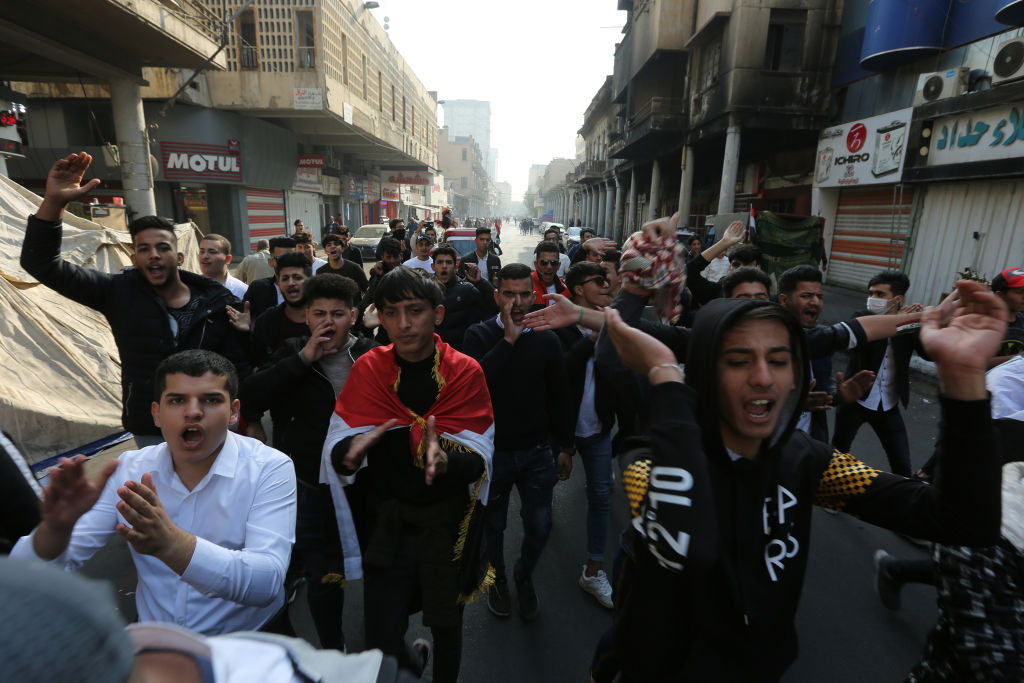
Although 350 Iraqis have died to date and close to 16,000 have been wounded, protesters are not going home. Yet, most of the ruling clique is still rejecting the idea of forcing the prime minister to resign.
Breaking each other’s fingers: Kurdish parties nervously watch Baghdad — and one another
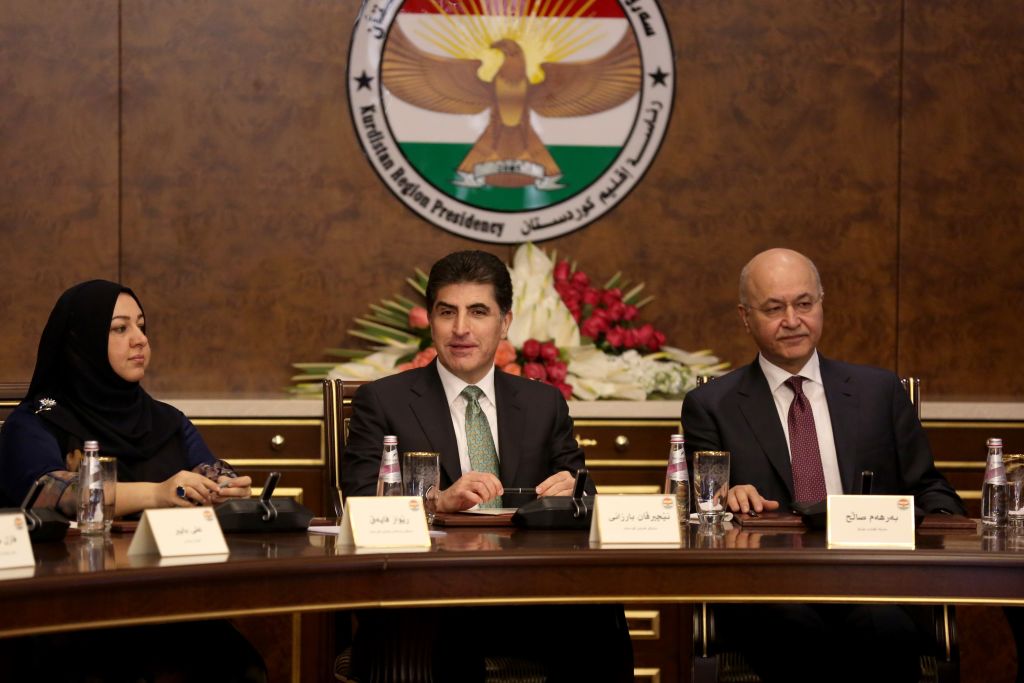
Since early October, the southern provinces of Iraq have been consumed by protests and strikes. While ruthlessly attempting to suppress protests, the Iraqi government has promised legal and political reforms. Yet some of the Kurdistan Region-Iraq’s elites are suspicious that the government’s reform agenda is a “conspiracy” against Kurdish entitlements masquerading as a good faith effort to placate the protestors. The region’s hegemonic parties are concerned that legal, constitutional, and procedural reforms may overhaul the institutions that guarantee their positions of influence in the federal government and secure their territorial claims.
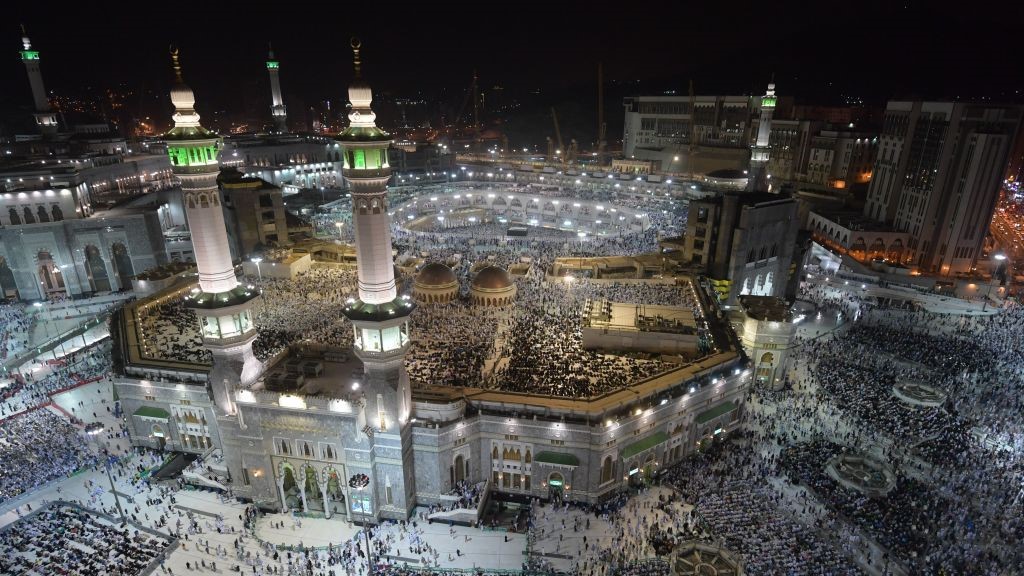
Traces of the 1979 assault on the Grand Mosque still roil the Middle East today
Four decades on, echoes of the November 1979 assault on the Grand Mosque in Mecca continue to reverberate. Coming on the heels of the Iranian revolution and days after the Iran hostage-taking, the Mecca attack, carried out by a group of several hundred Saudi extremist Islamists declaring a new Mahdi, shocked the Sunni world and pushed Muslims in a far more conservative direction.