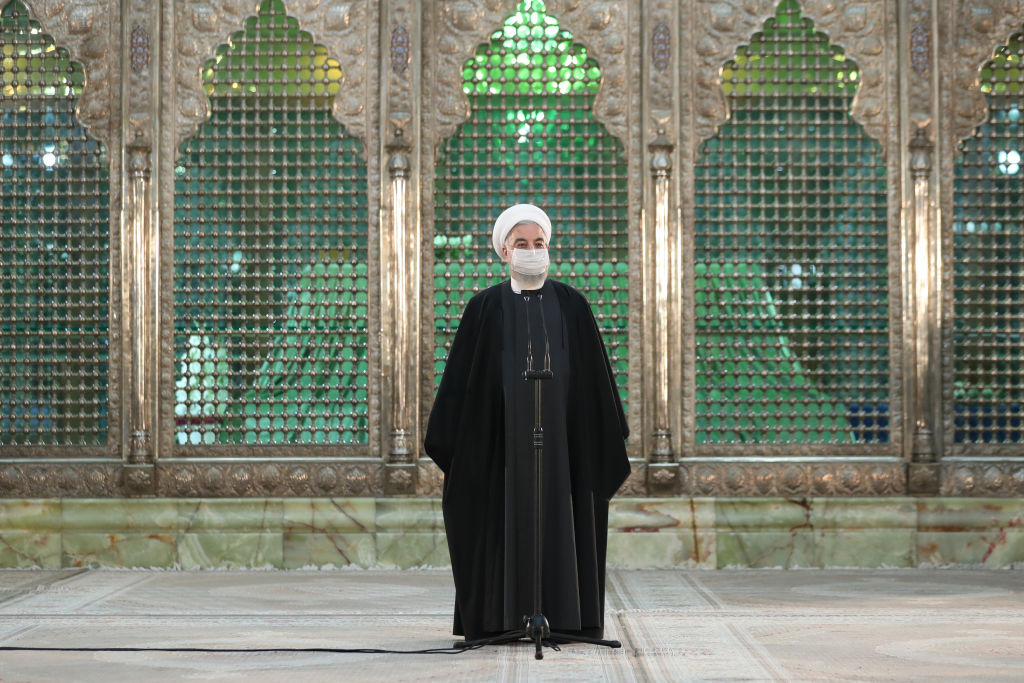
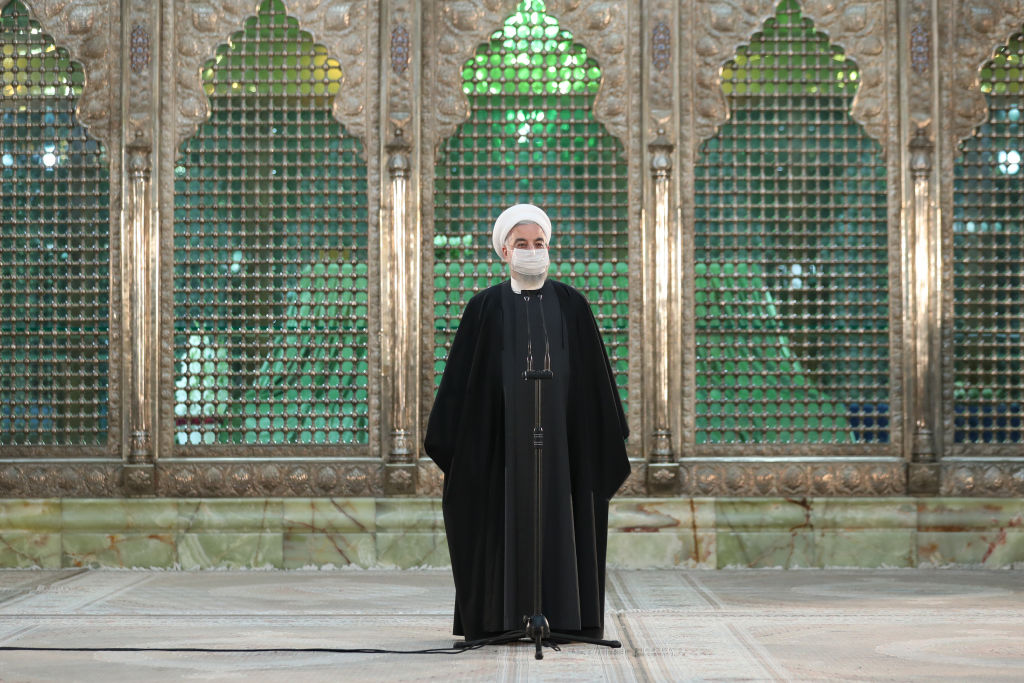
Paul Goble, Gonul Tol, and Alex Vatanka join host Alistair Taylor to discuss the Nagorno-Karabakh conflict and the role of Russia, Turkey, and Iran in the South Caucasus.
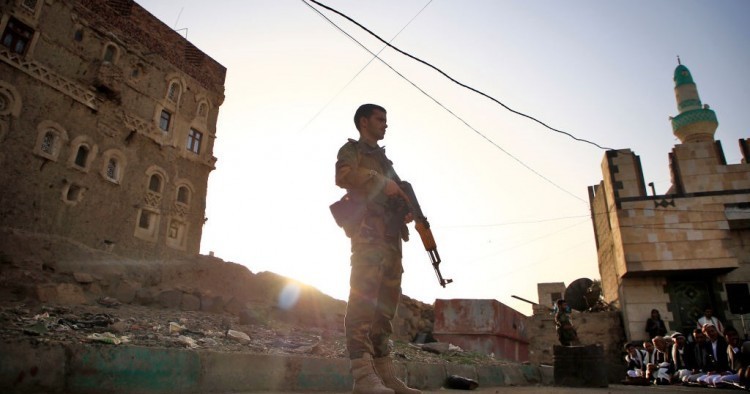
Opinion: Yemen's Arab Spring goals were lost. Here's how to bring them back
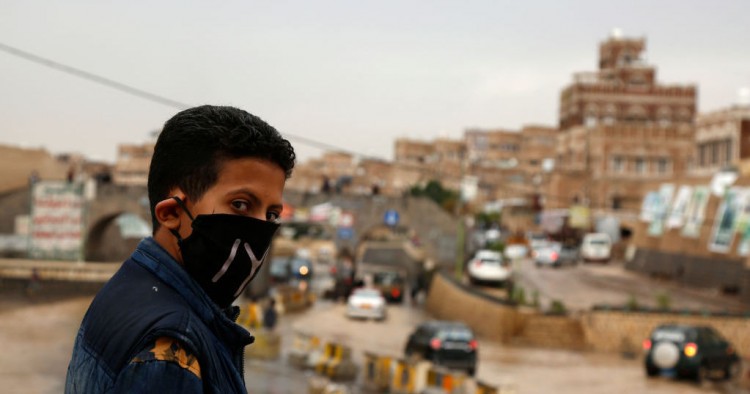
The president’s decision to end support for Saudi Arabia’s offensive operations in Yemen was certainly broadly anticipated. Nevertheless, it offers new hope for an end to more than six years of brutal conflict that has largely pitted Saudi-led coalition forces against Houthi rebels supported by Iran.
As Farmaajo digs in with Qatari backing, Somalia’s election crisis grows worse
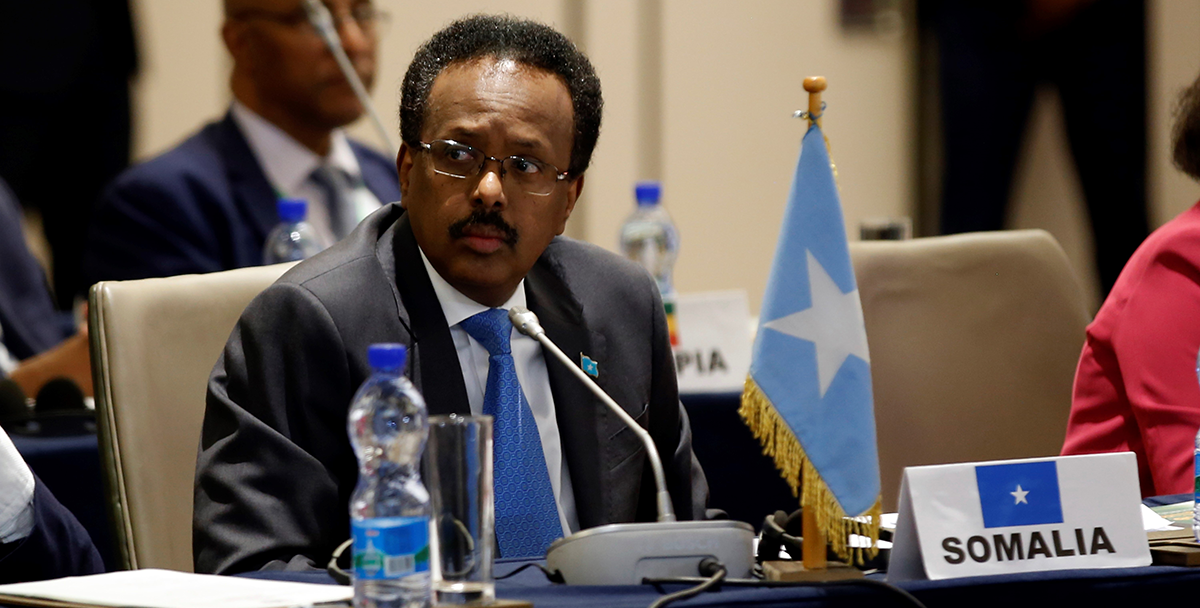
Mohamed Abdullahi Farmaajo’s presidential term ended on Feb. 7, 2021, but he remains in office, determined to hold onto power. Backed by Qatar, the incumbent president has become increasingly dictatorial, waging wars against the country’s independent media, political opposition, and the federal member states.
Why the “end the Yemen war” narrative is problematic
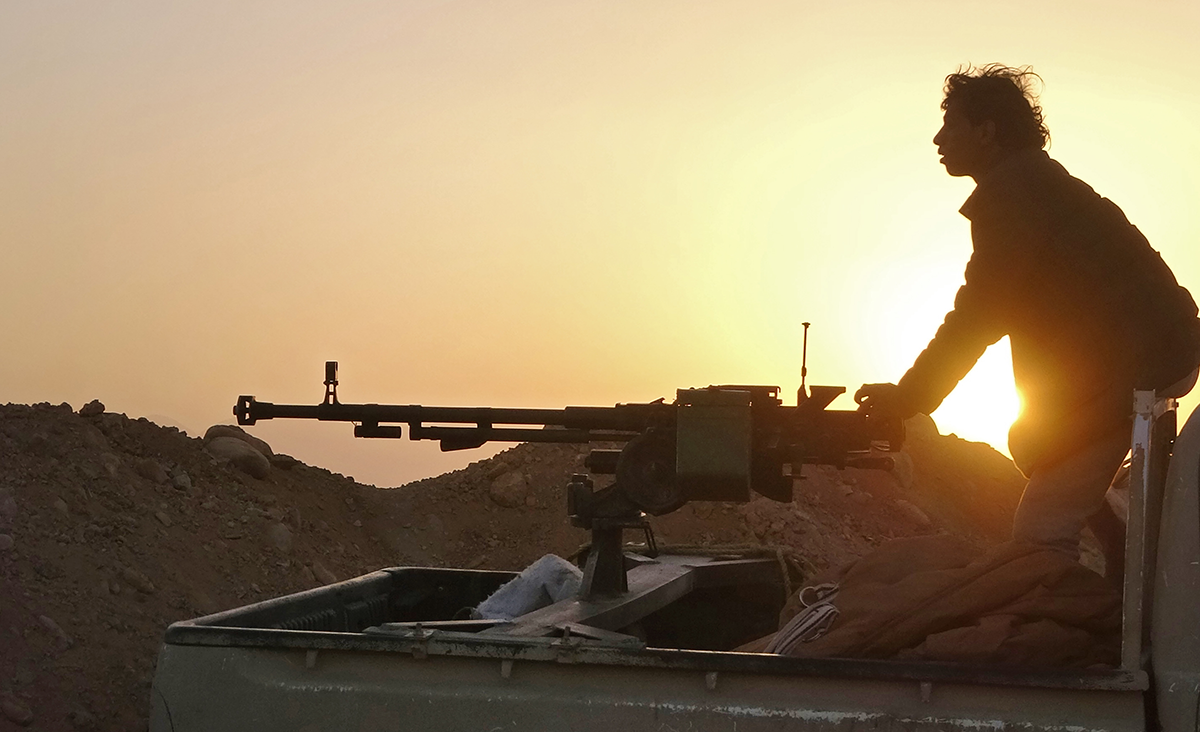
On Feb. 4, the Biden administration announced the appointment of Timothy Lenderking as the U.S. special envoy to Yemen. In a televised speech, President Joe Biden said that by appointing Lenderking, the U.S. is stepping up its diplomatic efforts to end the war in Yemen and by extension the humanitarian catastrophe the war has created. While Lenderking’s appointment is a much-needed step, the “end the Yemen war” discourse championed by Western policy analysts, diplomats, and peace advocates is highly problematic and disconnected from the reality on the ground.
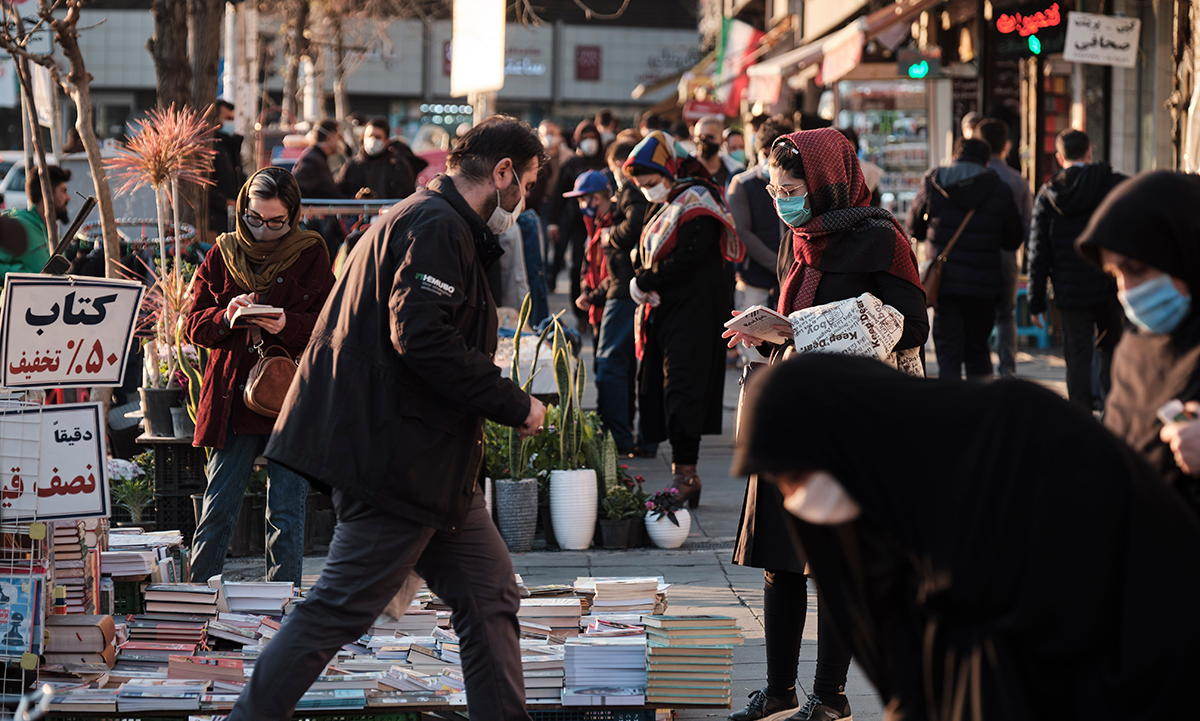
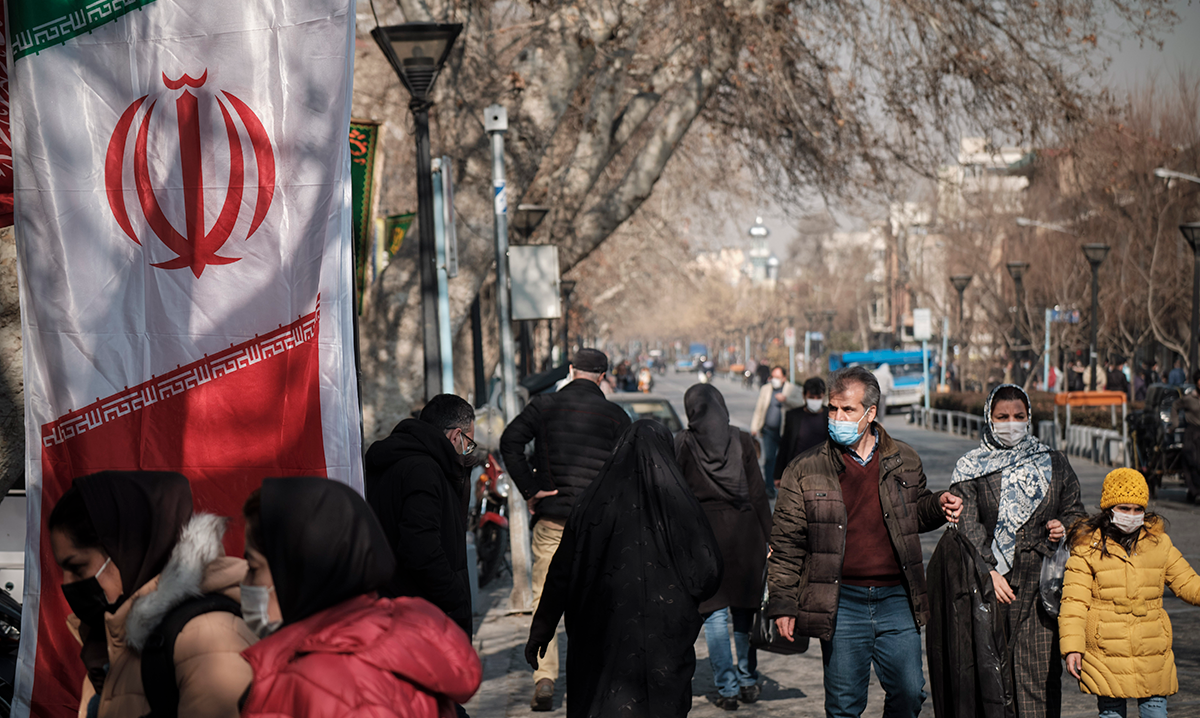
The news coming out of Iran does not paint a pretty picture of its economy. Economic mismanagement, widespread corruption, weak legal and institutional capacity, and unfavorable business regulations, alongside the unprecedented U.S. financial and economic sanctions and the coronavirus pandemic, have been choking the Iranian economy. However, with a population of 85 million, half under the age of 30 and highly educated, as well as a strategic location on the Persian Gulf and vast reserves of energy and other natural resources, including wind and solar energy, Iran’s economy has incredible potential waiting to be unlocked.
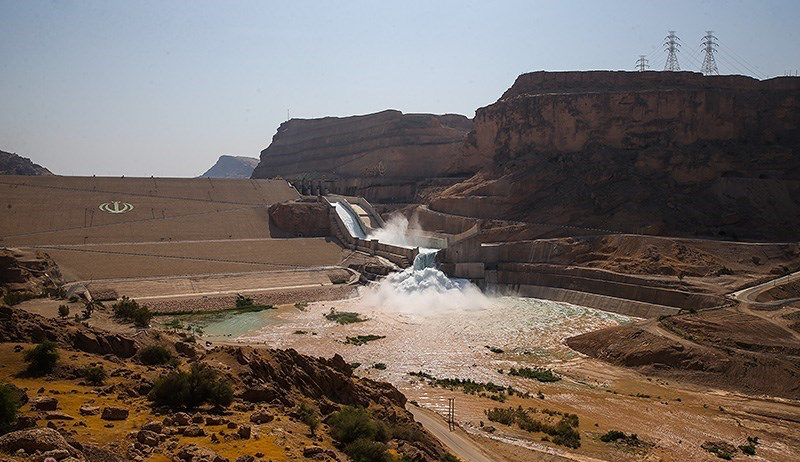
Since its founding the IRGC has evolved into a significant military and financial player in Iran. Khatam al-Anbiya, its construction arm, gets funding from the government for all kinds of major building projects. It is particularly actively in water management projects, like dam construction and water transfer schemes, and it forms a key part of Iran’s “Water Mafia.”
Finding common ground: Fostering environmental cooperation in the Persian Gulf
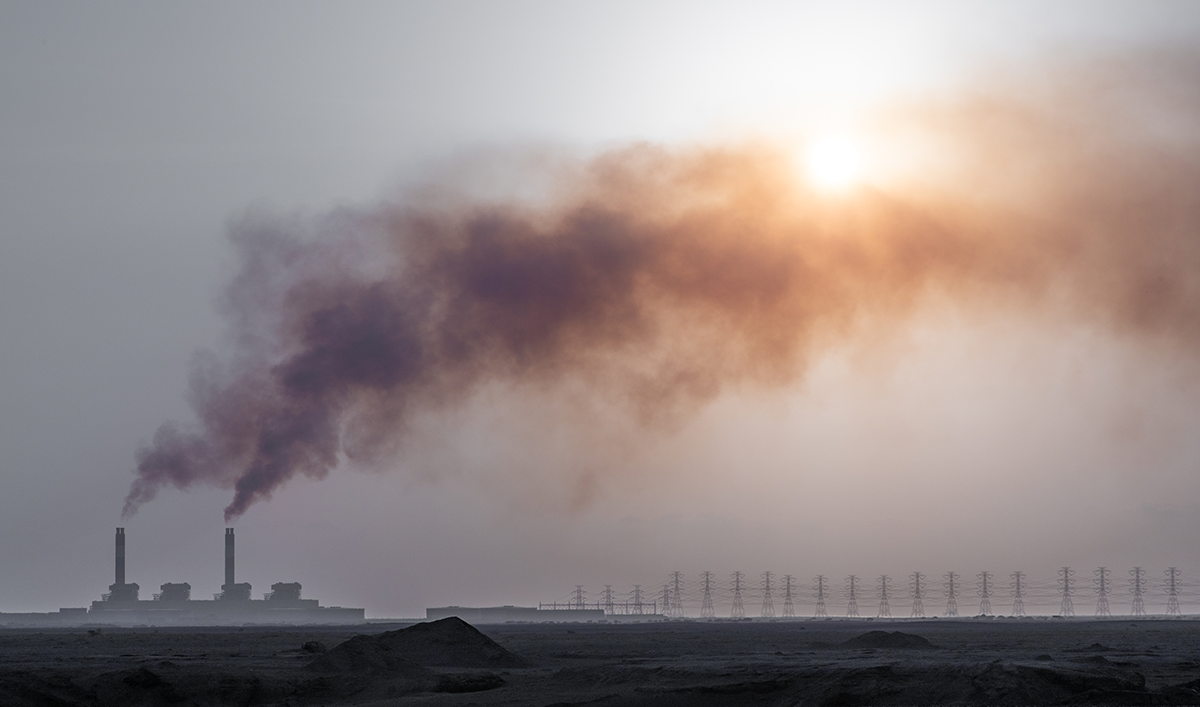
When it comes to the Persian Gulf, saving the environment might seem like it would be the last item on the to-do lists of the region’s Iranian and Arab rivals. It is an urgent matter, however — and one that could help turn these foes into friends. The United States can play an important role in this: It has helped the region to resolve conflicts over water in the past, and it could do so again.
Iran-US negotiations 2021: No 2015 redux by the standards of the Iranian economy
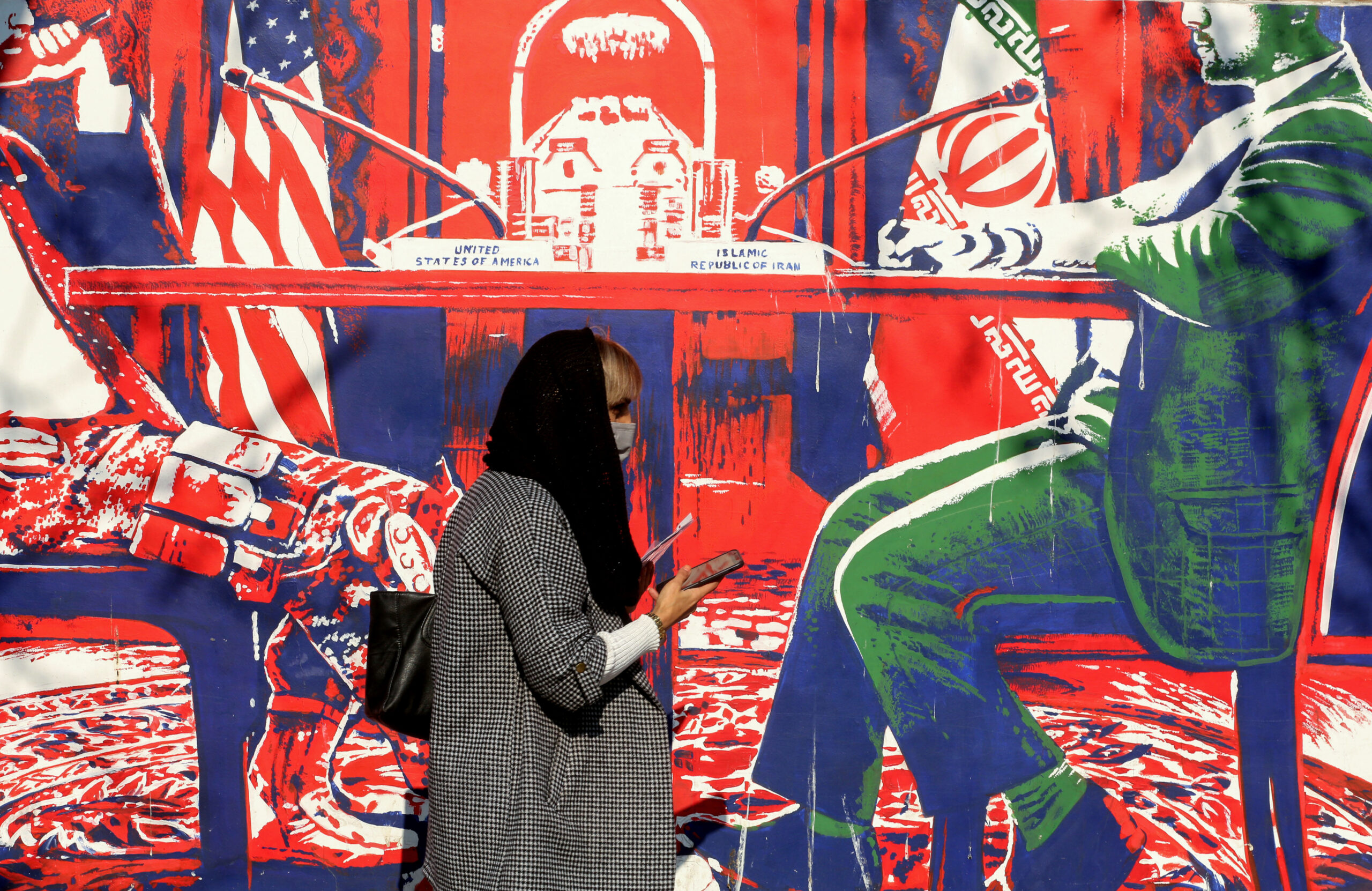
The core question for Iran watchers this year is the likelihood and nature of a renewed Iranian nuclear deal. However, the circumstances are very different and the respective bargaining power of the two sides does not mirror the negotiations in 2015. In particular, the macroeconomic backdrop is considerably worse today and the regime more desperate for sanctions relief than it seems.
The Riyadh Agreement: Yemen’s new cabinet and what remains to be done
On December 18, Yemeni President Abed Rabbu Mansour Hadi announced a new cabinet as part of his efforts to implement the political annex of the Riyadh Agreement (RA) signed on November 5, 2019 between the Republic of Yemen Government (ROYG) and the UAE-backed Southern Transitional Council (STC). The agreement included several political, security and economic provisions such as: the formation of a new government that includes the STC; the disarmament and integration of militias and military formations under the auspices of the ministries of defense and interior; support of the Yemeni economy; and the demilitarization of Aden.
MEI’s Paul Salem and Ross Harrison join host Alistair Taylor to discuss what the Biden Administration can do to reduce regional tensions and proxy conflicts in the Middle East.