As Israelis head to the polls once again, is the fourth time the charm?
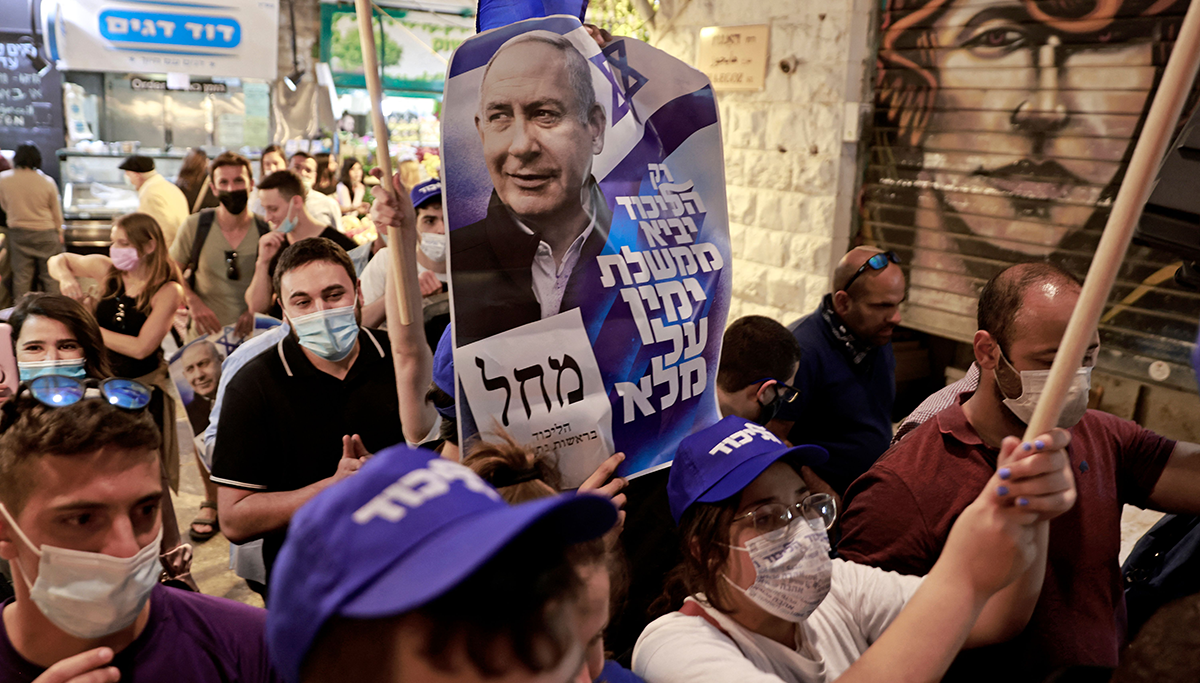
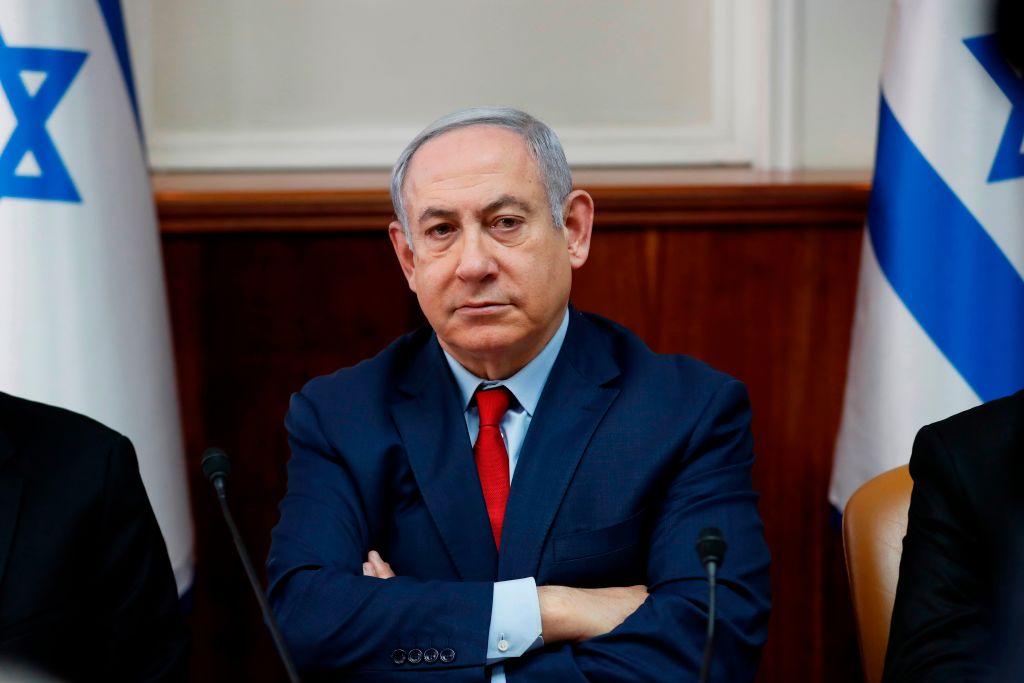
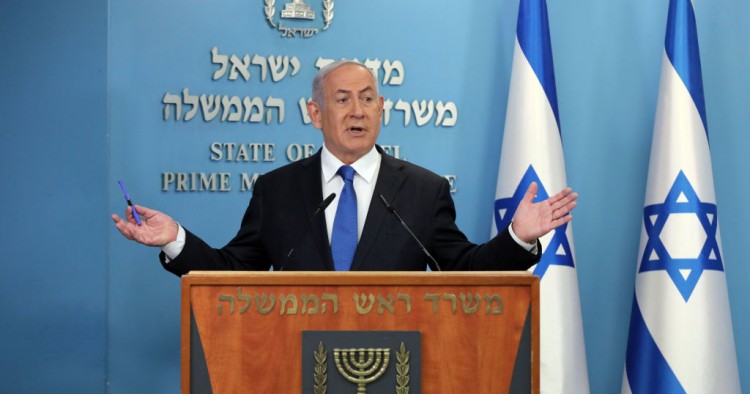
Israelis are going to the polls on Tuesday for the fourth time in two years. But while the main issue in each of these elections has been to decide the fate of a single man, Prime Minister Benjamin Netanyahu, the political landscape has meanwhile been shifting significantly, primarily toward the right.
Water scarcity could lead to the next major conflict between Iran and Iraq
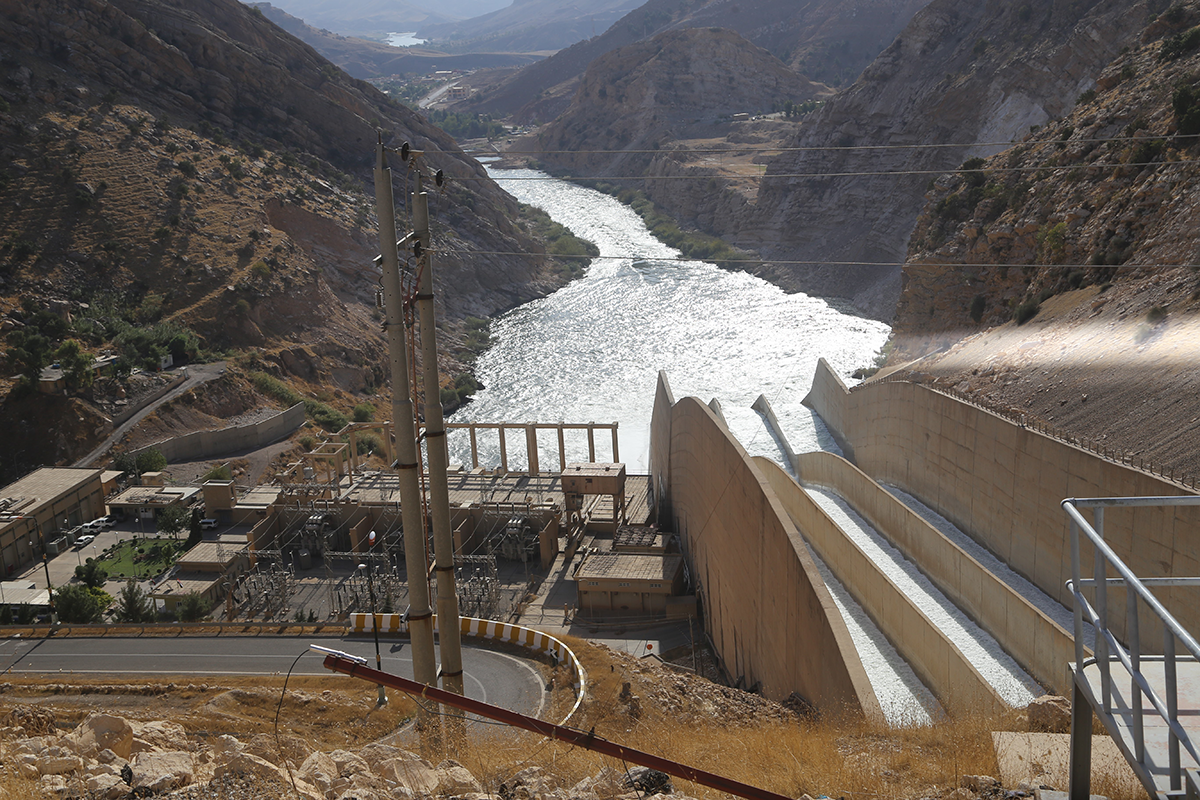
Iran and Iraq are frequently at odds over water issues. Iraq depends on the Tigris and Euphrates rivers for nearly all of its water. But Iran is building dams to redivert some of that water, causing alarm and creating major water shortages for Iraq.
Definitional doom: How Iran and Israel derail legal application in cyberspace
Despite the importance of cyberattacks, little has been written about the relationship between these attacks and the applicable law. States are still struggling with controversies involving definitions, even though there is wide applicability of both laws and norms in this context. As a result, cyberspace remains relatively anarchic and the continued controversies have impeded further progress. Although the global discussion has only just begun, it is clear that the rising prevalence of state-led cyber operations warrants a thoughtful, innovative, and immediate regulatory response. Pressure has been building on the governments of the Middle East to join the conversation as their relevance and power in the cyber domain grows.
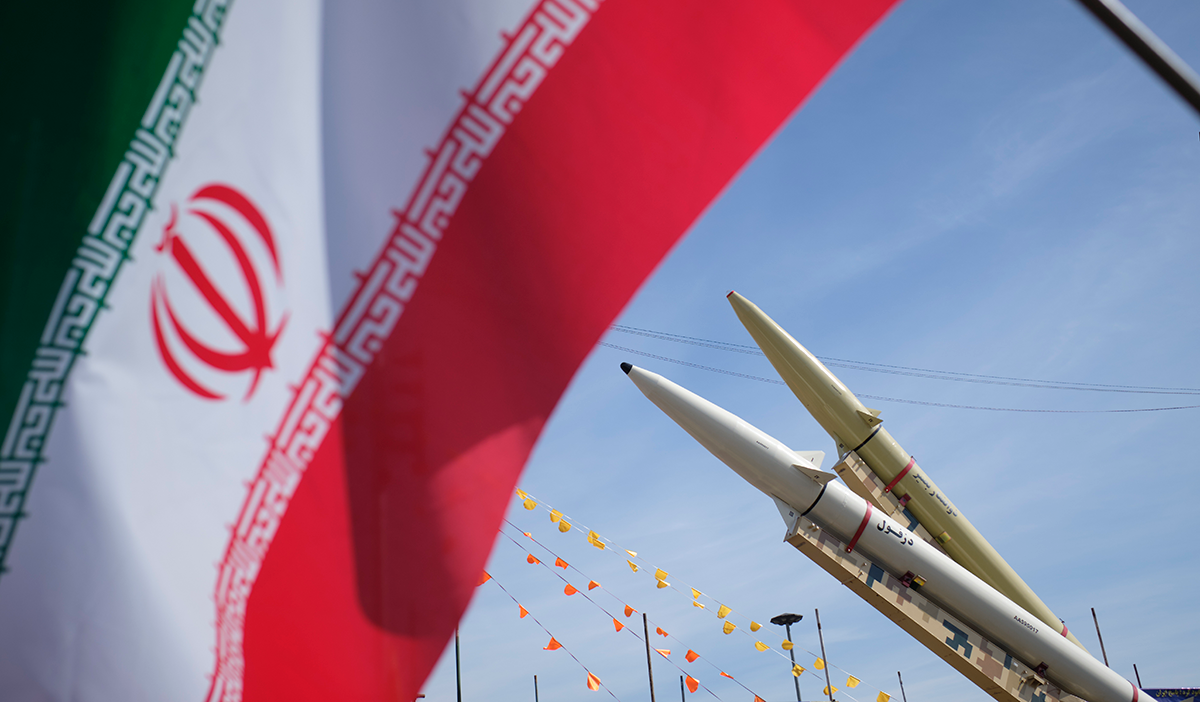
“الحرب الخفية بين إيران وإسرائيل تدور رحاها الآن في الميادين الثلاثة: الجوي والبري والبحري. لكن نتيجتها ستُحسم في نهاية المطاف في ميدان الدبلوماسية والسياسة، وبشكل أساسي من خلال خيارات السياسة الأمريكية”.
Alex Vatanka joins host Alistair Taylor to discuss the future of the Islamic Revolutionary Guard Corps, the branch of the Iranian military charged with safeguarding the Islamic Republic, and its proxy warfare strategy.
The Biden Administration and the Middle East: Policy Recommendations for a Sustainable Way Forward
In a new policy briefing book, entitled The Biden Administration and the Middle East: Policy Recommendations for a Sustainable Way Forward, MEI scholars tackle a large number of country-specific and region-wide issue areas, laying out both the abiding U.S. interests and specific recommendations for Biden administration policies that can further U.S. interests amid a region in turmoil.
How is Iran responding to Biden’s policy shift on Yemen?
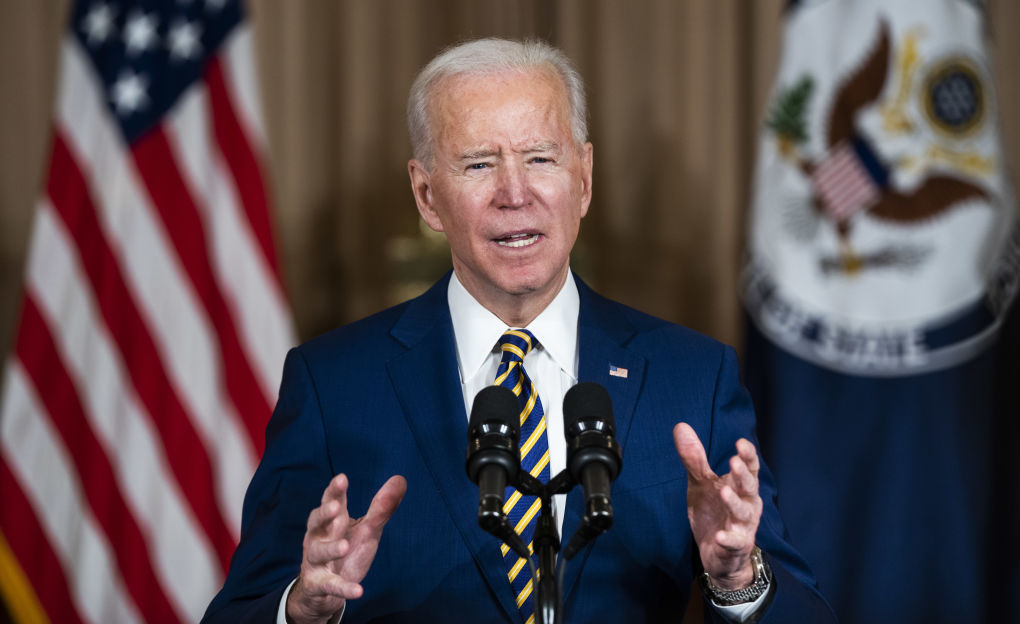
On Feb. 4, President Joe Biden announced the end of U.S. support for the Saudi Arabia-led coalition’s offensive military operations in Yemen. This decision fuelled optimism about a U.S. return to negotiations over the JCPOA with Iran. Instead of engaging with the United States, Iran has supported the Houthi-orchestrated Marib offensive and stepped up its diplomatic efforts in Yemen.
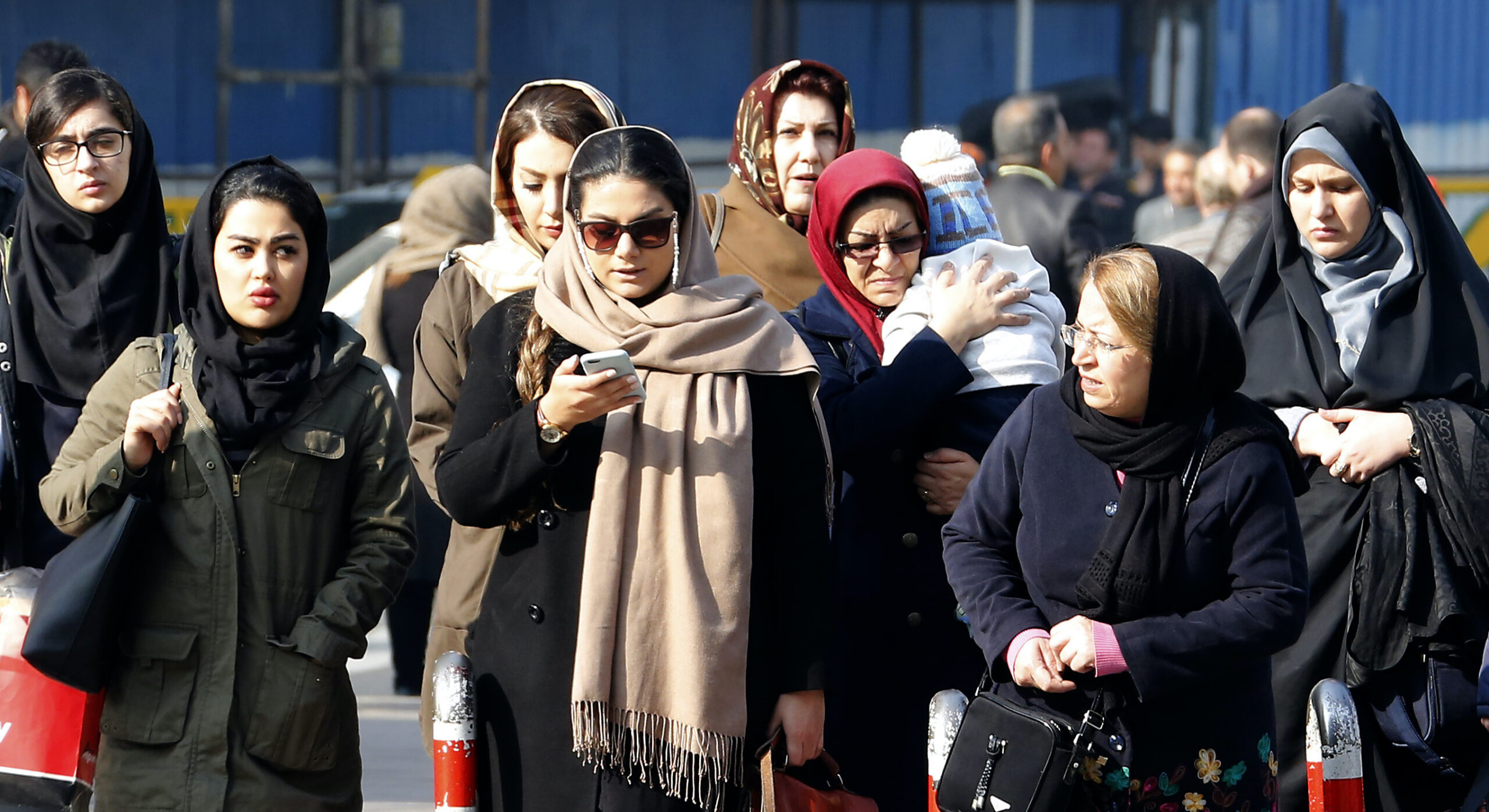
Iranian and Saudi women: Overcoming comparative suffering?
For many decades, Iran and Saudi Arabia have been bitter rivals, but not over women. If there was a competition, it was only over whose government could impose more limitations on their female population.
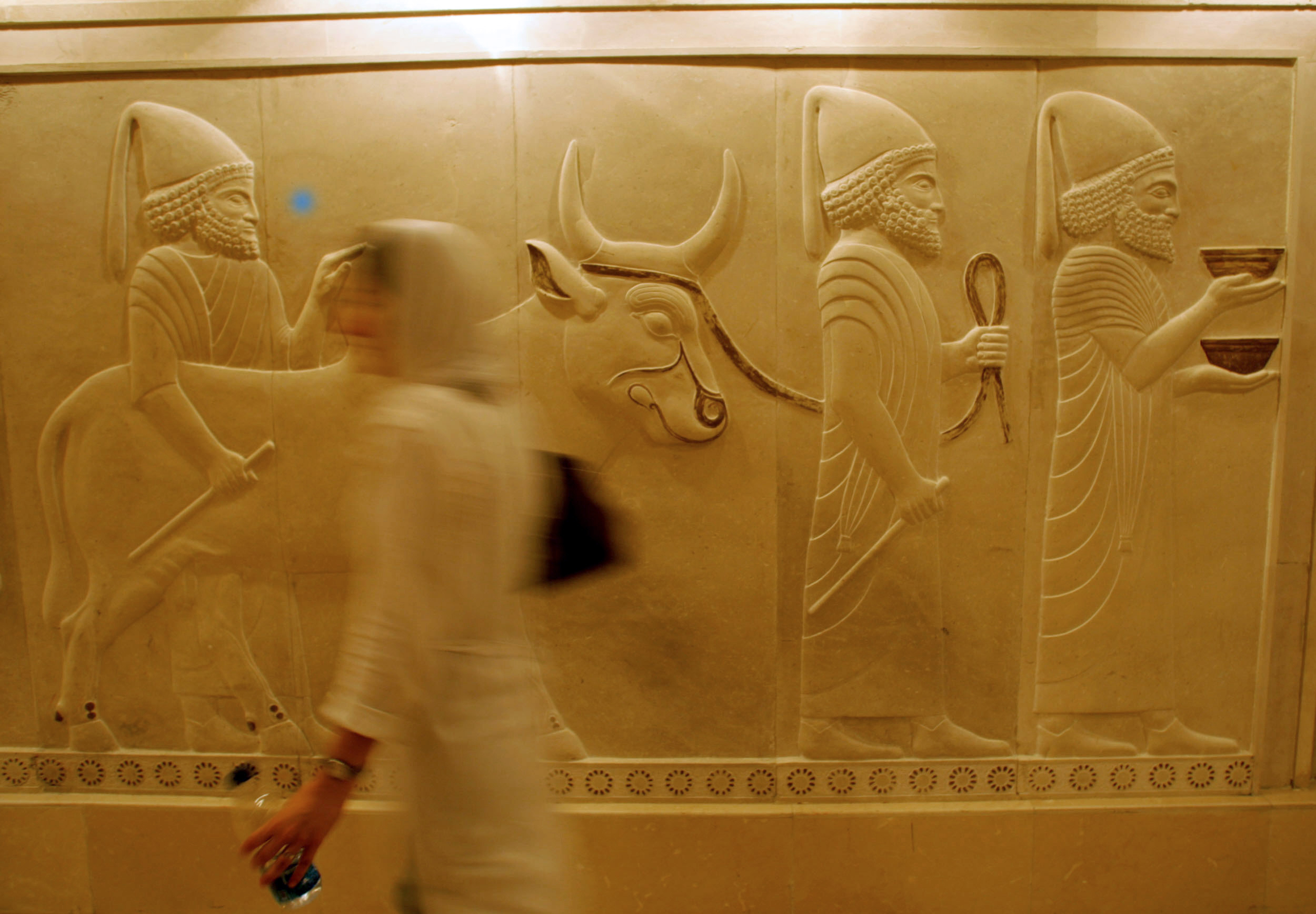
In the face of Islamic laws, Iranian women are reappropriating Ancient Persian culture
Iran is an Islamic country where, according to official statistics, over 99% of the citizens are Muslim. Even though the state in Iran advocates for Islamic laws and regulations for all citizens, over 60% of Iranians identified themselves as non-Muslim according to a survey in June 2020 by the research institute “the Group for Analyzing and Measuring Attitudes in Iran” (GAMAAN). Only 32.2% of the 40.000 interviewed identified themselves as Shi‘a Muslim; 5% as Sunni Muslim; 22.2% as non-religious; 8.8% identified themselves as atheist; 7.1% as spiritual and 7.7% as Zoroastrian.
The understandings reached between Washington and Jerusalem half a century ago establish the critical context for the Biden administration’s current effort to restore the JCPOA, which Israeli Prime Minister Benjamin Netanyahu fiercely opposed during its adoption by the U.N. Security Council in July 2015 and which he still bitterly contests today.