Intra-Afghan talks inch closer, but their launch is only the beginning
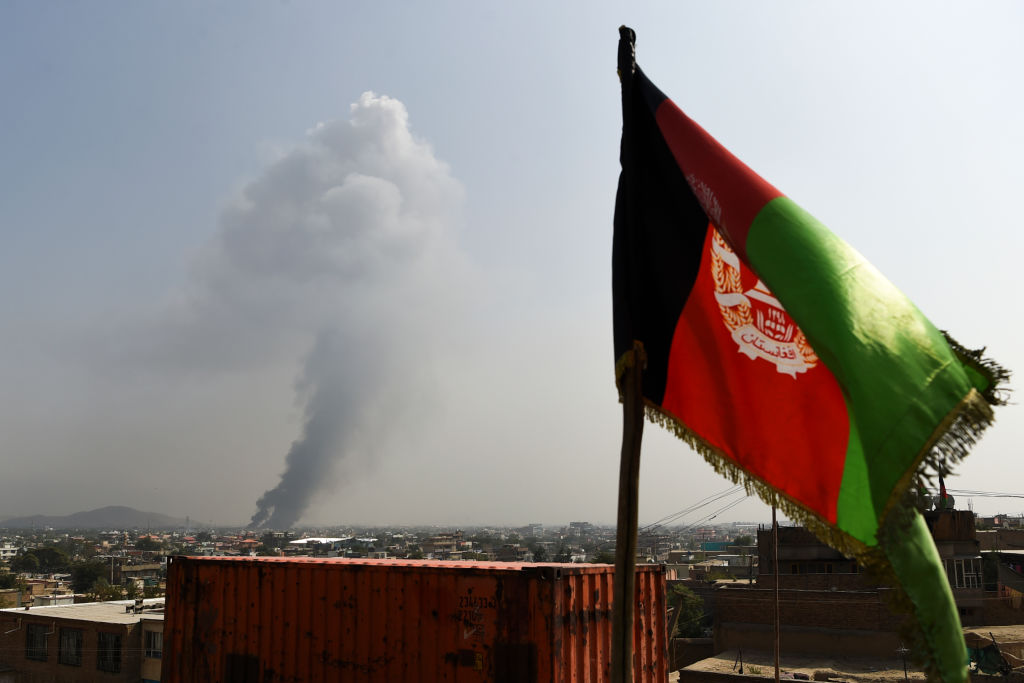
Frantic efforts are being made to clear the way for intra-Afghan talks, the logical next step forward in the implementation of the February U.S.-Taliban deal.
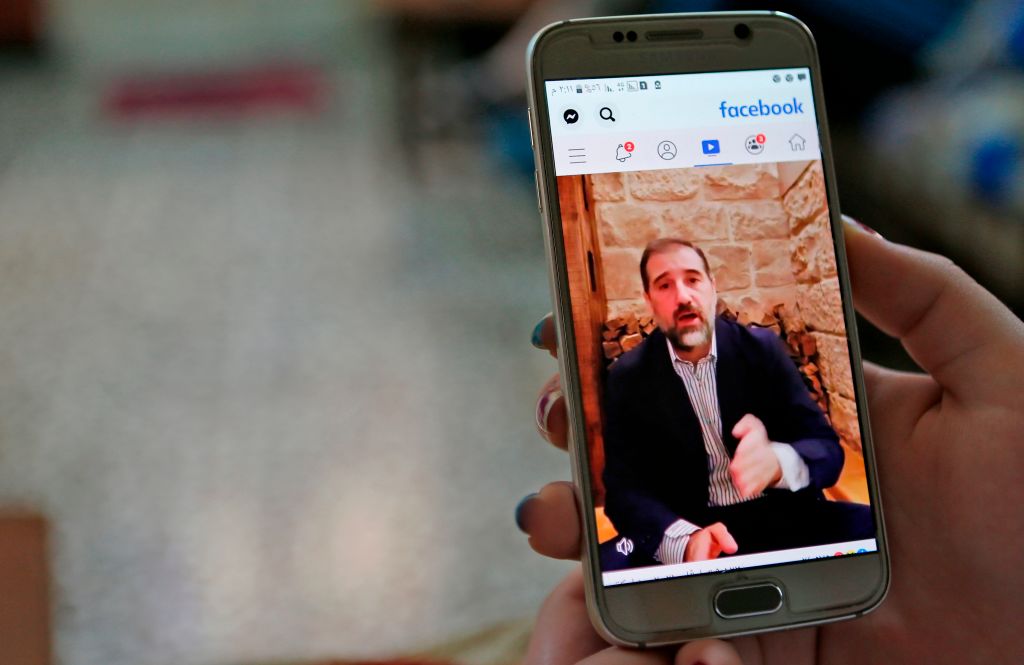
The Assad-Makhlouf spat: A complicated family affair
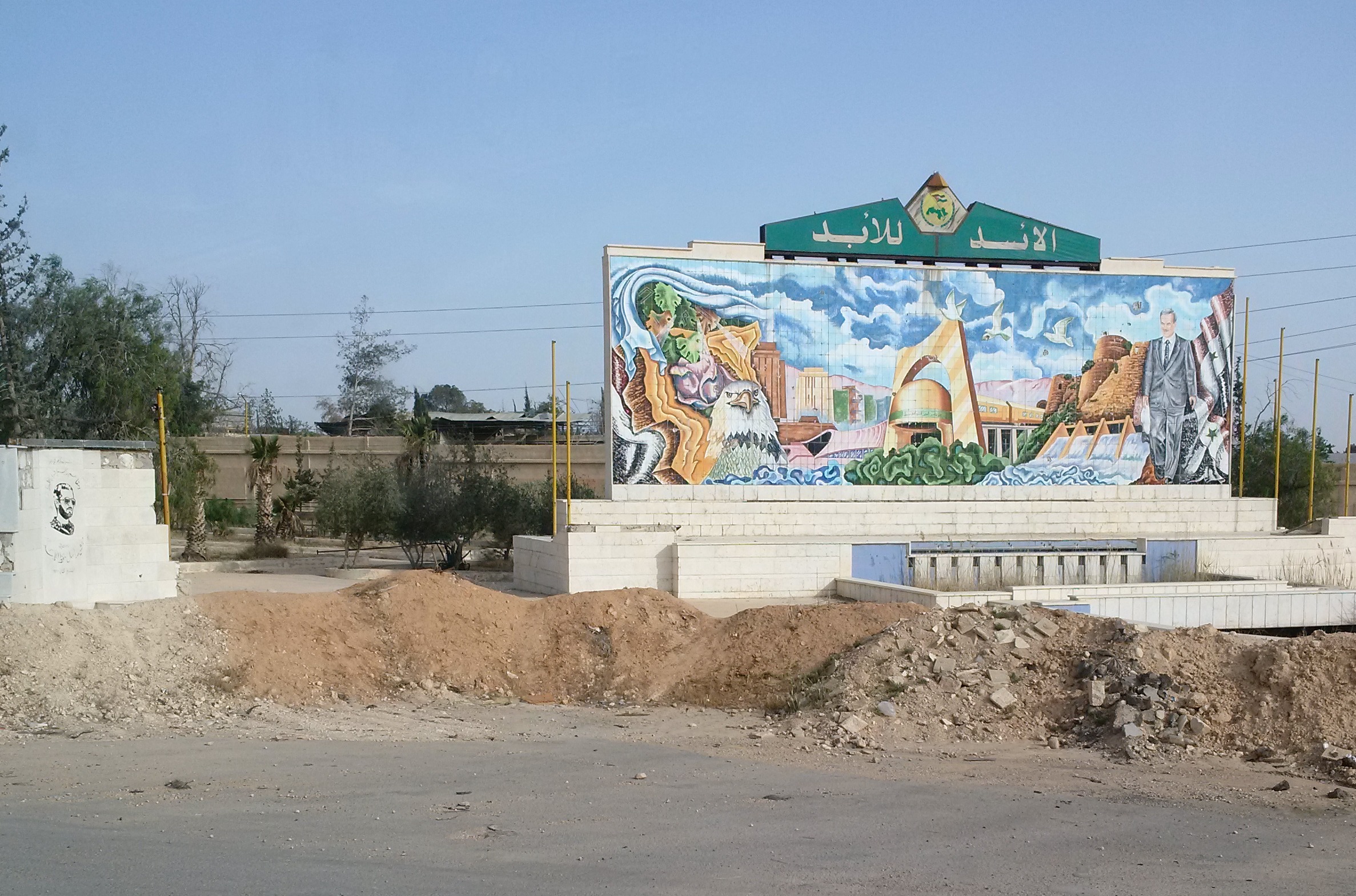
When Bashar’s father Hafez al-Assad started his regime, the Makhloufs became key allies. This alliance deepened with Bashar’s rise to power, and the Makhloufs became increasingly entrenched in the system until they became its economic pillar. The house of Assad was the political arm of the regime while the house of Makhlouf was the economic and financial arm. But then it all fell apart.
The U.S.-Iraq Strategic Dialogue that will be launched this week provides an opportunity for the two sides to put their relations, as Iraqi President Dr. Barham Salih said last April, “in the right context.”
Battle of the Syrian charity giants: Asma al-Assad versus Rami Makhlouf
Charities are useful fronts for all sorts of activities in Syria, but above all perhaps, they are vehicles of control. The Assads have long understood that the biggest danger to their rule comes from within, from a civil society that rejects their governance — never more so than today.
As Iran redeploys amid COVID-19, Russia is filling the vacuum in eastern Syria
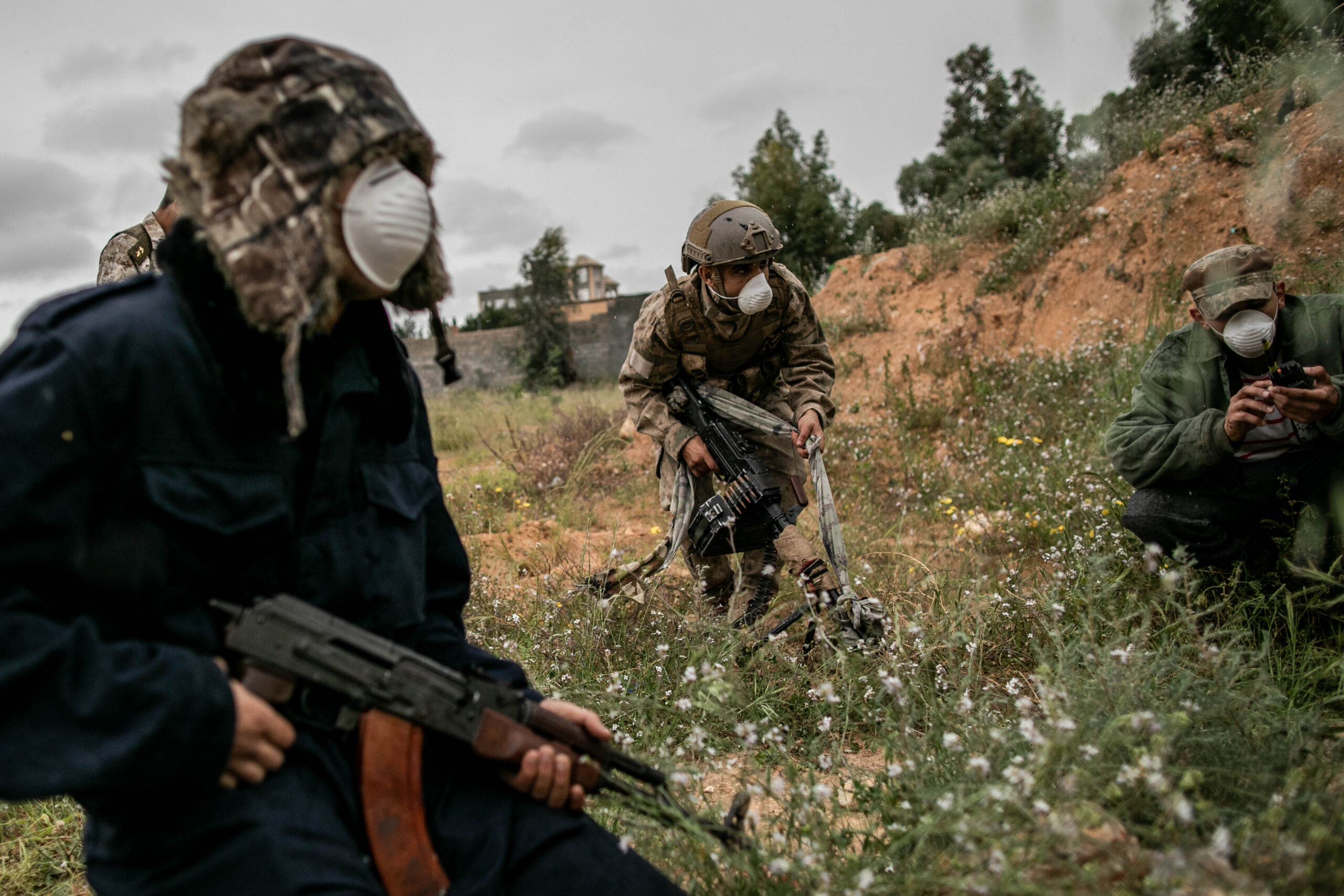
The impact of COVID-19 on Iran-linked forces in Syria has provided Russia with an opportunity to expand its influence through its proxy forces, particularly in eastern Syria, as Iranian and pro-Iranian forces redeploy elsewhere in the country.
Will COVID-19 inhibit Iran’s ability to suppress protests?
Since 2017, Iran has seen several waves of protests rooted in political, social, and, most importantly, economic grievances. In light of COVID and the post-pandemic fallout, there is every indication that unrest will continue to grow, and even accelerate. Until now, the regime’s coercive apparatus has had both the capacity and the willingness of its members to successfully suppress anti-regime unrest. But has COVID-19 changed this balance? What impact, if any, has the pandemic had on the regime’s security capacity?
Middle East Conflict and COVID-19 – A View from 2025
Conflict and instability have been constant features of the Middle East for decades. Over the most recent decade, four civil wars and fraught relationships between the major regional powers have been pushing the region toward a potentially perilous political and economic future. We know that the COVID-19 crisis is disrupting the status quo on nearly everything, including regional conflict. What we do not know is how that disruption today might worsen — or improve — the trendlines of those conflicts as we head toward 2025. In this MEI Strategic Foresight Initiative paper we employ a scenario-based methodology to explore this question.
In Brief: Middle East Conflict and COVID-19 – A View from 2025
Our ongoing analysis in MEI’s Strategic Foresight Initiative examines scenarios built around different combinations of drivers of change related to the COVID-19 pandemic. We used the scenarios to analyze what conflict in the region could look like in 2025, as we believe that how these drivers change the dynamics of the Iran-Saudi Arabia rivalry and the civil wars could be a primary determinant of what the region is like in that timeframe and beyond. Our study posited differences in the health response of governments, the economic response from governments, and the social dynamics of populations to the COVID-19 crisis. Rather than consider them as independent forces of change, our foresight analysis focuses on the interaction between these drivers.
Rampant inflation adds to Syria’s economic turmoil
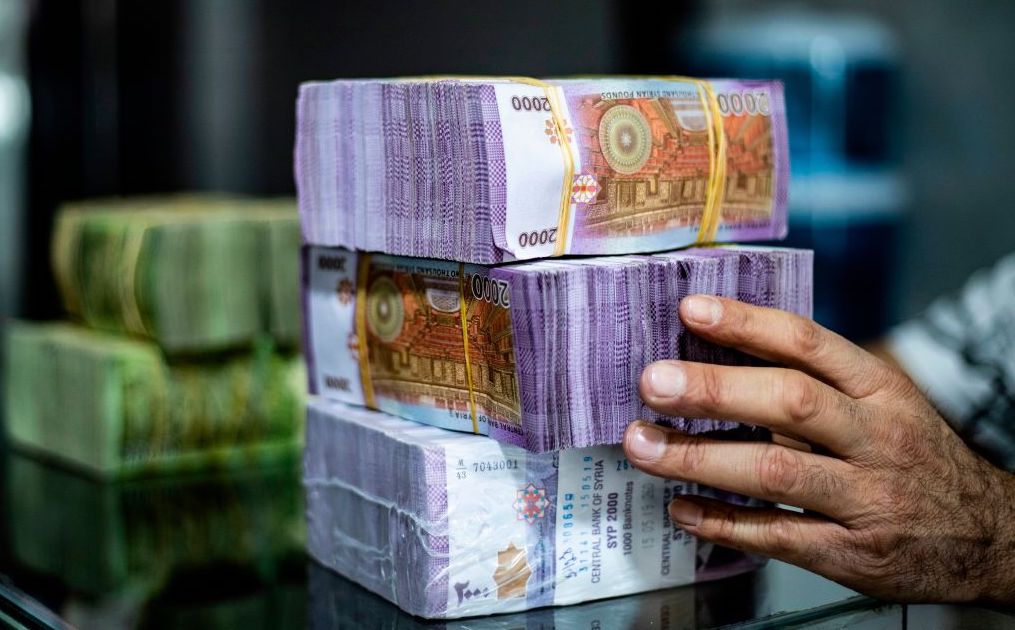
The Syrian economy is entering its most fragile phase yet in the country’s nine-year-long conflict. After being devastated by the fighting, constrained by biting Western sanctions, and ravaged by widespread corruption, it is now witnessing the sharpest rise in inflation in its history.
Why is Russia seeking to expand its military bases in Syria?
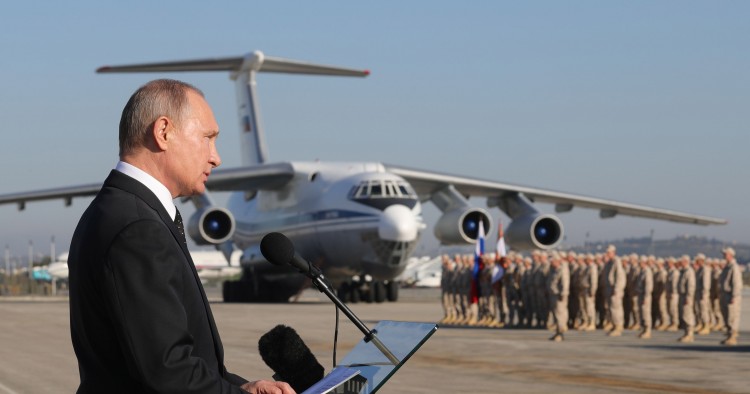
While Russia is currently struggling with the consequences of COVID-19 at home, its foreign policy projections suggest it is also bracing itself for the post-pandemic world.
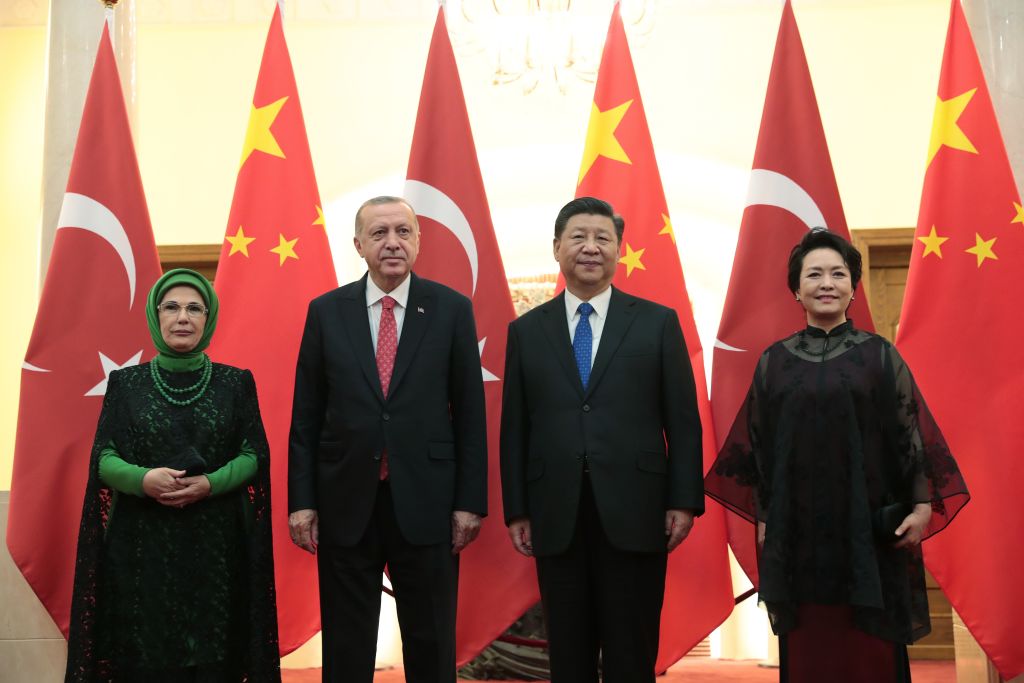
The Middle Kingdom and the Middle Corridor: Prospects for China-Turkey ties
As part of Beijing’s broader strategy of seeking out new markets and cultivating strategic partnerships with countries beyond its backyard, China has been seeking to expand its economic and political ties with Black Sea states. While Beijing’s involvement in the region is still at a nascent stage, it has already prompted fears that its economic engagement masks a political agenda that could hurt Western interests.
Patriarchy and the pandemic: Rethinking “women’s work” in a post-COVID world
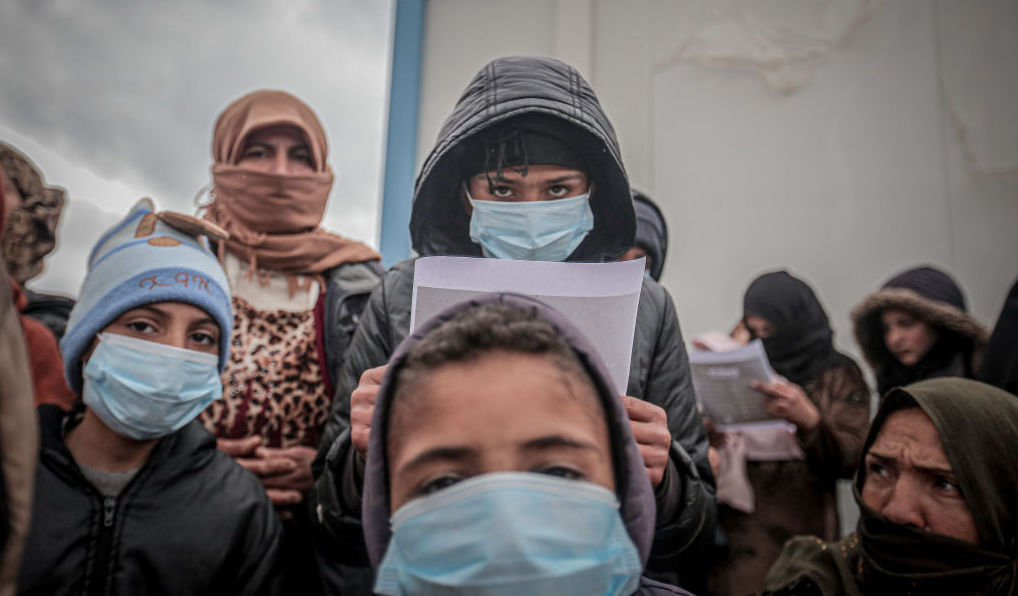
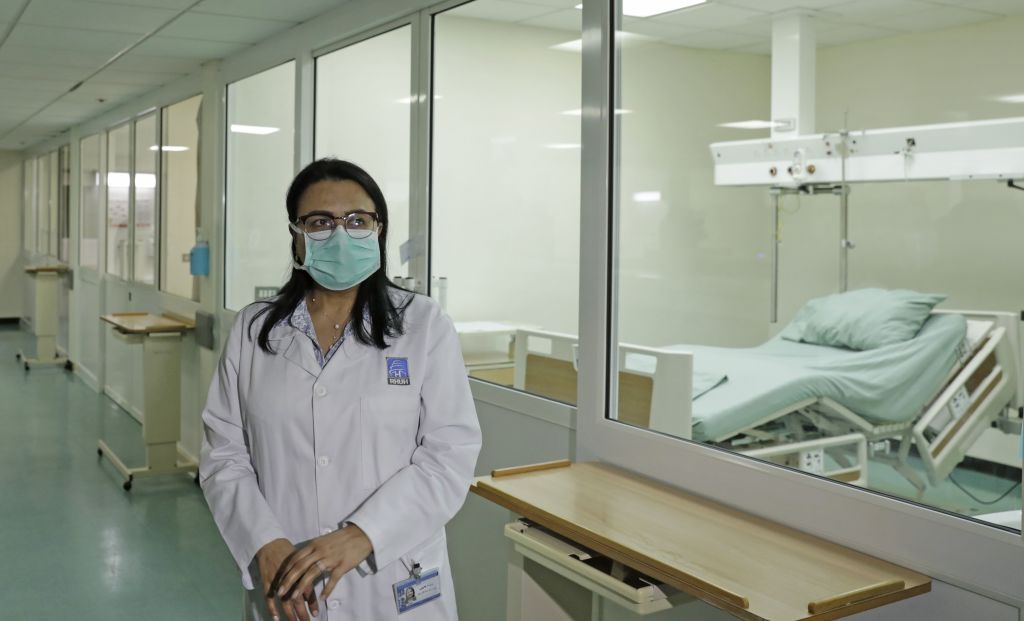
The current COVID-19 pandemic has had an unprecedented global impact. In many ways, everyone has been affected by this collective crisis, and everyone is at risk. However, both the virus and its aftermath discriminate strongly against women and girls.
How Russia made Hemeimeem air base its African hub
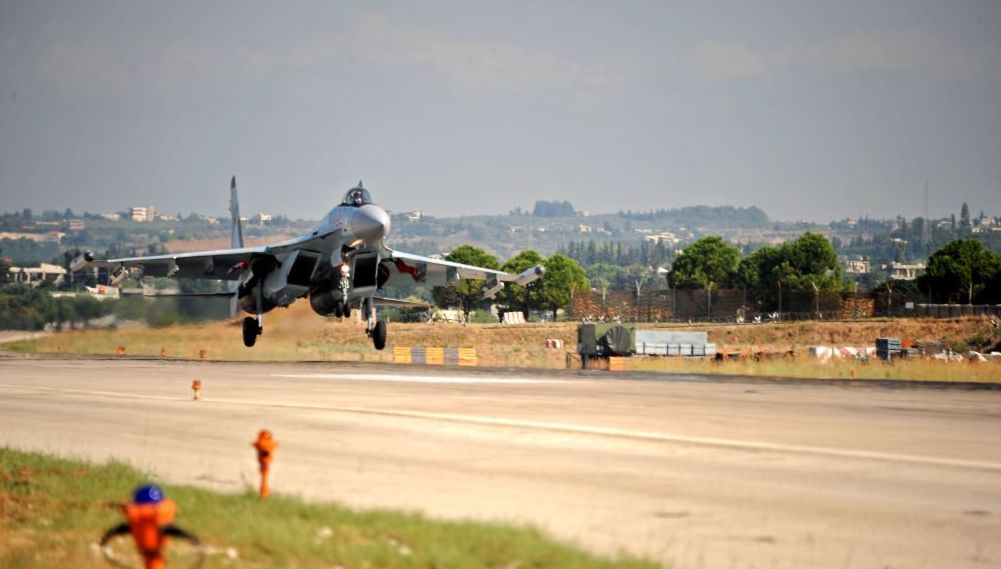
The satellite images published on May 26 by AFRICOM appear to confirm reports that Russian MiG-29 jet fighters had flown to Libya. In fact, the MiG-29s travelled to Libya via Russia’s Hemeimeem air base in Syria, and as this latest episode makes clear, Hemeimeem plays a central role in Russia’s growing involvement in both the Mediterranean and Africa.