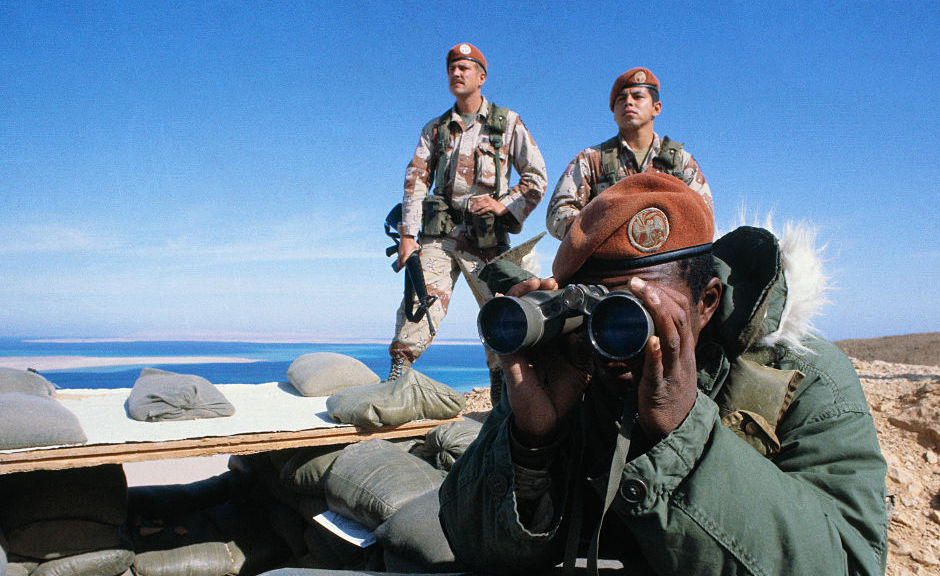
Whither the MFO? The US presence in Sinai has seen its best days
The Sinai-based Multinational Force & Observers (MFO) will soon celebrate its 41st anniversary. Like most of what the MFO does, recognition will be low key and understated. The MFO has always operated under the radar, but this may soon be changing.
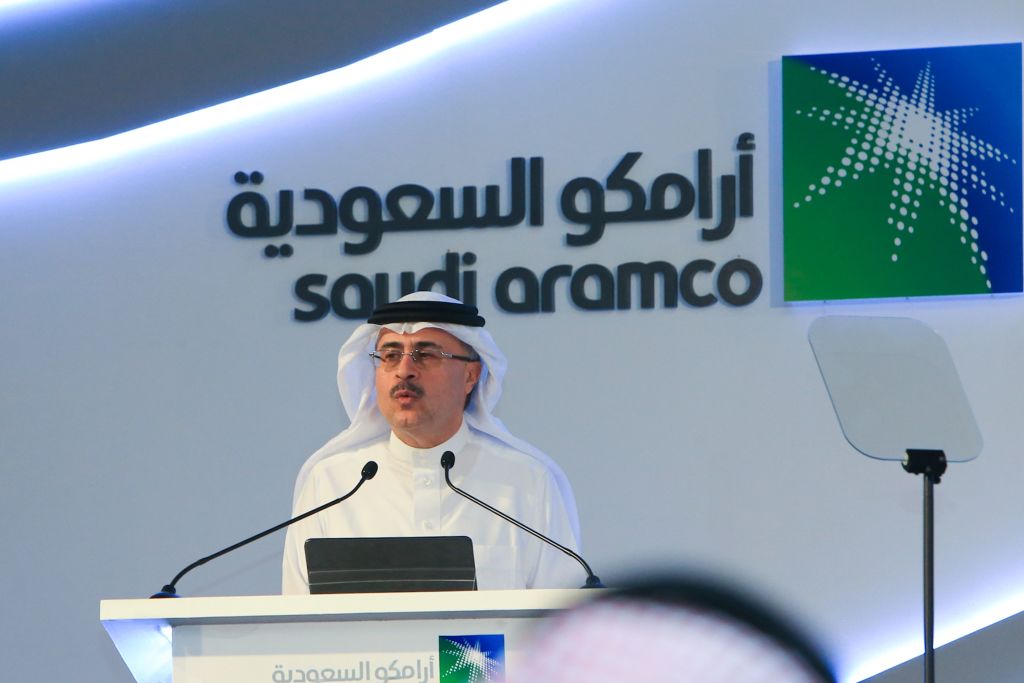
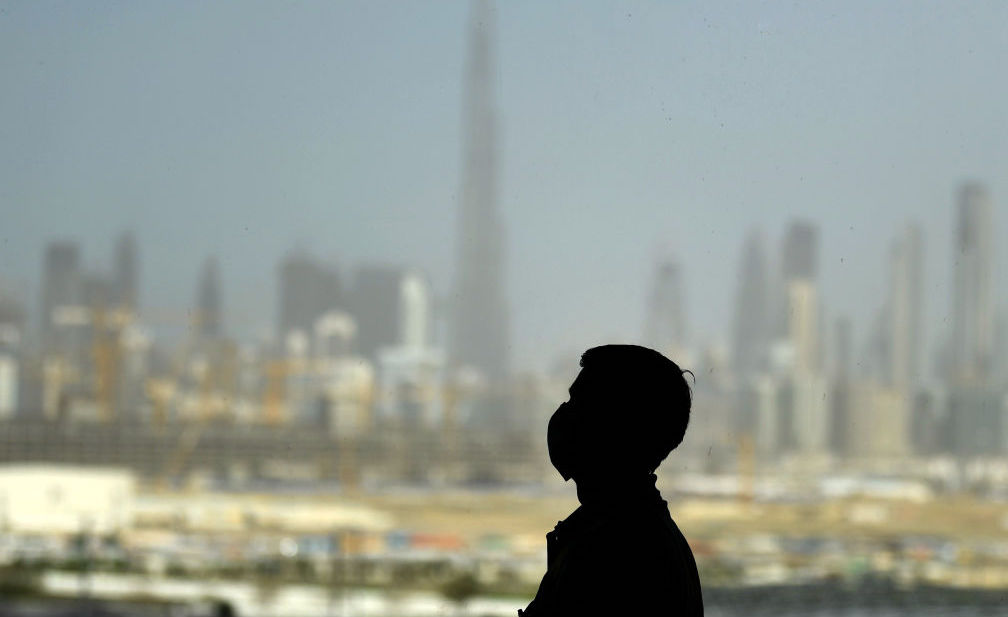
Saudi Arabia’s oil price war could reshape the industry
Saudi Arabia declared a price war against Russia in early March to prove a point: that it can offer an unprecedented supply of 12.3 million barrels per day (bpd), way above the record 11 million bpd it reached in November 2018, and expand its market share at the expense of Moscow. As the coronavirus pandemic brings the world to a standstill, the question is how long it can sustain this war.
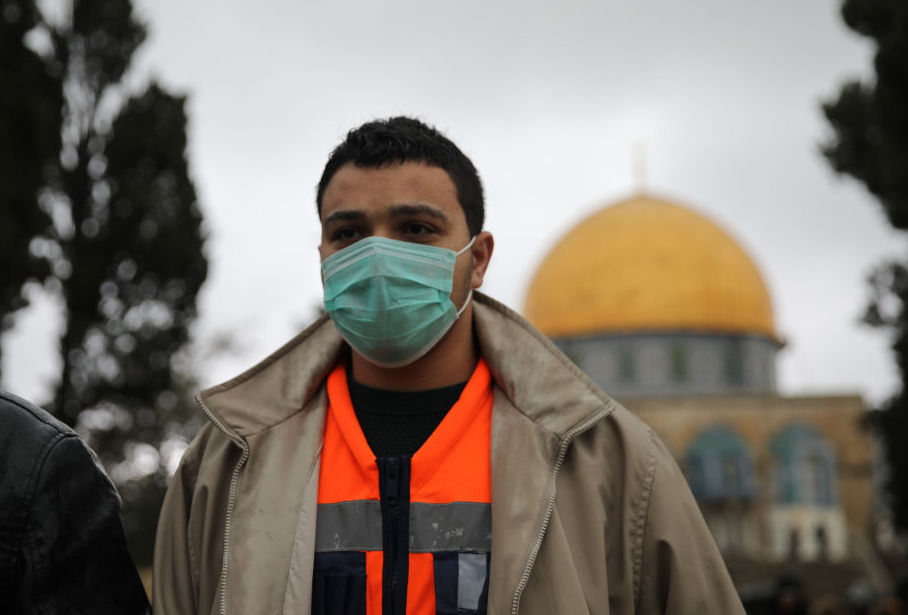
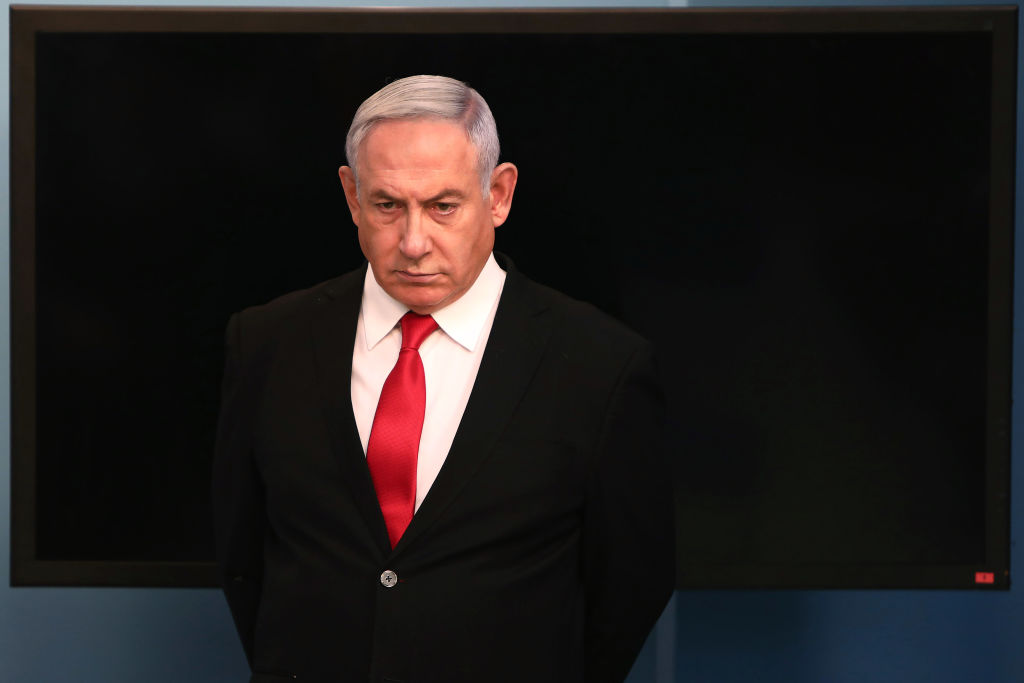
How the coronavirus exposed Israeli occupation's green line
Less than a year after the U.S. State Department removed the term “occupation” from its 2019 human rights report, and just a few weeks after it stopped referring to the residents of East Jerusalem as Palestinians, the coronavirus has exposed the reality of Israel’s occupation of the Palestinian territories like never before.
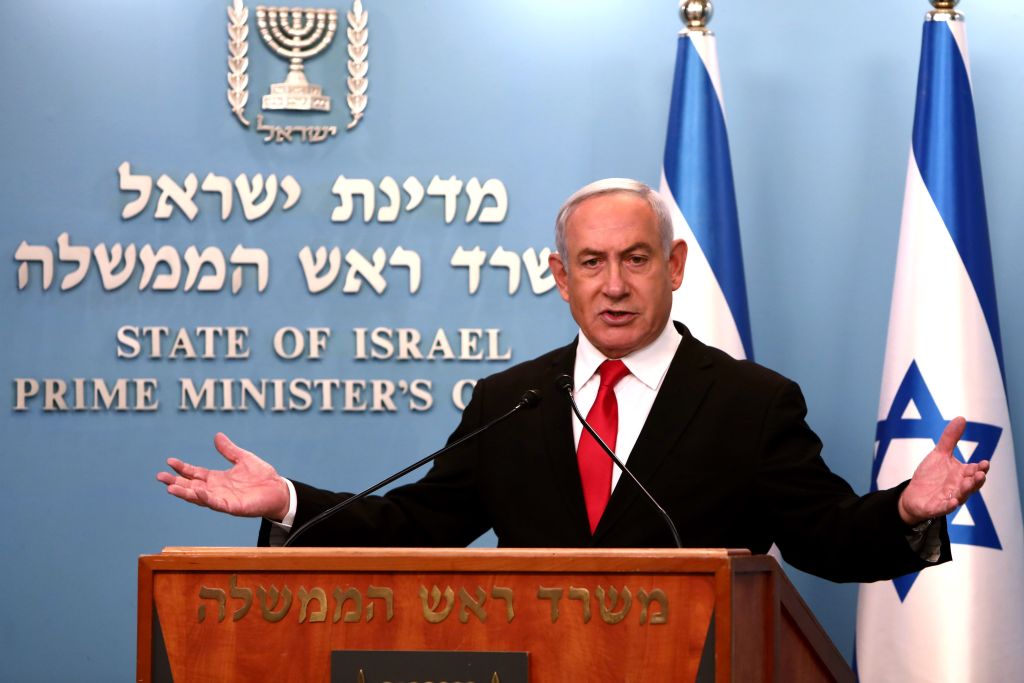
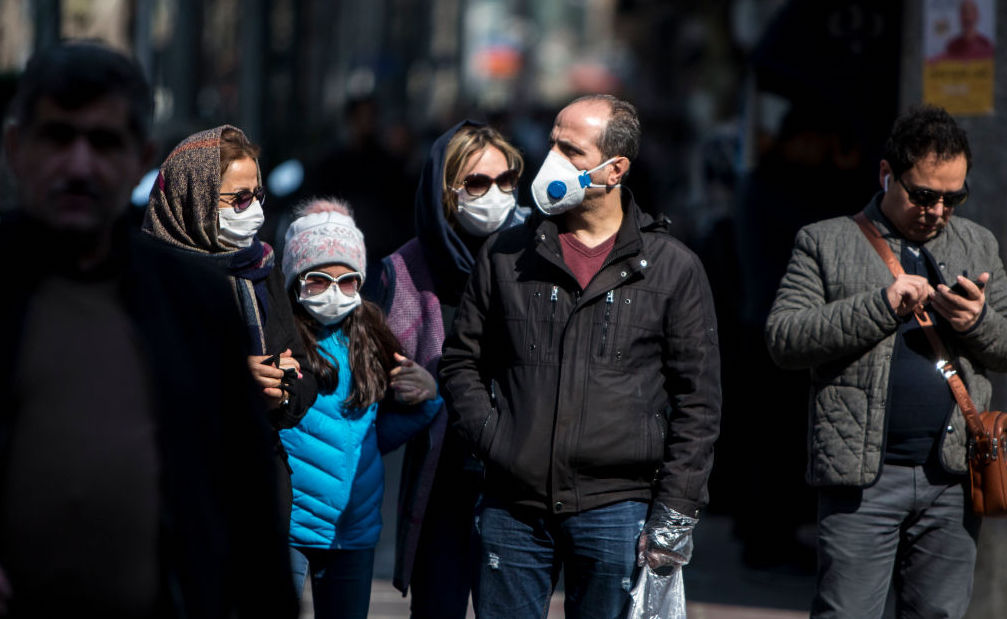
MEI’s Paul Salem, Khaled Elgindy, and Fatima Abo Alasrar join host Alistair Taylor to discuss the coronavirus pandemic’s impact on the Middle East as nations scramble to contain the spread of COVID-19 and the massive humanitarian and economic toll it could take on already vulnerable populations.
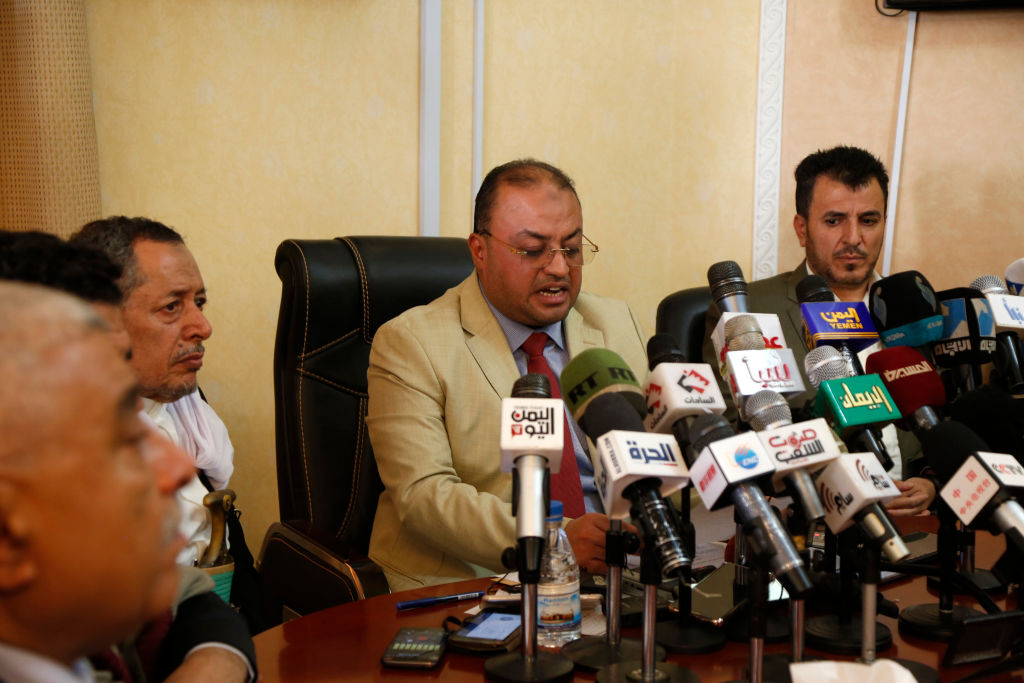
The Houthis’ response to COVID-19? Pre-emptively blame their enemies
By keeping the focus on Saudi Arabia, the UAE, and the U.S., and covering up Iran’s failure in dealing with the pandemic, the Houthis are trying to absolve themselves and their patrons of responsibility.
Normalizing Houthi gains in Yemen puts Marib at serious risk
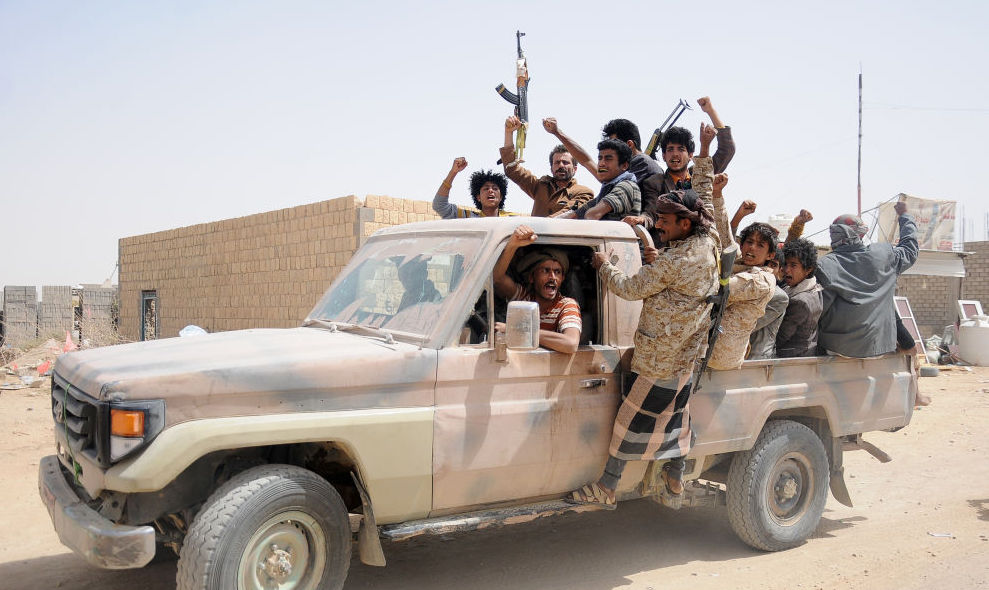
Just a week after Houthi rebels took control of al-Hazm, the capital of al-Jawf Province, on March 1, UN Special Envoy for Yemen Martin Griffiths paid an unprecedented, one-day visit to the Houthis’ likely next target, oil-and-gas-rich Marib, reiterating the urgent need for de-escalation.
Yasmine Farouk and Jean-Francois Seznec join guest host Gerald Feierstein to discuss the past week’s political and economic drama in Saudi Arabia following the detainment of several members of the Saudi royal family and the nation’s launch of an oil price war with Russia, which triggered a massive drop in global oil prices.
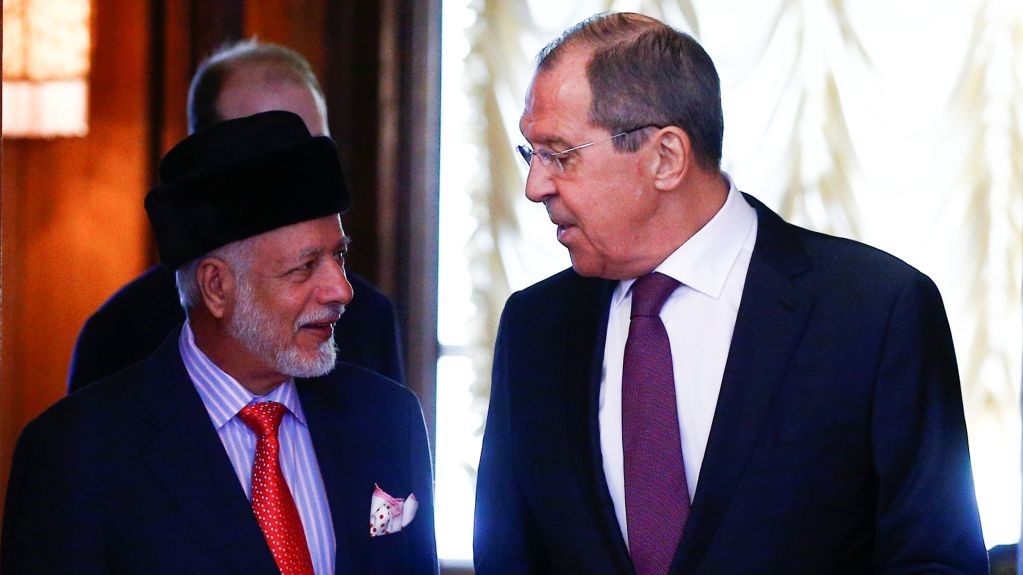
On Feb. 12, the director of Russia’s Foreign Intelligence Service, Sergei Naryshkin, made an official visit to Oman. During his trip to Muscat, Naryshkin engaged with senior Omani officials on strategies to de-escalate tensions in the Persian Gulf, counterterrorism cooperation, and approaches to conflict resolution in Syria and Yemen.
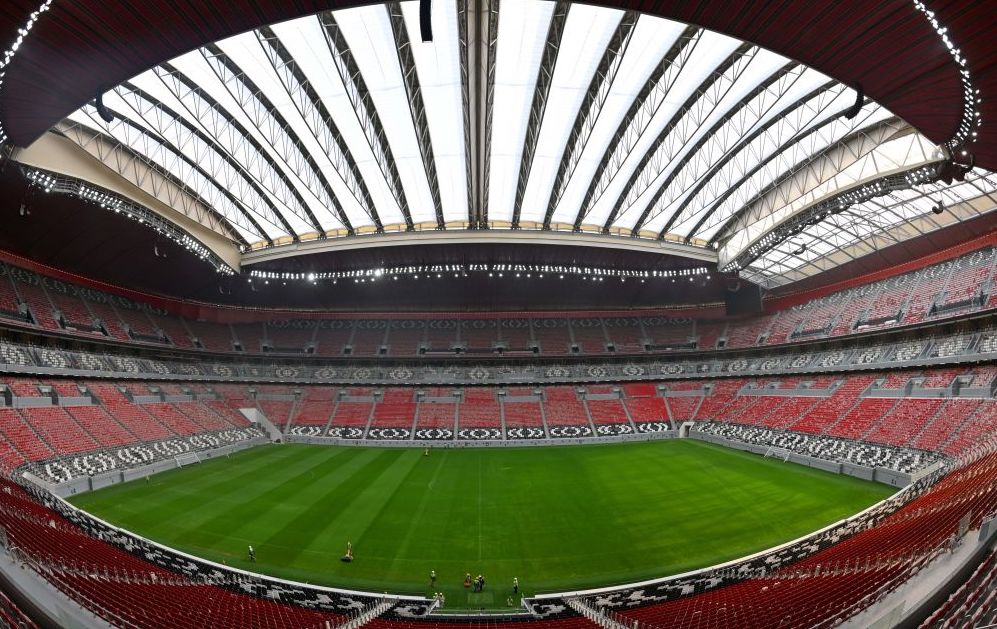
Sports diplomacy is the deliberate, strategic use of sporting events by states to create a favorable international image — the “continuation of policy by other means,” whereby sports, nationalism, commerce, and diplomacy are inextricably linked.