Erdoğan’s Syria Remark Angers Iran, Russia and Syria
Turkish President Recep Tayyip Erdoğan’s November 29 remark that Turkey intervened in Syria to topple President Bashar al-Assad has drawn a sharp rebuke from Tehran, Damascus and Moscow.
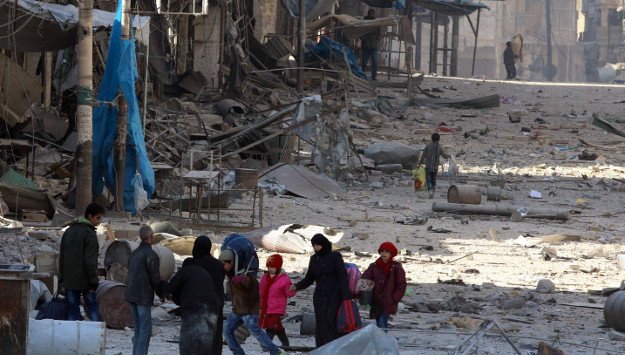
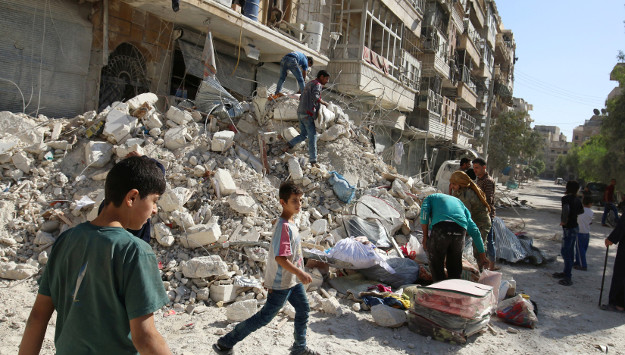
In this week’s Monday Briefing, MEI experts Charles Lister, Yousef Munayyer, and Mabrouka M’Barek provide analysis on recent and upcoming events including the Assad regime’s advances in Aleppo, Fatah’s annual conference, and Tunisia’s upcoming conference for its economic plan.
Growing Worries over Iran-Backed Militias’ Military Advances in Iraq
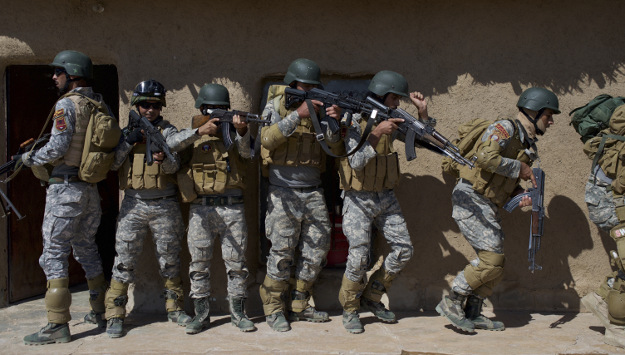
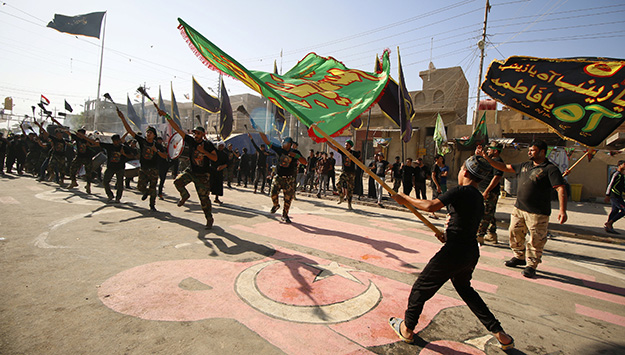
The increasing role of Iran-backed Iraqi Shiite militia forces in the battle of Mosul has alarmed the Iraqi Sunni minority as well as many countries in the region.
Iran-backed Militia Group Seizes Key Military Base West of Mosul
As the US-backed Iraqi security forces and Kurdish peshmerga fighters are advancing into Mosul from the east, an Iranian-backed militia group claimed a major victory over the Islamic State in western part of the city on November 16.
Briefing: Middle East Reactions to the U.S. Election
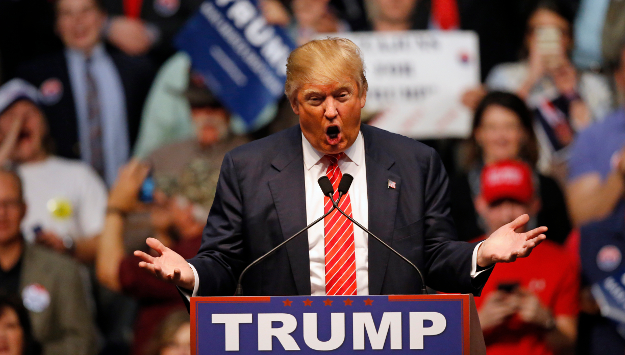
In this special edition of our weekly briefing, MEI experts Paul Salem, Robert S. Ford, Eran Etzion, Gonul Tol, Alex Vatanka, and Gerald Feierstein provide analysis on the impact of Donald Trump’s victory in the U.S. Presidential Election on the future of Middle East policy, its particular effect on the crises in Iraq and Syria, and how the news has been received across the region, including in Turkey, Iran, and the GCC.
Suleimani's Role in Iraq Raises Fear of Sectarianism after Islamic State's Ouster from Mosul
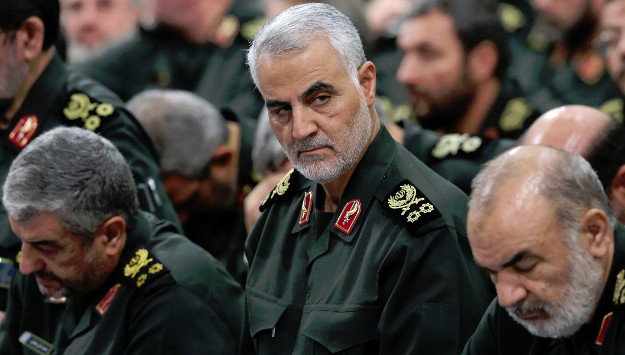
As the Iraqi security forces are fighting the Islamic State to retake Mosul, a top Iranian general and his aides are reportedly playing a key role on the battlefield.
In an ideal world, the ousting of a militant group that has openly committed genocide and engaged in ethnic and religious cleansing ought to be followed by an affirmation of national unity. This sadly is not the case in Iraq’s war-torn Nineveh province.
Monday Briefing: Lebanon Set to Elect President; Steady Progress toward Mosul
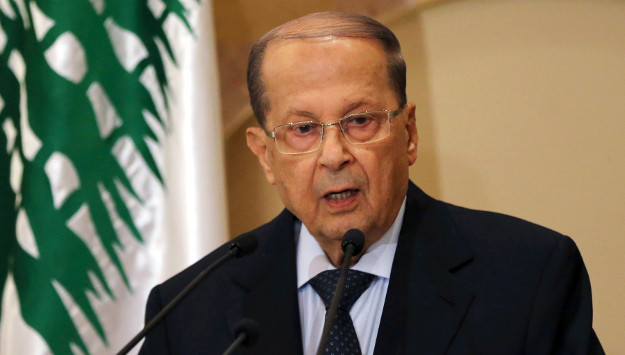
In this week’s Monday Briefing, MEI experts Paul Salem and Charles Lister provide analysis on recent and upcoming events including the expected election of Michel Aoun as president of Lebanon and the operation to expel ISIS from Mosul.
On September 23-24, the Middle East Institute’s Initiative for Track II Dialogues convened its ninth meeting of the Middle East Dialogue in Muscat, Oman. Participants included current and former officials and senior experts from Saudi Arabia, Lebanon, Egypt, Turkey, United Arab Emirates, Syria, Iraq, the Kurdistan Regional Government, Iran, Russia, China, the United States, and the United Nations.
Monday Briefing: Huge Humanitarian Challenges in Mosul
In this week’s Monday Briefing, MEI experts Randa Slim, Gonul Tol, Charles Lister, and Paul Salem provide analysis on recent and upcoming events including potential fallout from the battle for Mosul, how the row between Turkey and Iraq will complicate the operations in Mosul, the implications of ISIS’ loss of Dabiq, and recent military cooperation between Egypt and Russia.
Iraqi Prime Minister Haider al-Abadi has expressed outrage at the recent Turkish parliamentary extension of the mandate of Turkey’s military presence on Iraqi soil. For months, Turkish forces have maintained a contingent in northern Iraq, ostensibly at the invitation of local forces, with the announced mission of training them in preparation for the battle for Mosul. With multiple parties preparing for the offensive, Mosul, Iraq’s second largest city, is slated to be liberated from a 30-month-old Islamic State (ISIS) occupation.
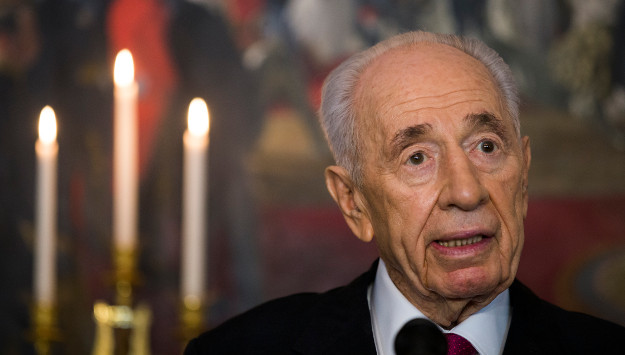
The last surviving leader of Israel’s founding generation, Shimon Peres was a three-time prime minister, the architect of the country’s secretive nuclear program and a winner of the Nobel Peace Prize for his efforts to make peace with the Palestinians.
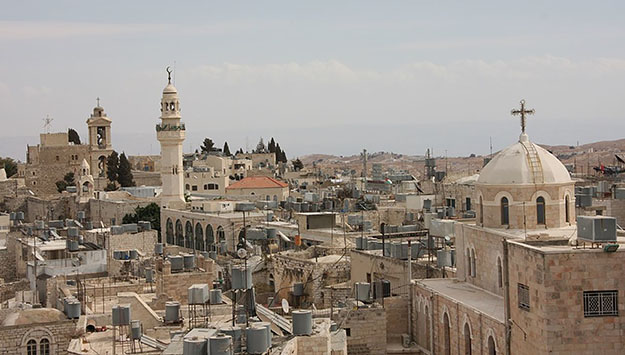
Palestinian Director Leila Sansour Talks Bethlehem
Leila Sansour is an acclaimed filmmaker, best known for “Jeremy Hardy versus the Israeli Army.” She returned to her hometown Bethlehem to document the detrimental effect of the wall on the city and its people. She discusses her latest film, Open Bethlehem.
The following interview was edited for style and clarity.
MEI: Tell me about the genesis of this film and project, and your inspiration for it?