Reimagining Syria: A Roadmap for Peace and Prosperity Beyond Assad
The work of the Syria Strategy Project and the considerable policy recommendations found in this report present a realistic and holistic vision for Syria’s recovery and reintegration into the international system.
Trump brings his foreign policy improv act to the Middle East
While most media attention was focused on its global economic policy moves, the Trump administration continued to keep the Middle East high on its agenda this past week, with the president sending a letter to Iran’s supreme leader and his team directly engaging with the Palestinian group Hamas. This continued engagement on the region’s top two strategic questions, Iran and Arab-Israel affairs, contrasted with America’s hands-off approach to Syria, which saw some troubling violence.
The national dialogue in Syria: A step forward or a concerning trajectory?
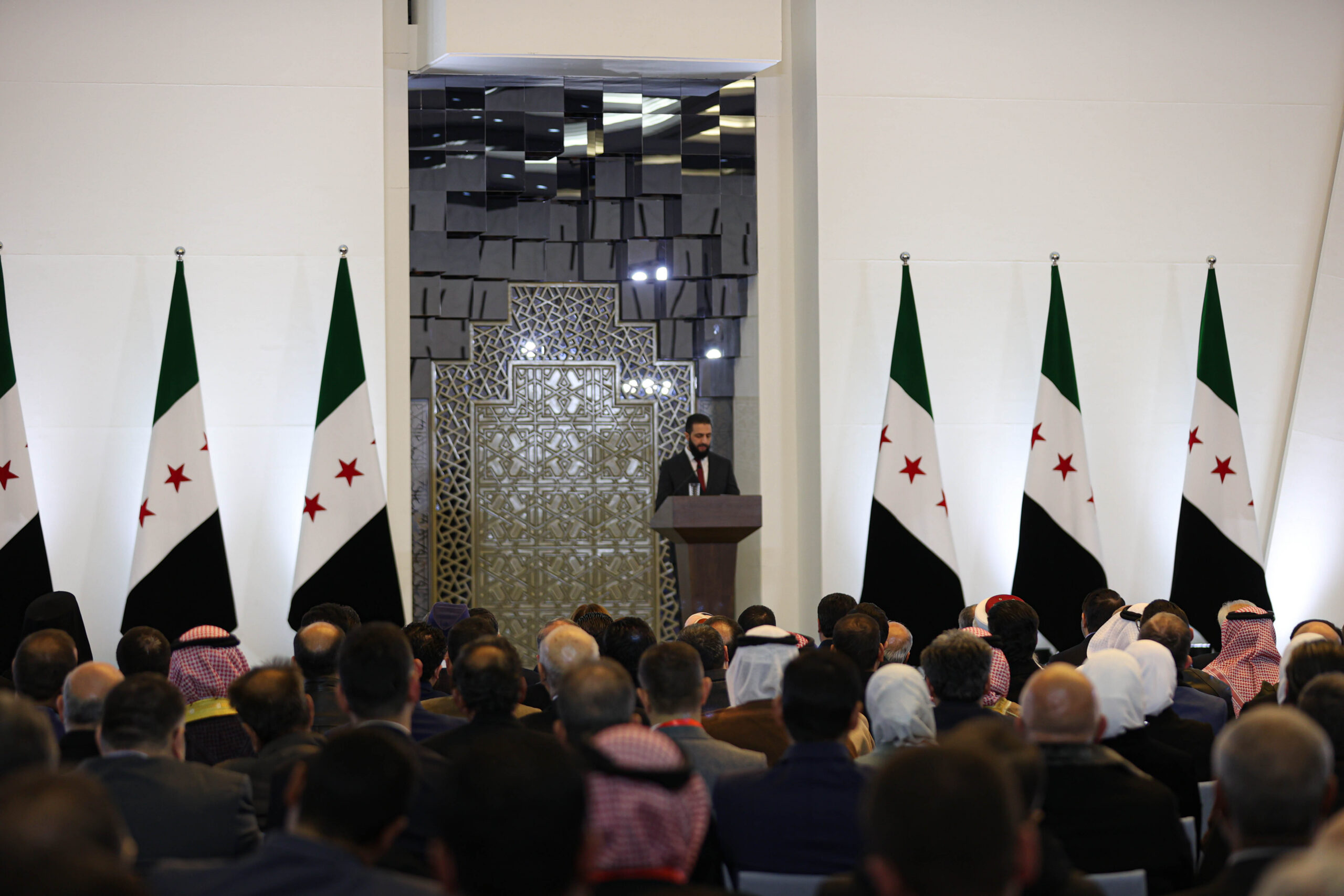
Syria’s national dialogue, held in Damascus at the end of February, was intended to chart the country’s future, one that would have been unthinkable just three months earlier. However, the process and outcomes of the dialogue were flawed, left critical questions unanswered, and raised new concerns.
Trump’s diplomatic gambit in the Middle East at one month
This massive distraction of the Trump administration’s Gaza non-plan and the even more serious move of dismantling America’s ability to shape and influence events abroad together carry three risks for the Middle East.
NYT Bestselling Author Kwame Alexander on the Power of Literature and Poetry to Bring Us Together
Renowned poet, producer, and New York Times bestselling author Kwame Alexander joins guest host Lyne Sneige to discuss the power of storytelling and the intersection of art and social change. Looking back on his recent experience speaking at the 2024 Riyadh International Book Fair in Saudi Arabia, Alexander shares his reflections on the Kingdom’s literary scene, the growing appetite for global narratives, and how books and poetry can serve as bridges between cultures.
Impact of the Russo-Ukrainian war on energy flows from the Arab Gulf states
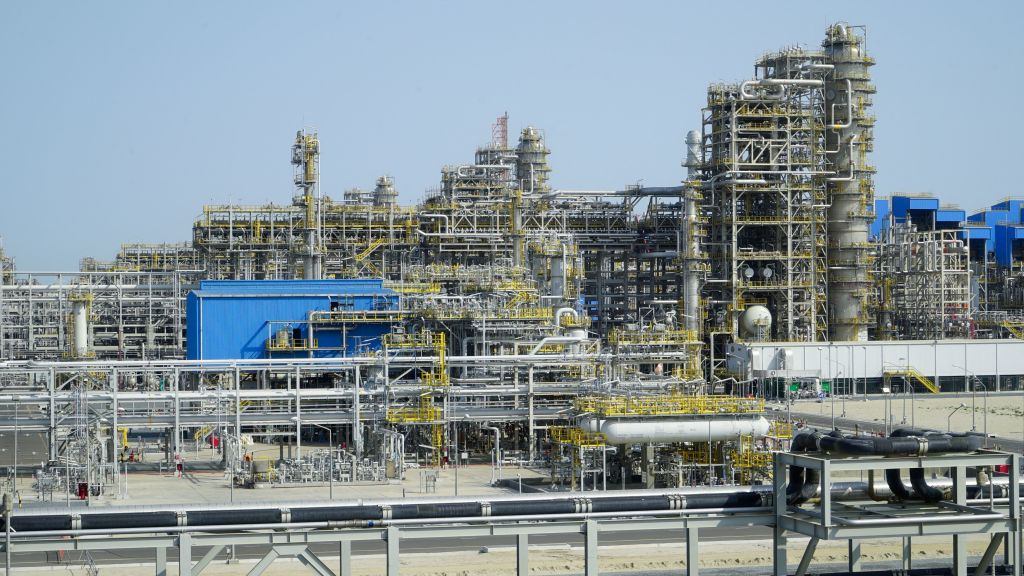
Nearly three years on, Russia’s full-scale invasion of Ukraine in February 2022 has reshaped trade and investment in the energy sector, leading to an increase in Gulf imports of Russian oil and a sharp rise in the region’s hydrocarbon exports to Europe as well as further fueling the growth of Gulf investment in renewable energy projects located in and targeting the continent.
Rebalancing Russia’s Mediterranean strategy: From showing the flag to retreating to the gray zone
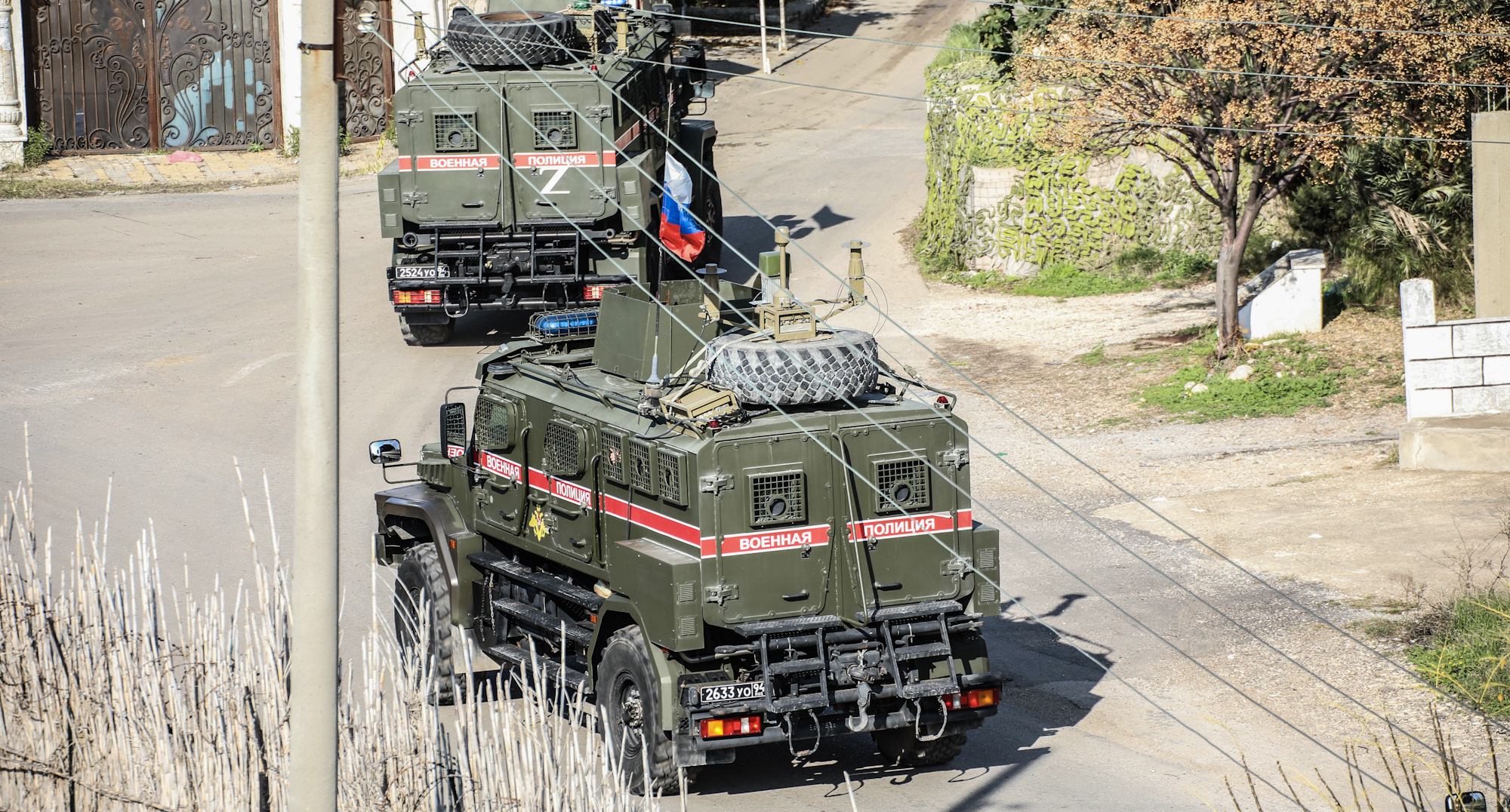
Either maintaining Russia’s military bases in Syria or finding an alternative outpost in the Mediterranean will prove extremely difficult for Moscow. And part of the problem with pursuing the latter option, particularly if in Libya, is that it would require a full-on transformation of Russia’s military presence model — from more traditional bases designed to establish deterrence by showing the flag in the region to building up a military and logistical operation inside a security “gray zone.”
Beyond “Maximum Pressure” in US Policy on Iran: Leveraging Regional Partners to Contain Iran's Actions and Shape its Future Choices
In his second term in office, President Donald Trump faces a Middle East undergoing multifaceted upheaval and an Islamic Republic of Iran currently in its weakest and most isolated position since the founding of the regime in 1979. Yet far from permanently subdued, Tehran continues to move closer to building a nuclear weapon, and it is trying to preserve its regional network of proxies and non-state allies. Trump now faces an important strategic choice on Iran policy. This report analyzes three overarching dynamics: the shifting strategic landscape across the Middle East in 2023-24; the impact of these shifts on Iran and its Axis of Resistance network; and Iran’s current position and standing at home and in the region. It concludes with a series of strategic-level recommendations for the new administration.
Will Damascus-SDF negotiations lead to agreement or escalation?
It is becoming apparent that negotiations between the new leadership in Damascus and the Syrian Democratic Forces (SDF) face significant obstacles due to disagreements over military structure and administrative demands. These issues reflect the difficulty of reaching a mutual understanding between the two parties. As these challenges persist, there is growing talk of a potential military escalation in eastern Syria, amid residents’ fears and international mediation efforts to contain the crisis and achieve progress in the negotiations.
Syria’s first post-Assad protests broke out on Dec. 25 after a video claiming to show the destruction of an Alawite shrine spread rapidly across Facebook. The video was quickly debunked as several weeks old, the shrine only partially damaged, and the damage occurring during the capture of Aleppo city rather than in an act of sectarian vandalism. But those first hours were enough to stir up the widespread fears lingering just below the surface among Syria’s Alawite minority, bringing many Alawites (as well as Sunnis) to the streets to denounce sectarianism.
A different Middle East: How should Washington respond?
A very different Middle East will greet President-elect Trump this month compared to the region he experienced during his first term. However, there are opportunities to advance American interests for a more stable and less conflictual Middle East, which might not require the kind of intense US commitment we have seen over the last quarter-century.
Saudi Arabia’s diversified support for a two-state solution
More than a year has passed since the horrific attacks that took the lives of 1,200 innocent Israeli citizens on Oct. 7, 2023, a devasting day that led to many more devasting days in Gaza, where tens of thousands of innocent people have died and countless more have experienced suffering on an industrial scale. All hopes that the war might soon wind down are fading, as the conflict has expanded regionally and internationally and attention has been diverted to a hot cease-fire in Lebanon and the dramatic events unfolding in Syria. Saudi Arabia can help support a credible path to peace.
Preserving evidence and securing justice for Assad’s crimes
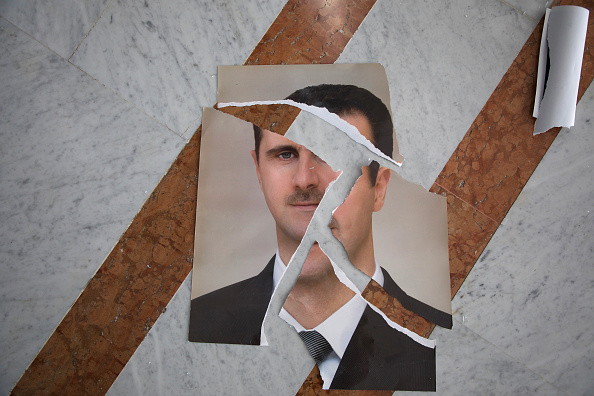
Under former President Bashar al-Assad’s regime, the Syrian security sector kept meticulous records of their crimes. The international community must now step up to help Syria’s new authorities secure and protect the documents, provide information to the loved ones of those who suffered in Assad’s prisons, and pursue justice.
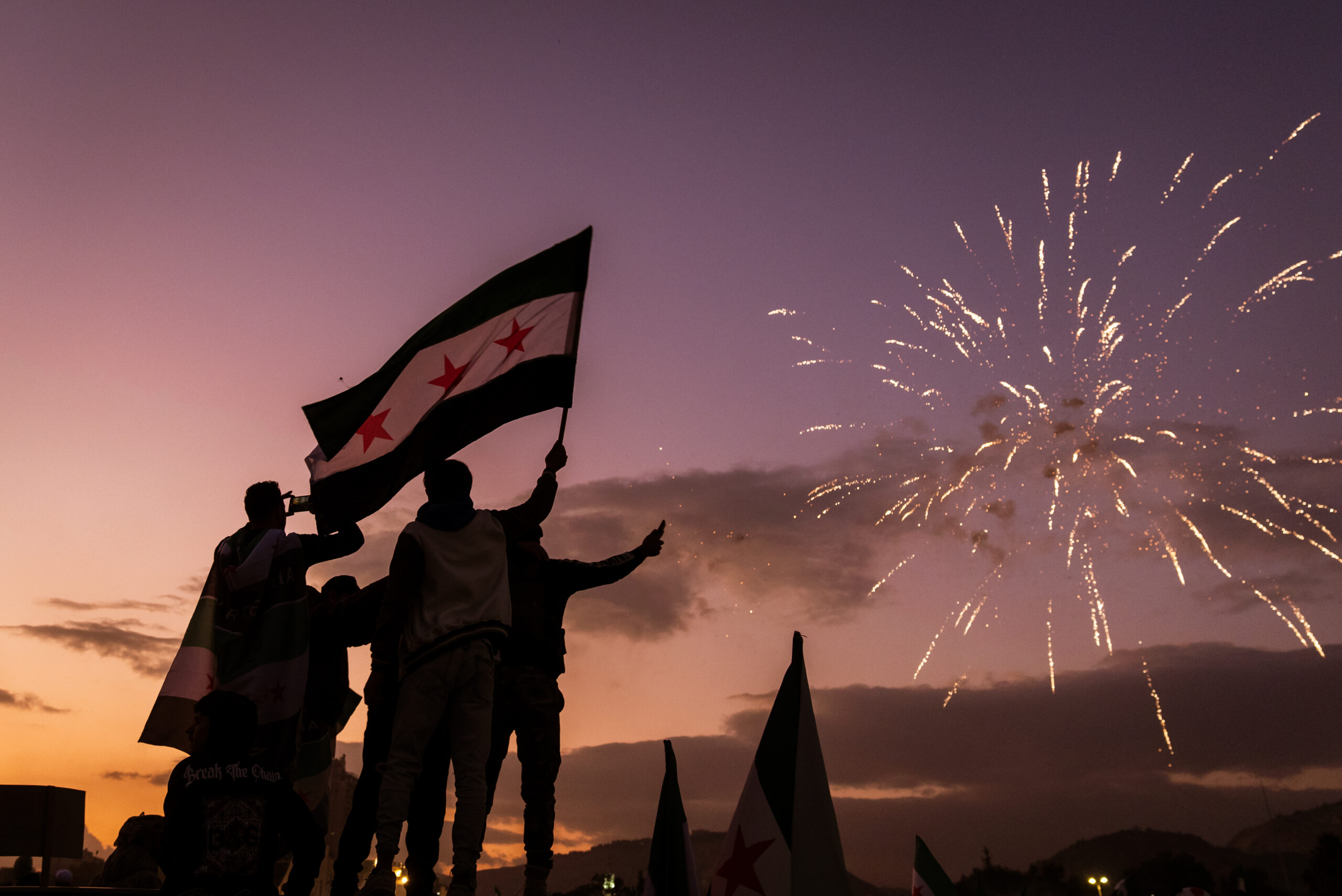
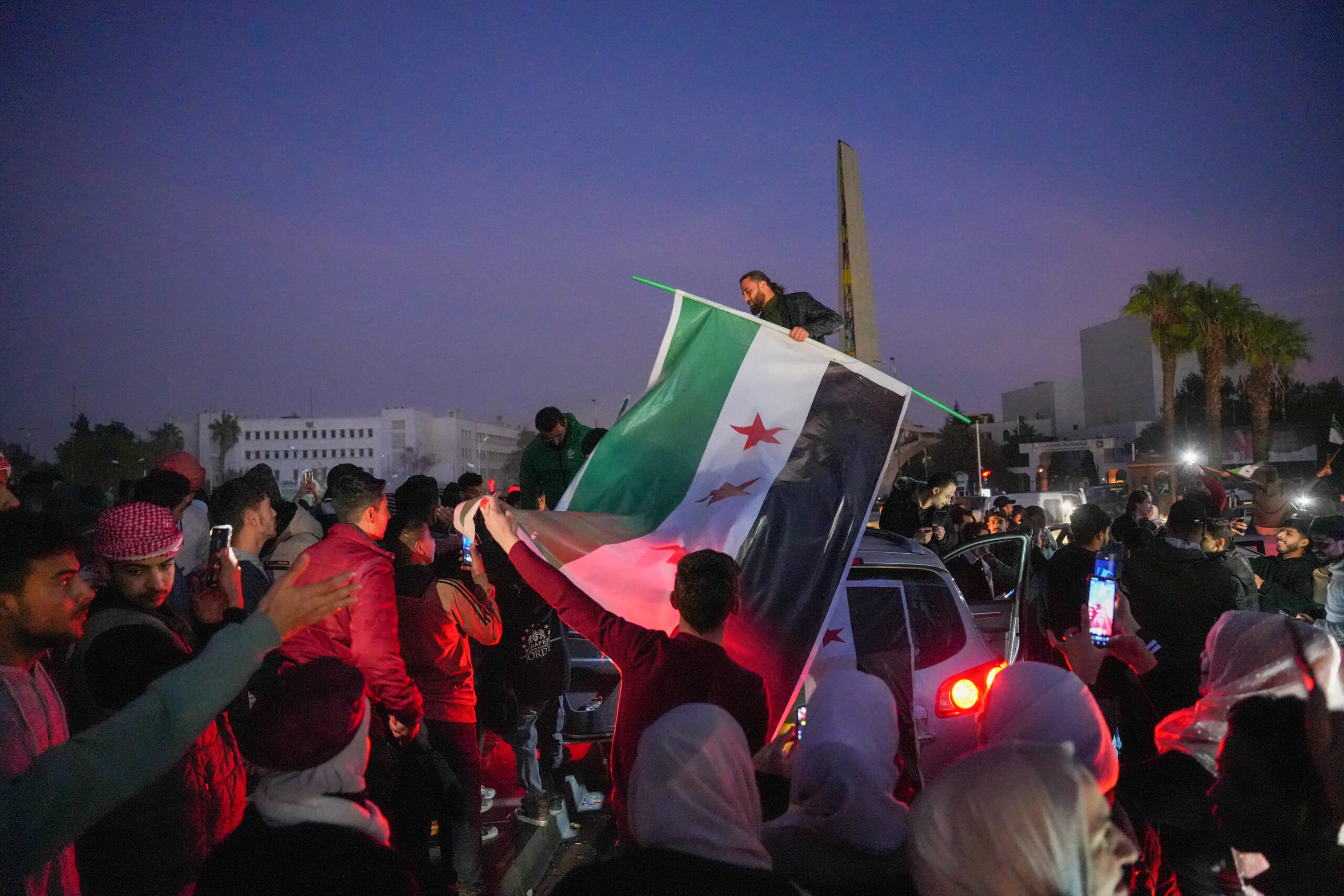
On Dec. 8, 2024, Bashar al-Assad’s regime fell. This is a fact, but it woefully understates the enormity, speed, and consequences of what has transpired. The brutal dictatorship that ruled Syria for more than 50 years disintegrated in fewer than 10 days. Celebrations erupted across public squares, thousands of Syrian refugees lined up at the borders of Turkey, Jordan, and Lebanon eager to return, and the release of political prisoners fueled hope for a new era after decades of despotism and conflict. However, concerns about Syria’s political future and territorial integrity quickly surfaced.
Half a century of rule by the Assad family in Syria collapsed astonishingly quickly after insurgents burst out of a rebel-held enclave and took Damascus in a matter of days. For Turkish president Recep Tayyip Erdoğan, however, it was not fast enough. He has been waiting for this moment since the Syrian uprising in 2011 and is determined to reap the benefits of Bashar al-Assad’s ousting ahead of Turkey’s 2028 elections.