Arab states unanimously reject Trump plan
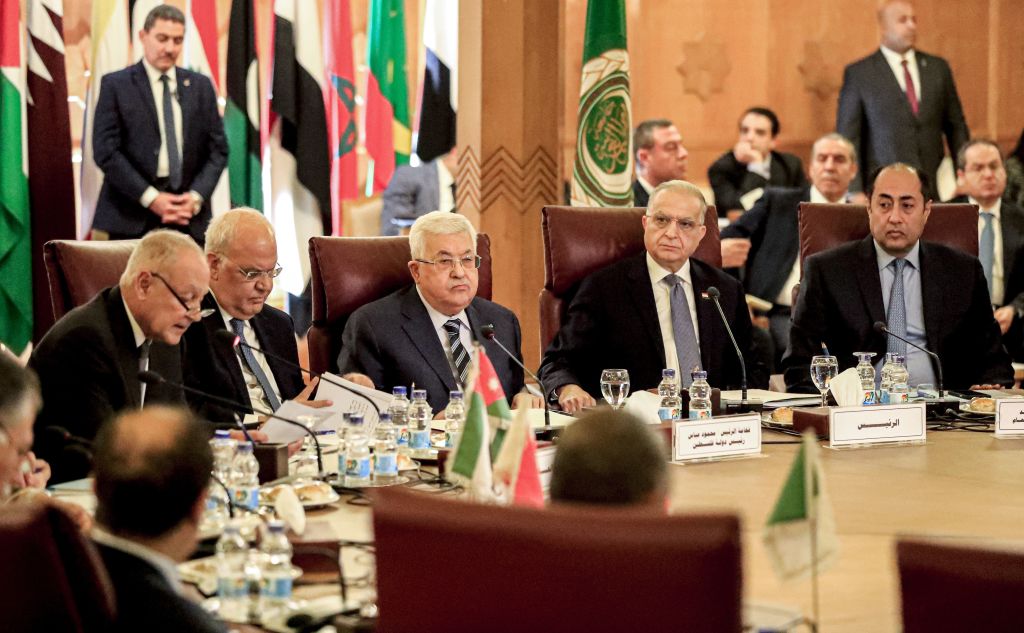
The communiqué, while largely symbolic, was nonetheless a major victory for Abbas’ beleaguered leadership.
Reuters reported on Jan. 30 that the FBI has been investigating Israeli spyware firm NSO Group since 2017. The revelation comes after Sen. Chris Murphy and UN Special Rapporteur Agnes Callamard called on the U.S. to investigate the apparent hacking of Amazon CEO Jeff Bezos’s phone by Saudi Crown Prince Mohammed bin Salman. In its statement, the UN identified NSO Group as a likely source of the malware.
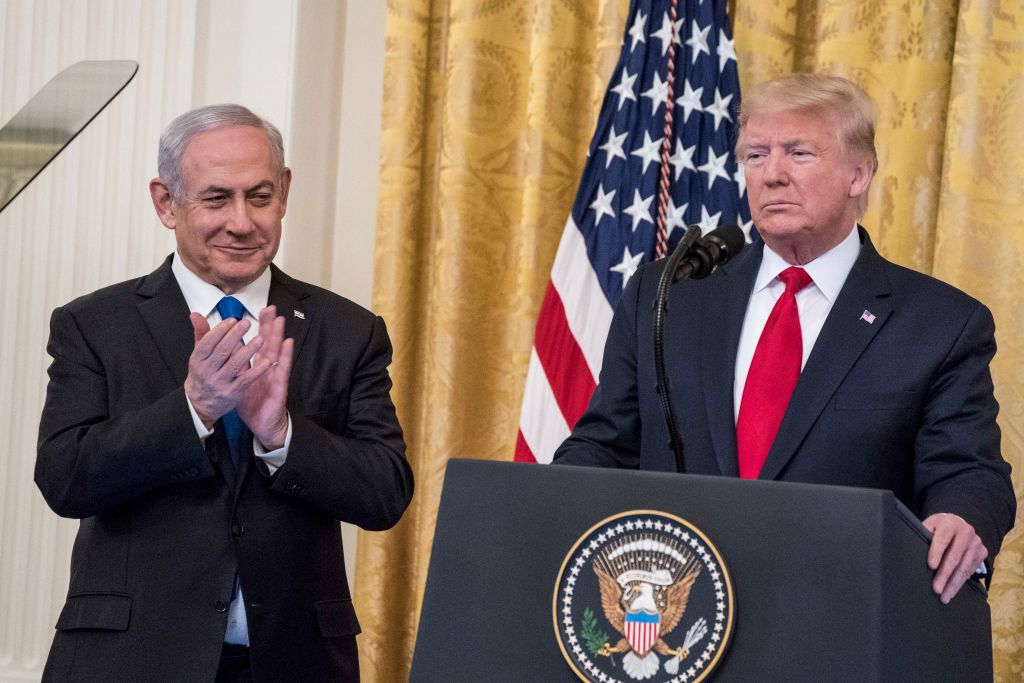
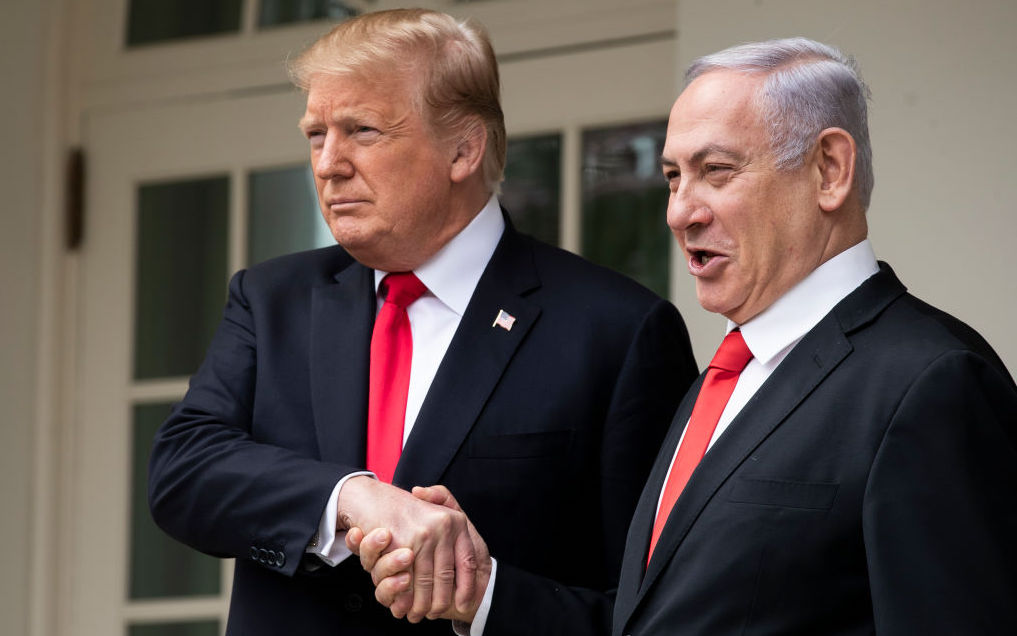
Khaled Elgindy and Michael Koplow join host Alistair Taylor to discuss the long-awaited “deal of the century” Middle East peace plan. President Trump rolled the plan out at the White House on Tuesday with Israeli Prime Minister Benjamin Netanyahu in attendance, while the Palestinians, who have refused to deal with the administration since it recognized Jerusalem as Israel’s capital at the end of 2017, were not there – and not invited. How has it been received so far, and where might things go from here?
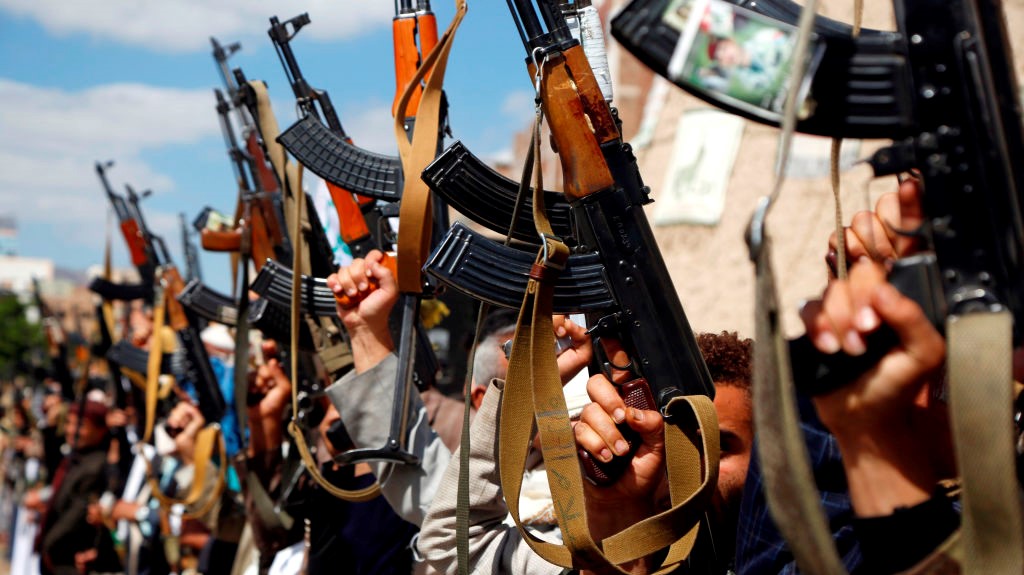
Absent international pressure, the Iran-backed Houthis have no reason to stop expanding
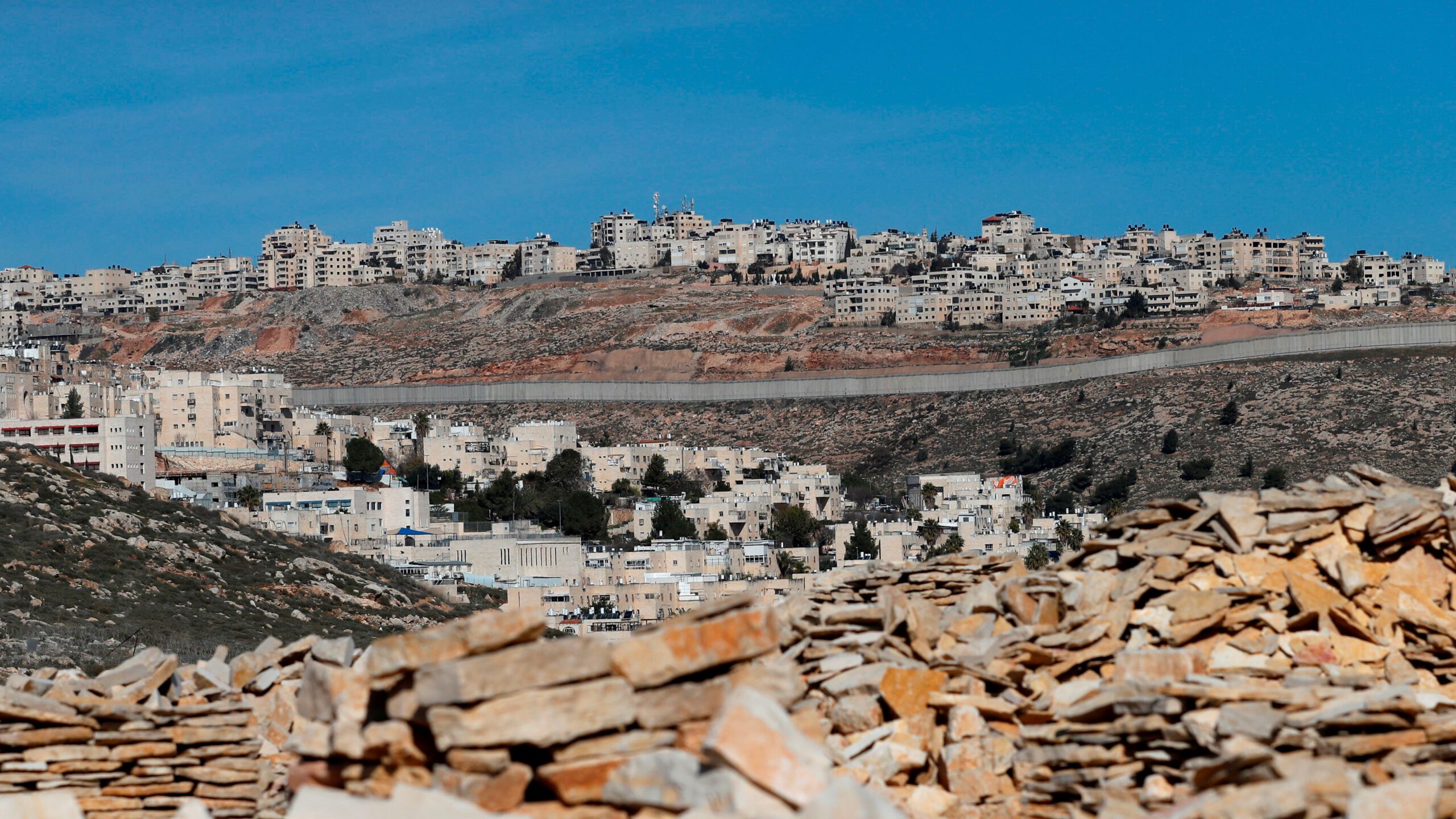
The administration’s goal is not peace but the normalization of Israel’s military rule over millions of Palestinians.
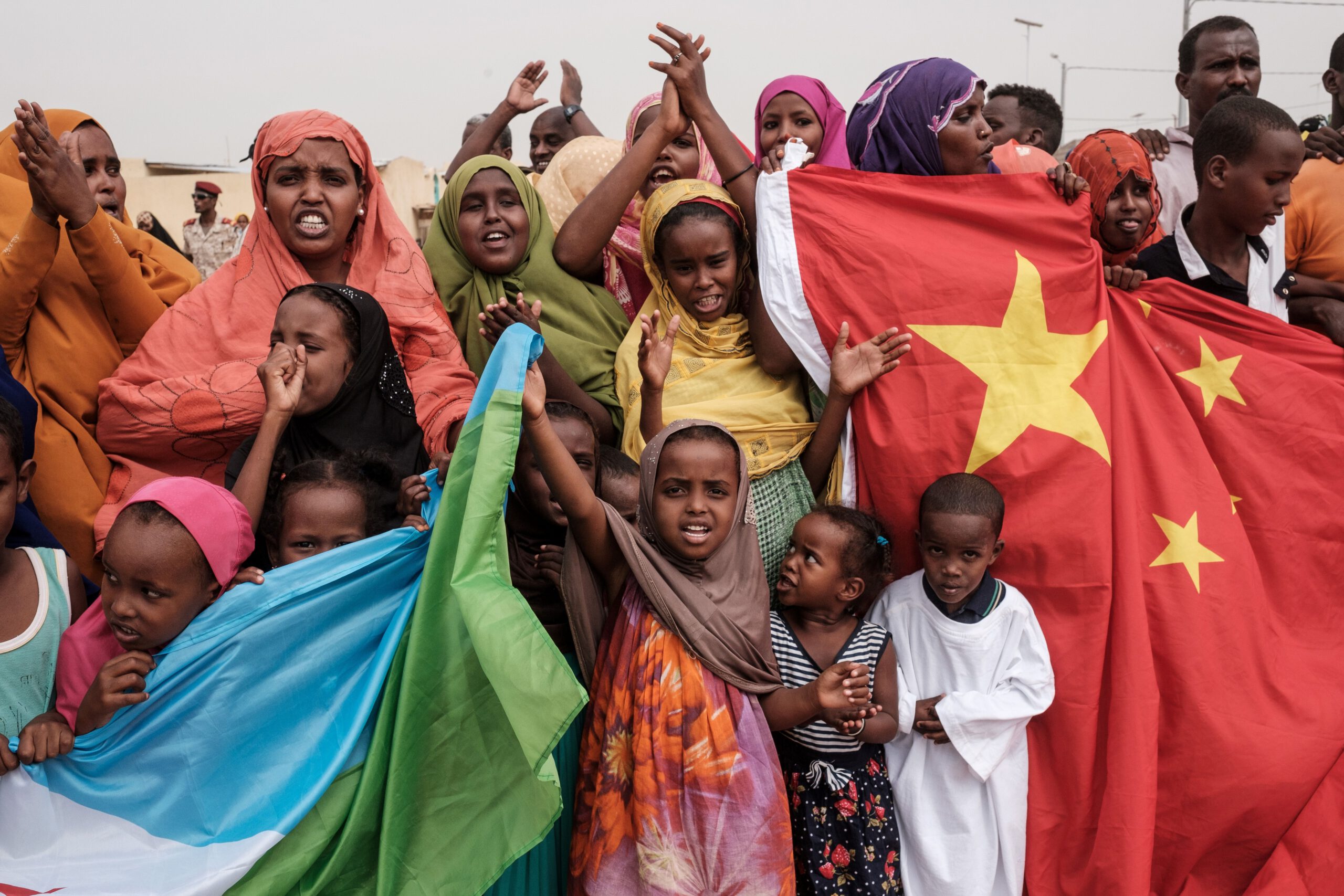
The Bab el-Mandeb Strait (“Gate of Tears” in Arabic) forms a vital strategic link in the maritime trade route between the Mediterranean Sea and the Indian Ocean via the Red Sea and the Suez Canal. On one side of the narrow strait lies the Arabian Peninsula. On the other is the Horn of Africa, a fragile region that has been plagued for decades by high levels of violence and instability within and across borders, and which in recent years has served as a launching pad for terrorism, piracy, human trafficking, and smuggling operations.
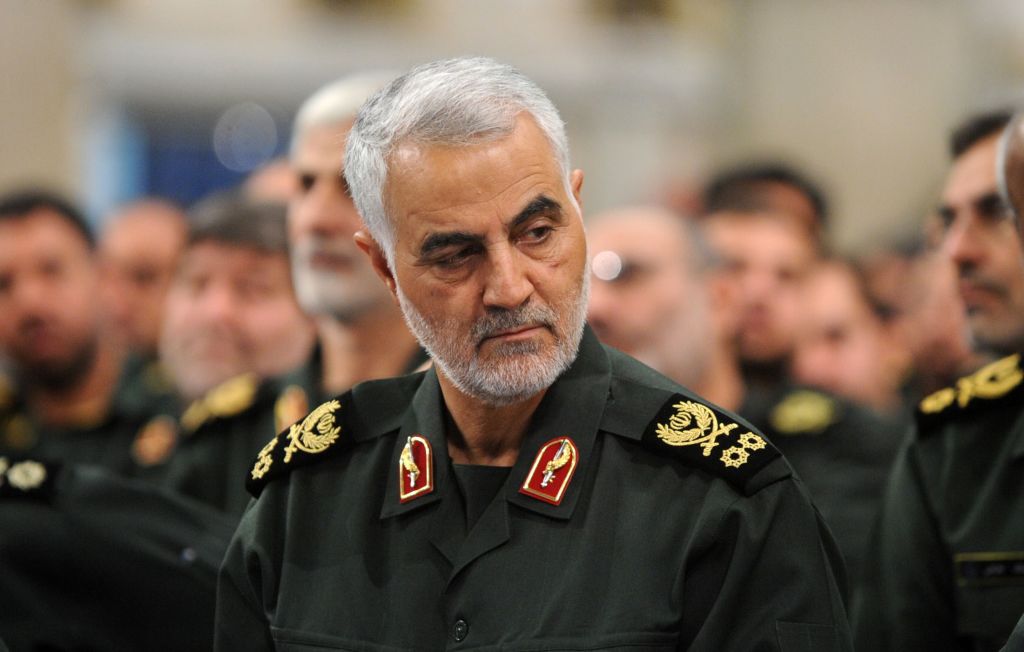
Iranian Gen. Qassem Soleimani was on Israel’s “most wanted” list for more than a decade. Israeli intelligence identified him as a looming threat early in his career, and with time he outperformed even the graver threat predictions, as he systematically built the Islamic Revolutionary Guard Corps’ (IRGC) Quds Force into a formidable regional stealth operation. Soleimani was a highly sophisticated executioner of Iran’s long-term strategy, which can be described as an effort to build a “double crescent.”
The notion that an American president, in consultation with two Israeli leaders, could decide on the future of Palestinians without any Palestinian involvement seems to epitomize Trump’s overall approach to the conflict.
It seems that both the right and the left in Israel are missing the main point.
The upcoming visit to the White House by Israel’s caretaker prime minister has nothing to do with the Middle East conflict and everything to do with giving yet another political favor to Benyamin Netanyahu. While the Jan. 28 visit may be all about the Israeli elections, it is shameful and dangerous for American officials to be giving time and space for discussions that affect the Palestinian people without their involvement.
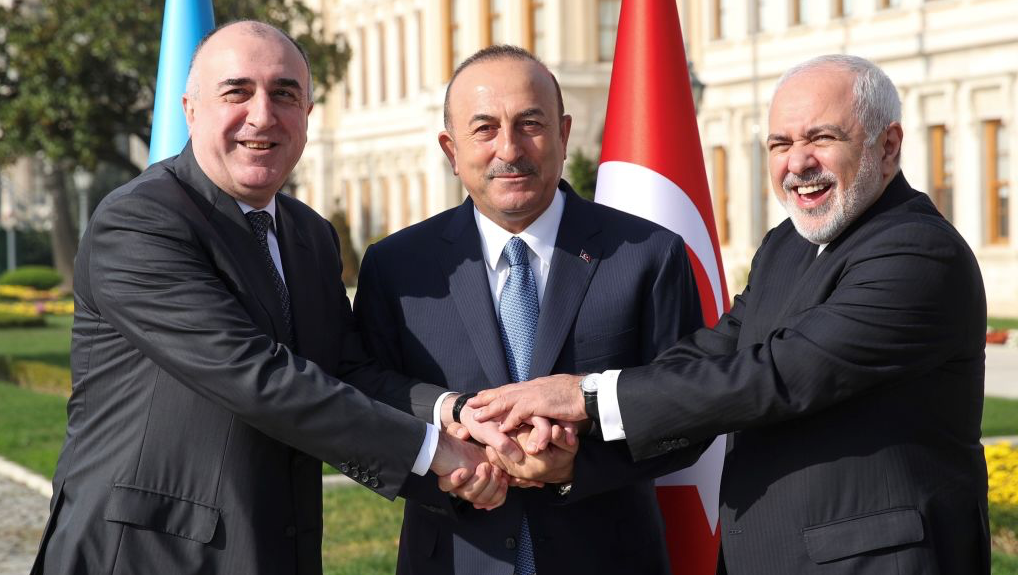
As neighboring regions, the South Caucasus and the Middle East are inextricably intertwined — so much so that the former is sometimes even considered part of the Greater Middle East. While geographical proximity is the strongest driver of interconnectivity between the two regions, geopolitics, business ties, and energy interests also link countries from the South Caucasus and the Middle East and form the basis for important bilateral and regional relationships.
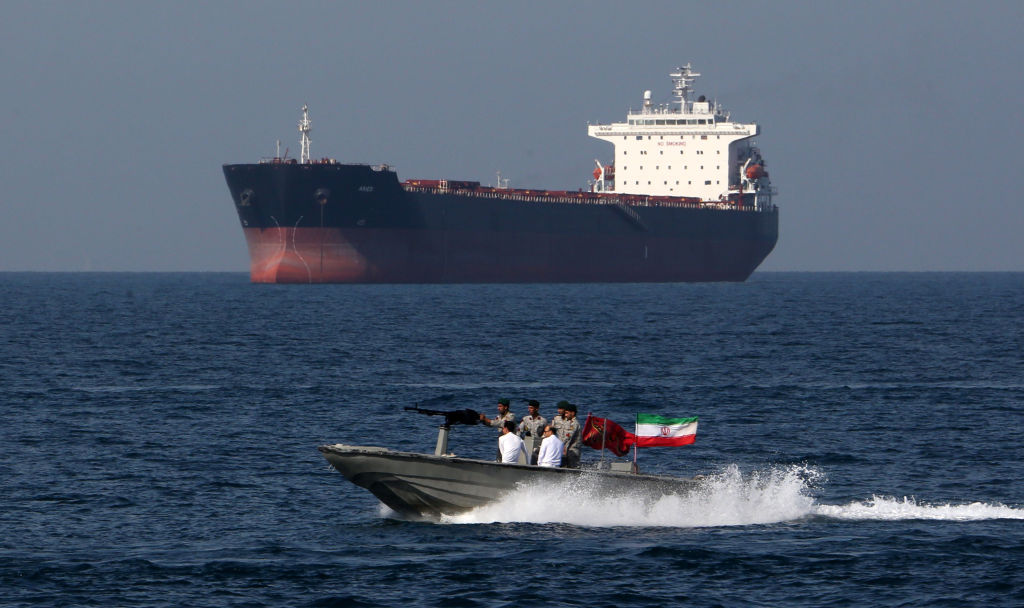
In the immediate aftermath of the assassination of Gen. Qassem Soleimani, head of the Islamic Revolutionary Guard Corps – Quds Force, on Jan. 3, Ayatollah Ali Khamenei warned the U.S. of Iran’s “harsh revenge.” There has been much speculation around the timing, location, and the type (or form) of Iran’s promised revenge. Amin Mohseni-Cheraghlou takes a closer look at the impact of the widely discussed strategy of blocking the Strait of Hormuz.
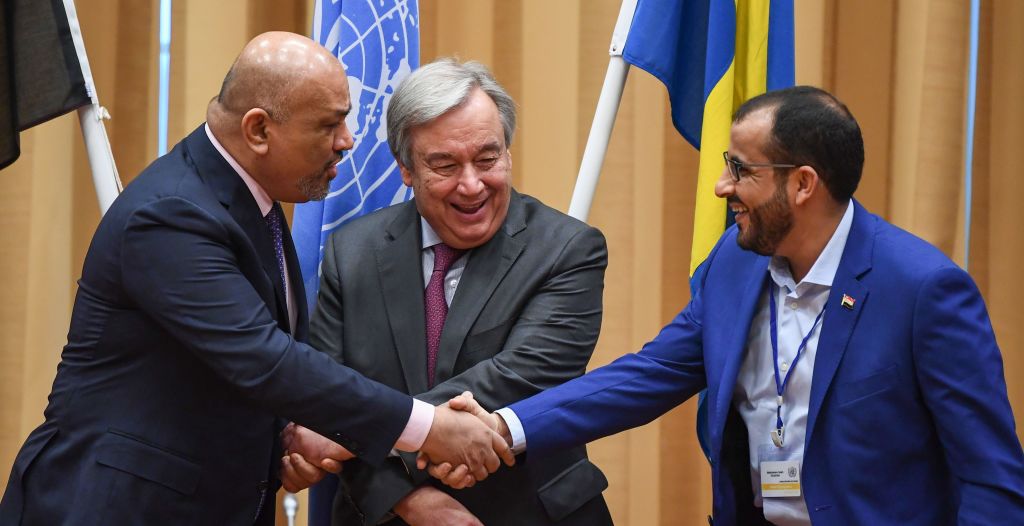
Just over a year ago, the international community rejoiced in the revival of the UN-led Yemen peace process with the conclusion of the Stockholm Agreement between the Yemeni government and the Houthi insurgency (Ansar Allah), brokered by UN Special Envoy Martin Griffiths. Although the deal marked the first political breakthrough in the peace process since the collapse of Geneva and Kuwait talks under Griffith’s predecessor, the ensuing hurdles in implementation meant that hopes for its success were short-lived. In evaluating the progress on the agreement’s three key components — covering prisoner exchange, Hodeida, and Taiz — it quickly becomes clear that the truism that implementing peace agreements is far more important, and difficult, than concluding them still rings true.
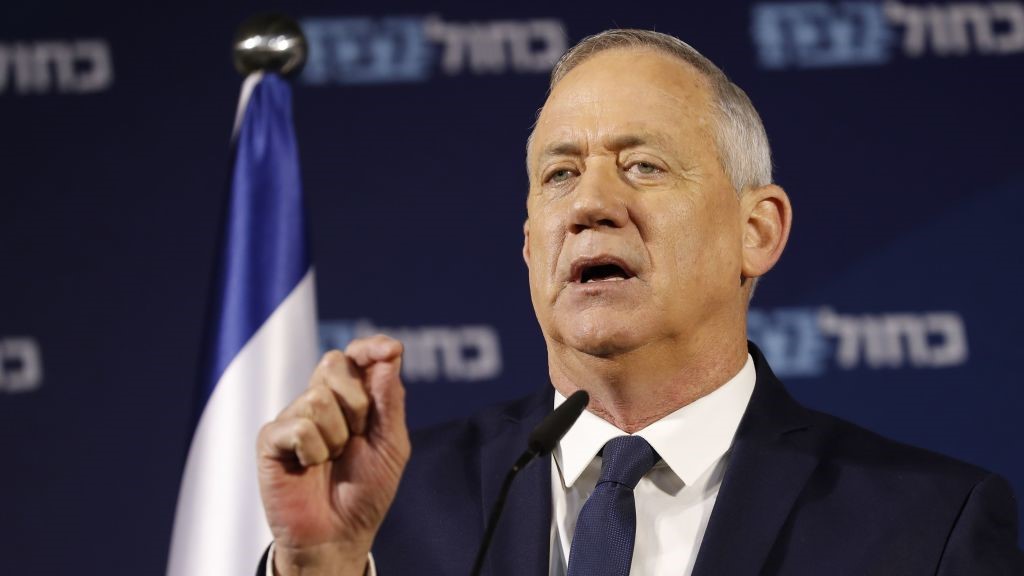
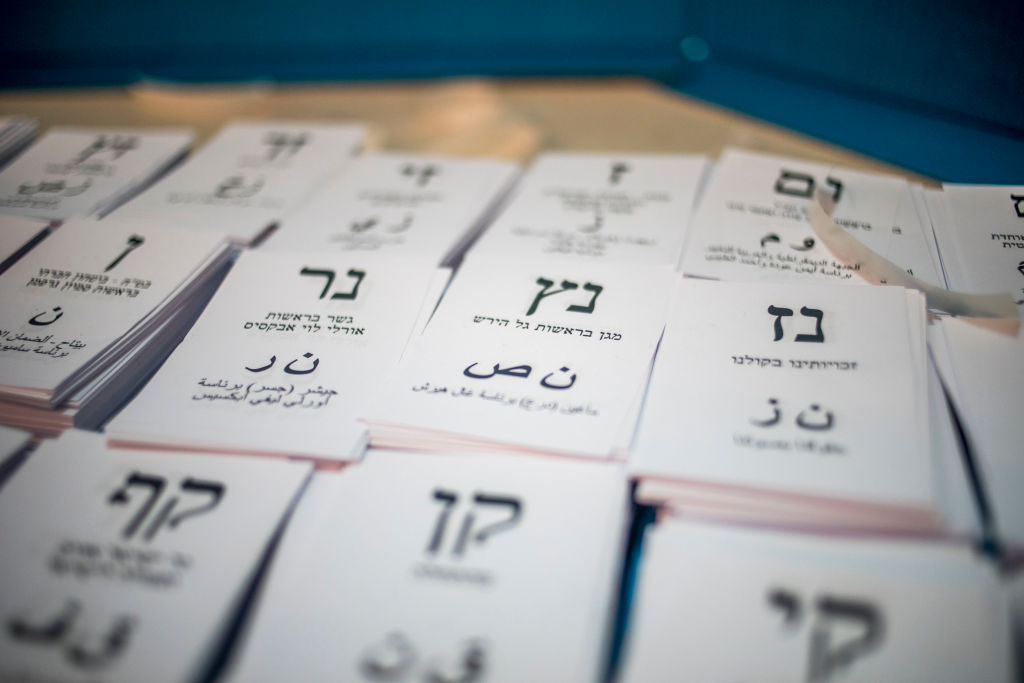
Jan.15, 2020 was the last date to submit electoral “lists” for the Israeli election scheduled for March 2. A flurry of parties on both ends were registered in the days before the Jan. 15 deadline, and some of their leaders may well be part of and influence the Israeli government that will (eventually) be formed.
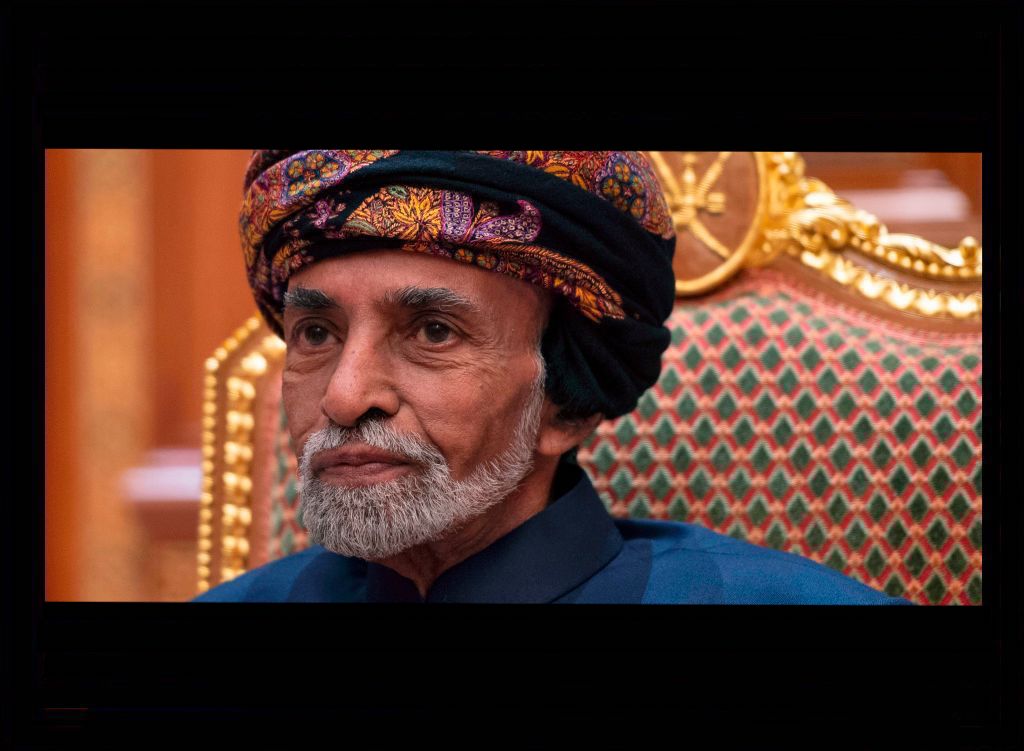
The passing of Sultan Qaboos bin Said al-Said on Jan. 10 truly marks the end of an era.