Hezbollah Deputy Leader Expresses Gratitude to Iran and Syria
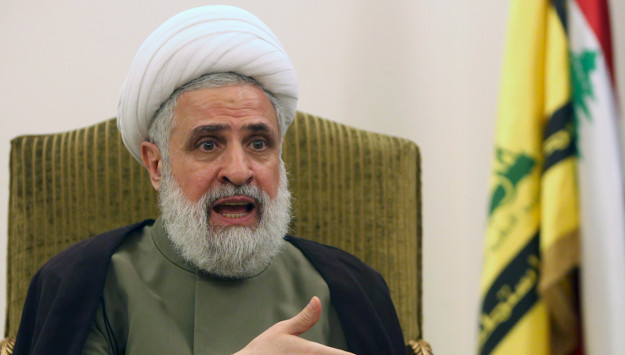
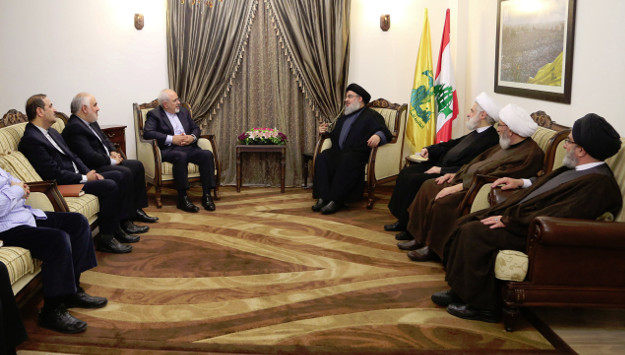
The deputy head of Lebanon’s Hezbollah organization, Naim Qassem, has again come out to remind a skeptical Lebanese population about reasons why the militant group has intervened in the Syrian conflict. According to Qassem, Hezbollah’s approach is “non-interference in the affairs of other countries” but
Six Challenges to U.S.-Israel Relations under Trump
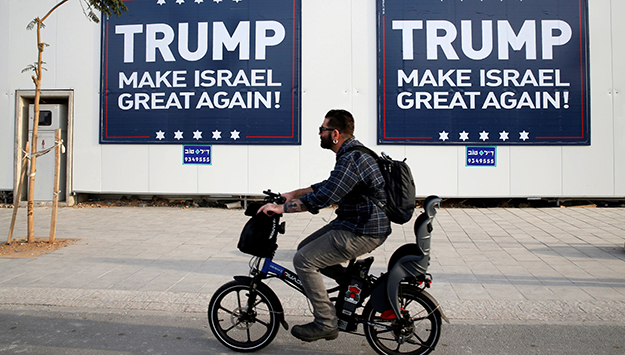
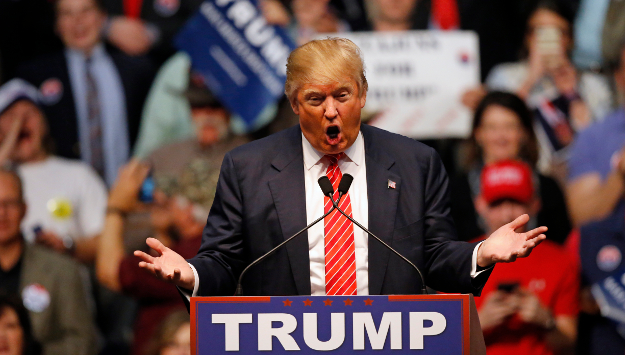
In the early 2000s, the Bush administration’s global ratings were at historic lows. There was only one allied country in which public opinion was favorable to U.S. policies—Israel. Like its citizenry, the Israeli government was strongly supportive of “the freedom agenda,” “the global war on terror,” and the need to eradicate “the axis of evil.” A decade later, President Donald Trump’s inauguration created a very similar effect, winning overwhelming governmental support and backed by a majority of Israelis.
Weekly Briefing: Confirmation Hearings, Syria Peace Talks, and OPEC
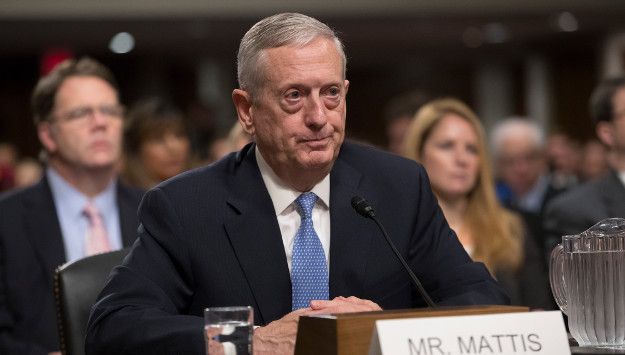
In this week’s briefing, MEI experts Gerald Feierstein, Robert S. Ford, Yousef Munayyer, Eran Etzion, and Ruba Husari provide analysis on recent and upcoming events including the ongoing confirmation hearings for key members of the incoming administration’s foreign policy team, the upcoming Syria talks, the recently convened Paris talks on Israel and Palestine, and OPEC’s assessment of its agreement to cap oil output.
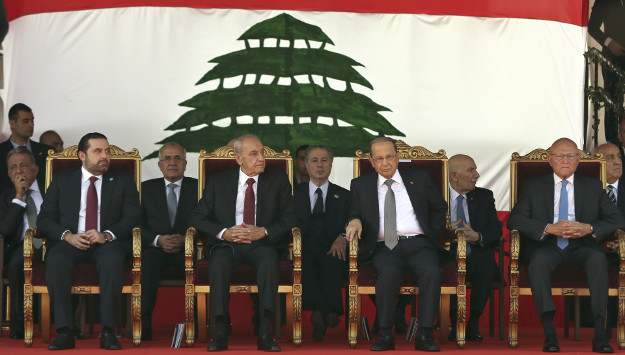
Lebanon’s Government Should Lay the Groundwork for Fairer Representation and Accountability
The Lebanese parliamentary electoral system is the worst in the world. It ensures that a small sectarian oligarchy can monopolize control of parliament and state power, and it sets impossible obstacles to the rise of new political parties and alternative leadership. The necessary remedy is to introduce proportional representation, either through the mixed system proposed by the National Electoral Law Commission headed by Fouad Boutros in 2006, or through other variations proposed by a number of groups since then.
Iran Steps up Efforts to Expand Its Influence in Lebanon
On January 6, a high-level Iranian parliamentary delegation visited Beirut and pledged to provide military aid to the Lebanese army. Alaeddin Boroujerdi, the chairman of Iranian Parliament’s Committee for Foreign Policy and National Security, said the Islamic Republic was “determined to arm Lebanon’s army,” but added that the implementation of the plan was contingent upon Beirut’s approval.
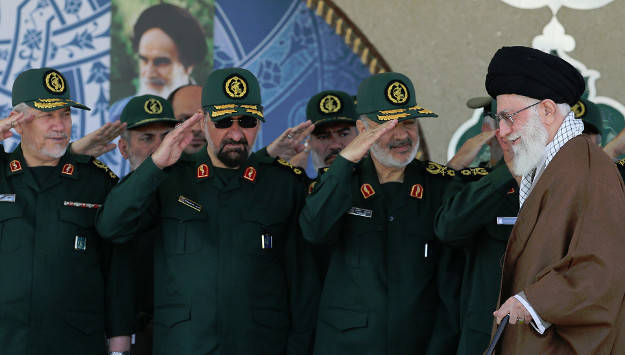
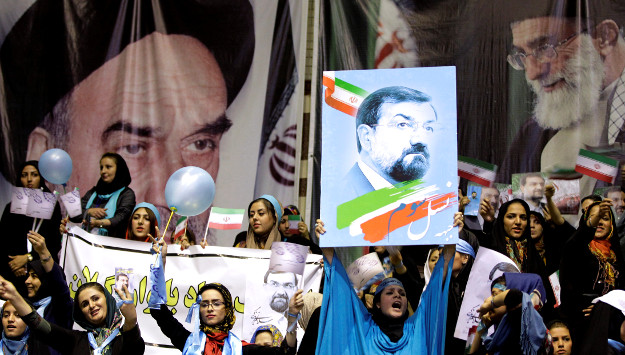
News Brief:Mohsen Rezaei, the long-time former head of the Islamic Revolution Guards Corps (IRGC), has launched a scathing attack on the government of President Hassan Rouhani and its pol
The long, turbulent history of Lebanese cinema is one fraught with financial precariousness, thwarted potentials, and colonialist impediments. Fighting for decades to break away from the hegemony of Egyptian cinema, Lebanon finally came of age in the 1960s and 1970s, reaching a peak with a series of hugely popular mainstream flicks that included the popular Rahbani/Fairuz folk musicals. The rise of what was once deemed as the most exciting Arab cinema at the time proved to be short lived, coming to a premature halt with the outbreak of the Lebanese Civil War.
From Conflict-insensitive to Conflict-driven Aid: Responding to the Syrian Refugee Crisis in Lebanon
In part due to a broader move from an emergency to development-based approach and due to pressure from central Lebanese government authorities, the humanitarian effort has now been coupled, since mid-2014, with one that takes into greater account the needs of local host communities alongside those of refugees. This traces the way in which tensions between hosts and refugees have become increasingly central to the development and execution of aid projects aimed at community-level support. The author argues that this has important consequences that may actually incentivize the tensions it aims to alleviate.
New to the Oman Library’s shelves is a distinct collection, donated by Sallie Lewis on behalf of her late husband, Ambassador Samuel Lewis. This new addition brings a unique set of stories to the library, with many works containing signatures and personal notes from well known figures who worked closely with the ambassador during his career in the foreign service.
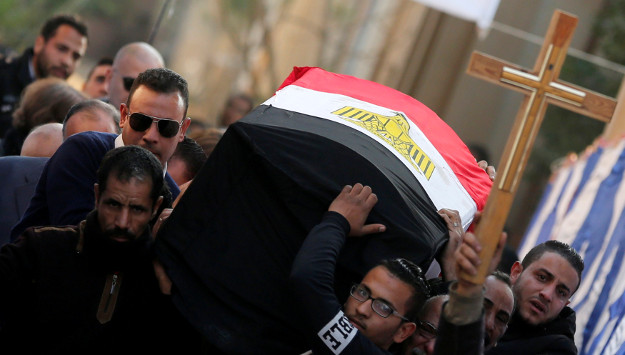
Monday Briefing: Egypt Faces New Wave of Terrorist Attacks
In this week’s Monday Briefing, MEI experts Paul Salem, Randa Slim, Charles Lister, Jean-François Seznec, Eran Etzion, and Marvin G. Weinbaum provide analysis on recent and upcoming events including yesterday’s terrorist attack on the Coptic Christian Cathedral in Cairo, the Sryian regime’s progress in retaking Aleppo, the continued threat presented by ISIS, the potential selection of Rex Tillerson as the next Secretary of State, Ash Carter’s farewell trip to Israel, and new Congressional pressure for Pakistan to crack down on the Haqqani Network.
Toward a Regional Framework for the Middle East: Takeaways from other Regions
Regional Cooperation Series
This Policy Paper is part of the Middle East Institute’s Regional Cooperation Series. Throughout 2016, MEI will be releasing several policy papers by renowned scholars and experts exploring possibilities to foster regional cooperation across an array of sectors. The purpose is to highlight the myriad benefits and opportunities associated with regional cooperation, and the high costs of the continued business-as-usual model of competition and intense rivalry.
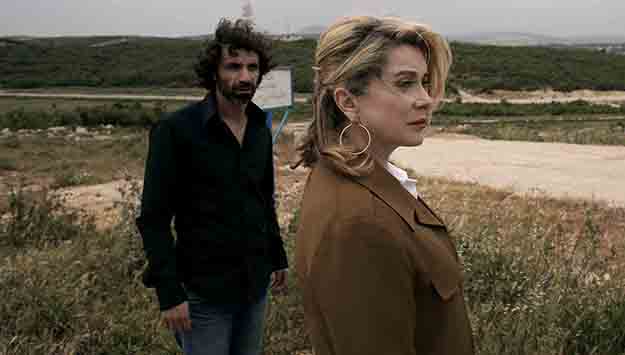
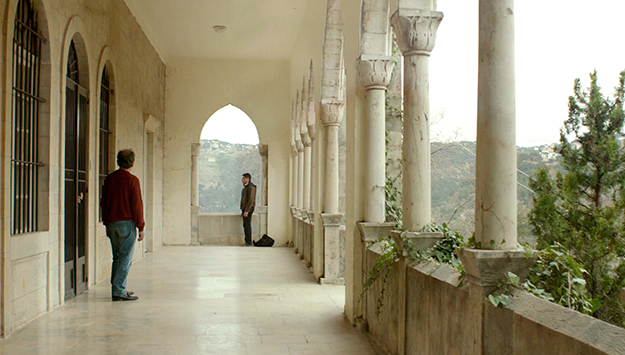
Countless films have been made about the Lebanese Civil War, the dominant subject of Lebanese cinema for the past 40 years. But in Vatche Boulghourjian’s striking debut film Tramontane, he wanted to tell a different story and tackle the lingering legacy of the civil war.
Briefing: Middle East Reactions to the U.S. Election
In this special edition of our weekly briefing, MEI experts Paul Salem, Robert S. Ford, Eran Etzion, Gonul Tol, Alex Vatanka, and Gerald Feierstein provide analysis on the impact of Donald Trump’s victory in the U.S. Presidential Election on the future of Middle East policy, its particular effect on the crises in Iraq and Syria, and how the news has been received across the region, including in Turkey, Iran, and the GCC.