Iran and Russia: A tale of unfulfilled economic potential
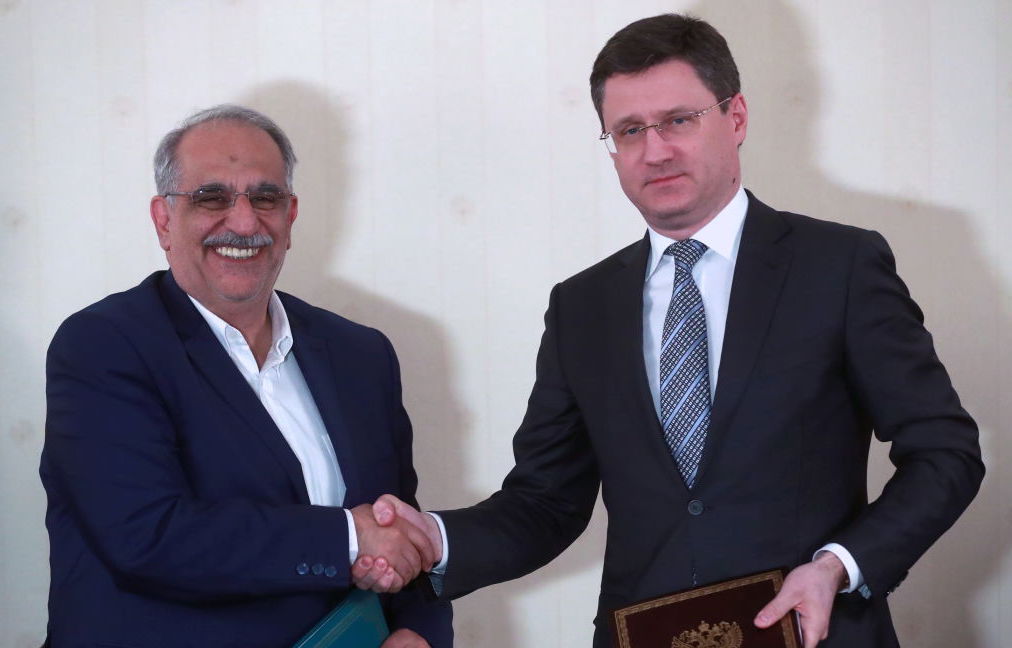
The outbreak of a Russian-Saudi oil price war earlier this month might offer some comfort to Iran, a country which has in recent years become unnerved by the increasingly close ties between Moscow and Riyadh. However, it is premature to see an Iranian geopolitical win emerging from the Russian-Saudi spat, and history should give Tehran plenty of reservations about Moscow’s ability to deliver on its economic promises to Iran. While Iran and Russia will likely continue to pay lip-service to the idea of an economic partnership, each side will remain preoccupied with larger concerns. This is a tale of unfulfilled economic potential.
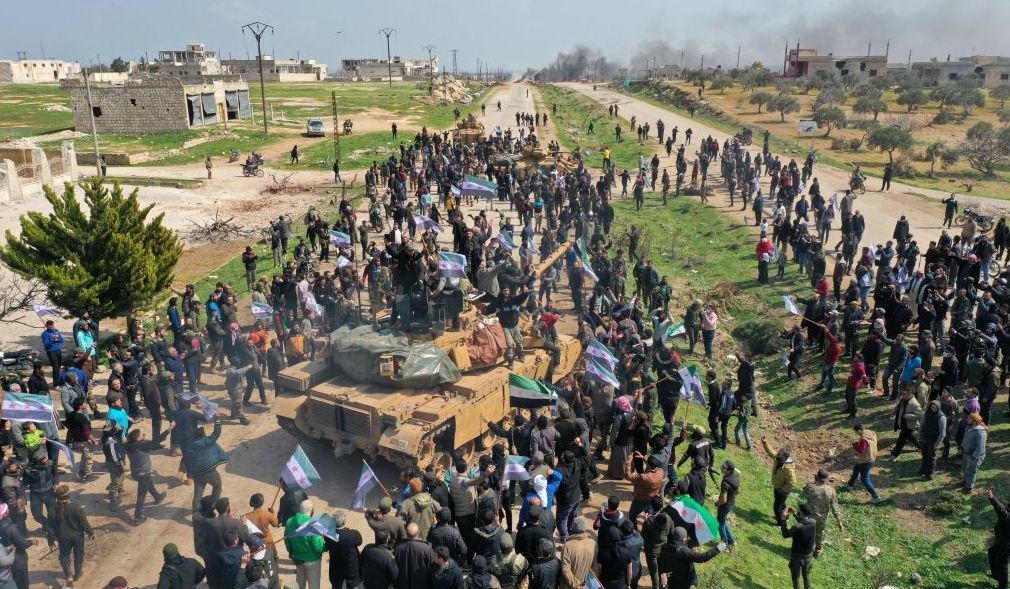
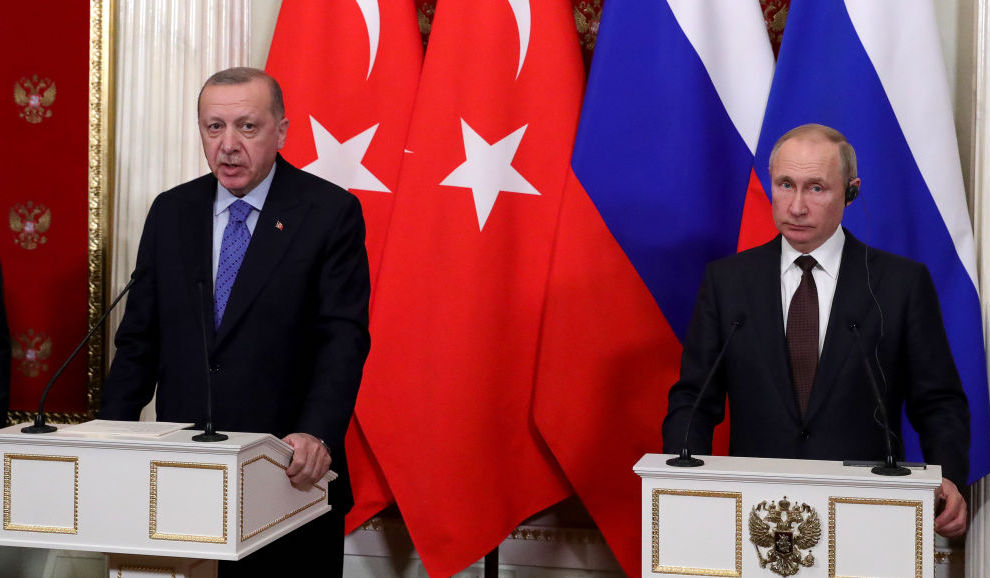
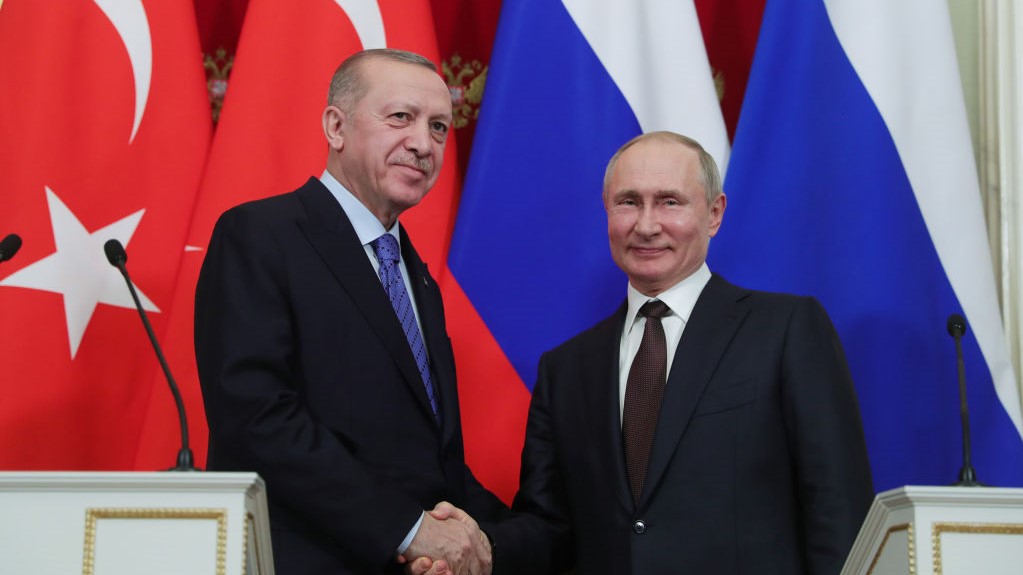
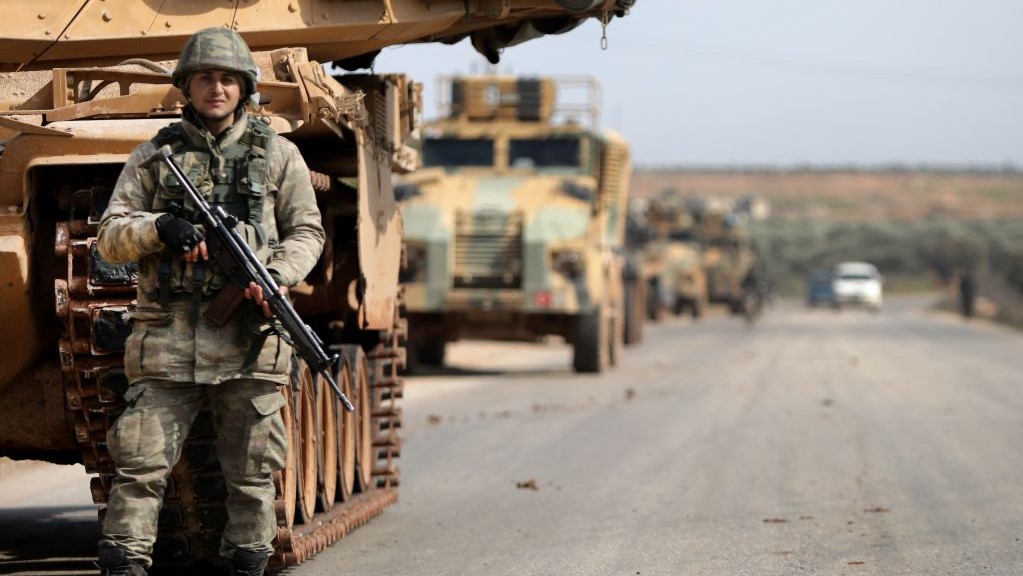
In changing the balance of power on the ground and forcing hostilities to a stalemate, Turkey’s military intervention in Idlib had produced its desired effect. On March 5, Vladimir Putin and Erdogan sat together for six hours and announced to the world a comprehensive cease-fire and the establishment of a secure corridor spanning six kilometers on the north and south sides of the M4 highway.
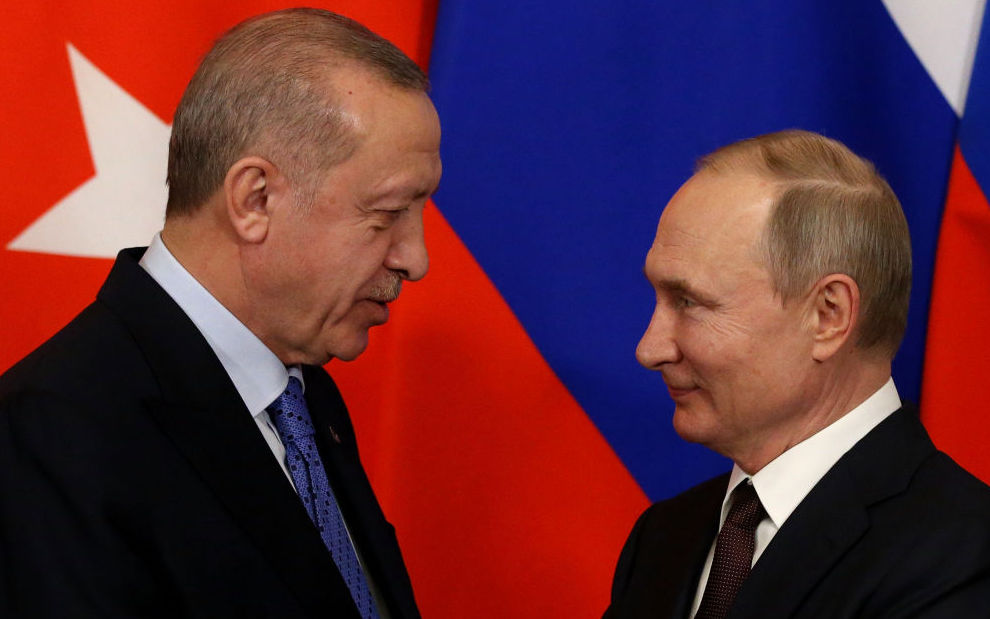
After Turkish President Recep Tayyip Erdogan hammered out a deal with his Russian counterpart Vladimir Putin on March 5 to bring an end to the fighting in Idlib in northwestern Syria, he said he was hopeful that the two countries could extend their cooperation to Libya.
The United States has missed a valuable opportunity to use its influence in Iraq to encourage the government to implement the reforms Iraqi protesters have been demanding over the past six months and push back on Iran.
Turkey and Russia agree to a cease-fire in Idlib, but will it hold?
In the past, similar cease-fire agreements ended shortly after they were announced and were followed by more fierce fighting that further consolidated the regime’s control.
Black Sea conflicts: Militarization and peacebuilding
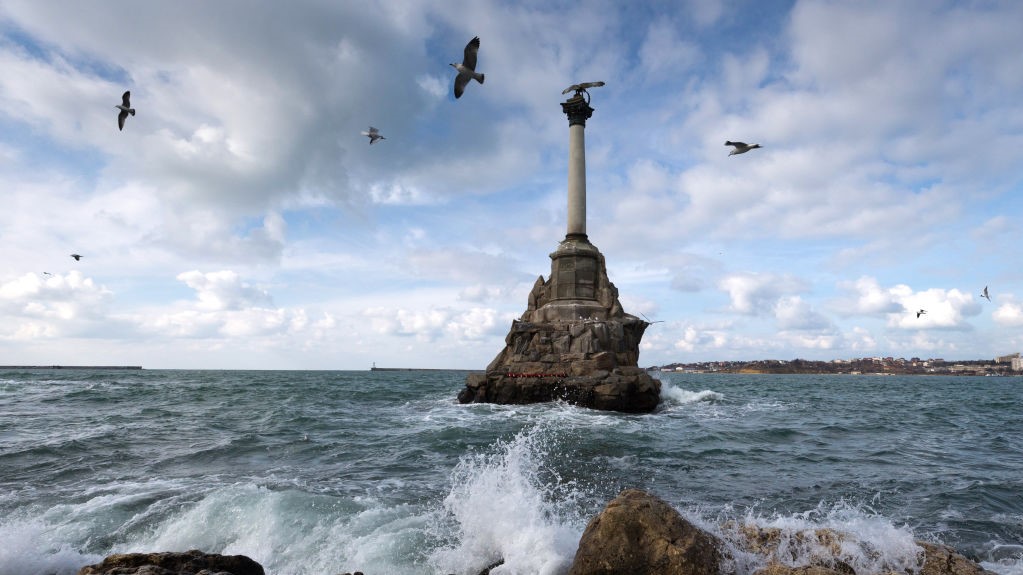
The sheer density of protracted conflicts in the Black Sea region makes it particularly exposed to the geopolitical ambitions of regional and global powers. The rapid militarization in Russia-controlled territories in recent years has only added fuel to the fire, dramatically increasing security concerns and underscoring the need for the West and its allies in the region to address the so-called frozen conflicts.
The president’s time: How US-Iran relations are out of sync
The Islamic Revolution of 1979 fundamentally transformed U.S.-Iran relations from a special relationship into an adversarial one. However, this has not prevented American presidents of both parties, from Ronald Reagan to Barack Obama, from reaching out to Tehran in the hope of a potential détente. There are many ideological, political, and economic factors behind the inability of Washington and Tehran to normalize their relations over the past four decades. One that has received little attention, however, is the cycle of U.S.
All eyes on Moscow as Erdogan and Putin meet for Syria talks
Turkish President Recep Tayyip Erdogan typically never misses an opportunity to appear in front of the cameras. But after the airstrike last week that killed dozens of Turkish soldiers in Syria’s Idlib Province, he was unusually quiet. The local governor of the south-eastern Turkish province of Hatay, just across the border from Idlib, did the talking instead, providing information to the outraged public about Turkey’s worst day in the Syrian conflict so far. As the death toll rose, so did the public anger.
As its air campaign in Idlib continues, Turkey looks unlikely to stand down
The scale of Turkey’s intervention will have shaken Moscow and the losses incurred by pro-regime forces are serious and will further strain a Syrian Army that was already overstretched.
Turkey is running out of options in Idlib Province and in Syria. Aggressively taking on a task that is beyond its capabilities, the government in Ankara now is faced with doubling down on a high-risk gamble, hoping someone, somewhere will believe its bluff, or saving Turkey and the area from worse destruction. There are two things the U.S could do, working together with the EU, NATO, and the UN.
A wake-up call: The Idlib crisis and its effects look set only to worsen
The death of at least 33 Turkish soldiers and wounding of 60 more in Syria’s Idlib on Thursday night was a game-changing development. The crisis there and its effects represent an existential threat to Turkish President Recep Tayyip Erdogan and for now, it appears likely that Turkey will remain alone in dealing with the crisis. That presents us with two possible scenarios, both bleak. If the world wants to avoid a true nightmare from becoming reality, it needs to wake up and get engaged.
Will Iran replace its presidency with a parliamentary system?
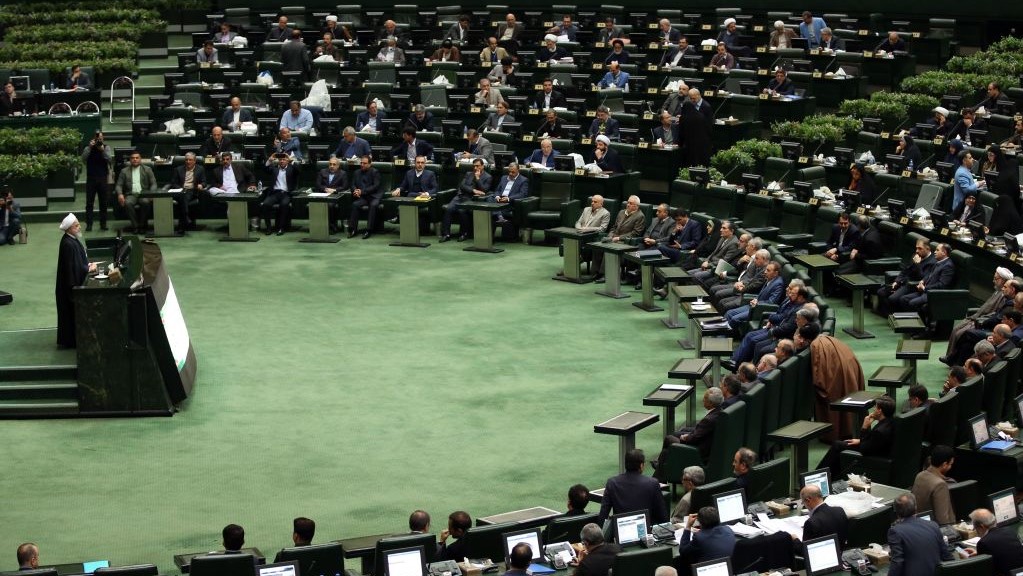
The results of Iran’s recent elections and preparations for the succession of Ayatollah Khamenei as supreme leader could mean that the topic of replacing Iran’s presidential system with a parliamentary one may very well be up for discussion again.