This text has been translated by AI and may contain errors.
Skip to Content

Research & Commentary Results

Filter by
2872 Results
South Korea’s “Yemeni Refugee Problem”
  • Analysis
  • South Korea’s “Yemeni Refugee Problem”

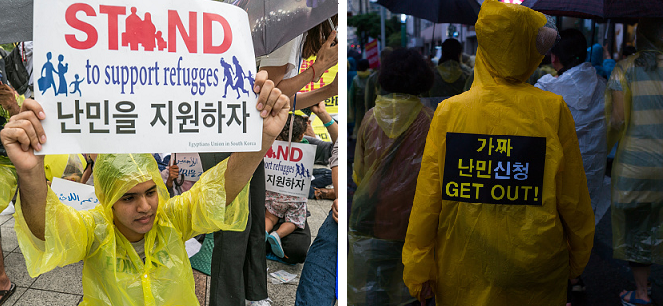
    South Korea’s experience with the current global refugee crisis began in 2018 with the arrival of around 550 Yemeni citizens on Jeju Island using the visa-free entry system. Before even developing a clear understanding of the asylum applicants, much of the Korean public hastily leaped to fearful conclusions about the new arrivals inspired by Europe’s experience with Islamic terrorism and populist anti-refugee rhetoric found in other countries. The impact of this discourse has brought significant attention and public concern regarding Muslim refugees in Korea. This article examines the Korean debate over accepting Yemeni refugees by detailing how the Korean public and government have responded since 2018. It traces the arrival of Yemeni refugees, how different Korean groups reacted, and concludes with a discussion of what efforts are needed to resolve the dispute.
    April 23, 2019

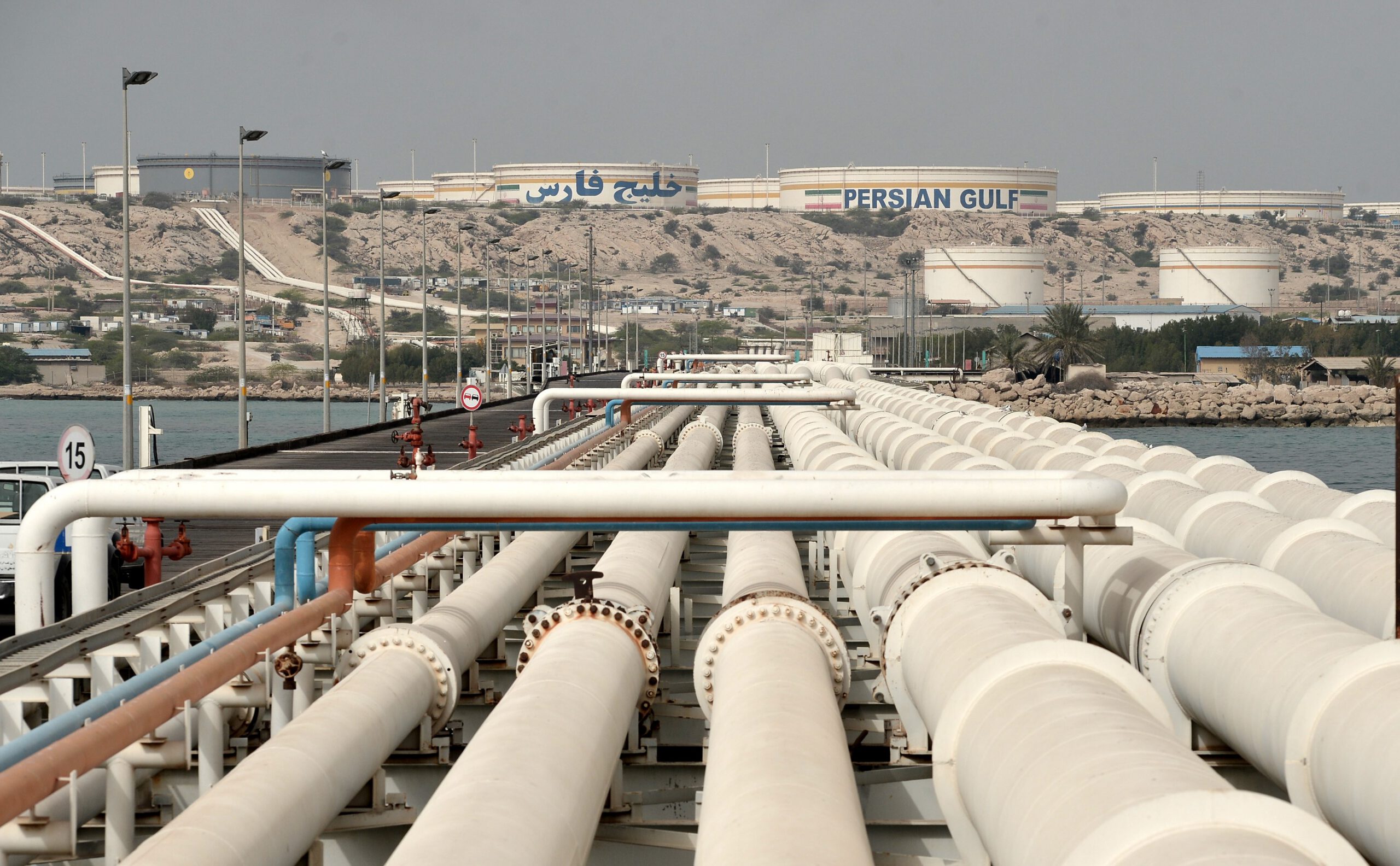
    Monday Briefing: US and key partners on course for conflict over Iran oil waivers
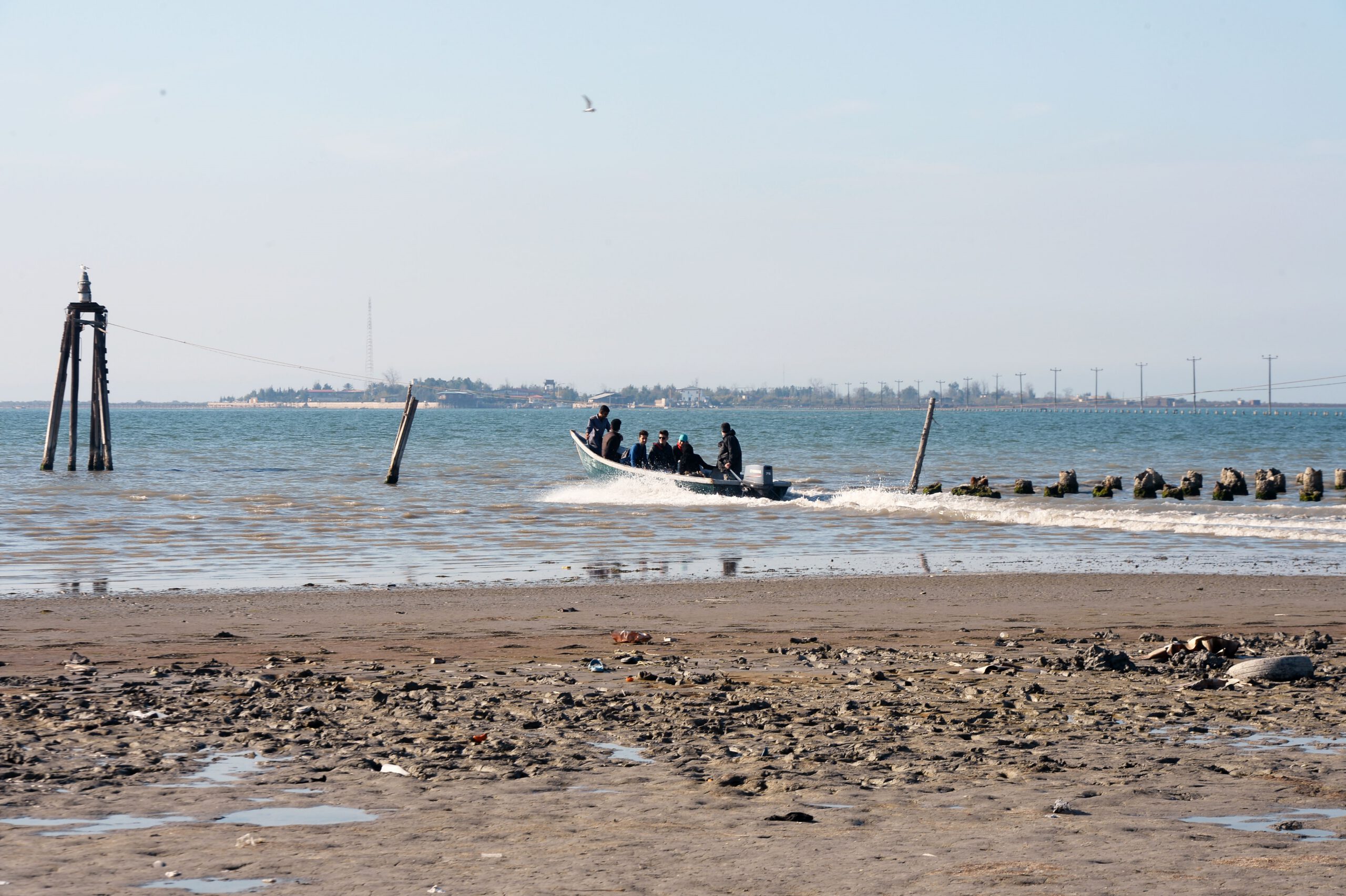
    Kharg Island Oil Terminal in Iran
  • Analysis
  • Monday Briefing: US and key partners on course for conflict over Iran oil waivers

    In this week’s Monday Briefing, MEI experts Gerald Feierstein, Marvin G. Weinbaum, Randa Slim, Emadeddin Badi, and Robert S. Ford provide analysis on recent and upcoming events including the US decision to end Iran oil waivers, the flagging Afghan peace process, Iraq’s evolving regional policy, the status of General Hifter’s offensive in Libya, and Russia’s maneuvering to control the upcoming Syria talks in Astana.

    “Two Hadramawts” emerge in a fractured Yemen
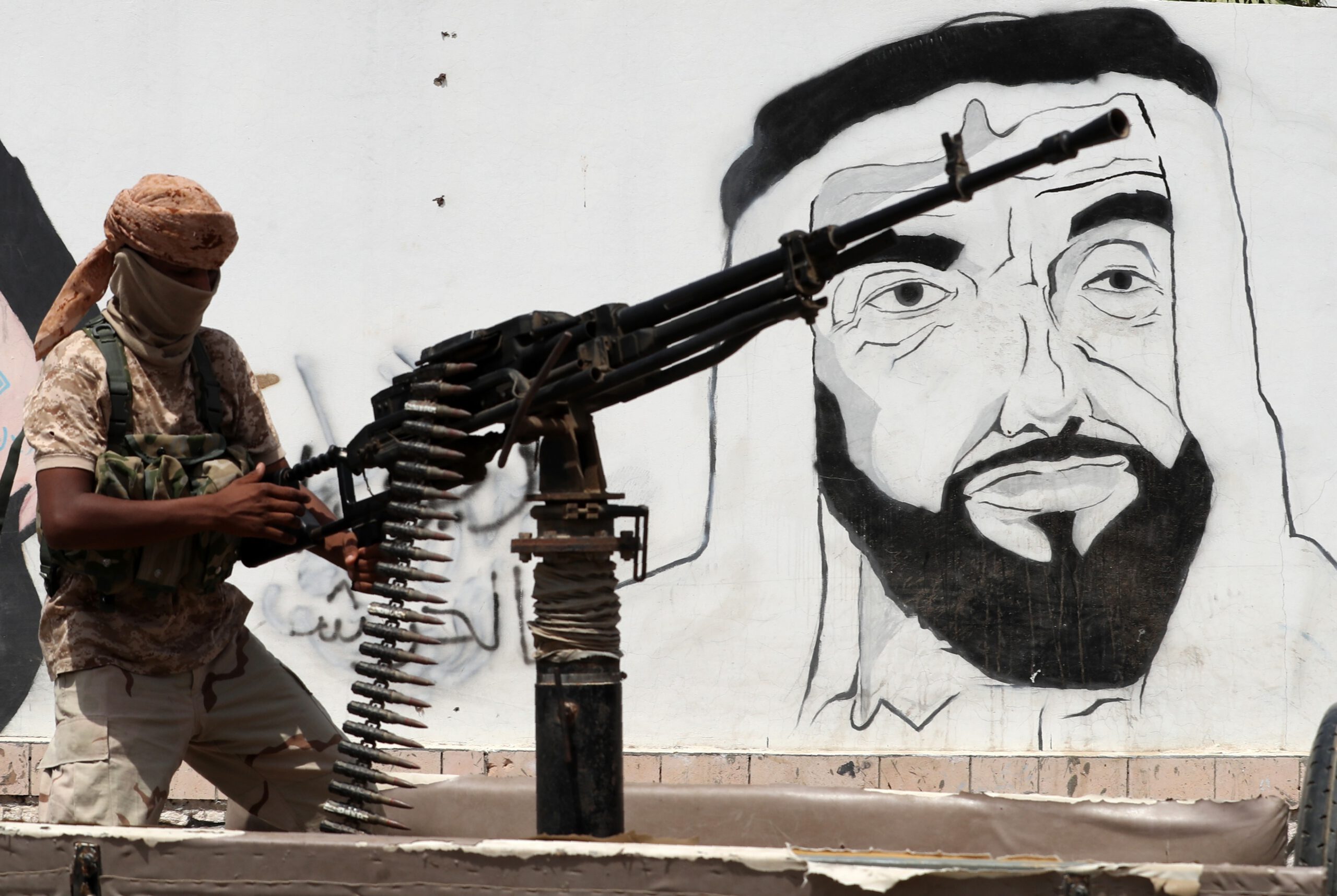
    A picture taken on August 8, 2018 during a trip in Yemen organised by the UAE's National Media Council (NMC) shows a soldier loyal to the Saudi and UAE-backed government, manning a machine gun mounted on a vehicle passing by a mural depicting the late UAE founder and president Sheikh Zayed bin Sultan al-Nahyan, along a street in the southeastern port city of Mukalla, the capital of Hadramawt province.
  • Analysis
  • “Two Hadramawts” emerge in a fractured Yemen

    Yemen’s strategic and oil-rich eastern governorate of Hadramawt stands at a critical turning point, as feuds between competing political and military groups are coming to a head. While the UAE and Saudi Arabia are likely to reach a political compromise, local political groups and militias may not so agreeable.

    April 22, 2019

    US sanctions and the future of Turkish-Iranian energy ties
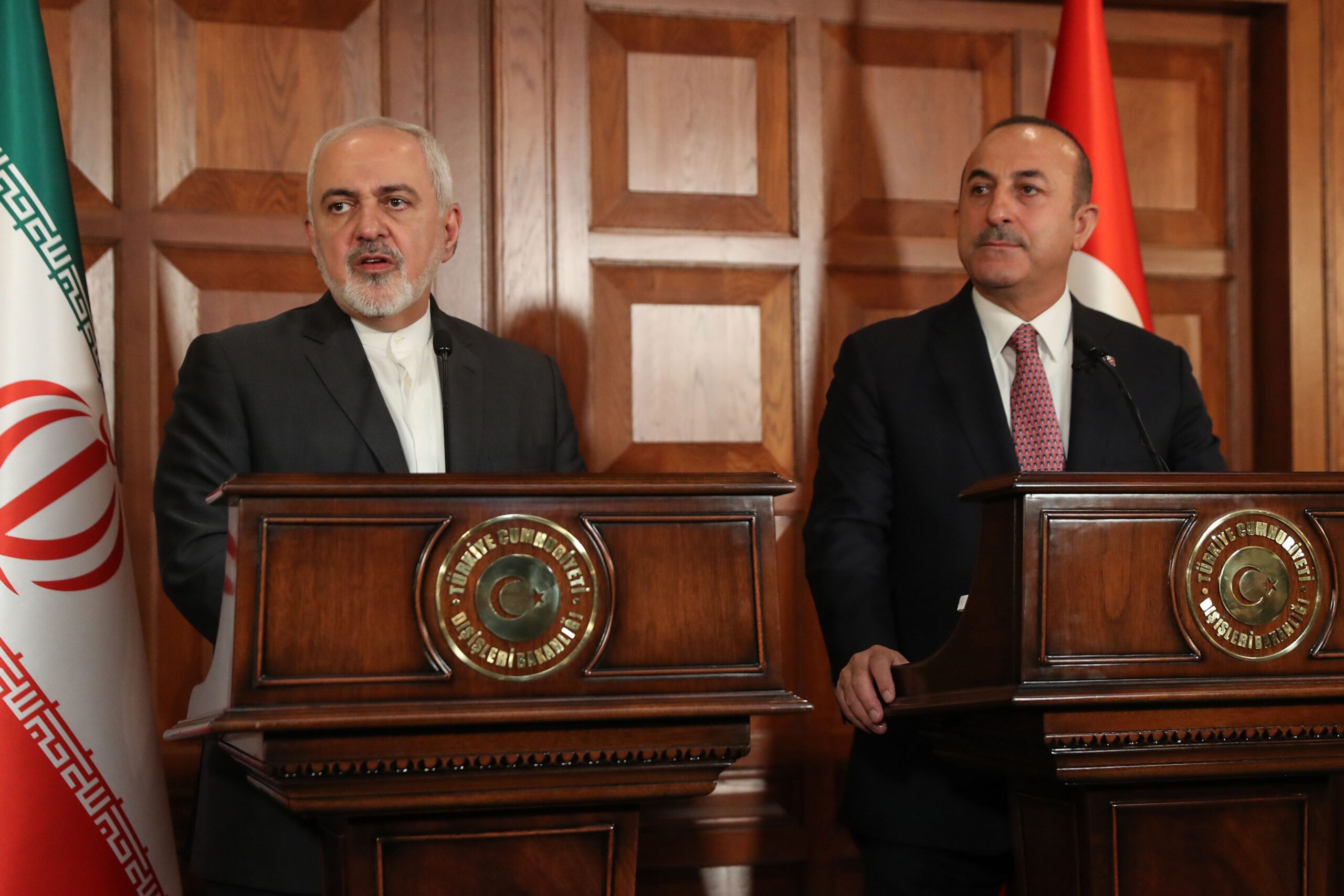
    Turkish Foreign Minister Mevlut Cavusoglu (R) and Iranian Foreign Minister Mohammad Javad Zarif (L) give a press conference in Ankara, Turkey, on April 17, 2019.
  • Analysis
  • US sanctions and the future of Turkish-Iranian energy ties

    Iran’s huge hydrocarbons reserves and Turkey’s growing demand for oil and gas seem to suggest great potential for energy collaboration. US sanctions and pricing disputes, however, limit and complicate the prospects of such a partnership.

    April 17, 2019

    Monday Briefing: New Arab uprisings echo earlier revolts
  • Analysis
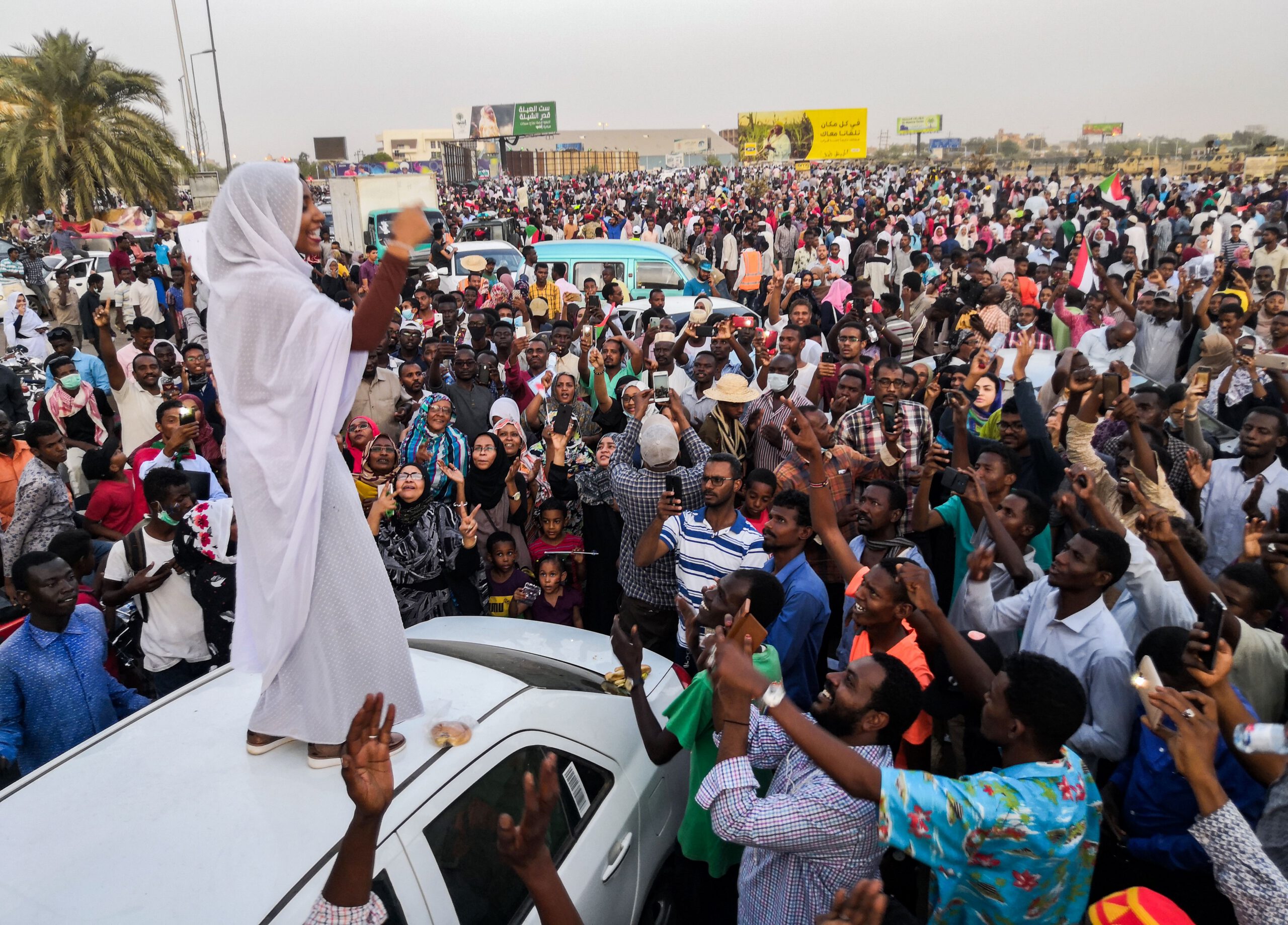
  • Monday Briefing: New Arab uprisings echo earlier revolts

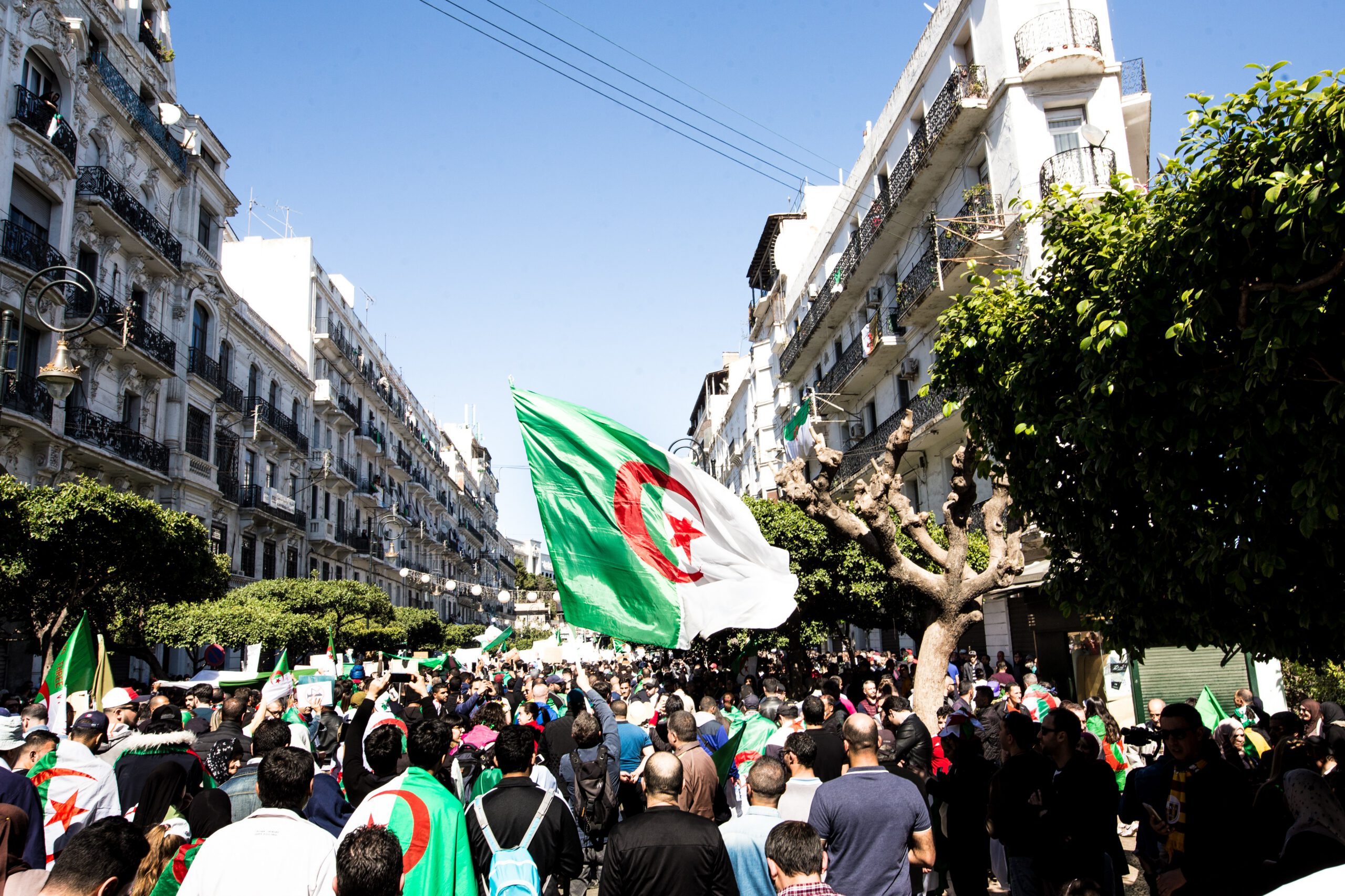
    In this week’s Monday Briefing, MEI experts Paul Salem, Jonathan M. Winer, Robert S. Ford, Mirette F. Mabrouk, and Charles Schmitz provide analysis on recent and upcoming events including the current uprisings in Algeria and Sudan, General Hifter’s effort to take Tripoli, the hirak protest movement in Algeria, the strategic partnership between Egypt and the U.S., and cracks in the coalition of President Hadi in Yemen.

    New Arab uprisings echo earlier revolts

    Paul Salem
    President

    US designates IRGC as a terrorist organization
    Middle East Institute
  • Podcast
  • US designates IRGC as a terrorist organization

    MEI Senior Fellow Alex Vatanka and Omar Al-Nidawi, a Middle East analyst focusing on Iraqi political, security and energy affairs, join host Alistair Taylor to discuss what the designation means in practical terms, how Tehran has responded, and its implications for the region going forward.

    April 12, 2019

    Iran’s Zarif Can’t Catch a Break
  • Analysis
  • Iran’s Zarif Can’t Catch a Break

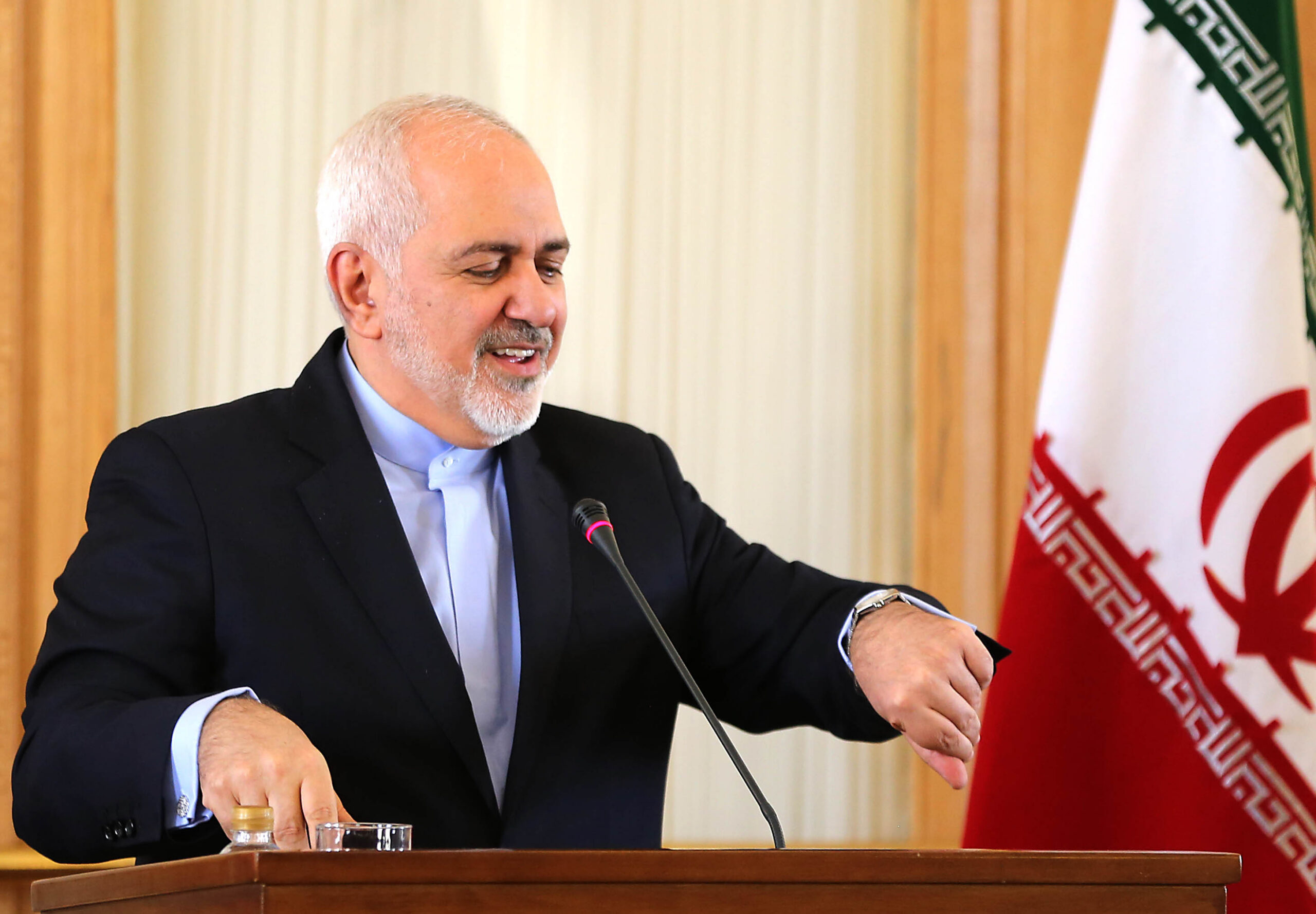
    On April 8, the Trump administration designated the Islamic Revolutionary Guard Corps (IRGC), Iran’s elite military force, as a foreign terrorist organization. The reaction in Tehran was stern and swift.

    Monday Briefing: US IRGC terrorist designation and the view from Tehran
  • Analysis
  • Monday Briefing: US IRGC terrorist designation and the view from Tehran

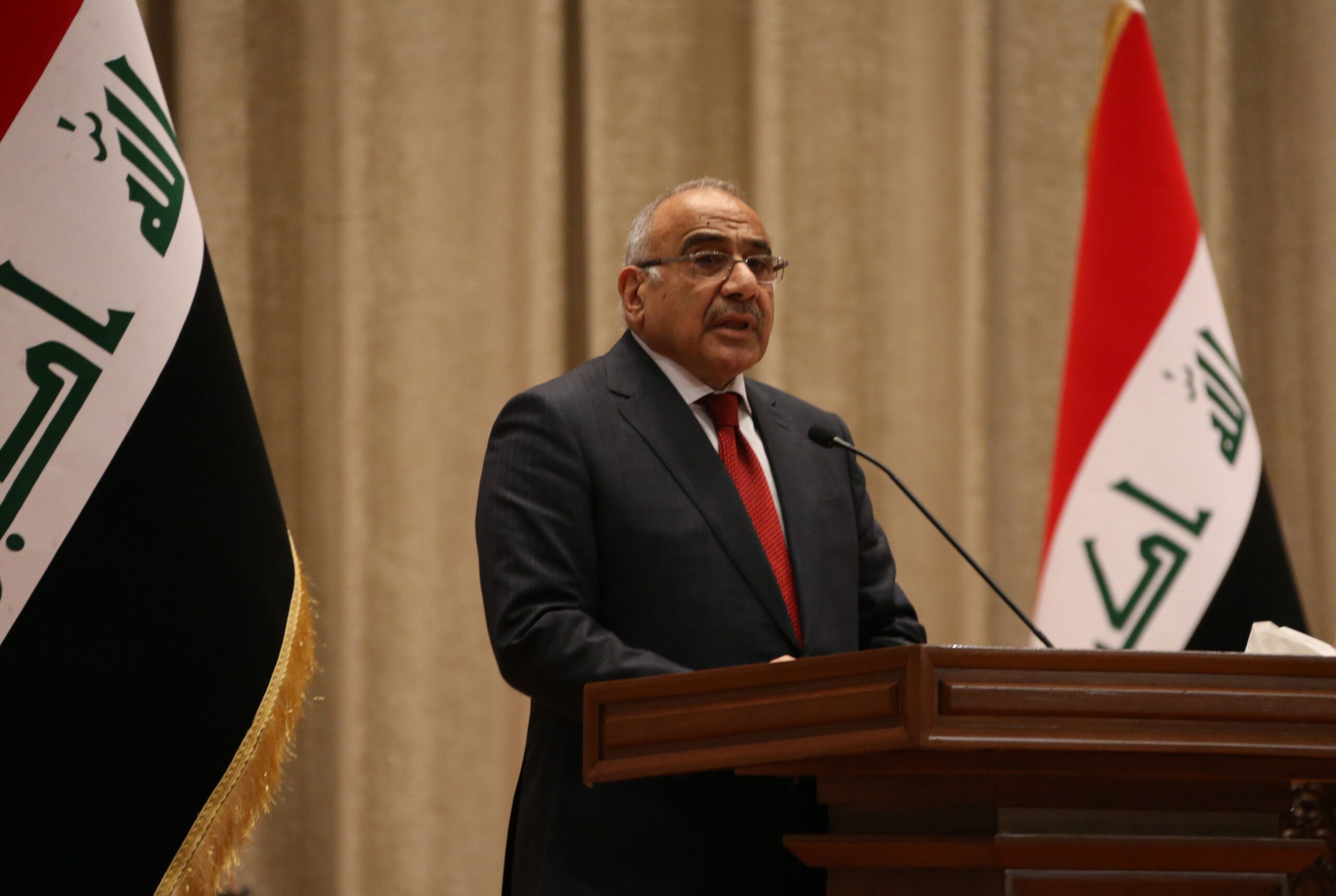
    In this week’s Monday Briefing, MEI experts Alex Vatanka, Emadeddin Badi, Yousef Munayyer, Randa Slim, and Shahrokh Fardoust provide analysis on recent and upcoming events including the IRGC’s designation as a terrorist group, the battle for control of Tripoli in Libya, the impact of Israel’s elections on the Palestinian crisis, Iraqi PM Abdul-Mahdi’s first official visit to Iran, and the spring meetings of the World Bank and IMF in DC.

    Monday Briefing | Iraq: Outreach abroad, but troubles at home
  • Analysis
  • Monday Briefing | Iraq: Outreach abroad, but troubles at home

    In this week’s Monday Briefing, MEI experts Randa Slim, Charles Lister, Gerald Feierstein, and Paul Salem provide analysis on recent and upcoming events including Iraqi Prime Minister Abdul-Mahdi’s first foreign trip to Egypt, the future threat posed by ISIS, Israeli Prime Minister Benjamin Netanyahu’s AIPAC meeting in Washington, and Secretary of State Mike Pompeo’s visit to Lebanon.

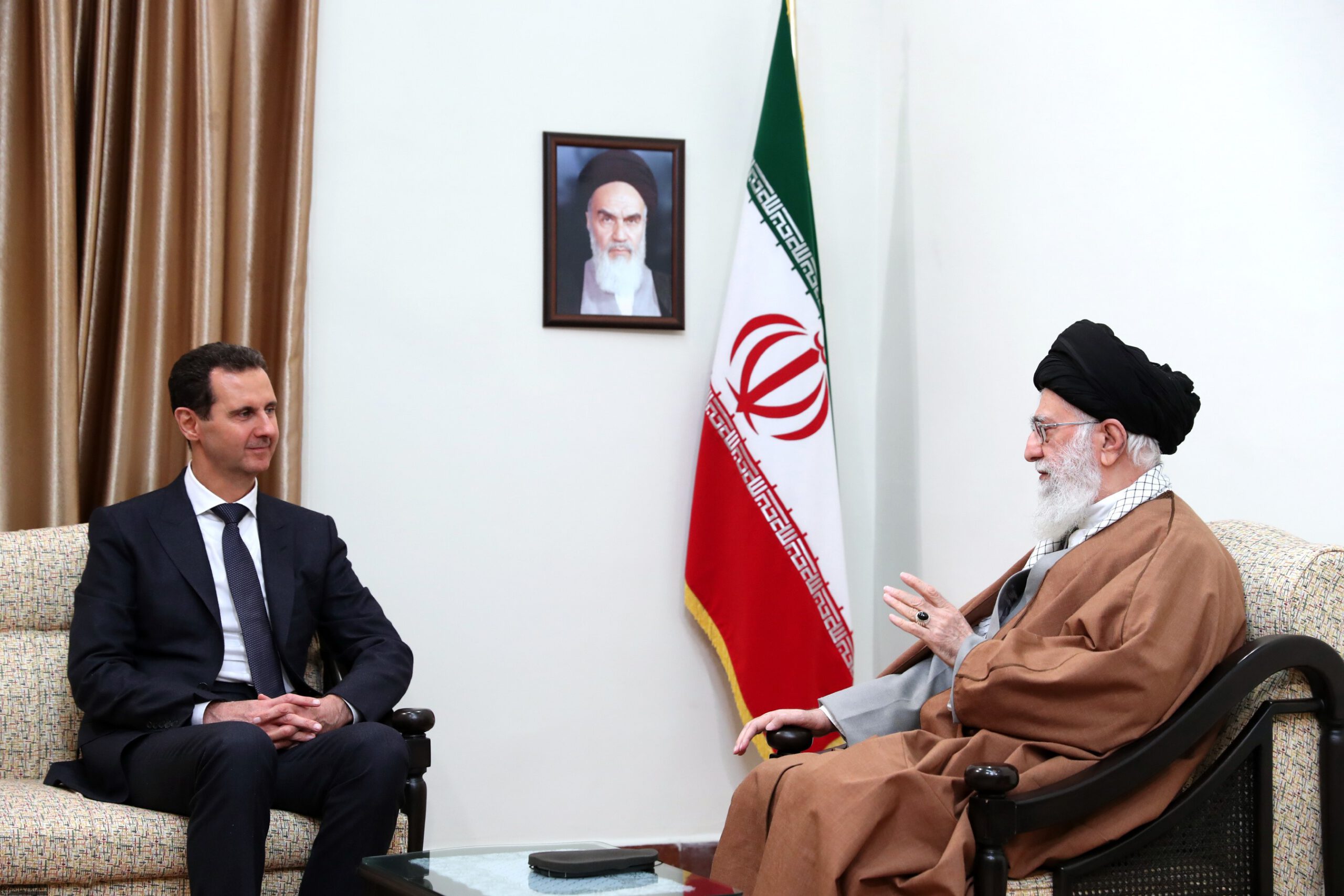
    The unlikely marriage between Damascus and Tehran
    Iran's religious leader Ayatollah Ali Khamenei meets Syrian leader Bashar al-Assad in Tehran, Iran on February 25, 2019.
  • Analysis
  • The unlikely marriage between Damascus and Tehran

    That the relationship between the Ba’ath regime in Syria and the ayatollahs of the Islamic Republic is one of loveless realpolitik is no secret to anyone with a passing familiarity with the history of Damascus-Tehran ties. The end of the war in Syria has already begun to expose faults in the unlikely marriage between a militant secular Arab regime rooted in the independence politics of the colonial era and the revolutionary rule of the wilayat al-faqih.

    March 21, 2019

    Monday Briefing: Algeria's political crisis is deepening
  • Analysis
  • Monday Briefing: Algeria's political crisis is deepening

    In this week’s Monday Briefing, MEI experts Robert S. Ford, Paul Salem, Marvin G. Weinbaum, Wa’el Alzayat, and Alex Vatanka provide analysis on recent and upcoming events including Algeria’s ongoing political crisis, the 16th anniversary of the U.S.-led invasion of Iraq, criticism of the U.S.-Taliban talks by Afghanistan’s national security advisor, international fundraising efforts to aid Syria, and Iranian President Hassan Rouhani’s fading political clout.

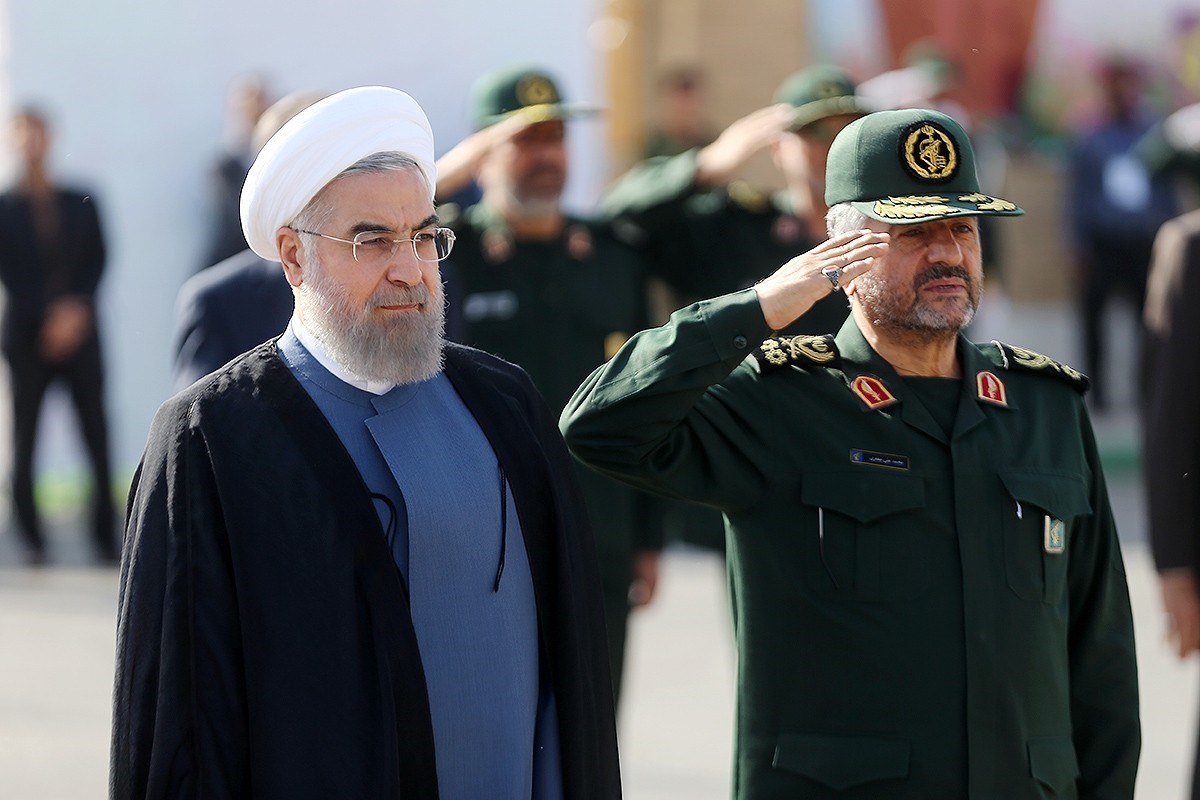
    Monday Briefing: Iran's Rouhani heads to Baghdad
  • Analysis
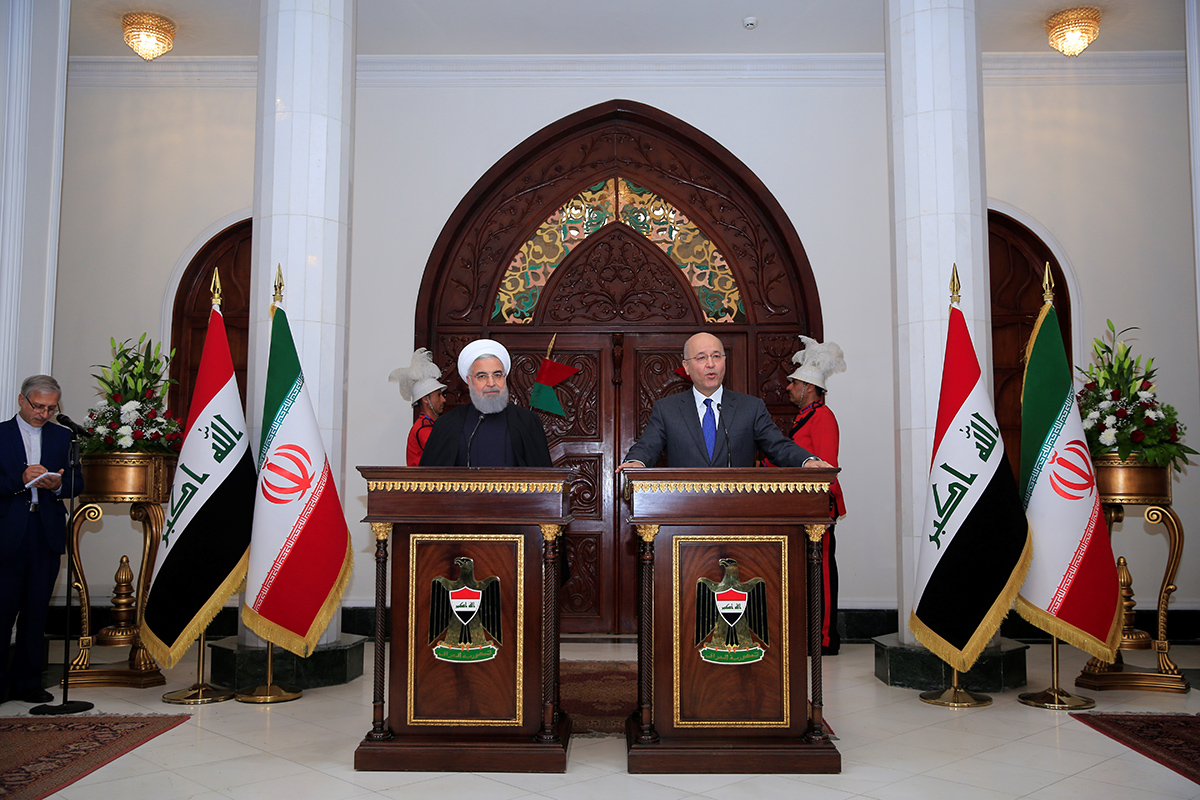
  • Monday Briefing: Iran's Rouhani heads to Baghdad

    In this week’s Monday Briefing, MEI experts Randa Slim, Robert S. Ford, Marvin G. Weinbaum, James P. Farwell, Emadeddin Badi, Guney Yildiz, and Jean-François Seznec provide analysis on recent and upcoming events including Iranian President Hassan Rouhani’s visit to Baghdad, reconstruction efforts in Syria, the crackdown on militant Islamists in Pakistan, Iran’s cyber attack capabilities, upcoming elections in Libya, Turkish-Egyptian tensions, and Qatar’s $12B loan from bond markets.

    The art of (another) deal with Iran
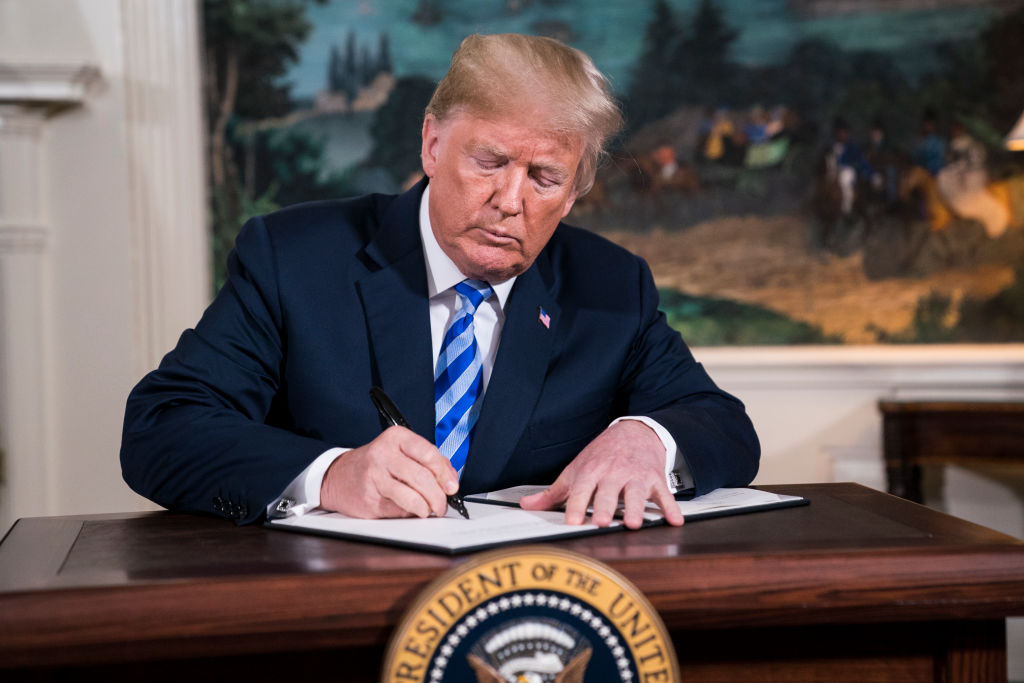
    President Donald J. Trump signs a National Security Presidential Memorandum as he announces the withdrawal of the United States from the Iran nuclear deal during a 'Joint Comprehensive Plan of Action' event in the Diplomatic Reception Room of the White House on Tuesday, May 08, 2018 in Washington, DC.
  • Analysis
  • The art of (another) deal with Iran

    Both the U.S. State Department and the American intelligence community have concluded that President Trump’s “maximum pressure” policy toward Iran is not working. Yet, Trump seems determined to carry on. To achieve its stated goal of changing Iran’s policies, the U.S. should adopt a more proportional approach that focuses on Tehran’s most threatening actions, such as its ballistic missile tests.

    March 11, 2019

    US foreign policy towards the Middle East: Pumping air into a punctured tire
  • Analysis
  • US foreign policy towards the Middle East: Pumping air into a punctured tire

    Theorizing the future of the Arab Gulf states and the broader Middle East requires a proper assessment of the state of power distribution in the region. Is there a new balance of power emerging in the Middle East, or is the distribution of power heading in a more dangerous direction?