Monday Briefing: Regional reverberations of the Sudan-Israel announcement
This week’s briefing on recent news and upcoming events in the region featuring Paul Salem, Jonathan M. Winer, Gonul Tol, Mohammed Soliman, Marvin G. Weinbaum, Elizabeth Dent, Mirette F. Mabrouk, and Robert S. Ford.
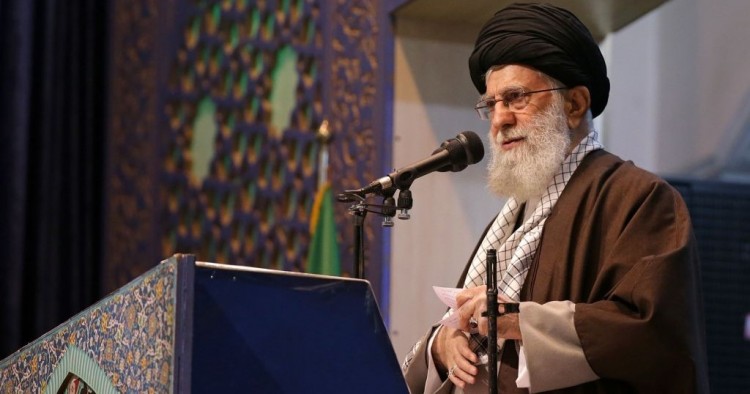
With the latest polls suggesting a likely victory for the Democrats in the November U.S. presidential elections, a looming foreign policy crisis awaits a potential Biden administration: escalating tensions with Iran. While the Democrats’ “diplomacy first” approach has won praise across the Atlantic as the solution to deescalating tensions with Tehran, this Western-centric view ignores the changing reality on the ground in Iran. If Biden thinks he can return to the 2015 status quo, he may be in for a surprise.
Regional transit trade isn’t enough to drive Pakistan’s Gwadar Port
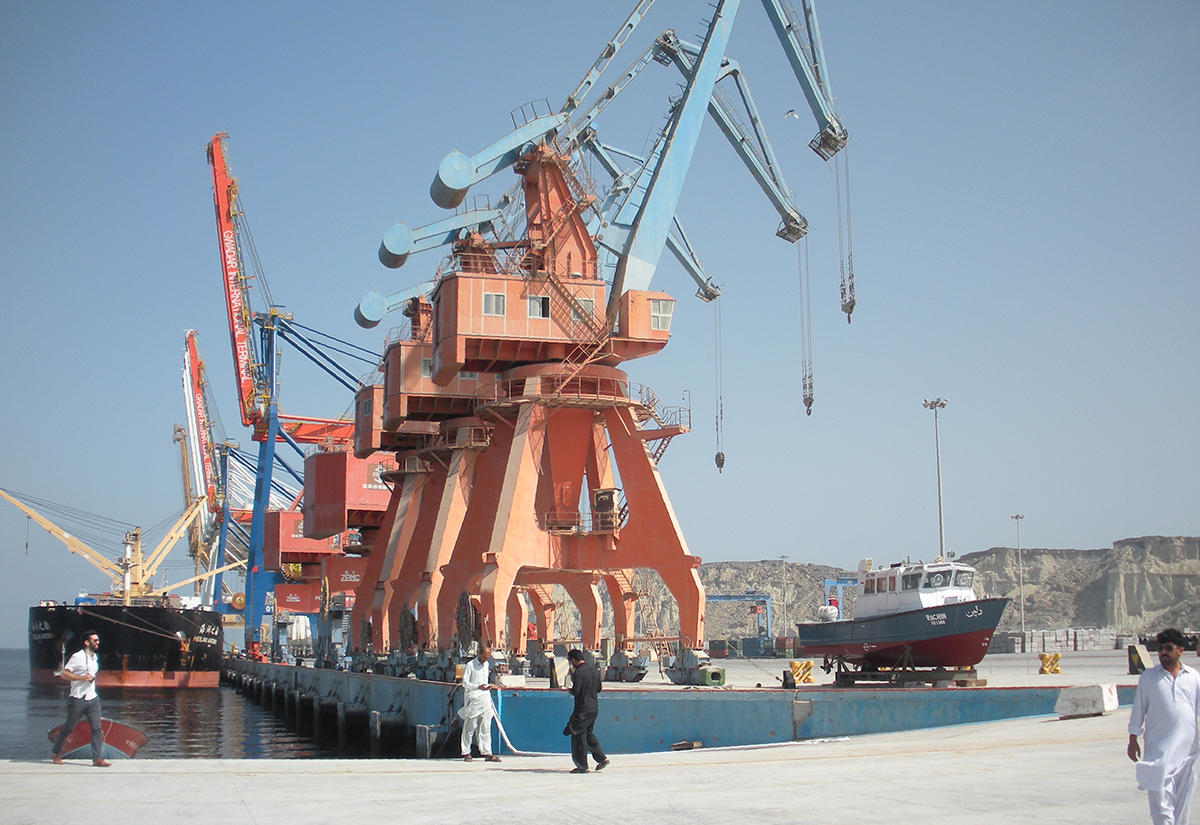
Landlocked Afghanistan has begun using the Chinese-operated Pakistani port of Gwadar for transit trade — a development Pakistani officials see as marking the start of Gwadar’s role as a gateway port through the China-Pakistan Economic Corridor. Pakistan’s hope to develop the Arabian Sea port into a gateway for Afghanistan, Central Asia, and China’s Xinjiang region has been a long-standing one — and it is misguided. Islamabad should instead focus on local drivers to build the port and use it as a vehicle to develop the impoverished, but resource-rich region of southern Balochistan.
Weekly Briefing: The myth of US conditionality in Afghanistan
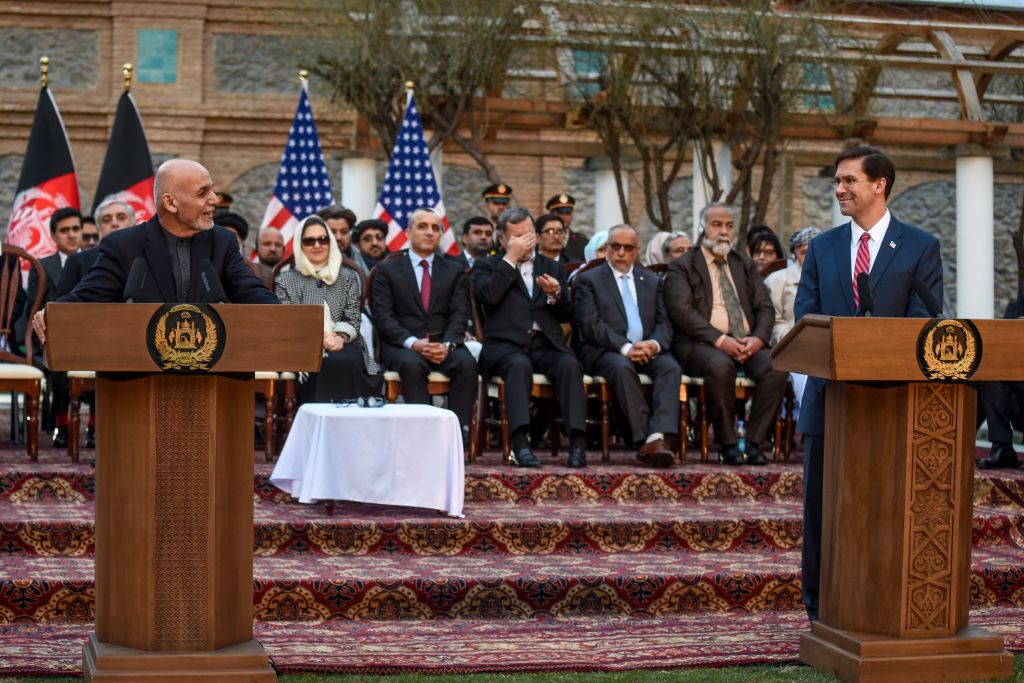
This week’s briefing on recent news and upcoming events in the region featuring Marvin G. Weinbaum, Alex Vatanka, Dima M. Toukan, and Syed Mohammad Ali.
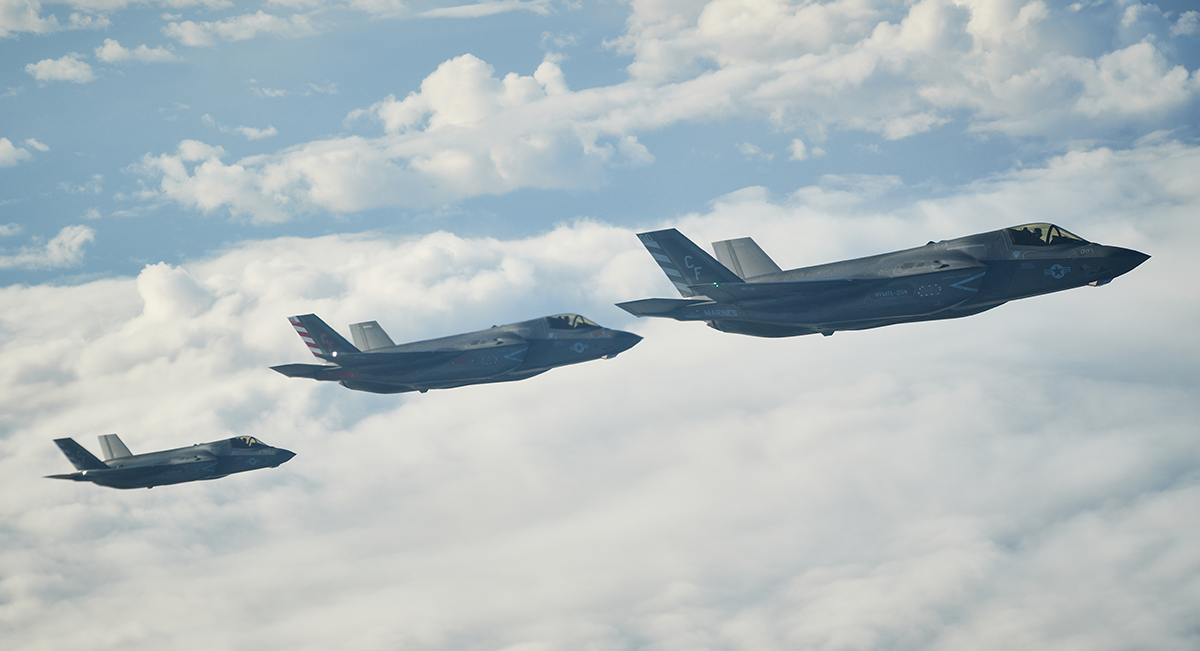
It was only a matter of time before another Arab partner joined the UAE in asking to buy F-35 fighter jets. On Wednesday, Reuters reports, Qatar formally submitted its own request.
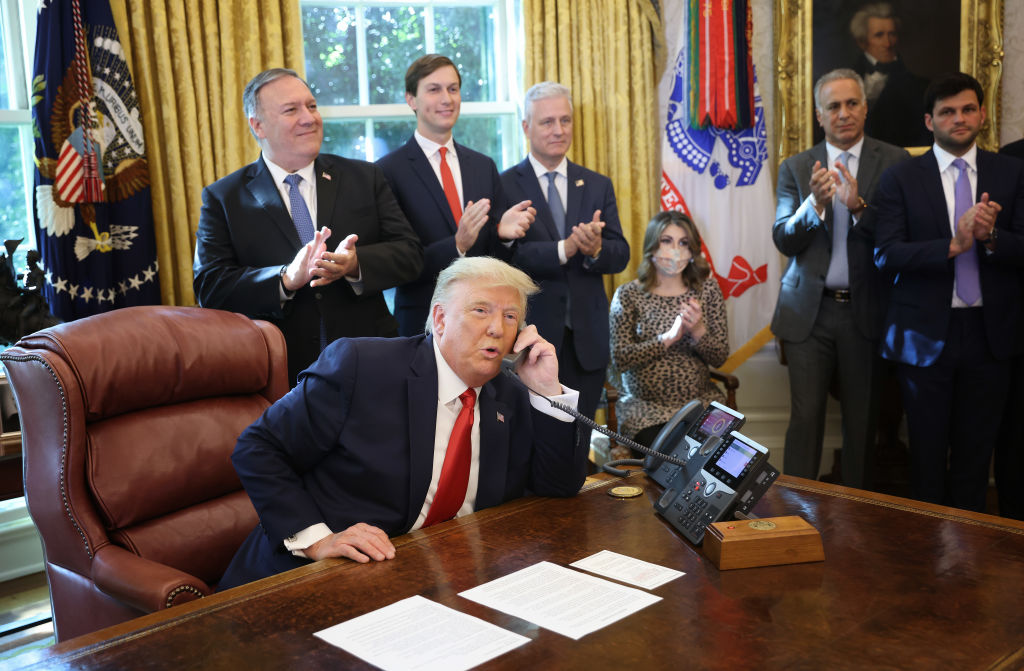
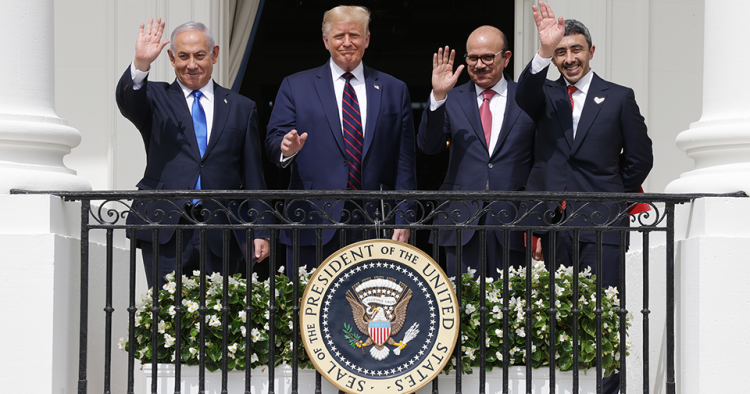
On Sept. 13, Bahrain recognized Israel at a ceremony attended by US President Donald Trump at the White House. With the stroke of a pen, Bahrain became the fourth Arab state to have forged official ties with Israel, following in the footsteps of Egypt (1979), Jordan (1994), and most recently, the UAE (Aug. 13, 2020).
Are the treaties with the UAE and Bahrain in any way comparable to previous genuine milestones, like the agreements with Egypt and Jordan? Can we realistically see them as helping to lead the way to a brighter future, at least as far as Israel’s conflicts with its neighbors are concerned? The answer is almost certainly “not really.”
Monday Briefing: Will Washington risk a collapse in Iraq?
This week’s briefing on recent news and upcoming events in the region featuring Robert S. Ford, Gonul Tol, Paul Salem, Dr. Marwa Maziad, and Marvin G. Weinbaum.
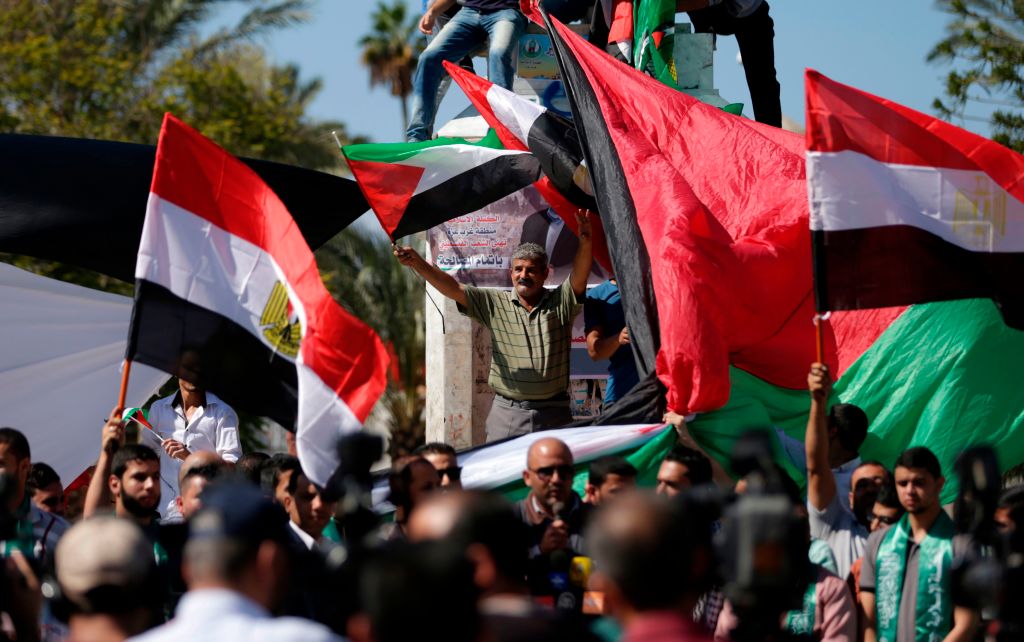
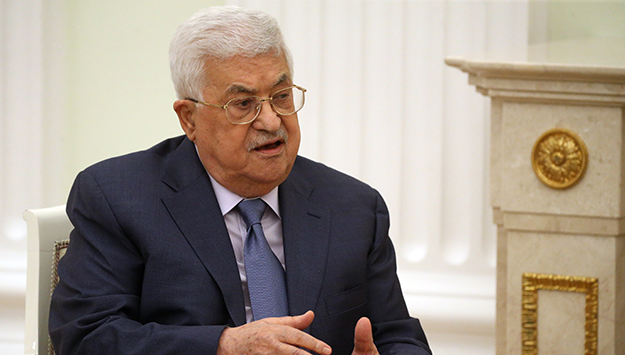
Fourteen years after the Palestinian pro-Islamist group Hamas won a majority of seats in the Palestinian Legislative Council (PLC) in 2006, Palestinians may finally be returning to elections as a mechanism to resolve their differences and to present a unified legitimate national leadership. In a sign of progress toward reconciliation, Palestinian leaders met in person and over teleconference on September 3 and vowed to address threats to the Palestinian national movement. Most recently, President Abbas, addressing the U.N. General Assembly on September 25, declared that presidential elections would take place soon.The question now will be whether a unified Palestinian policy, means of accomplishing it, and a new leadership can be born in the coming six months.
As the United Arab Emirates (UAE) and Bahrain move forward with their separate processes to normalize relations with Israel, the question that seems to be on the mind of many, both in Washington and in the region, is whether or when the Saudis will follow.
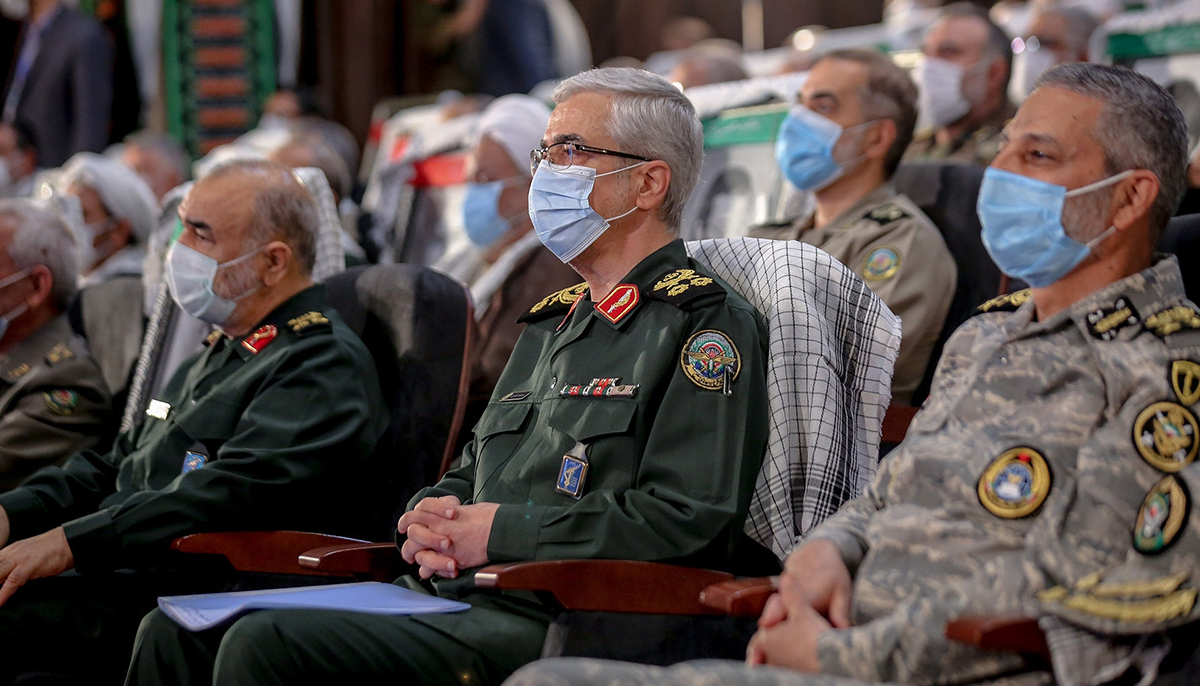
Using digital tools, the IRGC strengthens its grip on power in Iran
Over the past decade, Iran has made a concerted push to expand its cyber capabilities, an effort in which the IRGC has played a central role. Given the IRGC’s expansive and growing power, scholars, analysts, and many Iran watchers have long thought that at some point it could take over control in Iran, replacing the theocratic government with a military one. As Iran approaches an inflection point over the issue of succession after Ayatollah Khamenei, that day could be coming soon, and the IRGC is well placed to bring about such a transition given the hybrid mix of physical and cyber capabilities that it has developed and perfected over recent decades.
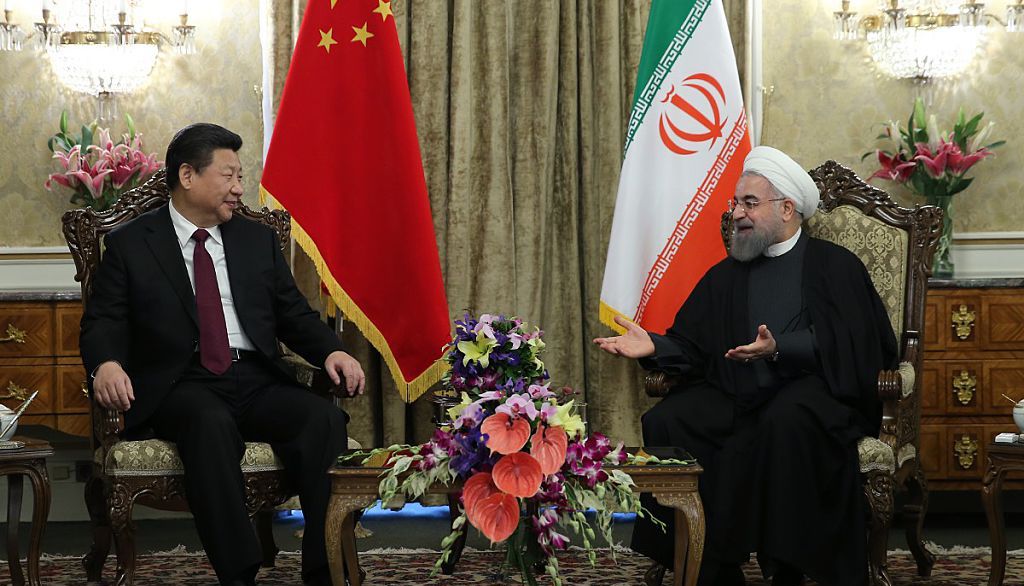
How can China maintain good relations with both Israel and Iran?
In recent years, China has become increasingly involved in the international arena, including the Middle East. As a rising superpower, China finds itself, time and again, needing to maintain relationships with countries that are hostile to one another. This is particularly true in the Middle East, which is one of the most conflictual areas in the world. China faces a challenge as it seeks to maintain good relations with both Iran and Israel, two of the region’s fiercest and loudest adversaries. How does Beijing manage to do this, and can it continue to do so going forward?