US-Iran Tensions After Killing of Qassem Soleimani
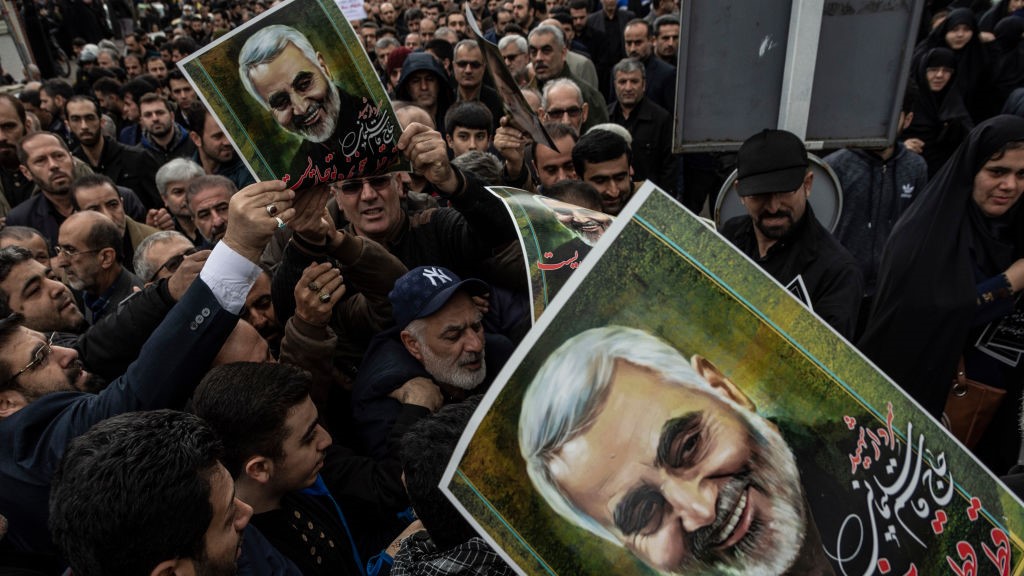
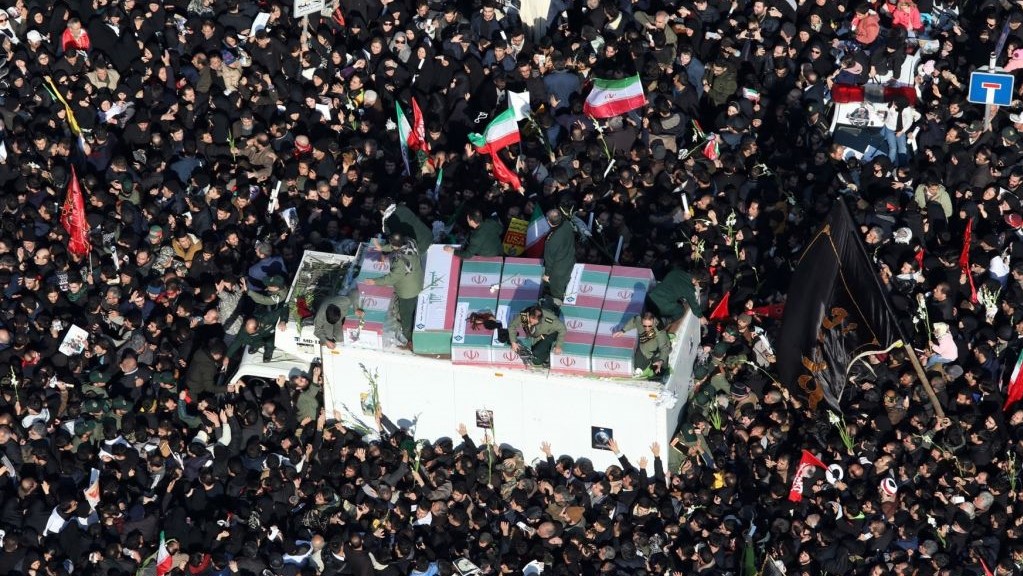
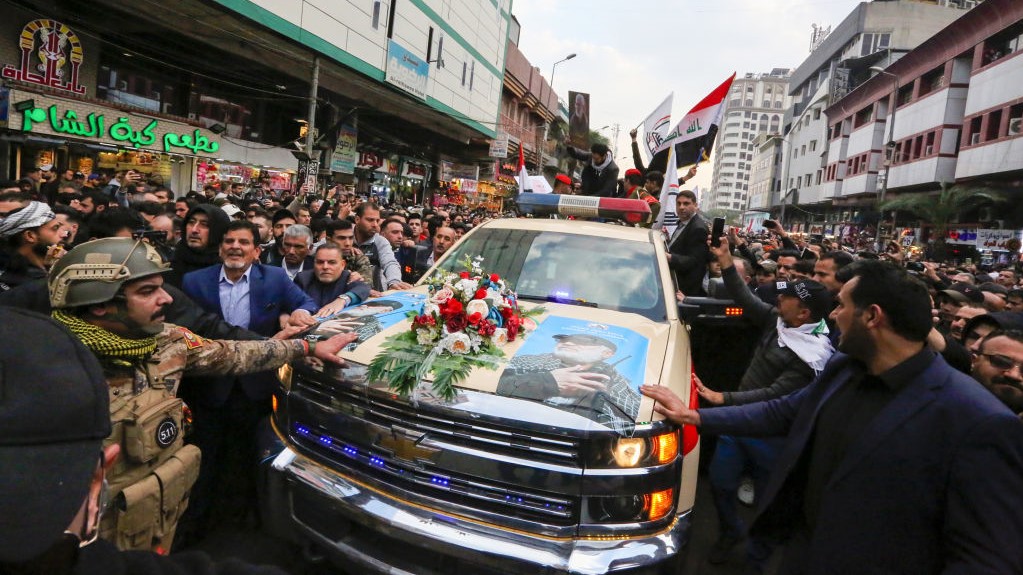
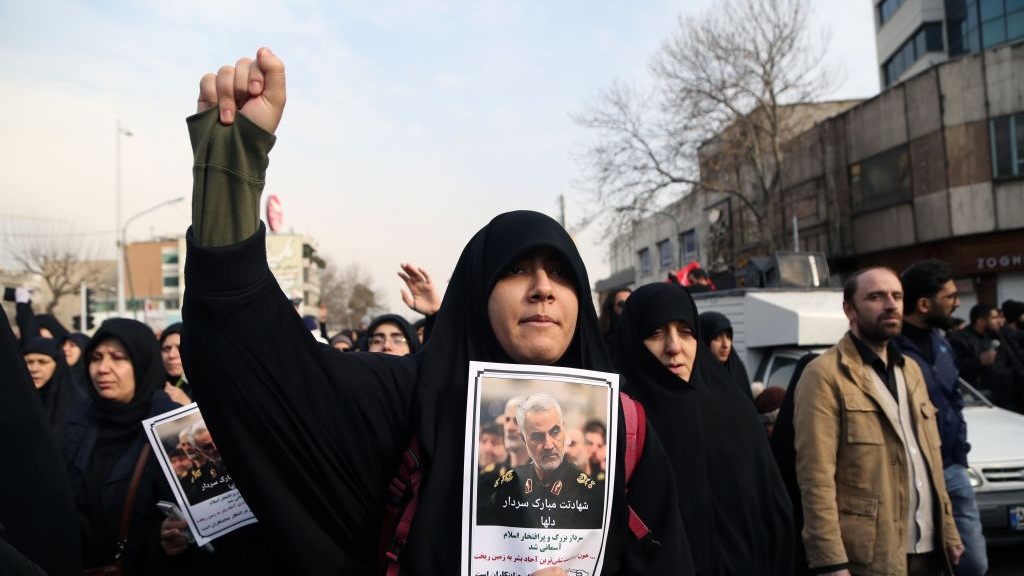
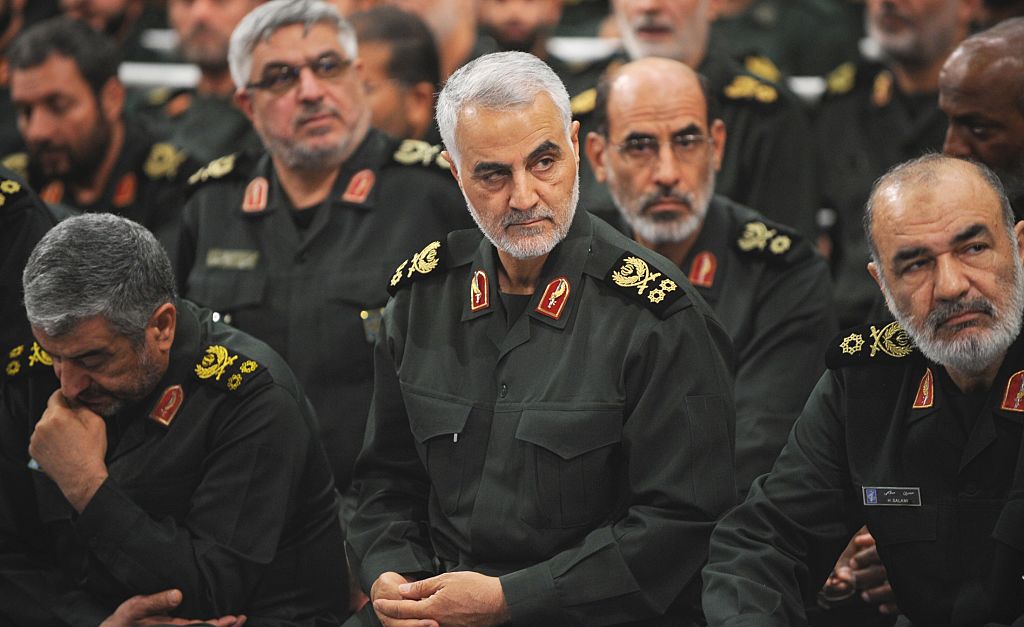
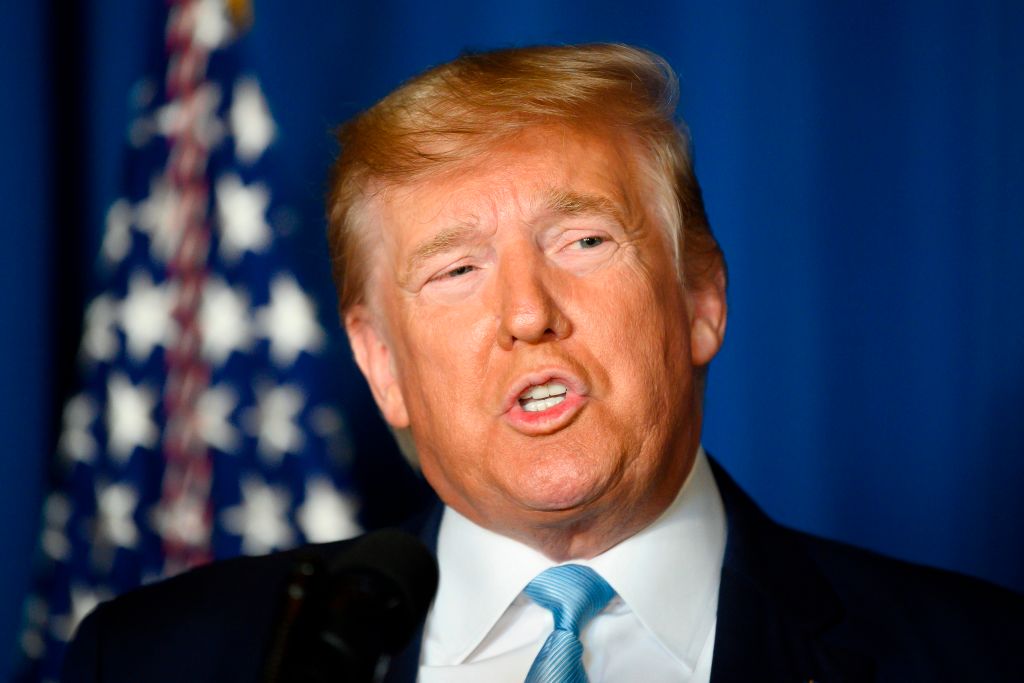
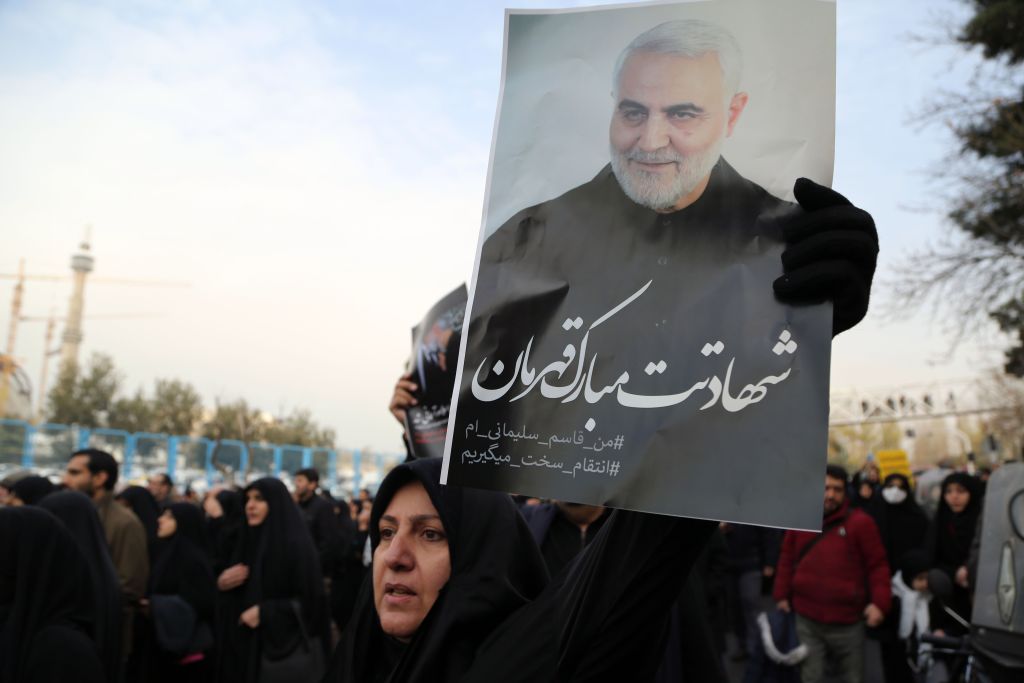
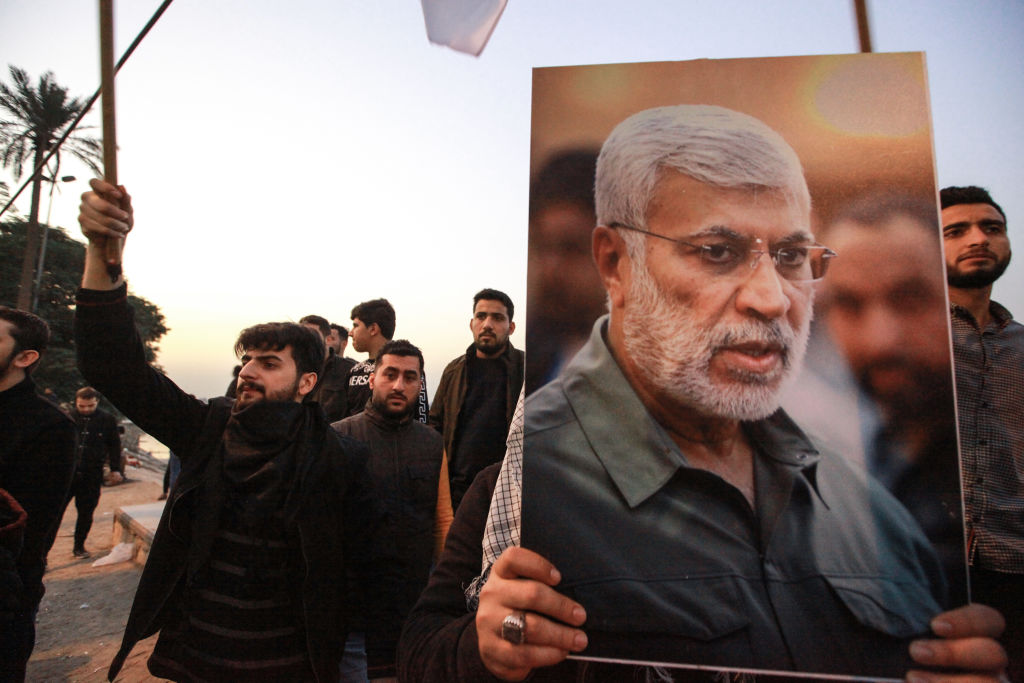
MEI experts Randa Slim and Alex Vatanka join host Alistair Taylor to discuss the sharp escalation in US-Iran tensions following the killing of Iranian General Qassem Soleimani. Gen. Soleimani, head of the Revolutionary Guards Quds Force, was killed in a US drone strike in Baghdad on Jan. 3, along with Iraqi paramilitary leader Abu Mahdi al-Muhandis. After several days of waiting to see how Iran might respond, on Jan. 7 Tehran launched more than a dozen missiles at two bases in Iraq housing US forces. No casualties were reported, and in comments on Jan. 8 President Trump promised to impose new sanctions on Iran, but seemed to back away from further military action.
Jihadism in South Asia: A militant landscape in flux
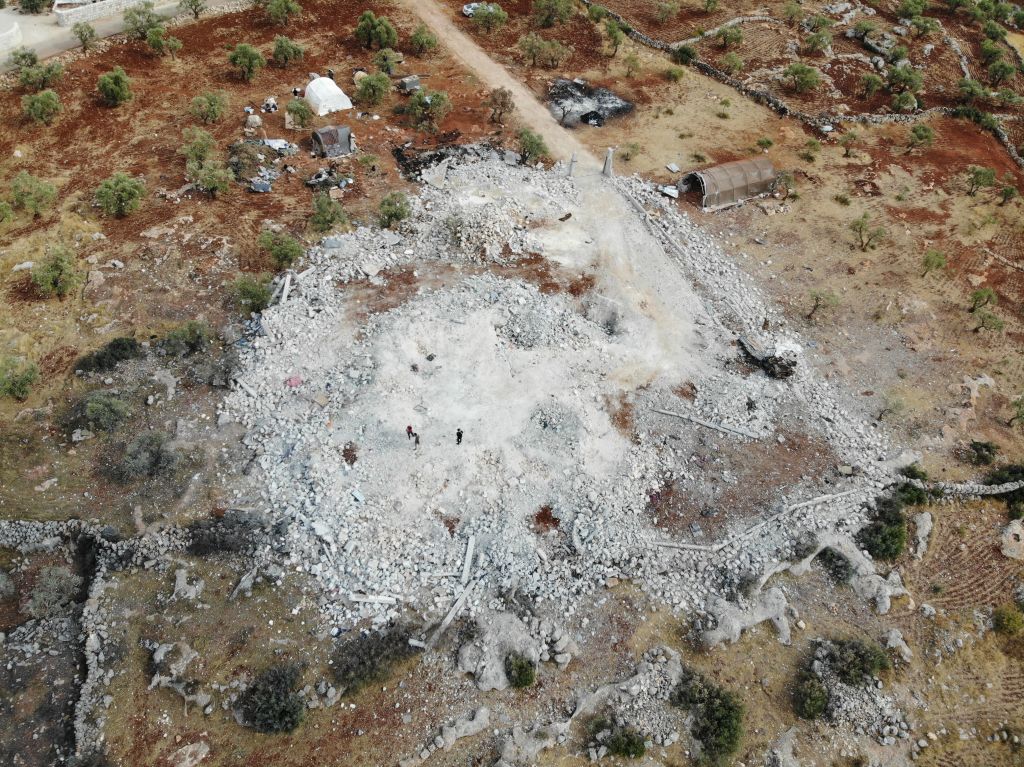
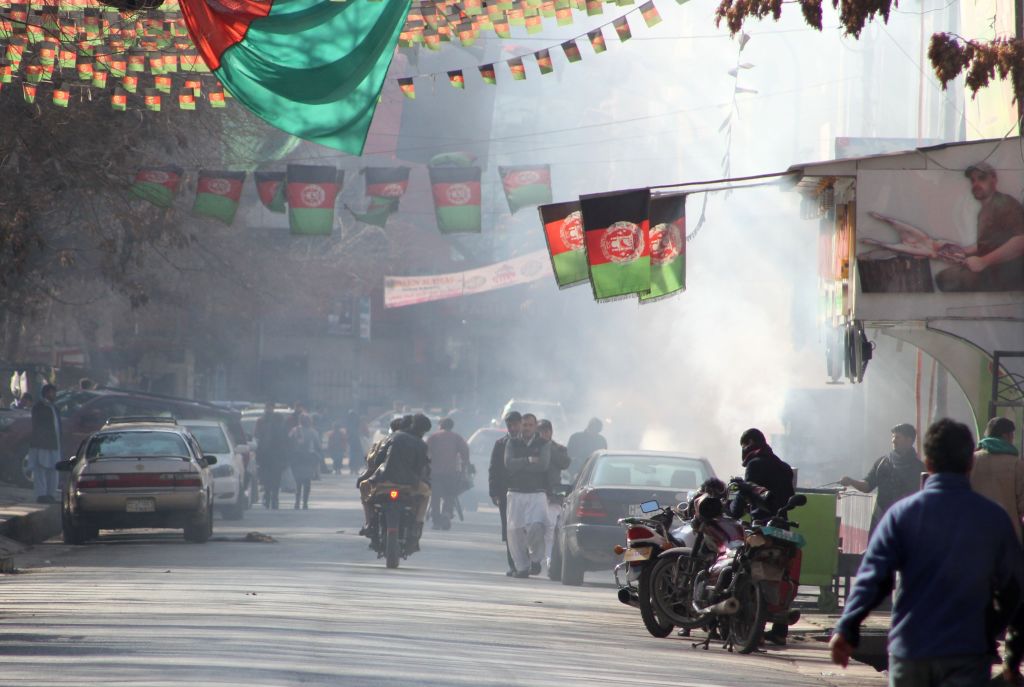
Over the past five years, the focus of U.S. counterterrorism strategists has remained on the Middle East, especially after the emergence of ISIS in 2014, while Islamist terrorist organizations operating in South Asia have been considered a secondary threat. However, the fact remains that South Asia is home to more Islamist terrorist organizations than any other region of the world. Al-Qaeda was born there, in Afghanistan, and ISIS has roots in the region. But at the turn of the decade both global jihadist groups are now facing major challenges and the critical question is whether they will manage to survive this period of crisis amid a severe leadership vacuum following the death of ISIS’s supreme leader and caliph, Abu Bakr al-Baghdadi, and the killing of al-Qaeda heir apparent Hamza bin Laden.
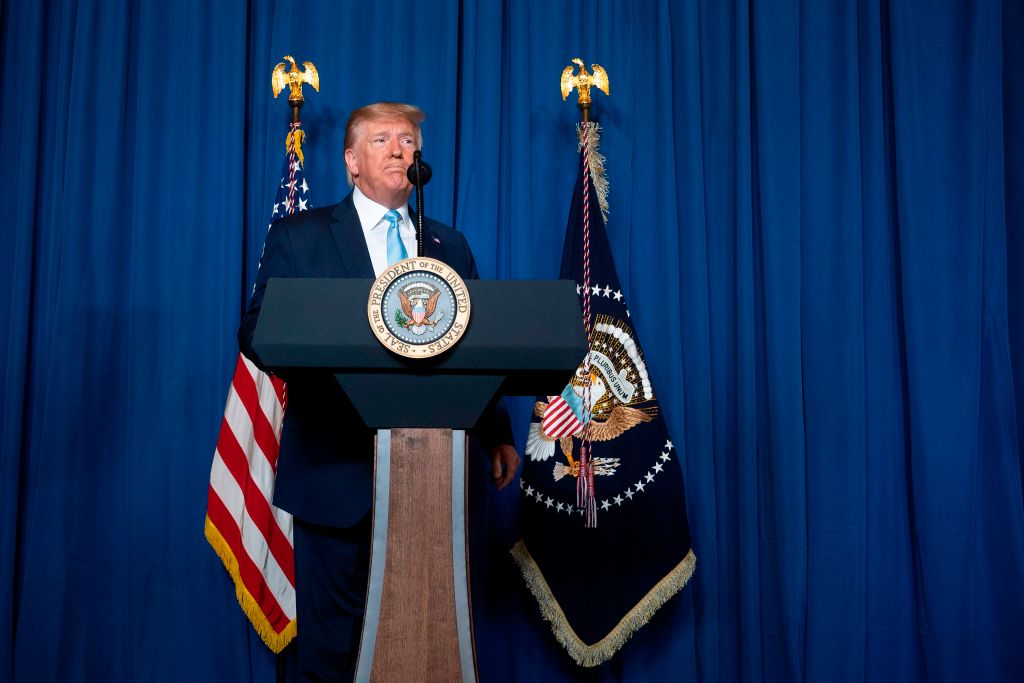
Trump has taken such a forward-leaning and aggressive position now that he has set himself, and the U.S., in a conflict trap that he might not be able to defuse.
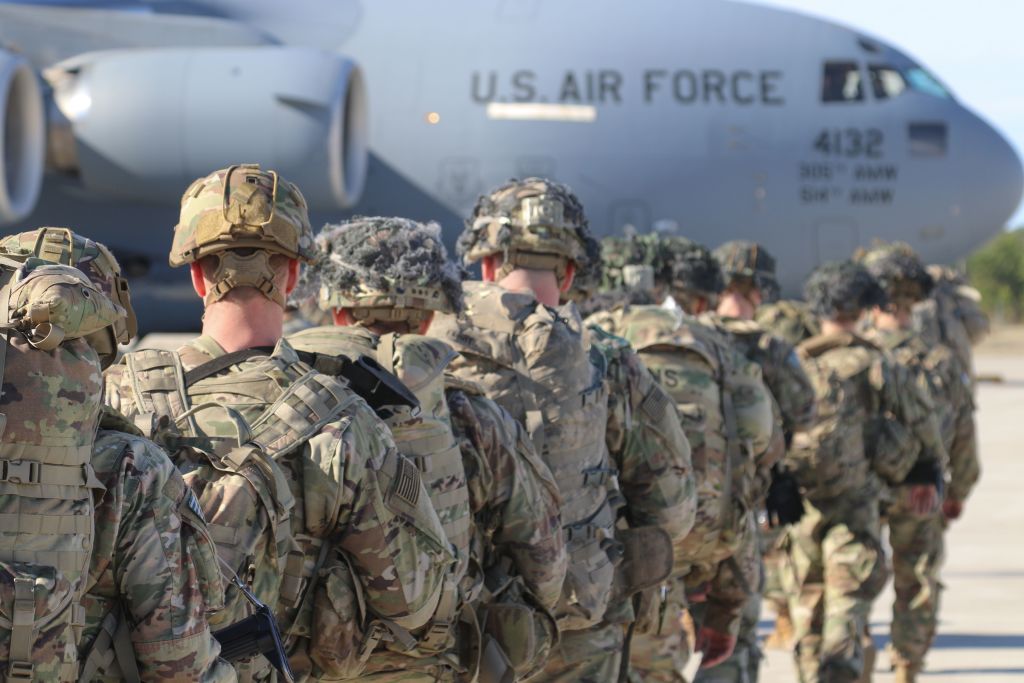
While yesterday’s vote in the Iraqi Council of Representatives on a decision to remove U.S. forces is not legally binding, it creates dynamics inside the U.S. and Iraq that make a U.S. decision to remove its forces all but inevitable.
How we planted the seeds of war with Iran: Decisions made in Washington brought us to this fateful moment
For almost 40 years, American national security officials have looked down the barrel of the gun of war with Iran. I sat in rooms in the White House and Pentagon several times as small groups of senior officials considered what such a war would look like, how it would end, and whether we would be better off for having fought it.
The answer was always the same: It would be highly destructive in several nations, it would end in a stalemate with the Iranian regime in place, and nothing positive would have been accomplished.
The killing of Qassem Soleimani is one of the biggest developments in the Middle East in decades — it far eclipses the deaths of Osama bin Laden or Abu Bakr al-Baghdadi in terms of strategic significance and implications.
Just when we thought we had a good understanding of President Donald Trump’s Middle East policy — which boils down to “get out of the region and avoid another endless war there” — he pulls off something dramatic like this.
We must keep in mind that Iran exercises what Barack Obama liked to call “strategic patience.” They pursue strategies and tactics that serve their interests, not emotions. Their interests remain to get Trump to ease off on crippling economic sanctions; to maintain or increase their influence in Iraq, Syria, and Lebanon; and to maintain regime security at home. The death of a senior military officer of theirs is significant but doesn’t change their institutional relations, their interests, or their overall strategy.
After a career in the military with a lot of time spent in this region, I have learned that you must respect your adversaries and their ability to hurt us.
In the wake of the airstrike, there have been many calls inside Iraq for restraint among Iraqis and between the Americans and the Iranians, most notably from the Shi’a clerical establishment in Najaf. There is a wide consensus in Iraq that the country should not be at the center of an American-Iranian military fight.