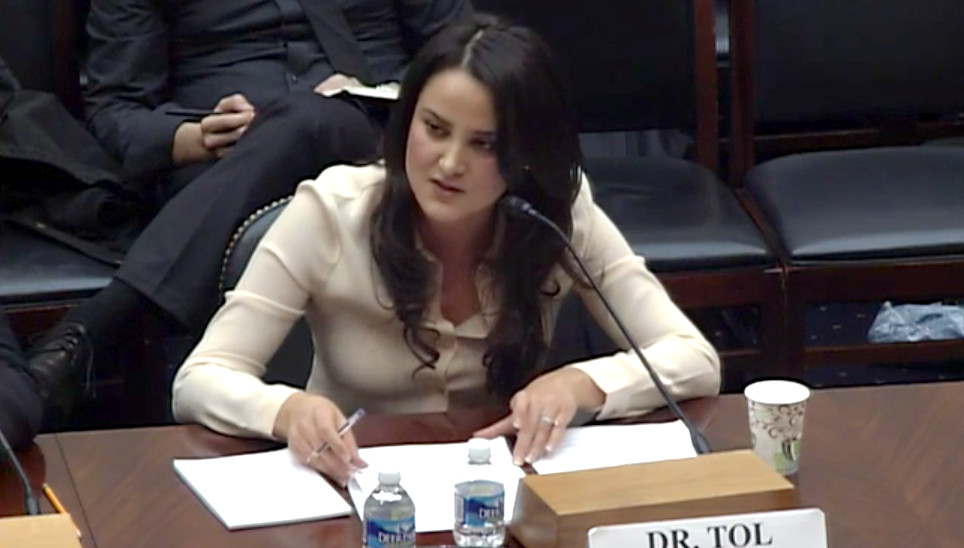
Gonul Tol, director of MEI’s Center for Turkish Studies, delivered the following testimony at a hearing of the U.S. House of Representatives’ Foreign Affairs Subcommittee on Europe, Eurasia, and Emerging Threats on February 3, 2016. Click here for video of the hearing.
Mr. Chairman, members of the Committee, it is an honor to be invited to speak with you today about the political trends in Turkey in 2016.
Outside Views on the U.S. Strategy for Iraq and Syria and the Evolution of Islamic Extremism
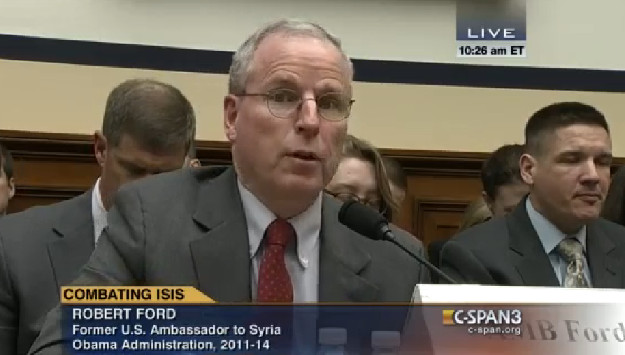
Amb. Robert Ford delivered the following prepared remarks at a hearing of the U.S. House Armed Services Committee on January 12, 2016. Click here to watch C-SPAN’s coverage of the hearing.
Mr. Chairman and members of the Committee,
It is an honor to be on this distinguished panel. Thank you for inviting me.
Turkey Should Avoid Getting Involved in the Saudi-Iran Row
Turkey’s reaction to the latest spat between Saudi Arabia and Iran spells more trouble for Ankara at a time when it is already at loggerheads with many of its neighbors. Initial remarks by Deputy Prime Minister Numan Kurtulmus criticizing both sides were an attempt to keep Turkey out of the rift. He was upstaged, however, by Turkey’s foreign ministry, which followed up with a statement singling out Iran for condemnation.
Washington and Ankara are in yet another difficult phase in a relationship cycle that runs from very good to very bad. American public opinion about another country forms slowly, but persists through time once set. As Turkey changes, we keep trying to fit new evidence into the old paradigm. At some point, the contradictions are too obvious to explain away, and the new narrative emerges. Right now, Americans are caught in that dilemma regarding Turkey. Unless we have a better idea of which Turkey we are dealing with, we are certain to make bad choices.
This article was first published in The Hoover Institution’s The Caravan.
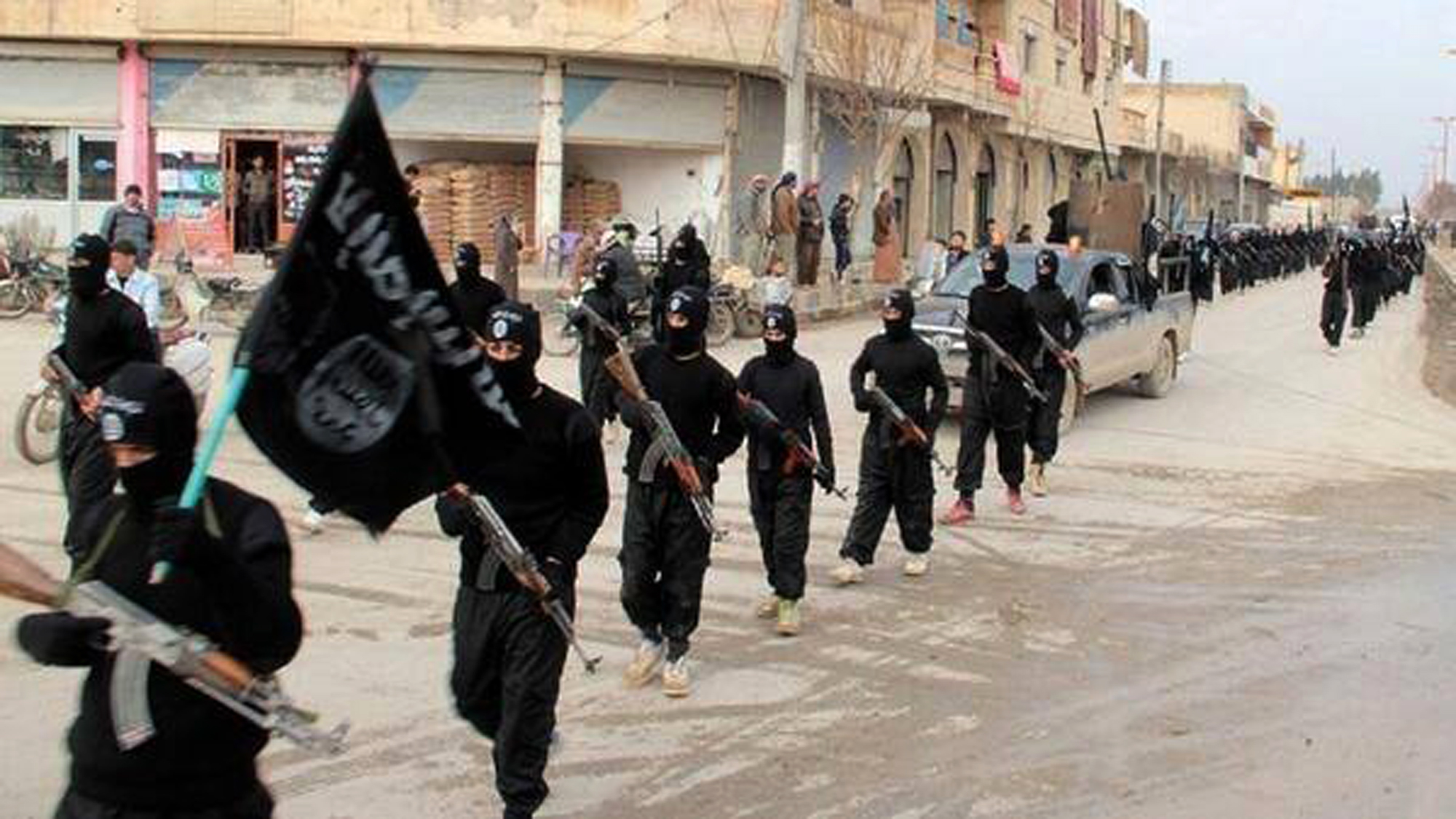
Daesh or ISIS does not represent an existential threat to any state except Syria and Iraq. It occupies and controls ungoverned space in the region between Iraq and Syria and in parts of northern Africa; and its self-proclaimed Caliphate has benefited from the seizure of some income producing assets in these areas. Daesh depends on the dynamism of success and expansion, both of which have been in short supply of late.
Mega Projects and the Limits of Urban Planning in Megacities: The Case of Istanbul in the AKP Era
This essay examines the politics of the Istanbul Master Plan, which was created by the Istanbul Metropolitan Planning and Urban Design Center (IMP), focusing on the role of non-governmental organizations. The essay addresses three main questions. First, to what have NGOs been involved in the formulation, implementation, and oversight of the Istanbul Master Plan? Second, what form has their activism taken and what has been the response of the AKP government? And third, what are the prospects for achieving the balance between conservation and development originally envisioned by the Istanbul Master Plan?
According to the UN’s World Urbanization Prospects 2014, there are 28 “megacities” worldwide (i.e., urban agglomerations with populations in excess of 10 million). By 2030 another dozen will likely be added to their ranks.
Since the early days of the republic, Turkey’s deep state has been seen as the clandestine defender of the Turkish establishment and the secular and nationalist ideology established by Turkey’s founder, Mustafa Kemal Ataturk.
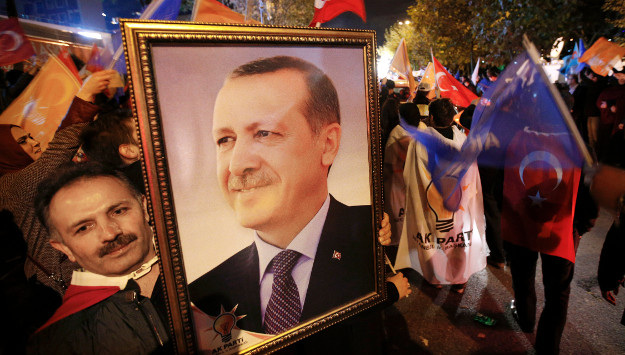
In a stunning electoral comeback that has surprised everyone, including its own legislators, Turkey’s ruling Justice and Development Party (AKP) captured almost 50 percent of the votes, but well over 50 percent of parliamentary seats, in Sunday’s elections. There are many lingering questions. Considering that even the pro-government pollsters did not foresee such a victory, many have asked whether the elections were free and fair. If so, how did the AKP manage to reverse its electoral fortunes in just five months in a country that has been mired in chaos and violence during that time?
The Turkish electorate is going to the polls on Sunday for the second time in just over five months. After 13 years in power, the ruling Justice and Development Party (AKP) failed to secure enough votes in June to form a majority government. In the hope another vote could deliver a parliamentary majority to his party, President Recep Tayyip Erdogan called for snap elections. But polls indicate that Erdogan might not get what he wants.
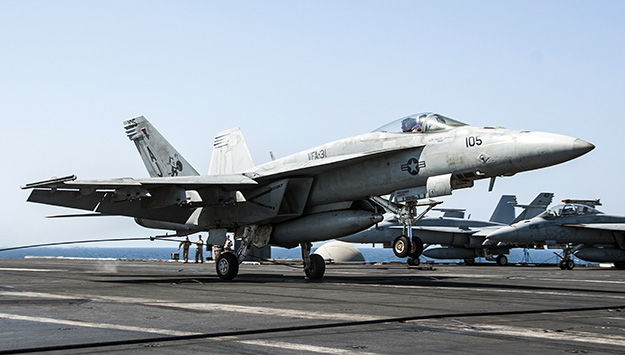
October 2015 marks the fourteenth month of formal U.S. military engagement in the struggle against the Islamic State (ISIS). The Obama administration was at first reluctant to engage U.S. military power in this struggle but then became more deliberate in its approach. U.S. involvement in the battlegrounds of Iraq and Syria has been evolving especially over the past year. This evolution has been defined and is in many ways limited by a strategy that emphasizes political change in Iraq and a broad coalition of states taking action against ISIS.
Turkish Prime Minister Ahmet Davutoglu is at the United Nations in New York, making another push for Turkey’s long-standing demand for a safe zone in northern Syria, while President Recep Tayyip Erdogan seems to have realized that it might be a long shot given recent developments.