What do China’s economic woes mean for the Middle East?
At the start of 2023, optimism was high that China would see a rapid recovery in consumer spending and an acceleration in GDP growth. Since then, however, the world’s second-largest economy has been in the doldrums. China’s ailing economy is a problem not just for China but for the entire world. A prolonged slowdown or a sudden financial crash, were it to occur, would ripple across global markets — including the countries of the Middle East, whose economies have become increasingly intertwined with that of China.
Georgia Can End Russia’s Stranglehold Over its Wheat Supply with NATO Assistance
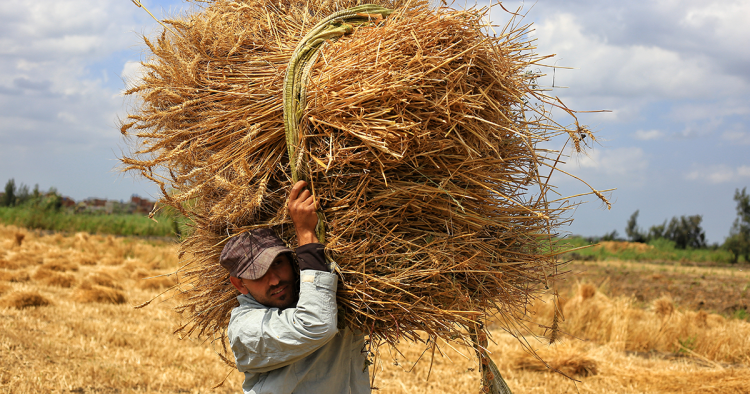
Georgia’s near total reliance on imported Russian wheat forms an extremely dangerous vulnerability that compromises both its food security and sovereignty. Fifteen years after the 2008 Russia-Georgia war, Tbilisi finds itself depending on Russia for over 90 percent of its wheat supply amidst a growing global shortage. In 2022, NATO reiterated its commitment to Georgia, pledging to help build Georgia’s resilience and uphold its political independence.
Navigating development in Moldova: The role and challenges of foreign donor organizations
This study on community leadership and social resilience factors in Moldova in the context of the war in Ukraine is based on in-country interviews with 15 Moldovan experts and community leaders, conducted in May-August 2023.
Deepening defense-industrial cooperation on NATO’s eastern flank
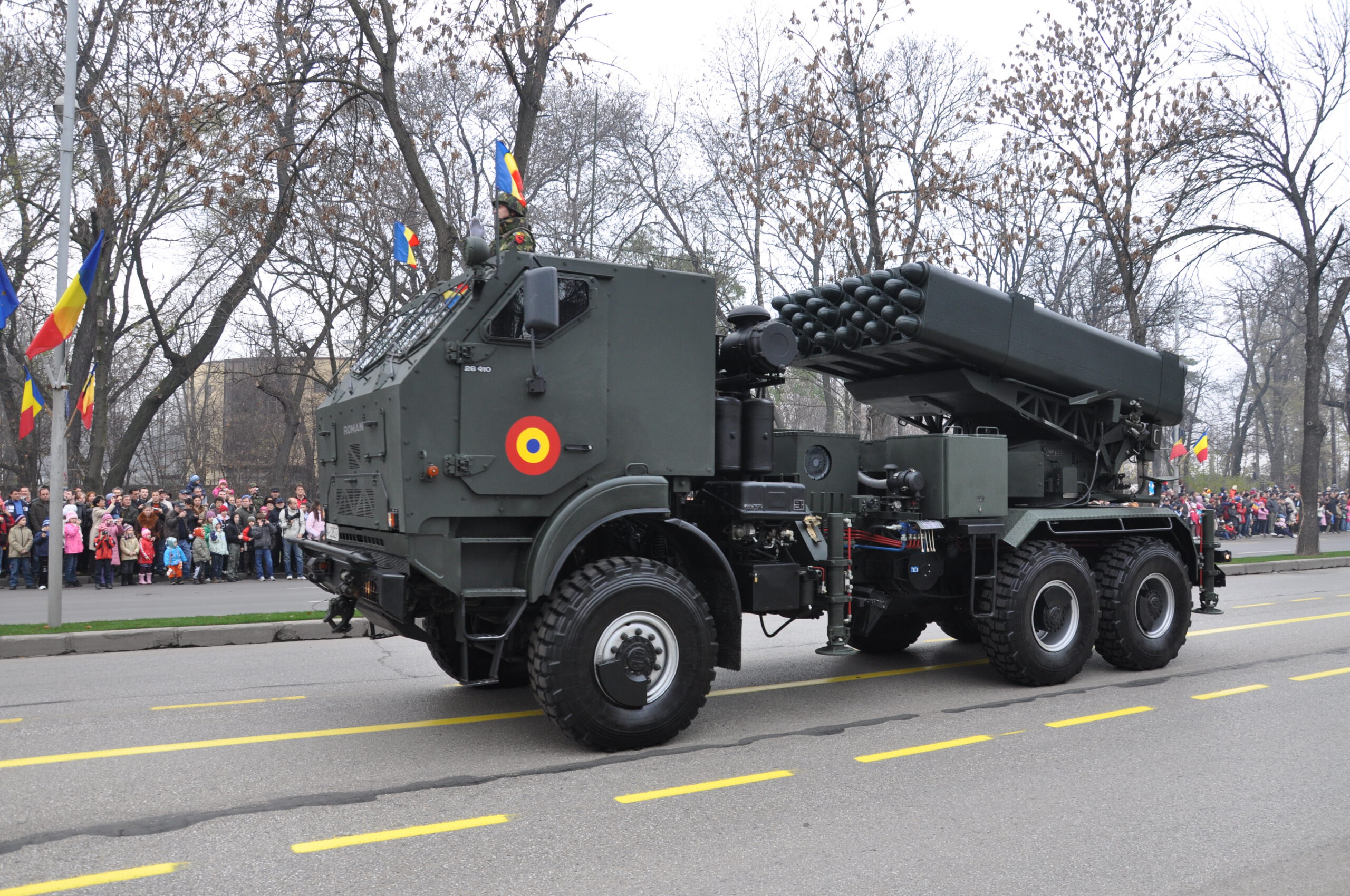
The war in Ukraine has turned policymakers’ eyes back toward the Euro-Atlantic arena and highlighted the need to reinvigorate NATO’s defense-industrial base. This analysis describes the macro policy environment that shapes the current relationship between Romania and the United States, and considers what steps the U.S. could take to improve Romania’s integration with the Euro-Atlantic defense-industrial base.
Polish and Romanian responses to Russian aggression: Lessons for a US CEE Strategy
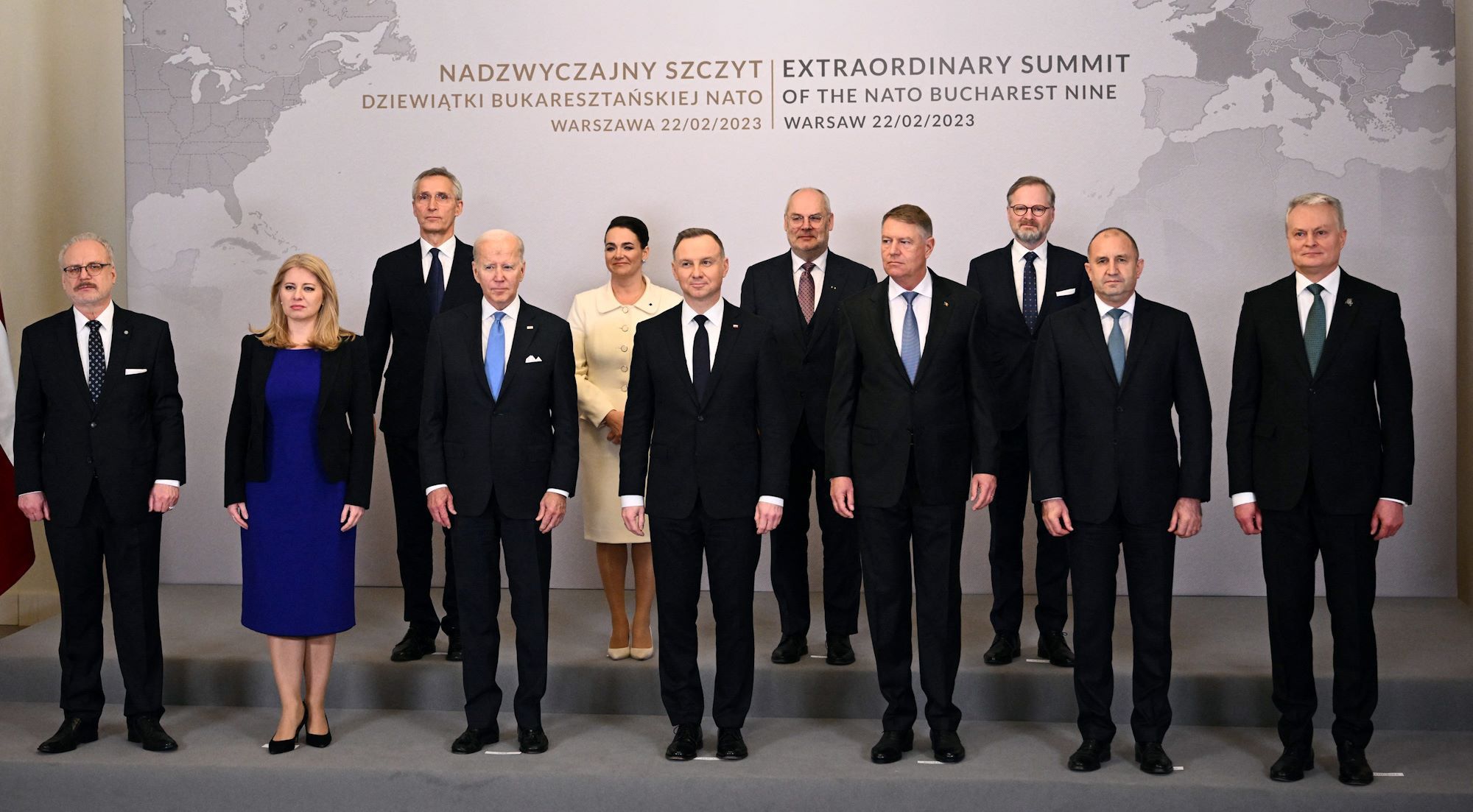
The following analysis provides an overview of Poland’s and Romania’s engagement with NATO priorities on its eastern front line since 2022 and outlines their advocacy for increased regional security in multilateral formats. Drawing on the expertise of over two dozen Polish and Romanian security experts, it offers recommendations for an enhanced CEE security strategy for the United States, the leading member of the NATO alliance.
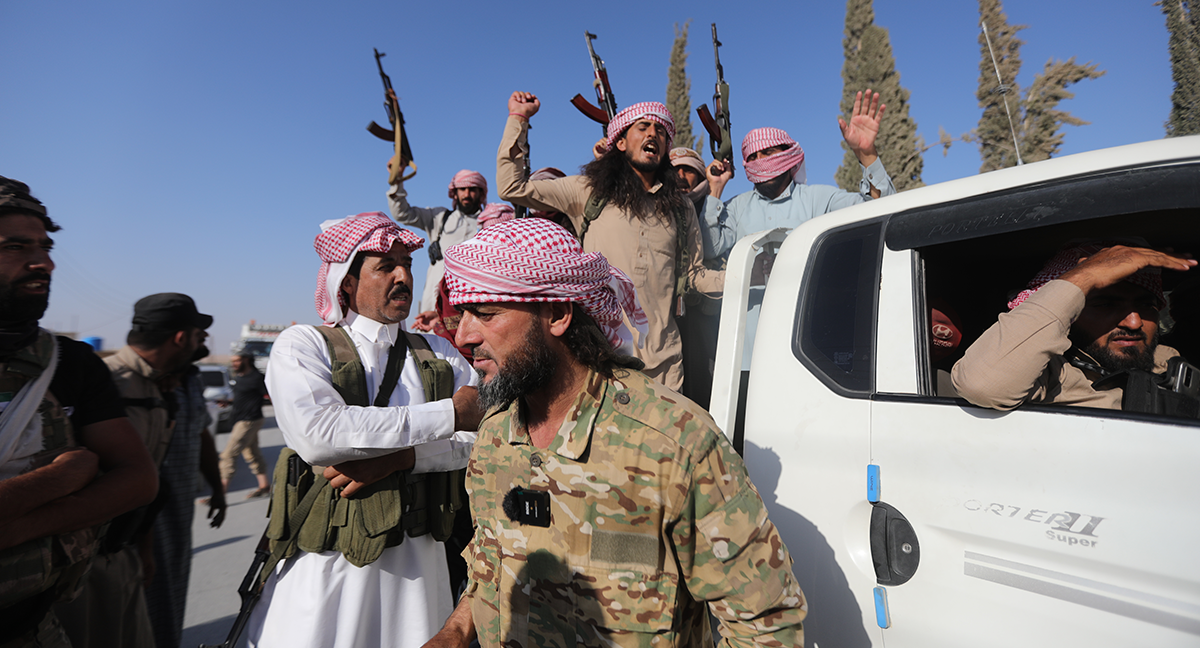
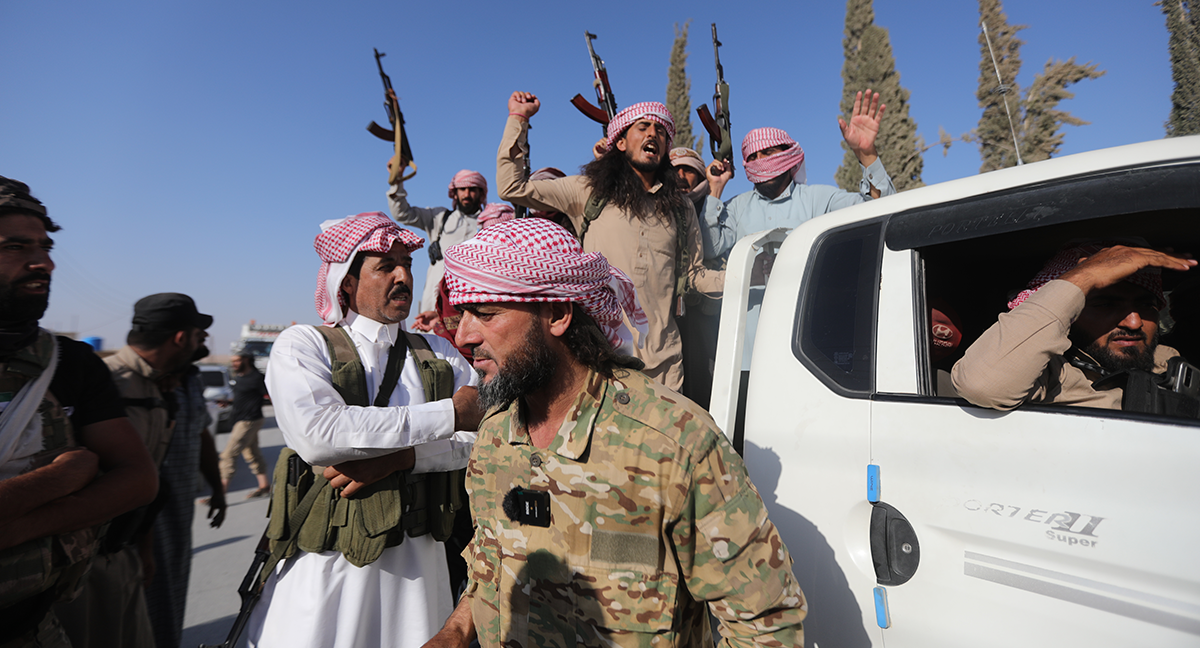
Deir ez-Zor torn between Arab tribes’ struggle for independence and the SDF’s efforts to subdue them
On Sept. 8, the Syrian Democratic Forces were able to enter the villages and towns of Deir ez-Zor’s eastern countryside, stretching from al-Tayyanah to al-Baghouz, regaining control of all of the areas that had witnessed an uprising against their forces beginning on Aug. 27. But what sparked the fighting in the first place, how did things play out, and what might it mean for the region going forward?
صراع ديرالزور بين دفاع العشائر عن الاستقلالية ومخطط "قسد" للإخضاع
تمكنت قوات سوريا الديمقراطية في الثامن من أيلول/سبتمبر، من الدخول إلى قرى وبلدات ريف ديرالزور الشرقي الممتد من بلدة الطيانة حتى الباغوز، بذلك أعادة السيطرة على جميع المناطق التي شهدت حالة تمرد ضد قواتها، التي بدأت في السابع والعشرين من شهر آب/ أغسطس الماضي.
Russia’s aggressive behavior in the Black Sea can be challenged
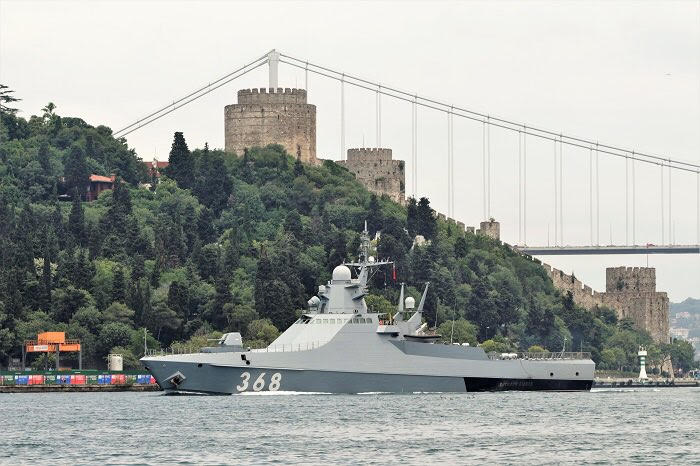
Russia’s malign behavior in the Black Sea includes piracy, plunder, petroleum price cap violations, and actions to prevent the free transit of foreign commercial and naval vessels. Its largely unchallenged position in the Black Sea also helps Russia maintain access to foreign-made products and components, circumventing sanctions. The West and the broader international community have yet to act to decisively rein in these flagrant violations of international laws and norms.
Enhancing US-EU collaboration in MENA's digital development
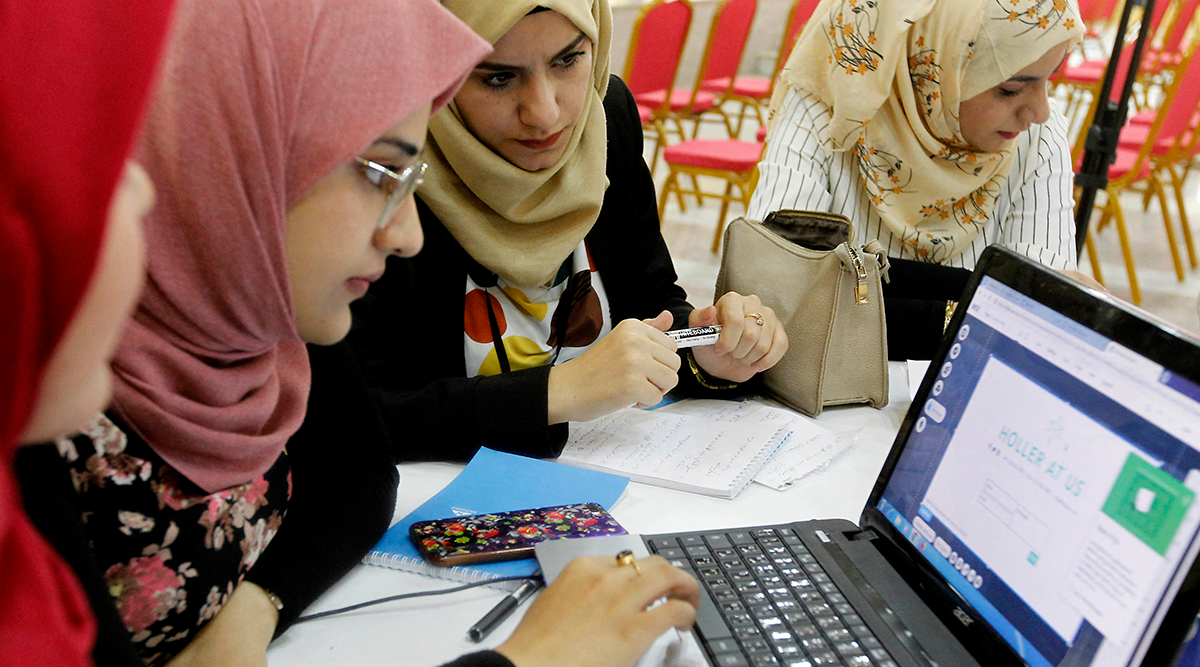
Both the U.S. and the EU are increasingly focusing on digital development in the Middle East and North Africa as part of their efforts to support economic growth and tackle the region’s youth unemployment crisis. Deeper transatlantic cooperation in this field would greatly benefit both sides and drive forward digital development in the region.
On this week’s episode, MEI’s Editor-In-Chief Alistair Taylor discusses the Biden administration’s push to reach a normalization accord between Saudi Arabia and Israel with Martin Indyk, Sanam Vakil, and Bilal Saab.
While there are plenty of potential hurdles to reaching a deal — including Saudi Arabia’s steep demands, Israel’s far-right government, and challenging domestic politics here in the US — if done right, the potential geopolitical ramifications could be substantial.
Looking to the archives: What history tells us about Iran-Saudi relations
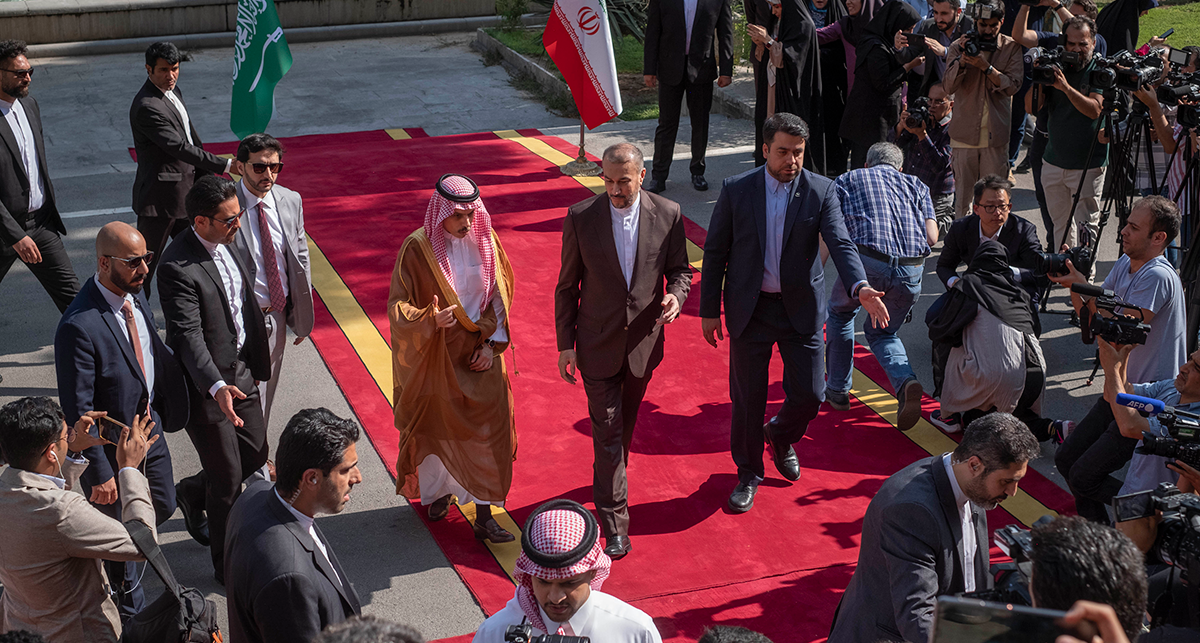
Relations between Iran and Saudi Arabia have been in the spotlight over the past six months, following the March 2023 China-brokered agreement to normalize ties seven years after they were cut off. The connections go back much farther, however. Indeed, as a new archival report on Iranian-Saudi diplomatic history makes clear, they even predate the founding of the current Saudi kingdom in 1932. Below are a series of excerpts from the report, highlighting key themes that emerge from the archives, many of which continue to resonate today.
Just over one year ago, I asked a simple question in The National Interest: What if machine learning—the most famous research paradigm in artificial intelligence (AI) today—is more limited than it seems? I expressed concern that the United States Department of Defense (DoD) could be unprepared for a slowdown or stagnation in AI development (an AI “winter”).
Hydrogen as a fuel of the future: Moving the GCC’s climate mitigation agenda forward
Hydrogen has been touted as an energy solution for the future and a leading mitigation technology against climate change. Among the states of the GCC, it has come to be seen as central to their energy transition strategy and a means to retain the region’s hegemonic position within global energy relations.