قد تكون الأسابيع المقبلة حاسمة في صراع أوروبا الطويل لإدارة طموحات إيران النووية. في 28 أغسطس، أعلنت المملكة المتحدة وفرنسا وألمانيا أنها ستفعّل آلية العقوبات "الاستعادة". وسيحدد نجاح مغامرة أوروبا مستقبل عدم الانتشار ومصداقية أوروبا كلاعب استراتيجي.
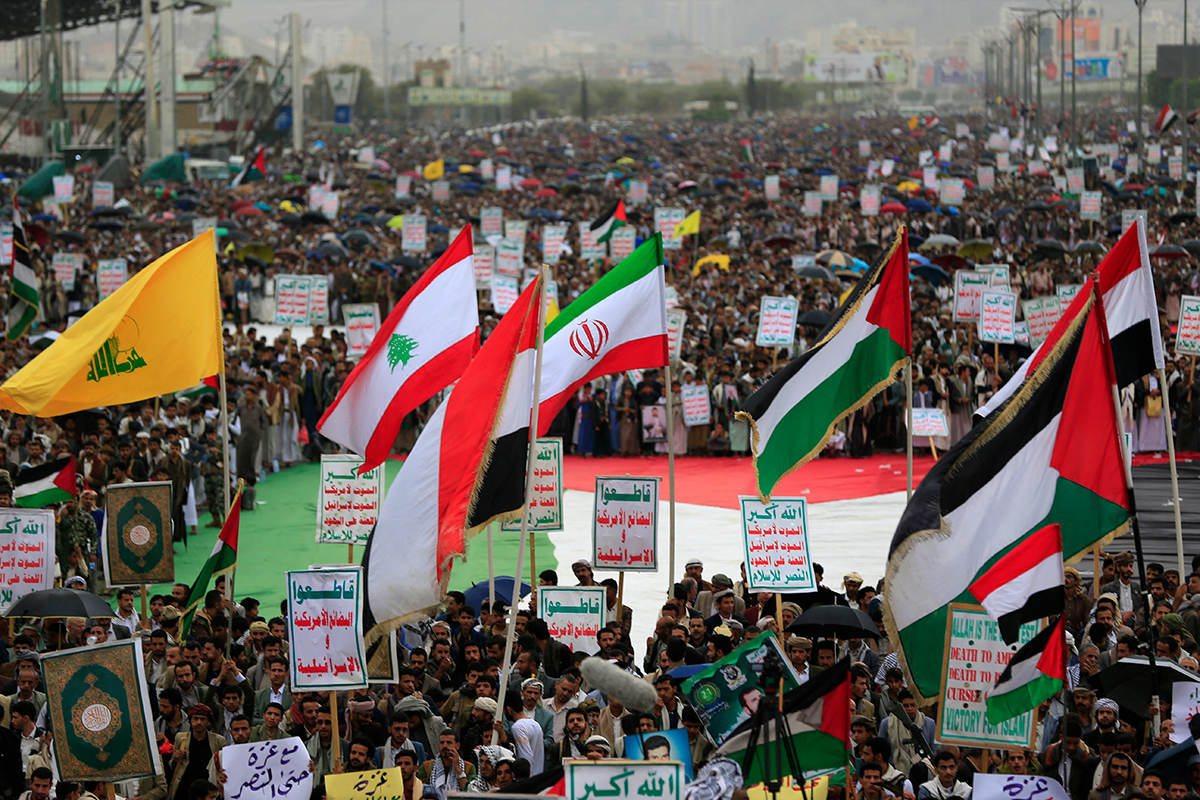
في الوقت الذي تسعى فيه إدارة ترامب إلى توسيع نطاق اتفاقيات أبراهام في الشرق الأوسط إلى القوقاز وآسيا الوسطى، فإنها تتجاهل التغير الجذري في النظرة السائدة في العالم العربي والإسلامي. ففي حين كان يُنظر إلى إسرائيل في الماضي على أنها داود الذي يقاتل جالوت المتمثل في العالم العربي، يبدو أن الأدوار قد انعكست اليوم. فإسرائيل، المدعومة بقوة عسكرية لا حدود لها ودعم أمريكي ثابت، يُنظر إليها بشكل متزايد ليس فقط كقوة إقليمية، بل كقوة مهيمنة في المنطقة مدعومة من الولايات المتحدة. بالنسبة لدول الخليج العربية، يمثل هذا التحول معضلة: هل يمكن لجالوت أن يكون شريكًا في السلام؟
مسارات متباينة بعد 7 أكتوبر: نهج إسرائيل العسكري المتطرف وتراجع السعودية الاستراتيجي
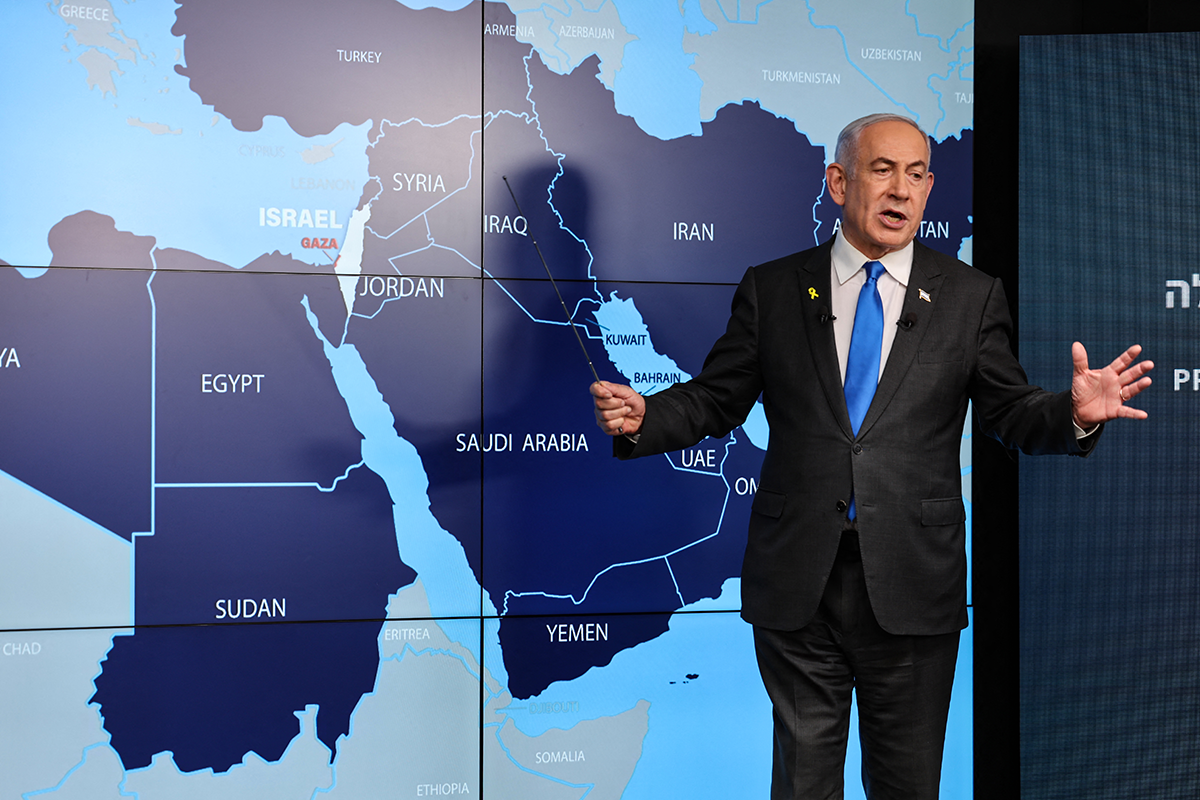
أدى هجوم حماس في 7 أكتوبر 2023 إلى تحطيم النموذج الأمني الذي طالما اتبعته إسرائيل، واستبدال الردع المحدود بحملة طموحة تهدف إلى تفكيك حماس، ومواجهة حزب الله وغيره من وكلاء إيران، واستهداف برنامج إيران النووي بشكل مباشر بدعم من الولايات المتحدة. وفي تناقض صارخ، أعطت المملكة العربية السعودية الأولوية للاستقرار الإقليمي وتخفيف حدة التوتر، واستعادة العلاقات مع إيران، والتركيز على تحولها الاقتصادي في إطار رؤية 2030.
دول الخليج في منطقة الشرق الأوسط المتقلبة بعد الحرب
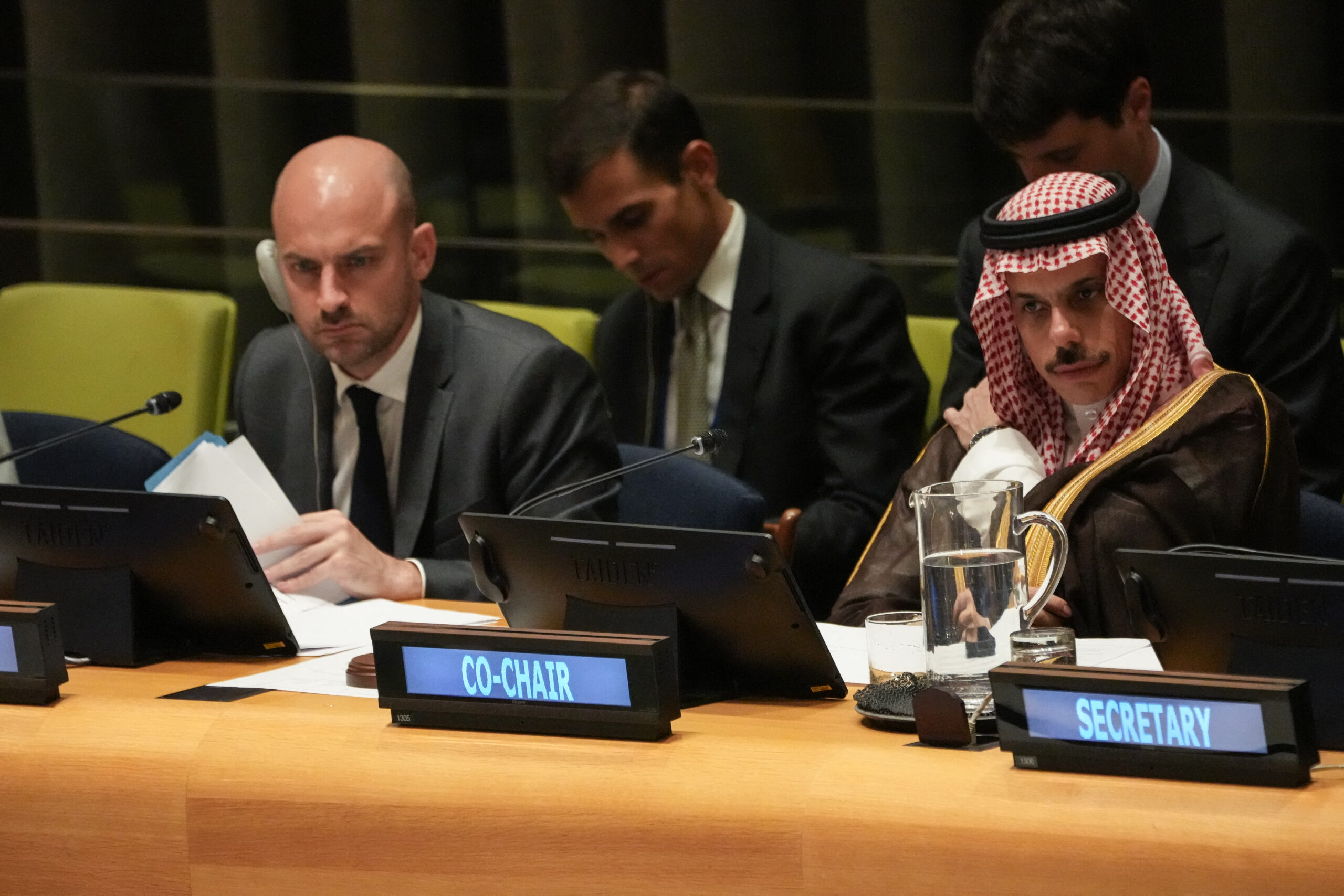
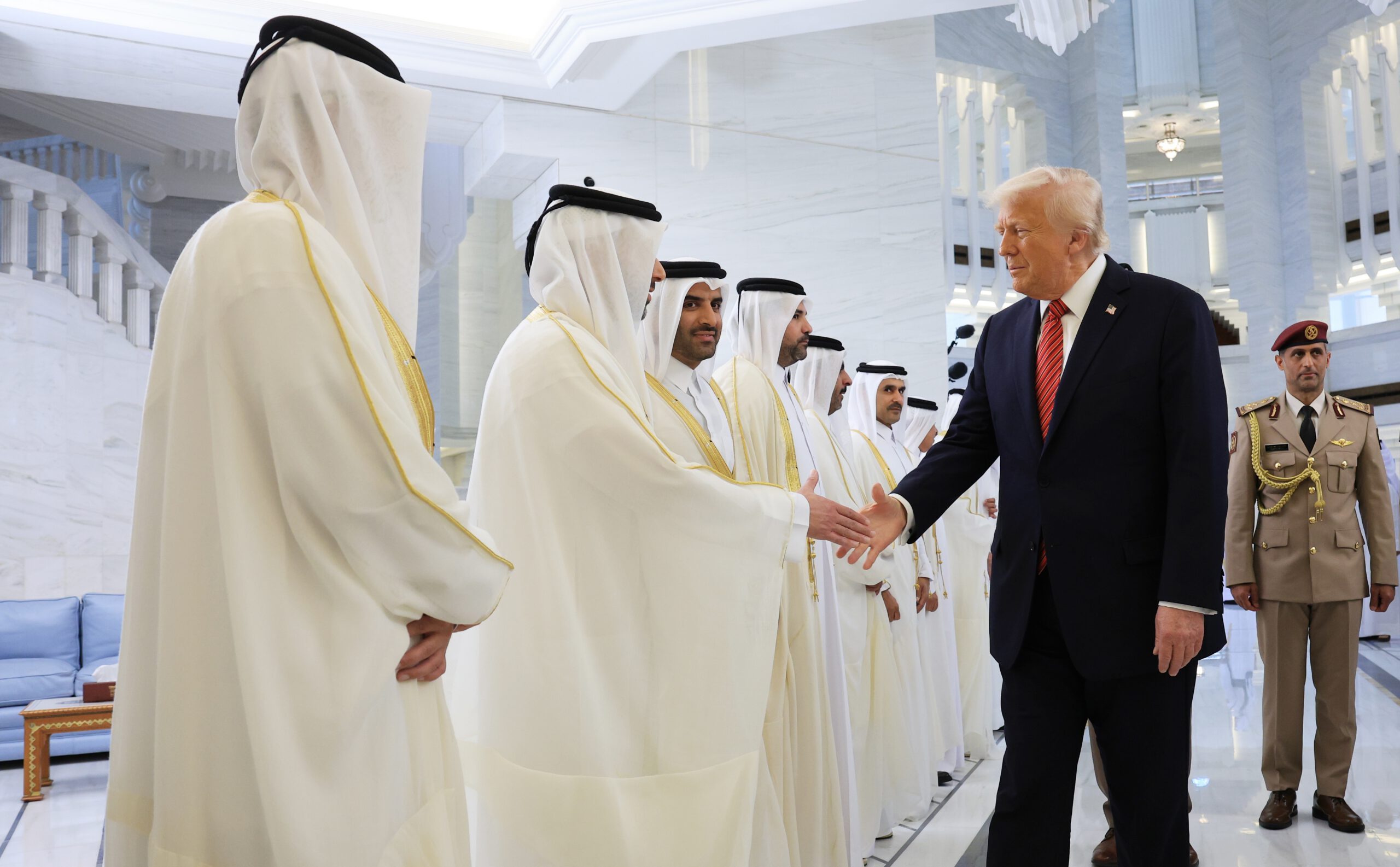
خرجت دول الخليج العربية الملكية من الهجمات الإسرائيلية والأمريكية على إيران في يونيو الماضي دون أن تتعرض لأضرار تذكر، باستثناء هجوم صاروخي انتقامي محدود شنته إيران على القاعدة الجوية الأمريكية في قطر. لكن من منظور أوسع، عززت هذه الحرب القصيرة، التي كانت جزءًا من الصراع الإقليمي الأوسع الذي بدأ بهجوم حماس على إسرائيل في أكتوبر 2023، هشاشة الوضع الأمني للملكيات الخليجية.
الخطوط الأمامية الرقمية: ما كشفت عنه الحرب التي استمرت 12 يوماً عن تطور استراتيجية إيران السيبرانية
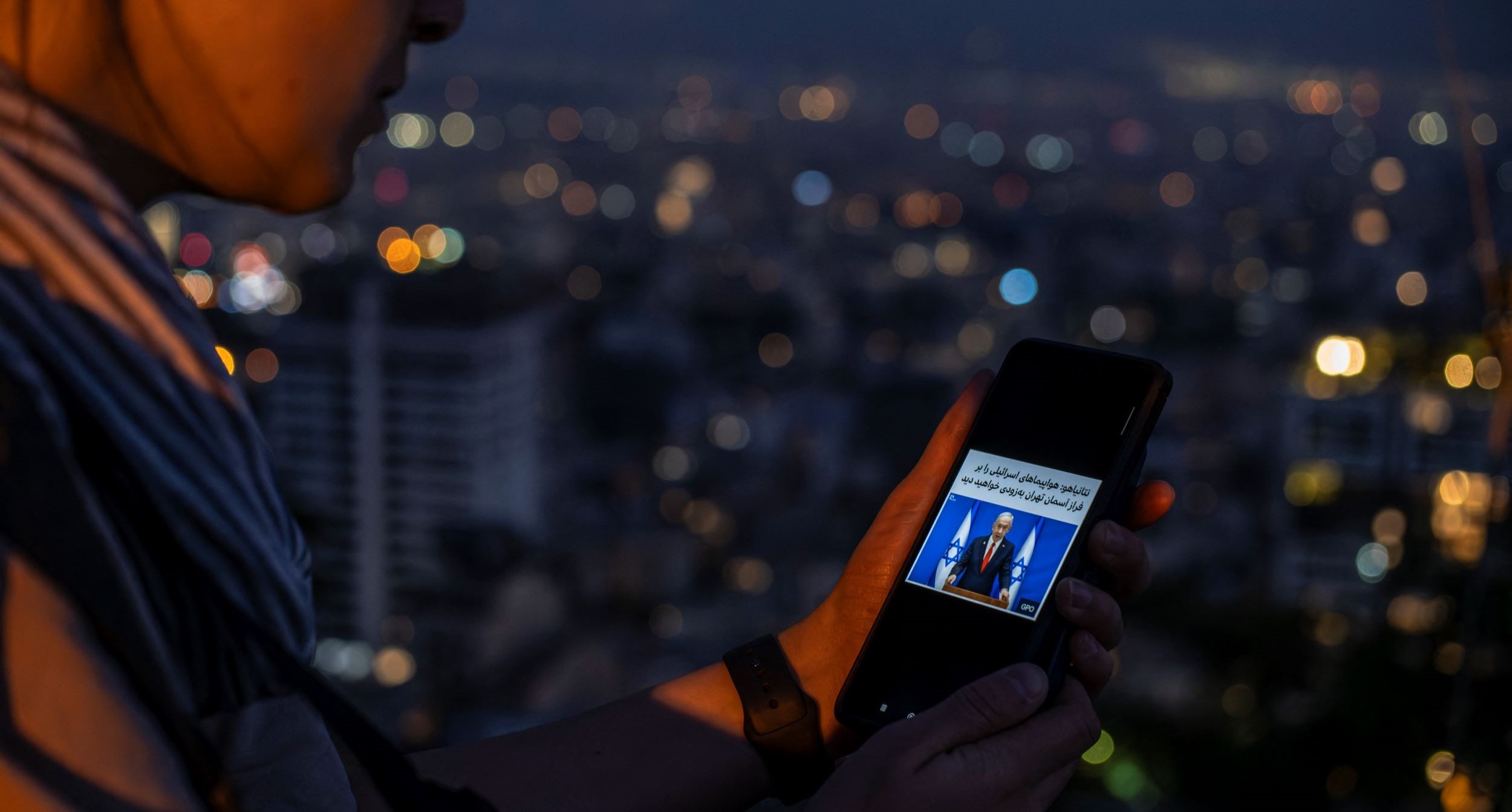
خلال الحرب بين إسرائيل وإيران في يونيو، دارت معركة أكثر هدوءًا ولكنها مهمة في الفضاء الإلكتروني، مما يسلط الضوء على كيفية قيام طهران بتحسين استخدامها للأدوات الرقمية لتشكيل ساحة المعركة، والتحكم في الروايات المحلية، وإبراز نفوذها في الخارج. على الرغم من عدم فعالية استجابة إيران الإلكترونية من الناحية العملياتية إلى حد كبير، إلا أنها شكلت مرحلة جديدة في تطورها الاستراتيجي.
اتسمت السنة الأولى من ولاية الرئيس مسعود بيزشكيان بالقيود الهيكلية السياسية المألوفة في إيران، والأزمات الخارجية، وقاعدة إصلاحية معتدلة تشعر بالإحباط الدائم من براغماتيته الحذرة ووعوده التي لم تتحقق. ولا شك أن انتخابه في يوليو 2024 كان بمثابة نكسة للمتشددين. لكن بعد مرور عام، أصبح التقييم واقعيًا: في حين أن بيزشكيان ساعد في بعض النواحي على إبطاء مسيرة المتشددين، إلا أنه لم يحدث أي تغيير جوهري في طريقة إدارة الجمهورية الإسلامية. فكل قرار يتطلب توقع الخطوة التالية للمرشد الأعلى علي خامنئي، وحتى بصفته رئيسًا محصورًا في النظام بسلطات محدودة، فإنه يعيش تحت سيف داموقليس المسلط على رقبته.
US Policy in the Middle East: Second Quarter 2025 Report Card
Six months into his second term, President Donald Trump remains in search of a major, concrete foreign policy win. Trump 2.0’s foreign policy is still struggling to produce a major positive outcome from its frenetic activity trying to end kinetic wars while prosecuting an unprecedented economic war with much of the rest of the world. The whirlwind of uncertainty since Trump returned to office in January has yet to improve America’s overall strategic position in the world. The following report assesses the US government’s actions over the past three months from May to mid-July 2025.
مع اقتراب أيام الصيف الحارة في شهر أغسطس، يسعدنا أن نشارككم قائمة مختارة من الكتب الصيفية التي تضم بعضًا من الكتب المفضلة لدى نائب الرئيس لشؤون السياسات كين بولاك عن المنطقة. تغطي القائمة مجموعة متنوعة من الموضوعات المهمة والمثيرة للاهتمام، وتقدم توصيات لأي شخص مهتم بتعميق فهمه للشرق الأوسط.
Inflection point or continuing spiral in the Middle East?
After almost two years of fighting in Gaza, and after the decimation of Hizballah, the fall of Bashar al-Assad’s regime in Syria, and the 12-day Israeli-American war on Iran, the Middle East is in new strategic and political territory. Two pathways lie ahead: the first is one in which the gains and changes brought about by war are turned, through intense diplomacy and negotiation, into new international and political arrangements that bring about a period of security and stability in the region; the second is one in which that corner is not turned, and the wars in Gaza, Iran, and potentially Yemen, Syria, and Lebanon, continue indefinitely. The trajectory will depend on the choices of key actors — above all Iran, Israel, and the United States.
MENA Energy Recap, Q2-2025: Markets Soften, Resolve Hardens, Investments Grow
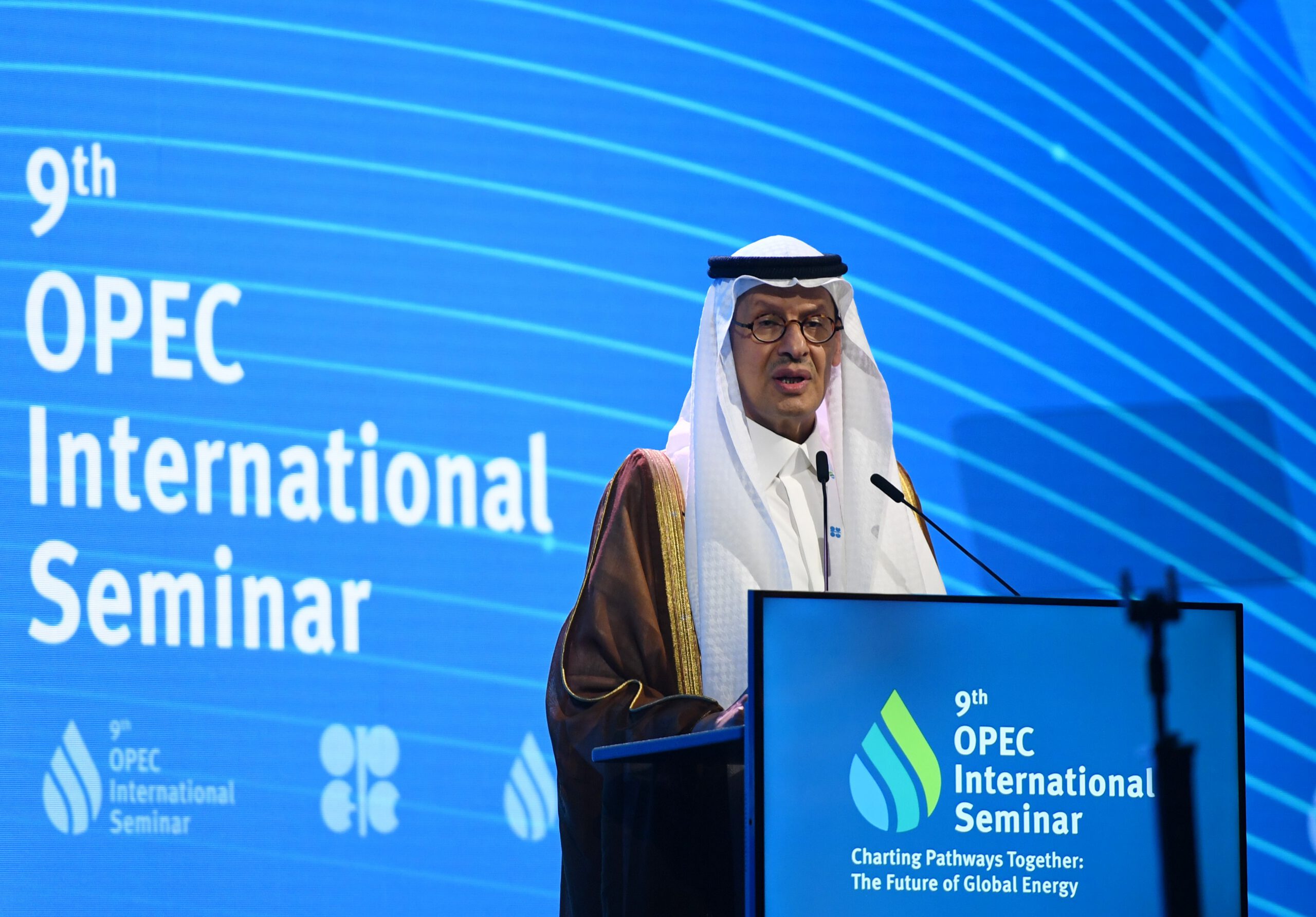
The MENA Energy Recap is a quarterly review of key energy developments that took place in the region from April through June of 2025 and what they signal in the months ahead. The Recap views these developments through the lens of policy and strategy, energy security, and markets.
ربما لم يكن هناك سوى عدد قليل من محللي شؤون الشرق الأوسط، إن وجدوا أصلاً، الذين توقعوا أن تشن إسرائيل غارات جوية تستهدف منشآت حكومية رئيسية في سوريا في صيف عام 2025. ومع ذلك، هذا بالضبط ما حدث يوم الأربعاء، عندما قصفت الطائرات الإسرائيلية مقر القيادة العسكرية السورية ومنطقة قريبة من القصر الرئاسي في دمشق.
Deals, Diplomacy, and Day-After Plans: The Trump Administration's Middle East Strategy
As the Trump administration marks six months in office, it is pursuing a flurry of diplomatic initiatives across the Middle East — some publicly coordinated, others shaped behind closed doors. MEI Distinguished Diplomatic Fellow Mara Rudman joins hosts Alistair Taylor and Matthew Czekaj to assess the administration’s broader regional strategy and its handling of key issues.
The 12-day Israel-Iran war: China’s response and its implications
Last June’s Israel-Iran conflict became a revealing stress test for Beijing’s Middle East strategy, its role in global diplomacy, and the coherence of what some have described as an emergent “Axis of Upheaval” between China, Russia, and Iran.
Trump still looking for major wins on the global stage after budget battle victory at home
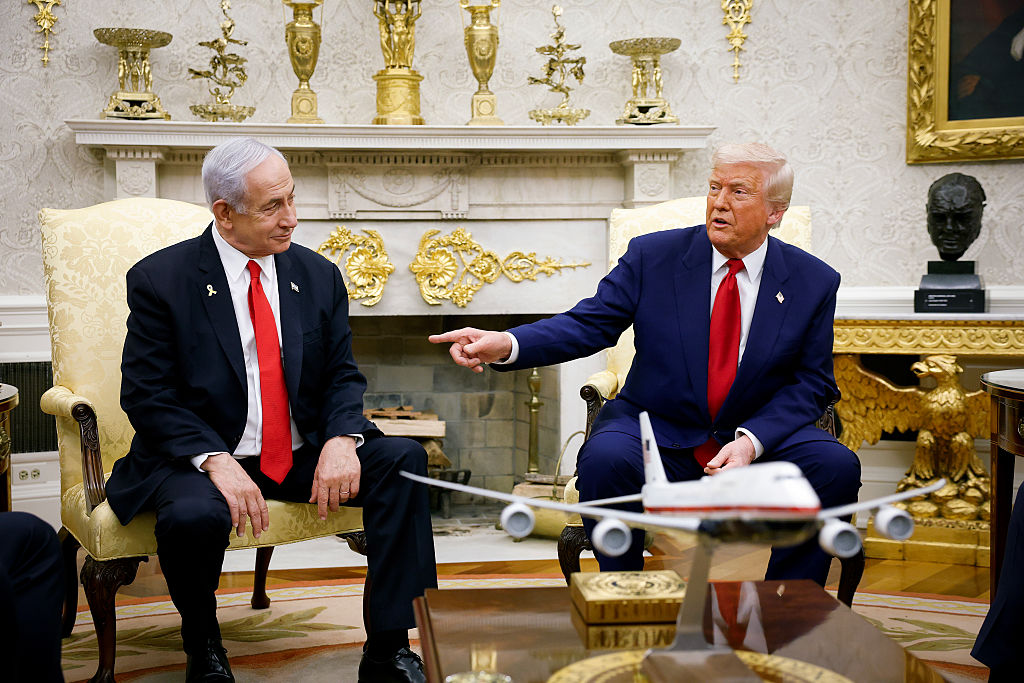
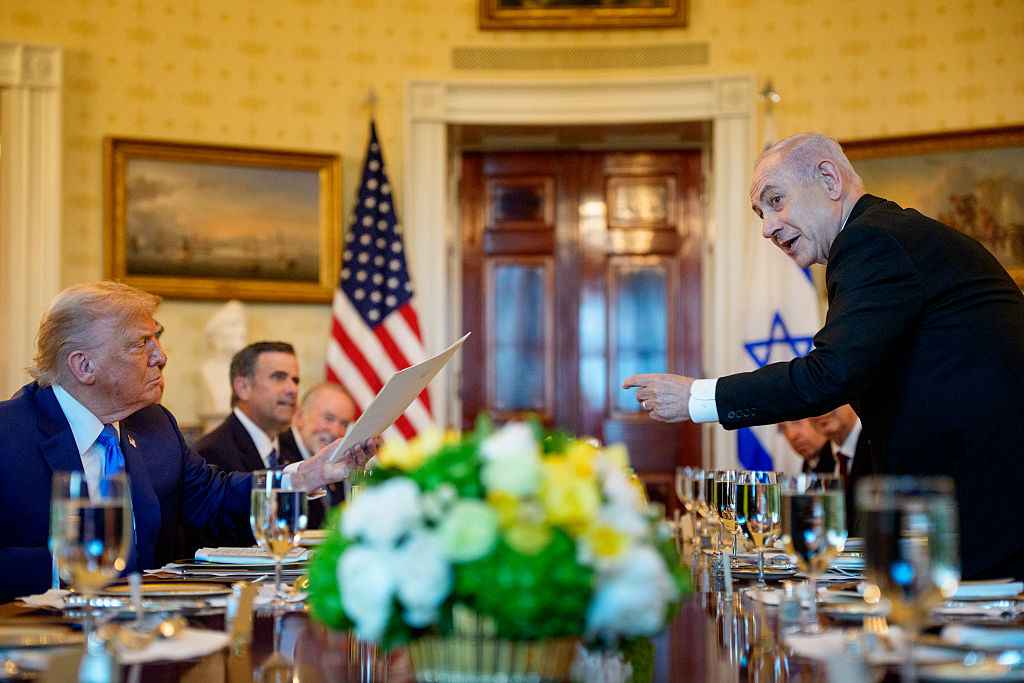
US President Donald Trump hosted Israeli Prime Minister Benjamin Netanyahu for the third time in his second term this week, shortly after securing a major victory for his domestic policy agenda in the budget bill passed by Congress.
قدرة باكستان على التوفيق بين علاقاتها مع الولايات المتحدة وإيران تختبرها الحرب بين إسرائيل وإيران
عندما اندلعت الحرب بين إسرائيل وإيران وقررت الولايات المتحدة مساعدة الجانب الإسرائيلي بضرب برنامج إيران النووي، توقعت كل من طهران وواشنطن أن تقف إسلام أباد إلى جانب مواقفهما. وضع هذا الوضع الحكومة الباكستانية في موقف حساس سياسياً ودبلوماسياً.