تمت ترجمة هذا النص بواسطة الذكاء الاصطناعي وقد يحتوي على أخطاء.
تخطي إلى المحتوى

Research & Commentary Results

تصفية حسب
1006 Results
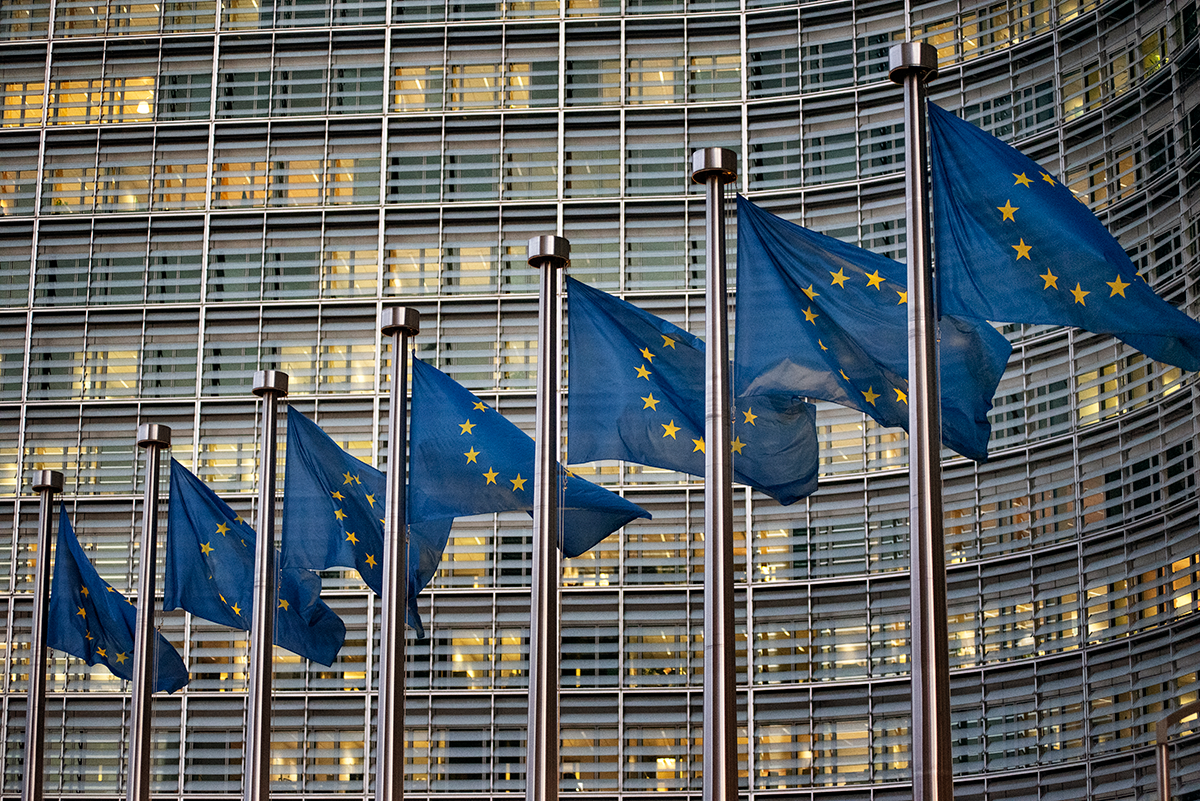
The EU needs to expand its support for the MENA region’s digital transformation
Photo by Michele Spatari/NurPhoto
  • التحليل
  • The EU needs to expand its support for the MENA region’s digital transformation

    Digital transformation will play a key role in shaping relations between Europe and the MENA region, but despite these high-level announcements, EU strategy and programming on the ground would need to expand to meet the region’s requirements and serve the EU’s strategic interests.

    August 19, 2024

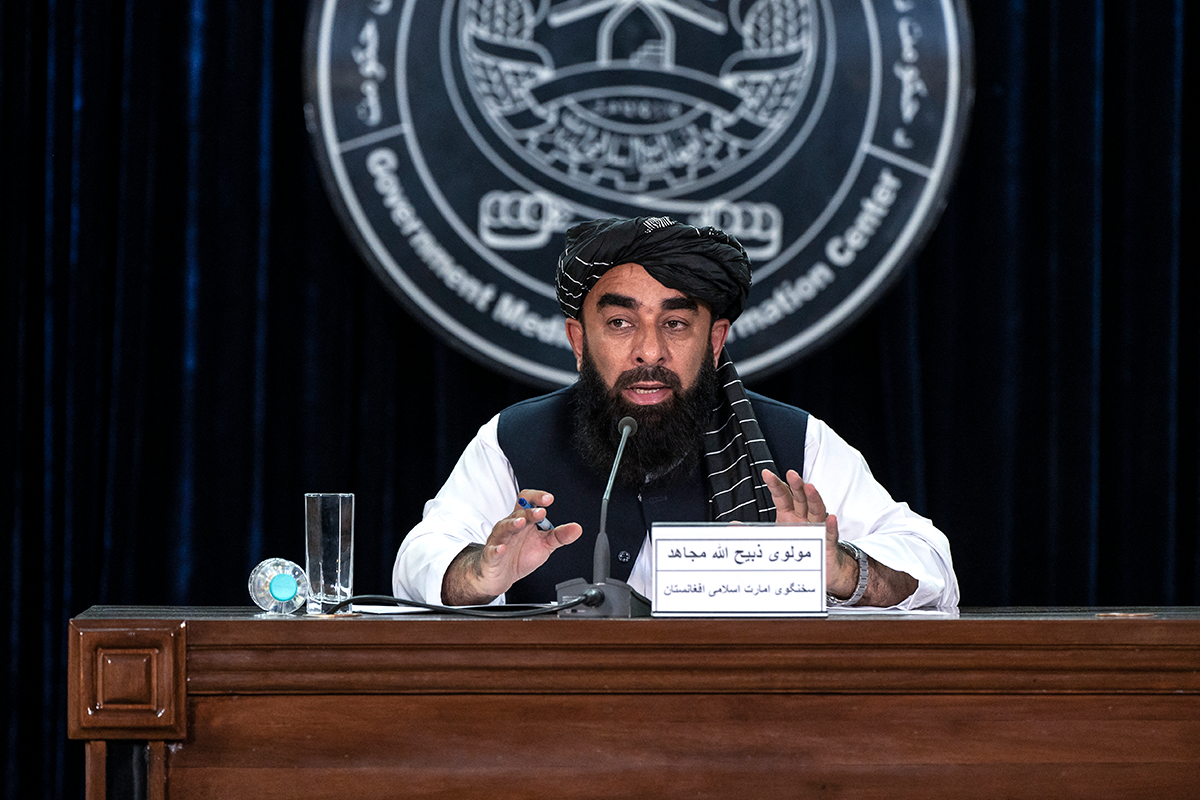
    باكستان والشرق الأوسط: النهج المتطور تجاه أفغانستان
    الصورة من قبل WAKIL KOHSAR/AFP عبر Getty Images
  • التحليل
  • باكستان والشرق الأوسط: النهج المتطور تجاه أفغانستان

    لطالما كانت أفغانستان ساحة للمنافسات بالوكالة بين القوى الإقليمية، التي اتبعت سياسات متباينة تجاه أفغانستان على مدى العقود الماضية من الاحتلال الأجنبي، وتقوم بذلك مرة أخرى الآن في ظل سيطرة طالبان المتجددة على البلاد.

    12 أغسطس 2024

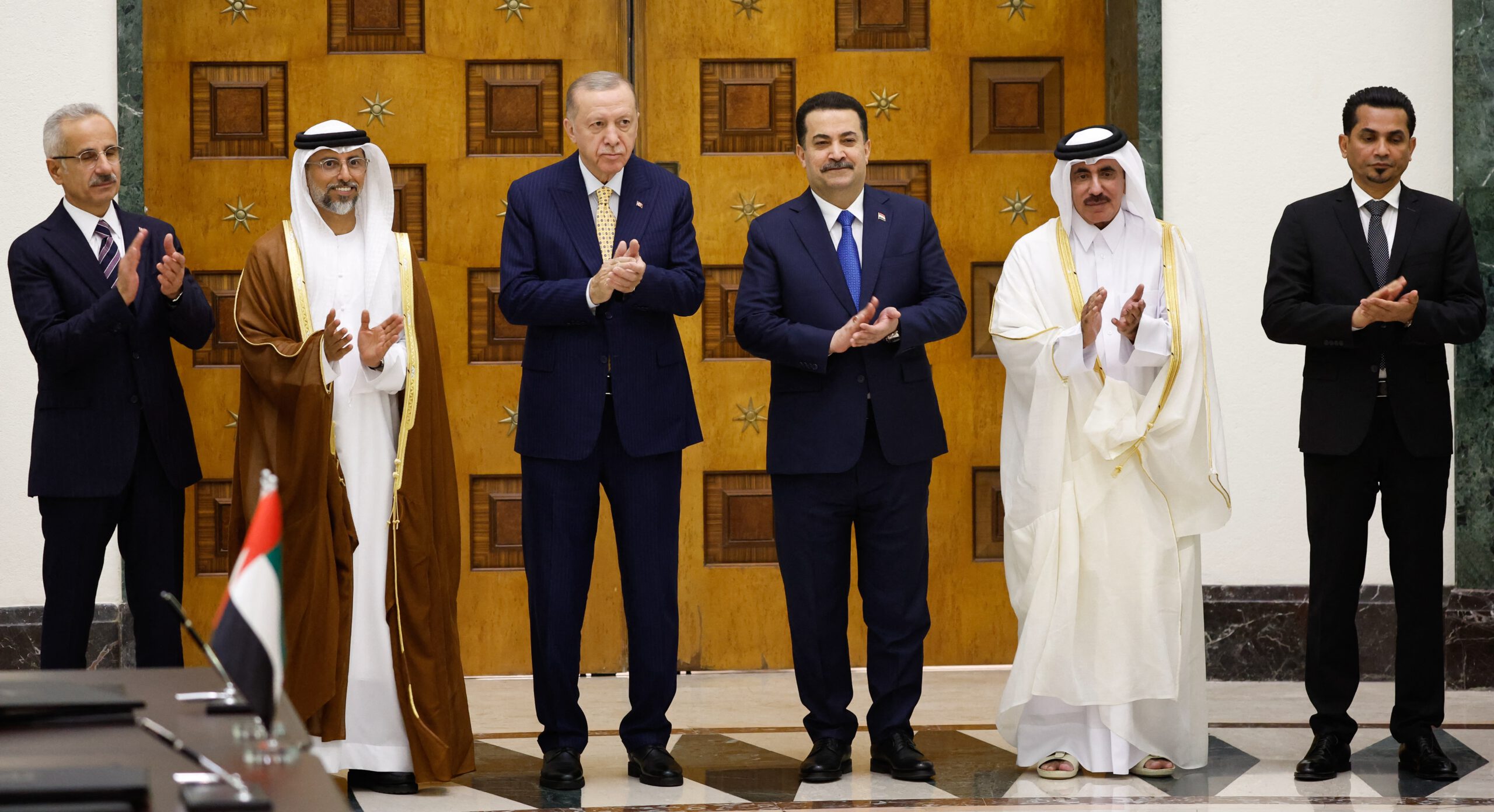
    Powering up: Turkey-Iraq transmission line is part of a broader strategic shift
    Photo by THAIER AL-SUDANI/POOL/AFP via Getty Images
  • التحليل
  • Powering up: Turkey-Iraq transmission line is part of a broader strategic shift

    On July 21, 2024, Iraq inaugurated a new power line connecting Turkey and Iraq to handle Turkish electricity imports. Iraq is operationalizing this new power line with the goal of ensuring a more stable energy future, reshaping its geopolitical relationships, and reducing its reliance on Iran.

    August 7, 2024

    The IMF, CPEC, and Pakistan: Will the Chinese save Islamabad yet again?
    Photo by Huang Jingwen/Xinhua via Getty Images
  • التحليل
  • The IMF, CPEC, and Pakistan: Will the Chinese save Islamabad yet again?

    The China-Pakistan Economic Corridor (CPEC), once heralded as a “game-changer,” has almost disappeared from the spotlight in recent years. The project has faced slow implementation, unpaid loans, corruption, and a dire security situation. How is China responding to Pakistan’s poor handling of CPEC, its perpetual financial troubles, and its periodic demands on China to bail it out?

    August 6, 2024

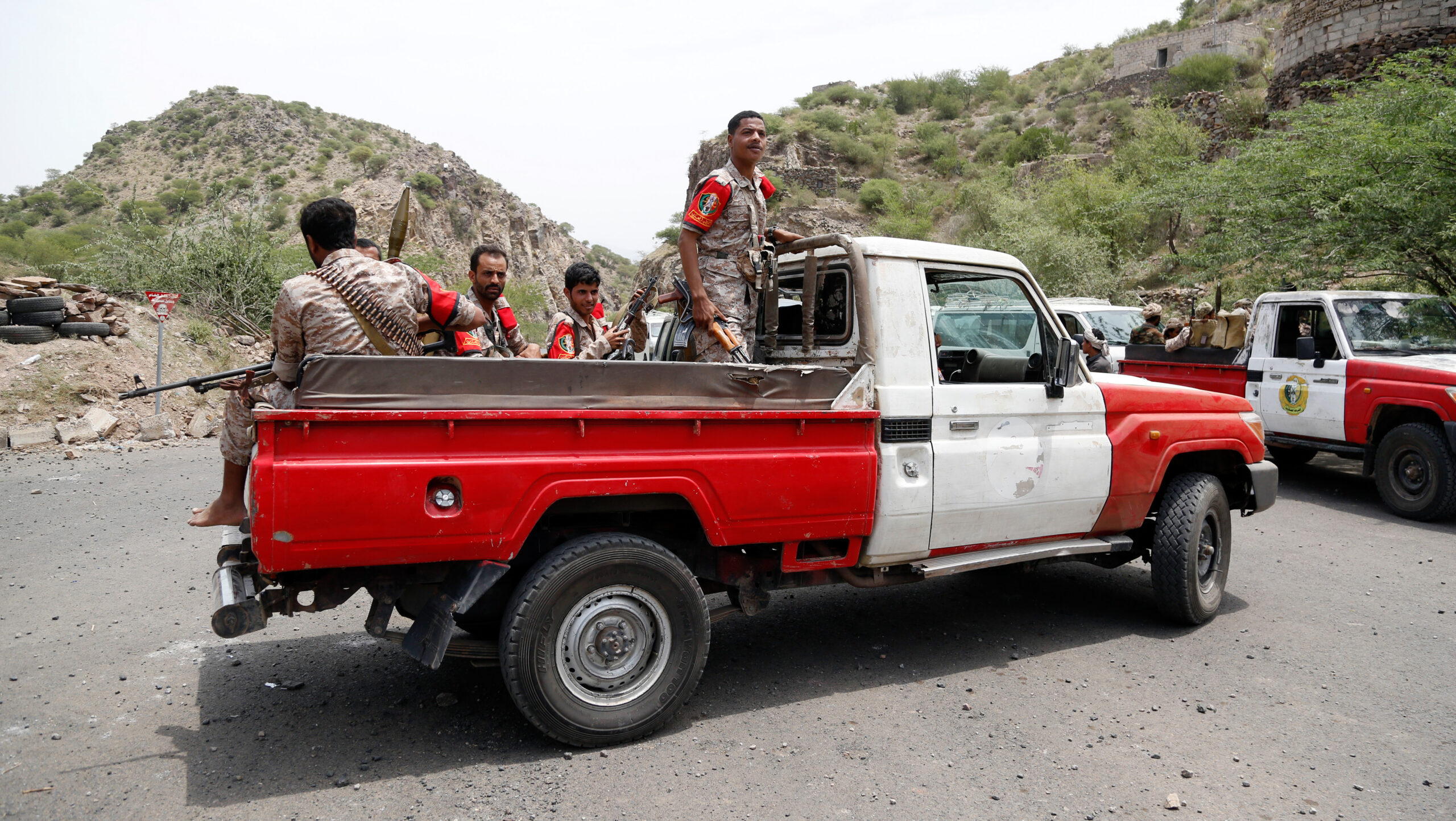
    Russia and China’s differing engagements with the Houthis
    الصورة من تصوير محمد حمود/Getty Images
  • التحليل
  • Russia and China’s differing engagements with the Houthis

    Although Russia and China are in regular dialogue with the Houthis, the motivations that undergird the engagements of both countries differ markedly. The Houthis regard both Russia and China as partners against American unilateralism but have a warmer relationship with Moscow.

    July 29, 2024

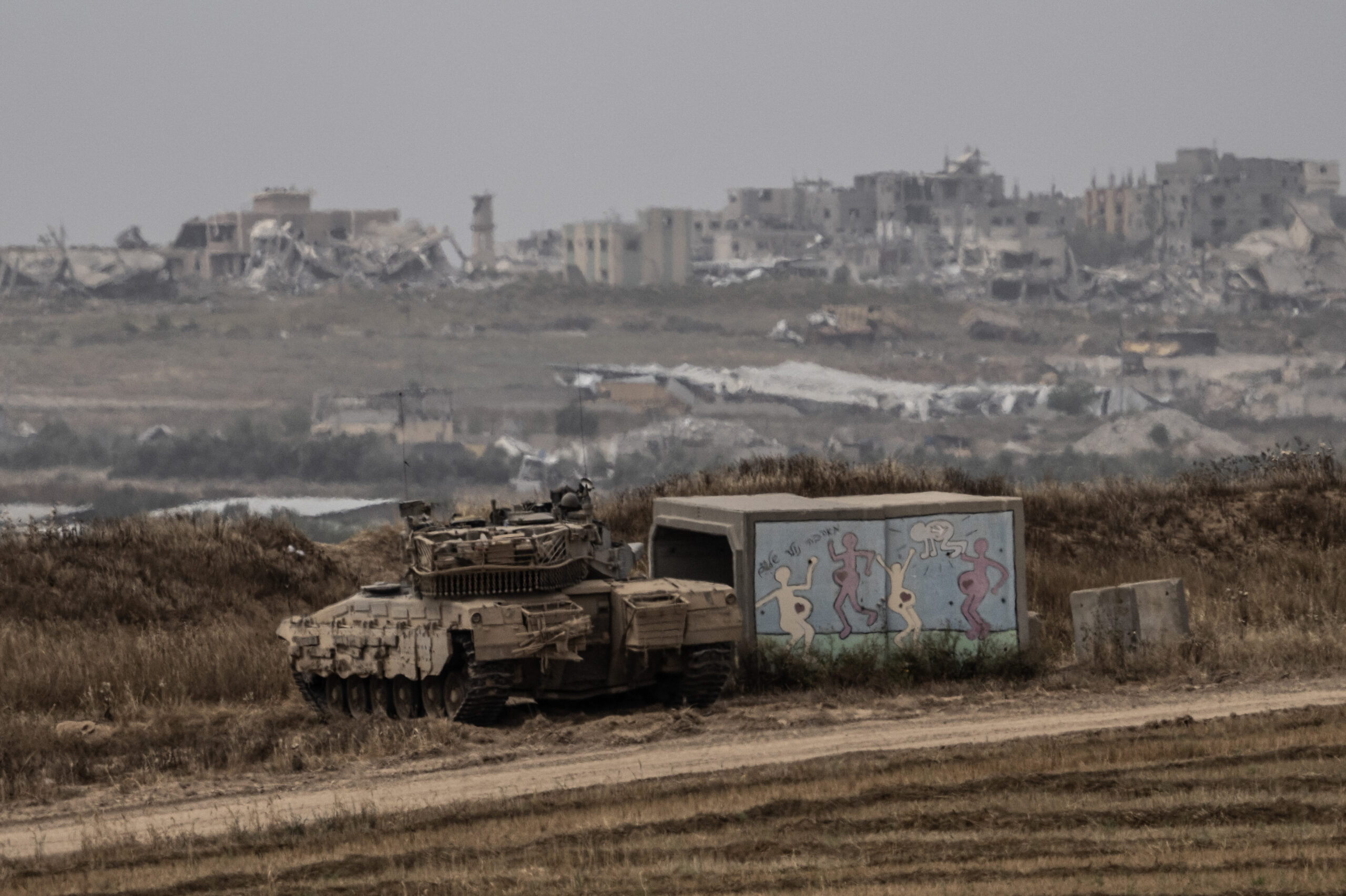
    The geopolitical implications of Houthi attacks and Israeli retaliation
    الصورة من محمد حوايس/وكالة فرانس برس عبر غيتي إيمدجز
  • التحليل
  • The geopolitical implications of Houthi attacks and Israeli retaliation

    The Houthis’ strategy of escalation has the potential to upset the fragile balance of power in the Middle East and underlines the ability of smaller actors to influence larger geopolitical outcomes through calculated risks and alliances.

    July 23, 2024

    Turkey is not “lost,” but it is time for other NATO allies to more strongly reengage
    معهد الشرق الأوسط
  • التحليل
  • Turkey is not “lost,” but it is time for other NATO allies to more strongly reengage

    Turkey’s loyalty to the Alliance is frequently questioned, including accusations of fence-sitting, especially when it comes to Russia. To ask, “Who lost Turkey?” is to misread the situation. Turkey is increasingly, albeit carefully, moving away from the Kremlin.

    July 23, 2024

    The situation in the Red Sea is not getting better
    الصورة من وكالة فرانس برس عبر غيتي إيمدجز
  • تعليق
  • The situation in the Red Sea is not getting better

    The current situation is not only intolerable – it is unsustainable. It is time to recognize that the Houthis, with strong and persistent support from Iran, are in a position to hold not only the US but virtually the entire global system hostage.

    The geopolitical causes of Georgia’s political crisis
    Photo by Mirian Meladze/Anadolu via Getty Images
  • التحليل
  • The geopolitical causes of Georgia’s political crisis

    Strengthening authoritarian rule in Georgia is not just a reflection of Georgia’s internal politics but also a symptom of the West’s broader disengagement from the wider Black Sea region. This disengagement has facilitated Russian state capture in Georgia, undermining the rule of law and democracy.

    July 17, 2024

    Key takeaways for NATO and the Middle East from the Washington Summit Declaration
    الصورة من جاكوب بورزيكي/نورفوتو عبر غيتي إيمدجز
  • التحليل
  • Key takeaways for NATO and the Middle East from the Washington Summit Declaration

    At the Washington Summit, NATO member states mostly focused on efforts to counter Russia and to support Ukraine. However, the 2024 summit communiqué also addresses non-Euro-Atlantic risks and opportunities, based on the idea that “conflict, fragility and instability” elsewhere directly affects NATO security.

    July 15, 2024

    Wide gap between the Egyptian government’s rosy figures and the economic hardship suffered by millions
    Photographer: Islam Safwat/Bloomberg via Getty Images
  • التحليل
  • Wide gap between the Egyptian government’s rosy figures and the economic hardship suffered by millions

    For Egyptian officials, June should have been a month to celebrate. And yet none of the seeming macroeconomic successes that the government recorded brought much reassurance to the average Egyptian, who has continued to experience currency shortages, an unreliable energy grid, and fears of a resurgent spike in inflation.

    July 12, 2024

    What Comes Next for Turkey? Prospects for Change on the Political, Economic, and Foreign Policy Fronts
    Photo by Yagiz Gurtug / Middle East Images / Middle East Images via AFP
  • التحليل
  • What Comes Next for Turkey? Prospects for Change on the Political, Economic, and Foreign Policy Fronts

    After two decades in power and following the Justice and Development Party’s historic defeat in the 2024 local elections, Turkish President Recep Tayyip Erdoğan is now at his most vulnerable. What comes next is not only important for the future prospects of Turkish democracy but also holds important lessons for autocrats across the world. Scholars Evren Balta, Seda Demiralp, Edgar Şar, and M. Murat Kubilay seek to answer key questions about the country’s political, economic, and foreign policy trajectory in a new report from the Middle East Institute.

    The weight of past mistakes and the post-election push for economic normalization
    Photo by Celal Gunes/Anadolu via Getty Images.
  • التحليل
  • The weight of past mistakes and the post-election push for economic normalization

    For years under President Recep Tayyip Erdoğan, Turkey pursued an unconventional monetary policy. The situation, long untenable, finally became unsustainable in the run-up to the presidential and parliamentary elections in May 2023. In the immediate aftermath of the vote, President Erdoğan announced a dramatic shift, returning to orthodox monetary policy. While there have been tangible improvements on a number of fronts as a result, the country faces both declining household purchasing power in the short term and a range of broader economic challenges in the longer run.

    July 9, 2024