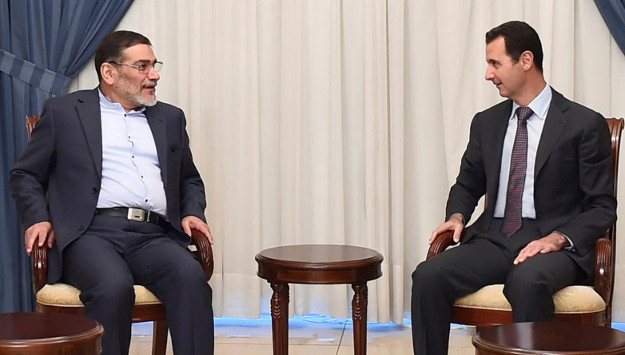
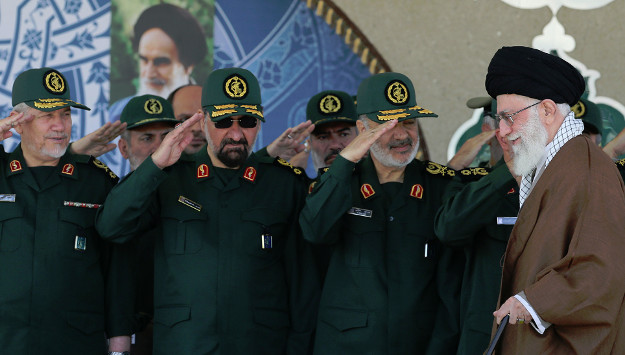
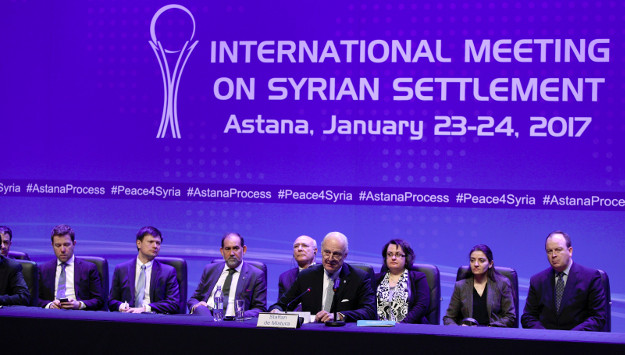
On February 5, the Secretary of Iran’s Supreme National Security Council, Ali Shamkhani, said that “certain countries are worried about the weakening of terrorist groups in Syria.” Shamkhani made the remarks after his meeting with visiting Russian president’s Special Envoy for Syrian Affairs, Alexander Lavrentiev. Shamkhani and Lavrentiev praised the latest Syrian peace talks held in Astana and which were brokered by Russia, Turkey and Iran.
Iran-Backed Shiite Militias Ready to Take West Mosul
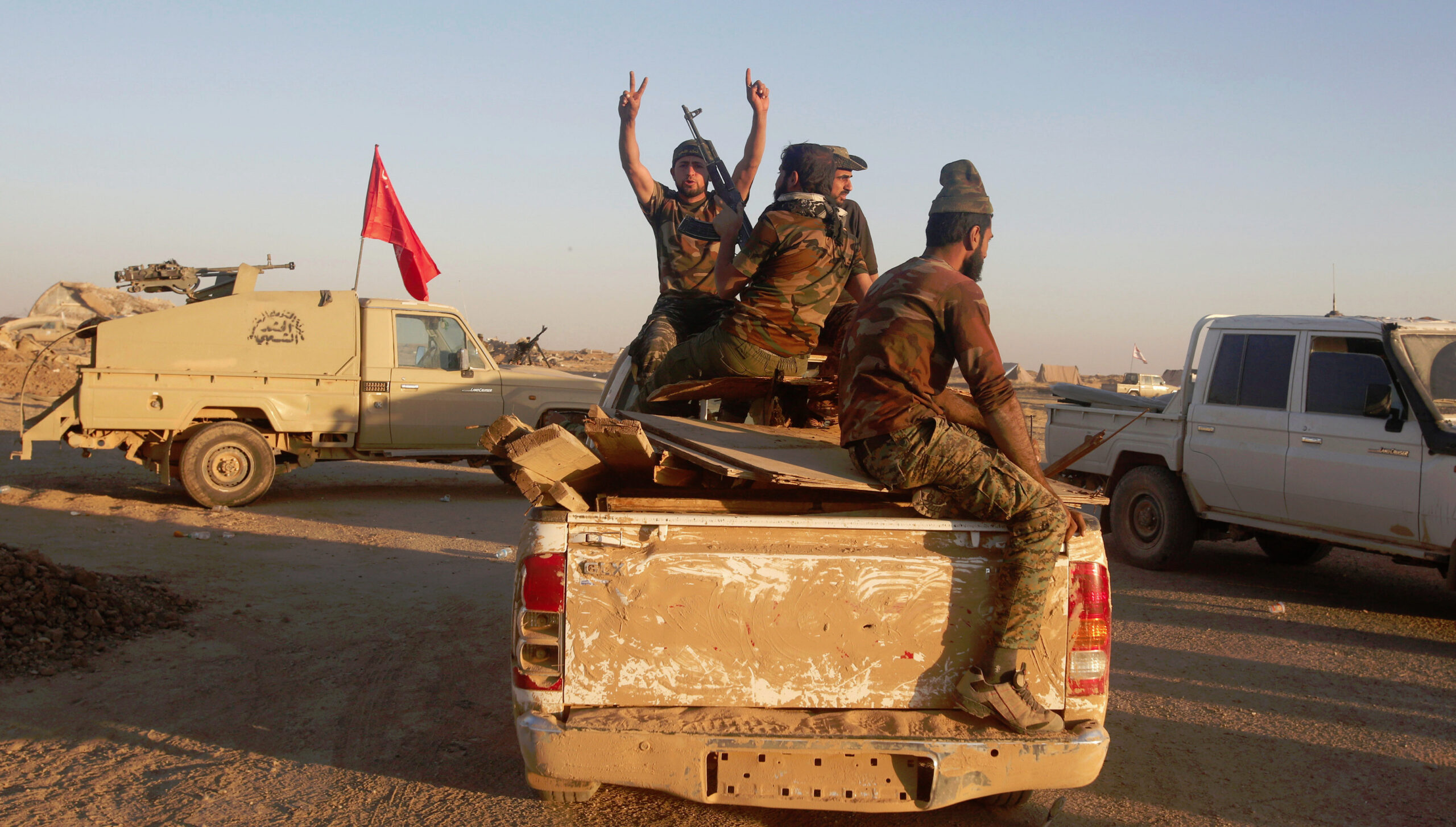
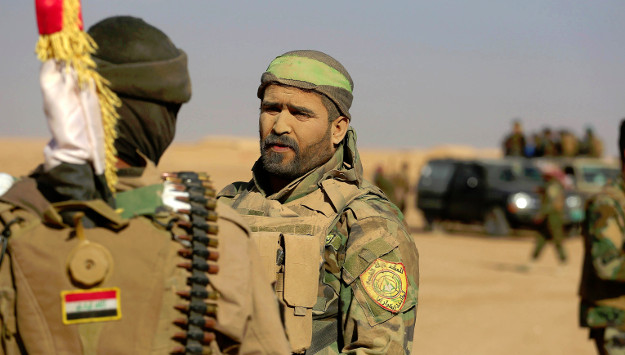
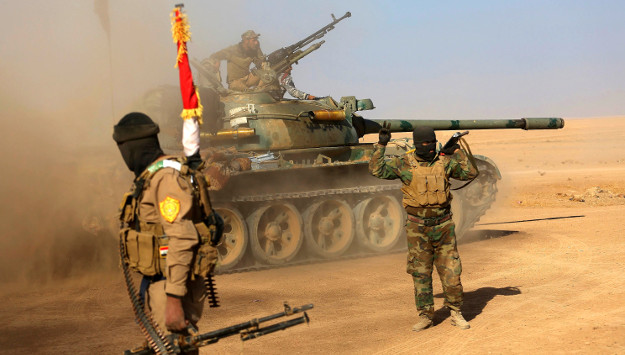
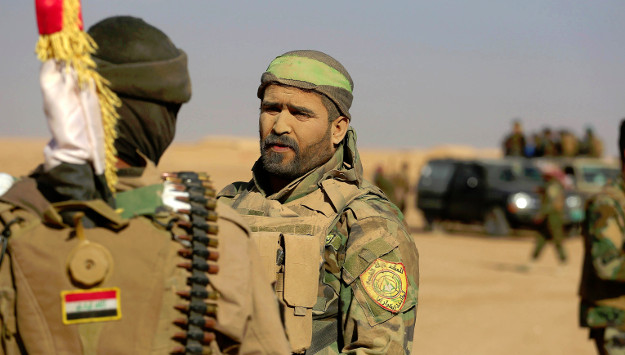
Fars News, an outlet affiliated with Iran’s Islamic Revolution Guards Corps (I.R.G.C.), has published an interview with the spokesperson of the Hashd al-Shaabi (Popular Mobilization Force), on the question of the military campaign to free the Iraqi city of Mosul from the Islamic State. Ahmad al-Assadi, the spokesperson of the Shiite-dominated Iraqi paramilitary organization, claimed in the interview that the next phase of operations to liberate west of Mosul from the Islamic State is underway.
Monday Briefing: Trump Scores a Ruinous ‘Own Goal’ in the Middle East
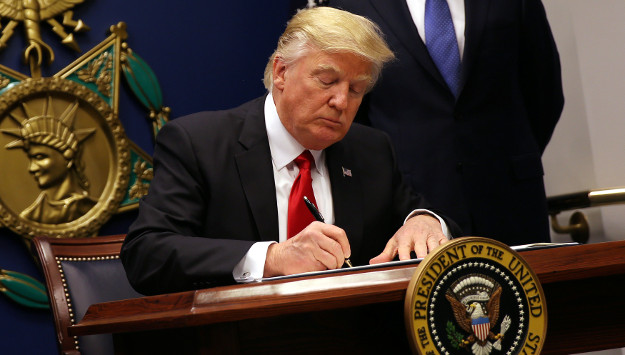
In this week’s Monday Briefing, MEI experts Paul Salem, Robert S. Ford, and W. Robert Pearson provide analysis on recent and upcoming events including the Trump administration’s controversial travel ban, the Syrian regime’s dismissal of calls for a cease-fire, and the upcoming meeting between German Chancellor Angela Merkel and Turkish President Recep Tayyip Erdogan.
IRGC-Controlled Media Continue to Glorify Iraqi Shiite Militias
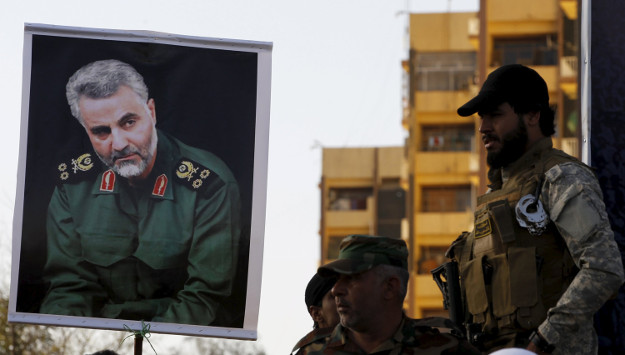
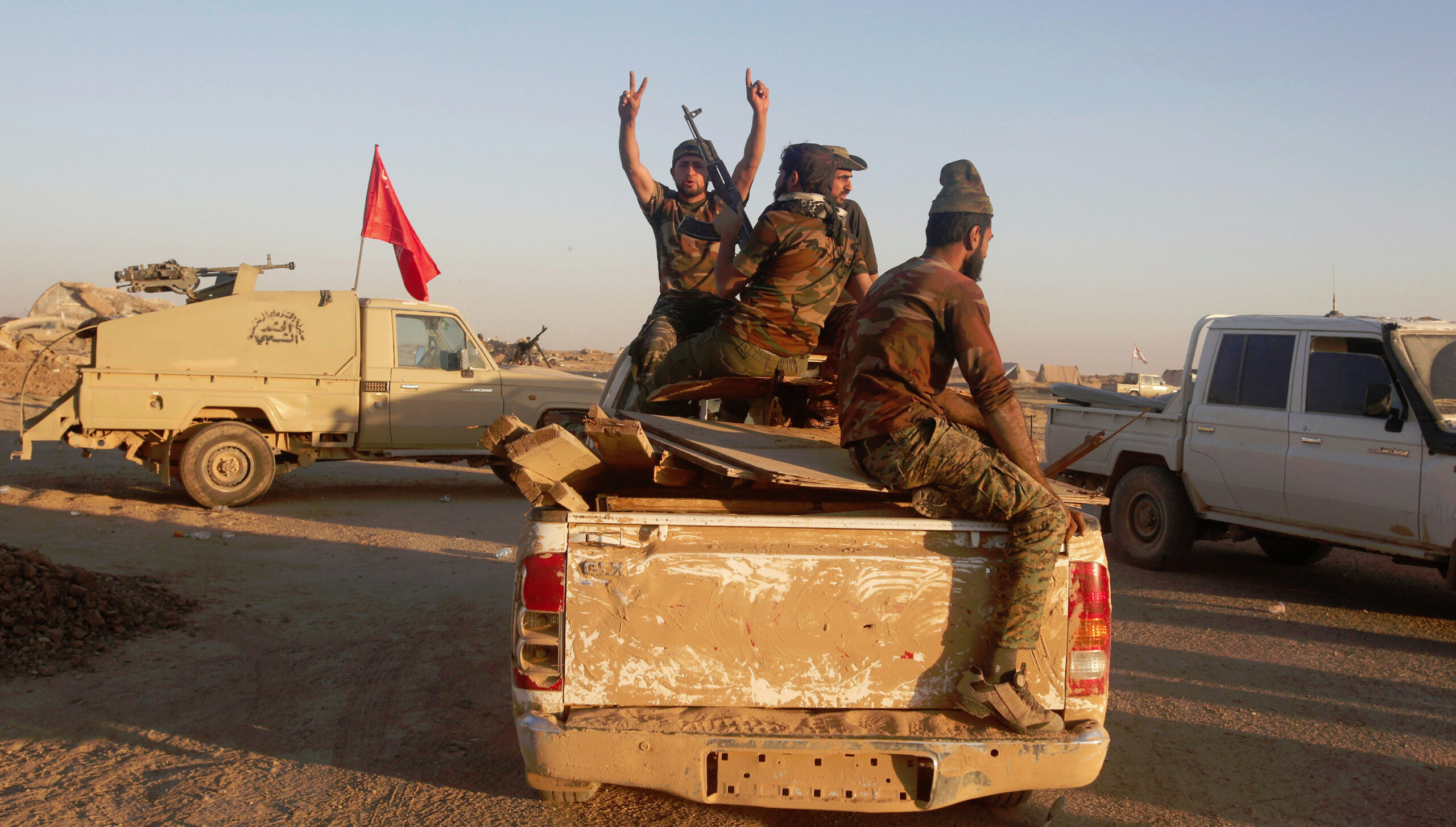
Tasnim News, an outlet that is affiliated with Iran’s Islamic Revolution Guards Corps (IRGC), has published a rare video footage of its correspondent’s account of Shiite militia operations in Iraq. In what the outlet calls “exclusive” video, the correspondent is seen accompanying fighters from Hashd al-Shaabi (Popular Mobilization Force) in the battle for Mosul against fighters from the Islamic State.
Iranian-state media have been defending Iraj Masjedi, Tehran’s new ambassador to Baghdad. Masjedi is a member of the Qods Force, the external branch of the Islamic Revolution Guards Corps. Al-Alam, the Iranian-sponsored media outlet that is aimed at the Arabic-speaking world, quoted Iraq’s National Security Advisor, Falih al-Fayyad, to say that Masjedi is welcome in Baghdad and that “he is someone [Iraqis] know and appreciate for his past record in Iraq.”
Top Iran Envoy Meets Khamenei’s Special Representative in Syria
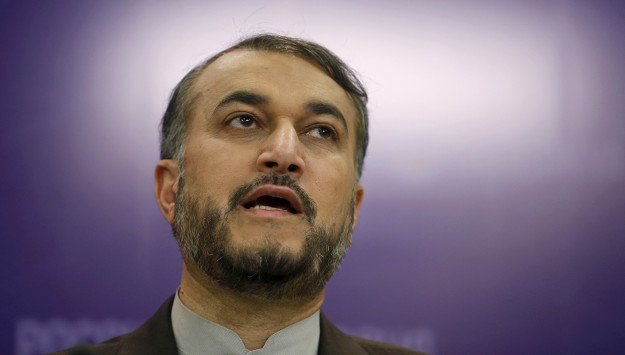
On January 27, Iranian media reported that top Iranian envoy, Hossein Amir Abdollahian, who visited Damascus this week, also met the Iranian supreme leader’s special representative to Syria, Abolfazl Tabatabai Ashkezari. Ashkezari was appointed by the personal decree of Khamenei in March 2016. He has been living in Syria since.
The January 26 meeting between the Syrian President Bashar al-Assad and Hossein Amir Abdollahian is another important sign that Iran’s President Hassan Rouhani has at best very little influence over Iran’s Syria’s policy. The official title of Amir Abdollahian is “Director General of International Affairs” at the Iranian parliament, the Majlis. However, this generic title given to Abdullahian is in no way a true reflection of his power in Tehran and the critical base of support he enjoys.
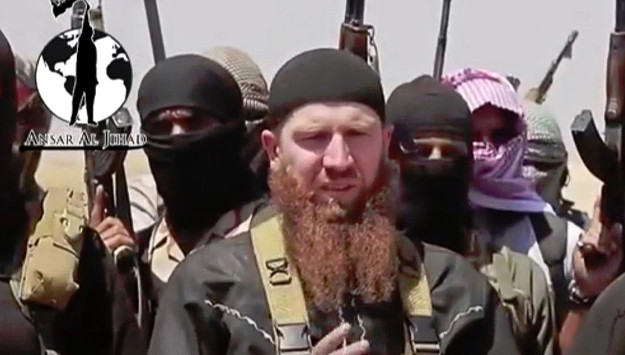
Fars News, an outlet that is linked to Iran’s Islamic Revolution Guards Corps (IRGC), reported that ethnic Chechen forces from Russia are now acting as police units in the Syrian city of Aleppo. The outlet reported that Chechens had also from December 2016 been deployed “to serve in the military police to protect Russia’s Khmeimim air base in Syria.”
Iran-Backed Militia Units Continue West Mosul Operations
A senior Iraqi official has said that the Popular Mobilization Force (PMF) will take part in the “liberation” of western Mosul. “The popular mobilization forces in Nineveh Province will participate in the liberation operation of Tal Afar,” Iraqi National Security Advisor Falih al-Fayyad said in an interview with Iranian state-run Al-Alam News Network published on January 23.
Tehran’s fears of losing out influence during the ongoing peace talks on Syria in Astana were evident even in the makeup of the Iranian delegation. According to Iranian sources, Tehran had been compelled to dispatch a top military figure with extensive experience in Syria in order not to be eclipsed by Russian and Turkish militaries.