The failure of partner-led, US-enabled policy in the Horn of Africa: The case study of Somalia
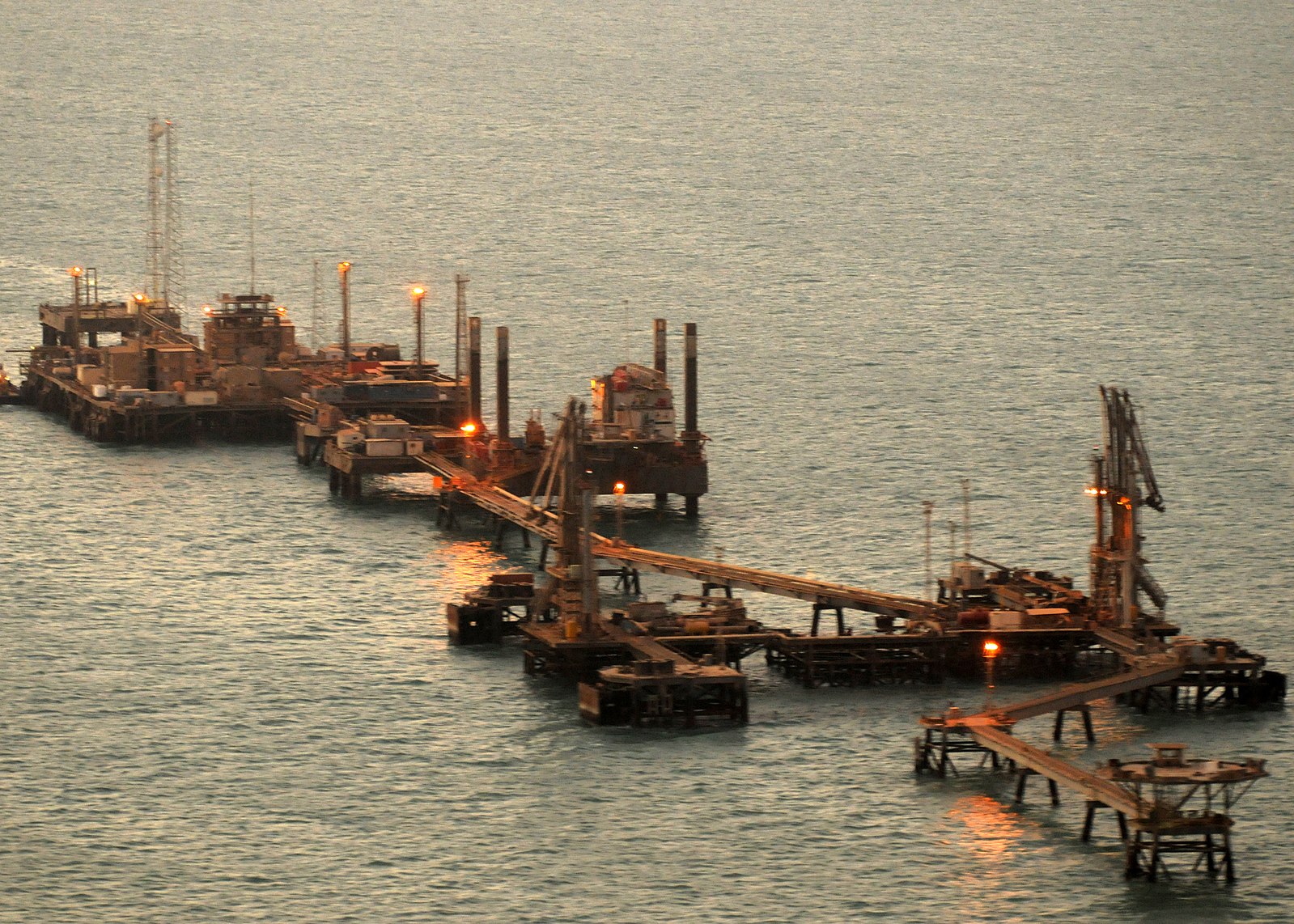
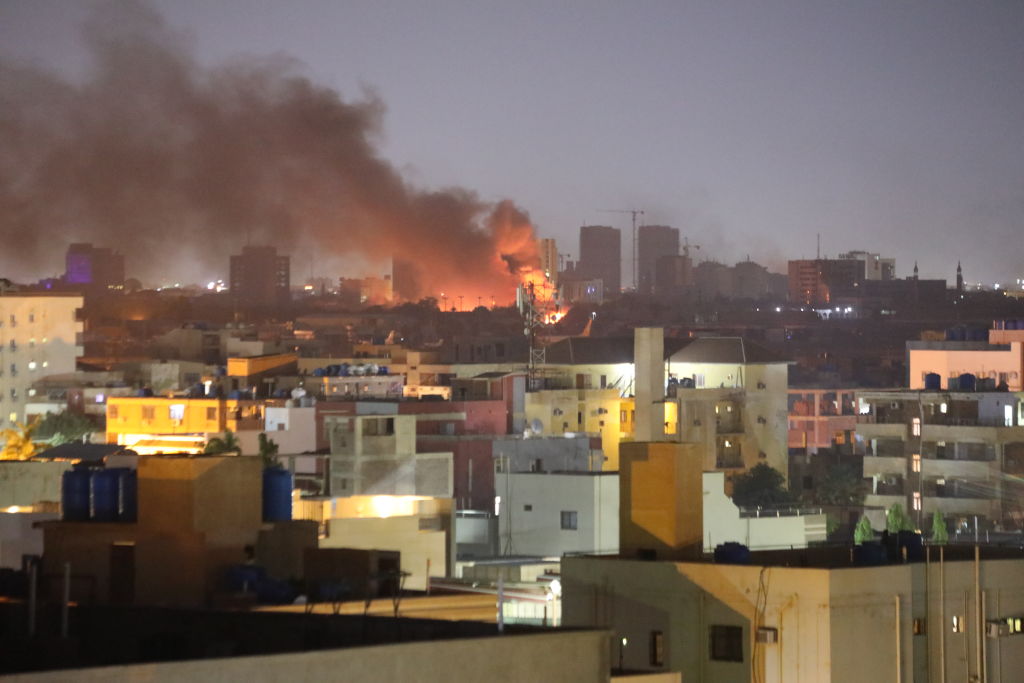
Rather than addressing the critical gaps in Somalia’s security, President Hassan Sheikh has chosen to prioritize nation-building over state-building, diverting scarce resources needed to stabilize areas liberated from al-Shabaab. The Biden administration has enabled President Sheikh’s nation-building project through its partner-led, U.S.-enabled approach.
Decarbonization and Political Transformation in Iraq: The Impact on Politics, Society and Regional Relations
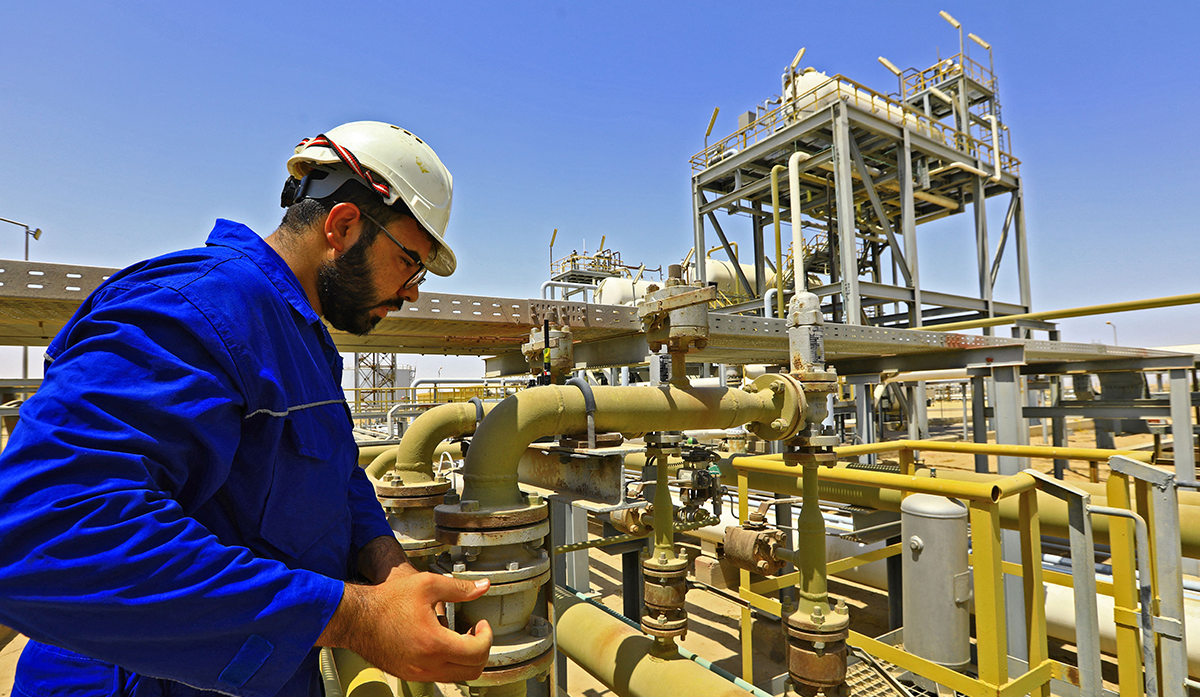
What happens when a petrostate loses its oil rents? While the oil market continues to go through boom-and-bust cycles, cases such as Iraq provide evidence of how the rapid loss of oil revenues—traumatic decarbonization—may affect the politics and stability of these petrostates. In Iraq, multiple shocks to oil revenues from 2014 through 2020 fundamentally altered the organization and concentration of political power in Iraq with destabilizing and democratic consequences.
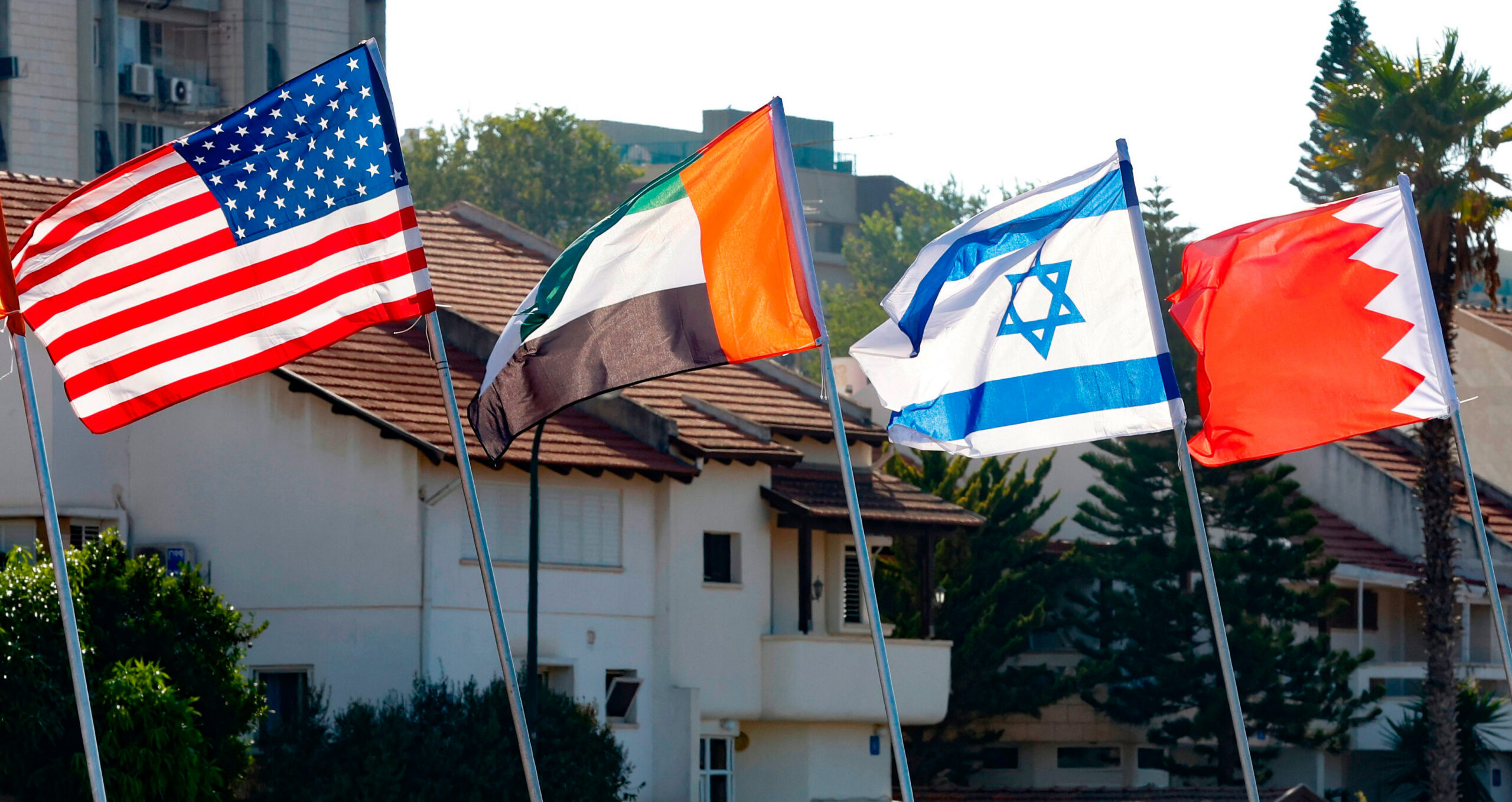
تركزت جميع النزاعات التاريخية والحديثة في الشرق الأوسط حول الاعتبارات الإقليمية الكلاسيكية المتعلقة بفقدان الأراضي أو استعادتها. وللخروج من هذه الدوامة، كان من الضروري الابتعاد عن أحد الأسباب الجذرية الرئيسية للنزاع: الجغرافيا. وقد تكون التغيرات الحالية في المنطقة، التي تتميز بتوجه كبير نحو تخفيف حدة التوتر واستعداد متزايد للانفصال بشكل دوري عن الحلفاء التقليديين، مؤشرات على حدوث تحول جذري عميق نحو "السياسة الكمومية".
Fish Farmers in the Nile River Delta: Empty Lakes and Dirty Waters
Egyptian fish farmers are facing mounting pressures: Year after year, their fish are getting smaller and less healthy, their production decreases, and they are forced to take out loans they are later unable to pay back. The Egyptian government’s recent efforts to invest heavily in aquaculture, though intended to address future food shortages, may only worsen the position of local fish farmers in the Nile Delta by exacerbating the effects of urbanization and climate change while undercutting prices.
Iran-Iraq competition in regional maritime and overland transit corridors
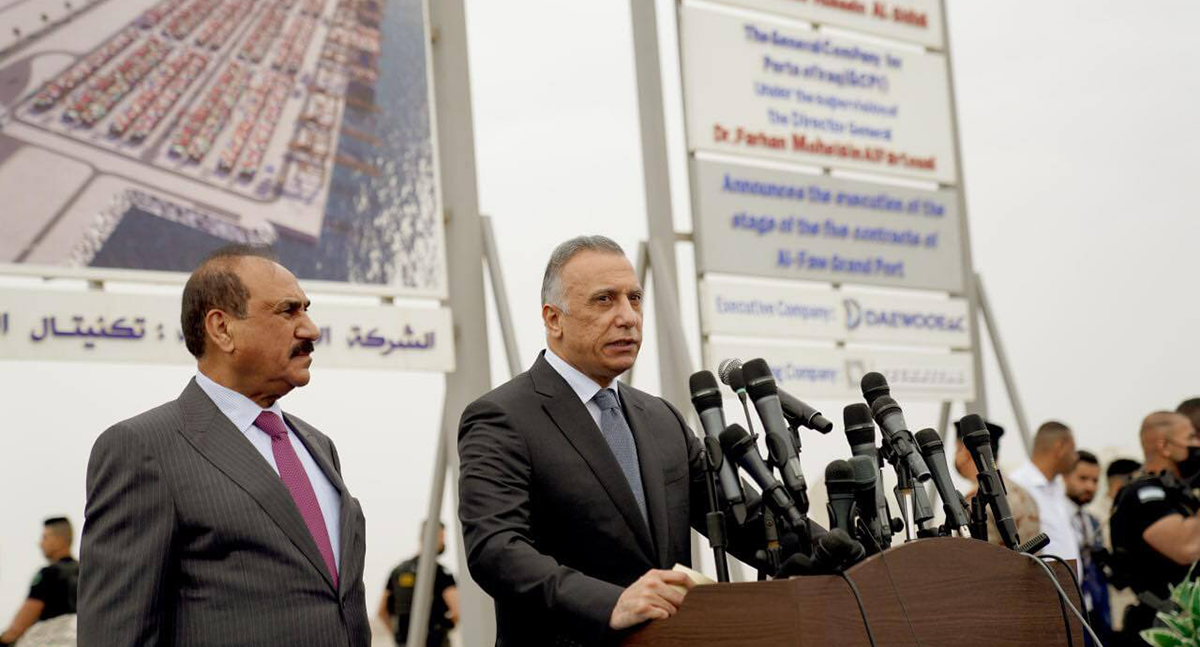
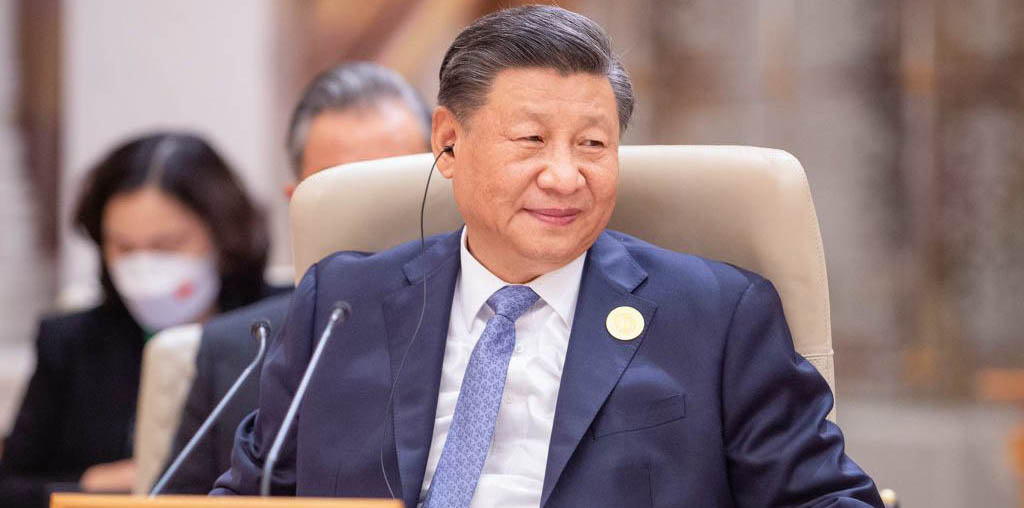
In recent years, Iraq has become one of the leading destinations for Chinese investments in the Middle East and a crucial link in Beijing’s Belt and Road Initiative. To capitalize on its geostrategic location and central position within the Chinese BRI, Iraq is seeking to develop a sprawling new 54-square-kilometer port project, known as al-Faw Grand Port, which will reduce the country’s reliance on Arab Gulf ports and overland transit from Iran and Turkey. The project also underscores Iraq’s growing economic rivalry with neighboring Iran, as both countries seek to carve out a similar niche in handling regional transit traffic.
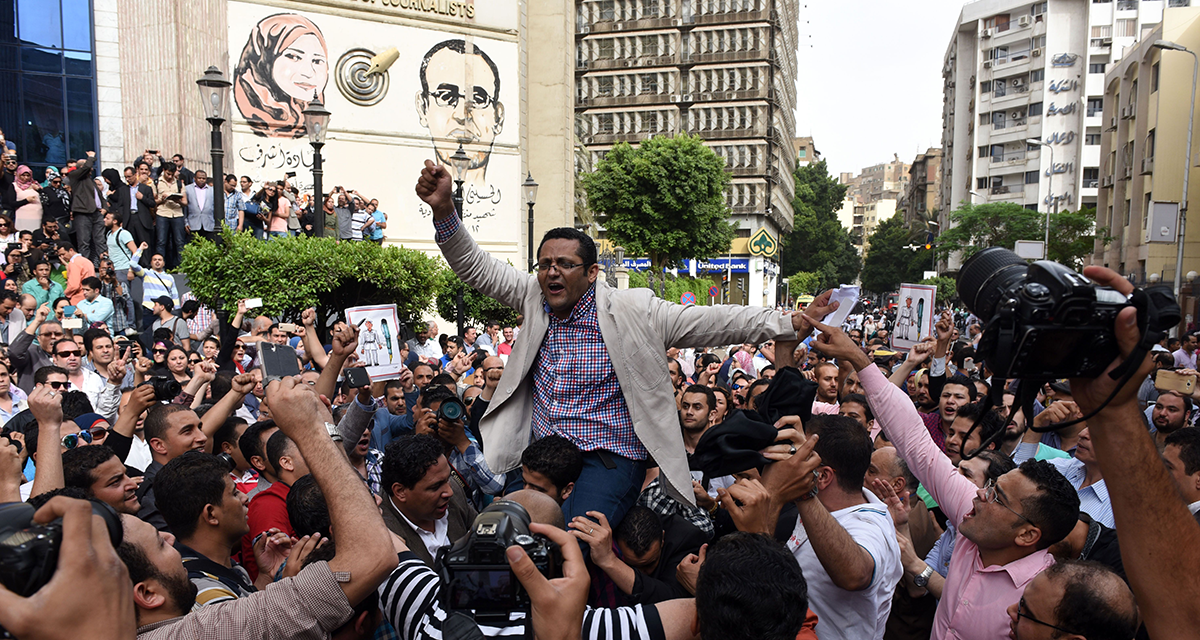
Press Syndicate elections provide a rare chance for Egypt’s journalists to celebrate
Since Egyptian President Abdel-Fattah el-Sisi took office nearly nine years ago, placing all forms of media under total state control has been a top priority. So when seasoned opposition journalist Khaled el-Balshy narrowly won the Egyptian Press Syndicate election on March 17, it was considered a major surprise, and provided a glimmer of hope for weakened opponents that they could still challenge the heavy-handed tactics of the state.
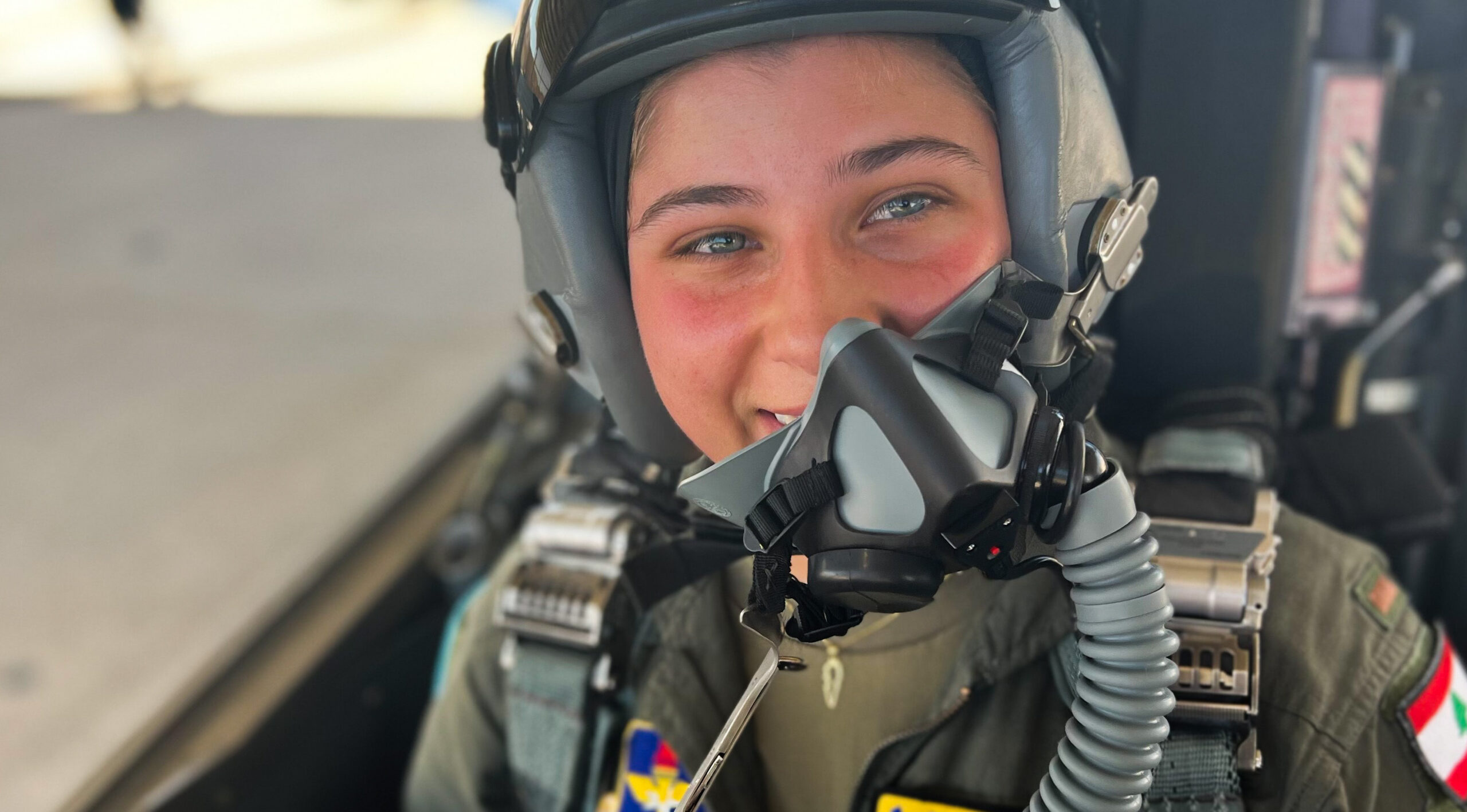
Arab women break boundaries and stereotypes in Middle Eastern militaries
As Women’s History Month in the U.S. draws to a close, women in the armed forces of several Middle Eastern countries continue to achieve historic milestones, with many now serving as pilots, engineers, peacekeepers, and in special forces units. The role of women is steadily increasing as the result of new initiatives, policies, and gradually changing mindsets in the Middle East.
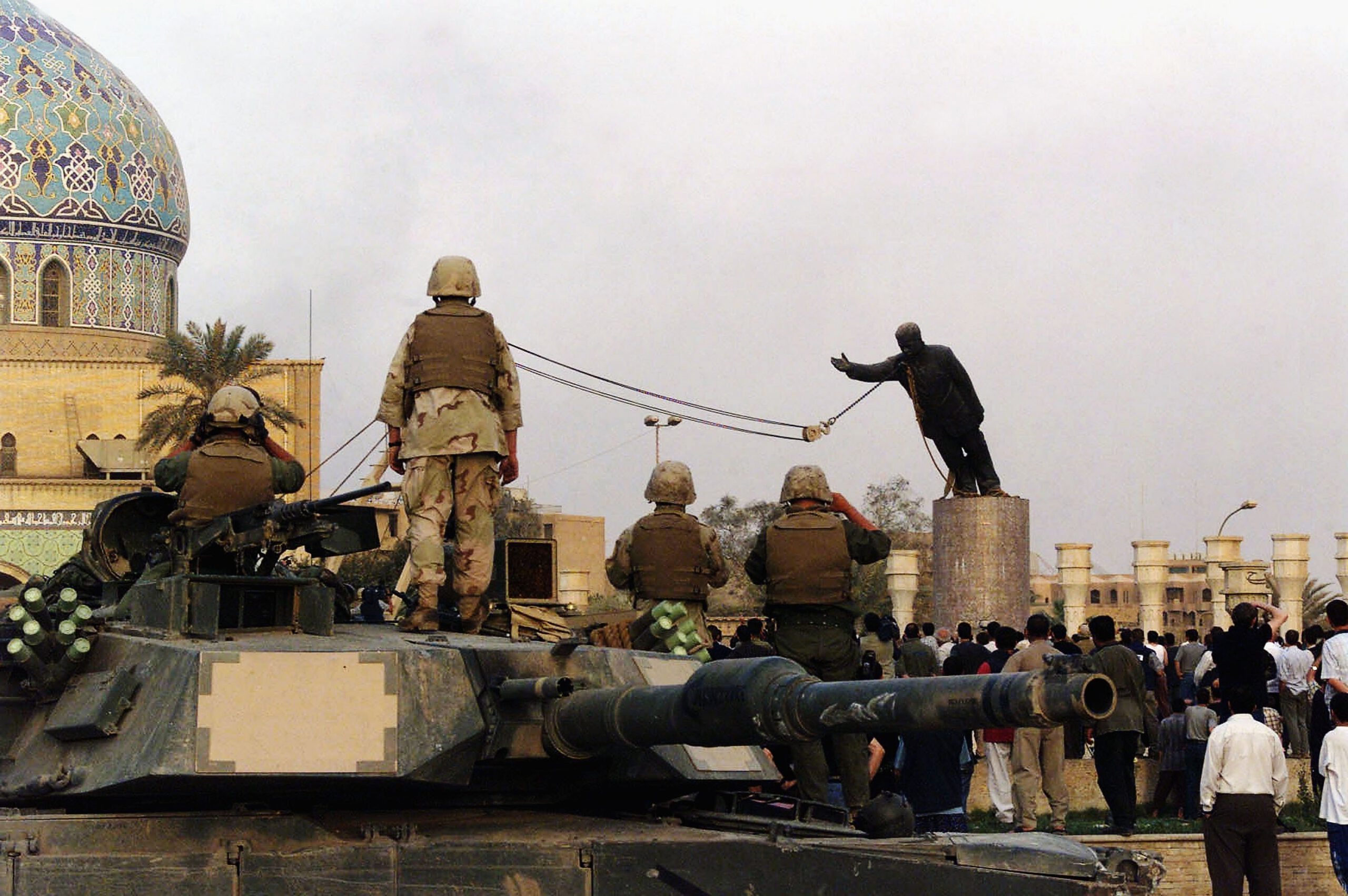
The painful reality is that Washington’s hastily cobbled together ethno-sectarian political system for post-2003 Iraq ended up doing the opposite of what it intended. The regional domino effect was also the opposite of what the U.S. had hoped for, as Iraq became a cautionary tale that regimes could use to undermine the democratic desires of their own populations.
Economic Diversification, Energy Transition, and the Labor Market in Iraq and the Gulf
As part of a continued collaboration with the Middle East Peace and Security Forum held in Iraqi Kurdistan at the American University of Kurdistan, the Middle East Institute and the Iraq Policy Group held a workshop on Nov.15, 2022 focusing on challenges of economic diversification, energy transition, and impacts on labor markets in Iraq and the Gulf region. This report provides the insights and analyses of a select group of participants from the workshop.
Iraq’s new geopolitics and the importance of regional engagement: A view from Brussels
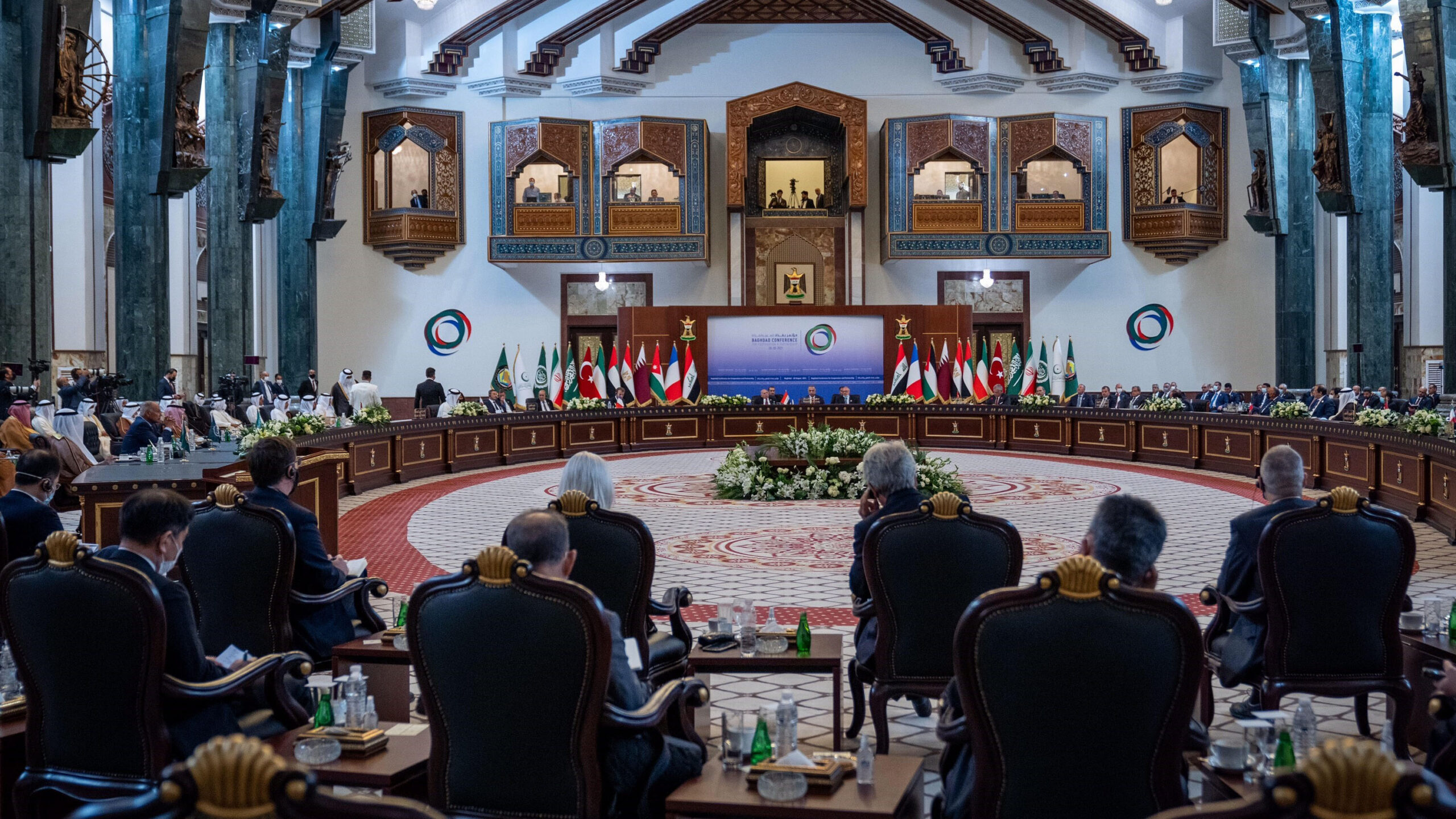
Despite Iraq’s systemic and ongoing domestic instability, division, and foreign interference, there are fragile but hopeful signs of de-confliction and de-escalation. These include important efforts that a number of international actors as well as the government in Bagdad itself have been making to turn Iraq into a platform for regional engagement.
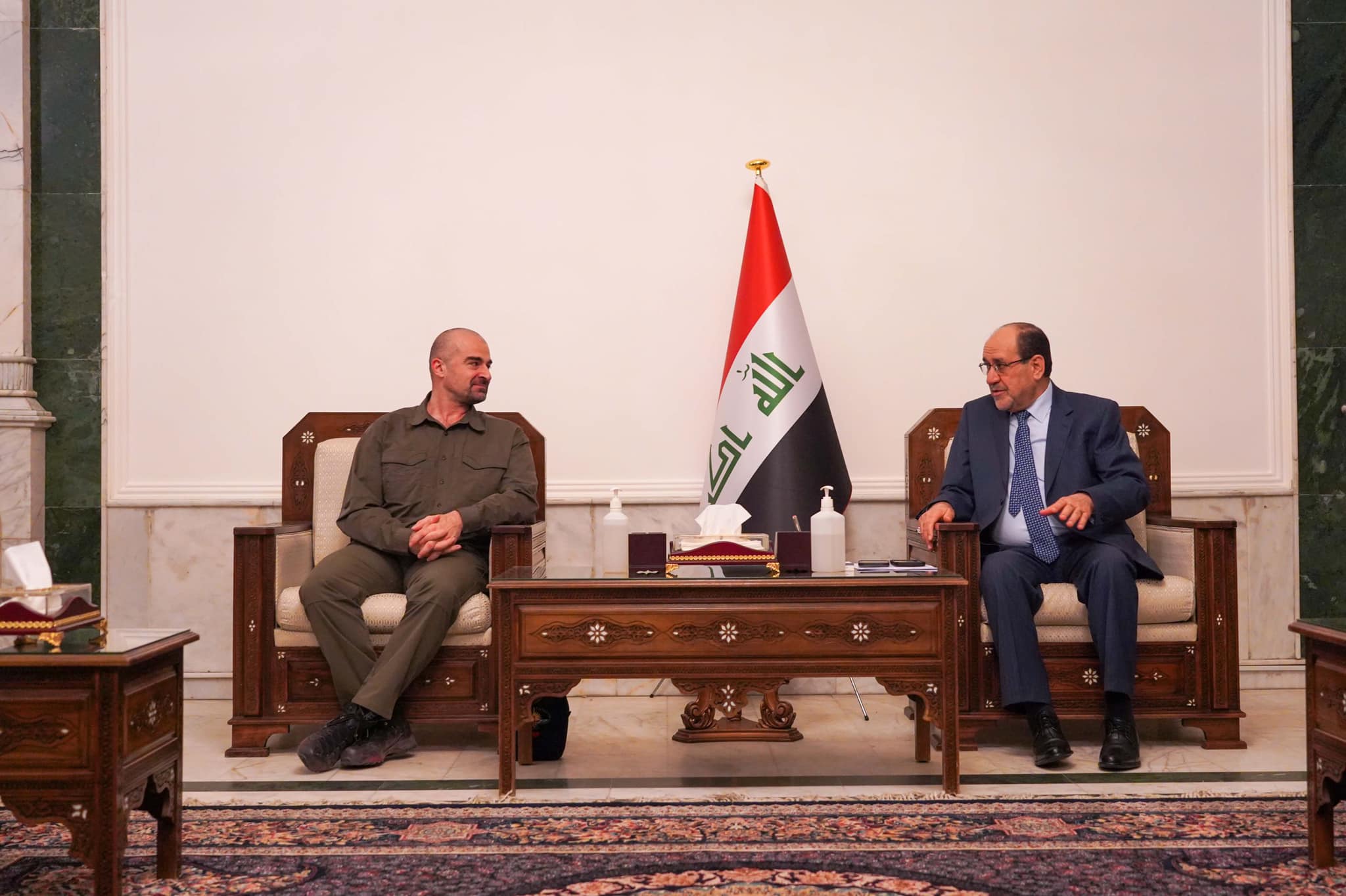
Bafel in Baghdad: Finding the contours of the PUK’s strategy in federal Iraq
Patriotic Union of Kurdistan leader Bafel Talabani is a frequent visitor to Baghdad, traveling to Iraq’s capital an estimated 35 times since the beginning of 2022 or more than once every two weeks on average. It is indicative of a deliberate strategy by the PUK to increase its activity within Iraq’s federal system, making it a priority, rather than merely an afterthought, to political affairs in the Kurdistan Region.