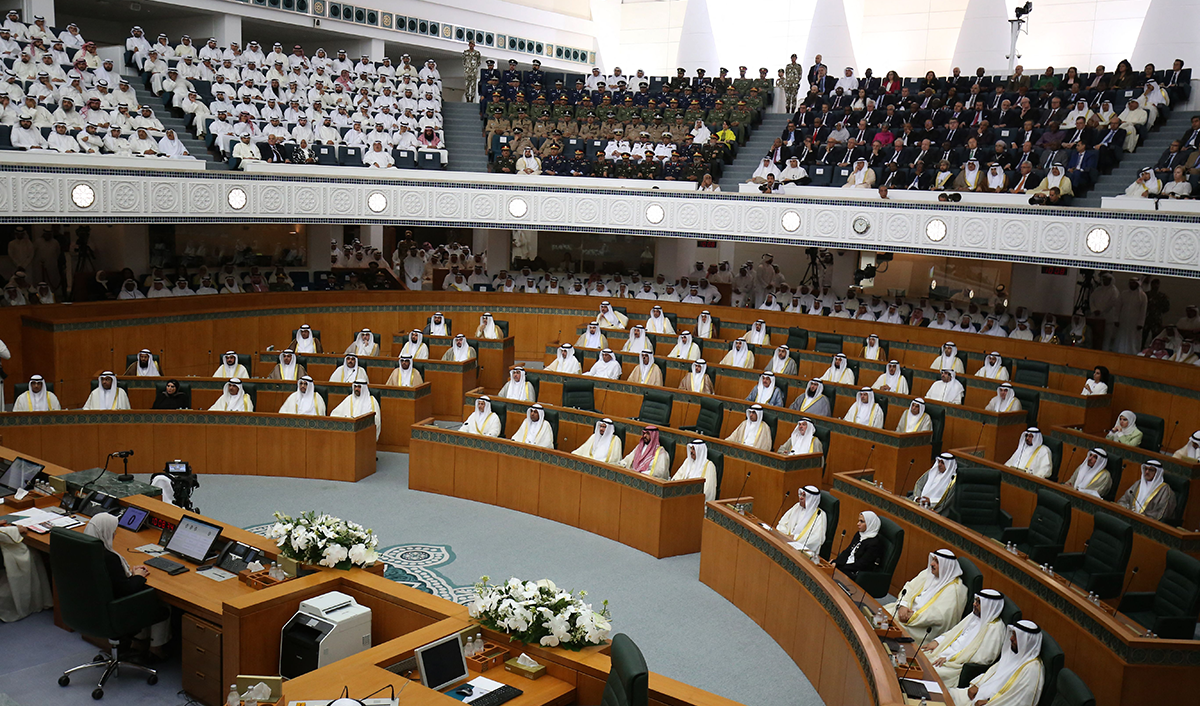
Will Kuwait’s new parliament resolve its political impasse?
Kuwait’s Sept. 29 parliamentary elections were supposed to bring change to the gridlock and governmental churn that had plagued the country in recent years. Kuwaitis initially appeared optimistic about the results, calling on the amir to appoint a strong government to work with the National Assembly. Questions remain, however, as to how well the government and the majority opposition parliament will be able to cooperate to implement the necessary reforms.
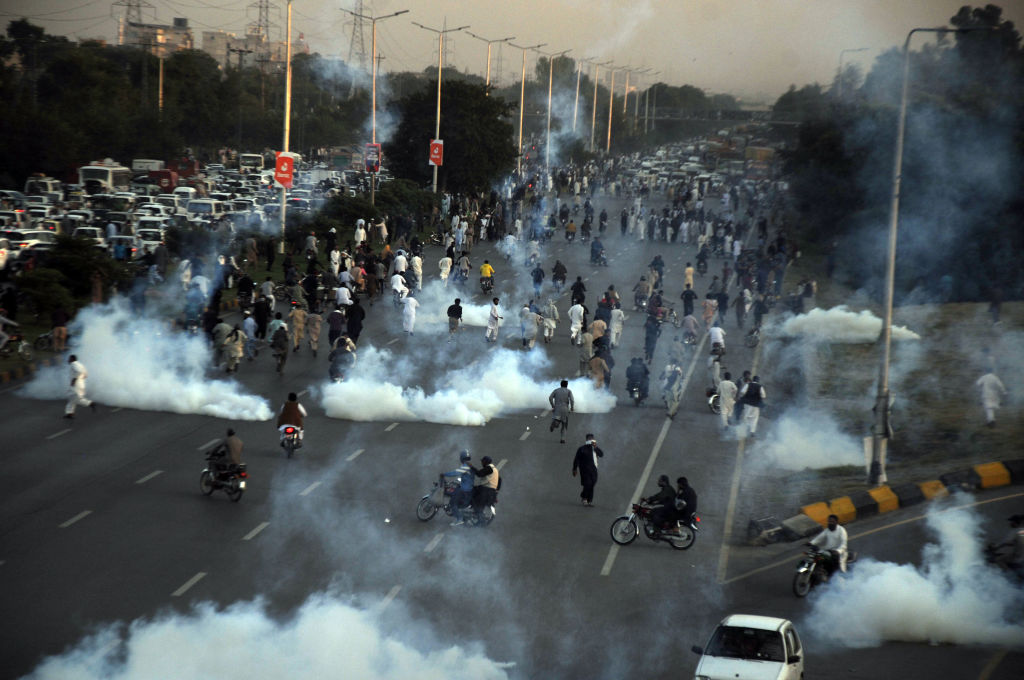
Pakistan's Climate, Economic, and Political Crises
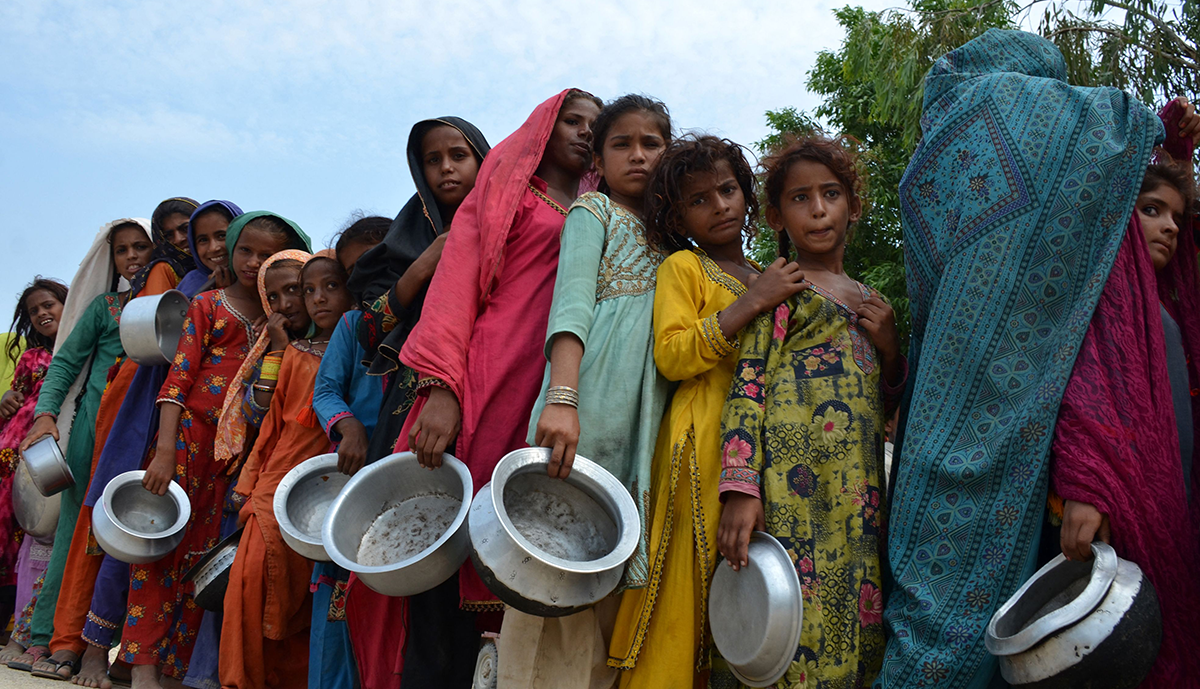
Relentless floods in Pakistan have resulted in thousands of deaths, widespread displacement, and economic devastation. Today, we discuss these impacts as well as Pakistan’s broader economic and climate change challenges, the ongoing political crisis, and developments on the foreign policy front.
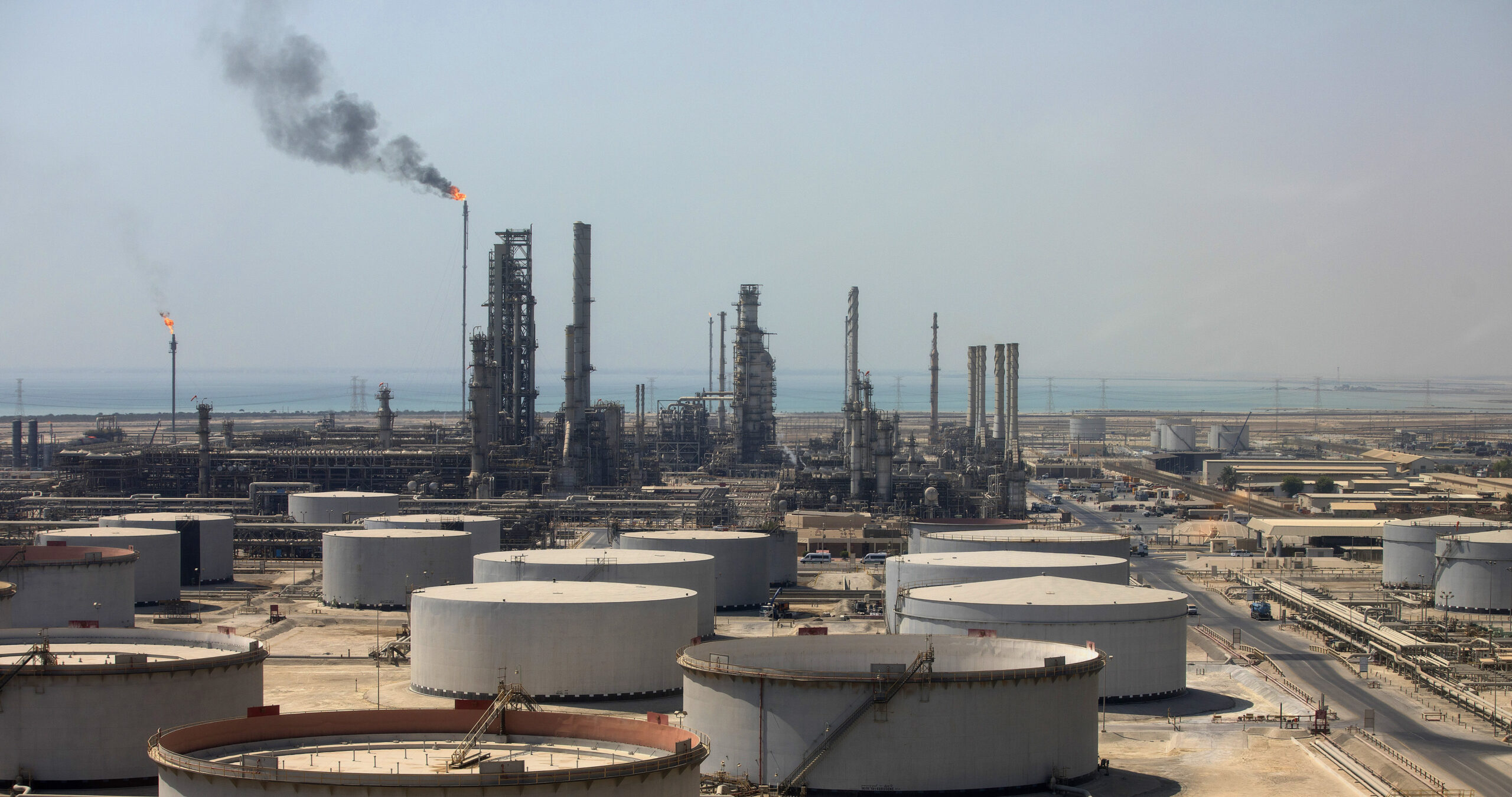
Under current, highly unpredictable market conditions, it is unreasonable for OPEC to make sharp movements to saturate the oil market or withdraw a significant number of barrels from it to meet divergent Western interests of lowering prices and punishing Russia.
Catastrophic floods: Understanding the gravity of Pakistan’s health and food crises
Pakistani Prime Minister Shehbaz Sharif recently warned that his country needs “an infinite amount of funding” to support flood relief efforts. Torrential rains and heavy flooding have killed more than 1,550 people and displaced millions. Compounding the challenge are Pakistan’s intensifying food and health crises, as flood-borne diseases surge and nearly two-thirds of the country’s food basket has been destroyed.
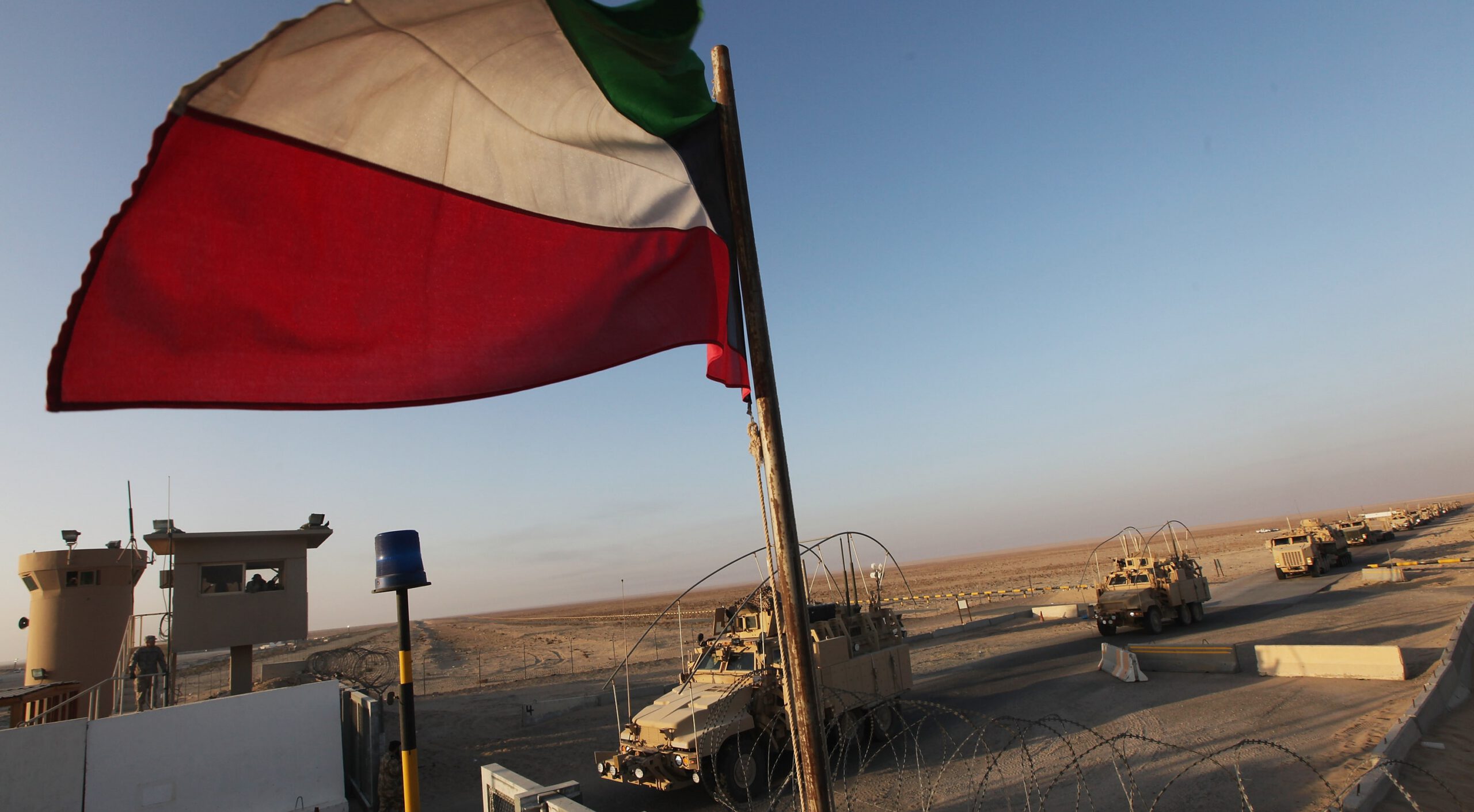
Beyond Post-Desert Storm: How to Elevate the US-Kuwait Security Partnership
Kuwait plays a larger role than is often assumed in America’s present and future military plans in the Middle East. But as Washington prioritizes the Indo-Pacific, it is critical that the security arrangement between the United States and Kuwait is thoughtfully reconfigured.
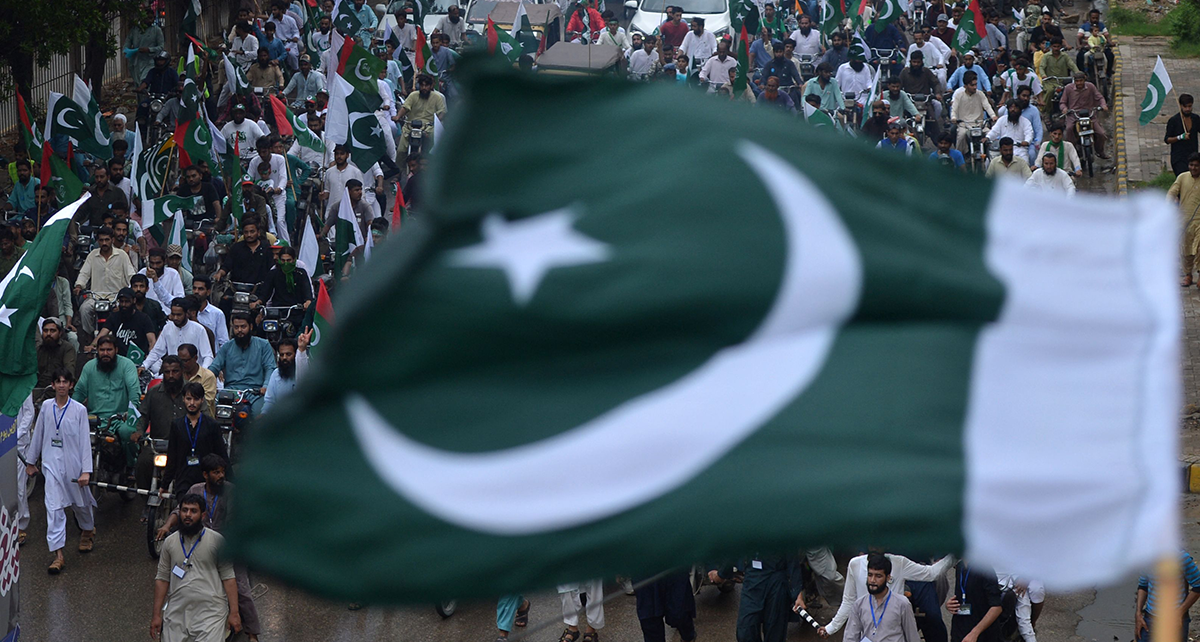
Pakistan at 75: The clock has run out for business as usual
On Aug. 14, Pakistan marked its 75th independence day, like many of the preceding 74, in a state of political and economic crisis. Days later, epic floods would befall the country, submerging a third of it under water. Pakistan can no longer afford business as usual.
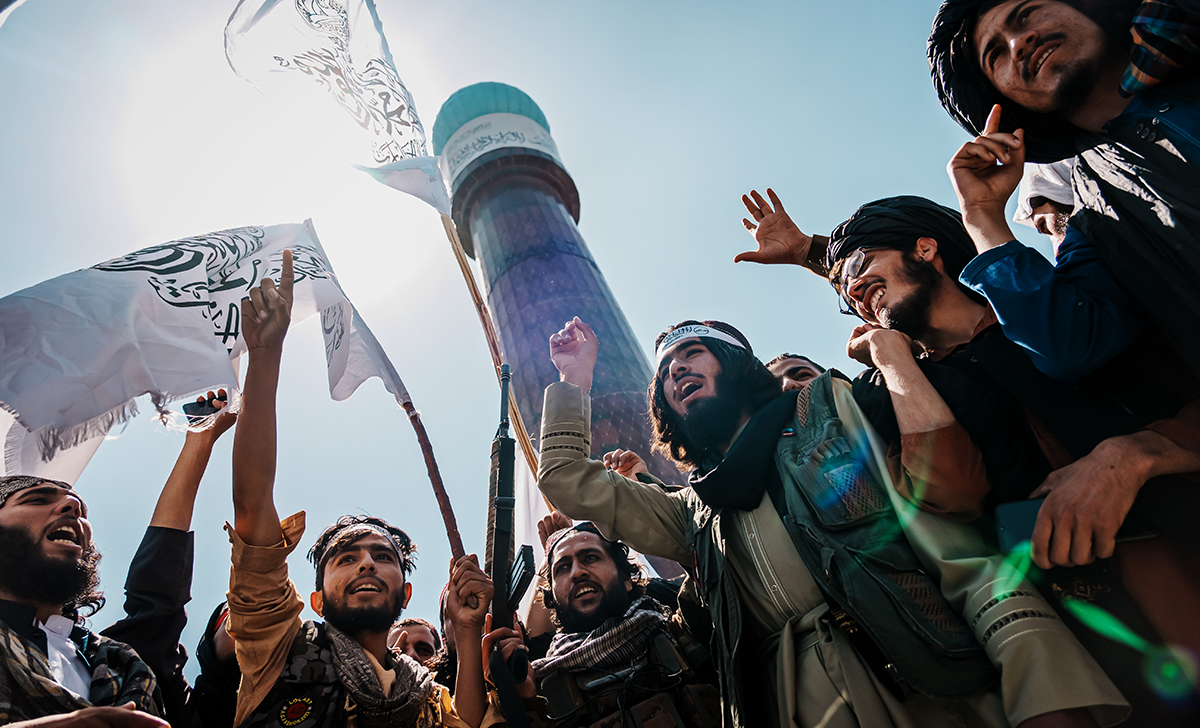
Dysfunctional centralization and growing fragility under Taliban rule
One year ago, on Aug. 31, 2021, the last foreign soldier left Afghanistan. Since then, the situation in the country has only grown more fragile, marked by deteriorating living conditions, widespread human rights violations, and increasing political instability. One key contributing factor to the crisis is a dysfunctional centralized governance structure that has become more paralyzed and unresponsive under Taliban control.