Pakistan's Climate, Economic, and Political Crises
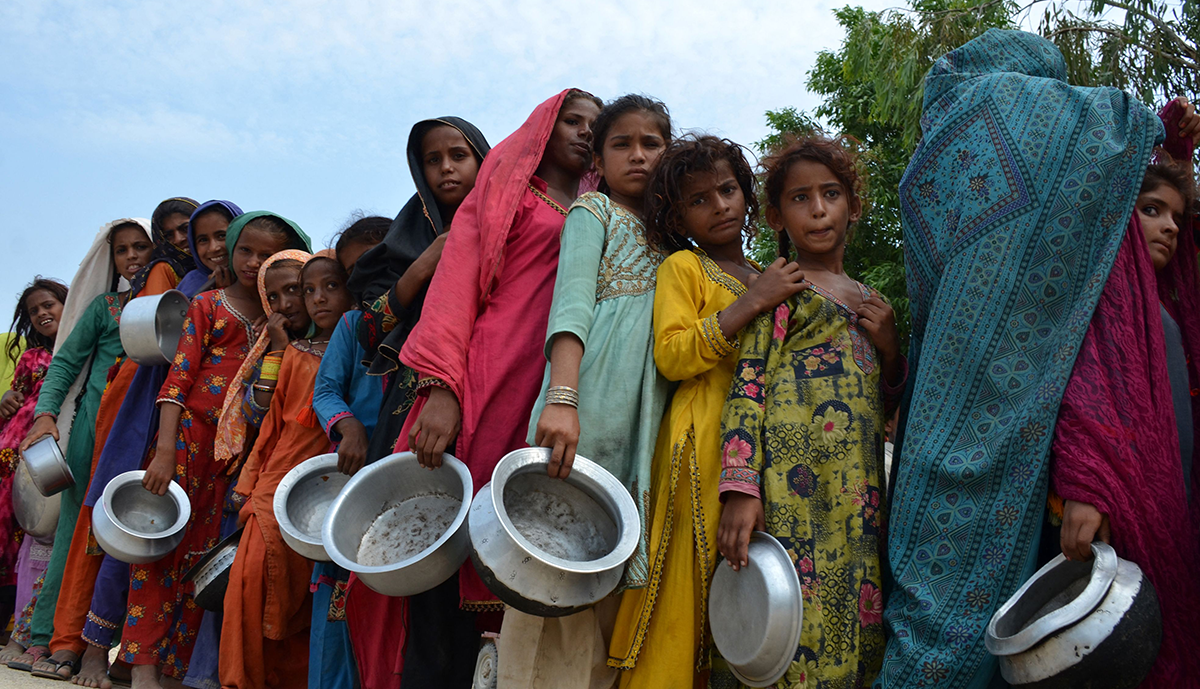
Relentless floods in Pakistan have resulted in thousands of deaths, widespread displacement, and economic devastation. Today, we discuss these impacts as well as Pakistan’s broader economic and climate change challenges, the ongoing political crisis, and developments on the foreign policy front.
Catastrophic floods: Understanding the gravity of Pakistan’s health and food crises
Pakistani Prime Minister Shehbaz Sharif recently warned that his country needs “an infinite amount of funding” to support flood relief efforts. Torrential rains and heavy flooding have killed more than 1,550 people and displaced millions. Compounding the challenge are Pakistan’s intensifying food and health crises, as flood-borne diseases surge and nearly two-thirds of the country’s food basket has been destroyed.
Pakistan at 75: The clock has run out for business as usual
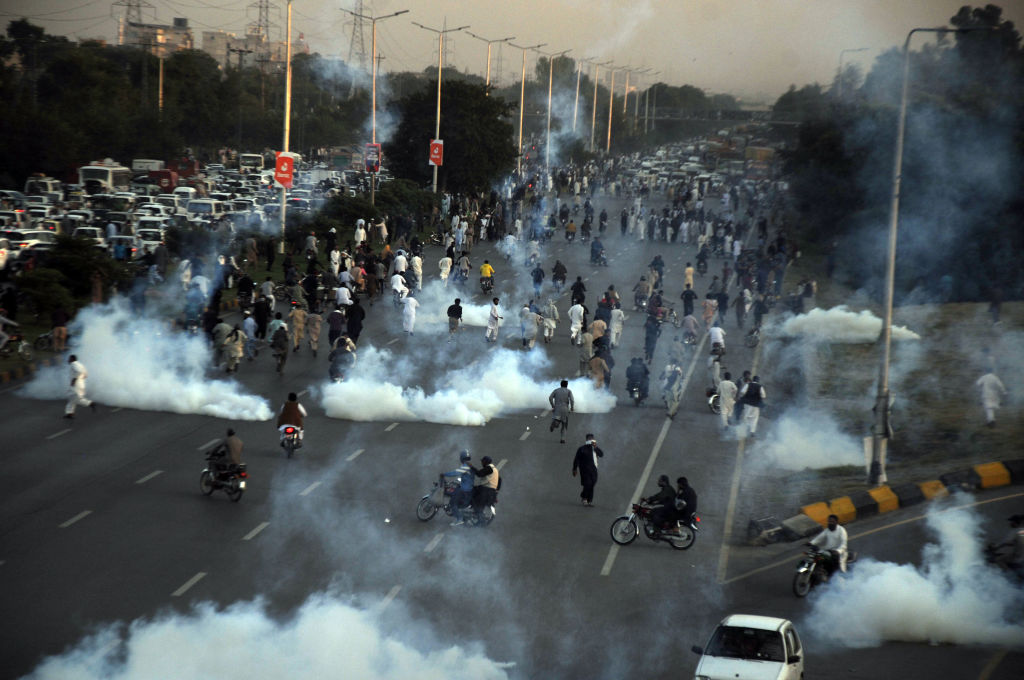
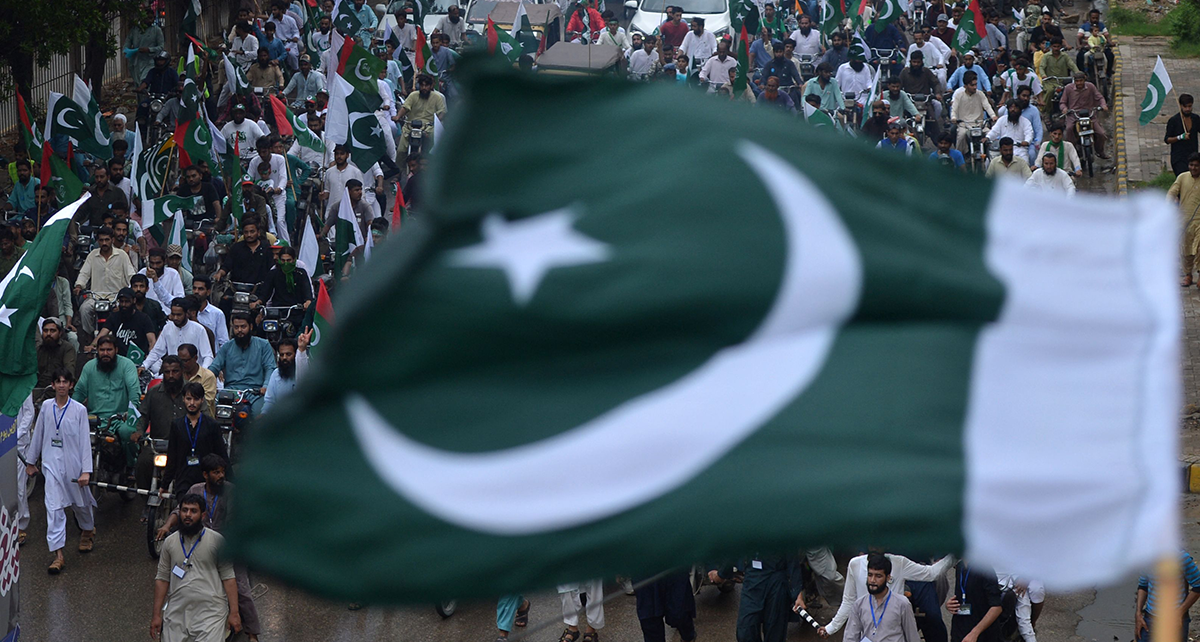
On Aug. 14, Pakistan marked its 75th independence day, like many of the preceding 74, in a state of political and economic crisis. Days later, epic floods would befall the country, submerging a third of it under water. Pakistan can no longer afford business as usual.
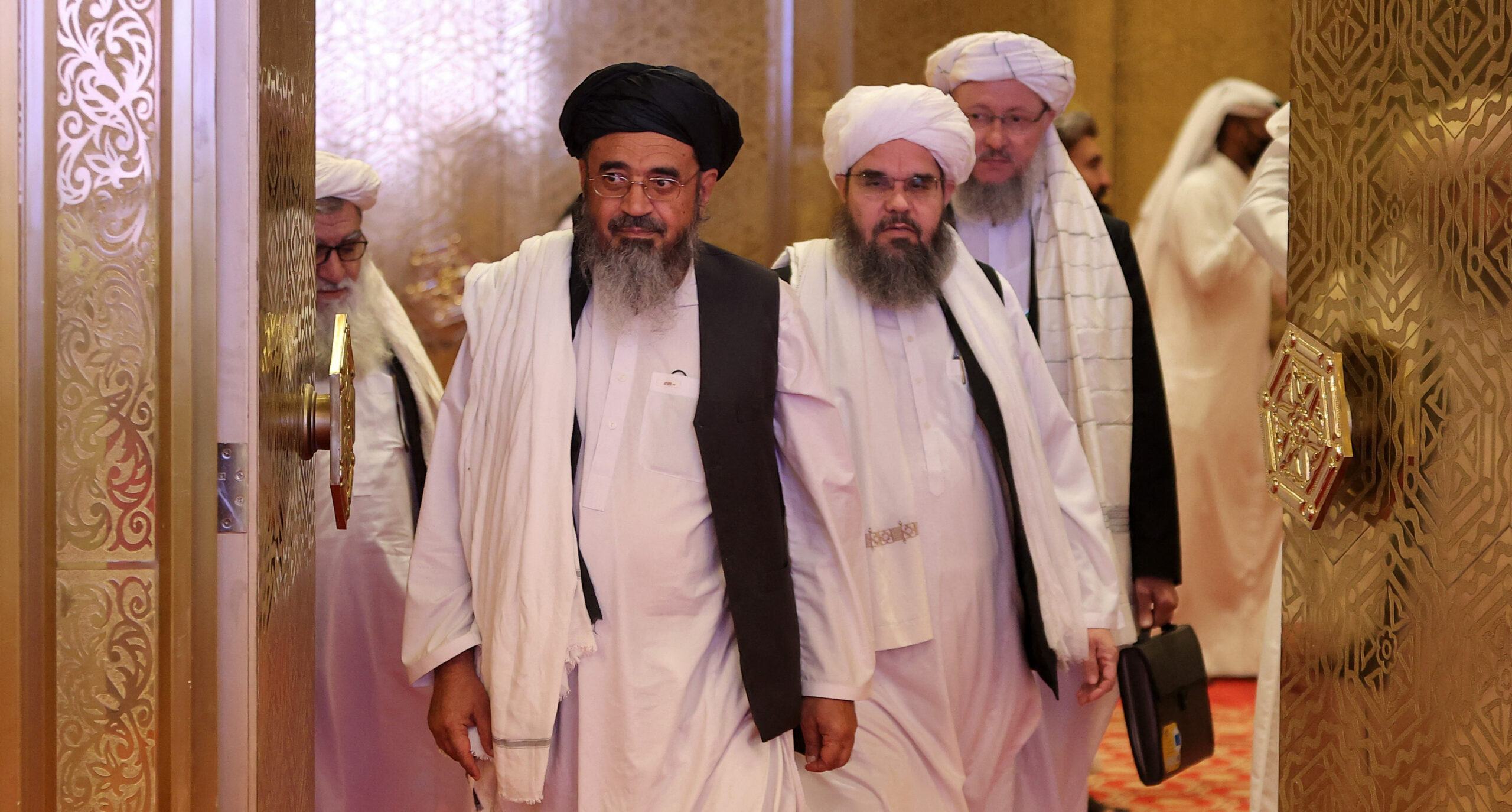
Dysfunctional centralization and growing fragility under Taliban rule
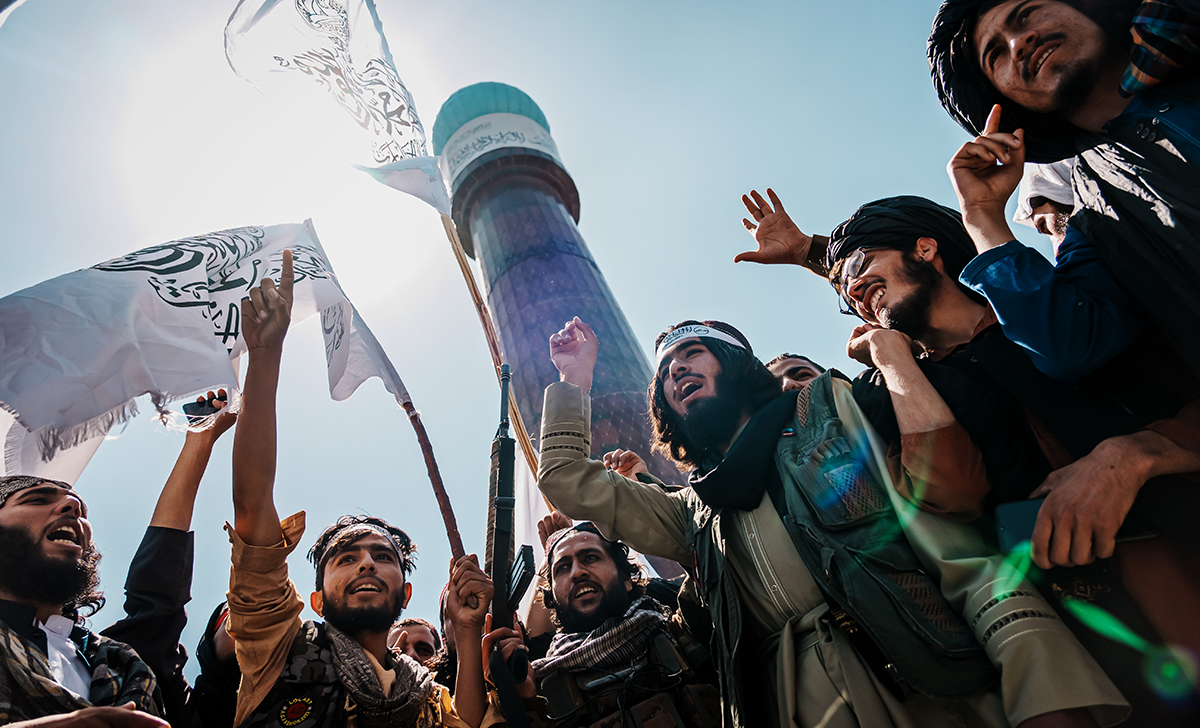
One year ago, on Aug. 31, 2021, the last foreign soldier left Afghanistan. Since then, the situation in the country has only grown more fragile, marked by deteriorating living conditions, widespread human rights violations, and increasing political instability. One key contributing factor to the crisis is a dysfunctional centralized governance structure that has become more paralyzed and unresponsive under Taliban control.
On the anniversary of the US withdrawal from Afghanistan
On Aug. 30, 2021, the commander of the 82nd Airborne Division, Maj. Gen. Chris Donahue, boarded the last U.S. military flight out of Hamid Karzai International Airport in Kabul. For many, the image of the final American soldier stepping onto a C-17 military transport plane marked the end of the war. But even as we remember the chaotic end of America’s longest war, we should also recall the sublime acts of loyalty and resolve that took place simultaneously.
Why the Afghan peace process failed, and what could come next?
Multiple factors converged to derail the peace process prior to the U.S. withdrawal from Afghanistan. The lessons from this failure can inform policymakers on how to successfully pursue a new round of political peace talks involving the Taliban and all major segments of Afghan society.