Climate casualties: How the Gaza war threatens Mideast climate action
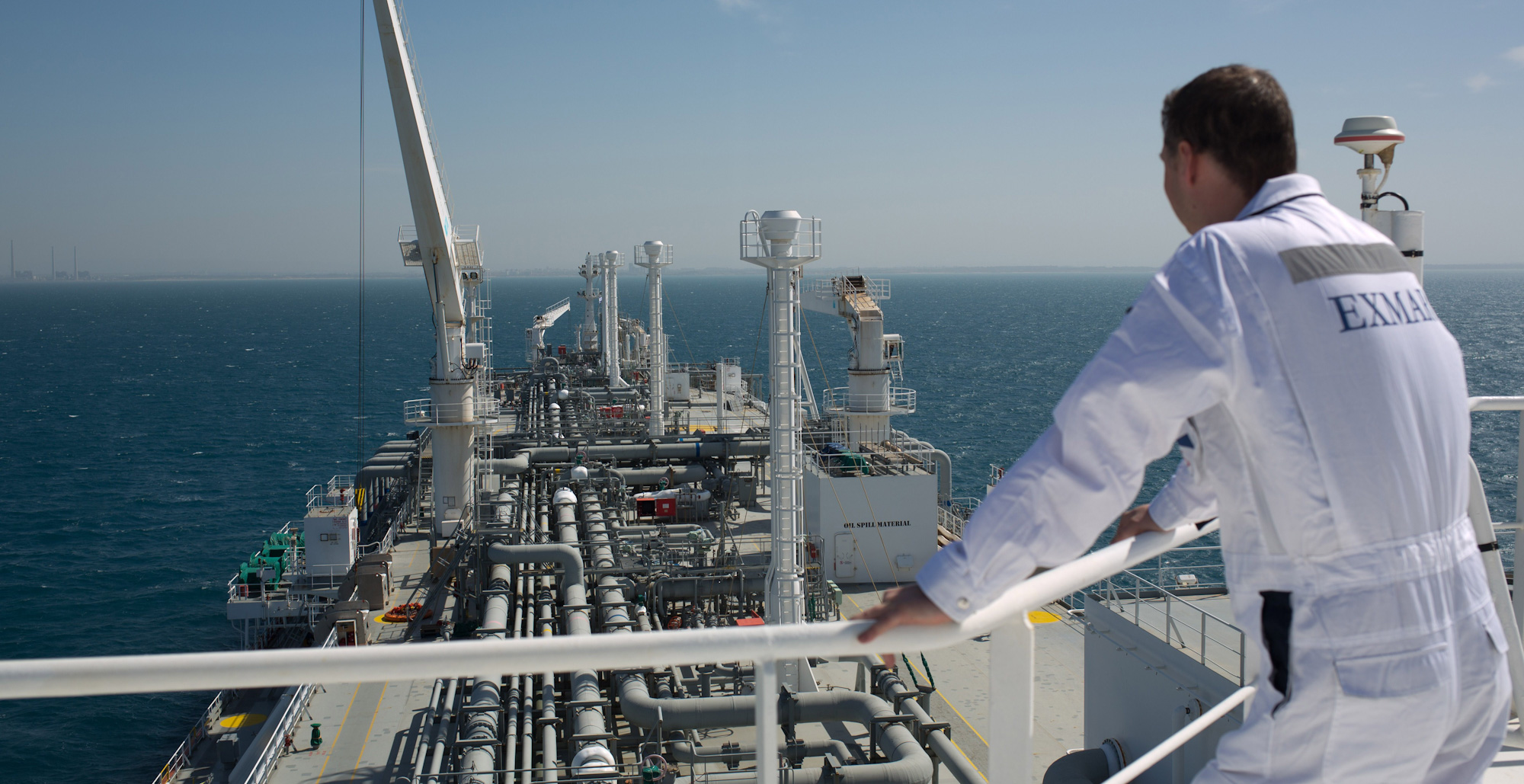
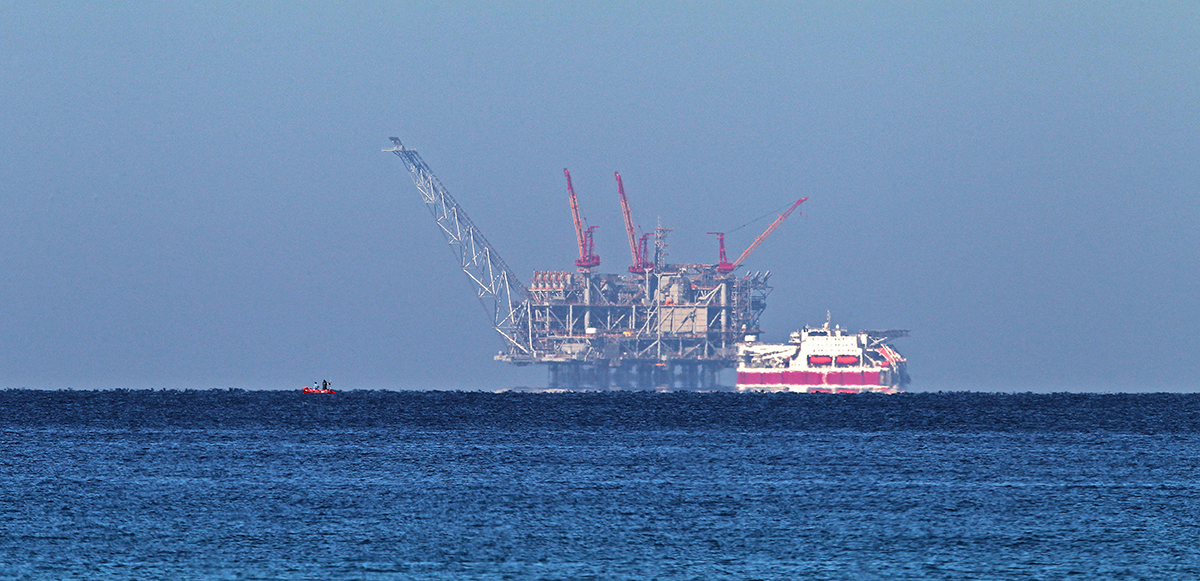
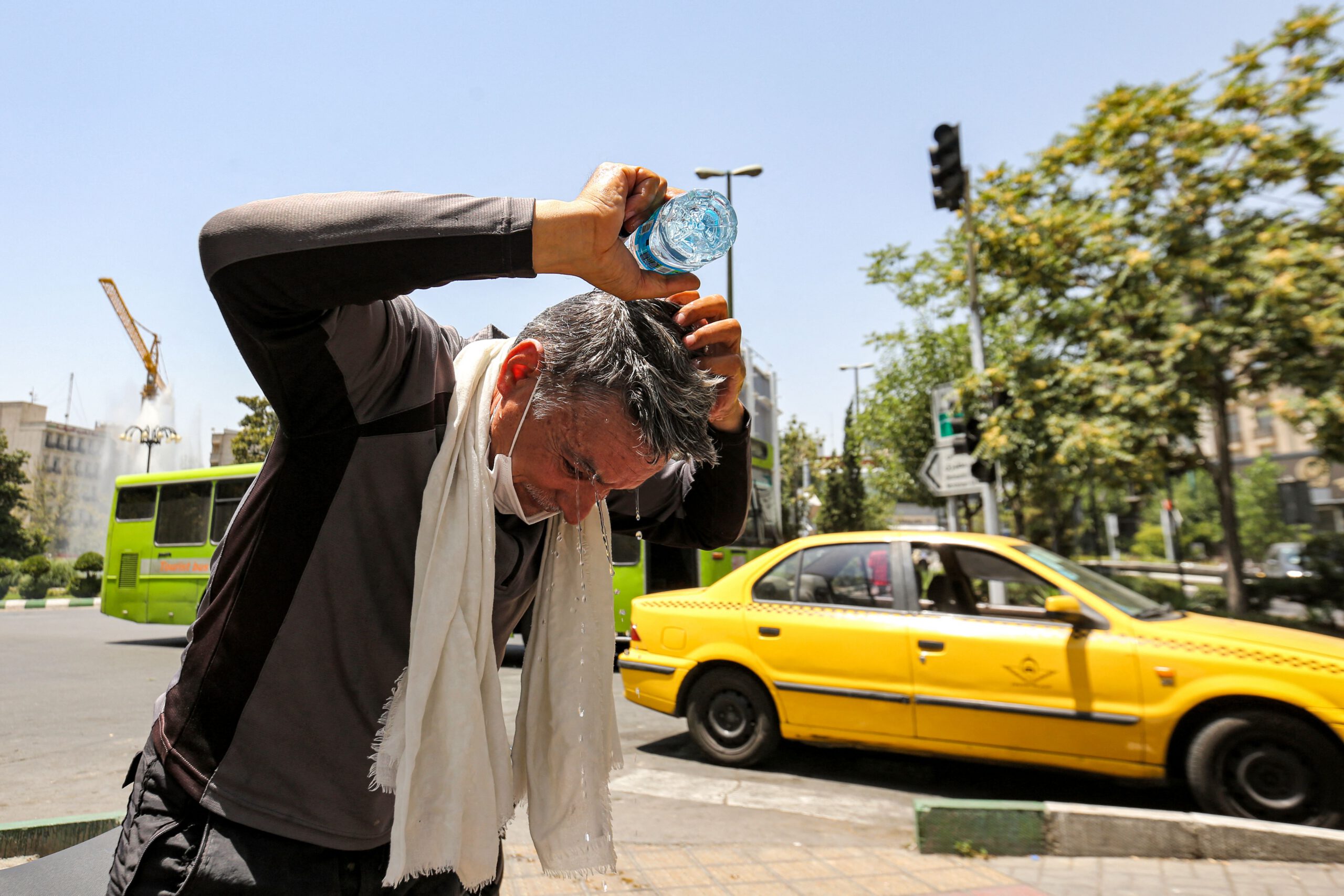
The renewed violence in Gaza could not have come at a less opportune time for the climate agenda in the Middle East. From energy economics to environmental degradation, the ripple effects of conflict will complicate the path ahead.
China’s growing maritime presence in Egypt's ports and the Suez Canal
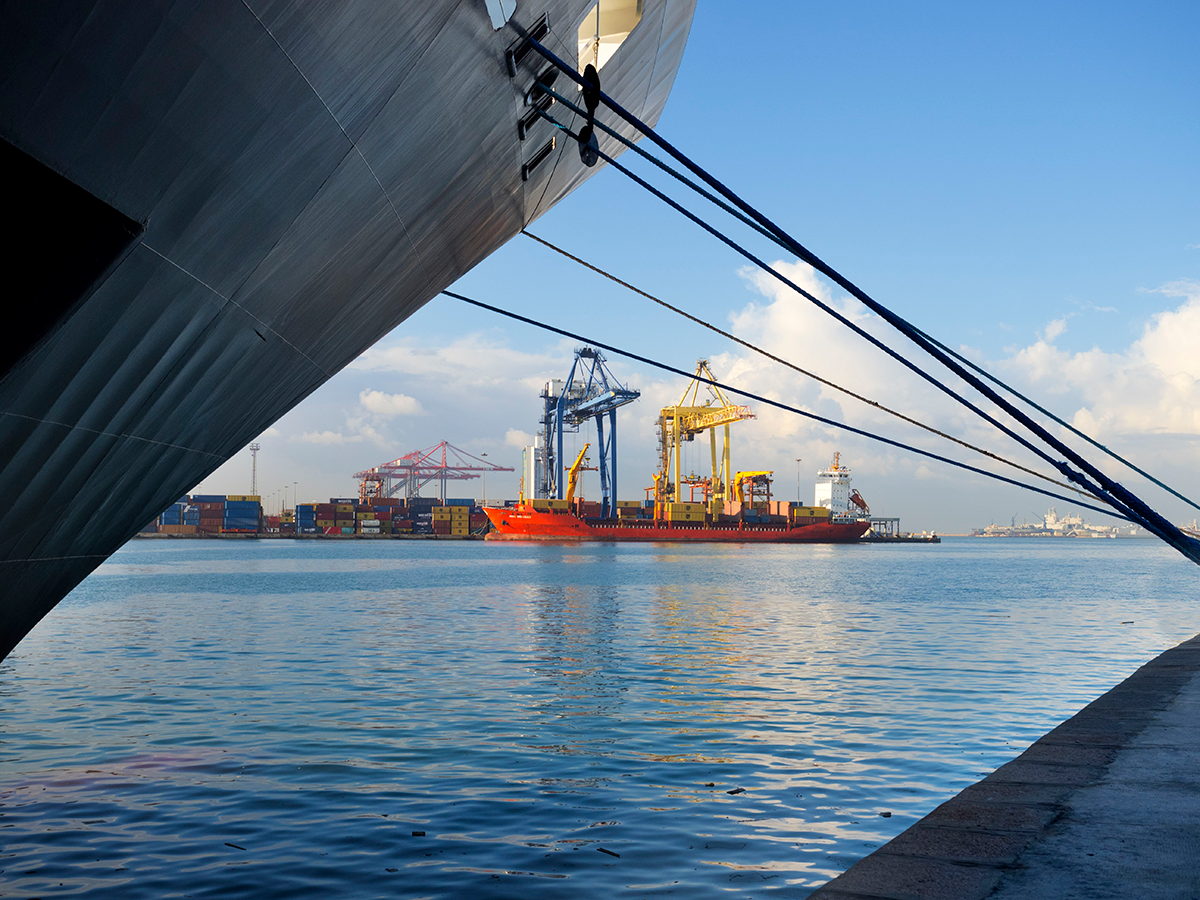
In recent years, China’s presence in Egypt’s strategic ports has grown noticeably, including the involvement of both private and state-owned Chinese companies. While this reflects Beijing’s growing ambitions in the region, the opacity of the Sino-Egyptian agreements and the blurry lines between China’s commercial ports and its military aspirations raise questions about the potential implications.
Enhancing Morocco's energy supplies with ISO tank and small-scale LNG
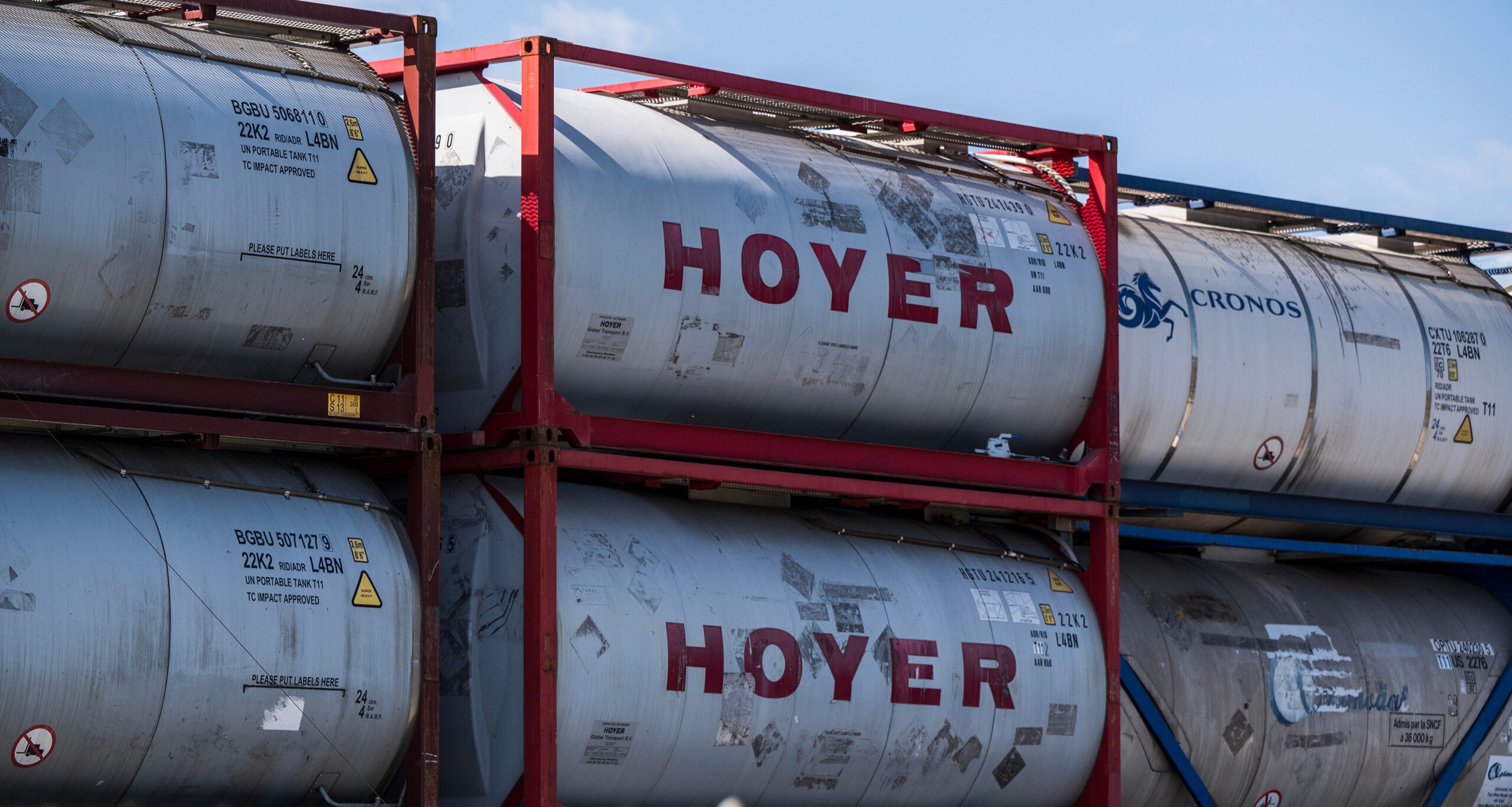
With no new interregional or international gas pipelines currently planned, gas-poor Morocco should consider alternative import schemes, such as LNG import via ISO tank containers, utilizing its well-developed port, rail, and road infrastructure.
مخاطر الطاقة في حرب إسرائيل الجديدة كبيرة ومتزايدة
تخوض دولة إسرائيل والجماعة الإرهابية حماس صراعاً وجودياً، حيث يهدد كل منهما بقاء الآخر، فضلاً عن بقاء المدنيين الفلسطينيين والإسرائيليين العالقين بينهما. وقد يتوسع هذا الصراع ليصبح أزمة إقليمية أو حتى عالمية. وبالنسبة لأسواق الطاقة والاقتصاد العالمي، فإن المخاطر كبيرة ويمكن أن تتغير أو تتسارع استجابة لمتغيرات متعددة.
Iran has yet to ratify the 2015 Paris Agreement, but efforts to address the impact of climate change have great potential to create opportunities for mutually beneficial cooperation, building on the recent trend of regional de-escalation. Climate diplomacy represents an untapped opportunity for Iran to engage globally by incentivizing it to adopt the U.N. Sustainable Development Goals in exchange for sanctions or debt relief.
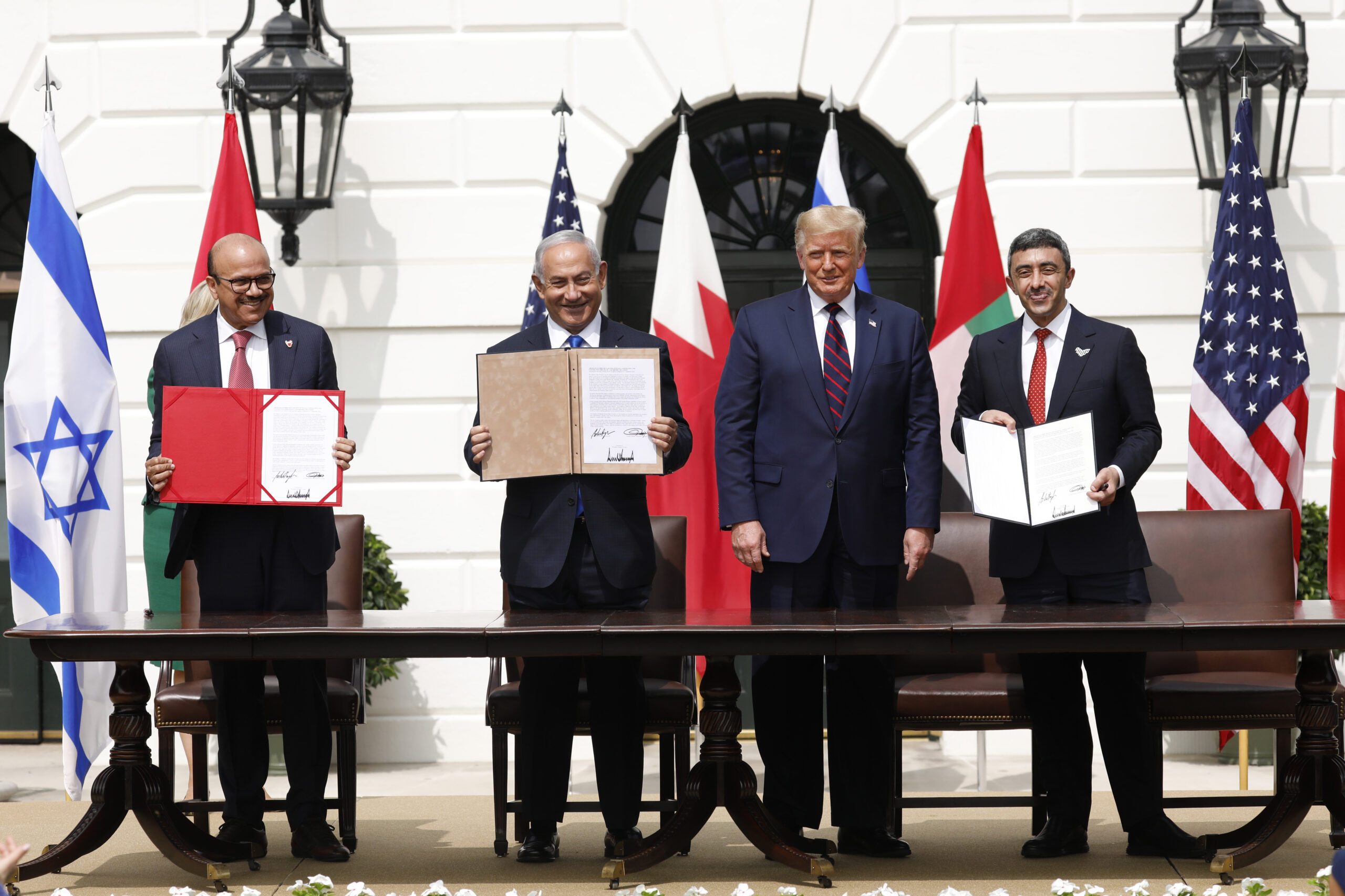
مع احتفال الموقعين الأصليين على اتفاقيات أبراهام — إسرائيل والإمارات العربية المتحدة والبحرين — بالذكرى السنوية الثالثة لاتفاقهم المبرم في سبتمبر 2020، هناك أساس كافٍ لتقييم ما إذا كانت اتفاقيات أبراهام حقيقية أم مجرد ضجة إعلامية أم شيء بين بين. وكما كان الحال قبل عام، لا تزال النتائج حتى الآن مختلطة.
Beyond diplomacy: Charting China's multifaceted partnership with Pakistan
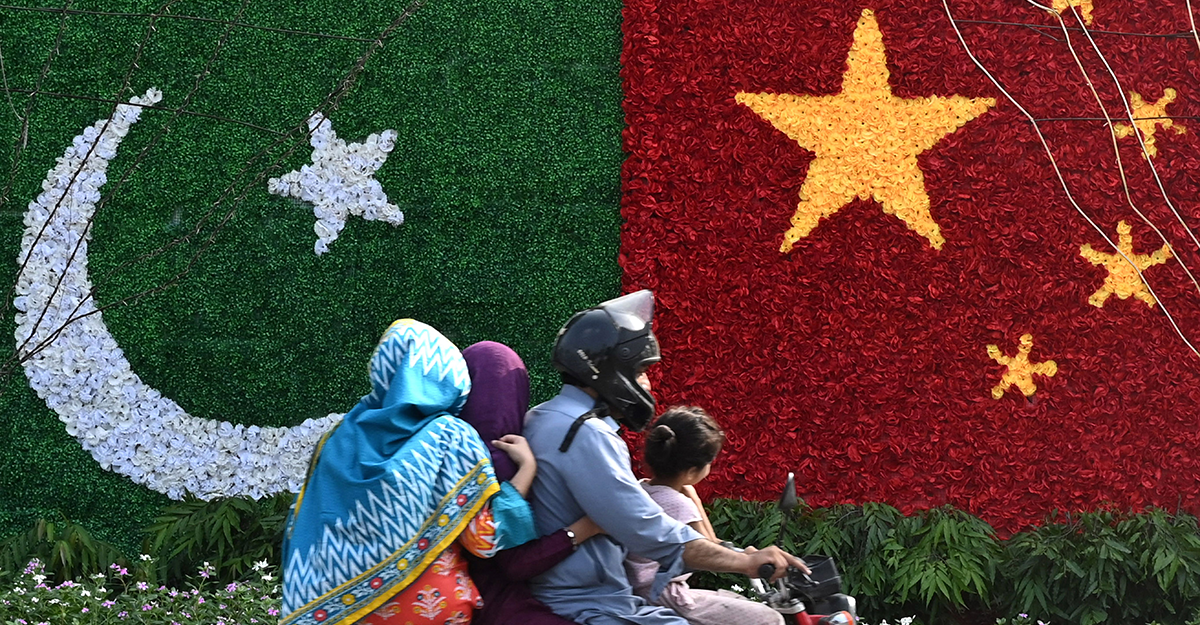
Pakistan’s intensifying economic, political, and security instability is not good news for China’s strategic investments. So, what are Beijing’s options?
What do China’s economic woes mean for the Middle East?
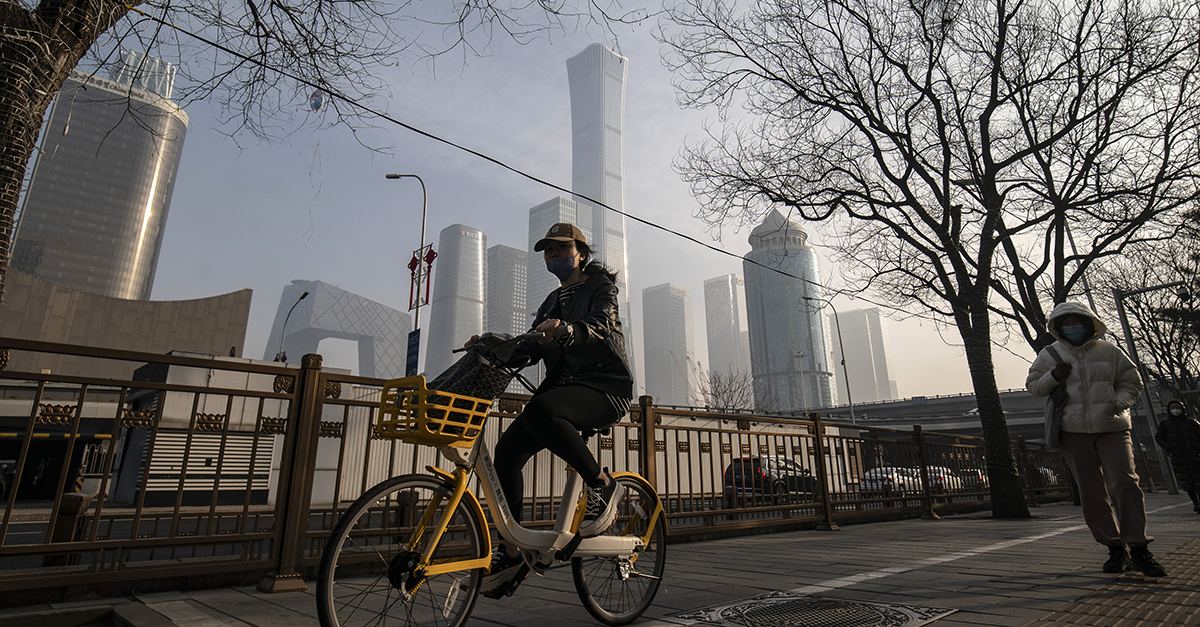
At the start of 2023, optimism was high that China would see a rapid recovery in consumer spending and an acceleration in GDP growth. Since then, however, the world’s second-largest economy has been in the doldrums. China’s ailing economy is a problem not just for China but for the entire world. A prolonged slowdown or a sudden financial crash, were it to occur, would ripple across global markets — including the countries of the Middle East, whose economies have become increasingly intertwined with that of China.
Georgia Can End Russia’s Stranglehold Over its Wheat Supply with NATO Assistance
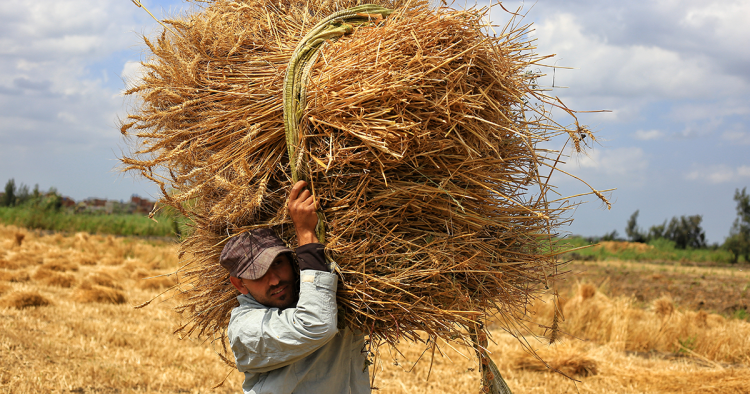
Georgia’s near total reliance on imported Russian wheat forms an extremely dangerous vulnerability that compromises both its food security and sovereignty. Fifteen years after the 2008 Russia-Georgia war, Tbilisi finds itself depending on Russia for over 90 percent of its wheat supply amidst a growing global shortage. In 2022, NATO reiterated its commitment to Georgia, pledging to help build Georgia’s resilience and uphold its political independence.
Navigating development in Moldova: The role and challenges of foreign donor organizations
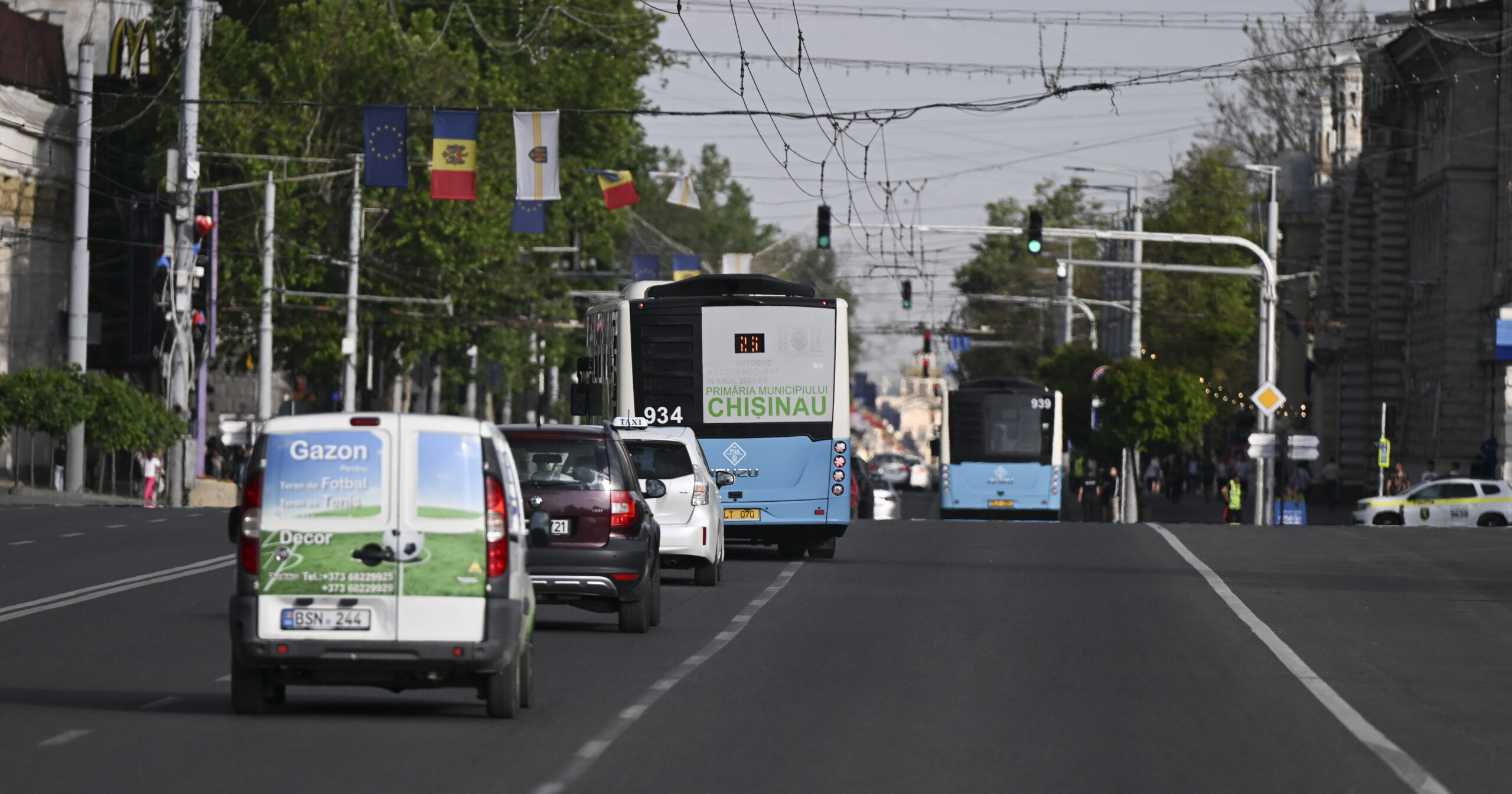
This study on community leadership and social resilience factors in Moldova in the context of the war in Ukraine is based on in-country interviews with 15 Moldovan experts and community leaders, conducted in May-August 2023.
Russia’s aggressive behavior in the Black Sea can be challenged
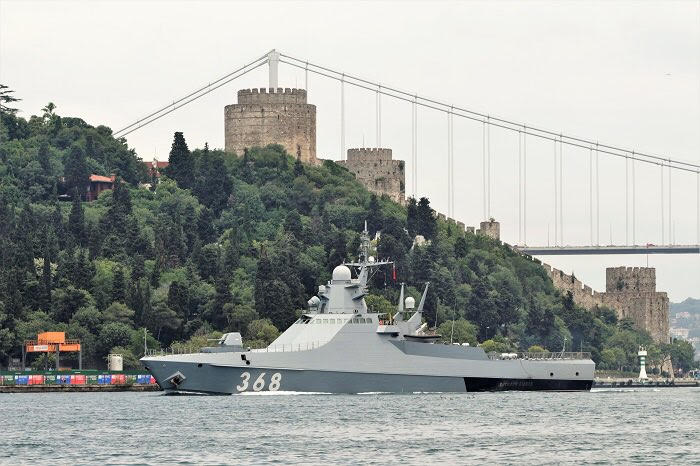
Russia’s malign behavior in the Black Sea includes piracy, plunder, petroleum price cap violations, and actions to prevent the free transit of foreign commercial and naval vessels. Its largely unchallenged position in the Black Sea also helps Russia maintain access to foreign-made products and components, circumventing sanctions. The West and the broader international community have yet to act to decisively rein in these flagrant violations of international laws and norms.
Can oil and water mix?: Creating opportunities for Iraq-Turkey cooperation
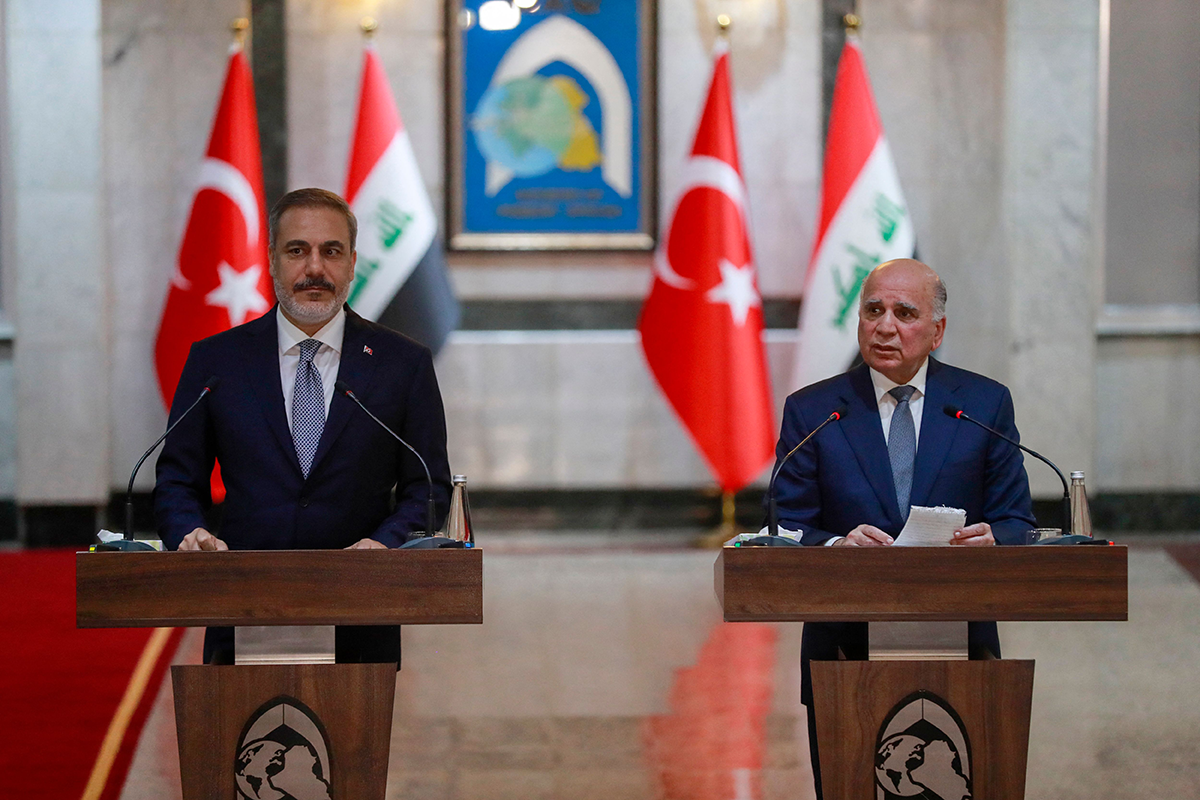
Last week saw a flurry of diplomatic activity between Baghdad and Ankara. The top priorities in the talks were oil exports, the presence of the PKK in Iraq, and Iraq’s water crisis. The outcomes have been unimpressive, but there is an opportunity for Iraq to shake things up and improve its bargaining position, at least on the oil export issue, possibly more.
Why North Africa is a natural choice for Brics expansion
In a move of unprecedented geopolitical consequence, the Brics grouping of nations has made the landmark decision to expand beyond its five founding members. Announced on Thursday at the conclusion of the Brics summit in Johannesburg, host South Africa along with Brazil, Russia, India and China invited six nations to join the bloc – Egypt, Ethiopia, Iran, Saudi Arabia, the UAE and Argentina.
The Niger Coup and Turkey’s Military Industrial Complex in Africa
The recent military coup in Niger marks the point of no return for the unraveling of France’s dominant economic and military influence across West Africa. Turkey is the foreign actor that stands to benefit most, with the potential to emerge as a leading strategic partner for the nations of the region. Turkey’s engagement with West Africa is a unique, dual approach that blends military and economic engagement while deftly intertwining humanitarian aid and cultural outreach.