«داعش» يتعافى في سوريا… لكن الحاجة ماسة إلى الاستقرار
عندما لقي تنظيم داعش الإقليمي الهزيمة في سوريا قبل أكثر من ثلاث سنوات، احتفل العالم بإنجاز تاريخي. فعلى مدار خمس سنوات، حشد تحالف ضم أكثر من 80 دولة موارده المشتركة لدحر «داعش» في سوريا والعراق، والتصدي للجماعة الإرهابية على الإنترنت، ودحر شبكاتها المالية والشركات التابعة لها المكتشفة حديثاً في جميع أنحاء العالم.
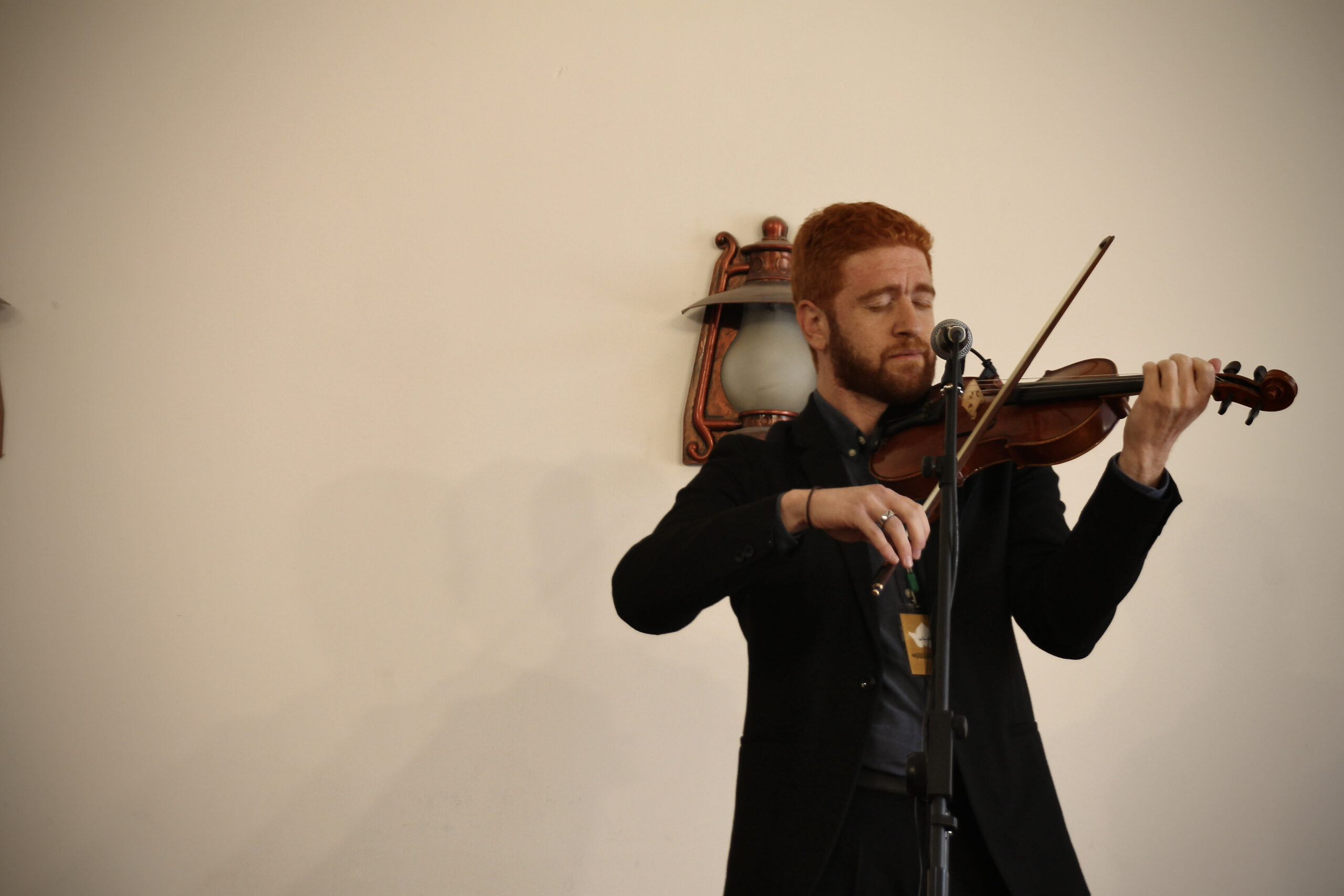
In a room at the old Mosul Museum, a young Moslawi singer closes his eyes in a moment of rapture. Singing next to the museum’s modernist 1974 incarnation still being restored after ISIS’s pillage of it treasures, his voice lifts the hearts of listeners.
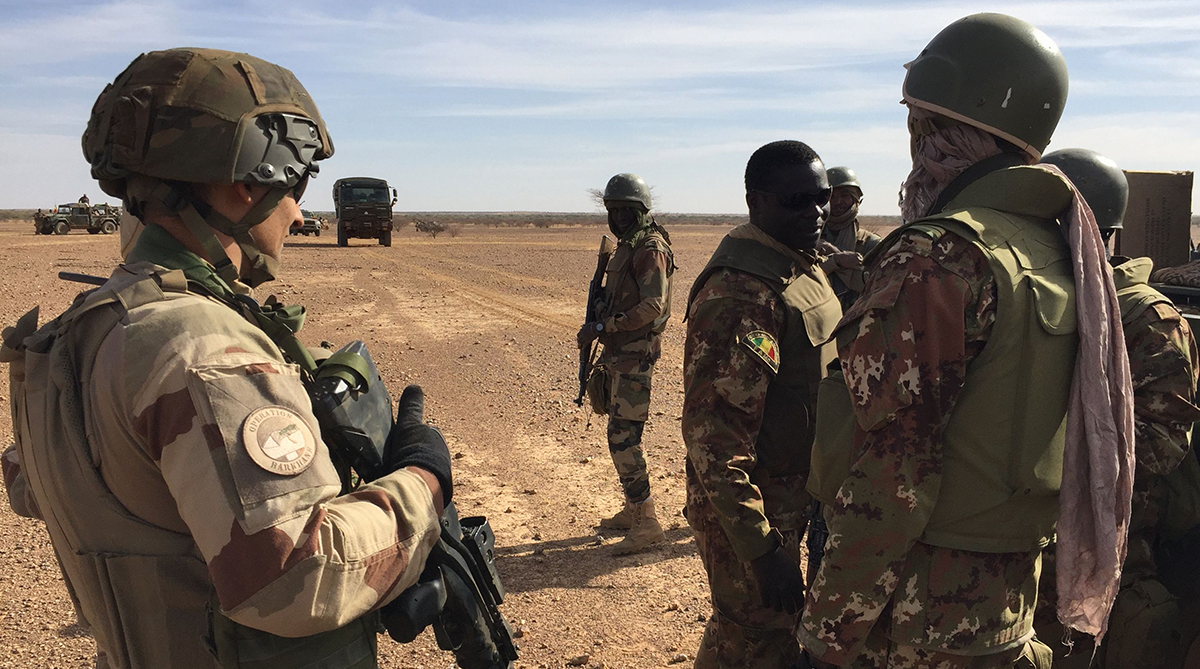
On Feb. 17, French President Emmanuel Macron announced the coming withdrawal of French armed forces from Mali. The decision put an end to nine years of French military intervention in the West African country.
The Pakistani Taliban’s radical rebranding: Is there more than meets the eye?
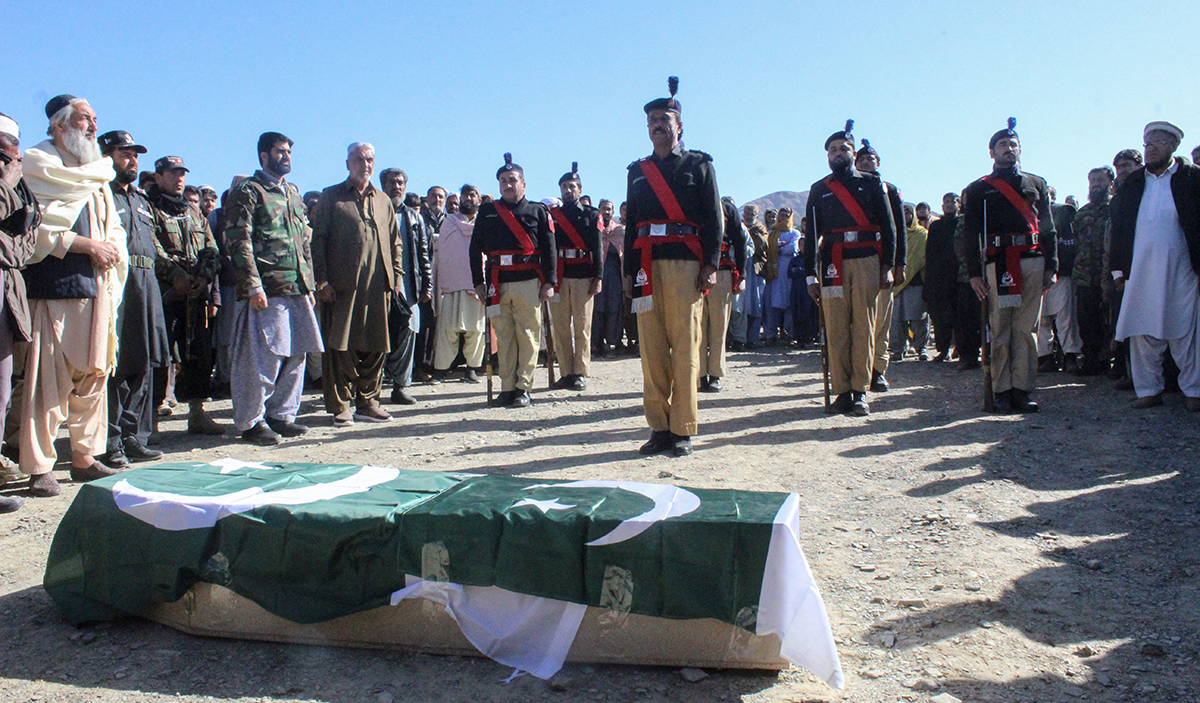
In a statement released on Feb. 12, the Tehreek-e Taliban Pakistan (TTP) distanced itself from international terrorism, declaring that its violence was singularly focused on Pakistan. While the TTP’s recent comments on America are unprecedented, they do fit into its broader rebranding effort under the leadership of Noor Wali Mehsud, who took over the group in 2018.
بين السماء والأرض: الفن المعاصر من الإمارات العربية المتحدة
Afra Aldhaheri and Asma Belhamar, two featured artists in the MEI Art Gallery’s latest exhibition, Between the Sky and the Earth: Contemporary Art from the UAE, join MEI’s Lyne Sneige to discuss the inspirations and artistic processes behind their pieces in the show.
تفاصيل هجوم "داعش" على سجن الصناعة في مدينة الحسكة السورية
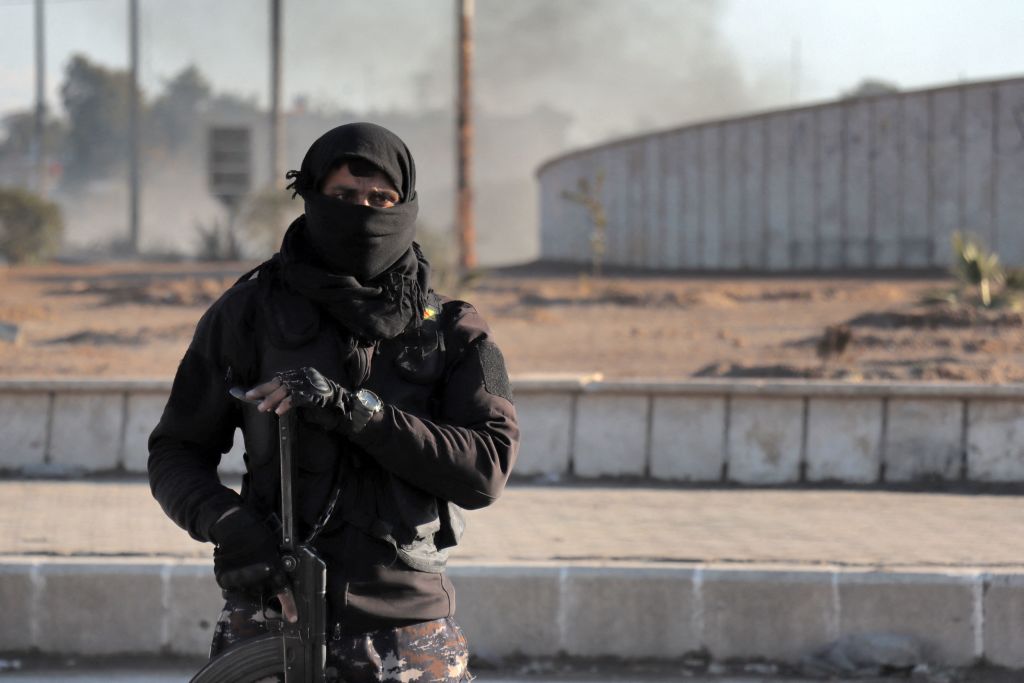
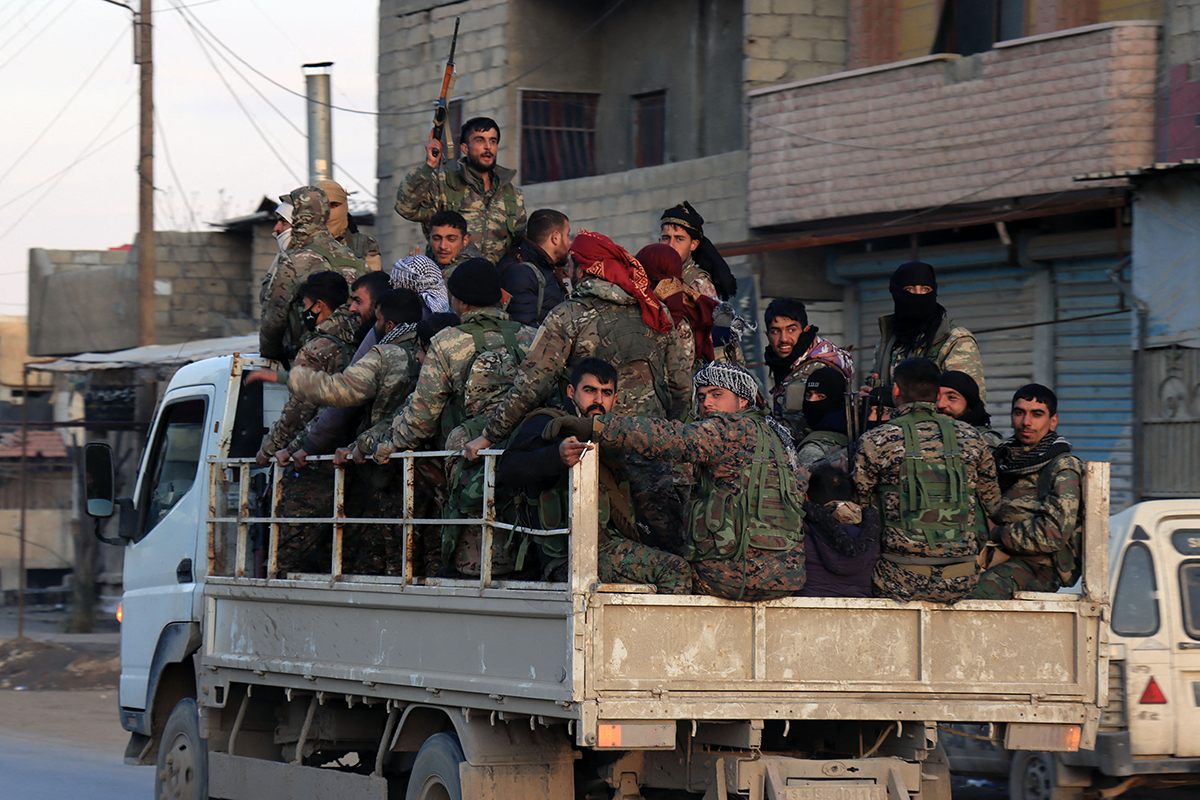
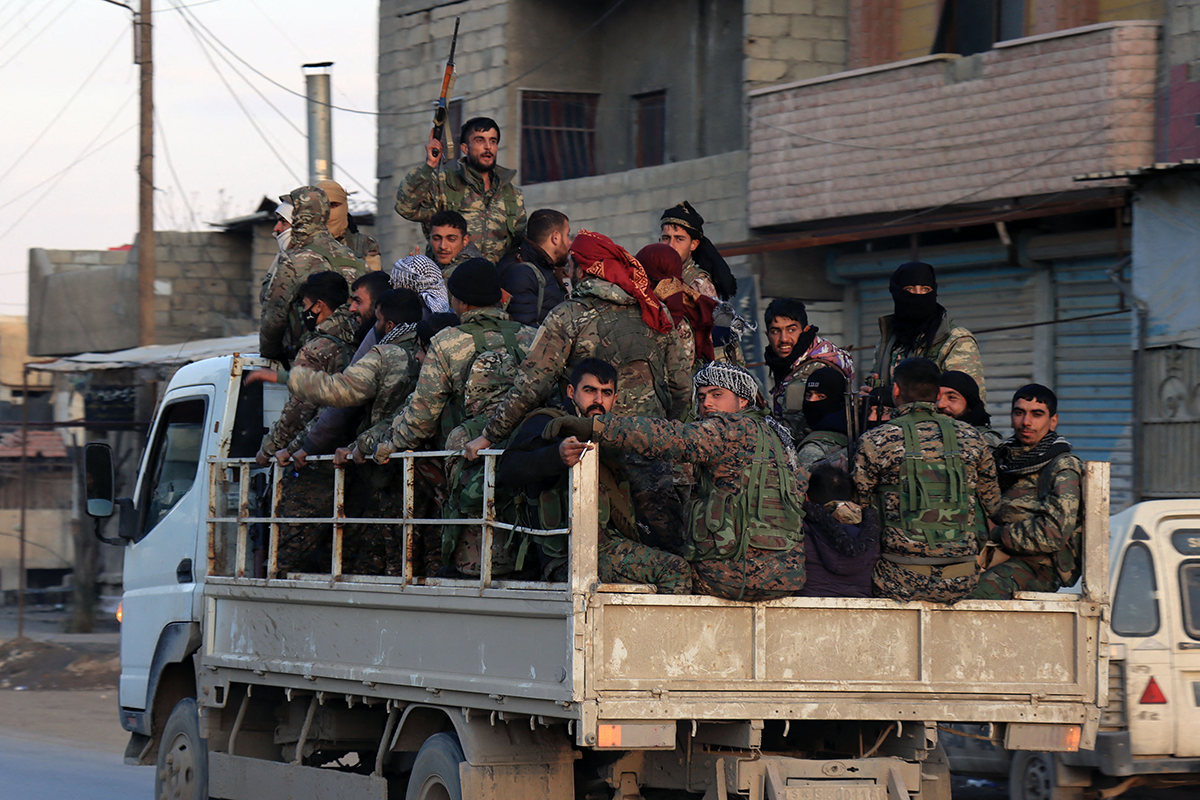
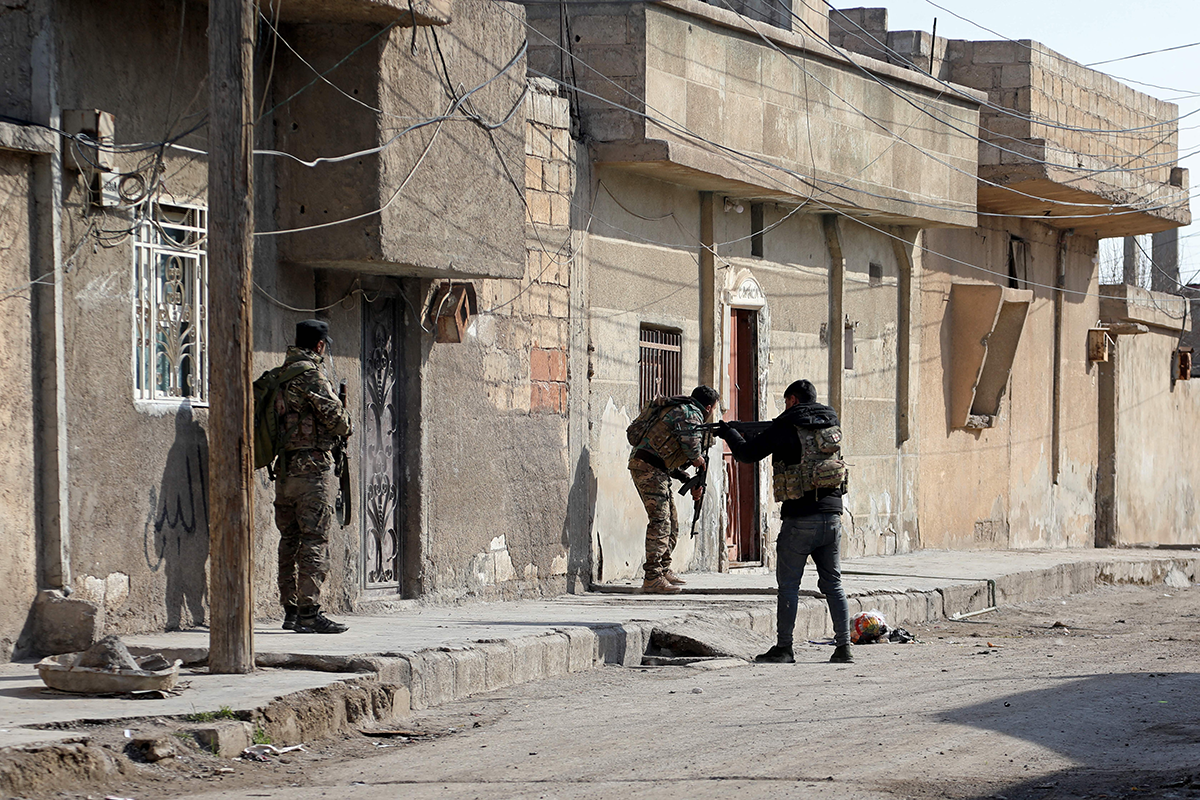
في العشرين من شهر كانون الثاني/ يناير، هاجمت مجموعات تابعة لتنظيم “داعش”، سجن الصناعة الواقع في الجهة الجنوبية لمدينة الحسكة أقصى شمال شرق سورية، الهجوم الذي أستمر لقرابة تسعة أيام، أنتهى بمقتل العشرات من مقاتلي التنظيم ومعتقليه داخل السجن، إضافة لمقتل قرابة 140 عنصراً من قوات سوريا الديمقراطية وحامية السجن التابعة لها.
A closer look at the ISIS attack on Syria’s al-Sina Prison
On Jan. 20, 2021, groups affiliated with ISIS attacked al-Sina Prison in the southern part of the city of al-Hasakah, in Syria’s far northeast. The attack, which lasted for nearly nine days, ended with the killing of dozens of ISIS fighters and detainees inside the prison, in addition to approximately 140 members of the SDF and its prison guards.
Charles Lister and Mick Mulroy discuss the dramatic Feb. 3rd U.S. special operations raid that killed ISIS leader Abu Ibrahim al-Hashimi al-Qurayshi, the group’s late January attack on the al-Sina prison, and ISIS’s broader trajectory in both Syria and Iraq.
The attack on al-Sina Prison points to a broader ISIS resurgence
Intense fighting between the SDF and ISIS continued for the fifth day in Syria’s northeastern city of al-Hasakeh on Monday, following ISIS’s biggest attack in Syria and Iraq in three years. In the evening of Jan. 20, as many as 200 ISIS militants, many wearing suicide belts, launched a coordinated multi-axis assault on al-Sina Prison, shortly after detonating two car bombs parked along the exterior walls of its northern wing. In the chaos that ensued, SDF vehicles were seized and used to break through secure walls, clearing the way for hundreds of ISIS detainees to escape.
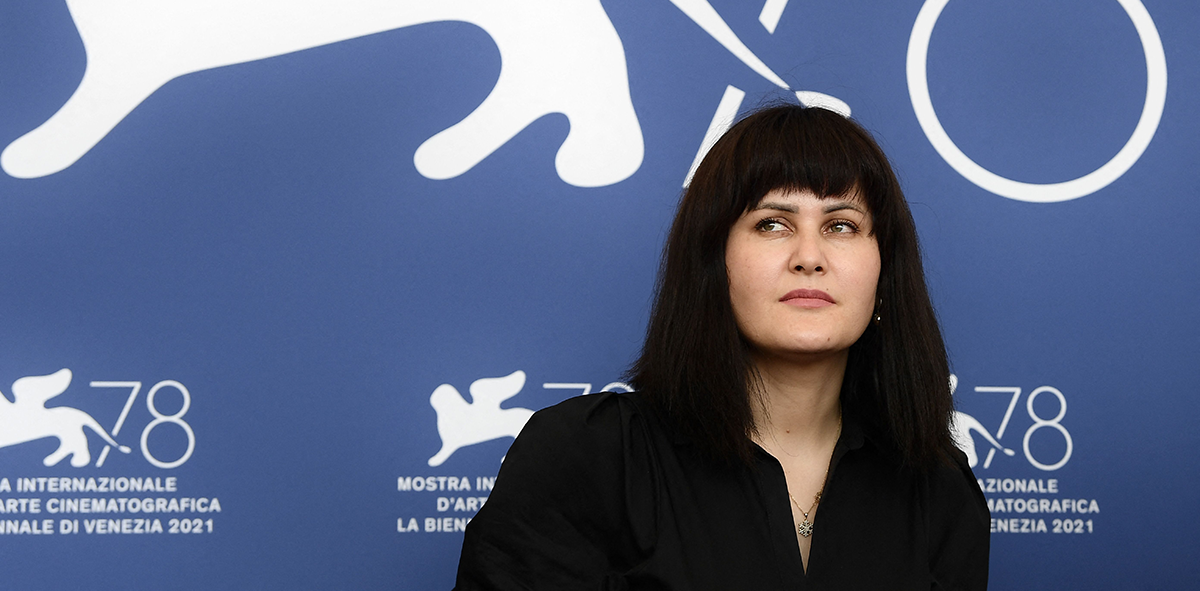
Afghan filmmaker Sahraa Karimi tells her people’s story — and her own
Afghan filmmaker Sahraa Karimi has spent decades documenting the plight of Afghan women. But when the Taliban returned with a vengeance following their takeover of Kabul on Aug. 15 of this year, she turned the camera on herself.