Breaking down the details of the UAE’s climate strategy
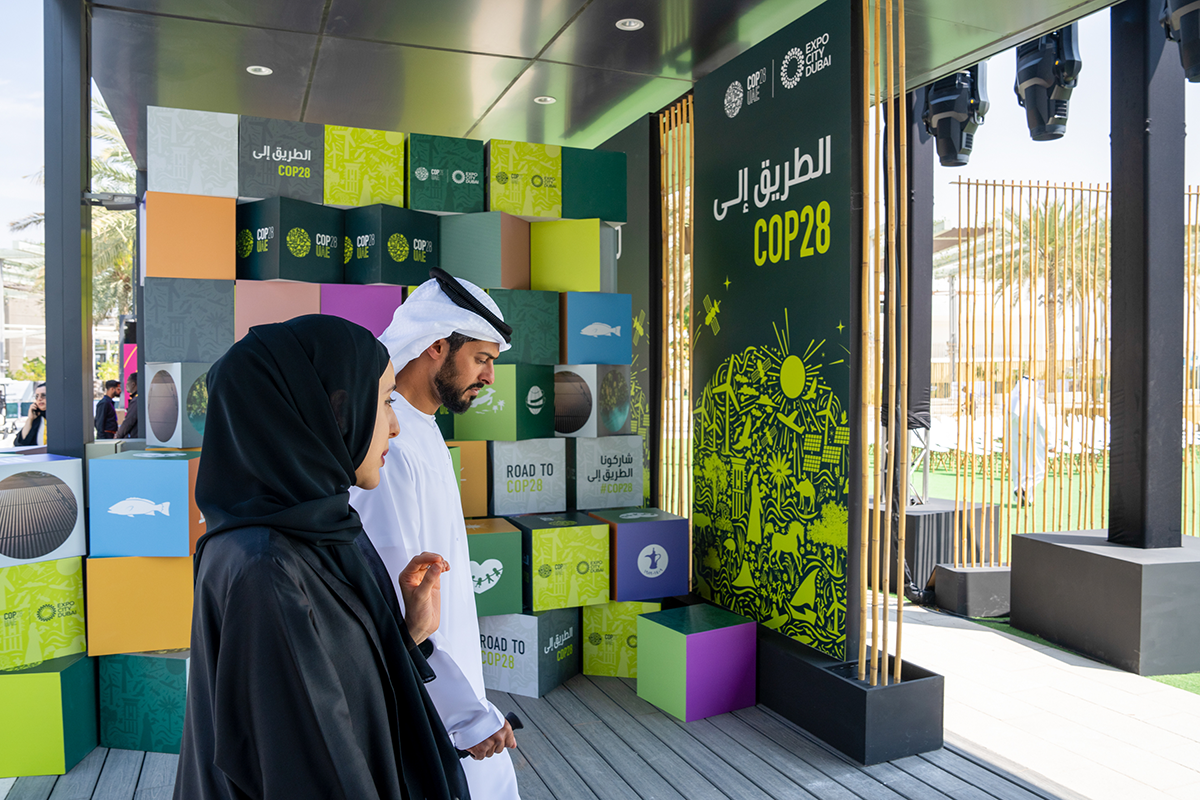
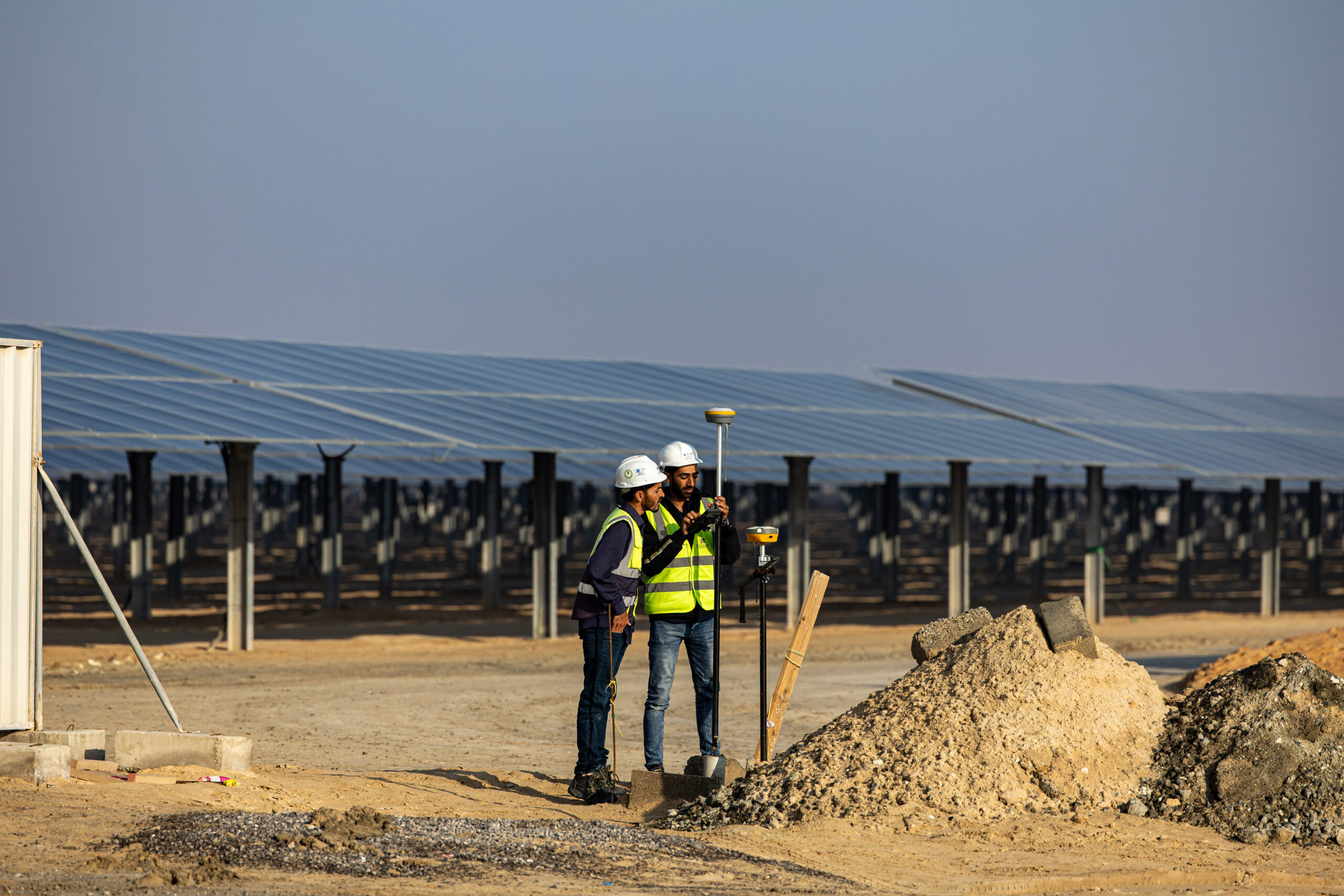
In the race to manage climate change, the UAE is ramping up its efforts in a bid to accelerate its transition to a green economy. In the first two weeks of July 2023, it published several important documents laying out its actions and objectives, including a revised version of the national climate pledges it made under the Paris Agreement, as well as a number of targeted policies and strategies.
Russia, Ukraine, and the Reshuffling of the European Security Order
In a 1994 article for Foreign Affairs, former US national security advisor Zbigniew Brzezinski famously argued that “without Ukraine, Russia ceases to be an empire.” His analysis is no less valid today.
At the time, Brzezinski was arguing against the United States pressuring Ukraine to give up its nuclear weapons. It seems reasonable to say that there would be no war in Ukraine today if the country had not done so under the terms of the flawed Budapest Memorandum.
مع تحول التحديات البيئية إلى أولوية بالنسبة للدول في منطقة الشرق الأوسط والبحر الأبيض المتوسط، تظهر فرص جديدة للتعاون البيئي الإقليمي، بما في ذلك بين إسرائيل وجيرانها. على الرغم من محدودية نطاقها ومواجهتها لعدة عقبات رئيسية، إلا أن هناك جهود تعاونية إقليمية جارية، بما في ذلك على المستويين الثنائي والمتعدد الأطراف، كما أن هناك جهود جارية للحفاظ عليها وتوسيعها. يتناول هذا التقرير الجديد، الذي تم إعداده تحت رعاية منتدى المناخ الإسرائيلي، أهمية التعاون البيئي الإقليمي في الشرق الأوسط والبحر الأبيض المتوسط، ويدرس نطاق هذا التعاون بين إسرائيل وجيرانها، ويوضح الفرص والعقبات والتوصيات لزيادة التنسيق والعمل المشترك، بما في ذلك الدور الذي يمكن أن تلعبه الولايات المتحدة وأوروبا.
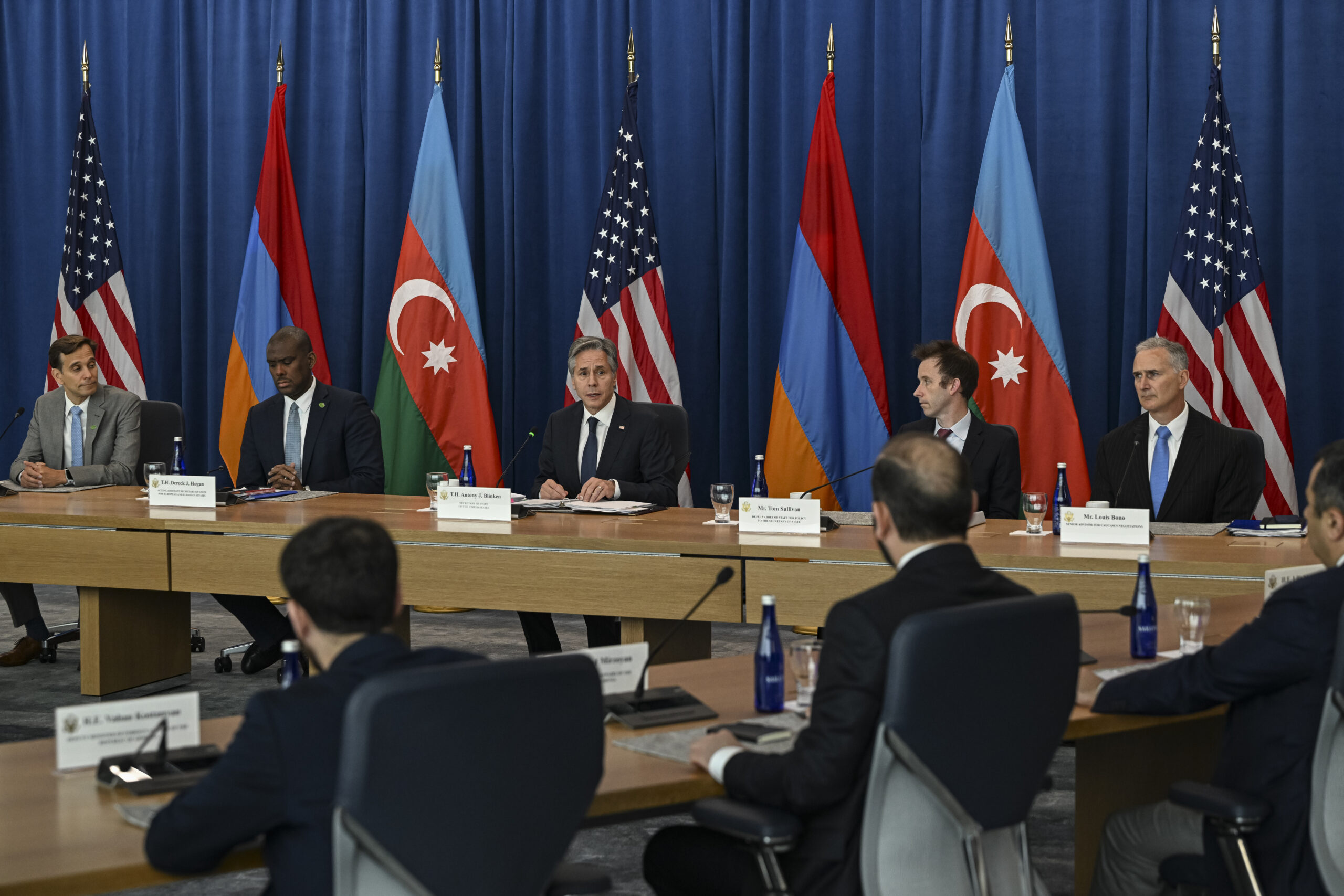
Mastering the growing crisis in the South Caucasus: A role for the West and Turkey
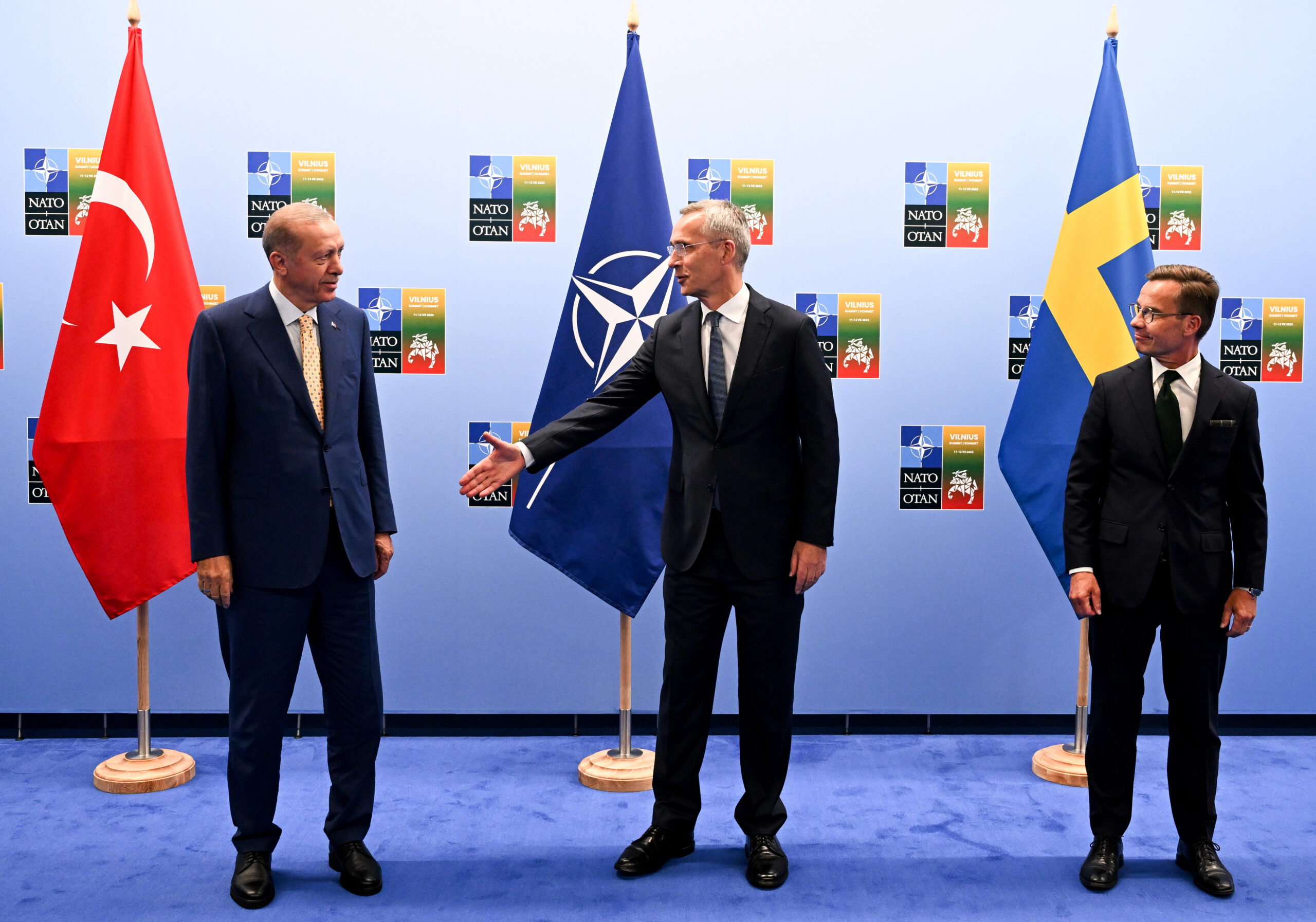
The South Caucasus region needs a clear push from the West to ensure its long-term stability and achieve a pro-Western orientation. But no lasting solutions in this space will be possible until there is an end to the war in Ukraine that fulfills the interests of both Ukraine itself and the broader West. The United States and the European Union, in cooperation with other key players — foremost Turkey — must showcase greater determination, flexibility, and coordination when it comes to their policies toward the region.
Perspectives from the Bonn Climate Change Conference Ahead of COP28
This year’s Bonn Climate Change Conference featured events and discussions focusing on climate issues such as adaptation, mitigation, the global stocktake, and climate loss and damage. Progress on these issues at the Bonn Conference is intended to translate into potential draft decisions to be adopted at the COP28 meeting taking place in the UAE later this year. Mohammed Mahmoud discusses the details of the Bonn Conference, how it may have shaped the MENA climate change agenda, and other major outcomes with Athra Khamis and Neeshad Shafi, two of MEI’s non-resident scholars in the Climate and Water Program that attended the Bonn Conference.
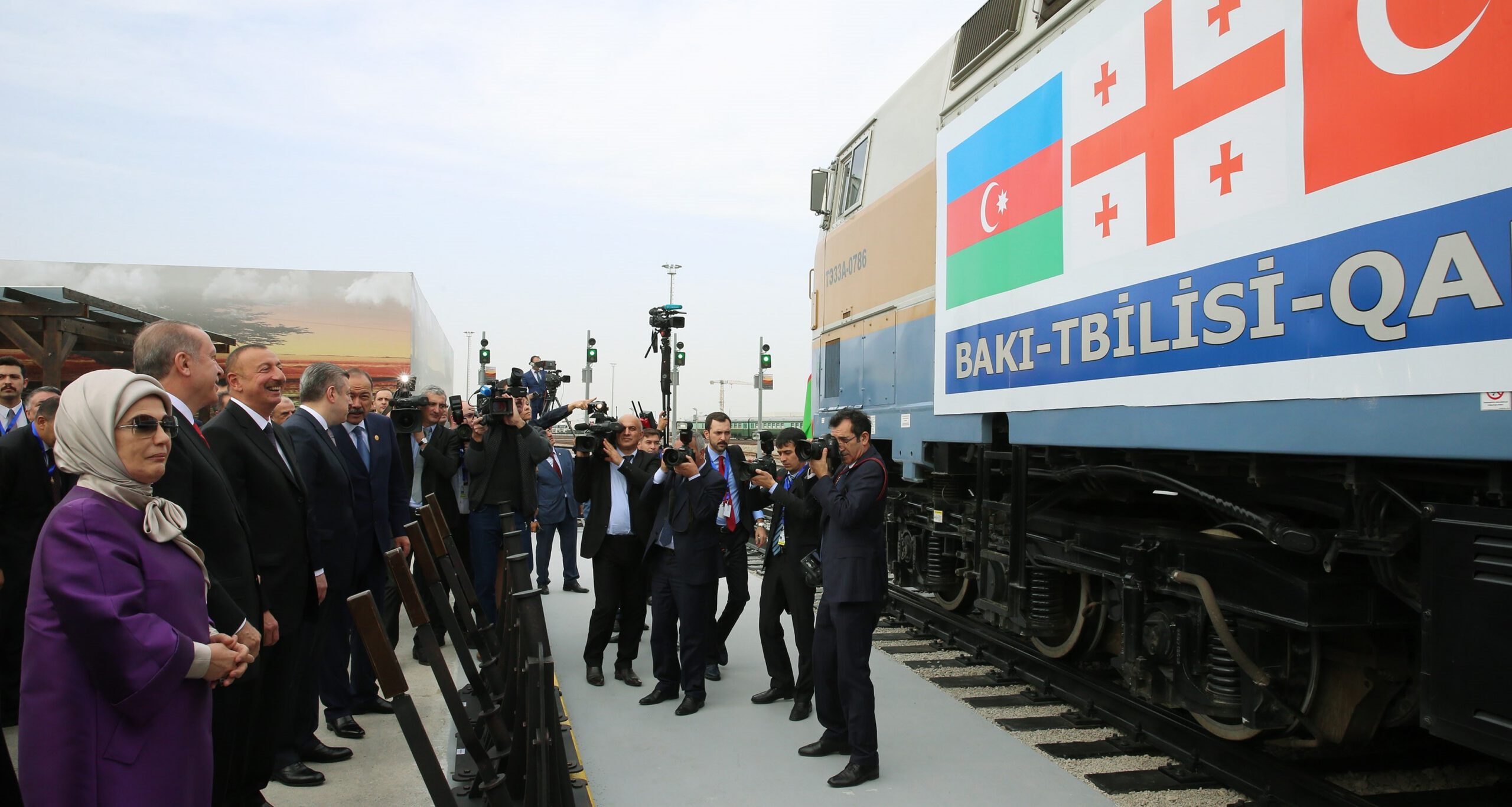
Georgia the interconnector — but where’s Washington?
For the sake of safeguarding transatlantic — and thus also American — security interests in the South Caucasus, it is becoming increasingly imperative that the United States better anchor itself economically, politically, and militarily in the eastern Black Sea region, especially strategically placed Georgia.
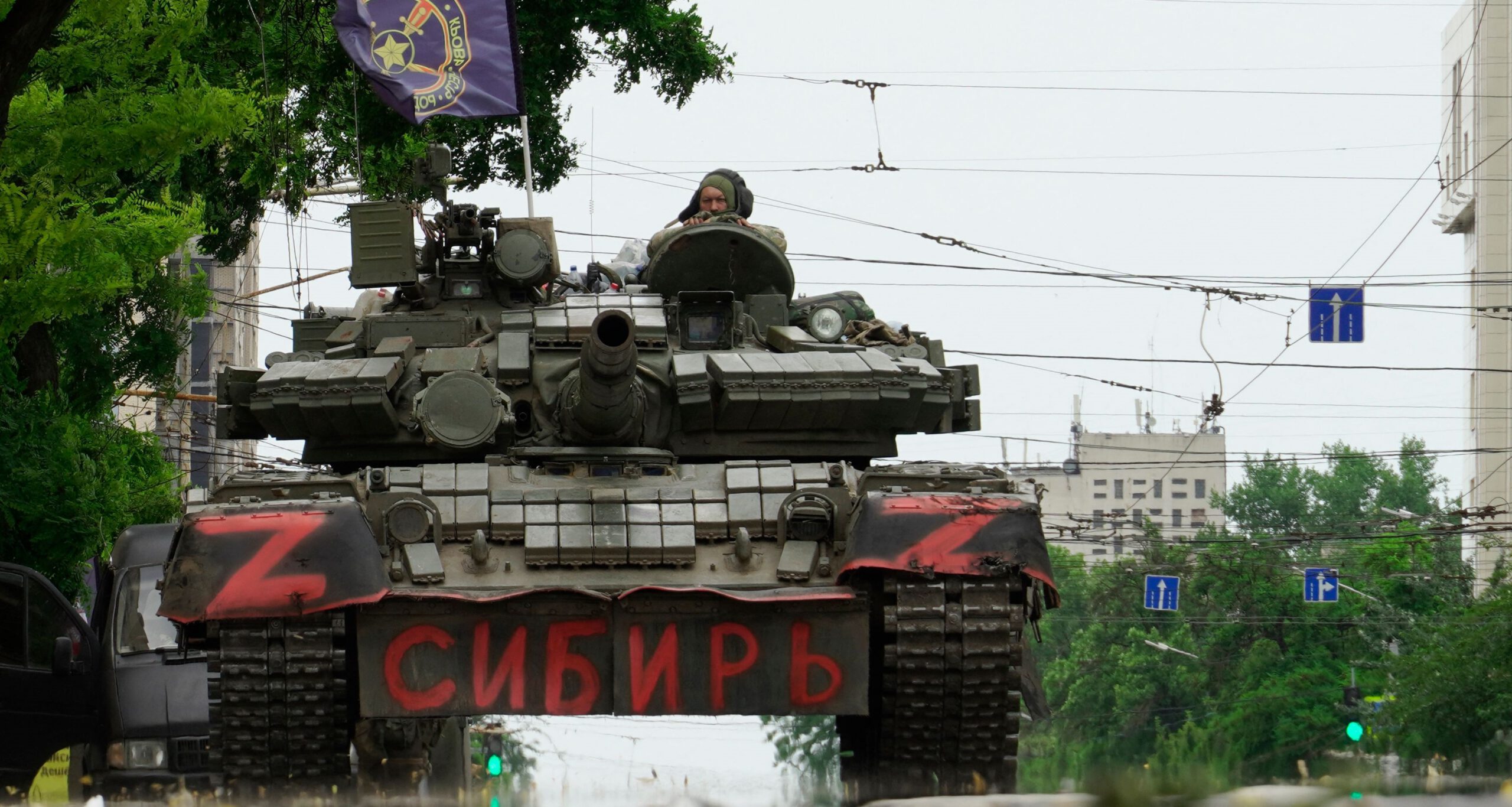
How the rumble in Russia reverberates around the Middle East
It is too early to tell whether the Wagner “uprising” is a one-off or foreshadows further cracks and the eventual collapse of Putin’s presidency, but the latter outcome would have lasting consequences in the MENA region.
Measure, verify, certify: How to future-proof Gulf companies in the energy transition
Several Gulf states have introduced renewable energy certificates into their low-carbon energy eco-system. What are RECs and how can they help companies navigate the energy transition?
Disease, destruction, flooded fields, and hunger: The far-reaching consequence of the Kakhovka dam collapse in Ukraine
Last week’s collapse of the Nova Kakhovka dam on the Dnipro River in Ukraine is one of the largest environmental disaster the Black Sea region and Europe has faced in decades. Its far-reaching environmental, economic, and humanitarian consequences will affect not just Ukraine and the Black Sea region, but also the Middle East and Africa.
The potential and limitations of Russia-China cooperation in the Middle East
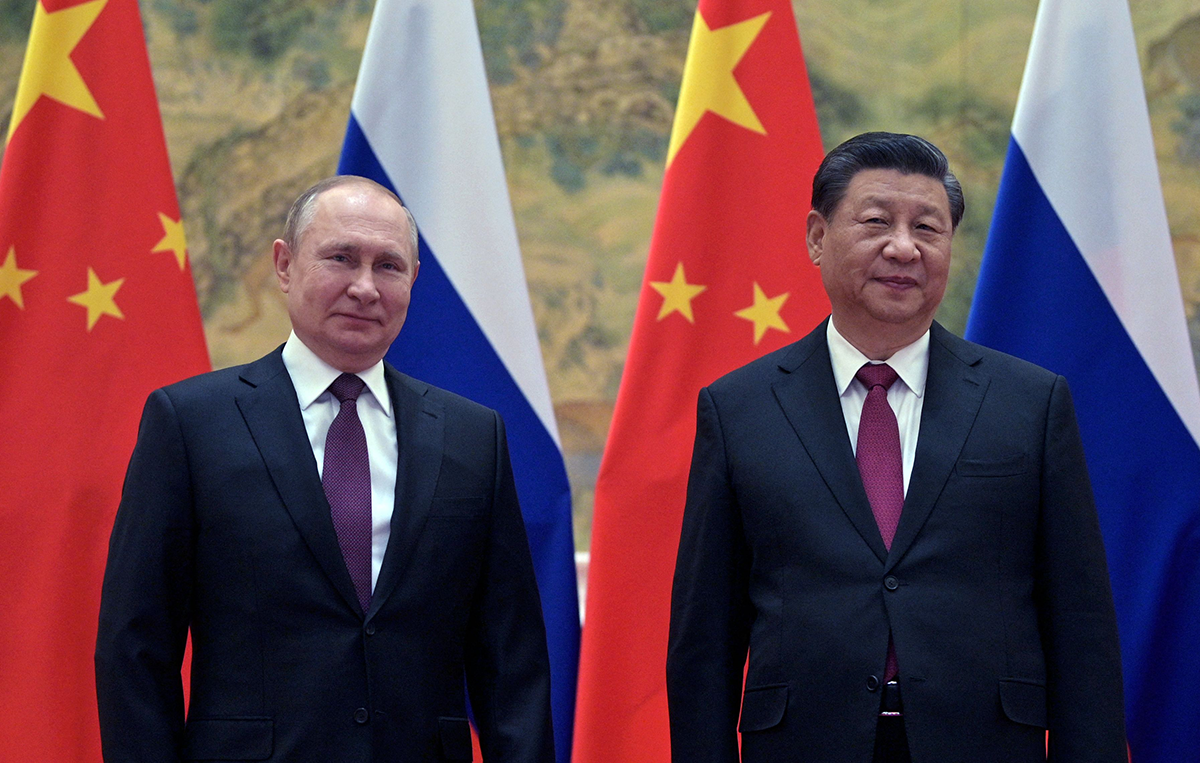
Even though Russia and China’s strategic partnership has strengthened in recent years, the leaderships of both countries infrequently engage on Middle East affairs. Russia views China’s growing diplomatic assertiveness in the Middle East as a positive step toward a multipolar regional order. Nevertheless, Russia is trying to avoid being completely eclipsed by China as a prospective conflict arbiter. While the two countries concur on opposing unilateral sanctions and democratic uprisings in the Middle East, Beijing does not universally approve of Moscow’s positions on regional crises and its power projection strategy.