Monday Briefing | Iraq: Outreach abroad, but troubles at home
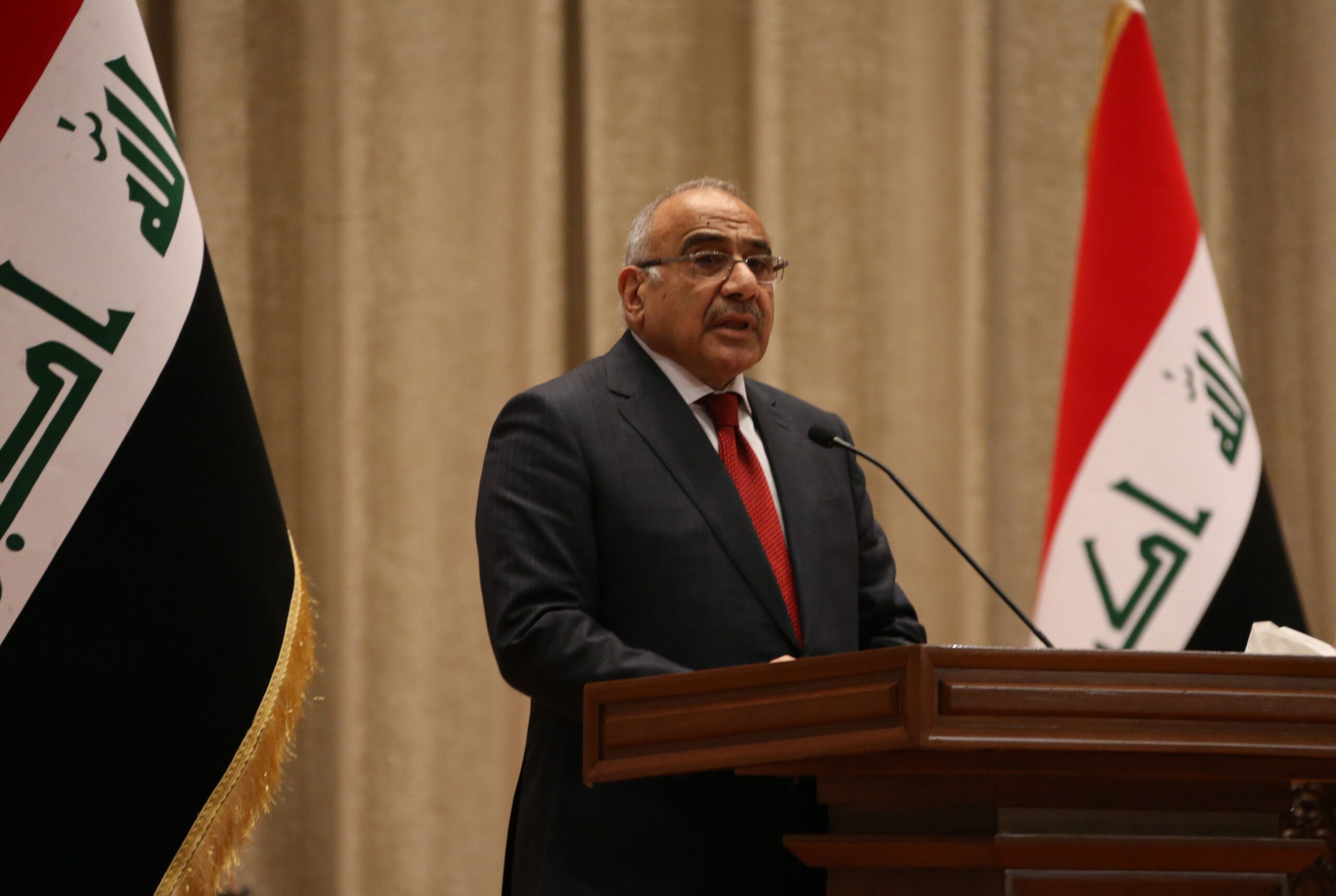
In this week’s Monday Briefing, MEI experts Randa Slim, Charles Lister, Gerald Feierstein, and Paul Salem provide analysis on recent and upcoming events including Iraqi Prime Minister Abdul-Mahdi’s first foreign trip to Egypt, the future threat posed by ISIS, Israeli Prime Minister Benjamin Netanyahu’s AIPAC meeting in Washington, and Secretary of State Mike Pompeo’s visit to Lebanon.
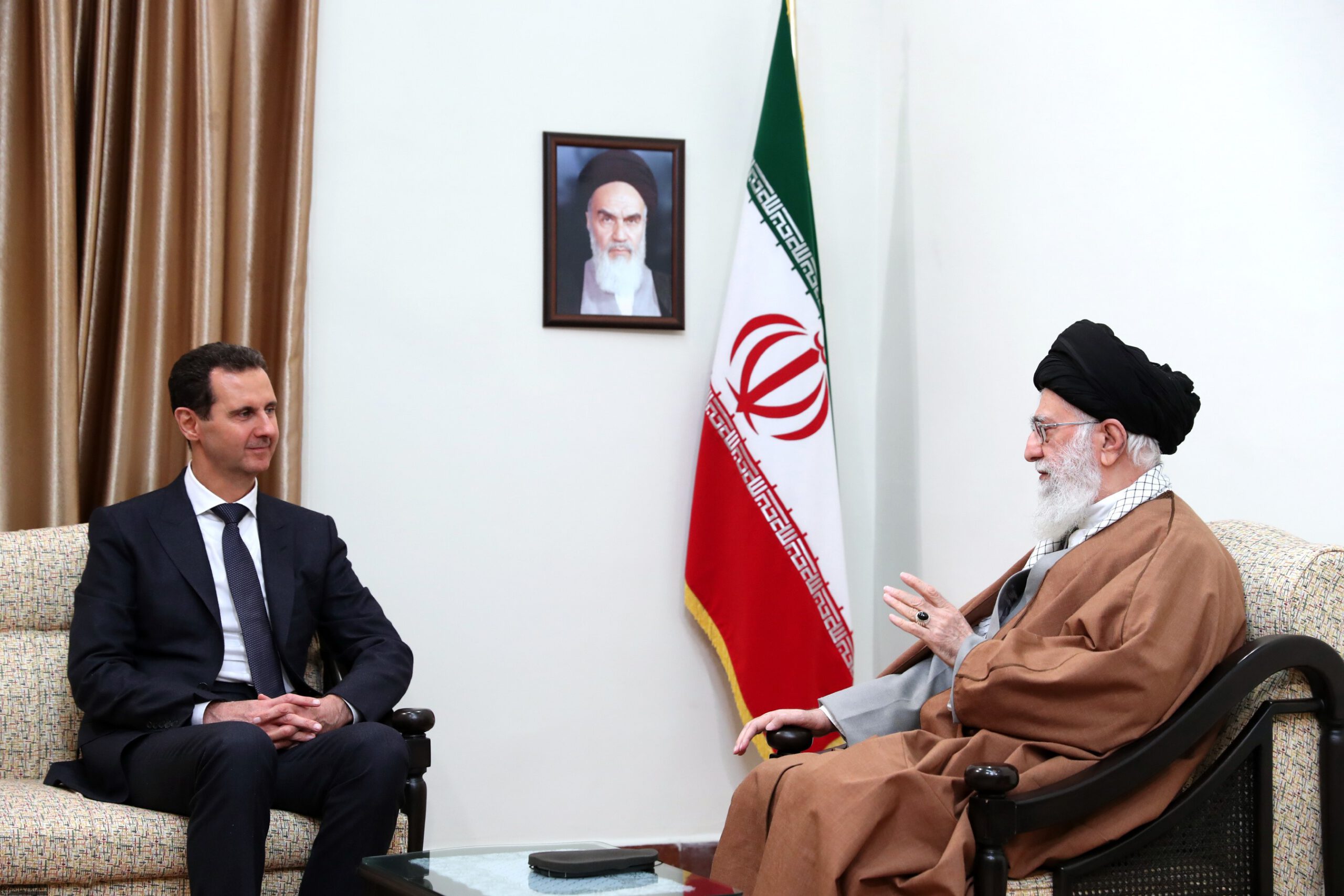
That the relationship between the Ba’ath regime in Syria and the ayatollahs of the Islamic Republic is one of loveless realpolitik is no secret to anyone with a passing familiarity with the history of Damascus-Tehran ties. The end of the war in Syria has already begun to expose faults in the unlikely marriage between a militant secular Arab regime rooted in the independence politics of the colonial era and the revolutionary rule of the wilayat al-faqih.
Monday Briefing: Algeria's political crisis is deepening
In this week’s Monday Briefing, MEI experts Robert S. Ford, Paul Salem, Marvin G. Weinbaum, Wa’el Alzayat, and Alex Vatanka provide analysis on recent and upcoming events including Algeria’s ongoing political crisis, the 16th anniversary of the U.S.-led invasion of Iraq, criticism of the U.S.-Taliban talks by Afghanistan’s national security advisor, international fundraising efforts to aid Syria, and Iranian President Hassan Rouhani’s fading political clout.
Justifying Relations with an Apostate During a Jihad: A Salafi-Jihadist Group’s Relations with Turkey in Syria
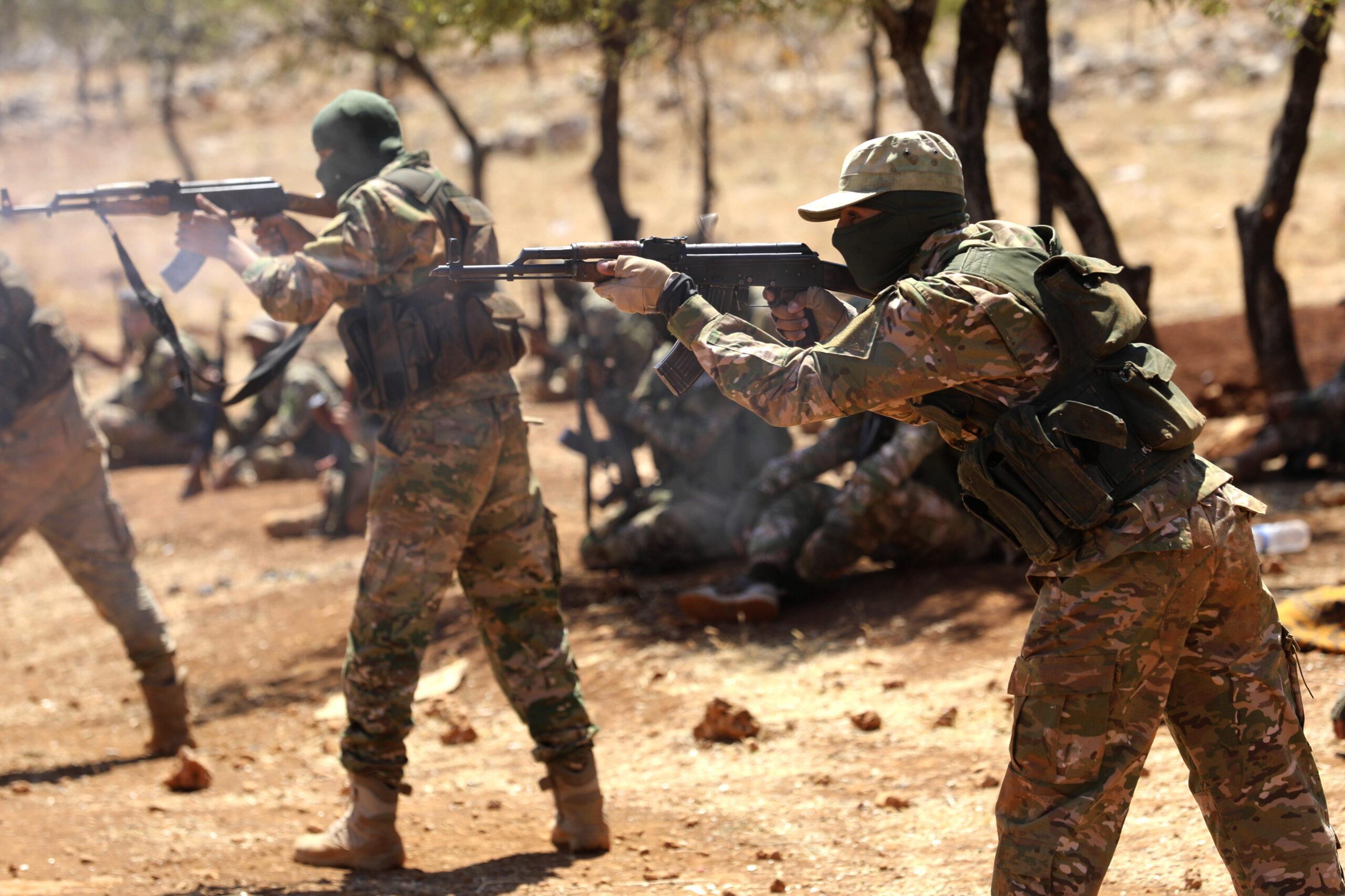
This analysis explains how the Salafi-Jihadist group Hayat Tahrir al-Sham (HTS) has legally justified its relations with Turkey. Although HTS was careful to avoid direct military collaboration with Turkey, it welcomed the Turkish Army’s presence as an additional force against the Syrian regime and secular opposition groups. This caused a significant rift among the group’s supporters and the al-Qaeda community, who accused HTS of thwarting its own jihad by forming relations with Turkey, considered by Salafi-Jihadists to be an apostate.
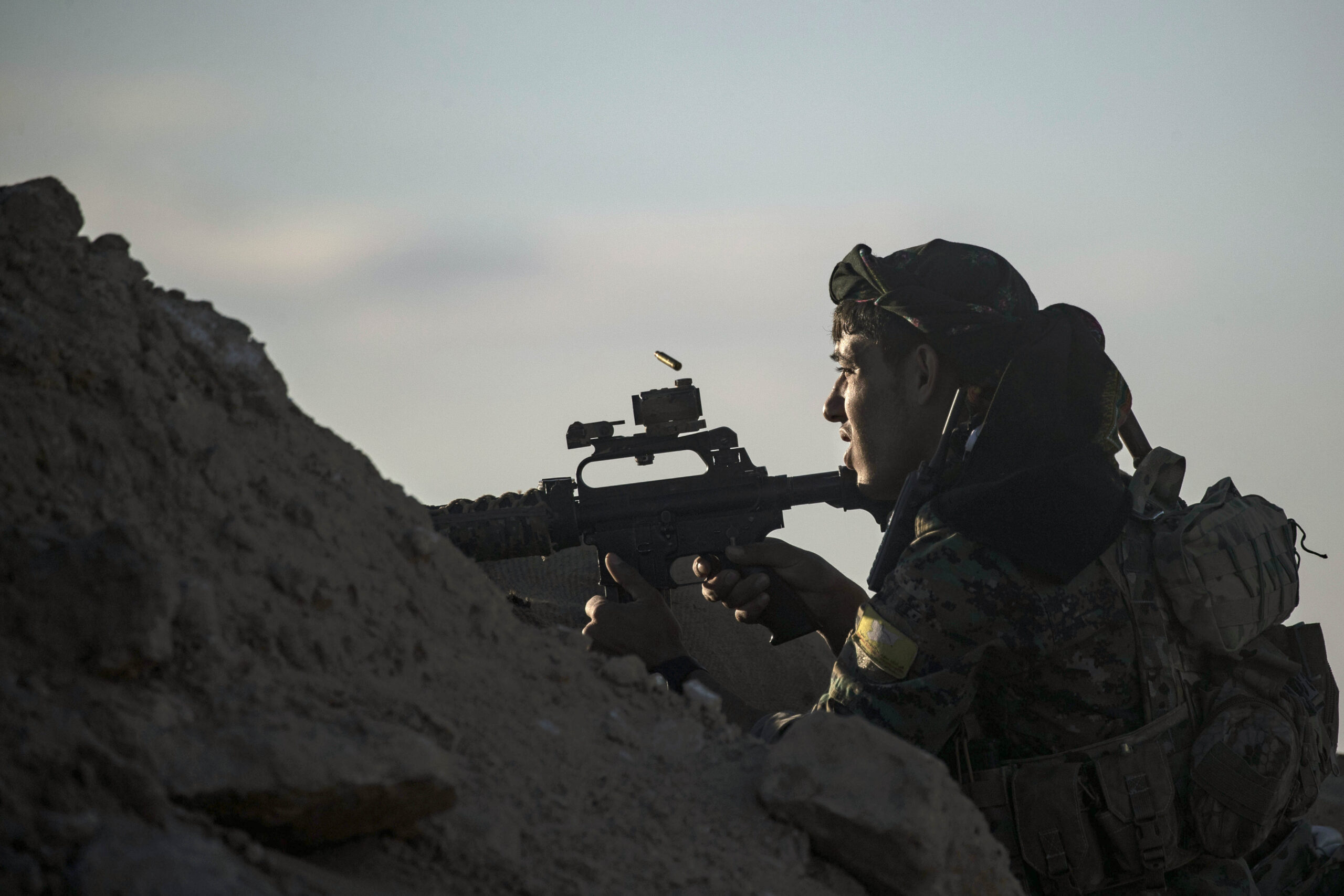
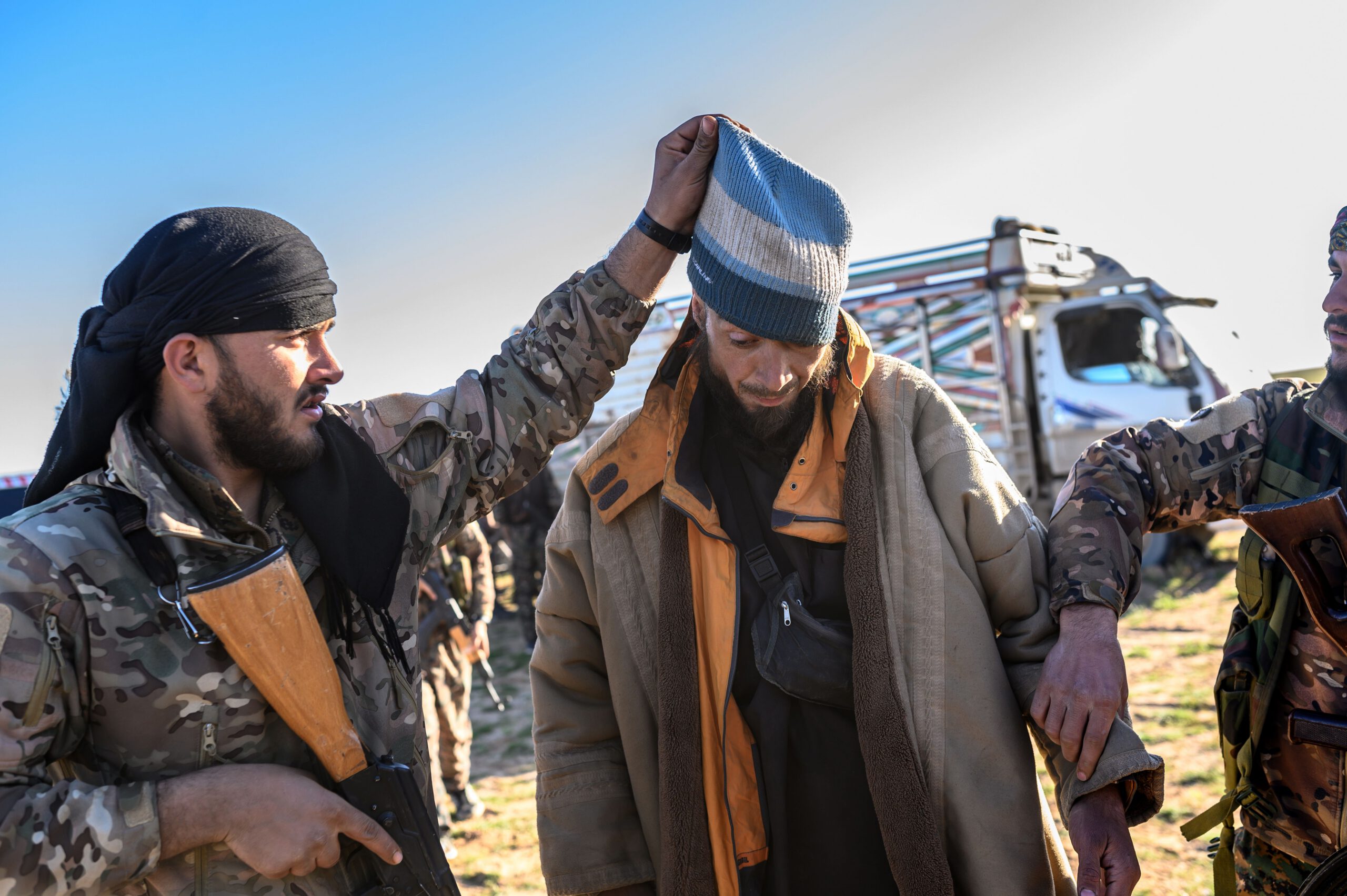
Perhaps the most immediate challenge facing the Syrian Democratic Forces is what to do with the influx of ISIS members and their families that have poured out of ISIS’s last stronghold, particularly since February 2019.
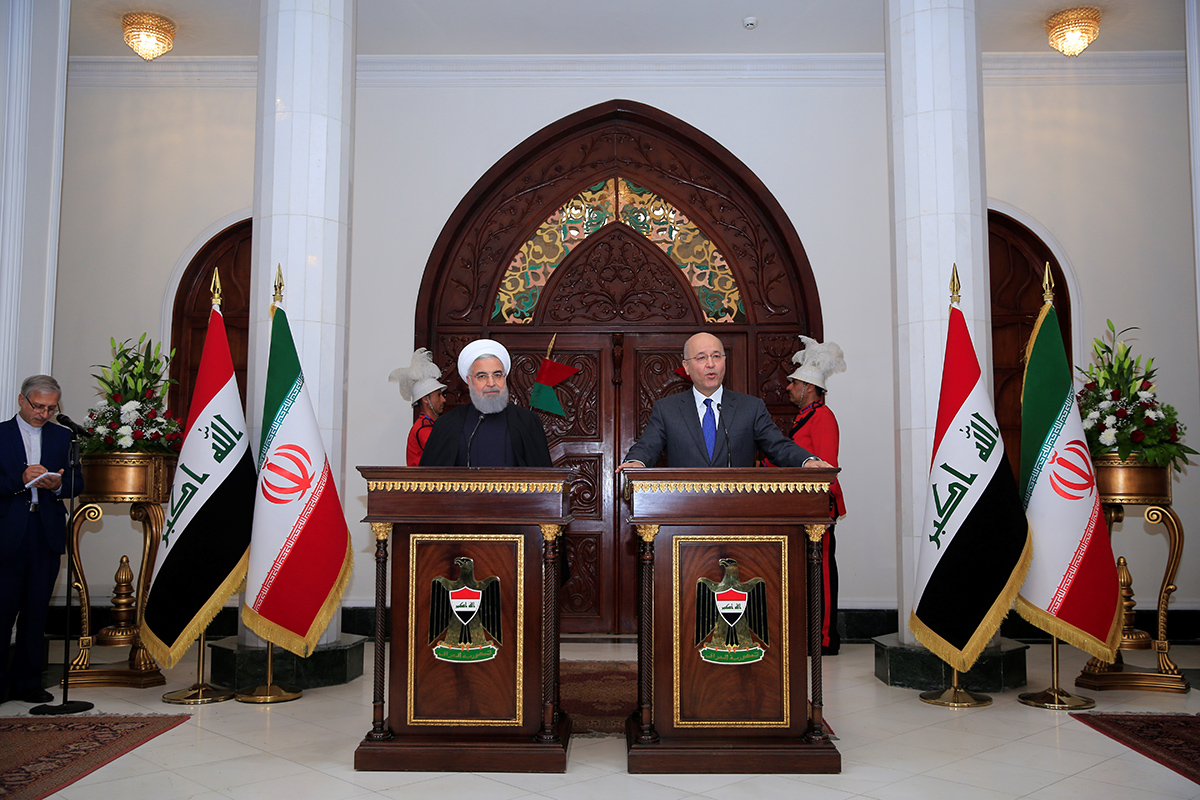
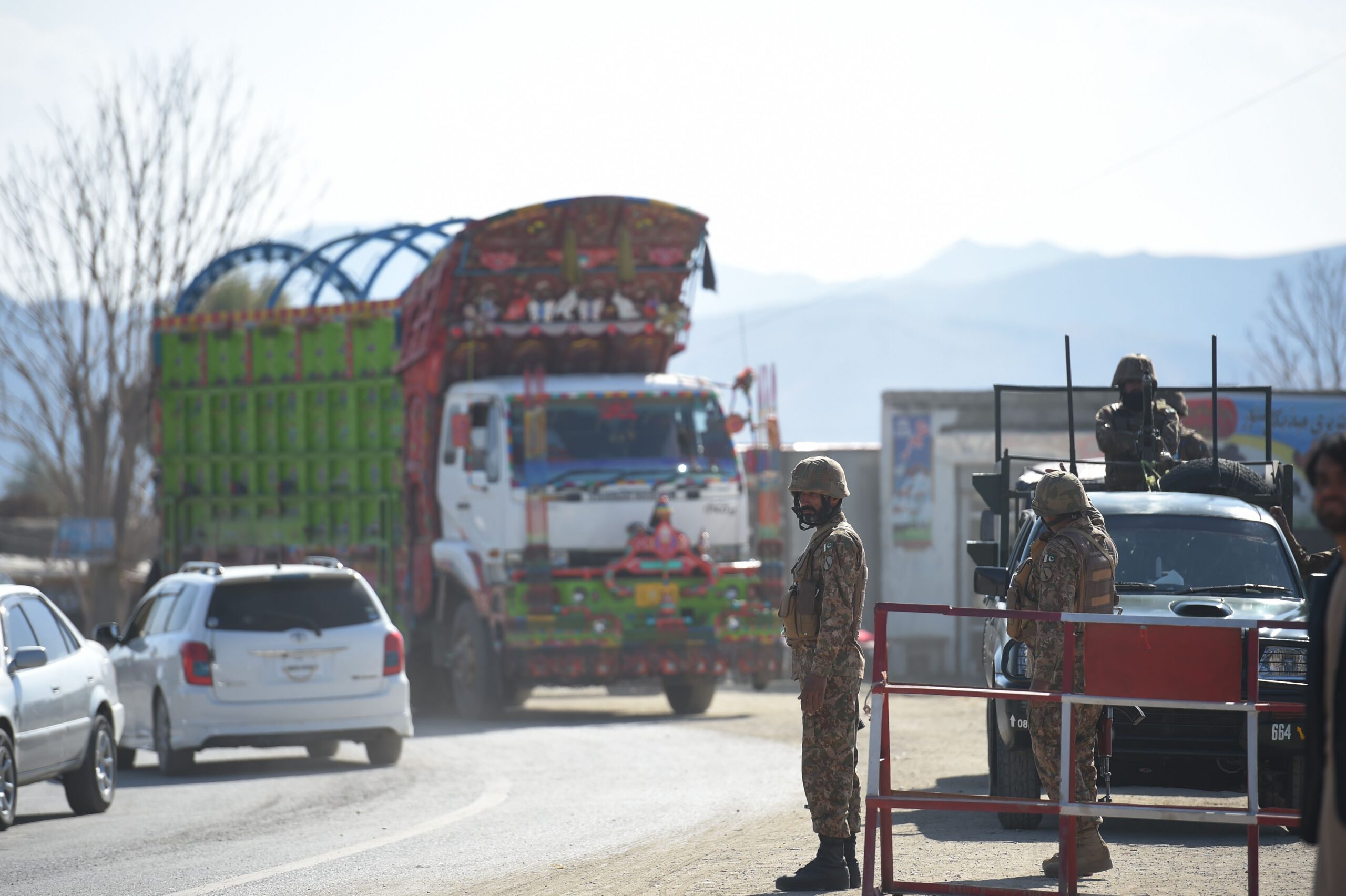
In this week’s Monday Briefing, MEI experts Randa Slim, Robert S. Ford, Marvin G. Weinbaum, James P. Farwell, Emadeddin Badi, Guney Yildiz, and Jean-François Seznec provide analysis on recent and upcoming events including Iranian President Hassan Rouhani’s visit to Baghdad, reconstruction efforts in Syria, the crackdown on militant Islamists in Pakistan, Iran’s cyber attack capabilities, upcoming elections in Libya, Turkish-Egyptian tensions, and Qatar’s $12B loan from bond markets.
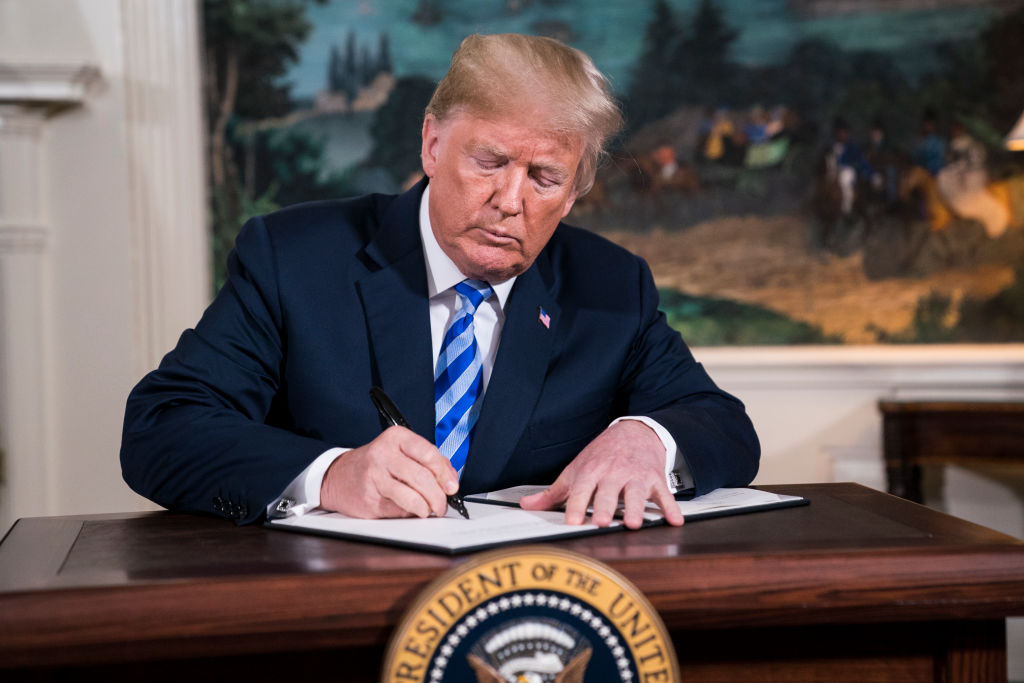
Both the U.S. State Department and the American intelligence community have concluded that President Trump’s “maximum pressure” policy toward Iran is not working. Yet, Trump seems determined to carry on. To achieve its stated goal of changing Iran’s policies, the U.S. should adopt a more proportional approach that focuses on Tehran’s most threatening actions, such as its ballistic missile tests.
US foreign policy towards the Middle East: Pumping air into a punctured tire
Theorizing the future of the Arab Gulf states and the broader Middle East requires a proper assessment of the state of power distribution in the region. Is there a new balance of power emerging in the Middle East, or is the distribution of power heading in a more dangerous direction?
Monday Briefing: Tenuous promise in Pakistan and Afghanistan
In this week’s Monday Briefing, MEI experts Marvin G. Weinbaum, Robert S. Ford, Alex Vatanka, and Birol Baskan provide analysis on recent and upcoming events including a potential agreement between Pakistan and Afghanistan, protests in Algeria, Rouhani’s planned trip to Baghdad, and recent Turkish naval exercises.
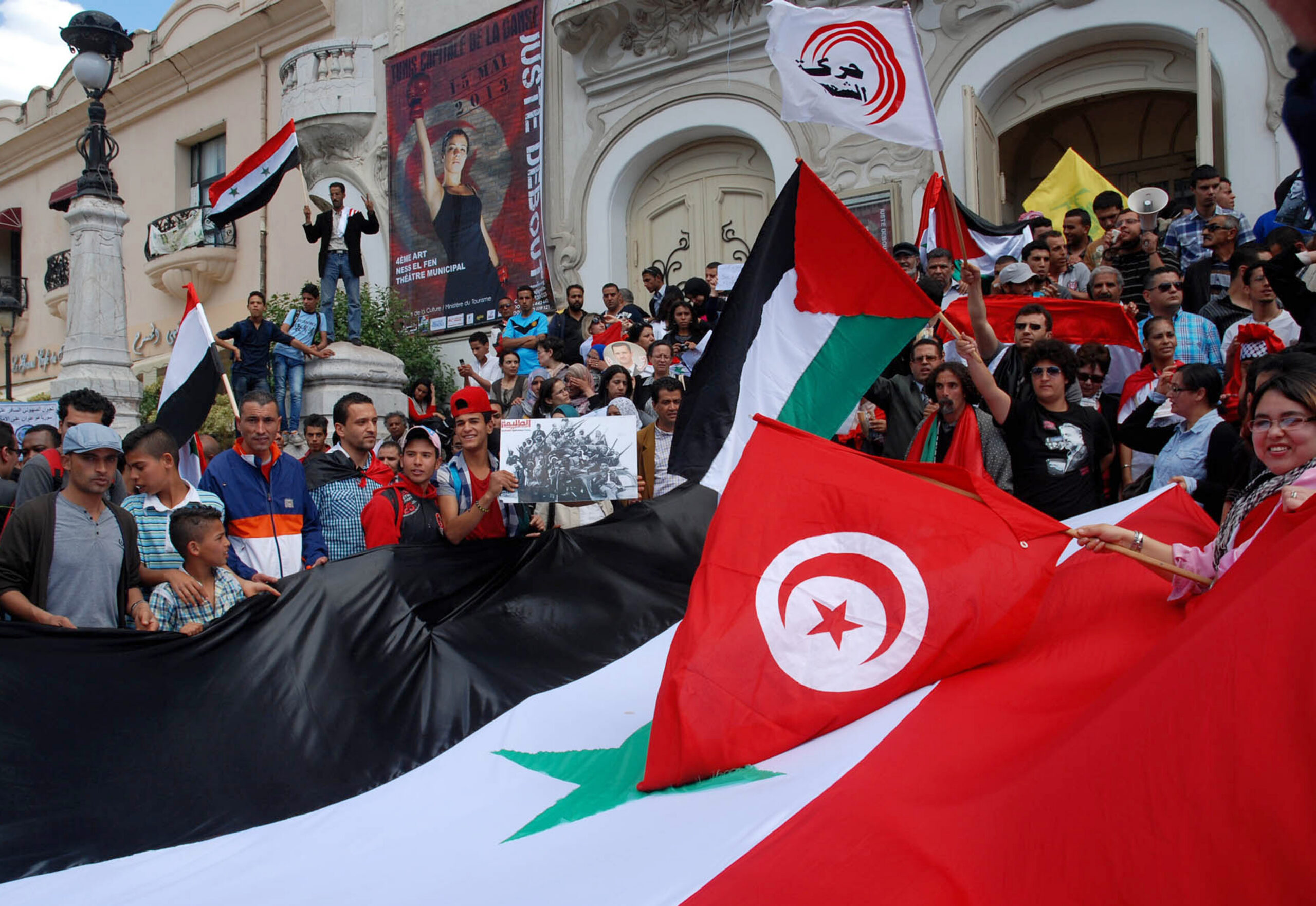
Observers of political affairs in the Arab world are keeping a close eye on the upcoming Arab League summit, set to be held at the end of March in Tunis. Although Syria will not participate in the meeting, the question of when, or how, to bring Damascus in from the cold after an eight-year suspension from the body will be the most important issue on the agenda.
Targeting the Revolutionary Guard: Why Iran’s blame game is not the answer
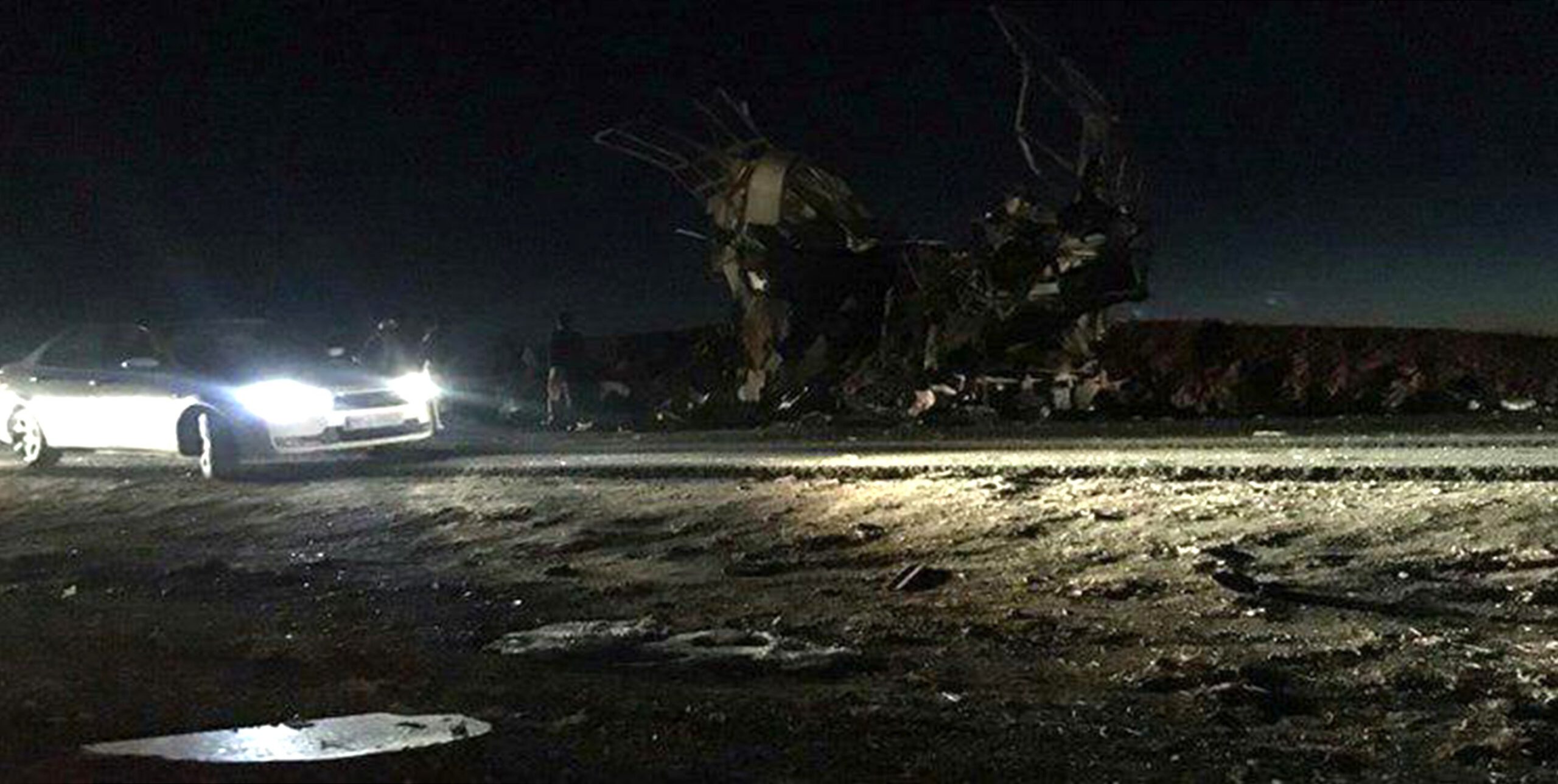
Following the Feb. 13 truck bomb on members of Iran’s Islamic Revolutionary Guards Corps in Sistan-Baluchistan, the government was quick to blame foreign powers. Iranian officials aim to deflect attention from the country’s intractable internal problems, such as the persecution of its Sunni minority, a deep-rooted issue that has often been overlooked by the international community.
Gerald Feierstein, MEI’s senior vice president, discusses the context of the resignation and its implications for Iran’s foreign policy, including the nuclear deal, as well as for its domestic politics.
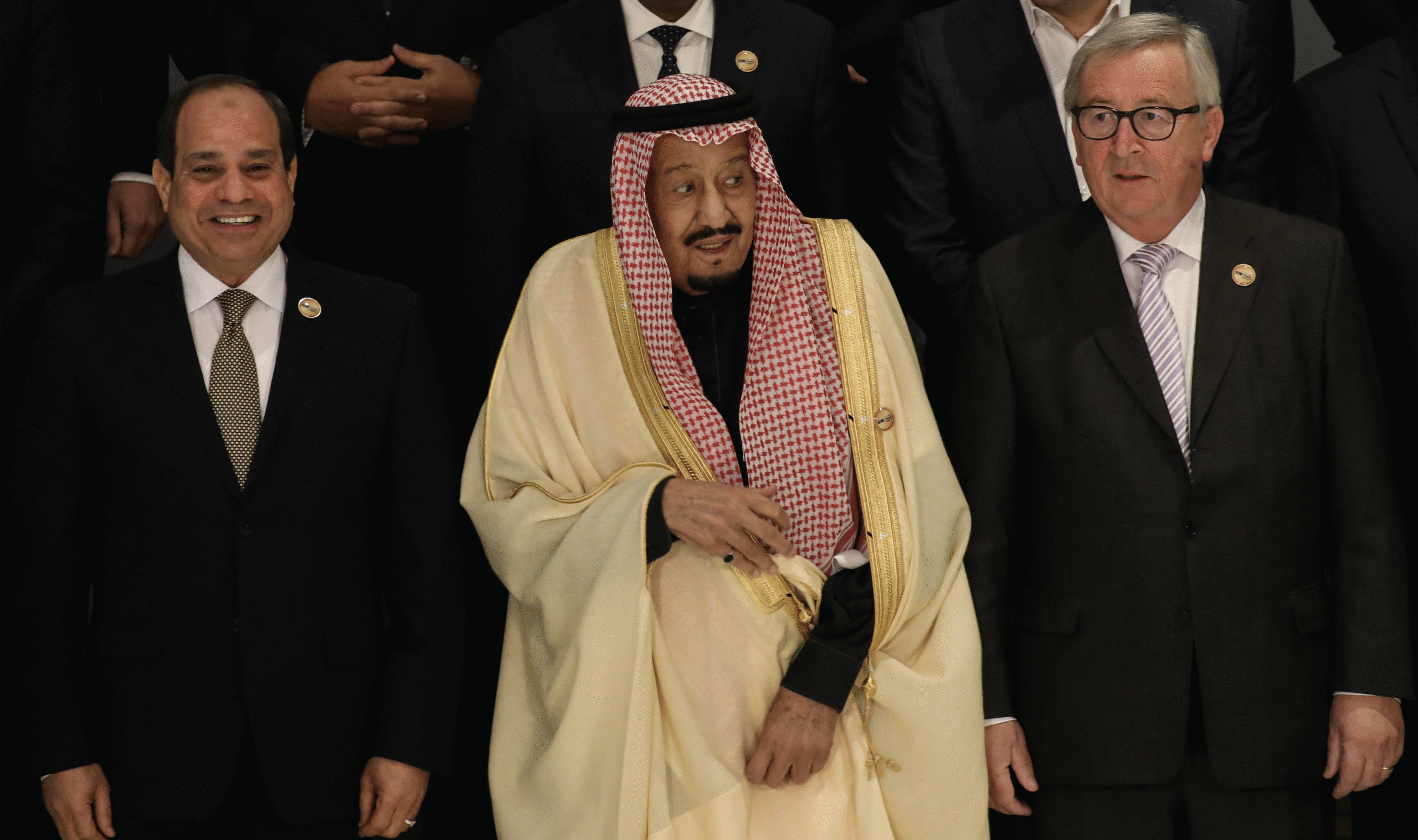
Monday Briefing: Egypt hosts first EU-Arab League summit
In this week’s Monday Briefing, contributors Mirette F. Mabrouk, Gerald Feierstein, Marvin G. Weinbaum, Przemysław Osiewicz, Grace Wermenbol, and W. Robert Pearson provide analysis on recent and upcoming events including the EU-Arab League summit, the progress in US-Taliban talks, challenges to Israeli Prime Minister Benjamin Netanyahu’s power, consequences of the Kashmir attack, and Turkey’s next steps in Syria.
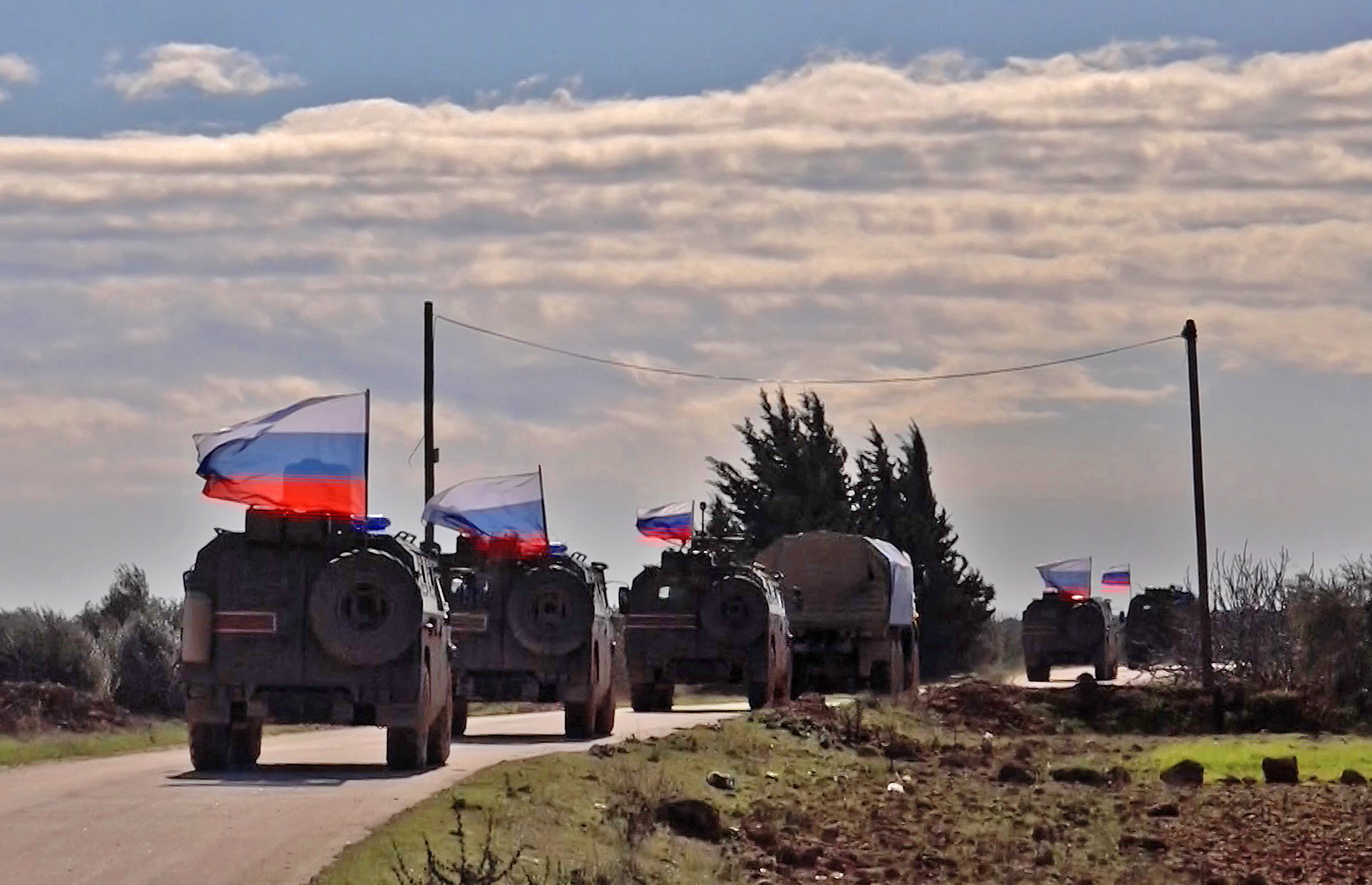
As the Sochi talks made clear, for all their efforts, Russia and Turkey remain far from a joint resolution on Manbij. But the two sides do not have equal clout on the issue. Russia’s significant and expanding military police presence in the Manbij countryside gives Moscow the final say on what will happen there, a reality that could result in Ankara losing some or all of the region to its Syrian rivals in Damascus.