تمت ترجمة هذا النص بواسطة الذكاء الاصطناعي وقد يحتوي على أخطاء.
تخطي إلى المحتوى

Research & Commentary Results

تصفية حسب
1754 Results
The GCC States and the Viability of a Strategic Military Partnership with China
معهد الشرق الأوسط
  • التحليل
  • The GCC States and the Viability of a Strategic Military Partnership with China

    The term “strategic partnership” has been increasingly used in GCC circles to signify that relations with China are important and worthy of long-term investment. In a March 14, 2014 speech during his visit to Beijing, Saudi Arabia’s then Crown Prince Salman announced that “we are witnessing the transformation of the relationship with China to one of strategic partnership with broad dimensions, to the benefit of both our countries.” Saudi Arabia’s position was echoed by the emir of Qatar during a 2014 visit to China in which issues of common concern to all GCC states, especially combating terrorism, were discussed. Abdel-Aziz Aluwaisheg, GCC general assistant secretary for negotiations and strategic dialogue, has also noted that there is growing interest in the Gulf to develop a “strategic dialogue” with China.
    March 17, 2015

    Could Kurds Be the Liberal Alternative Turks Have Been Looking For?
  • التحليل
  • Could Kurds Be the Liberal Alternative Turks Have Been Looking For?

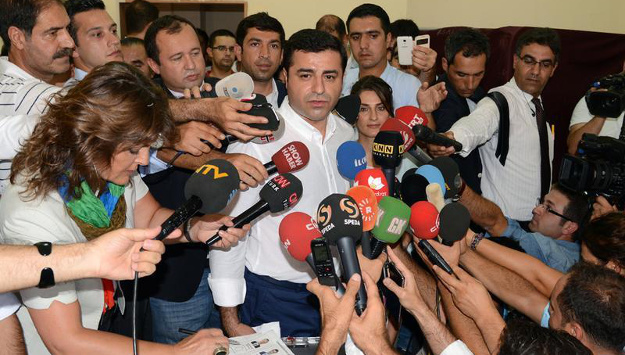
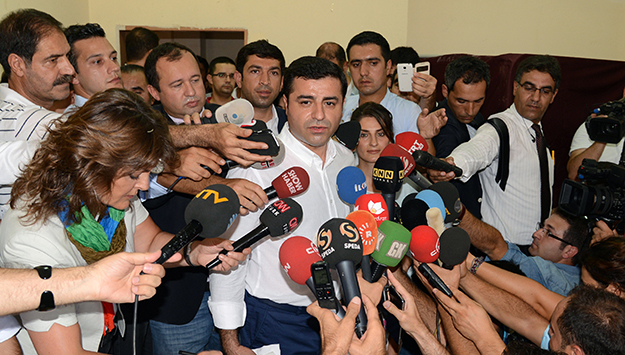
    Turkey’s first tangible democratic push came from the Islamist camp in 2002 when the Islamist-rooted Justice and Development Party (AKP) came to power. The second could come from an unlikely source: the Kurds.

    Turkey: Exhuming the Deep State
  • التحليل
  • Turkey: Exhuming the Deep State

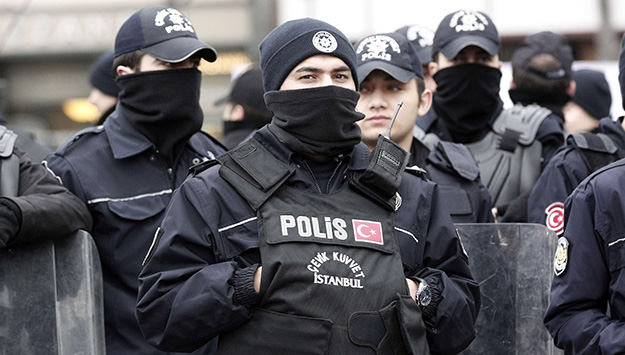
    Turkey is in an unprecedented state of political tumult. Since the ascent of Recep Tayyip Erdogan’s Justice and Development Party (AKP) to power in 2002, all Turks have struggled to support, defeat, or accommodate this party that rose suddenly in free elections to national power. Now, that contest has entered a new and more dangerous phase.

    NATO and the Gulf: What’s Next?
    معهد الشرق الأوسط
  • التحليل
  • NATO and the Gulf: What’s Next?

    Over the course of the past ten years, NATO[1] has consistently invited Saudi Arabia and Oman to join the Istanbul Cooperation Initiative (ICI), which launched in 2004 as a cooperation framework between NATO and the GCC countries. So far, the ICI contains just four Gulf partners (Bahrain, Qatar, Kuwait, and the United Arab Emirates), and neither Riyadh nor Muscat has accepted the invitation.

    February 3, 2015

    Can Kurds Save Turkish Democracy?
  • التحليل
  • Can Kurds Save Turkish Democracy?

    Turkey’s Kurds are playing a risky game. If they succeed, they can boost the country’s troubled democracy. If they fail, a further drift toward authoritarianism will follow.

    Gulf Charitable Organizations in Southeast Asia
    معهد الشرق الأوسط
  • التحليل
  • Gulf Charitable Organizations in Southeast Asia

    While there have been studies on the development of Islamic philanthropic organizations in fostering social welfare in Southeast Asian countries such as Indonesia and Malaysia, the role of international Islamic aid agencies, including those from Gulf countries, in their dealings with Southeast Asian domestic welfare issues remains unexplored. This essay discusses the growth of Gulf charitable organizations operating in Southeast Asia, particularly the reasons for this phenomenon and the types of activities in which these organizations are engaged, and then takes an in-depth look at two Gulf charities that are active in Indonesia, namely the United Arab Emirates’ (UAE) Asian Muslim Charity Foundation (AMCF) and Qatar Charity.

    December 25, 2014

    What Kobani Needs
  • التحليل
  • What Kobani Needs

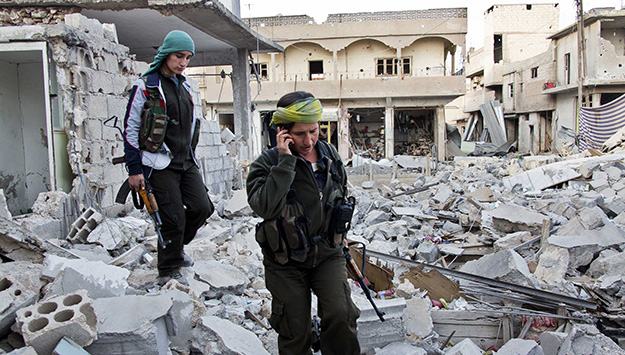
    In the ongoing fighting in and around Kobani in northern Syria, it appears likely that the defending Kurdish forces will ultimately prevail and be able to expel the Islamic State (ISIS). However, in order to enable refugees to return, substantial aid and reconstruction efforts will be needed, and more benign Turkish border policies are essential in the meantime.

    Construction and Housing

    December 5, 2014

    Moving Ahead for the United States and Turkey
    معهد الشرق الأوسط
  • التحليل
  • Moving Ahead for the United States and Turkey

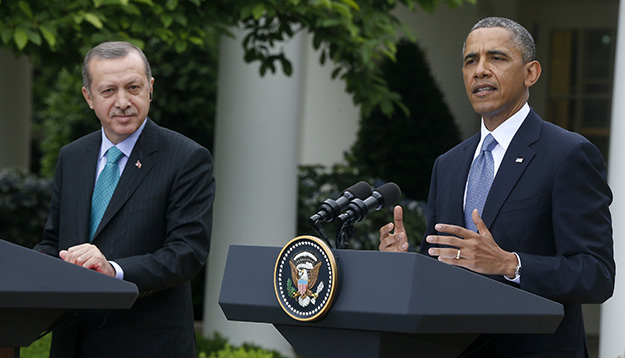
    Ankara and Washington once again are wide apart on regional objectives. Not since 2003 and, for some, not since Cyprus in 1974 have the two capitals seen the same crisis so differently. Moving back onto the same page will require a series of concrete steps. President Obama reportedly has ordered a review. One of its main objectives should be to bring Turkey and the United States closer together on goals and tasks each will undertake. The United States cannot build a stable coalition without Turkey, and Turkey cannot accomplish its aims without the United States.

    Arab FDI “Pivots” to China
    معهد الشرق الأوسط
  • التحليل
  • Arab FDI “Pivots” to China

    Thanks to unprecedented current account surpluses, the Gulf Cooperation Council (GCC) countries are investing billions abroad and looking more toward the East. The GCC’s growing trade ties with China have been accompanied by encouraging development in investment relations. For these countries, investment projects in China promise access not only to large and rapidly growing energy markets, but also to other booming sectors.

    October 16, 2014

    Turkey's tough choice: Take on ISIS or the PKK?
  • التحليل
  • Turkey's tough choice: Take on ISIS or the PKK?

    Read the full article on CNN.com.

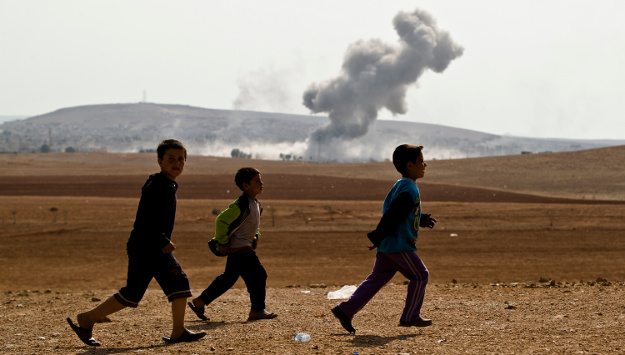
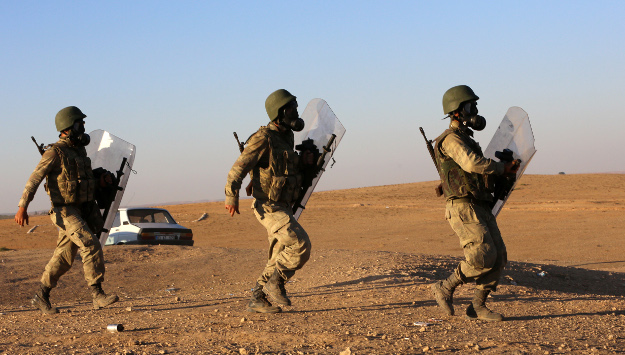
    Turkey is in a tough spot. It has ISIS militants threatening the Syrian border town of Kobani, inching ever closer to confronting Turkish security forces. In addition thousands of Syrian Kurds, fleeing ISIS attacks, have massed along its border, adding further to Ankara’s troubles.