China’s Iraq Oil Strategy Comes Into Sharper Focus
“…Despite the inherent risks in dealing with complex and unstable markets such as Iraq, Chinese investors have been gaining a foothold in the country’s energy sector and in doing so have begun to face a unique set of challenges. In addition to having to navigate a tumultuous political and security environment, China is engaging a country that for a long period of time remained effectively under U.S. military occupation even as the central Iraqi government operated under a framework of limited sovereignty …
Gulf Arab Foreign Direct Investment (FDI): ASEAN Targets of Opportunity
Although China and India have been new favorable destinations for Arab investors, Southeast Asian countries offer distinctive and profitable investment markets, featuring high demand and relatively low labor costs. In recent years, investments from the Gulf Cooperation Council (GCC) to the Association of Southeast Asian Nations (ASEAN) have surged.
Companies from Asia are beating their European and American rivals in investments in Iraq. Being more prone to risk-taking, they are cashing in on the opportunity to establish businesses that would be profitable in the long-term.
Reconciliation Efforts in Iraq—Reversals and Paradoxes
For the benefits of reconstruction to take hold in today’s Iraq, it is essential to avoid oversimplified arguments that merely “fixing” ethno-sectarian tensions will be sufficient to attain the goal of political stability. A broader approach, which recognizes the country’s current ethno-sectarian polarization as both a symptom and a cause of instability would be a far more appropriate means of addressing the deep-rooted problems faced by Iraqis since 2003.
The Middle East Institute’s 66th Annual Conference
The Middle East Institute’s 66th Annual Conference
November 13-14, 2012
The Grand Hyatt Hotel
1000 H Street, NW
Washington, DC 20001
Banquet:
Tuesday November 13
Keynote Speaker: Ambassador (Ret.) Ryan C. Crocker
Ryan C. Crocker recently left his post as U.S. ambassador to Afghanistan.
He has also served as U.S. ambassador in Iraq, Pakistan, Syria, Kuwait, and Lebanon.
The Middle East Institute’s 66th Annual Conference
The Middle East Institute’s 66th Annual Conference
November 13-14, 2012
The Grand Hyatt Hotel
1000 H Street, NW
Washington, DC 20001
Banquet:
Tuesday November 13
Keynote Speaker: Ambassador (Ret.) Ryan C. Crocker
Ryan C. Crocker recently left his post as U.S. ambassador to Afghanistan.
He has also served as U.S. ambassador in Iraq, Pakistan, Syria, Kuwait, and Lebanon.
The Middle East Institute’s 66th Annual Conference
The Middle East Institute’s 66th Annual Conference
November 13-14, 2012
The Grand Hyatt Hotel
1000 H Street, NW
Washington, DC 20001
Banquet:
Tuesday November 13
Keynote Speaker: Ambassador (Ret.) Ryan C. Crocker
Ryan C. Crocker recently left his post as U.S. ambassador to Afghanistan.
He has also served as U.S. ambassador in Iraq, Pakistan, Syria, Kuwait, and Lebanon.
The Middle East Institute’s 66th Annual Conference
The Middle East Institute’s 66th Annual Conference
November 13-14, 2012
The Grand Hyatt Hotel
1000 H Street, NW
Washington, DC 20001
Banquet:
Tuesday November 13
Keynote Speaker: Ambassador (Ret.) Ryan C. Crocker
Ryan C. Crocker recently left his post as U.S. ambassador to Afghanistan.
He has also served as U.S. ambassador in Iraq, Pakistan, Syria, Kuwait, and Lebanon.
The Middle East Institute’s 66th Annual Conference
The Middle East Institute’s 66th Annual Conference
November 13-14, 2012
The Grand Hyatt Hotel
1000 H Street, NW
Washington, DC 20001
Banquet:
Tuesday November 13
Keynote Speaker: Ambassador (Ret.) Ryan C. Crocker
Ryan C. Crocker recently left his post as U.S. ambassador to Afghanistan.
He has also served as U.S. ambassador in Iraq, Pakistan, Syria, Kuwait, and Lebanon.
Introduction to Iraq's Refugees and IDP Crisis: Human Toll and Implications
Originally posted July 2008
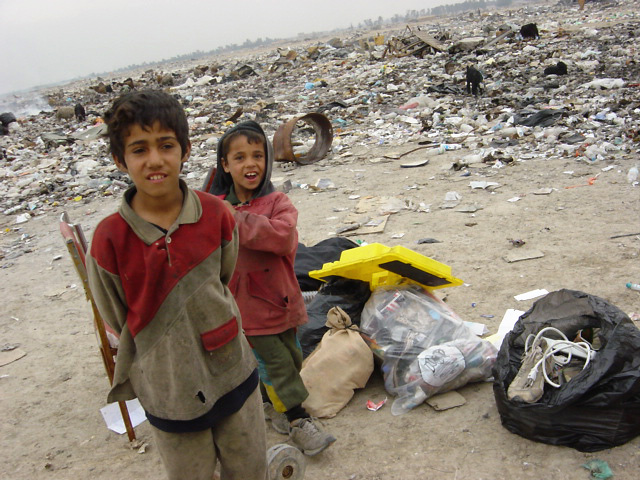
In the comparatively short time since the establishment of the Iraqi state in 1920, the country has experienced successive waves of forced migration. Yet the magnitude of the forced displacement of Iraqis from their homes since 2003 is unprecedented. In addition to the still dire humanitarian situation are the potentially far-reaching negative implications of the refugee/IDP crisis for the future of Iraq and the Middle East as a whole.
Iraq’s Internally Displaced Persons (IDPs) Scale, Plight, and Prospects
Originally posted July 2008
Over the past several decades, and especially in the past two years, Iraq has suffered from one of the worst displacement crises in the world.
While new displacement has slowed to a trickle in 2008, the conditions of those already displaced continue to deteriorate, and prospects for those returning to their homes are grim. The plight of internally displaced Iraqis and those who have crossed international borders in search of refuge remains largely unknown and unaddressed.
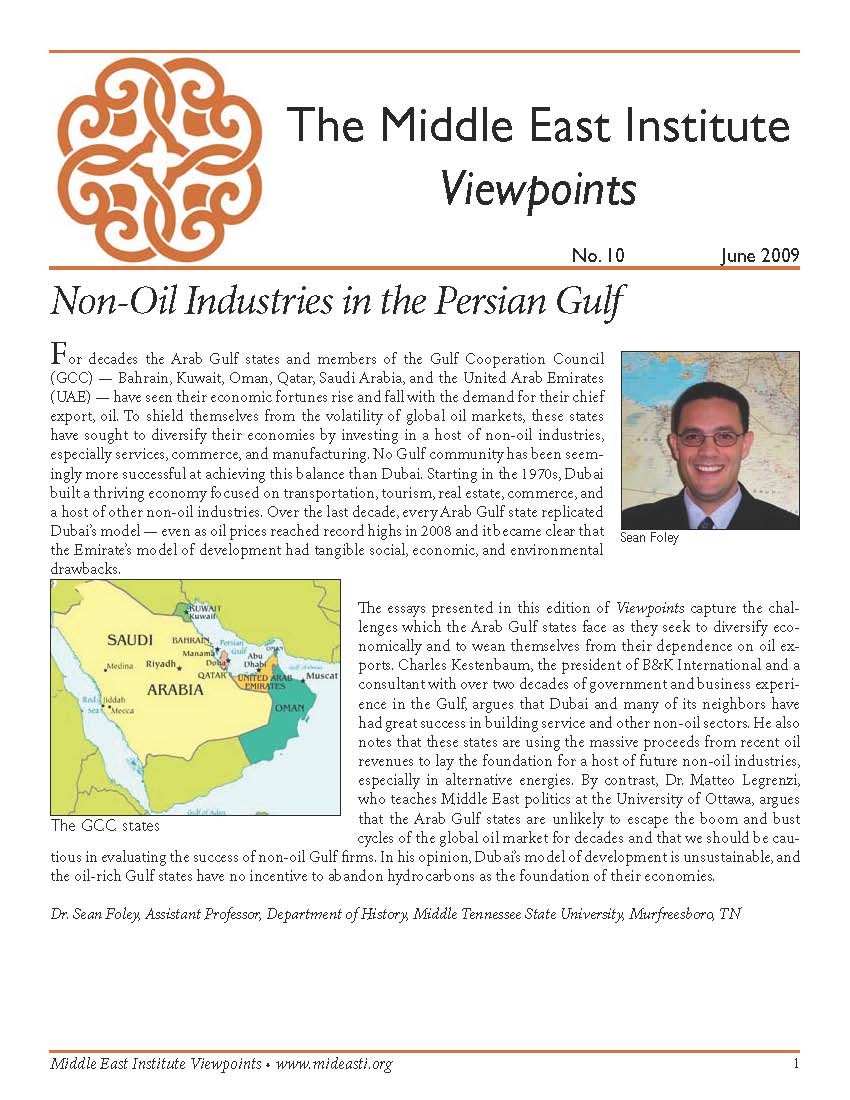
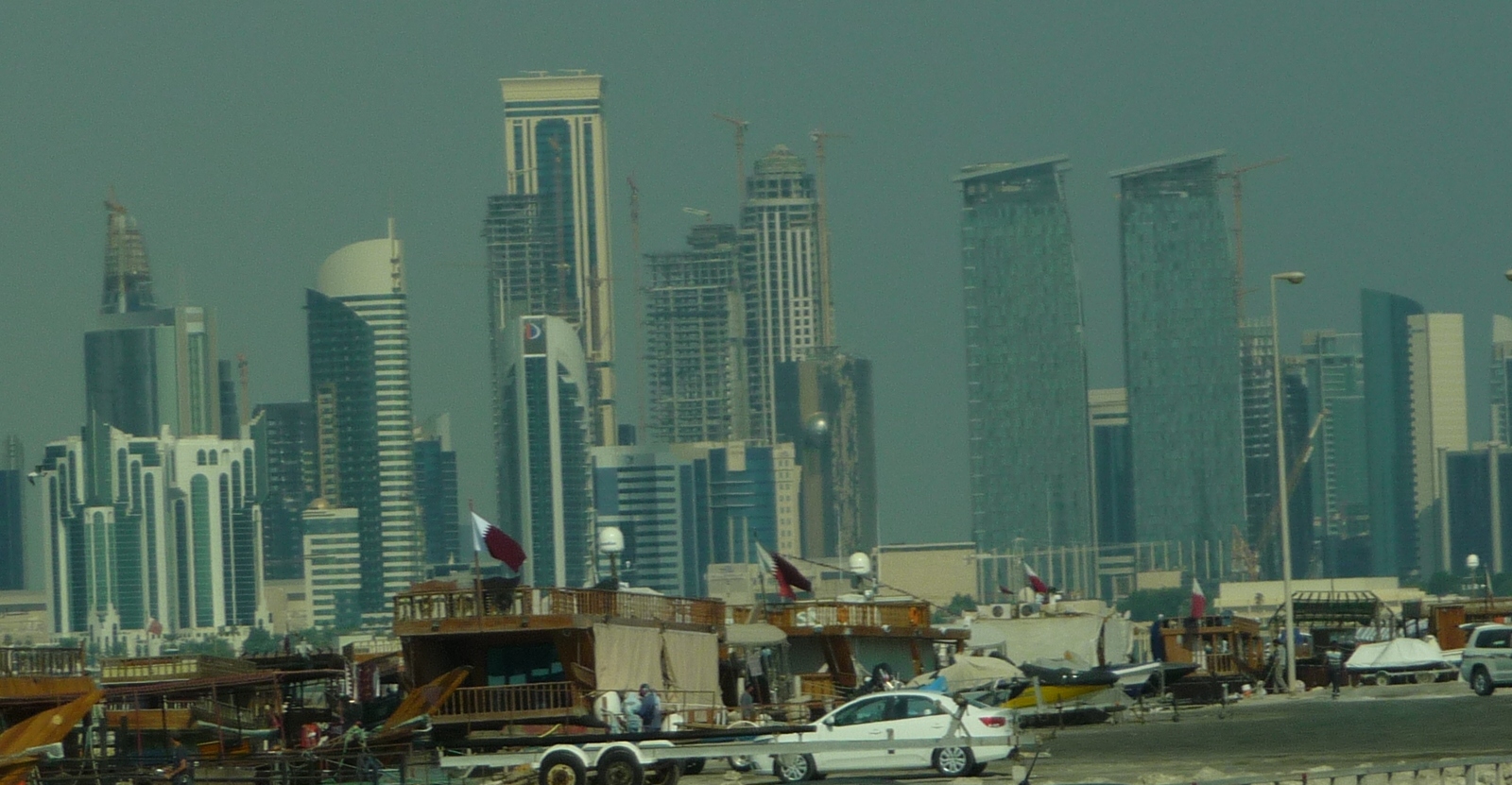
Higher Education Reform in the Arab World: The Model of Qatar
Higher education—and its successful reform—is essential to the long term stability and prosperity of the Arab world. The youth uprisings which triggered the Arab Spring in Tunisia and Egypt have highlighted the urgency of defusing the region’s ticking demographic time bomb: young, growing populations facing uncertain futures. To combat high unemployment and sluggish private sector growth, the Arab world must focus on building a knowledge society quickly in order to create three million more jobs annually than it currently generates, according to World Bank estimates.