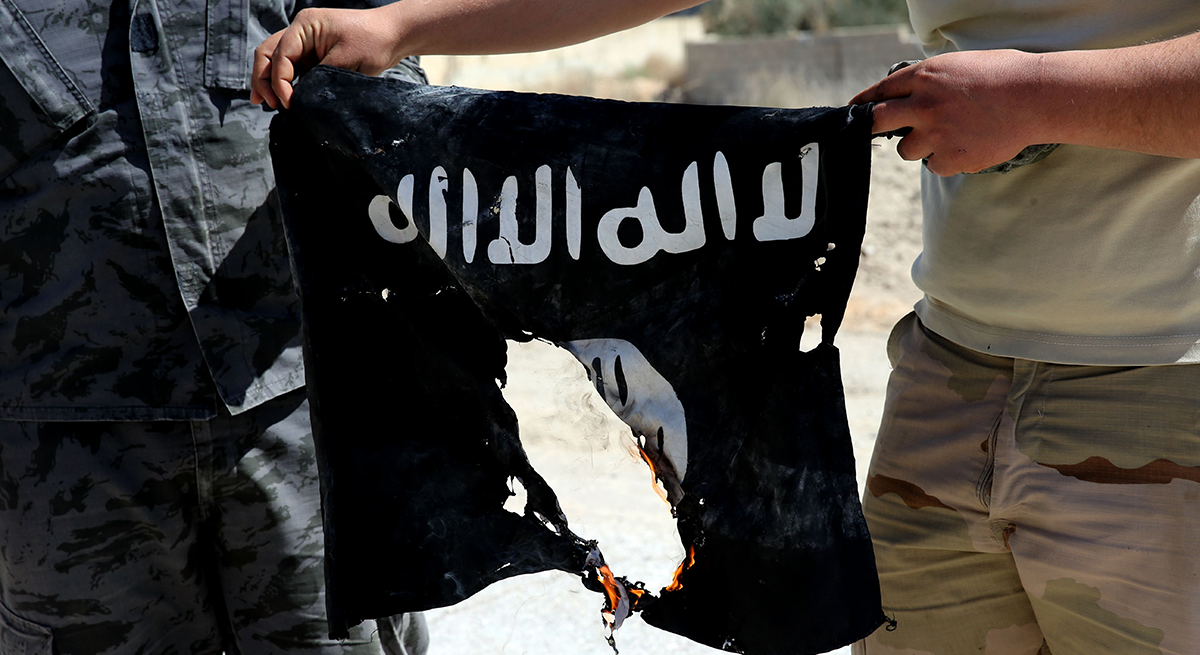
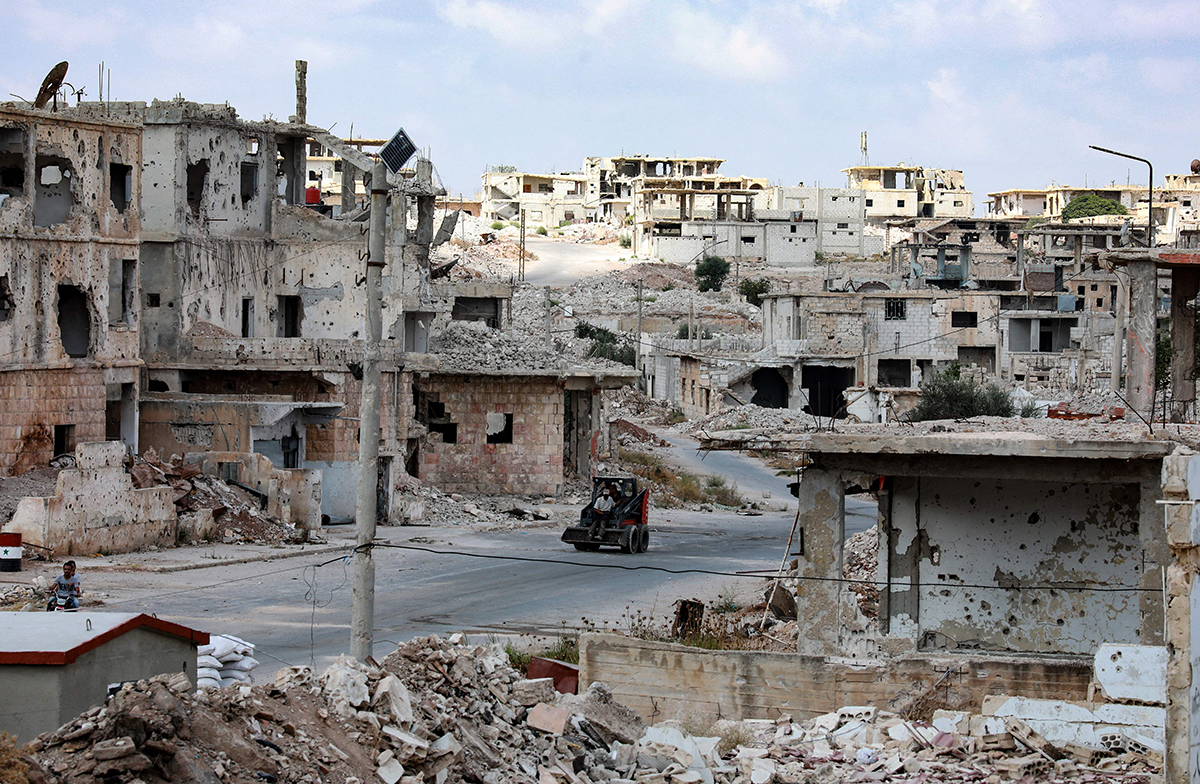
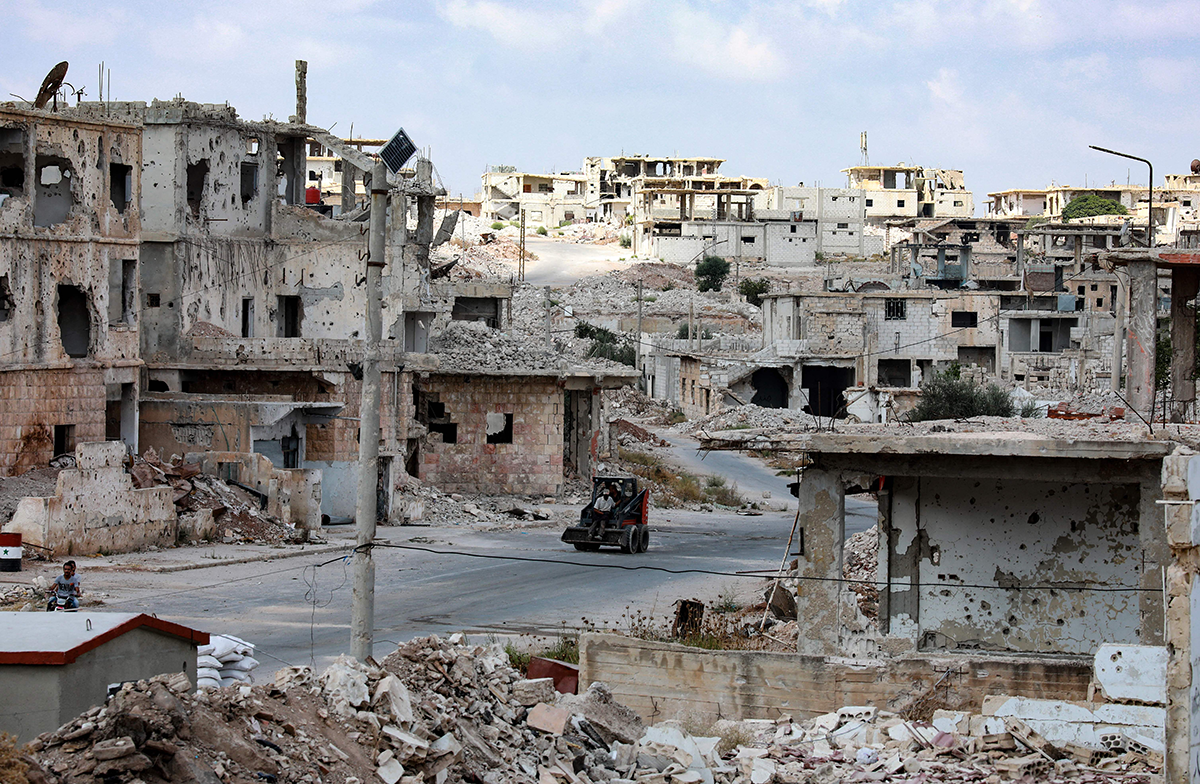
On Nov. 30, the Islamic State announced that its leader, Abu al-Hassan al-Hashimi al-Qurayshi, had been killed in battle and that his successor, Abu al-Hussein al-Husseini al-Qurayshi, was now in place. Hours later, the United States military’s Central Command confirmed the death of Abu al-Hassan, adding that it had occurred in Daraa, in southern Syria, in mid-October at the hands of “the Free Syrian Army.”
Pakistan-Afghan Taliban relations face mounting challenges
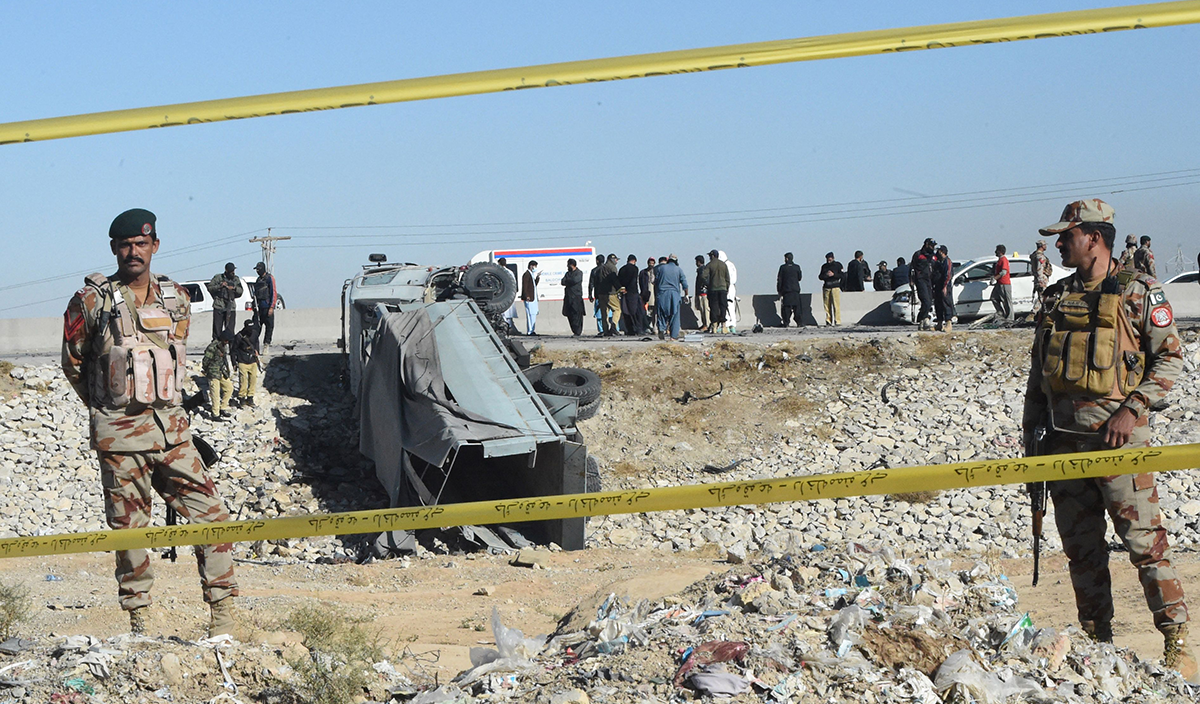
Tensions between Islamabad and Kabul continue to rise. While Pakistan has made efforts to smooth over the growing rift, reopening a key border crossing closed following cross-border gunfire that killed a Pakistani security guard and sending its minister of state for foreign affairs on an official visit to the Afghan capital, there are clear signs that Pakistan’s leverage with the Afghan Taliban seems to be slipping fast.
Morocco and Israel: Economic Opportunities, Military Incentives, and Moral Hazards
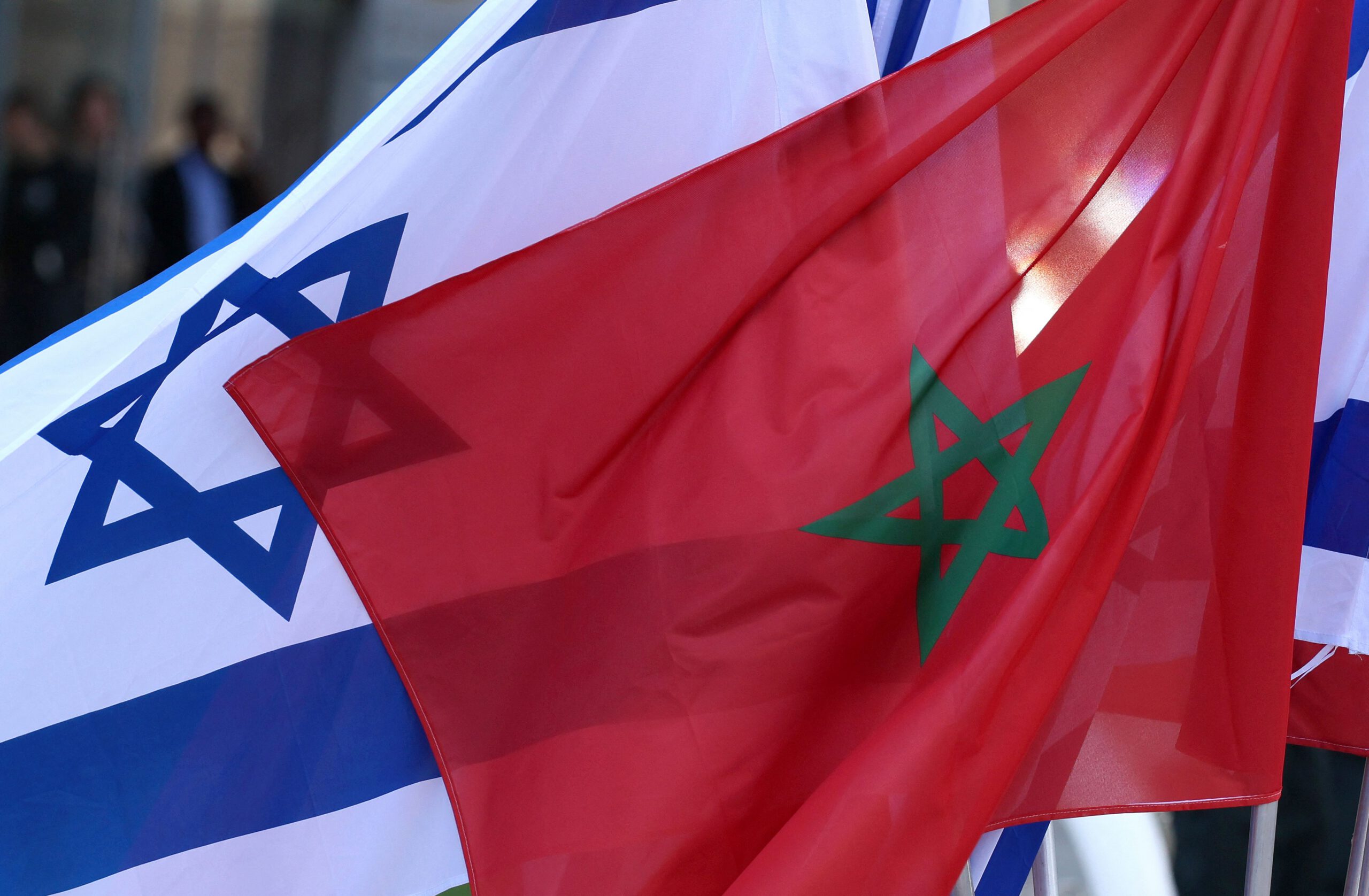
The December 2020 Moroccan-Israeli normalization deal has evolved from a vehicle enabling Morocco to gain long-sought U.S. recognition of its claims on Western Sahara to a broader strategic partnership with Israel. But the relationship further strains relations with neighboring rival Algeria.
The future of climate technology: Data-informed policies are indispensable in mitigating climate risks
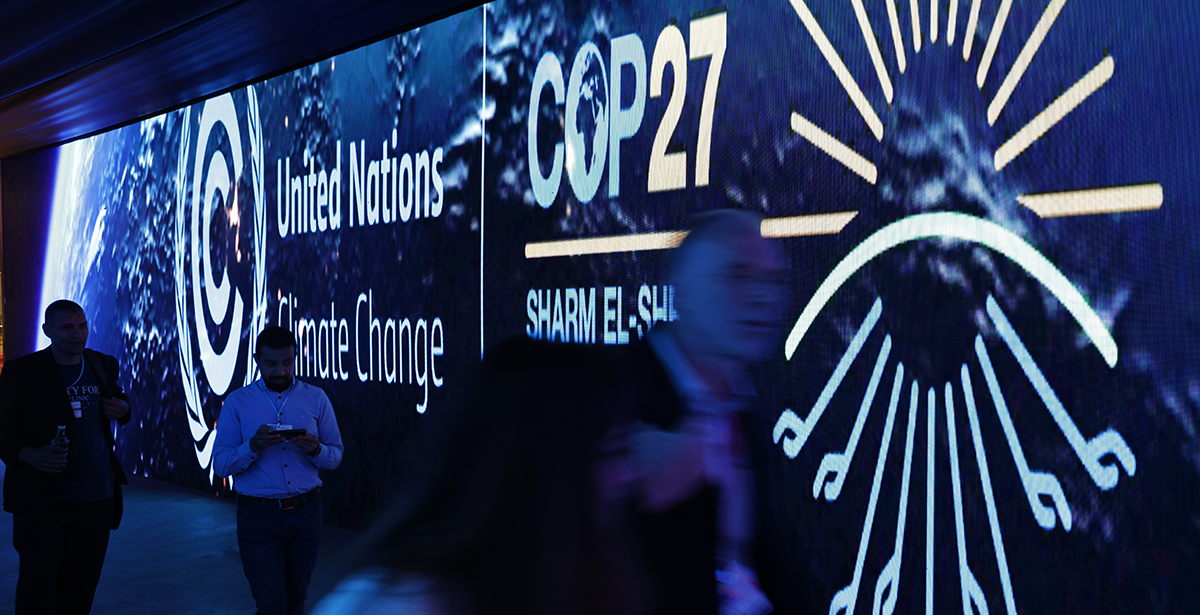
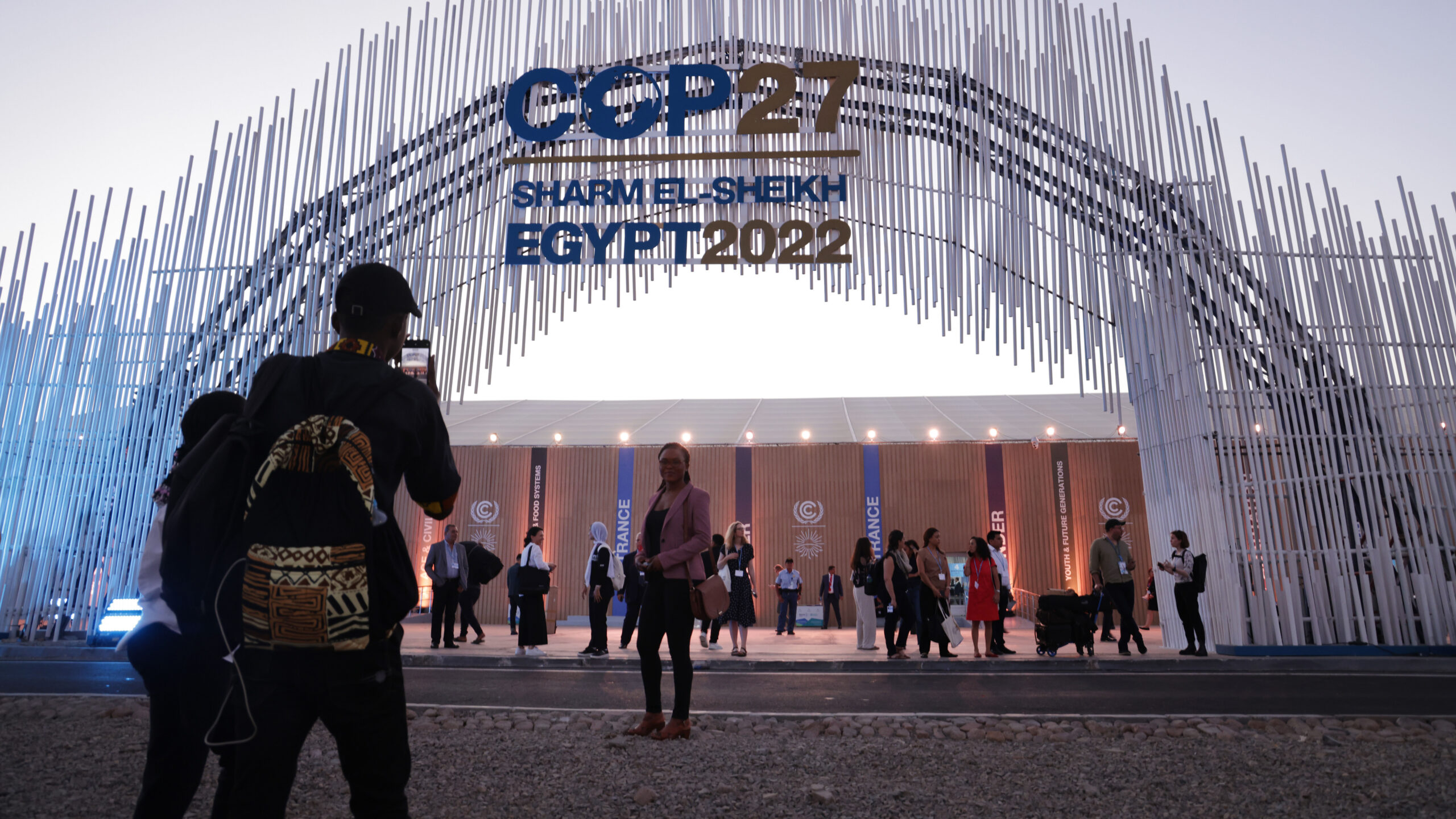
During COP27 in Egypt, world leaders discussed climate adaptation, mitigation, financing, and collaboration. Data is at the heart of these conversations. Although most countries are already integrating data into their policymaking process, it remains an under-utilized resource despite the fact that half the world is vulnerable to climate disasters.
أطلقت المجموعات المحلية في مدينة درعا البلد ، وهي مجموعات عسكرية كانت تتبع للجيش السوري الحر، و بقيت في المحافظة بعد توقيع أتفاقية المصالحة مع النظام السوري برعاية روسية في يوليو / تموز عام 2018، عملية عسكرية واسعة على مجموعات هفو _ الحرفوش في أحياء طريق السد والمخيم داخل درعا البلد.
On Oct. 31, local units previously affiliated with the FSA launched a large-scale military operation against the al-Hafo-Harfoush group in the southern Syrian city of Daraa al-Balad. The operation followed a suicide bombing targeting the house of Ghassan al-Akram Abazid, a former FSA leader, that left four dead and several others wounded, on Oct. 28, in Daraa al-Balad. The attack was only the latest in a string of similar operations in southern Syria conducted by the group over the past year targeting military factions affiliated with the opposition.
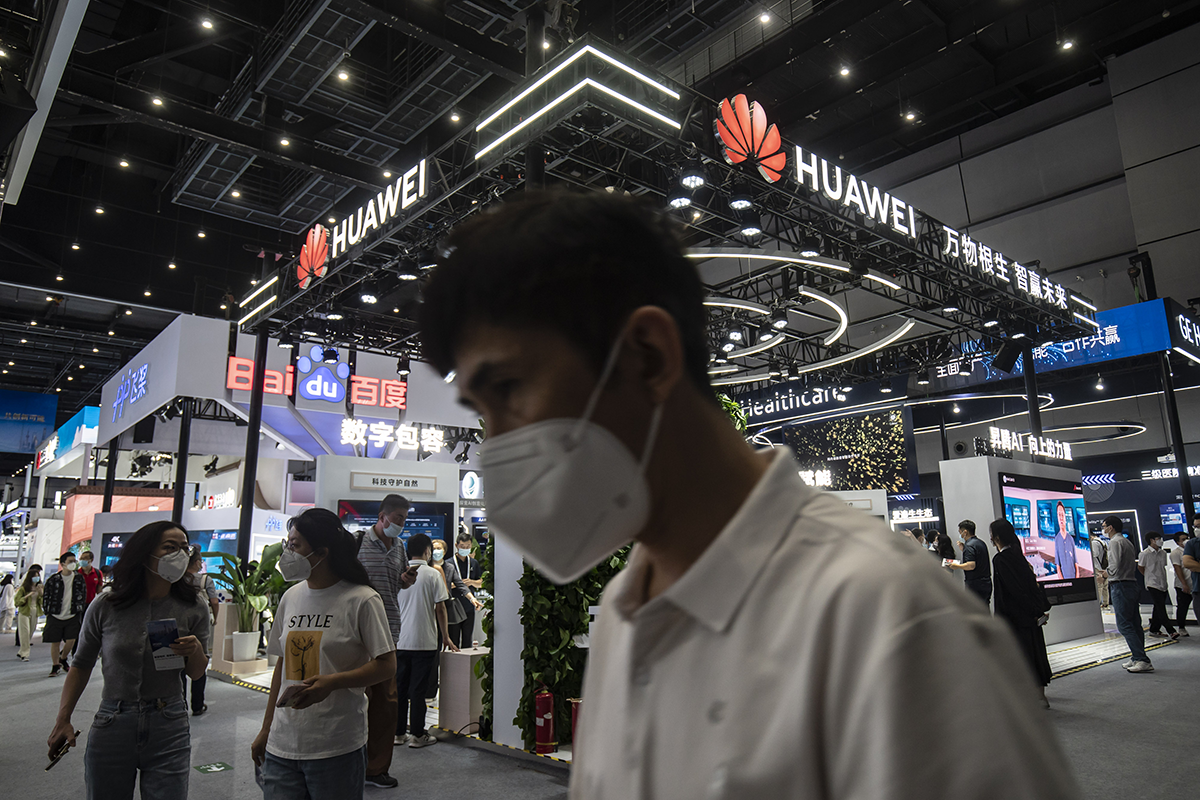
The view from Vienna: OPSEC, Iran’s cyberpower, and tech decoupling
MEI’s Strategic Technologies and Cyber Security Program participated in both the DeepIntel and DeepSec conferences in Austria this past week. Here are our reflections on the conferences, the conversations we had there, and the overall agenda.
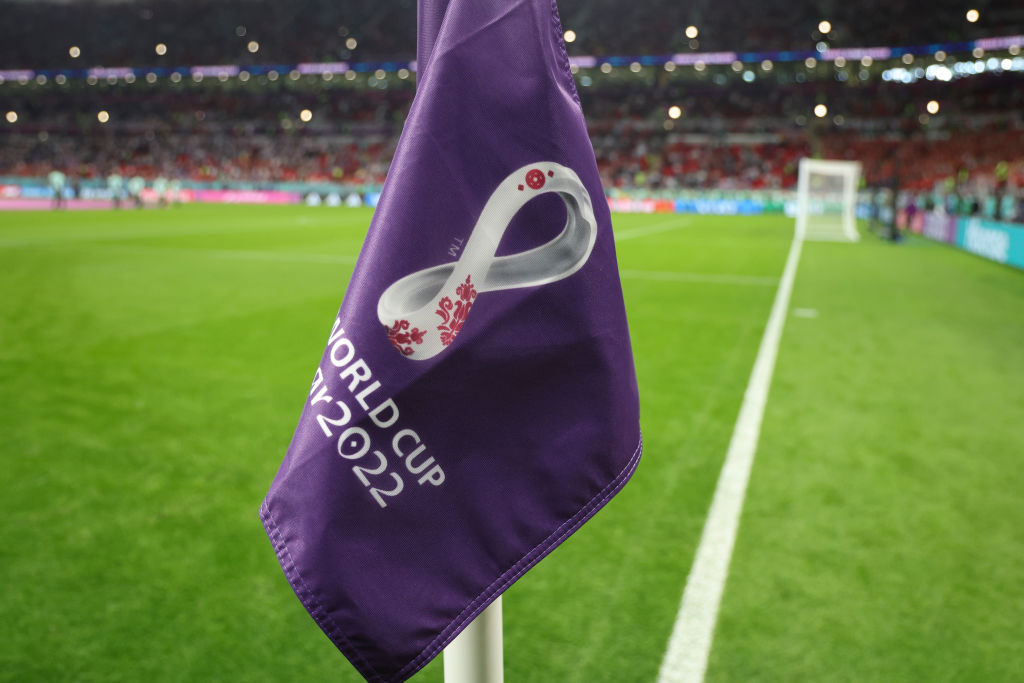
Dispatches from Sharm el-Sheikh: Reviewing COP27 from the MENA perspective
Participating in COP27 provided a unique opportunity to view the proceedings firsthand and evaluate the effectiveness of the meeting in advancing critical climate priorities that can alter the alarming trajectory of future climate change.
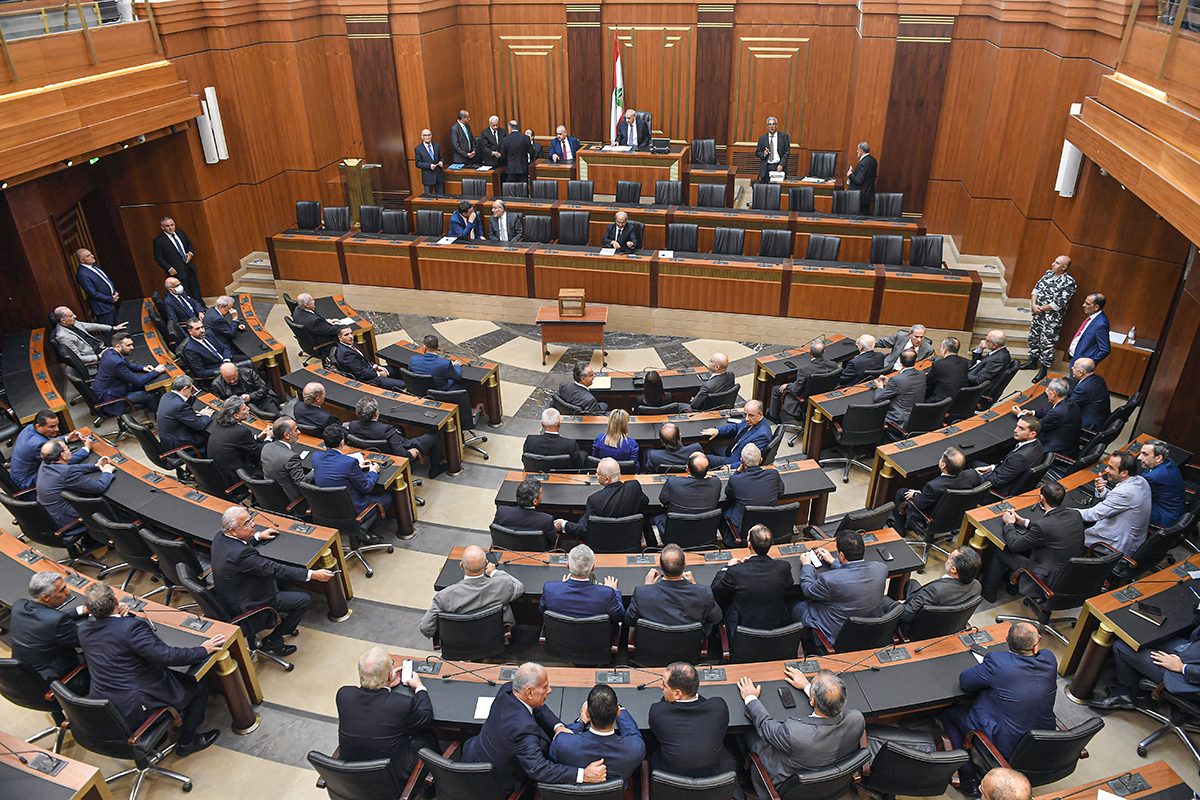
Alliance: Lebanon needs “Change” and “Opposition” to work together
“Change” is an economics-driven pursuit for local accountability and social justice, and “Opposition” is a politically focused mission with geopolitics at its heart. “Change” cannot reform the system on its own, and “Opposition” cannot challenge regional considerations alone. Together, however, they potentially hold a narrow majority — 65 seats, combined — against the 63 belonging to a Hezbollah-led coalition. And there is an opportunity, today, to bring these two movements together through a parliamentary alliance.
War crimes in Ukraine: Failure to prosecute Russia will damage international security for years to come
Historically, Russia has escaped accountability for the war crimes it has committed. The war in Ukraine must not follow the same path. Otherwise, the entire international security architecture will bear the consequences of such impunity.
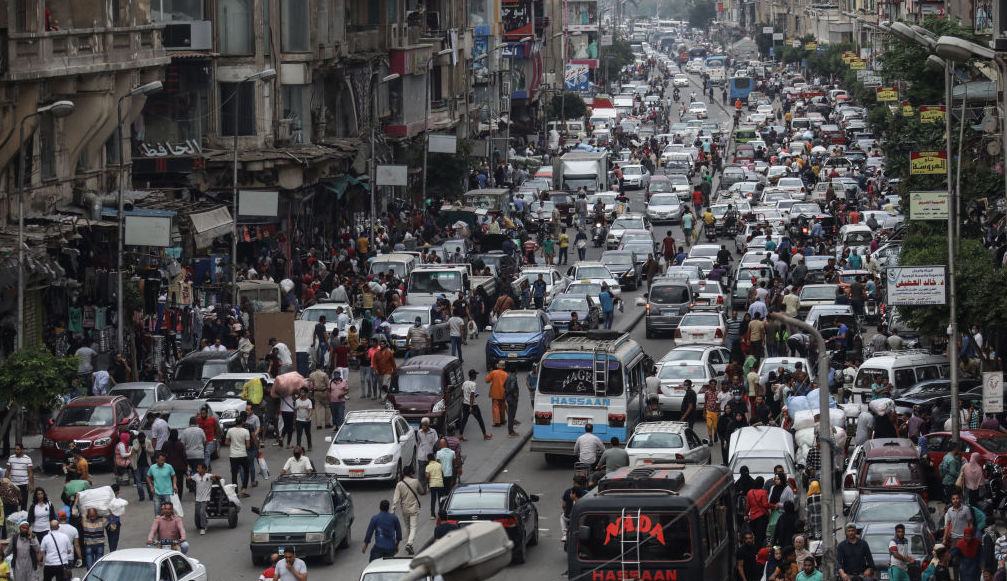
The starkness of reaching 8 billion in global population, as the U.N.’s report announced last week, makes it easy to think the numerical increase is the only story, but no trend can be considered in isolation. Three factors, none of which are MENA demographic trends, will be significant determinants of whether the region will be able to realize a hoped-for “demographic dividend.”
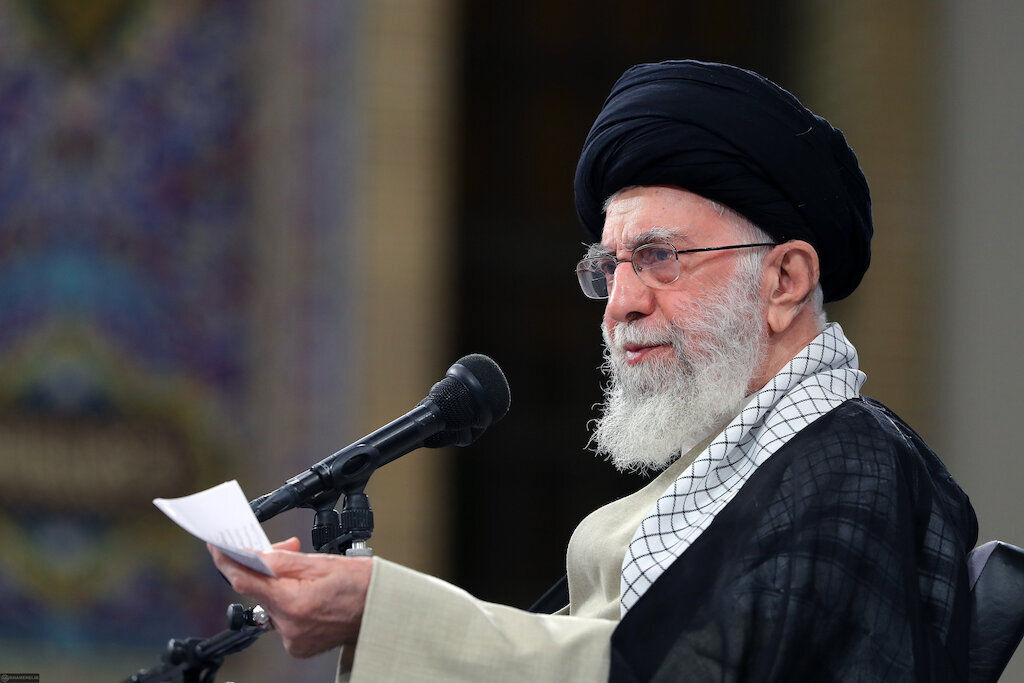
Iranians need more than condemnation in Geneva; they want recognition of their right to democracy
As the U.N. Human Rights Council convenes in Geneva this week, it may be tempting to just focus on the rights of women and girls and make demands of the regime that Tehran will inevitably ignore. But instead, the HRC members should focus on how the international community can give the protesters a much-needed psychological and political boost.
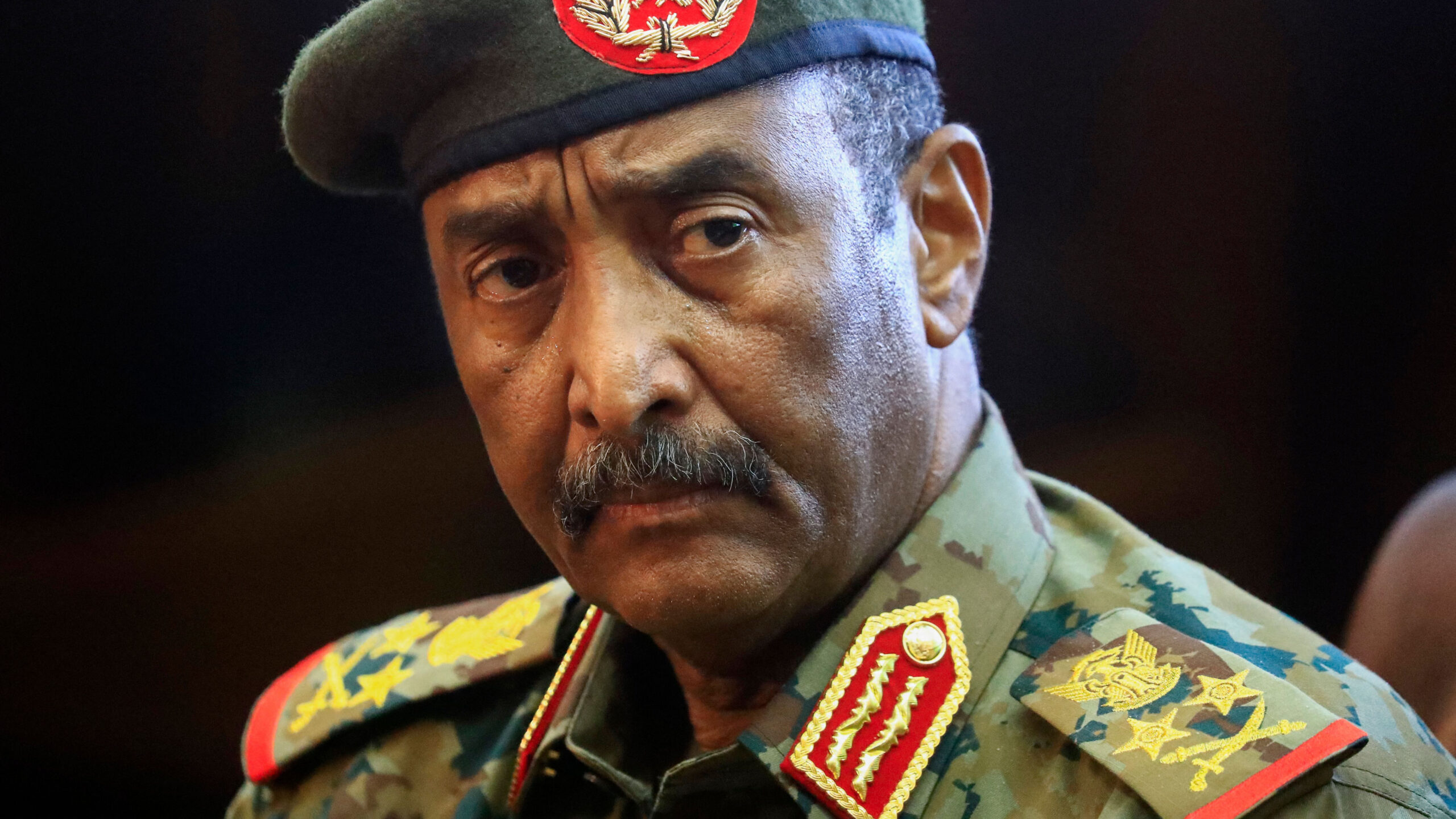
Sudan is geostrategically important to U.S. interests in both Africa and the Middle East. The country’s military rulers, Lt.-Gen. Abdel Fattah al-Burhan and his deputy Lt.-Gen. Mohamed Hamdan Dagalo (also known as “Hemedti”), are banking on that fact as they seek to press the Biden administration to focus its Sudan policy on stability, rather than supporting calls for democracy.