The Israeli Peace Initiative
The Israeli Peace Initiative (IPI) calls upon the Israeli government to
present a framework for the conclusion of the Israeli-Arab conflict as
a comprehensive response to the 2002 Arab Peace Initiative.

The Israeli Peace Initiative: A Regional Perspective
The Israeli Peace Initiative (IPI) calls upon the Israeli government to present a framework for the conclusion of the Israeli-Arab conflict as a comprehensive response to the 2002 Arab Peace Initiative. Israeli Peace Initiative signatories include former Israeli Defense Forces chiefs of staff Amnon Lipkin-Shahak and Amram Mitzna; former Shin Bet directors Jacob Perry and Ami Ayalon; Ha'aretz correspondent Akiva Eldar; Members of the Knesset (MKs) Dalia Rabin and Colette Avital; and many other distinguished Israelis. Mr.
Israel's Palestinians: The Conflict Within
Ilan Peleg and Dov Waxman, authors of the book Israel's Palestinians:The Conflict Within (Cambridge, 2011), discuss their findings. One in five citizens of Israel are Palestinian. Often overlooked by outside observers, the challenges facing the Palestinian minority in Israel are an inseparable part of the Israeli-Palestinian conflict. Resolving this conflict – a central concern of U.S. foreign policy and current international diplomacy – requires more than the establishment of a Palestinian state. The demands of Palestinian citizens of Israel must also be addressed.
America's War on Terror
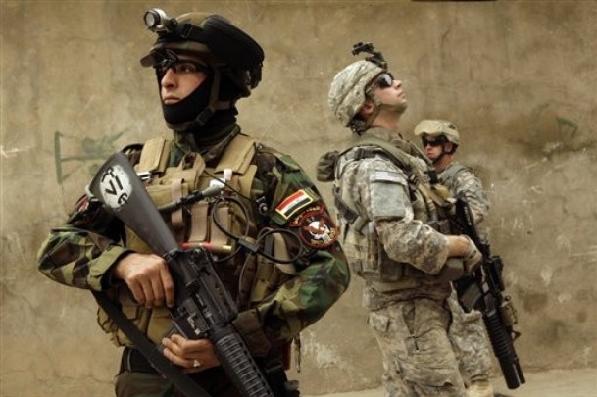
Mark N. Katz, examines the impact of the current and future US withdrawals from Iraq and Afghanistan on Islamic radicals. Katz argues that the US withdrawals from both countries will lead radicals to conclude they have defeated the US in the "War on Terror" and that US regional strength is on the decline. This, he argues, will spur Islamic radicals to seek further gains elsewhere. But regardless of the boost to their cause that the withdrawals from Iraq and Afghanistan may provide, they will likely meet three key obstacles in their pursuit of increased power and influence.
Afghanistan: Looking Ahead to the Next Fighting Season
Andrew Exum, Fellow at the Center for A New American Security, assesses the possibility of a new Taliban insurgency in Afghanistan and its ramifications for U.S. strategy there. The past six months have seen some remarkable successes in southern Afghanistan. But if hard-won security gains collapse in the face of a renewed Taliban offensive in 2011, the NATO strategy to secure Afghanistan will be in grave danger. Andrew Exum will discuss the situation in southern Afghanistan as well as how the American public can know whether the strategy is succeeding or failing this summer.

The Middle East Institute's 65th Annual Conference: Game Changer: Politics and Policy for a New Middle East – Keynote Luncheon
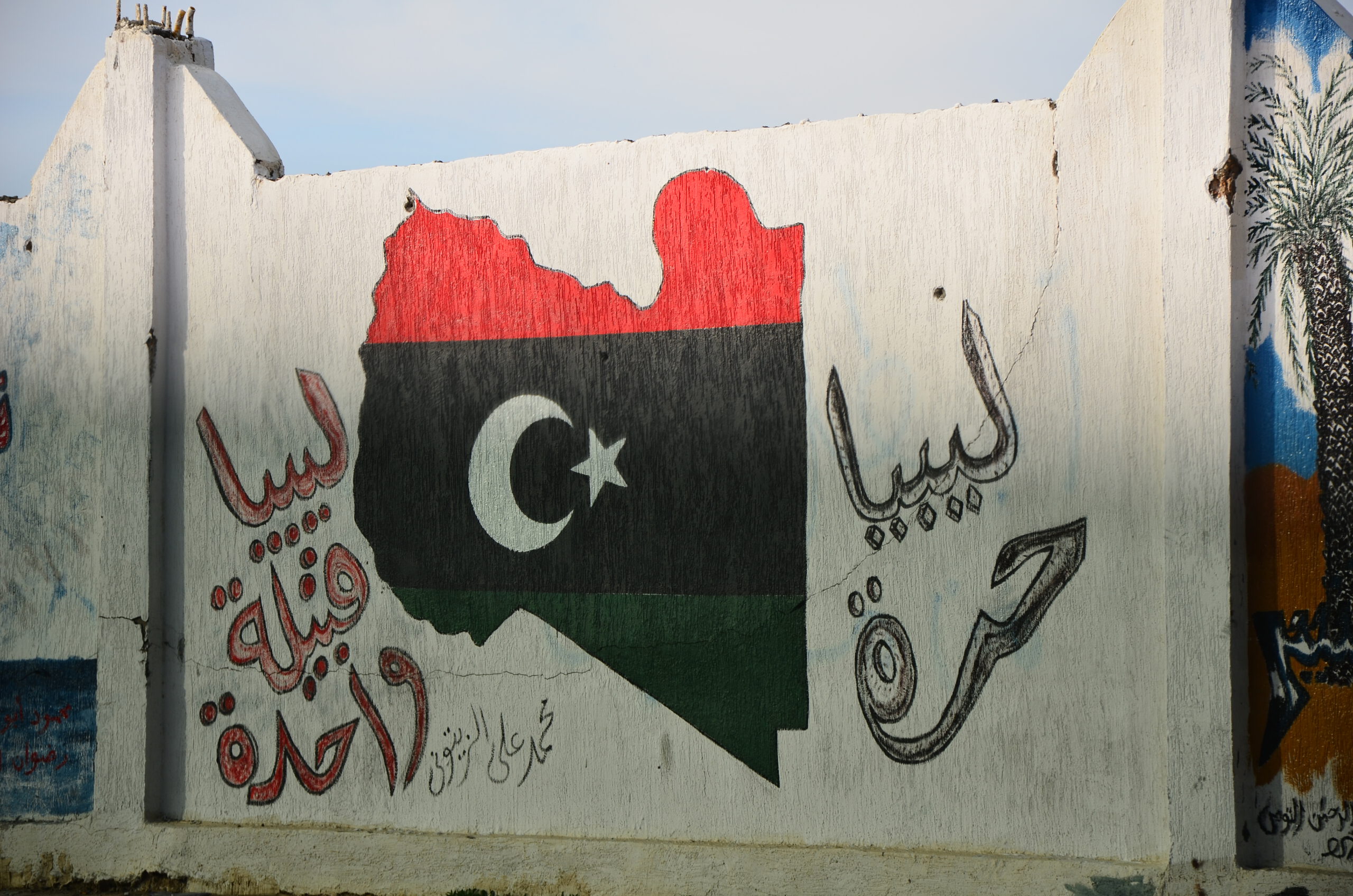
The Arab Spring: Implications for US Policy and Interests
The Arab Spring: Implications for US Policy and Interests
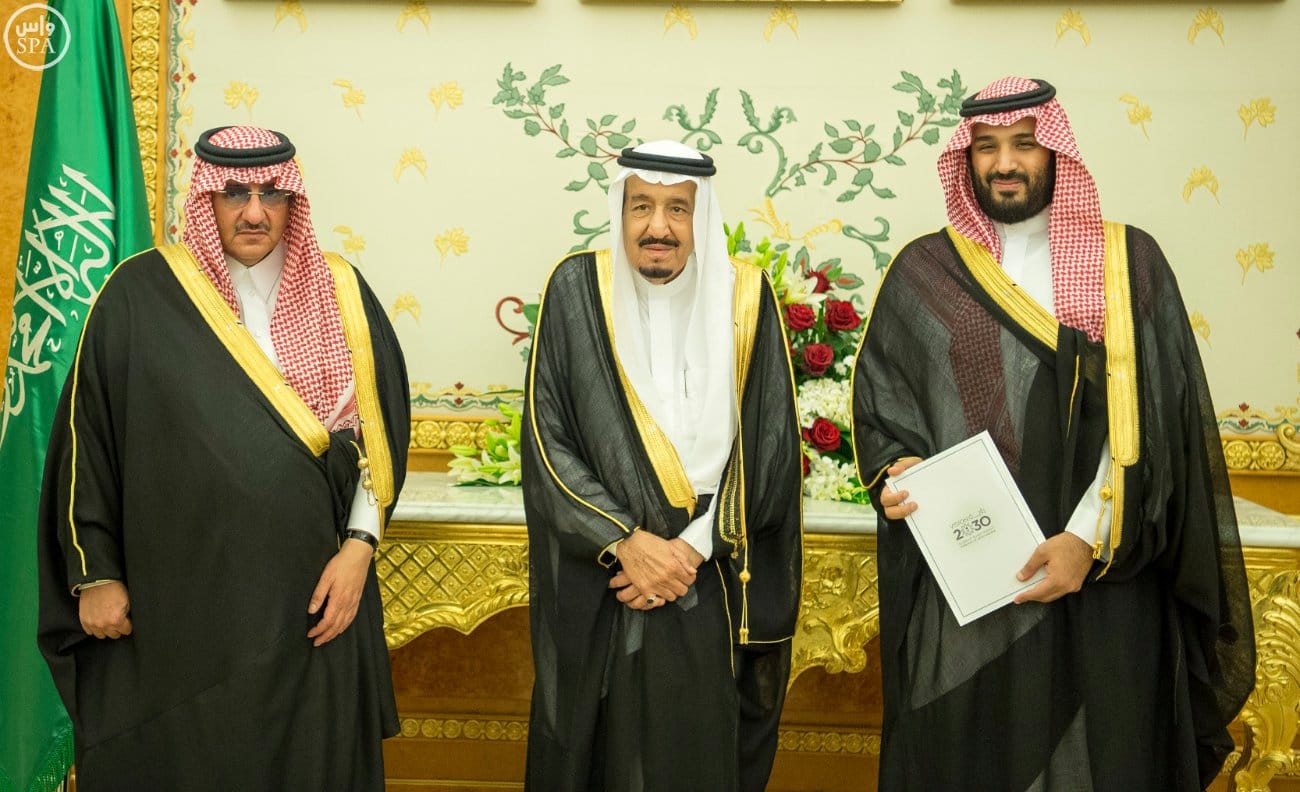
Troubled Triangle: The US, Turkey, and Israel in the New Middle East
The trilateral relationship between Turkey, Israel and the United States has deteriorated in recent years as Israel's and Turkey's foreign policy goals in the Middle East continue to diverge. Despite repeated attempts, the United States has failed to reconcile these two important regional allies since the divisive Mavi Marmara incident in May 2010. MEI and The Stimson Center held a discussion of this critical yet troubled trilateral relationship in a time of unprecedented change in the Middle East featuring Prof. William B. Quandt, Edward R.
U.N. Palestine Vote: Time to Exhale
This article first appeared as an Op-Ed on Politico.com on September 19, 2011
Palestinian President Mahmoud Abbas early this week will likely fulfill his longstanding vow to introduce in the U.N. Security Council a resolution to recognize Palestine as the 194th member state. No one should be the least bit surprised.
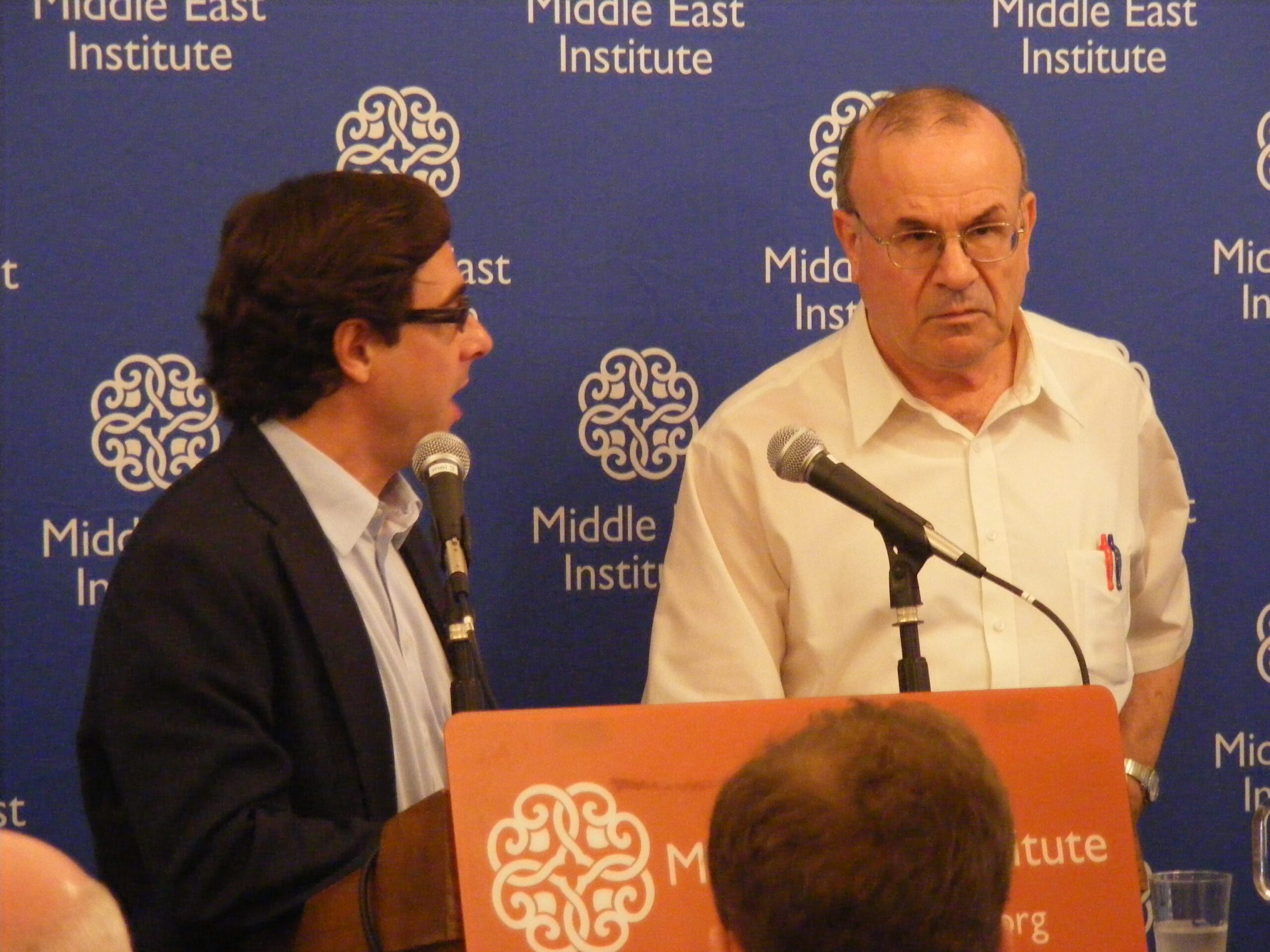
Israel's Palestinians: The Conflict Within
The Middle East Institute is proud to host Ilan Peleg and Dov Waxman, authors of the book Israel's Palestinians:The Conflict Within (Cambridge, 2011), for a discussion about their findings. One in five citizens of Israel are Palestinian. Often overlooked by outside observers, the challenges facing the Palestinian minority in Israel are an inseparable part of the Israeli-Palestinian conflict. Resolving this conflict – a central concern of U.S. foreign policy and current international diplomacy – requires more than the establishment of a Palestinian state.
This Burning Land: Lessons from the Front Lines of the Transformed Israeli-Palestinian Conflict
The Middle East Institute is proud to host Greg Myre and Jennifer Griffin for a discussion about the ongoing challenges in the Israeli-Palestinian conflict based on their knowledge and experiences recounted in their new book, This Burning Land: Lessons from the Front Lines of the Transformed Israeli-Palestinian Conflict. Myre and Griffin, journalists who are husband and wife, traveled to Jerusalem in 1999 in hopes of finally seeing Middle East peace. Instead, the pair watched as violence in the area escalated and the peace process disintegrated.
This Burning Land: Lessons from the Front Lines of the Transformed Israeli-Palestinian Conflict
The Middle East Institute is proud to host Greg Myre and Jennifer Griffin for a discussion about the ongoing challenges in the Israeli-Palestinian conflict based on their knowledge and experiences recounted in their new book, This Burning Land: Lessons from the Front Lines of the Transformed Israeli-Palestinian Conflict. Myre and Griffin, journalists who are husband and wife, traveled to Jerusalem in 1999 in hopes of finally seeing Middle East peace. Instead, the pair watched as violence in the area escalated and the peace process disintegrated.