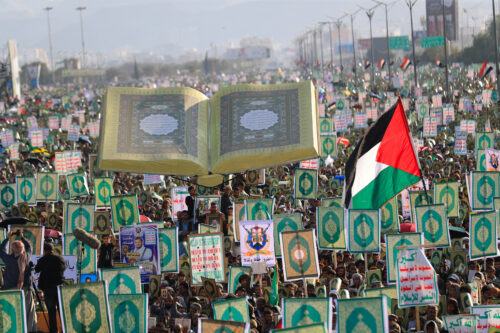
Washington says it doesn’t know who runs Iran. Tehran insists its leadership is united. MEI Senior Fellow Alex Vatanka joins hosts Alistair Taylor and Matthew Czekaj to sort out where the truth lies. They look at the small circle of political and military figures now steering the war effort in Tehran: who they are, how they make decisions, and how unified they really are. They also discuss the current state of US-Iran negotiations, the role of the upcoming midterm elections in the United States, and how the Islamic Republic is preparing for a potential renewal of conflict afterward.
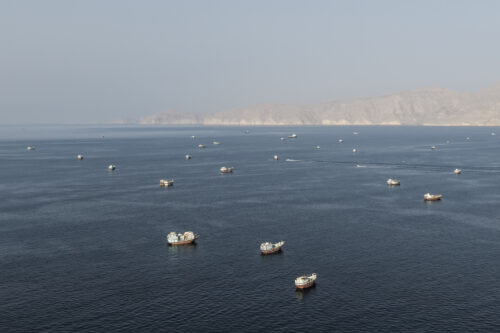
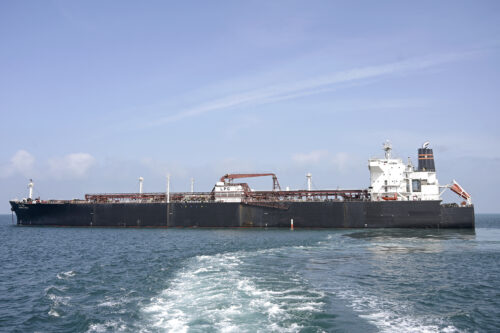
Crude oil is flowing out of the Gulf again, but the market is no better prepared for another disruption in the Strait of Hormuz. It has assembled a temporary system for managing one. Crude exports from the Gulf, excluding Iran, returned to pre-war levels in September, while total Gulf shipments reached 15.5 million barrels a day, more than 80% of the pre-conflict volume.
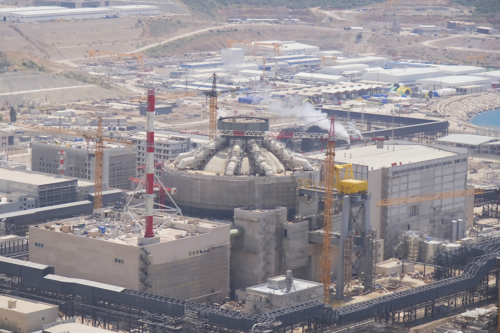
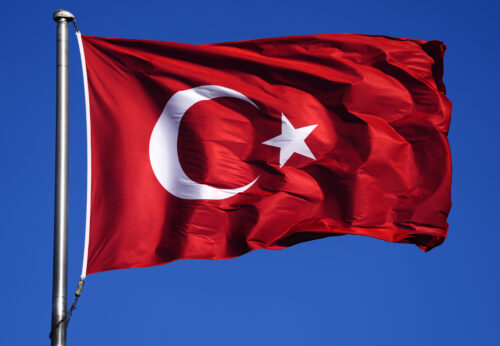
As a result of the Iran war, Turkish thinking about nuclear weapons appears to be shifting. Iran’s emergent ability to threaten regional states (and possible determination to acquire a nuclear weapon itself), growing concern about Israeli aggressiveness, doubts about US security guarantees, and greater Saudi nuclear autonomy are all pushing Ankara to consider a future nuclear option.
Since 1967, Israeli settlements in the West Bank have been a contested feature of the Israeli-Palestinian conflict. The ultimate disposition of the settlements and ongoing activity related to their growth have repeatedly defied agreement in negotiations over a resolution to the conflict.
The Houthis are a political-military faction and Zaydi religious movement founded in northwestern Yemen in the 1980s. A key member of Iran’s Axis of Resistance with links to other militant organizations in the Arabian Peninsula and the Horn of Africa, the group has continued to pose a threat to Western interests on a global scale.
The India-Middle East-Europe Economic Corridor (IMEC) is a proposed multinational infrastructure initiative aimed at upgrading connectivity between the three regions through integrated trade, energy, and digital networks. Announced at the G20 summit in New Delhi in September 2023, IMEC is envisioned partially as a counterweight to China’s international infrastructure project, the Belt and Road Initiative.
After a decade of post-Arab Spring isolation, Turkey’s leaders have recognized that their ambition to position the country as an agenda-setter on the world stage requires active engagement in all directions. President Recep Tayyip Erdoğan’s consolidation of executive authority has centralized foreign policy decision-making and tied it to his domestic political priorities, transforming the country’s revisionist approach to one shaped primarily by personal and pragmatic interests.
MEI Senior Fellow Brian Katulis engages friends, colleagues, and policy experts in casual conversations on the most important happenings in the Middle East.
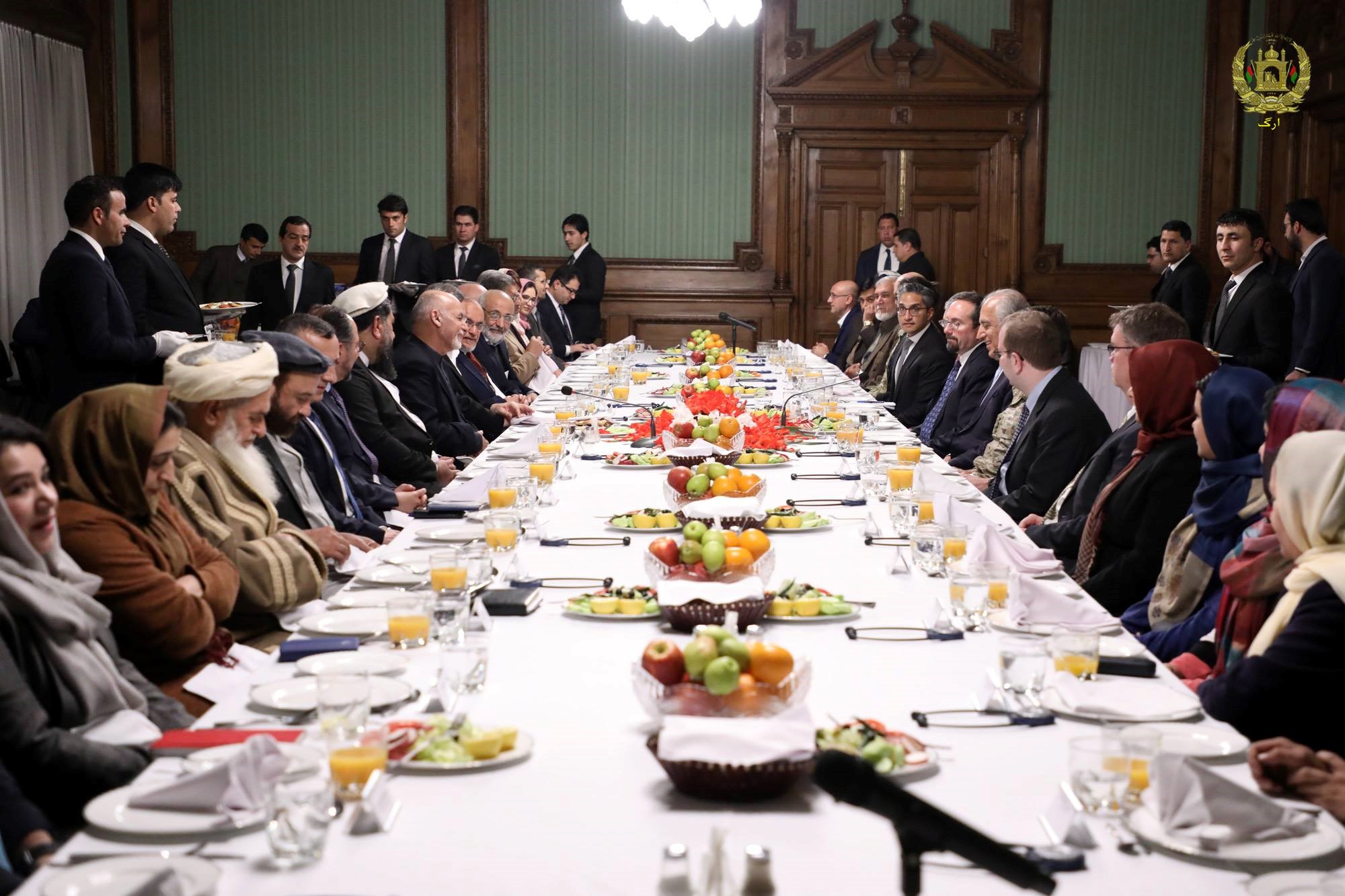
US-Taliban talks strain ties between Washington and Kabul
More than six months on, the Afghan government remains excluded from U.S.-Taliban peace talks, and the Taliban still refuses to engage with the authorities in Kabul or halt its deadly attacks. The exclusion of the Afghan government has caused severe strains in the relationship between Washington and Kabul.
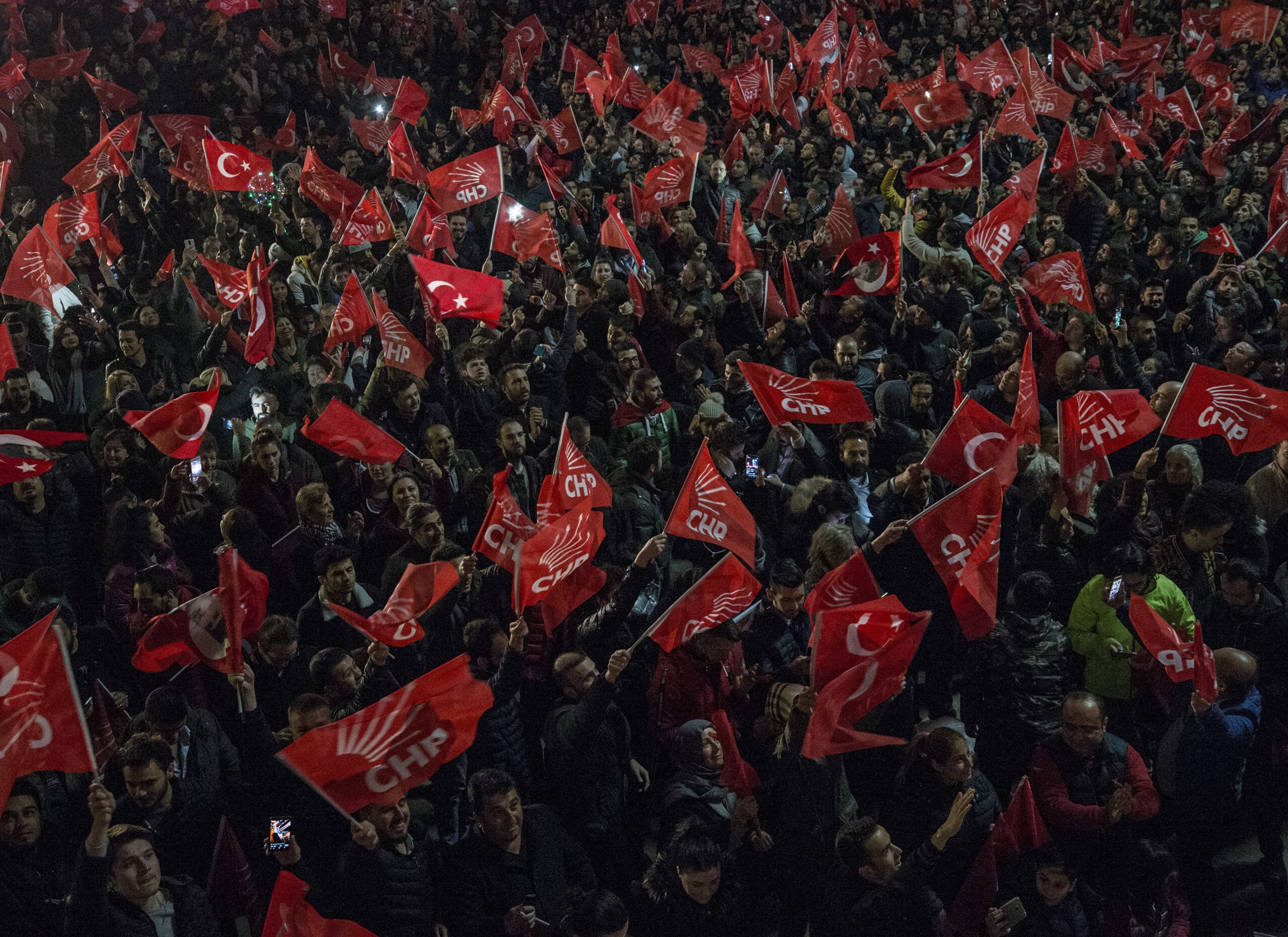
Invincible no more? Turkey’s Erdogan suffers election defeat
25 years ago, Turkish Islamists’ march to power began in the country’s capital, Ankara, and its largest city, Istanbul, when the ruling Justice and Development Party’s predecessor, the Welfare Party, captured the two municipalities. The loss of these cities in Sunday’s local elections could well mark the beginning of their descent.
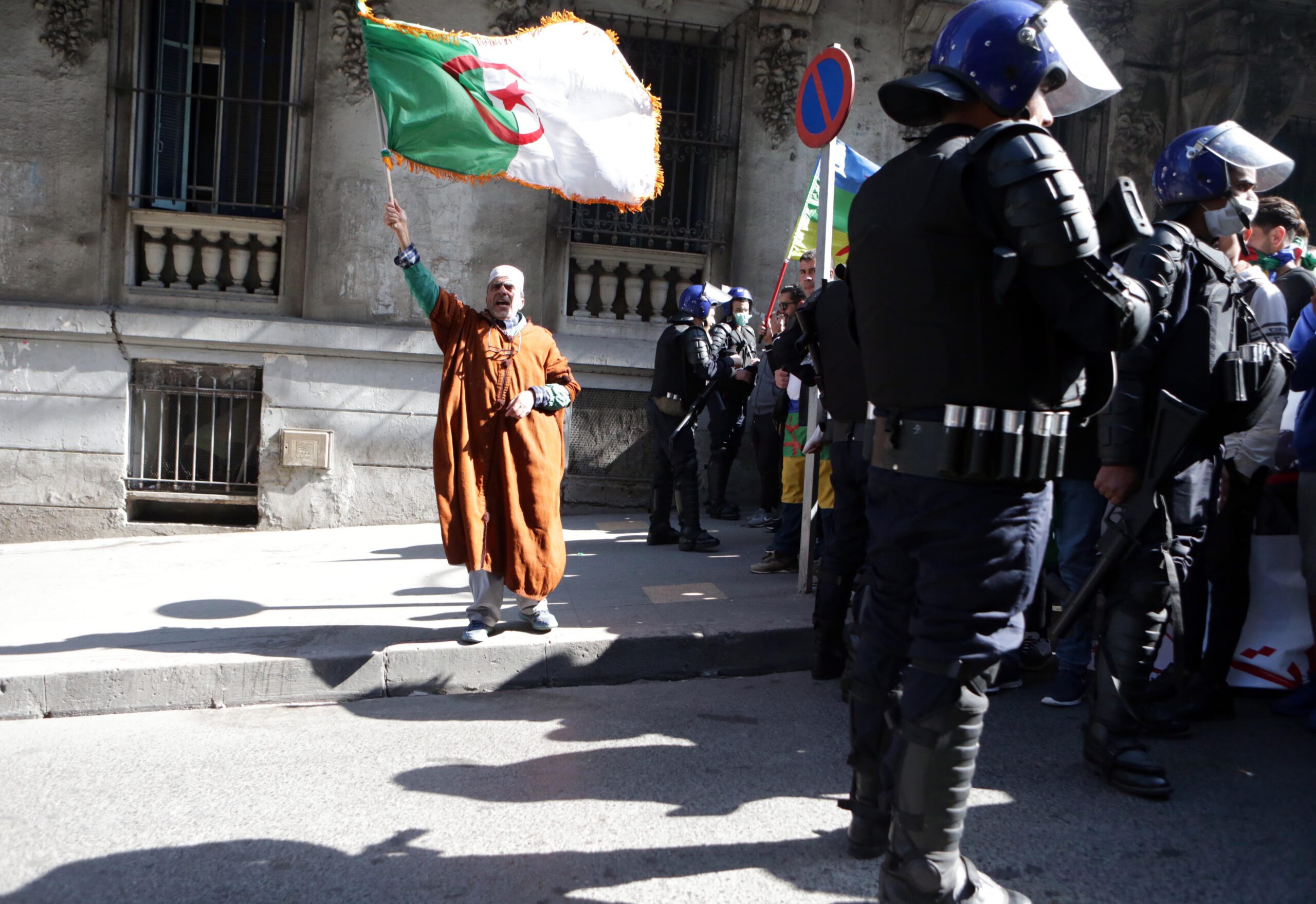
In this week’s Monday Briefing, MEI experts Robert S. Ford, Mirette F. Mabrouk, Nathan Stock, Marvin G. Weinbaum, and Jean-François Seznec provide analysis on recent and upcoming events including the government shakeup in Algeria, Egyptian President el-Sissi’s visit to Washington, rocket attacks from Gaza, Imran Khan’s war against poverty, and a $69 billion merger between Saudi Arabia’s oil and chemical giants.
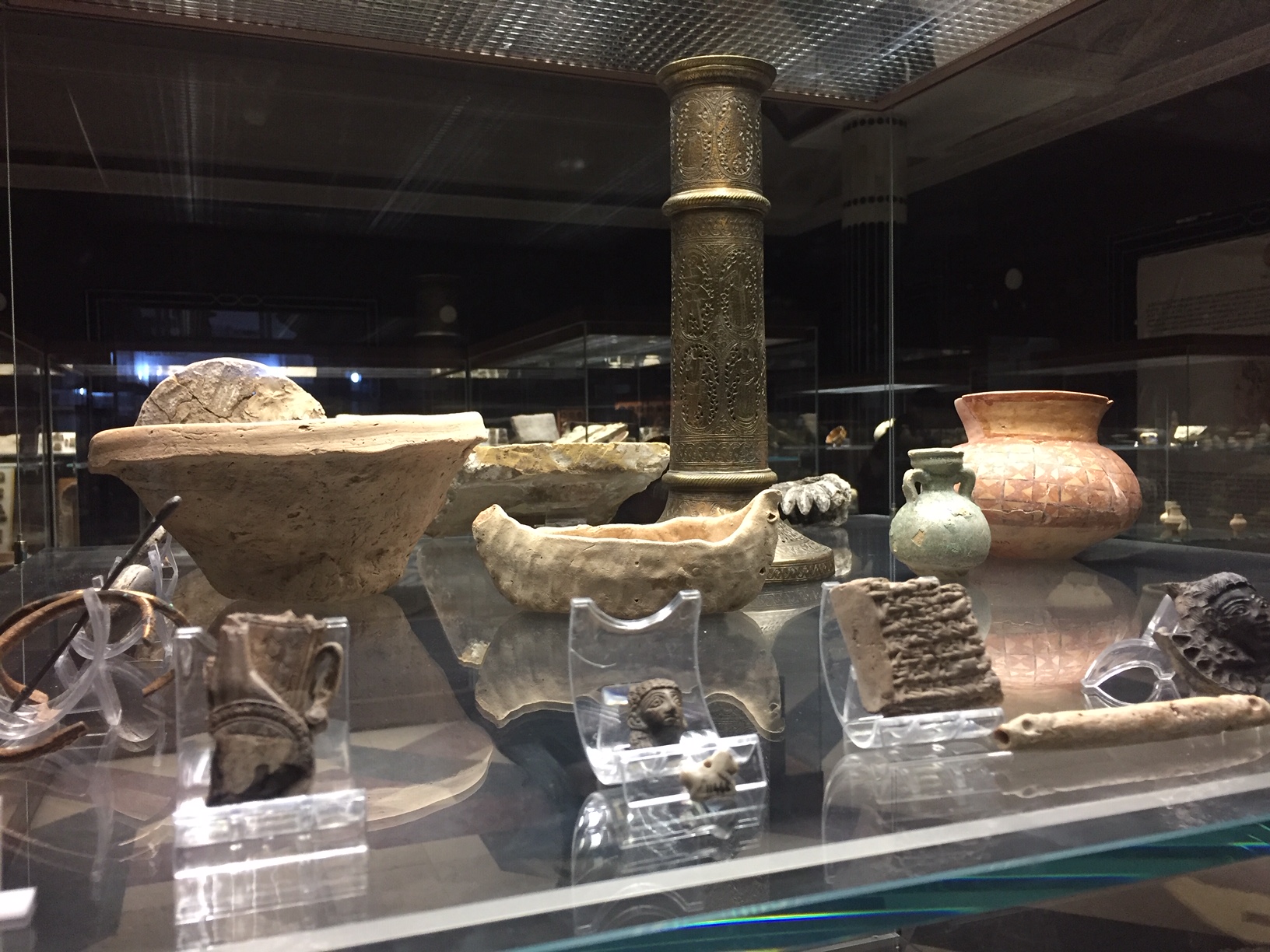
A tale fit for the silver screen: The rebirth of the Basrah Museum
The story of the Basrah Museum, which opened three new galleries on March 19th after languishing for 28 years, is nothing less than cinematic. Read it here.
Ali Çarkoğlu, professor of international relations at Koç University in Istanbul, Sinan Ciddi, executive director of the Institute of Turkish Studies at Georgetown University, and MEI’s Gonul Tol join host Alistair Taylor to discuss Turkey’s March 31 local elections amid mounting economic problems and political polarization.
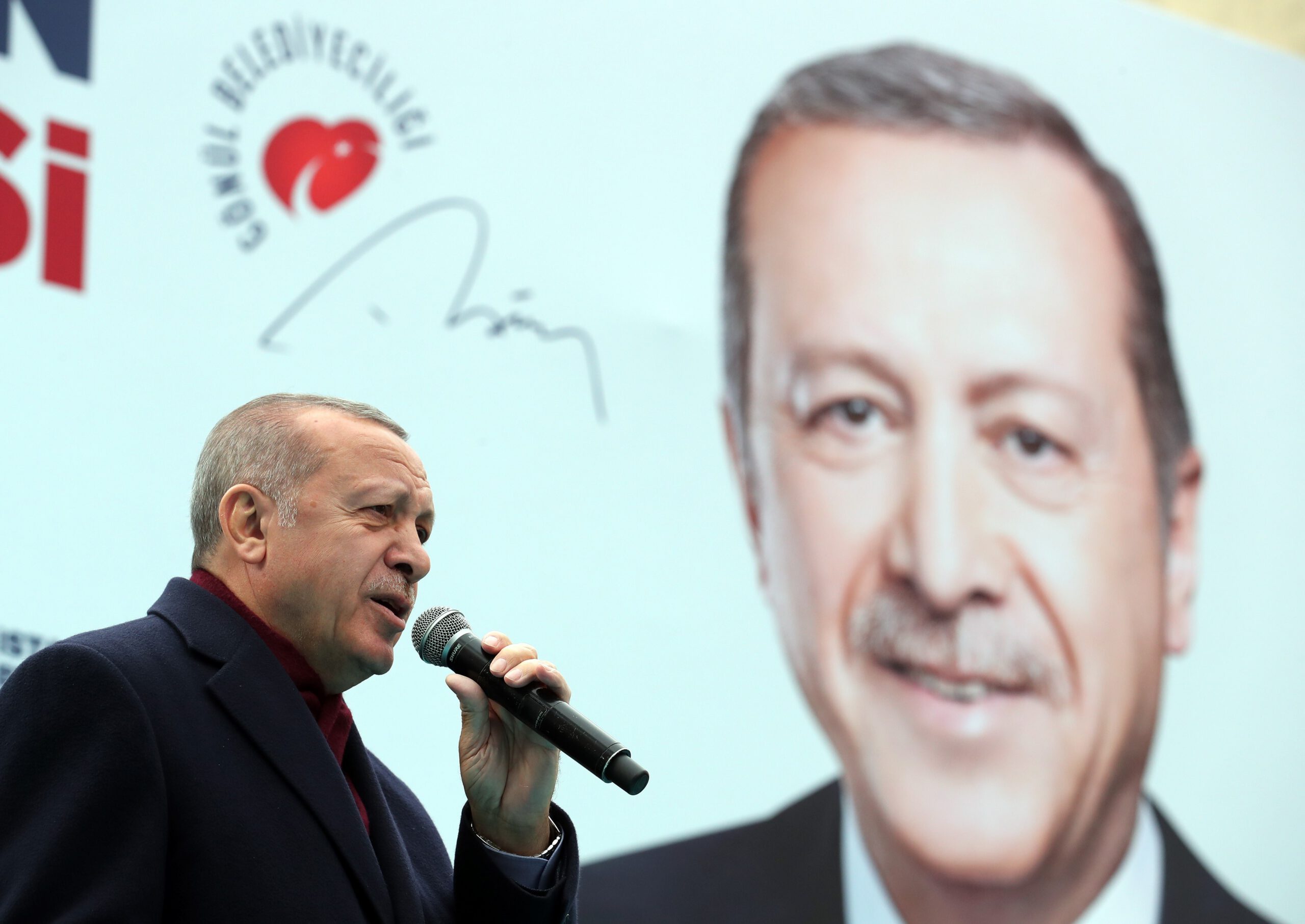
Turkey’s municipal elections are in fact not local but a national referendum on the continued rule of President Recep Tayyip Erdogan. With his complete domination of every aspect of Turkey’s politics and media, as well as military, judicial, and educational institutions, it would be foolish to underestimate his ability to emerge a winner on March 31.
Where is ISIS today? | The end of the ISIS Caliphate
ISIS’s self-proclaimed Caliphate in Syria and Iraq came to an end on March 23, when the Syrian Democratic Forces, backed by the U.S.-led international coalition, liberated the town of Baghouz after a tough six week battle. In some respects however, the military victory against ISIS was the easy part.
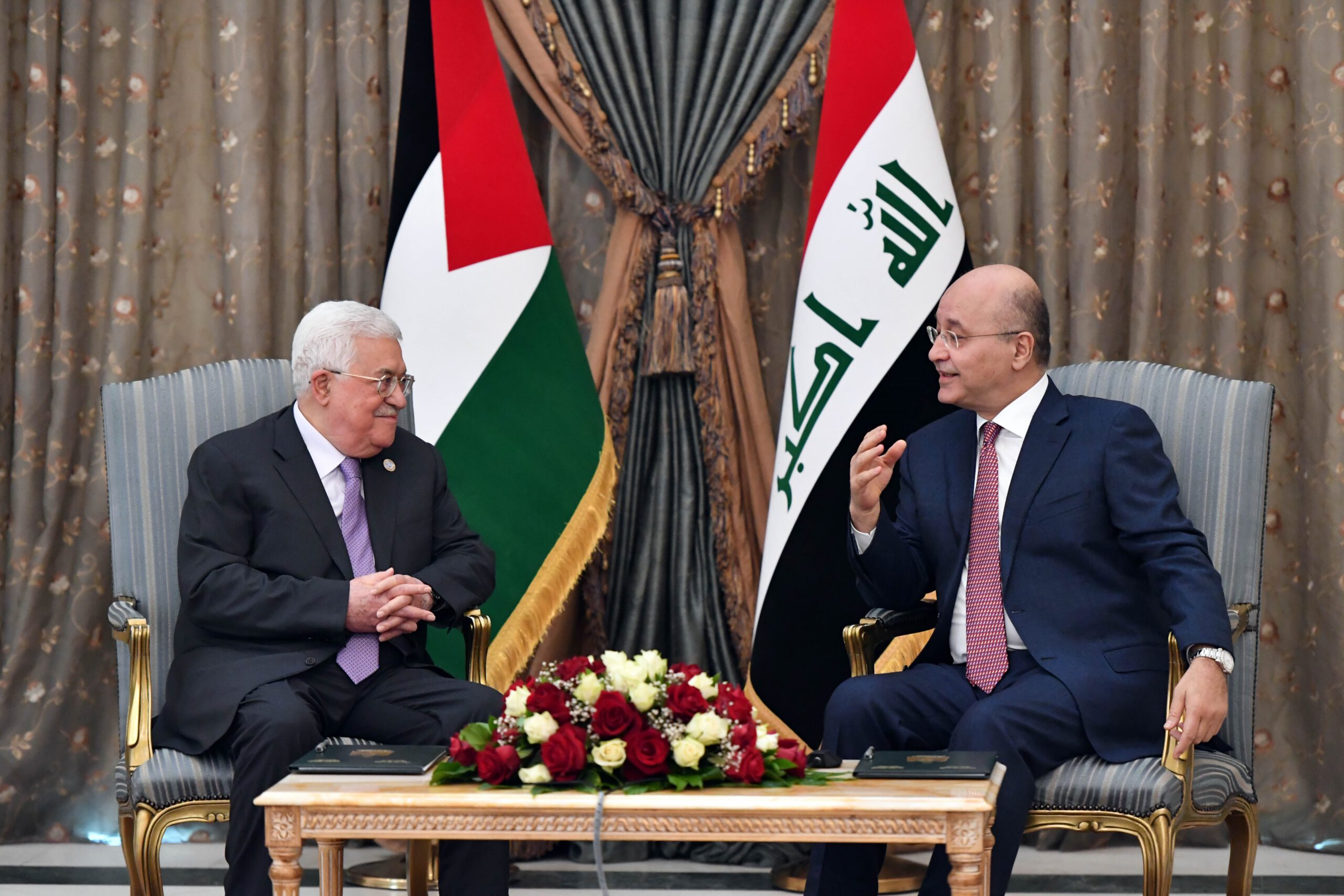
Following the liberation of ISIS-held territory in Syria and Iraq, Palestinian President Mahmoud Abbas is reestablishing ties with regional actors as a means to mobilize Arab support for the Palestinian cause.
Restarting Police Reform in Tunisia: The Importance of Talking About Everyday Security
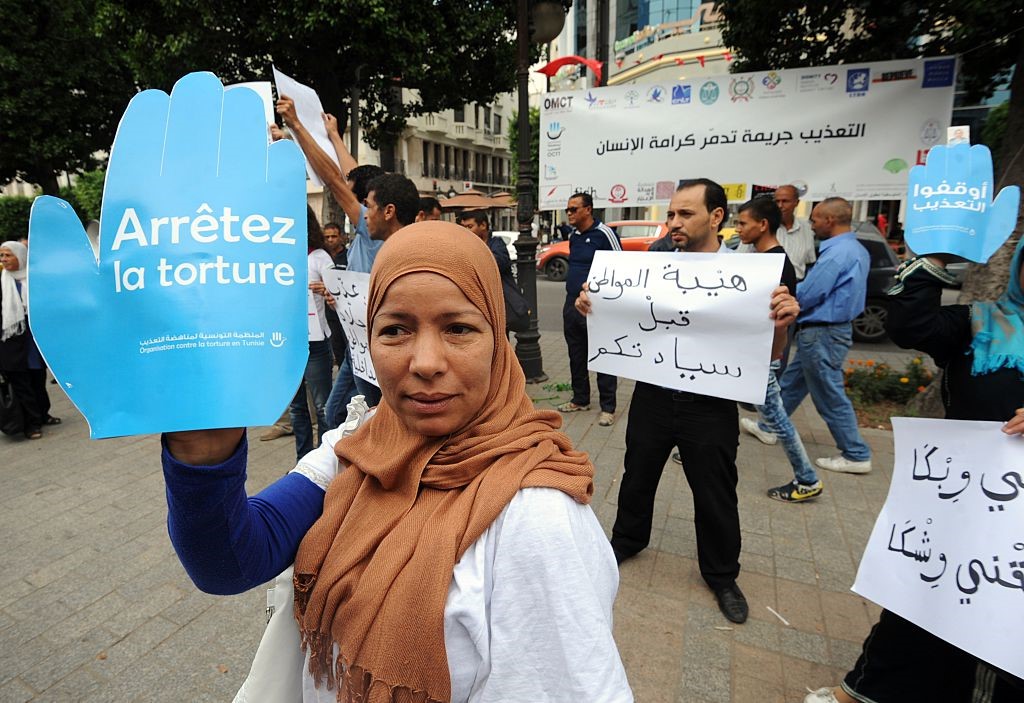
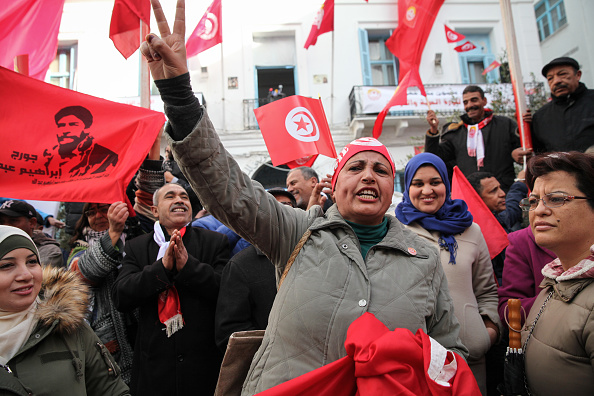
Police reform has lagged in Tunisia’s transition. Police violence, police impunity and a national sense of insecurity remain substantial concerns. The problems facing the Tunisian economy have drawn attention away from police reform, which had seen some positive change in 2011-2012. Since then, police unions have managed to stymie the reform process and have insulated the police from change. In addition, although the potency of the securitization argument (i.e., the police must be freed from civilian “interference” in order to fight terrorism) has waned, it remains a significant obstacle to reform. Challenging this argument and transforming the relationship between the police and the people requires expanding platforms for discussing day-to-day local security issues.
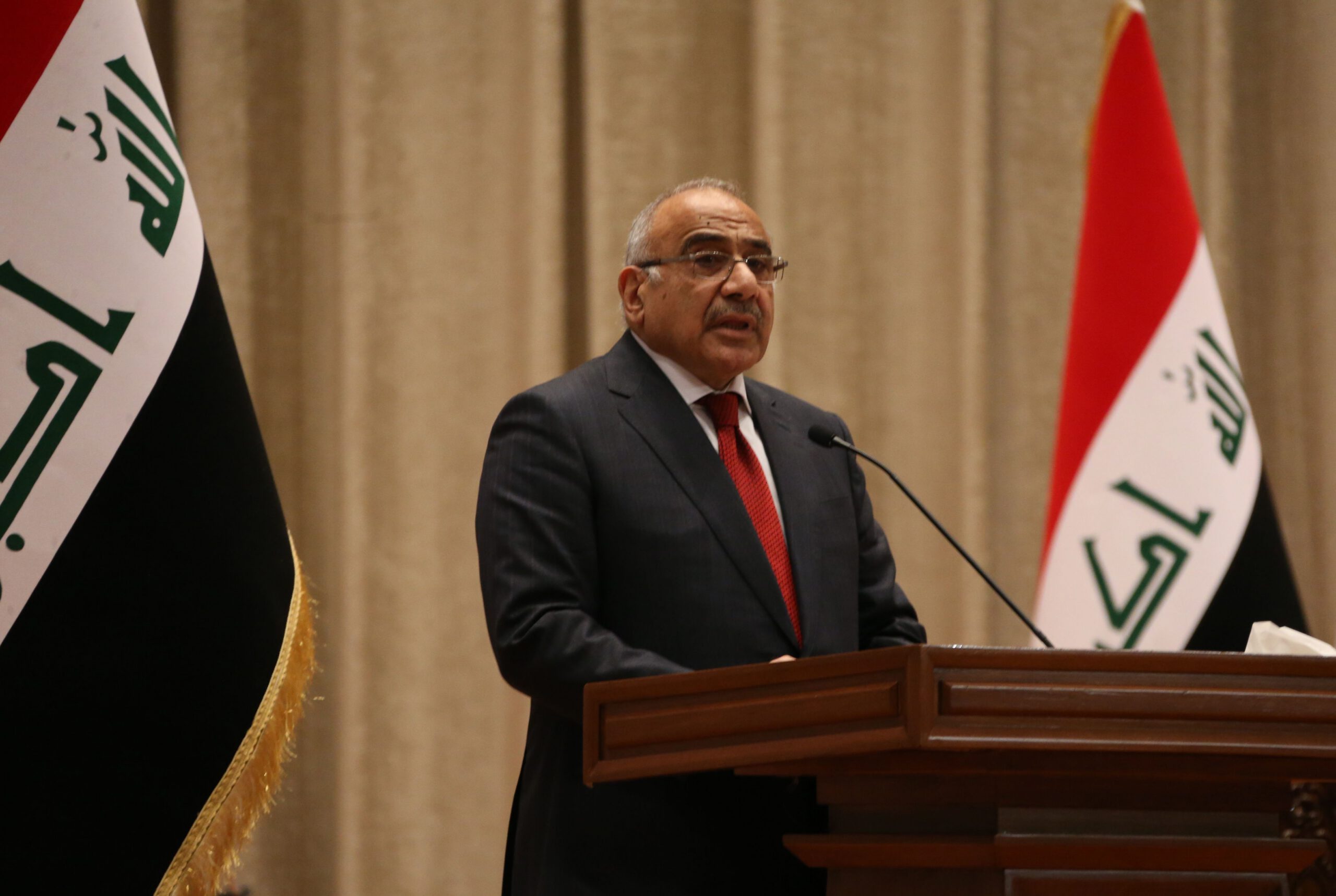
Monday Briefing | Iraq: Outreach abroad, but troubles at home
In this week’s Monday Briefing, MEI experts Randa Slim, Charles Lister, Gerald Feierstein, and Paul Salem provide analysis on recent and upcoming events including Iraqi Prime Minister Abdul-Mahdi’s first foreign trip to Egypt, the future threat posed by ISIS, Israeli Prime Minister Benjamin Netanyahu’s AIPAC meeting in Washington, and Secretary of State Mike Pompeo’s visit to Lebanon.
Lavrov’s Gulf trip highlights Russia’s growing regional role
Russian Foreign Minister Sergei Lavrov made a four-day trip to the Gulf in early March, stopping in Qatar, Saudi Arabia, Kuwait, and the UAE as part of a broader effort to boost Moscow’s ties with the region. Although the Gulf monarchies are traditionally considered of some of the U.S’s closest allies, relations between Russia and the Gulf have improved in recent years and there is potential for further cooperation going forward.
Annette Weber, senior fellow at the German Institute for International and Security Affairs, and Abdullahi Ibrahim, emeritus professor of African and Islamic history at the University of Missouri, join host Alistair Taylor to discuss the popular protests in Sudan, now in their third month, and how the government has responded to demands for the resignation of President Omar al-Bashir.
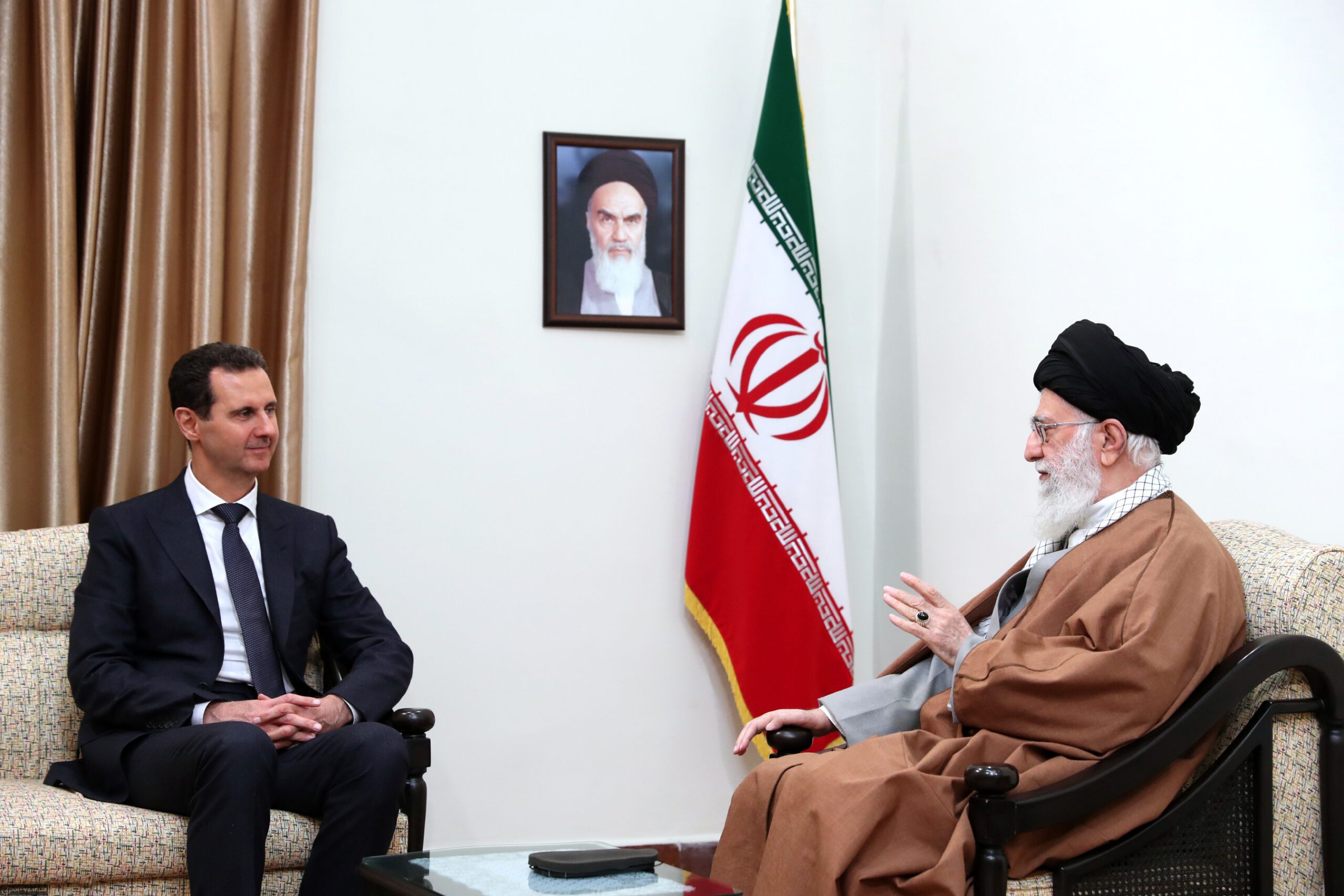
That the relationship between the Ba’ath regime in Syria and the ayatollahs of the Islamic Republic is one of loveless realpolitik is no secret to anyone with a passing familiarity with the history of Damascus-Tehran ties. The end of the war in Syria has already begun to expose faults in the unlikely marriage between a militant secular Arab regime rooted in the independence politics of the colonial era and the revolutionary rule of the wilayat al-faqih.
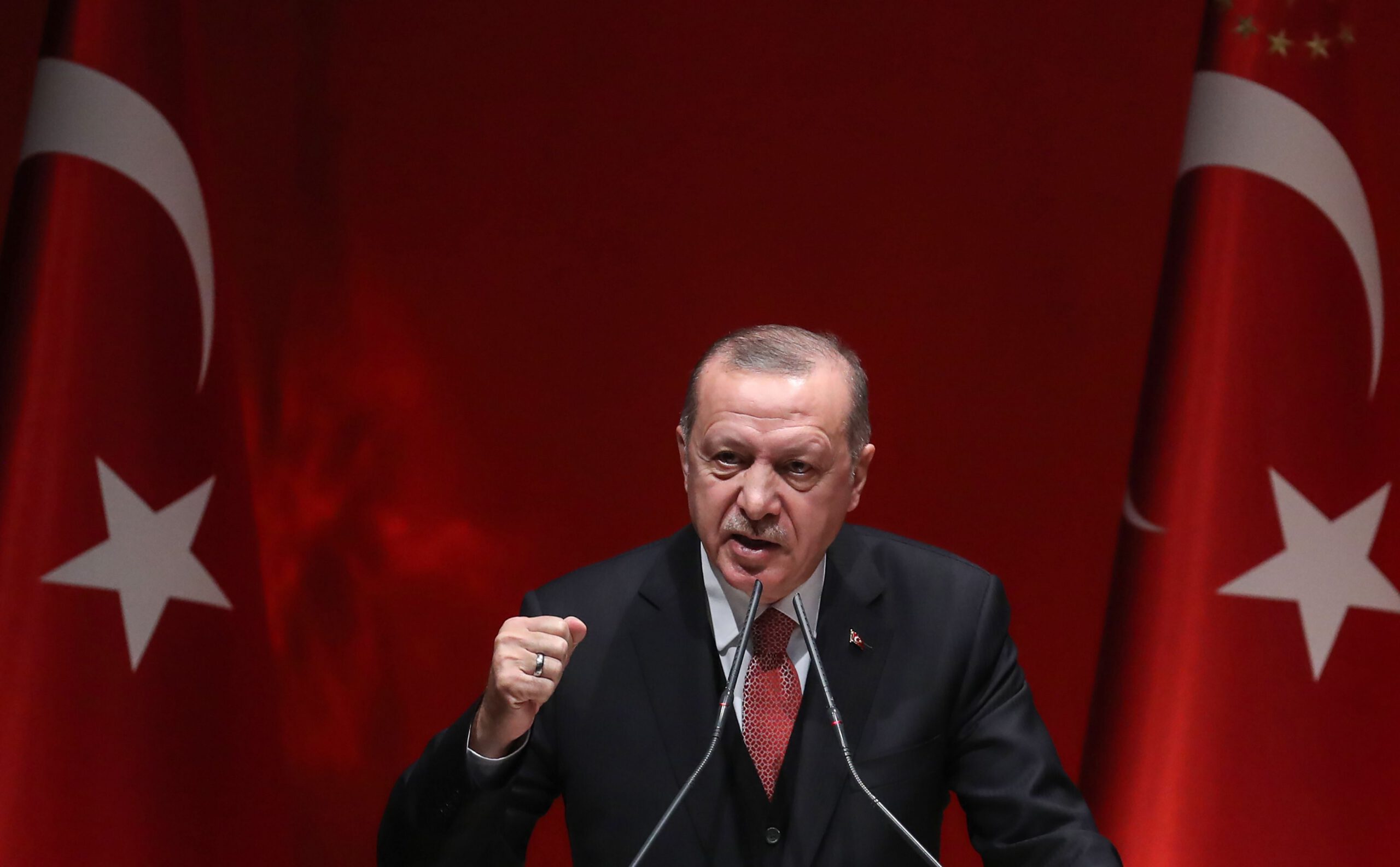
On March 7 President Recep Tayyip Erdogan declared that Turkey’s decision to buy the Russian S-400 missile defense system is irrevocable. His remarks underlined Turkey’s strategic decision to turn away from NATO as a genuine partnership.
Diaspora Activism in France and Italy and Tunisia’s Democratic Transition
Scholar Charles Tilly does not believe that social capital can, by itself, build democracy. In fact, according to Tilly, citizens lacking favorable environmental and historical conditions — even if highly engaged — cannot establish a democracy. If establishing democratic institutions is such an arduous task for citizens living under dictatorship, what political leverage do those living in the diaspora possess? This article explores how the Tunisian diasporas in Italy and France have sought to help implement the transition to democracy.
The oldest peer-reviewed publication dedicated to the study of the modern Middle East, MEI’s flagship journal covers politics, society, and culture in the region.