Washington says it doesn’t know who runs Iran. Tehran insists its leadership is united. MEI Senior Fellow Alex Vatanka joins hosts Alistair Taylor and Matthew Czekaj to sort out where the truth lies. They look at the small circle of political and military figures now steering the war effort in Tehran: who they are, how they make decisions, and how unified they really are. They also discuss the current state of US-Iran negotiations, the role of the upcoming midterm elections in the United States, and how the Islamic Republic is preparing for a potential renewal of conflict afterward.
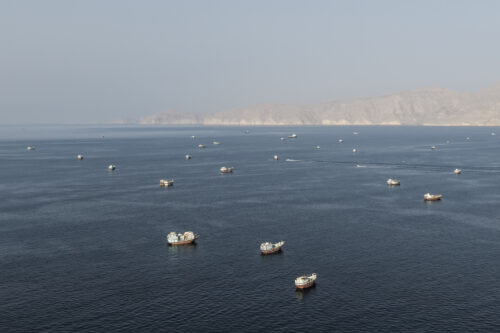
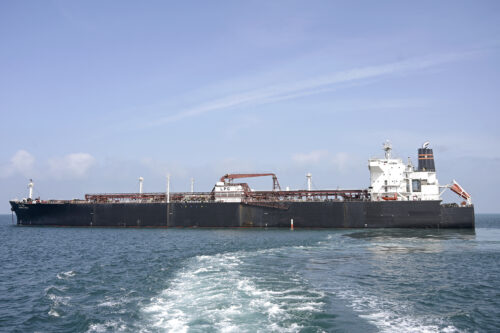
Crude oil is flowing out of the Gulf again, but the market is no better prepared for another disruption in the Strait of Hormuz. It has assembled a temporary system for managing one. Crude exports from the Gulf, excluding Iran, returned to pre-war levels in September, while total Gulf shipments reached 15.5 million barrels a day, more than 80% of the pre-conflict volume.
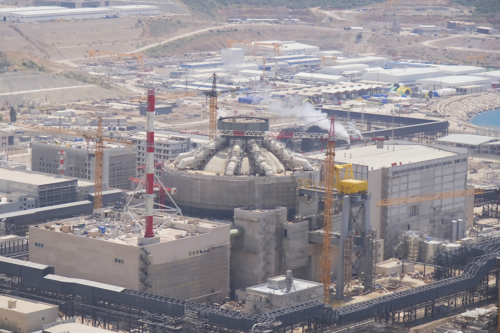
As a result of the Iran war, Turkish thinking about nuclear weapons appears to be shifting. Iran’s emergent ability to threaten regional states (and possible determination to acquire a nuclear weapon itself), growing concern about Israeli aggressiveness, doubts about US security guarantees, and greater Saudi nuclear autonomy are all pushing Ankara to consider a future nuclear option.
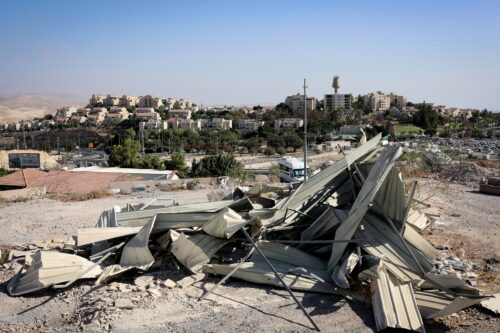
Since 1967, Israeli settlements in the West Bank have been a contested feature of the Israeli-Palestinian conflict. The ultimate disposition of the settlements and ongoing activity related to their growth have repeatedly defied agreement in negotiations over a resolution to the conflict.
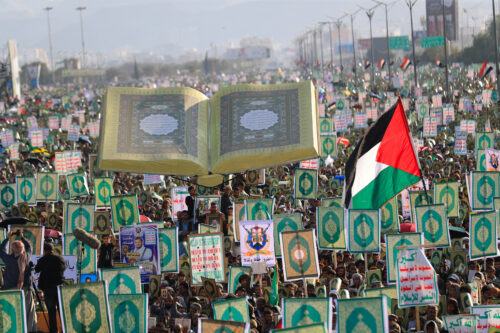
The Houthis are a political-military faction and Zaydi religious movement founded in northwestern Yemen in the 1980s. A key member of Iran’s Axis of Resistance with links to other militant organizations in the Arabian Peninsula and the Horn of Africa, the group has continued to pose a threat to Western interests on a global scale.
The India-Middle East-Europe Economic Corridor (IMEC) is a proposed multinational infrastructure initiative aimed at upgrading connectivity between the three regions through integrated trade, energy, and digital networks. Announced at the G20 summit in New Delhi in September 2023, IMEC is envisioned partially as a counterweight to China’s international infrastructure project, the Belt and Road Initiative.
After a decade of post-Arab Spring isolation, Turkey’s leaders have recognized that their ambition to position the country as an agenda-setter on the world stage requires active engagement in all directions. President Recep Tayyip Erdoğan’s consolidation of executive authority has centralized foreign policy decision-making and tied it to his domestic political priorities, transforming the country’s revisionist approach to one shaped primarily by personal and pragmatic interests.
MEI Senior Fellow Brian Katulis engages friends, colleagues, and policy experts in casual conversations on the most important happenings in the Middle East.
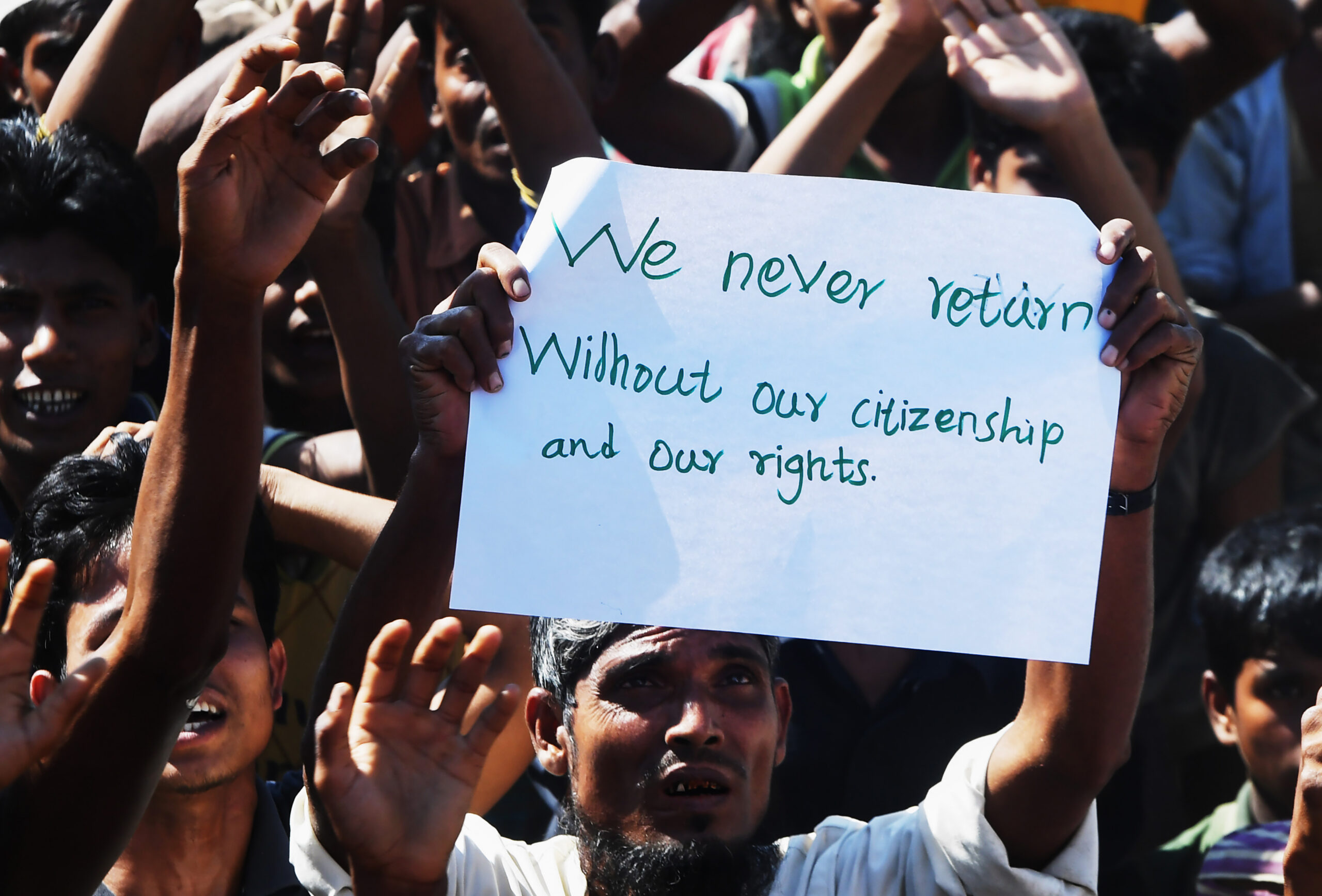
Ensuring the Safety of Rohingyas as a National Minority Inside Myanmar: Who? How?
Amid calls for international accountability, the government of Bangladesh has prioritized the repatriation of Rohingyas. In this article, the authors examine the pressures and motivations of the various players that favor repatriation. They argue that, given the current circumstances, it is inconceivable that any repatriation will be voluntary or sustainable.
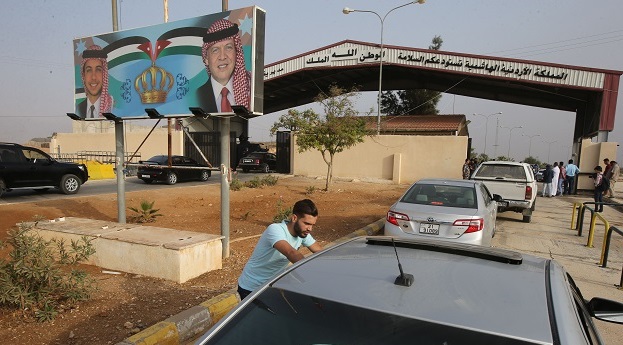
Border opportunities: Reviving the Jordan-Syria free trade zone
The reopening of the Naseeb-Jaber border crossing offers an opportunity to address the pressing political, economic, and humanitarian challenges confronting Jordan.
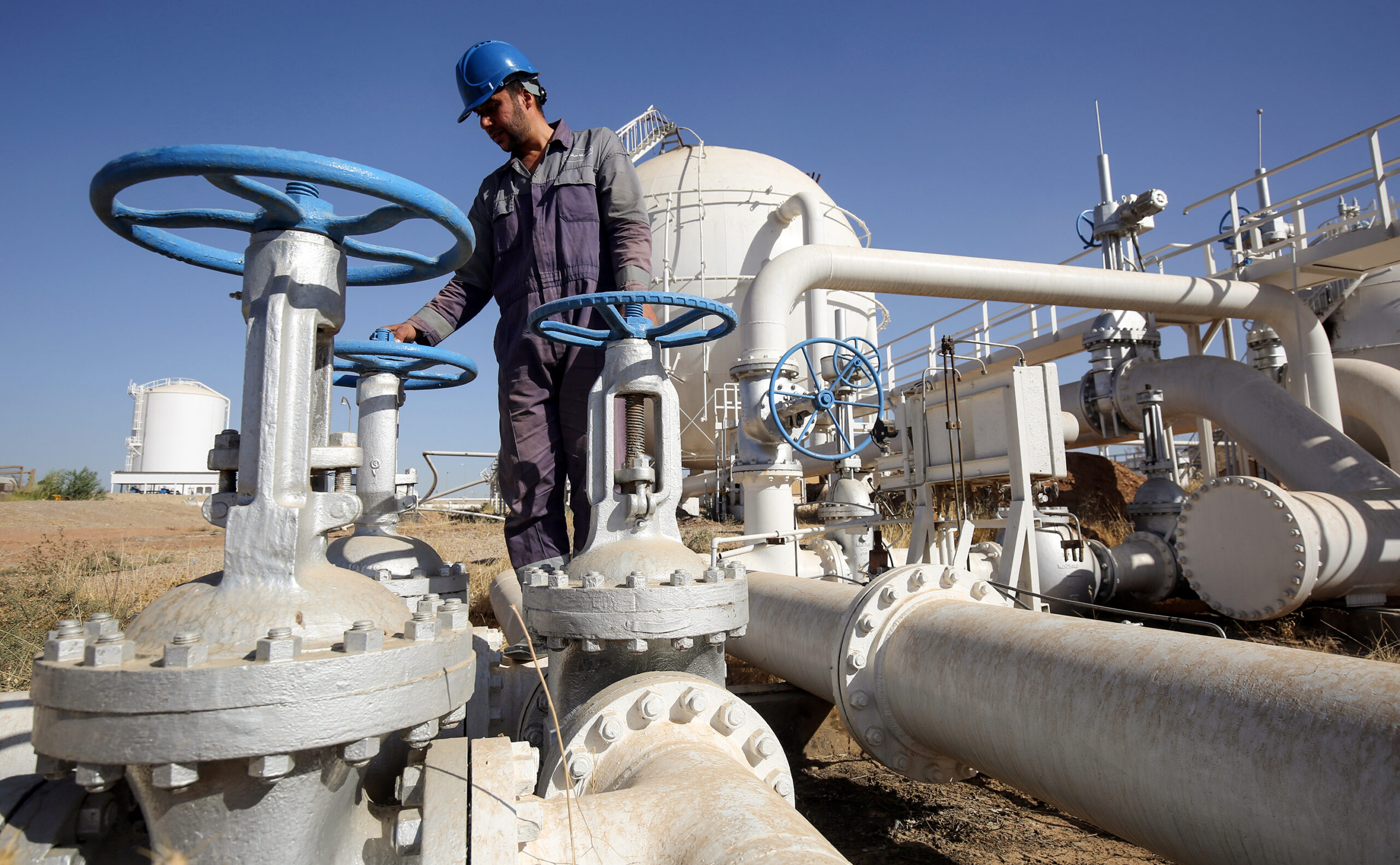
In this week’s Monday Briefing, MEI experts discuss recent and upcoming events including the Iraq-Kurdistan pipeline deal, how the YPG partnership affects US-Turkey ties, and the new Russia-Turkey gas pipeline.
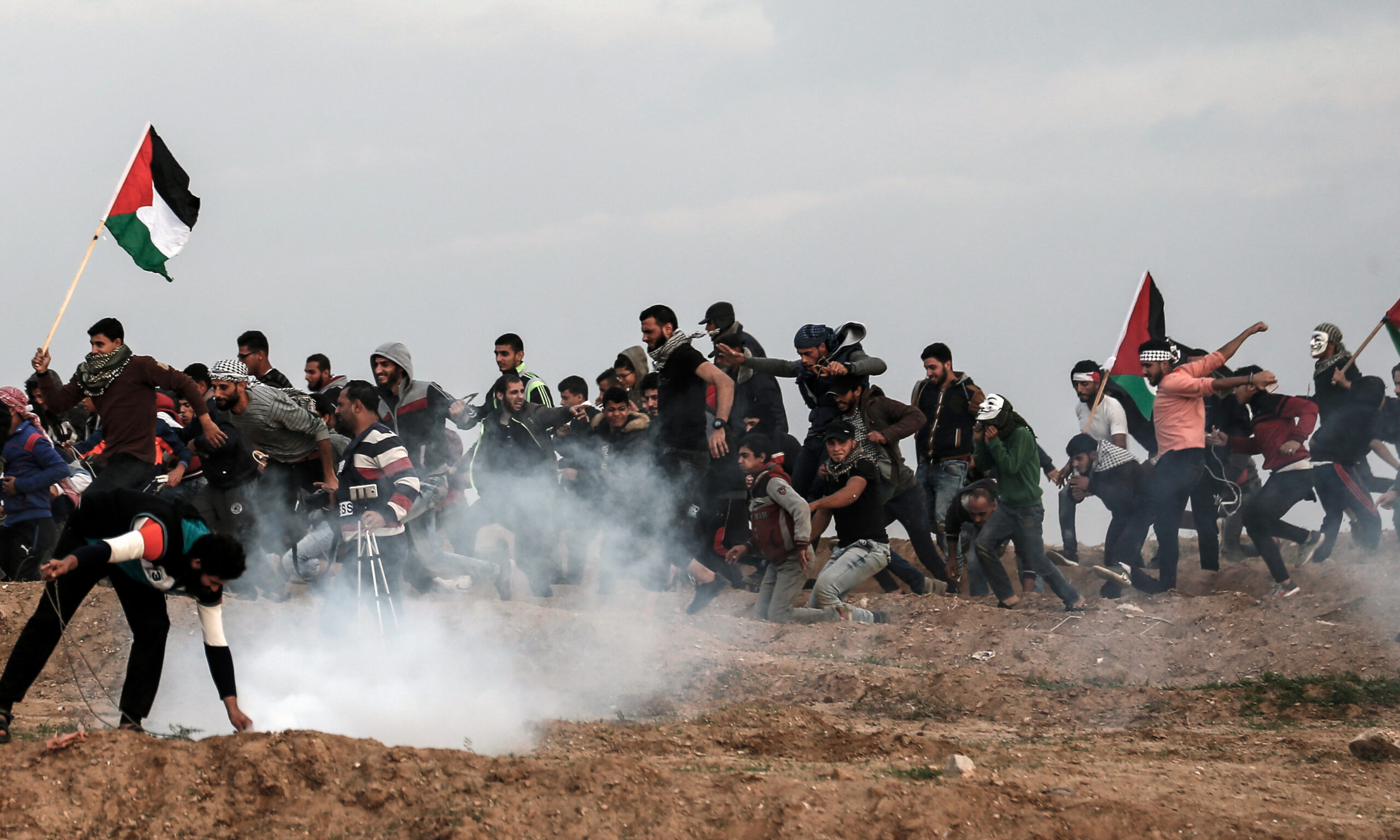
Negotiations shepherded by Egypt appear to be making progress in establishing a new, more stable chapter in the ongoing conflict, but instability remains at the heart of the Gaza standoff.
MEI’s Jonathan Winer joins guest host Alistair Taylor to discuss the conditions in Libya nearly eight years after the country’s revolution, from the situation on the ground to the prospects for elections and political settlement more broadly.
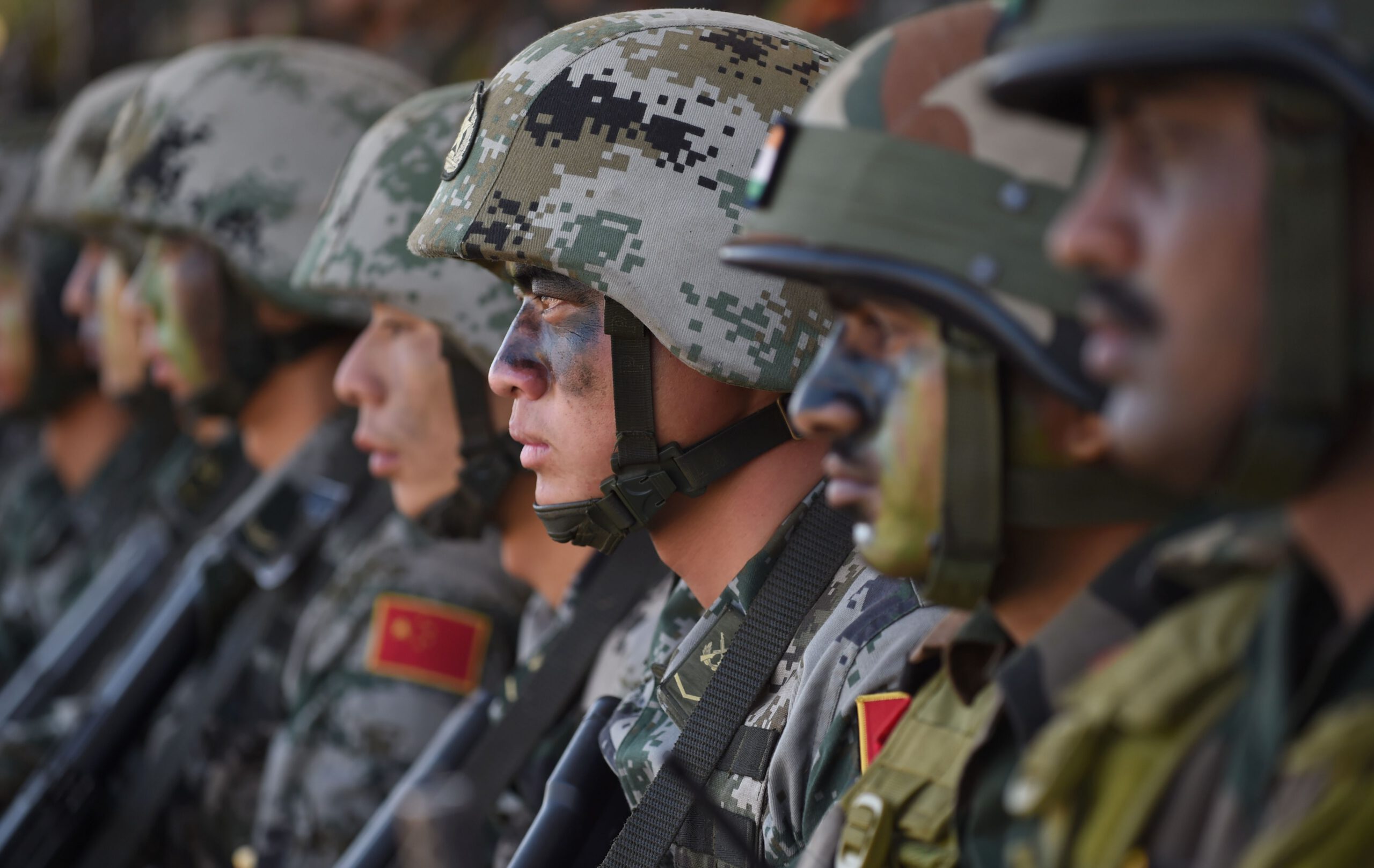
A new approach in Afghanistan: China and India take steps toward cooperation
While there have been promising recent signs of Indian-Chinese cooperation in Afghanistan, Beijing’s “all-weather” friendship with Islamabad and Pakistan’s concerns about Indian involvement in the country remain obstacles to closer ties.
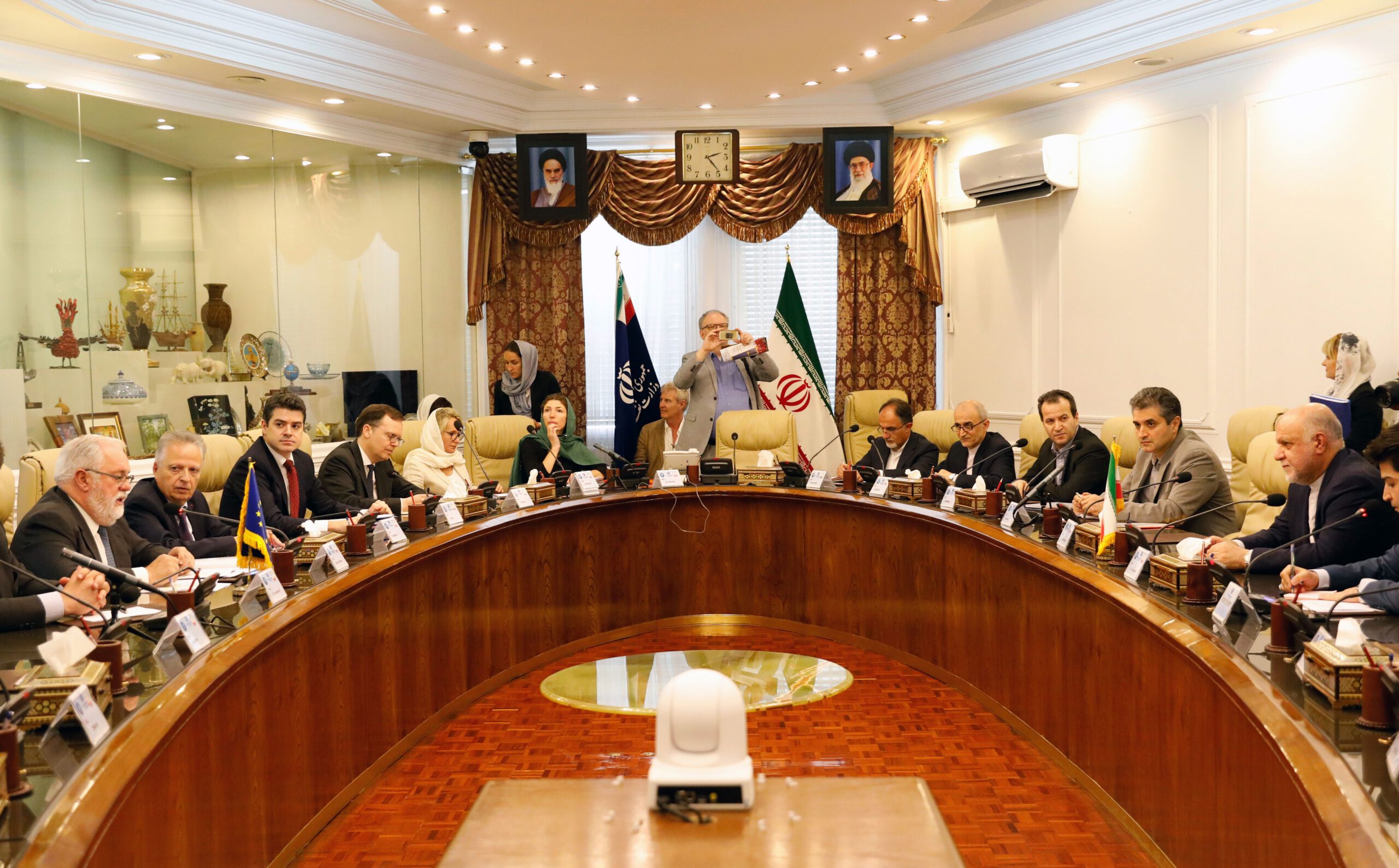
The American decision to reimpose sanctions may result in a new wave of tensions between the U.S. and EU as European companies have benefited significantly from growing trade with Iran.
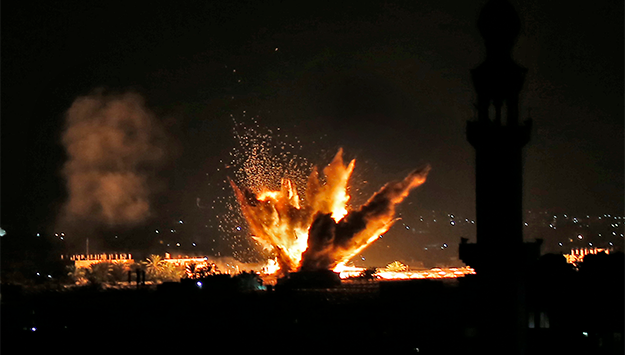
In this week’s Monday Briefing, MEI experts discuss recent and upcoming events including the Gaza flare-up and its threat to Egyptian-led negotiations, Russian-hosted Afghan peace talks, the ground offensive in Hodeidah, and rapid escalation in northwestern Syria.
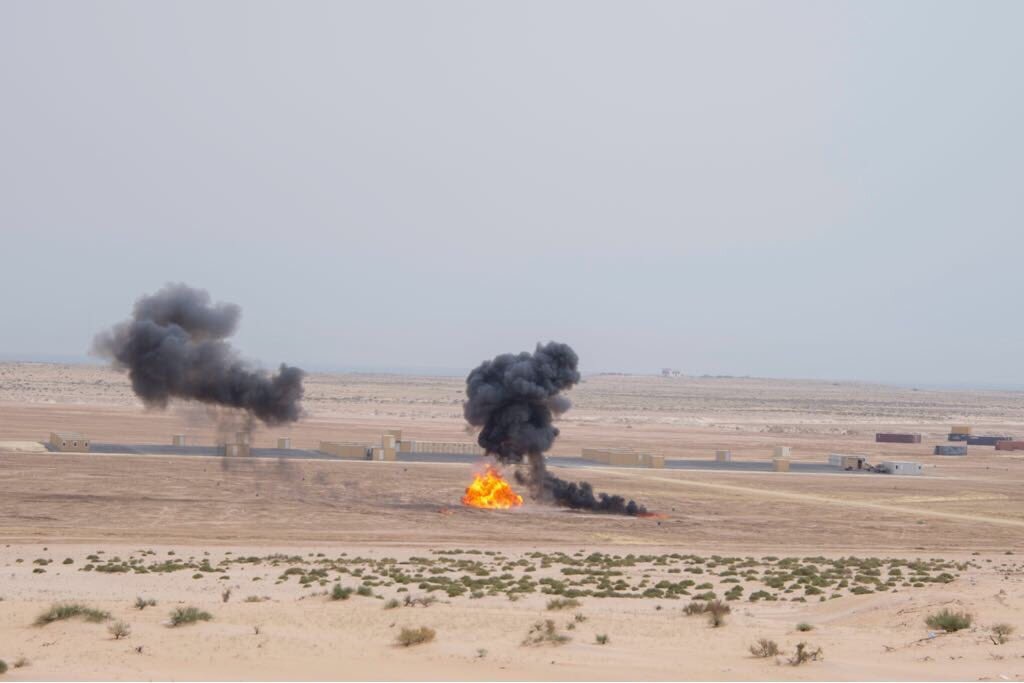
As naval, air, and ground units from Bahrain, Egypt, Jordan, Kuwait, Saudi Arabia, and the UAE conduct war games in western Egypt this month, many speculate that this could represent the birth of the so-called “Arab NATO.”
Yemen, the site of the biggest humanitarian disaster in the world today, has seen several significant developments in recent weeks, including renewed calls for a cease-fire, UN intervention, and brokered peace talks. Fatima Alasrar, senior analyst at the Arabia Foundation, and MEI’s Gerald Feierstein join host Paul Salem to discuss the prospects for these latest moves.
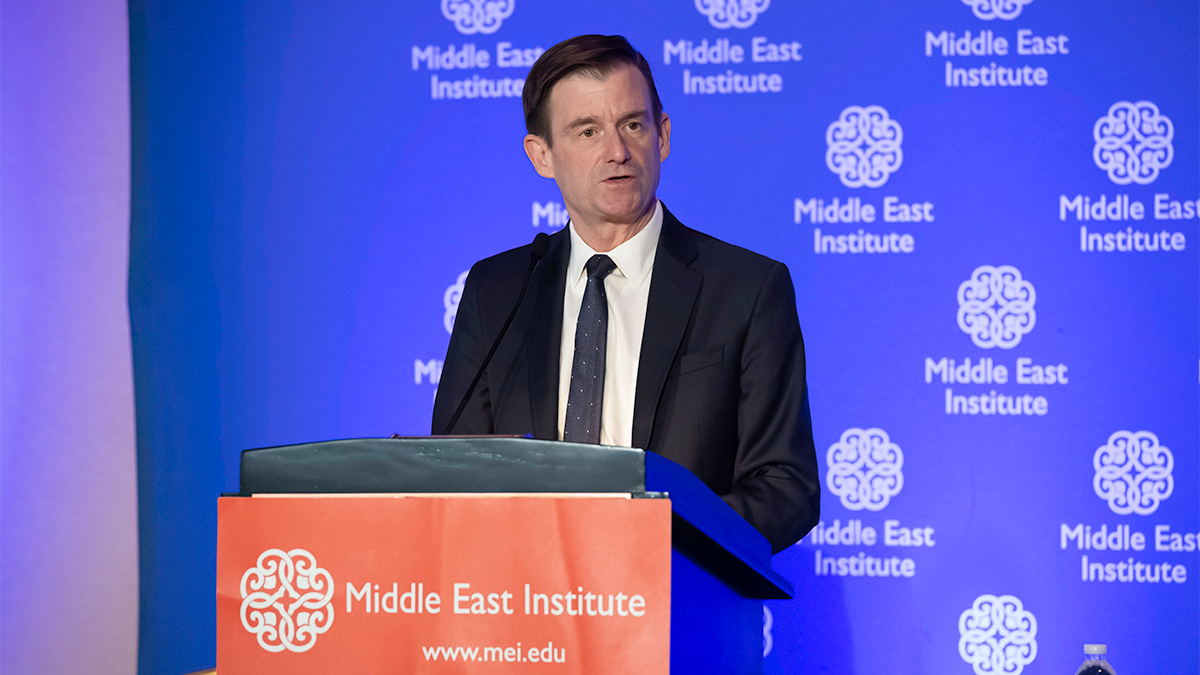
The below transcript is from the keynote address of MEI’s 72nd Annual Conference, held on November 8, 2018 at the Marriott Wardman Park hotel in Washington, D.C.
Speakers
Paul Salem President, MEI
Ambassador David Hale Under Secretary of State for Political Affairs, U.S. Department of State
Economic Innovation, Inclusion, and Resilience: A Key to Growth
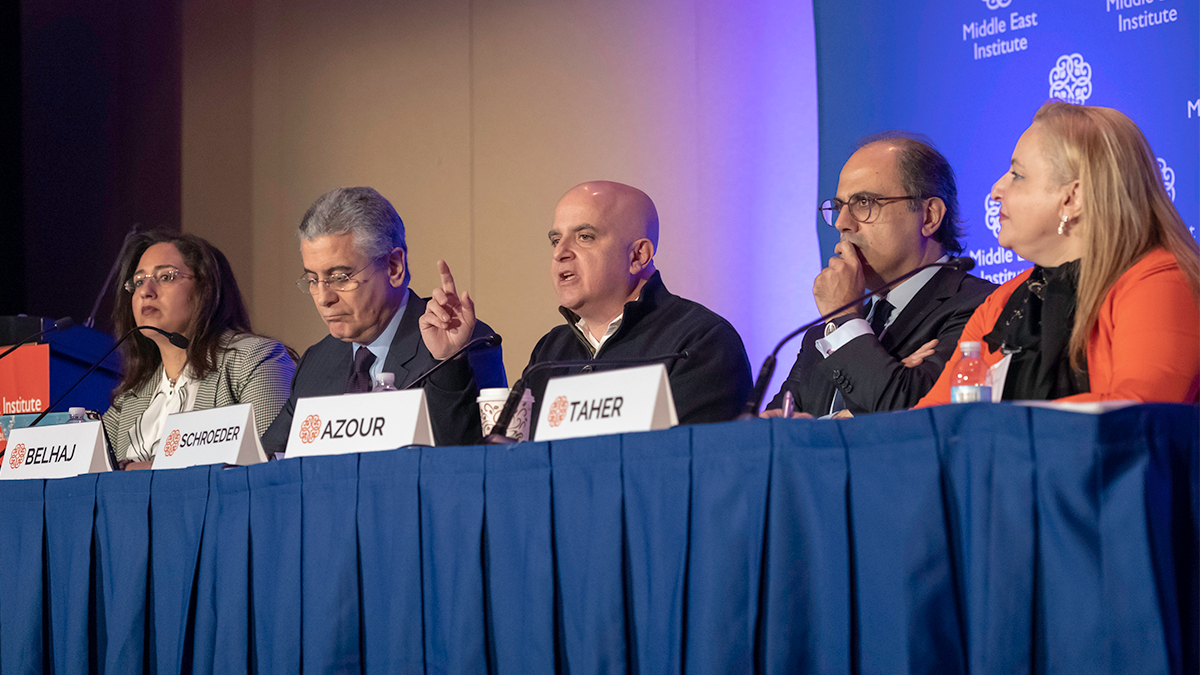
The below transcript is from the fourth panel of MEI’s 72nd Annual Conference, held on November 8, 2018 at the Marriott Wardman Park hotel in Washington, D.C.
The below transcript is from the third panel of MEI’s 72nd Annual Conference, held on November 8, 2018 at the Marriott Wardman Park hotel in Washington, D.C.
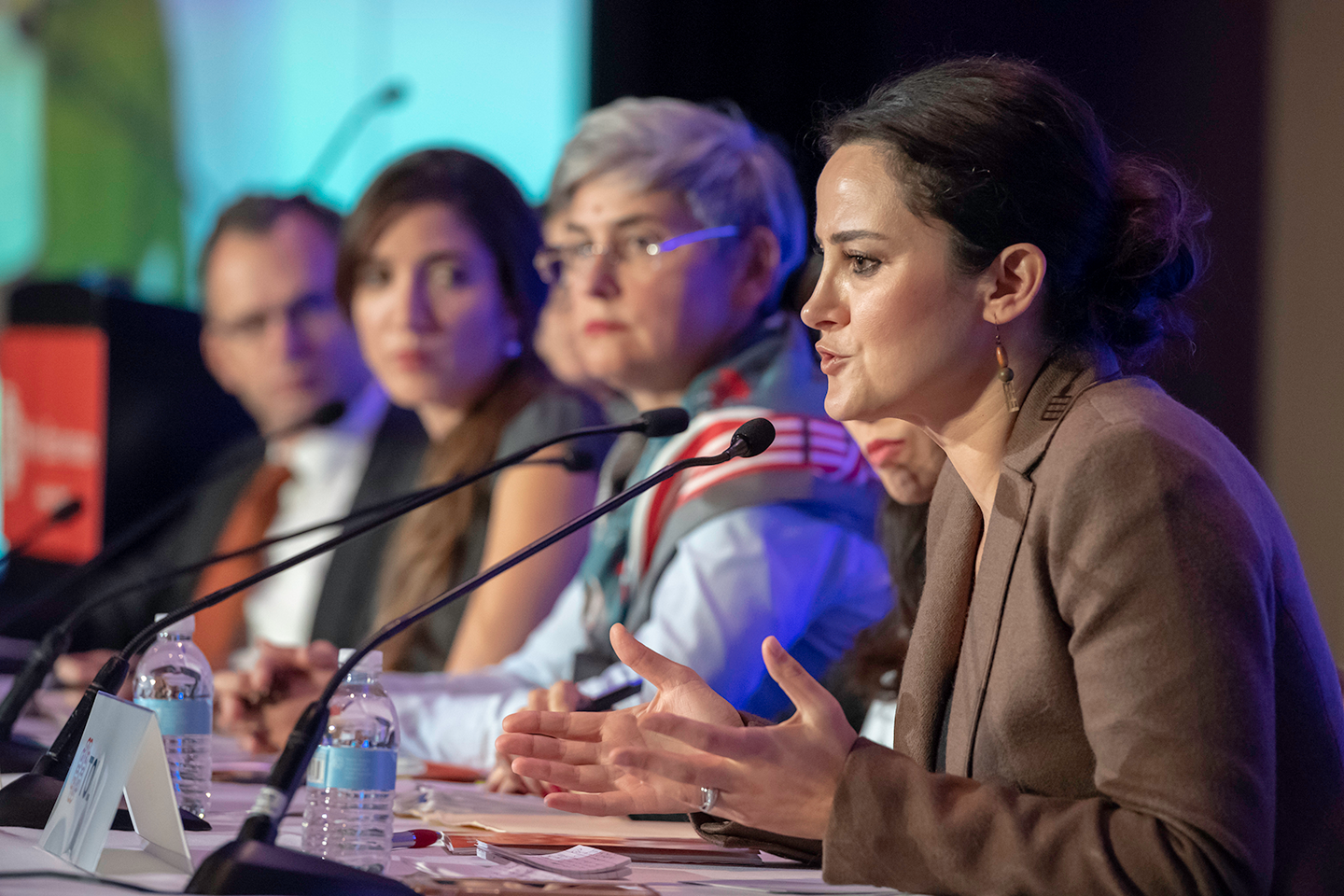
The below transcript is from the second panel of MEI’s 72nd Annual Conference, held on November 8, 2018 at the Marriott Wardman Park hotel in Washington, D.C.
Panel Summary
As the region’s civil wars continue to destabilize economies and devastate the local populations, how can a political process be established to end these conflicts? What are the crucial steps to ending the civil wars that plague the region? What are the roles of governments and international actors in pursuing a solution?
U.S.-Middle East Policy: Between Politics, Human Rights, and National Security
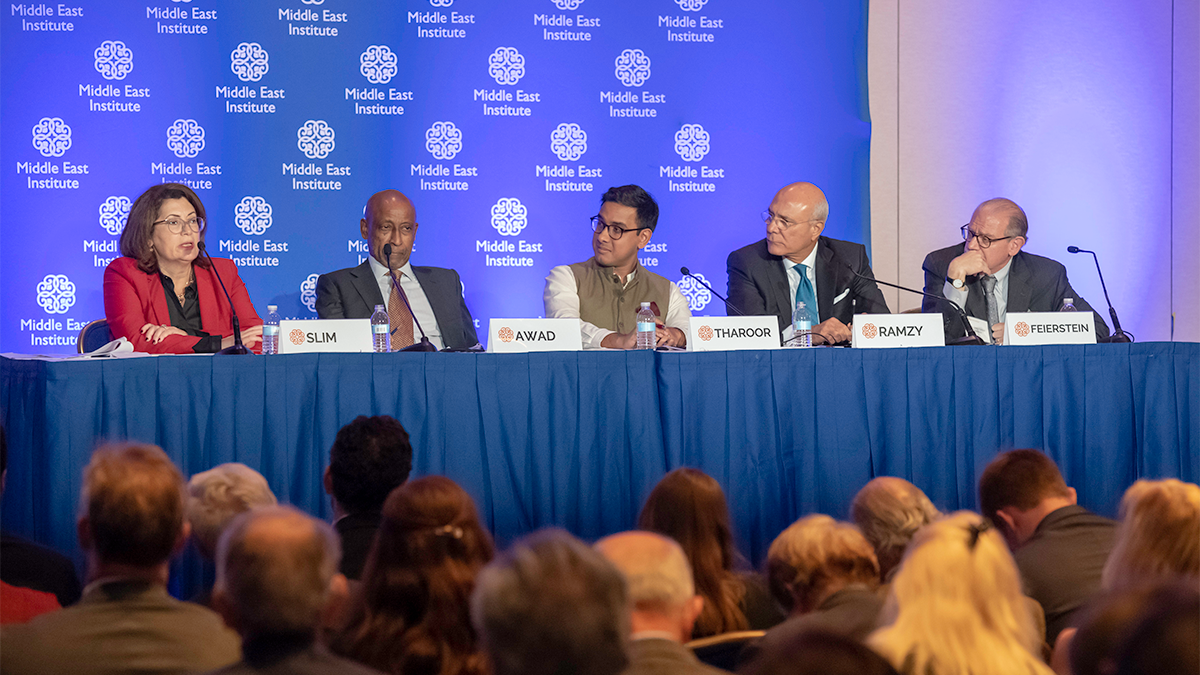
The below transcript is from the first panel of MEI’s 72nd Annual Conference, held on November 8, 2018 at the Marriott Wardman Park hotel in Washington, D.C.
The oldest peer-reviewed publication dedicated to the study of the modern Middle East, MEI’s flagship journal covers politics, society, and culture in the region.