Washington says it doesn’t know who runs Iran. Tehran insists its leadership is united. MEI Senior Fellow Alex Vatanka joins hosts Alistair Taylor and Matthew Czekaj to sort out where the truth lies. They look at the small circle of political and military figures now steering the war effort in Tehran: who they are, how they make decisions, and how unified they really are. They also discuss the current state of US-Iran negotiations, the role of the upcoming midterm elections in the United States, and how the Islamic Republic is preparing for a potential renewal of conflict afterward.
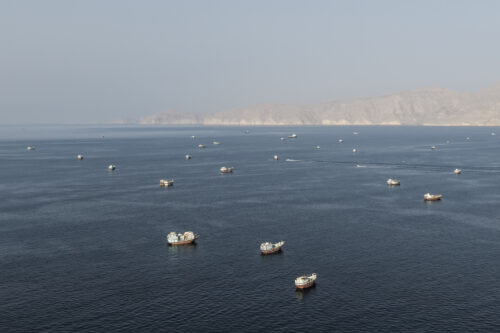
Crude oil is flowing out of the Gulf again, but the market is no better prepared for another disruption in the Strait of Hormuz. It has assembled a temporary system for managing one. Crude exports from the Gulf, excluding Iran, returned to pre-war levels in September, while total Gulf shipments reached 15.5 million barrels a day, more than 80% of the pre-conflict volume.
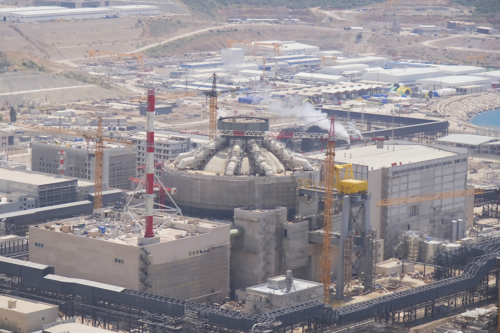
As a result of the Iran war, Turkish thinking about nuclear weapons appears to be shifting. Iran’s emergent ability to threaten regional states (and possible determination to acquire a nuclear weapon itself), growing concern about Israeli aggressiveness, doubts about US security guarantees, and greater Saudi nuclear autonomy are all pushing Ankara to consider a future nuclear option.
Since 1967, Israeli settlements in the West Bank have been a contested feature of the Israeli-Palestinian conflict. The ultimate disposition of the settlements and ongoing activity related to their growth have repeatedly defied agreement in negotiations over a resolution to the conflict.
The Houthis are a political-military faction and Zaydi religious movement founded in northwestern Yemen in the 1980s. A key member of Iran’s Axis of Resistance with links to other militant organizations in the Arabian Peninsula and the Horn of Africa, the group has continued to pose a threat to Western interests on a global scale.
The India-Middle East-Europe Economic Corridor (IMEC) is a proposed multinational infrastructure initiative aimed at upgrading connectivity between the three regions through integrated trade, energy, and digital networks. Announced at the G20 summit in New Delhi in September 2023, IMEC is envisioned partially as a counterweight to China’s international infrastructure project, the Belt and Road Initiative.
After a decade of post-Arab Spring isolation, Turkey’s leaders have recognized that their ambition to position the country as an agenda-setter on the world stage requires active engagement in all directions. President Recep Tayyip Erdoğan’s consolidation of executive authority has centralized foreign policy decision-making and tied it to his domestic political priorities, transforming the country’s revisionist approach to one shaped primarily by personal and pragmatic interests.
MEI Senior Fellow Brian Katulis engages friends, colleagues, and policy experts in casual conversations on the most important happenings in the Middle East.
Dark Clouds, Silver Lining: Kerala Floods, Gulf Responses, and More Lessons
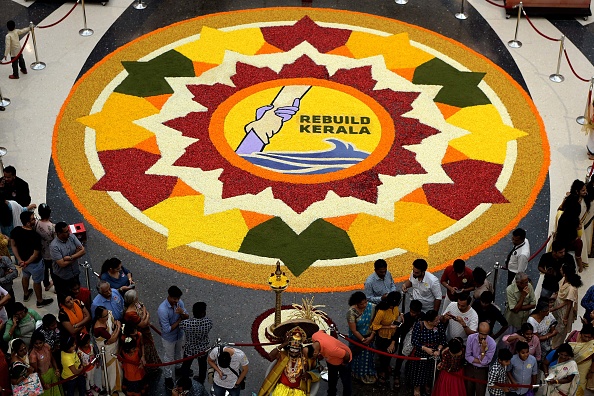
The unprecedented flooding witnessed in the Indian state of Kerala in August 2018 has been heart wrenching. Climate experts and meteorologists have dubbed it the worst flooding observed in the state in over a century. As the floodwaters recede in Kerala, leaving behind lost lives and damaged houses and wiped out livelihoods, it is important to imbibe the lessons that this disaster has offered for effective relief and sustainable reconstruction.
Khashoggi crisis creates new challenges for Turkey’s foreign policy
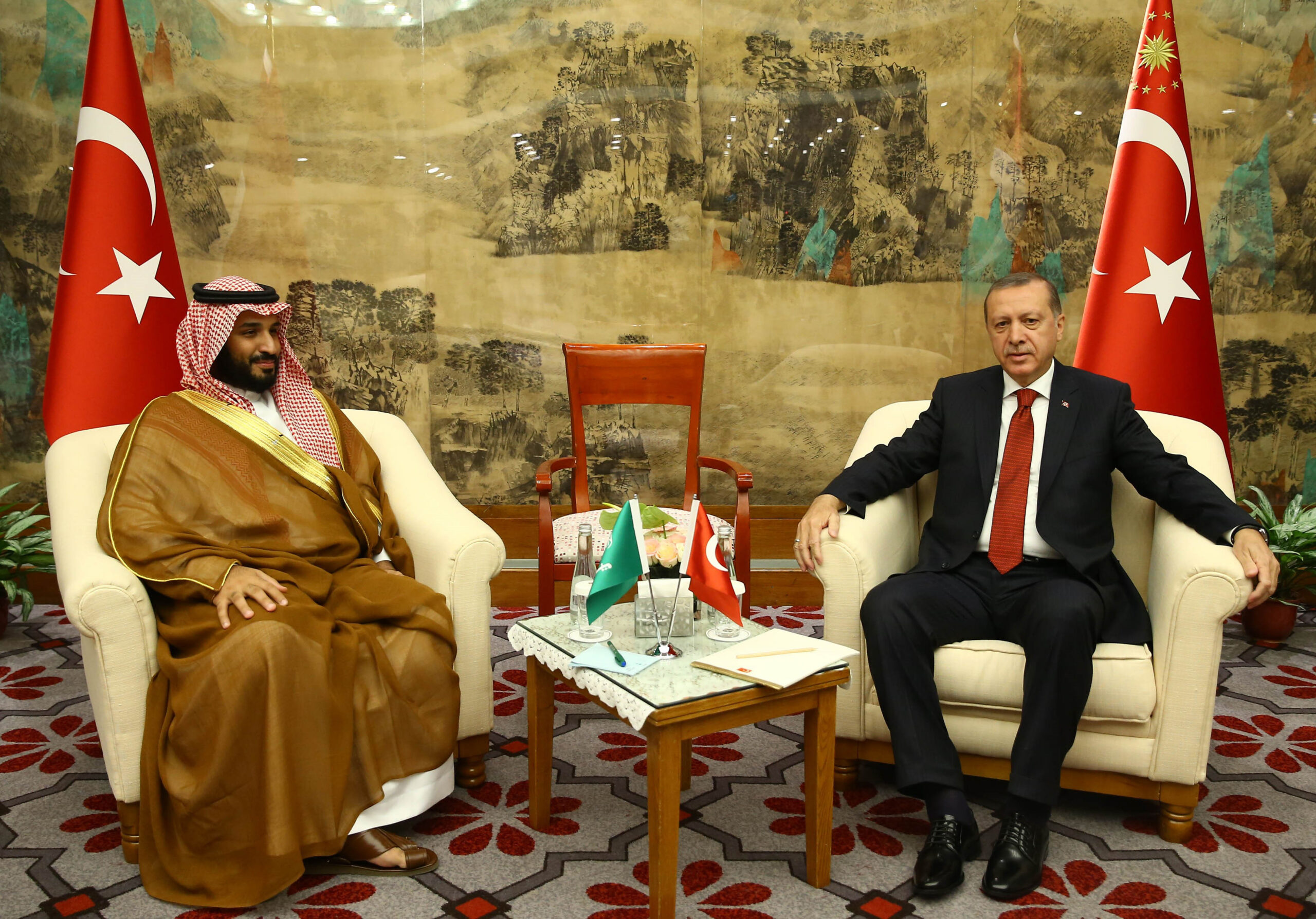
The incident threatens to spark a major crisis between the two countries, and potentially between Turkey and Saudi Arabia’s Gulf allies, putting much-needed Gulf investment at risk.
Hopes for progress in Yemen have been stymied by setbacks in recent weeks, perpetuating a military and political stalemate. Marcia Biggs, special correspondent for PBS NewsHour, joins guest host Gerald Feierstein to discuss the humanitarian conditions she witnessed on the ground and what the international community can do to help reach a resolution to the crisis.
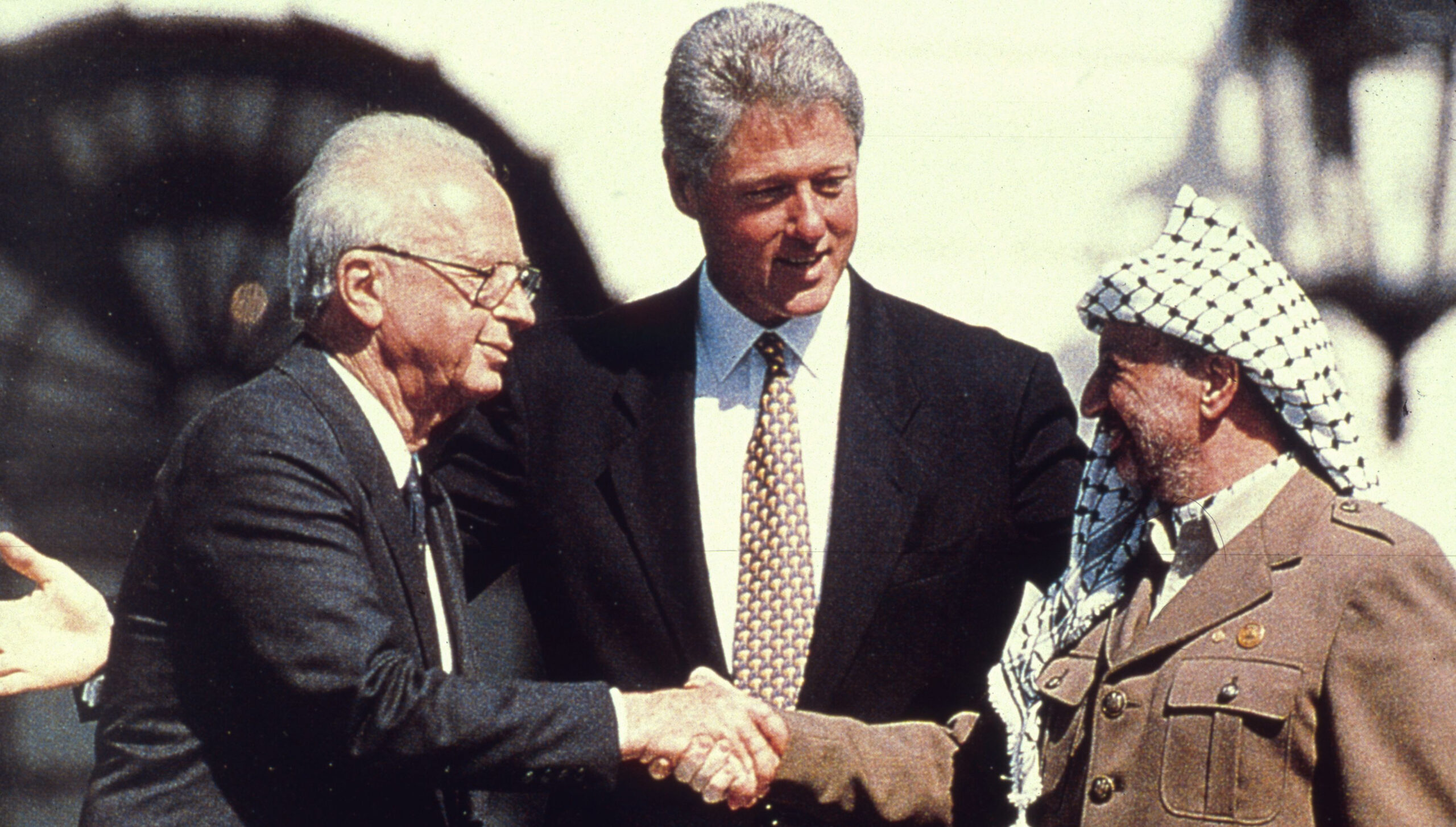
On Sep. 13, 1993, President Bill Clinton presided over one of the most dramatic handshakes in modern history. On the White House lawn, the handshake between Israeli Prime Minister Yitzhak Rabin and the Palestinian Liberation Organization Chairman Yasser Arafat was hailed as a political breakthrough that would constitute the dawn of a new era for the Middle East. Now, 25 years after the announcement of the Declaration of Principles––also known as the Oslo Accords––the prospect of peace appears more elusive than ever.
Iran-backed Houthi rebels step up persecution of Baha’i minority in Yemen
Earlier last week, Iranian-backed Houthi authorities arrested 24 Baha’is on charges of espionage and apostasy, which are punishable by death. Amongst those arrested are eight women, a teenage girl, and 15 men that hold leadership positions in the Baha’i community in Yemen. The charges – including accusations of being agents for Israel, the U.S., and the U.K –were formalized during their trial, which took place secretly and without a prior notice on September 15. Followers of the faith claim that they have been subjected to increasing harassment since the Houthis’ rise to power in 2014, and they attribute that to Iran’s influence over the rebel movement.
From "fascists" to friends: Erdogan embraces the EU
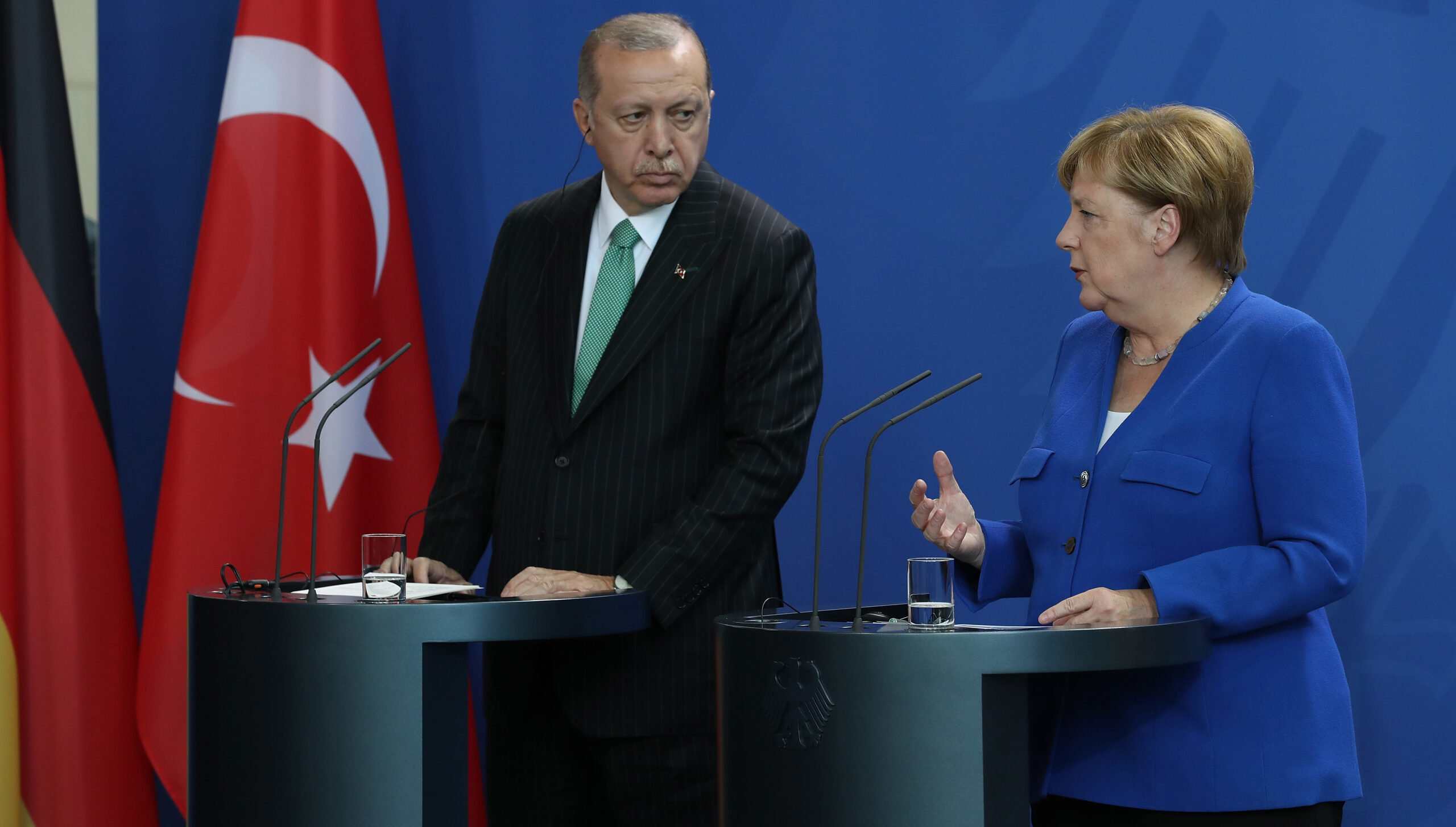
The one good thing that has come out of the ongoing tension in Turkey-U.S. relations has been the rapprochement between Turkey and its key European allies. With no immediate prospect of normalization with Washington, Erdogan now feels he must mend ties with the European countries that he called “Nazi remnants” not long ago to help his country’s ailing economy.
It was a busy week for Middle East policy as President Trump touched on a range of key issues at the United National General Assembly in New York, including Iran sanctions, the intra-GCC dispute, OPEC policy, Saudi domestic reforms, and the Middle East peace process, among others. Gerald Feierstein, MEI’s director for policy research, programs and government relations, and Ahmad Majidyar, director for MEI’s IranObserved program, join host Paul Salem to break down what was said, as well as what issues were left off the agenda.
Foreign Actors in Post-revolutionary Tunisia: Enhancing Democratization and Lowering Political Tensions
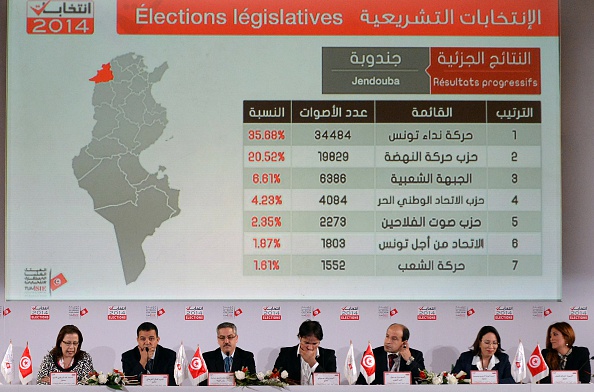
As the barriers erected by Tunisia’s autocratic regime have crumbled, the range of programs delivered by international democracy promotion organizations has steadily increased. This essay examines the reasons for this growth and the distinctive manner in which foreign actors have involved themselves in Tunisia’s national politics since the 2011 revolution.
The PLO office closure and the state of US-Palestinian relations
U.S.-Palestinian relations have faced repeated setbacks over the past year, from the decision to move the U.S. embassy to Jerusalem, to cutting off funding to UNRWA. This month the Trump administration ordered the closure of the PLO’s office in Washington and revoked the visas of PLO Ambassador Husam Zomlot’s family members. Dr. Zomlot joins host Paul Salem via Skype from Ramallah to discuss the state of relations, and where the peace process can go from here.
The U.S.’s troubled relationship with Pakistan continues to be eroded by crisis after crisis. Leave alone the pretense of any strategic convergence, the two countries are finding it difficult to maintain even a transactional relationship. If events surrounding a short visit by U.S. Secretary of State Mike Pompeo to Islamabad are any indicator, it will not be easy to reduce the trust gap in bilateral ties.
Iran under Sanctions: India and China over a Barrel
Bearish and bullish factors are both at play in the global oil market, weighing on prices. The next big date on the calendar is November 4 — the point at which the 180-day wind-down period ends and U.S. sanctions on the Iranian energy sector are to be reinstated. Two days later, the U.S. midterm elections are due to take place.
In this week’s Monday Briefing, MEI experts Jonathan M. Winer, Robert S. Ford, and Alex Vatanka provide analysis on recent and upcoming events including political turmoil in Libya, the meeting between Turkey and Russia to discuss the fate of Idlib province, and Iran’s attempts to forge new relationships to offset U.S. sanctions.
Tunisian jihadism five years after Ansar al-Sharia
Jihadism in Tunisia is currently at its greatest nadir since the 2011 revolution, which overthrew former President Zine al-Abidine Ben ‘Ali and subsequently provided a space for Tunisian jihadism to grow. Ansar al-Sharia in Tunisia (AST) and later ISIS and Katibat ‘Uqbah Bin Nafi (KUBN) emerged as the most prominent such groups in Tunisia.
The jihadist threat is not new to the Maghreb. However, the fallout of the 2011 Arab uprisings has fundamentally altered the political and security environment of North African countries. While states such as Egypt, Libya, and Tunisia witnessed an increase in deaths from jihadist attacks, others like Algeria and Morocco experienced a reduced impact.
Tunisia, where the Arab uprisings began seven years ago, continues to face many difficulties in its transition on the economic, political and security fronts. Emir Sfaxi, a Tunisian public policy consultant and Fulbright scholar, and Bill Lawrence, professor of political science and international affairs at the George Washington University’s Elliott School of International Affairs, join host Paul Salem to discuss the country’s trajectory.
The oldest peer-reviewed publication dedicated to the study of the modern Middle East, MEI’s flagship journal covers politics, society, and culture in the region.