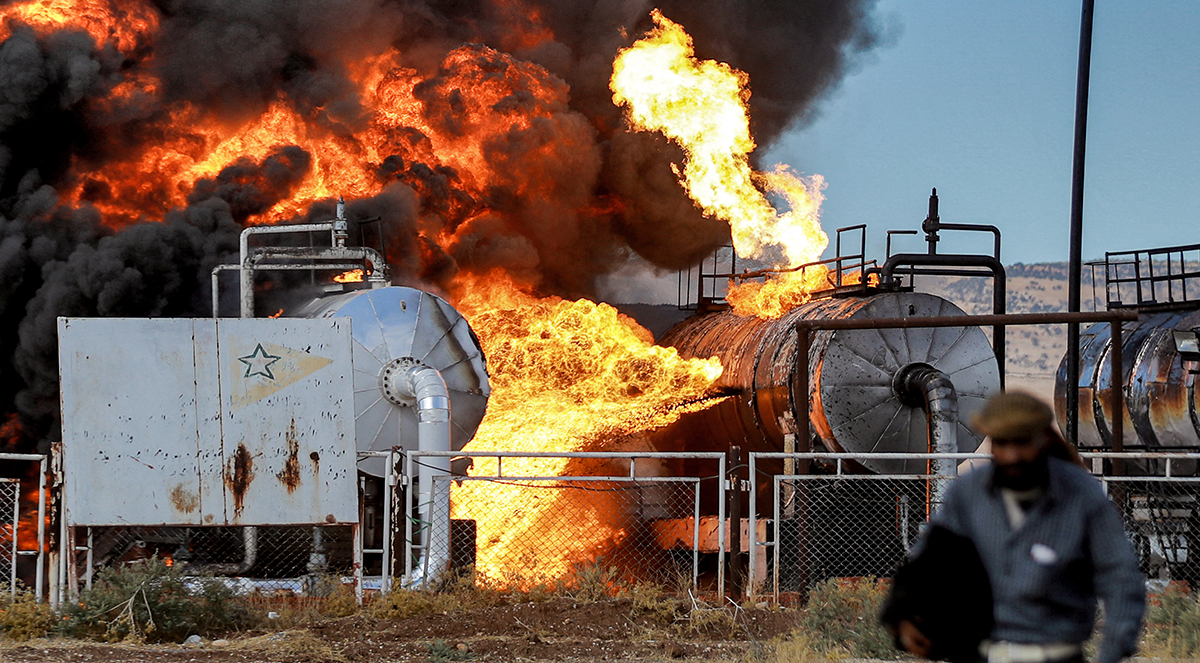
Over the past several weeks, the Houthis have seized the port city of Mokha, Yemen’s western coastline, and several islands in the Bab el-Mandeb Strait, and they are now massing around Marib and Taiz in the first major frontline shift since 2022. MEI Associate Fellow Nadwa Al-Dawsari joins host Matthew Czekaj to unpack the latest developments. Together, they discuss what has allowed the Houthis to advance against Yemeni government forces, the role the militant group plays in Iran’s regional strategy, and what it will take to contain the threat.
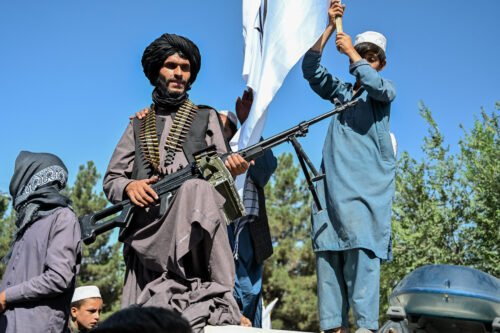
I was a teenage Afghan refugee in Pakistan’s tribal areas when the Twin Towers fell. Almost nobody around us understood the politics of what had happened, but we knew that something had changed for good. Afghanistan, which until then had been our private tragedy and our first exile from Taliban rule, had suddenly become the world’s concern, with the United States leading the response.
Though it has fallen out of the headlines because of the Iran war, Syria has had a dramatically consequential summer. Hosts Alistair Taylor and Matthew Czekaj are joined by MEI Senior Fellow Charles Lister to take stock of recent developments: the dissolution of the Kurdish-led Syrian Democratic Forces, Israeli strikes and the friction with Turkey they have exposed, the standoff in Sweida, as well as Damascus’s bid to turn Syria into a trade corridor between the Mediterranean and the Gulf. Is the transition consolidating or fragmenting nearly two years after the fall of the Assad regime?
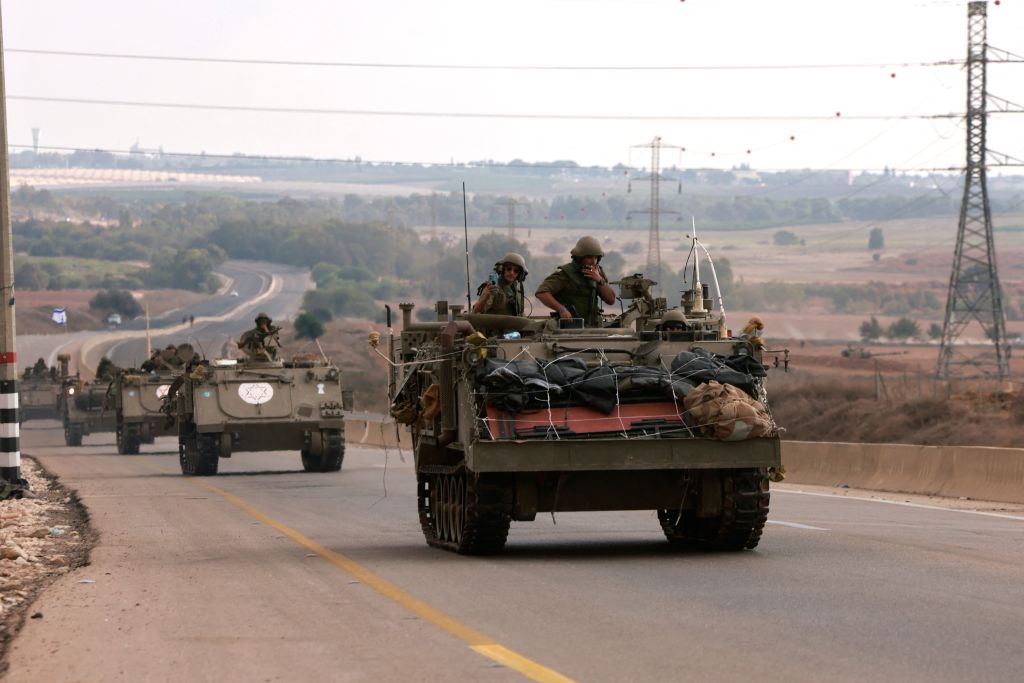
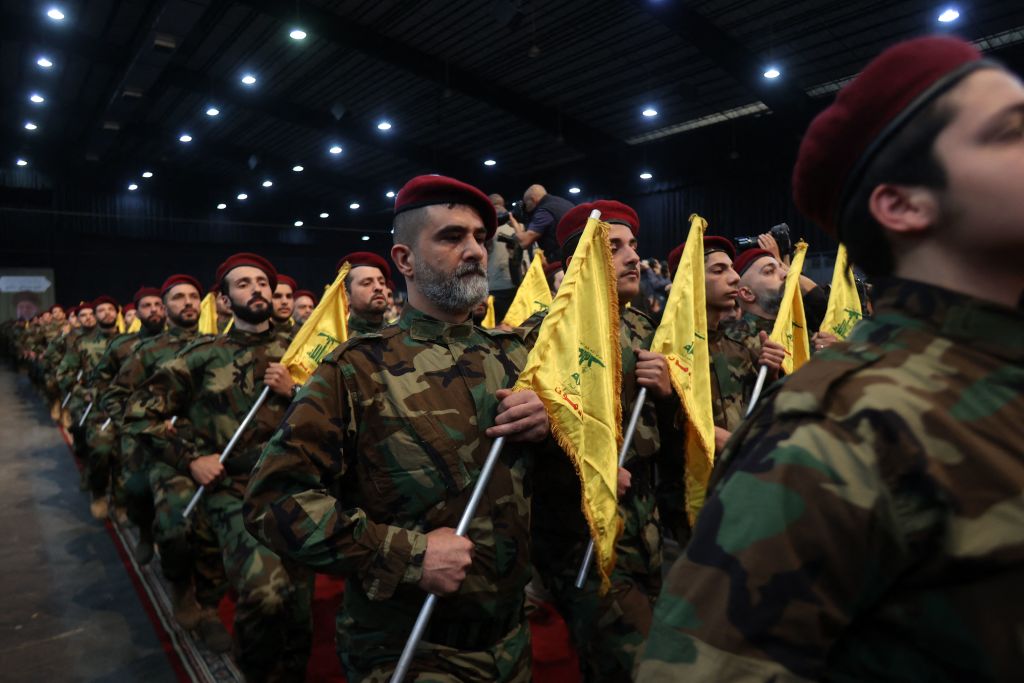
If the war in Gaza isn’t horrific enough, the world also has to worry about its possible expansion. The one theater that could prove to be the most lethal and devastating to the entire region is Lebanon-Israel. There, Israel would have to deal with Hezbollah, a foe with capabilities far more significant than Hamas’s, and which many view as the world’s most powerful non-state militant actor.
So, will Hezbollah join the fight and turn this into a regional war to aid its Palestinian partner?
As Israel-Hamas war begins, it’s not too late to shape this historic inflection point
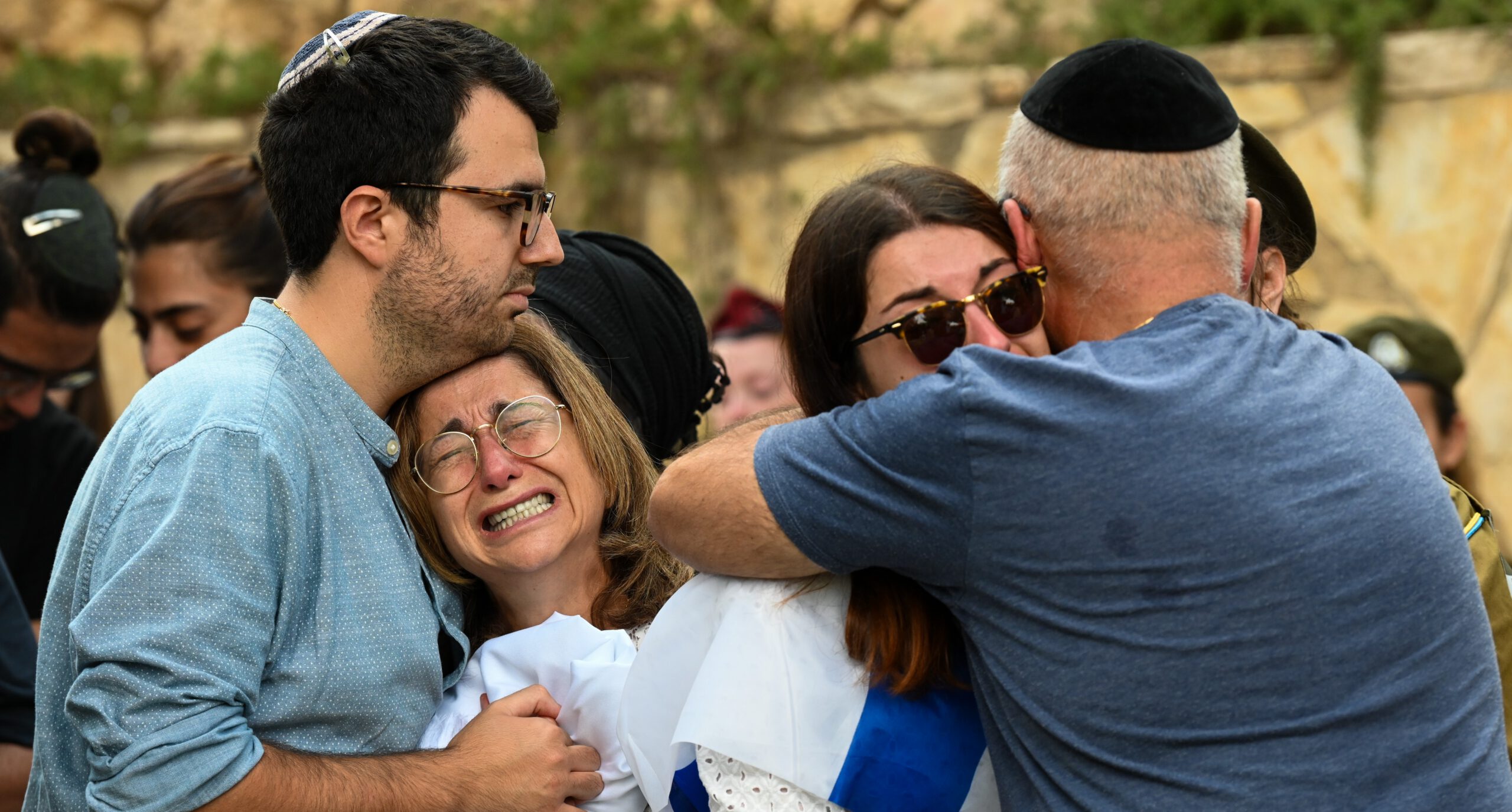
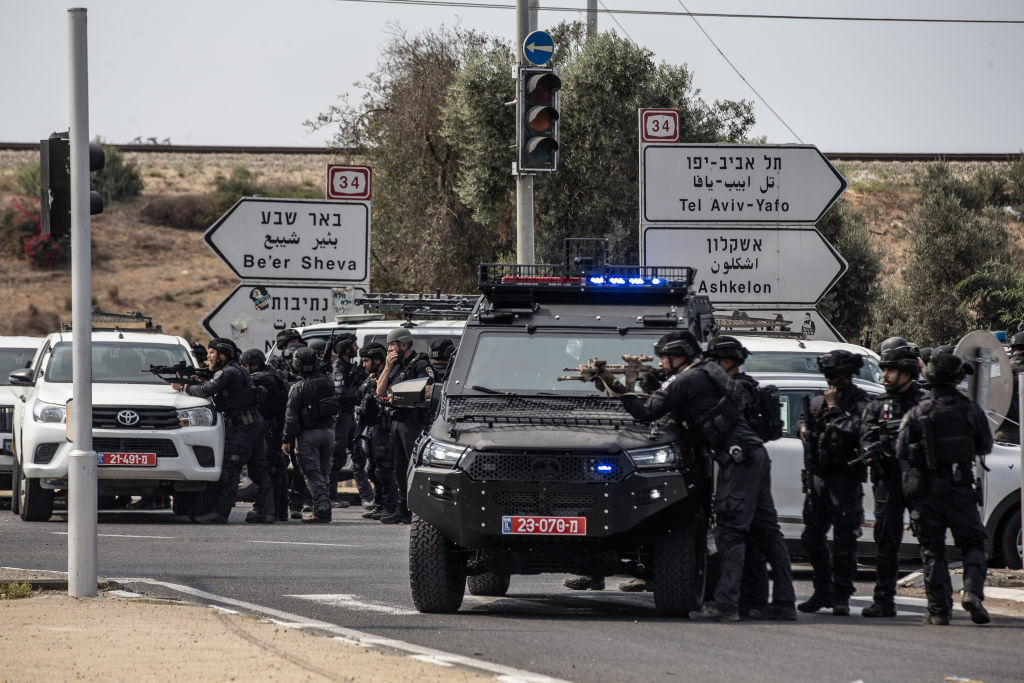
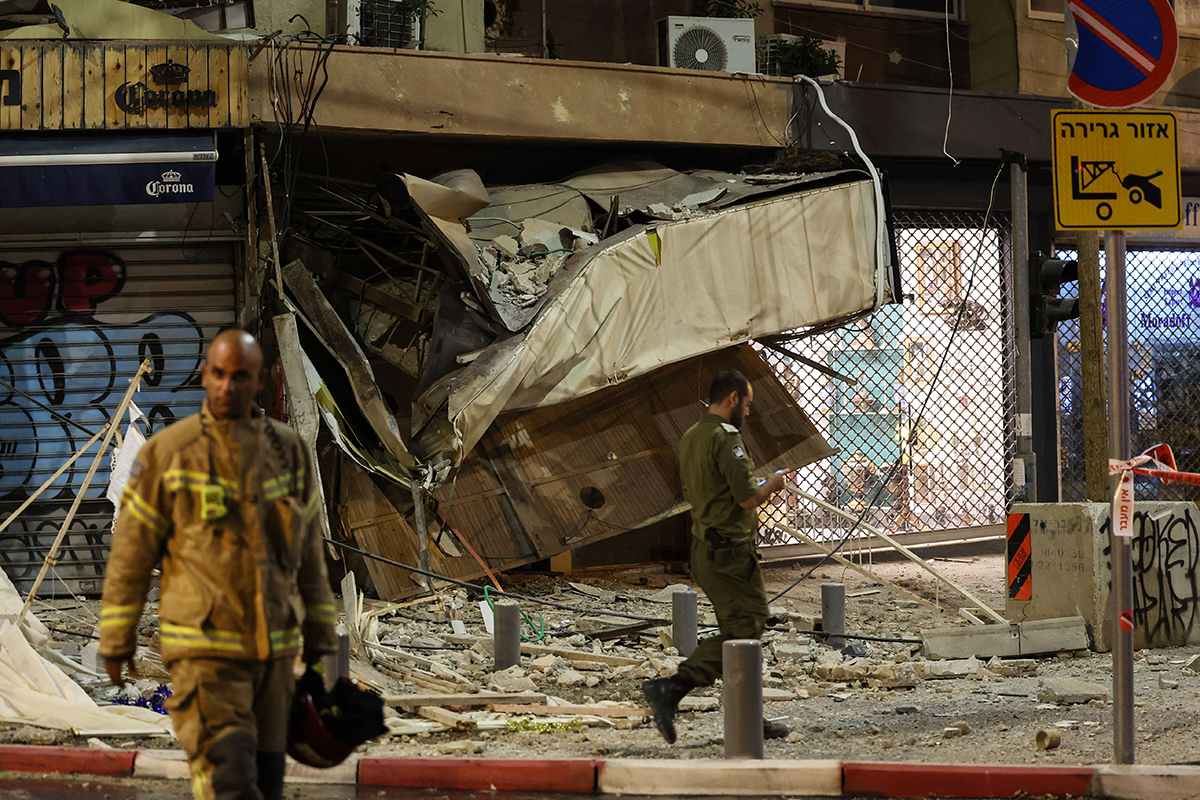
Hamas’ murderous raid on Oct. 7, resulting in the deaths of more than 1,300 Israelis, mostly civilians, may well turn out to be a consequential inflection point, having unleashed political and popular forces that could lead in a positive or, just as likely, extremely negative direction.
The new war between Israel and Hamas has amply illustrated that what Middle Eastern and American officials were claiming was the most peaceful in decades was anything but.
It was an easy mistake to make: across the region, negotiations were breaking out among hardened foes, countries were scaling back or ending interventions, and everyone seemed to be breathing a collective sigh of relief.
As is usual in the Middle East, the outbreak of peace is often just a harbinger of war.
Turkish escalation in northeastern Syria amid changes in military strategy
After several quiet months on the Turkish-Syrian border, tensions have escalated in recent days. Turkish forces have intensified their attacks against the SDF in northeastern Syria and targeted PKK hideouts along the Turkish-Iraqi border. This escalation is unfolding against the backdrop of the suicide blast in Turkey’s capital, Ankara, on Oct. 1 that targeted the Interior Ministry.
In the latest installment of the Defense Rapid Reaction series, experts from MEI’s Defense & Security Program provide their views on the Oct. 7 Hamas surprise attack on Israel and what it might mean for Israelis and Palestinians, the wider region, and U.S. policy.
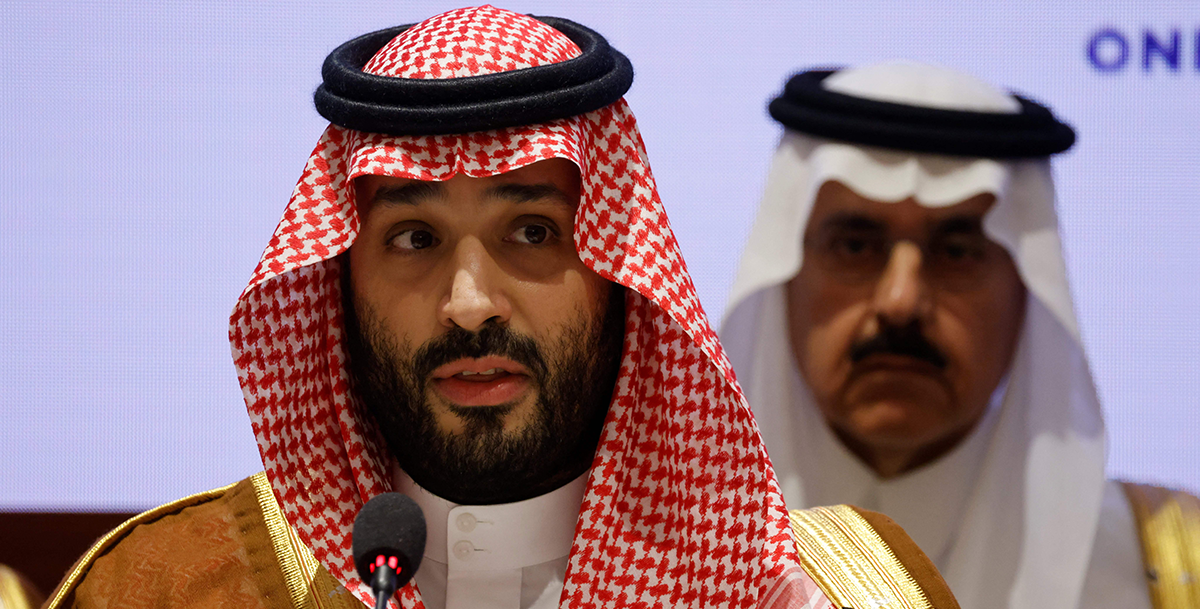
Key takeaways from Mohammed bin Salman’s Fox interview
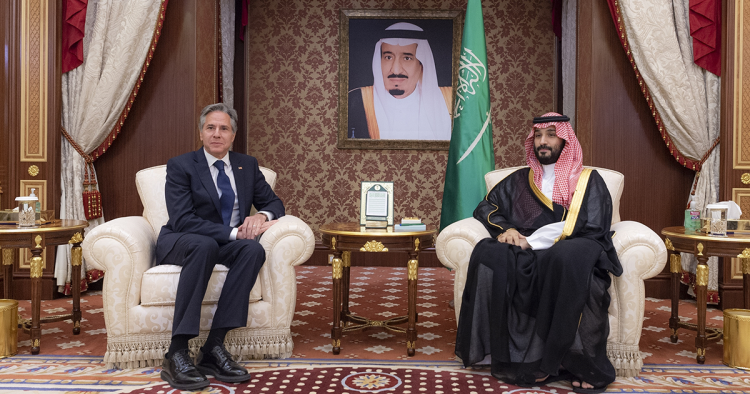
Saudi Crown Prince Mohamed bin Salman’s interview on Wednesday night with Bret Baier of Fox News didn’t break news or produce controversy. But that wasn’t the point of his appearance on one of America’s top networks.
From normalization to non-aggression: The next step in Iran-Saudi ties
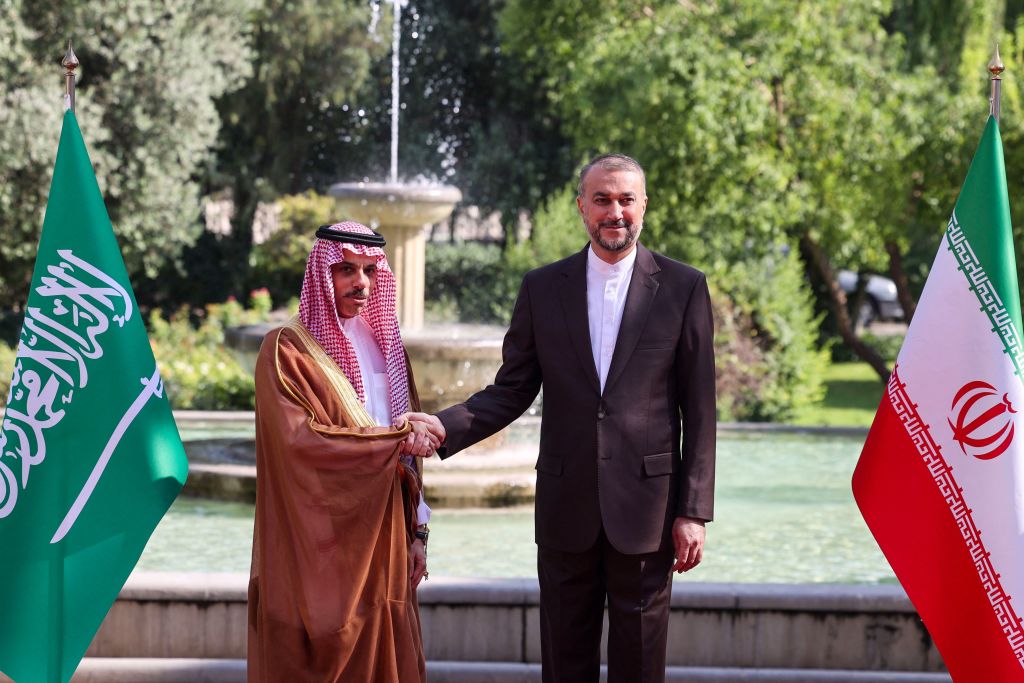
The groundbreaking March 2023 normalization deal between Saudi Arabia and Iran could potentially reshape the political landscape of the Middle East. It has already paved the way for de-securitization and the resumption of diplomatic relations. However, critical security issues remain unresolved, casting doubt on the long-term sustainability of the process. Capitalizing on this rare opportunity, Riyadh and Tehran should move forward to finalize a comprehensive non-aggression pact as the foundation for their future security relations.
The costs and benefits of Saudi-Israeli normalisation
For all the hype about the potential normalisation of ties between Saudi Arabia and Israel, it remains vastly unclear whether the United States — the indispensable enabler and guarantor of such a deal — is willing or able to accept the kingdom’s conditions to reach an agreement.
In return for its cooperation, Saudi Arabia wants from Washington a formal defence pact, assistance in building a civilian nuclear programme, and expedited access to high-end US weapons, including F-35 fifth-generation fighter aircraft.
Deepening defense-industrial cooperation on NATO’s eastern flank
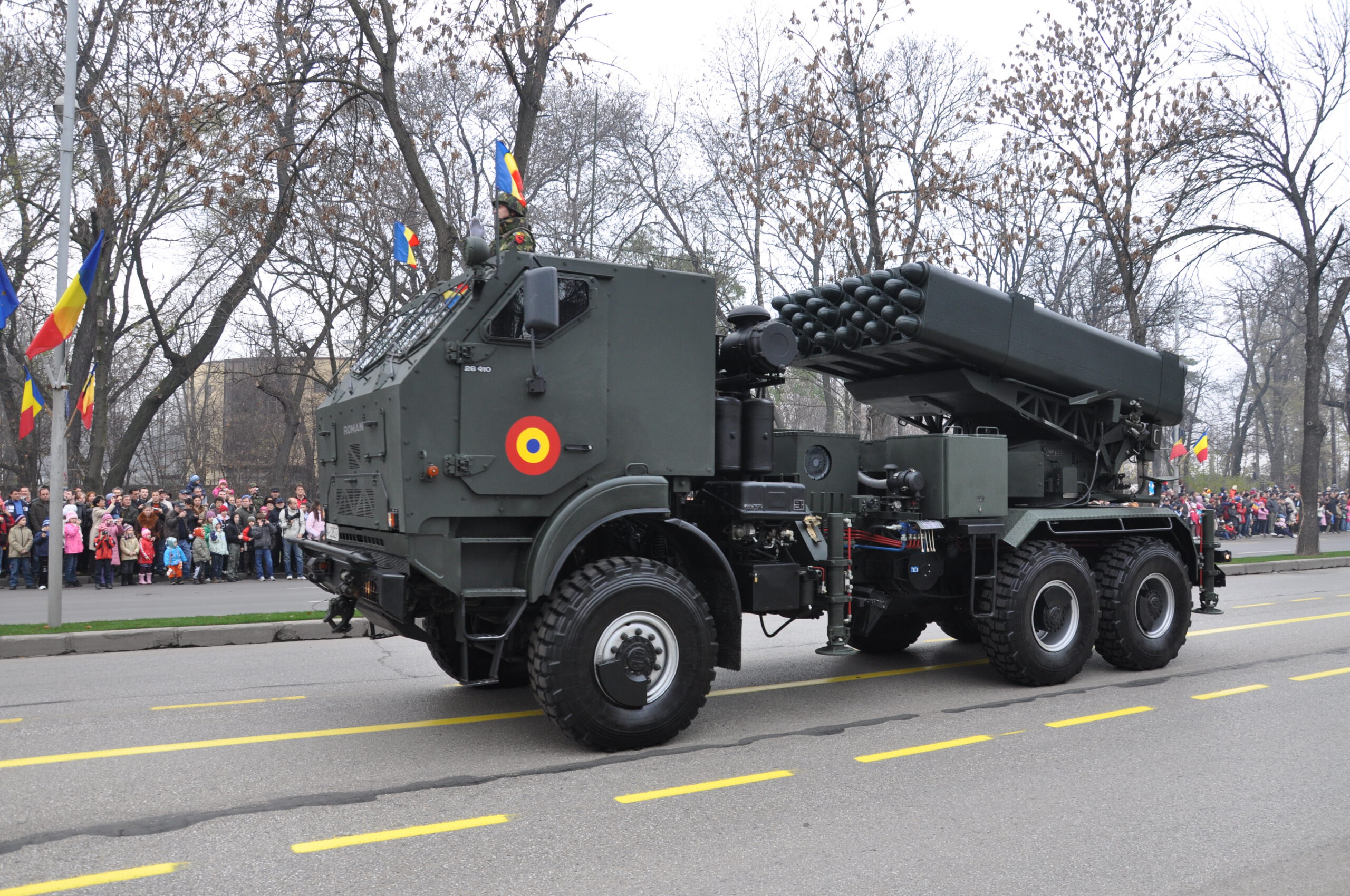
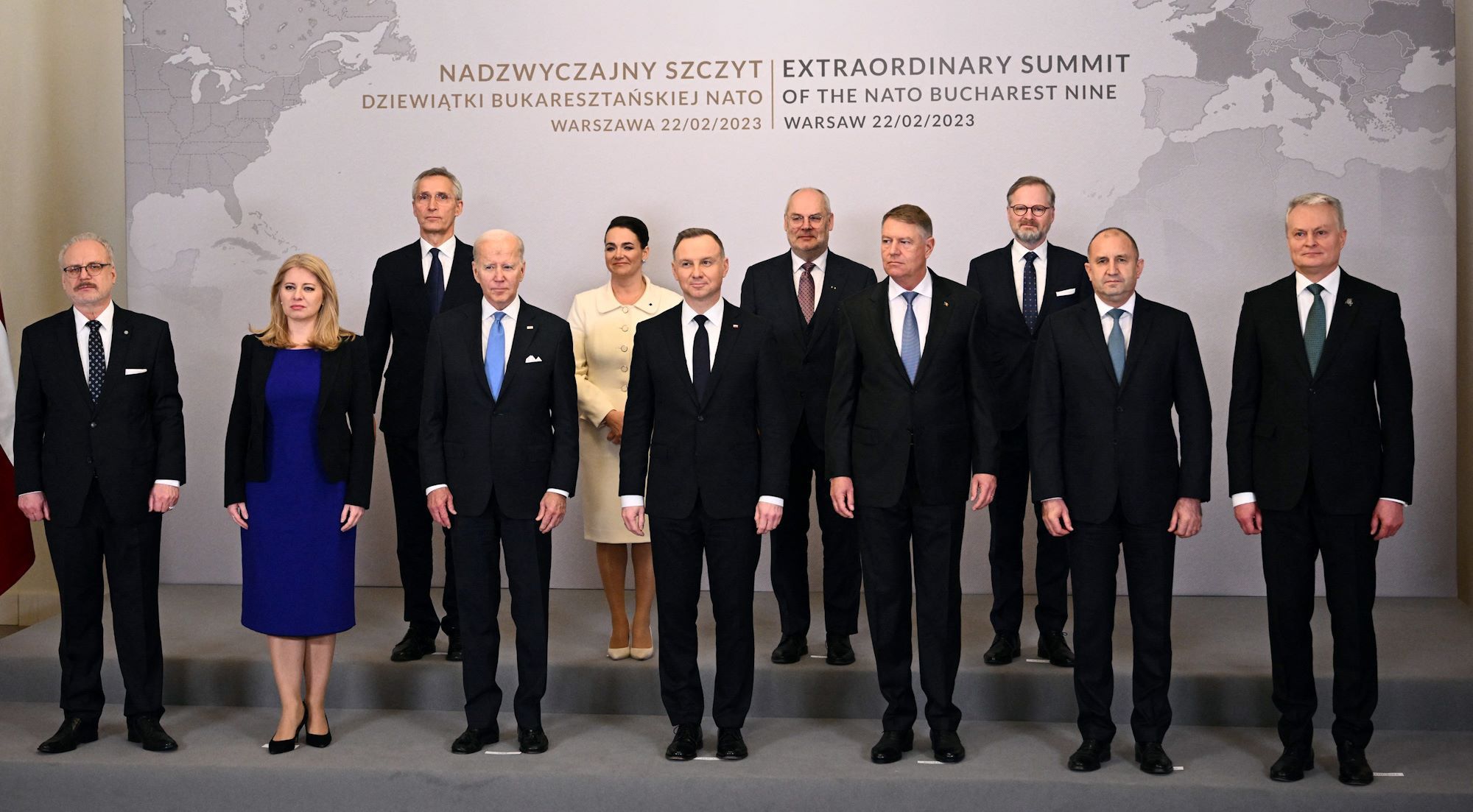
The war in Ukraine has turned policymakers’ eyes back toward the Euro-Atlantic arena and highlighted the need to reinvigorate NATO’s defense-industrial base. This analysis describes the macro policy environment that shapes the current relationship between Romania and the United States, and considers what steps the U.S. could take to improve Romania’s integration with the Euro-Atlantic defense-industrial base.
Polish and Romanian responses to Russian aggression: Lessons for a US CEE Strategy
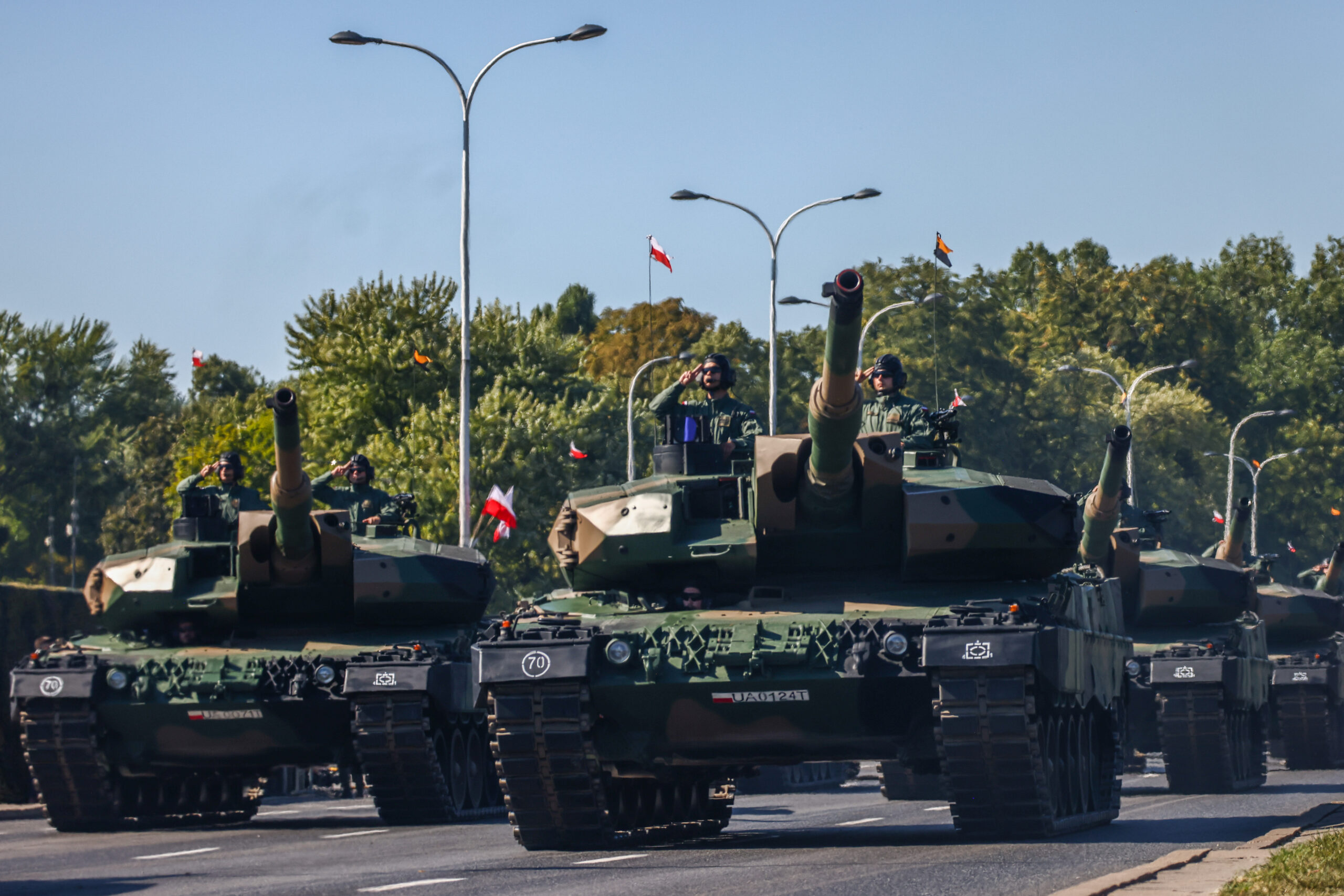
The following analysis provides an overview of Poland’s and Romania’s engagement with NATO priorities on its eastern front line since 2022 and outlines their advocacy for increased regional security in multilateral formats. Drawing on the expertise of over two dozen Polish and Romanian security experts, it offers recommendations for an enhanced CEE security strategy for the United States, the leading member of the NATO alliance.
On this week’s episode, MEI’s Editor-In-Chief Alistair Taylor discusses the Biden administration’s push to reach a normalization accord between Saudi Arabia and Israel with Martin Indyk, Sanam Vakil, and Bilal Saab.
While there are plenty of potential hurdles to reaching a deal — including Saudi Arabia’s steep demands, Israel’s far-right government, and challenging domestic politics here in the US — if done right, the potential geopolitical ramifications could be substantial.