Algeria and Morocco have long been at odds, but recent diplomatic moves may signal a widening geopolitical split in North Africa. Hosts Alistair Taylor and Matthew Czekaj are joined by MEI Senior Fellow Intissar Fakir to unpack Algeria’s decision to sever diplomatic ties with the United Arab Emirates and Morocco’s warming relations with both the UAE and Israel. They also explore linkages between these diplomatic shifts and the Western Sahara conflict, Moroccan domestic concerns, particularly in light of this week’s elections, as well as broader regional stability.
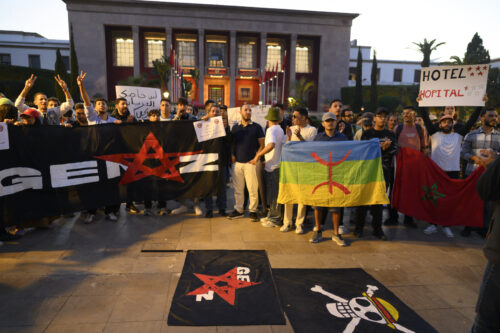
The Legacy of Morocco’s Gen Z Protests: Development as the New Political Language
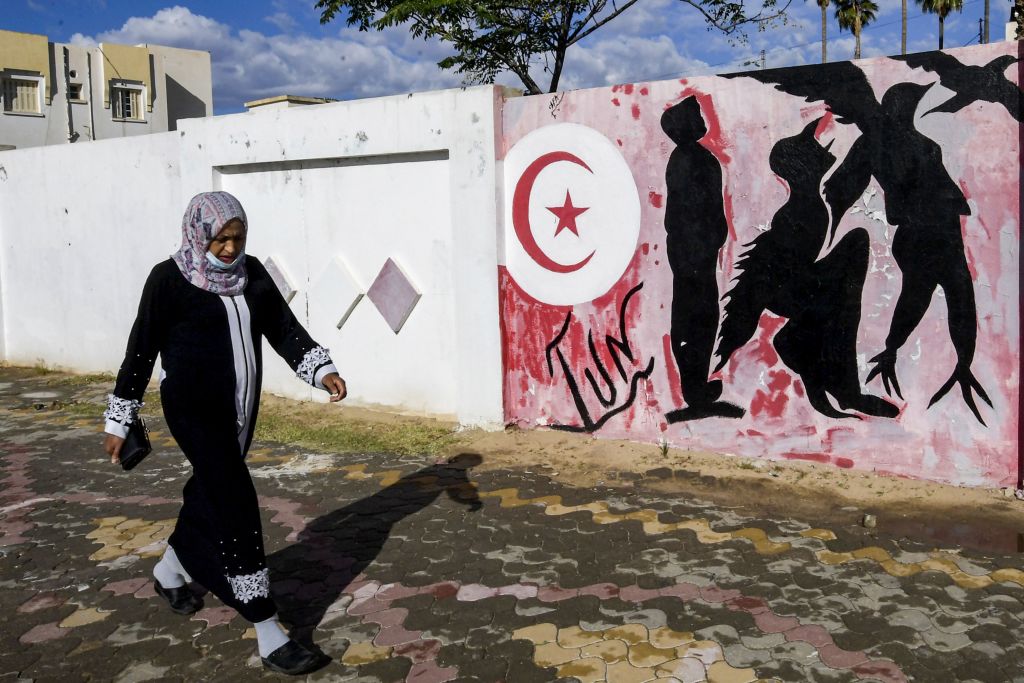
Moroccans head to the polls on September 23 in a parliamentary election that is meant to formally close the chapter opened during last year’s Gen Z 212 protests. The demonstrations, which erupted almost exactly a year ago, drew attention to the mismatch that exists between Morocco’s economic and geopolitical ambitions, and the stark reality of its lagging domestic development.
Reflections on a Diplomatic Career in the Middle East: A Conversation With Ambassador Yael Lempert
Brian is joined by Amb. (ret.) Yael Lempert, Vice President for Outreach at MEI, to discuss her career in diplomacy and the importance of US diplomatic efforts abroad. She shares stories from postings across the Middle East in Baghdad, Cairo, Tripoli, Jerusalem, and Amman and examines how her personal and professional experiences shaped her approach to the work. Together, Brian and Yael discuss the realities of life in the Foreign Service, the core tenets of American diplomacy, and why it matters in today’s Middle East.
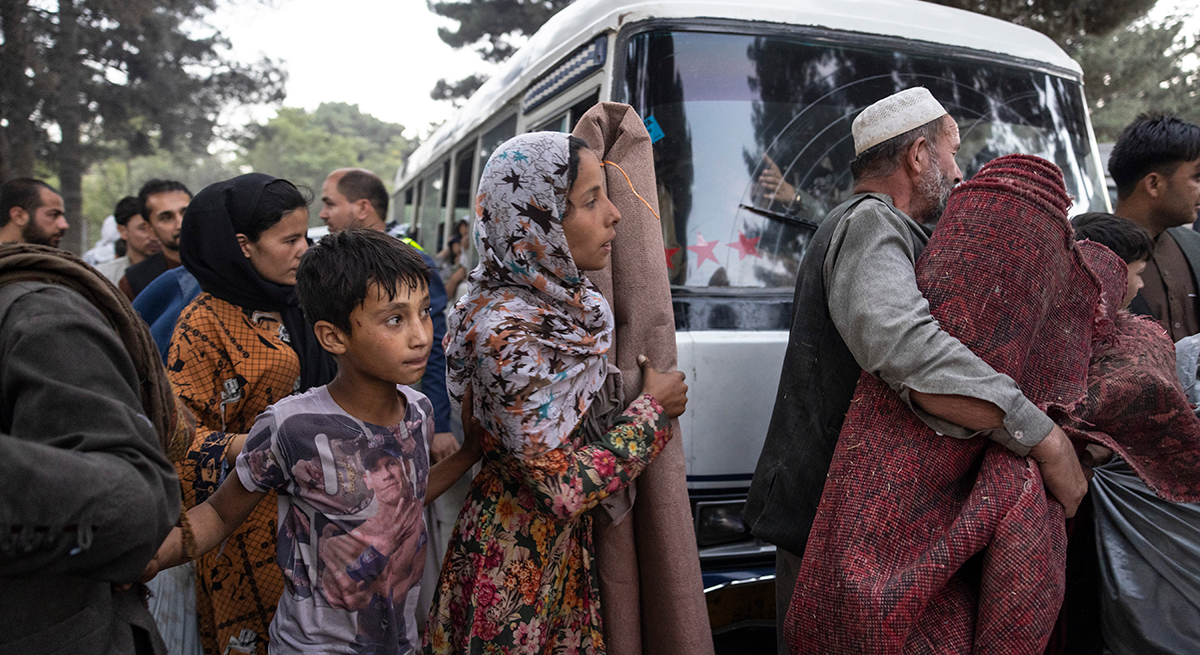
The Afghan refugee crisis: What does it mean for Iran?
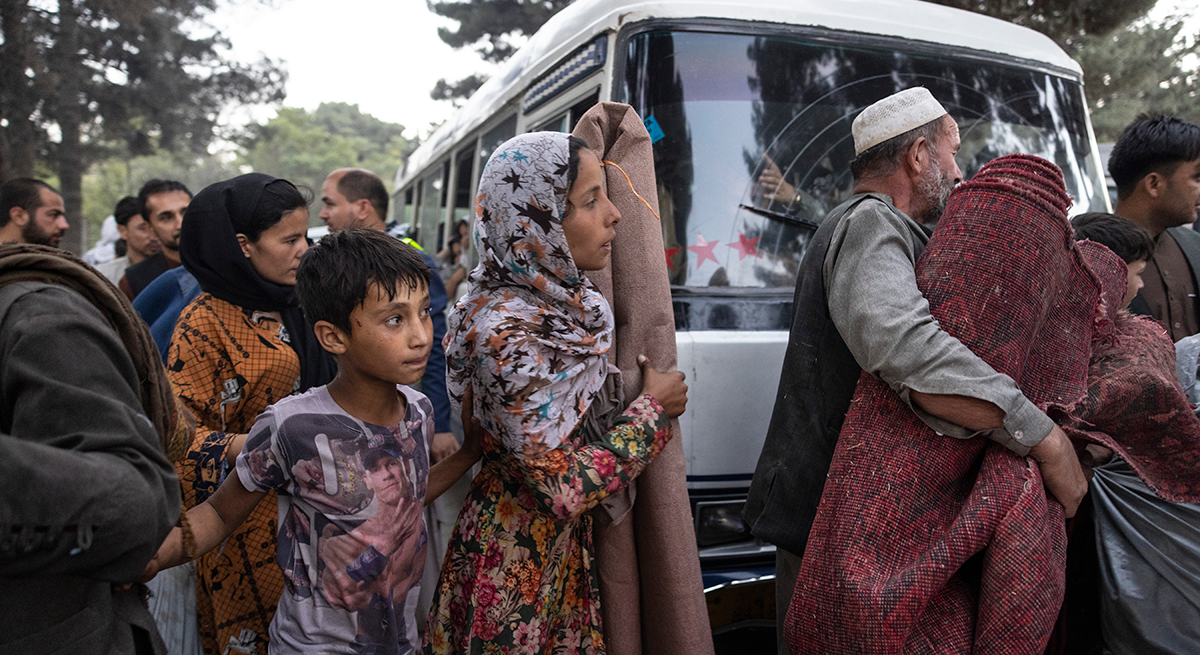
The images of desperate Afghan citizens trying to leave their country, beyond highlighting a massive human tragedy, may become a symbol of the so-called war on terror. Many of those Afghans already understand the feeling of abandoning their homes, because their families experienced it. They know what happens when foreign armies withdraw from their country and the tragedies that can ensue. The difference this time, however, was the deadline — only a few weeks.
The Taliban’s post-battle narratives on women’s rights and governance
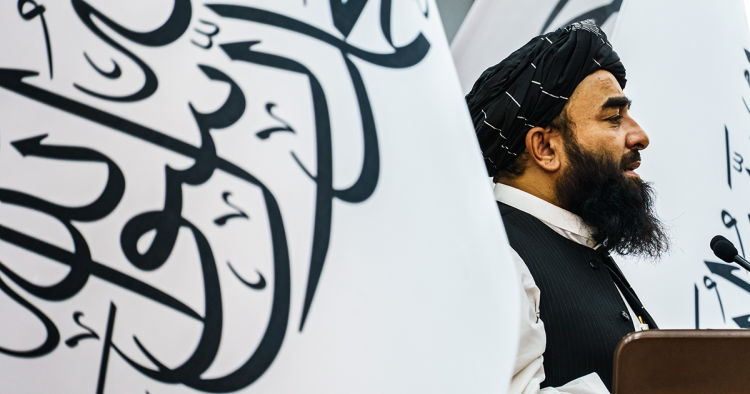
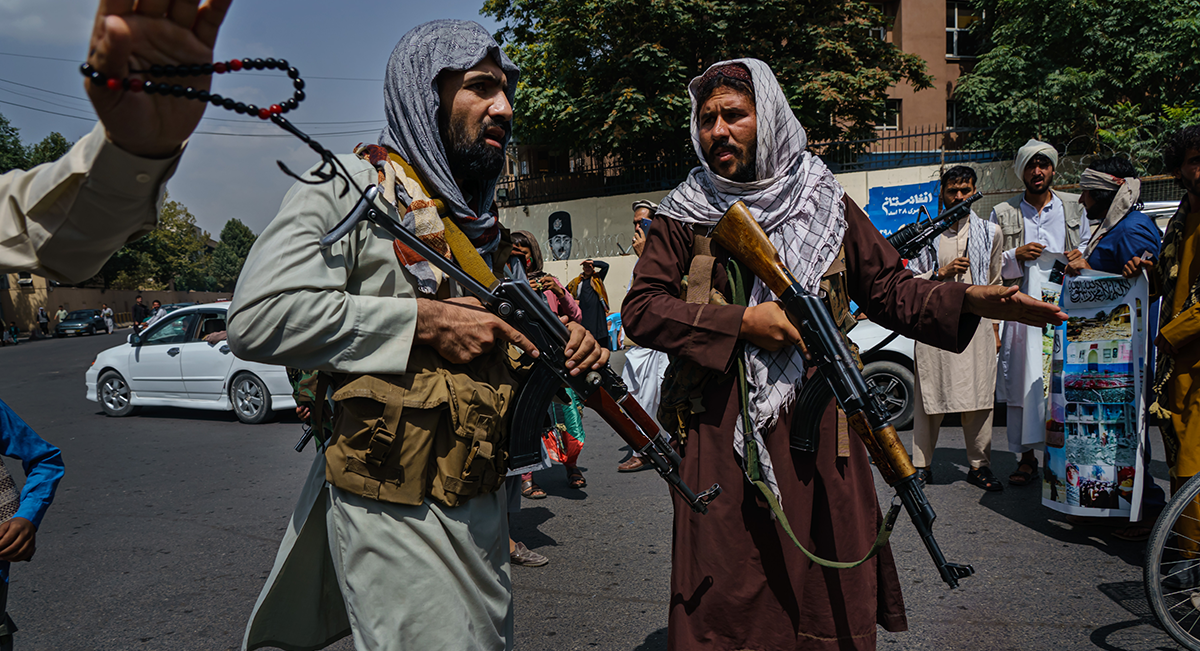
Unanticipated swiftness of victory can be potentially befuddling, even for the victor. After the Taliban’s dramatic and largely bloodless capture of power, their leadership has struggled to finalize the structure of a government that will rule the country. The group, however, has attempted to use the interregnum period to indulge in a rebranding exercise. Statements issued by its spokespersons in Kabul as well as in Doha indicate that the group does not wish to take revenge on the “collaborators” of the fallen government. Instead, it wishes to form an “inclusive” government, which although it will be governed by sharia, may still have role for former government servants and women. However, this could only be a feeble attempt at building a narrative, which the group will find hard to sustain, even in the short term.
Afghanistan: The US decides, but will Europe pay the bill?
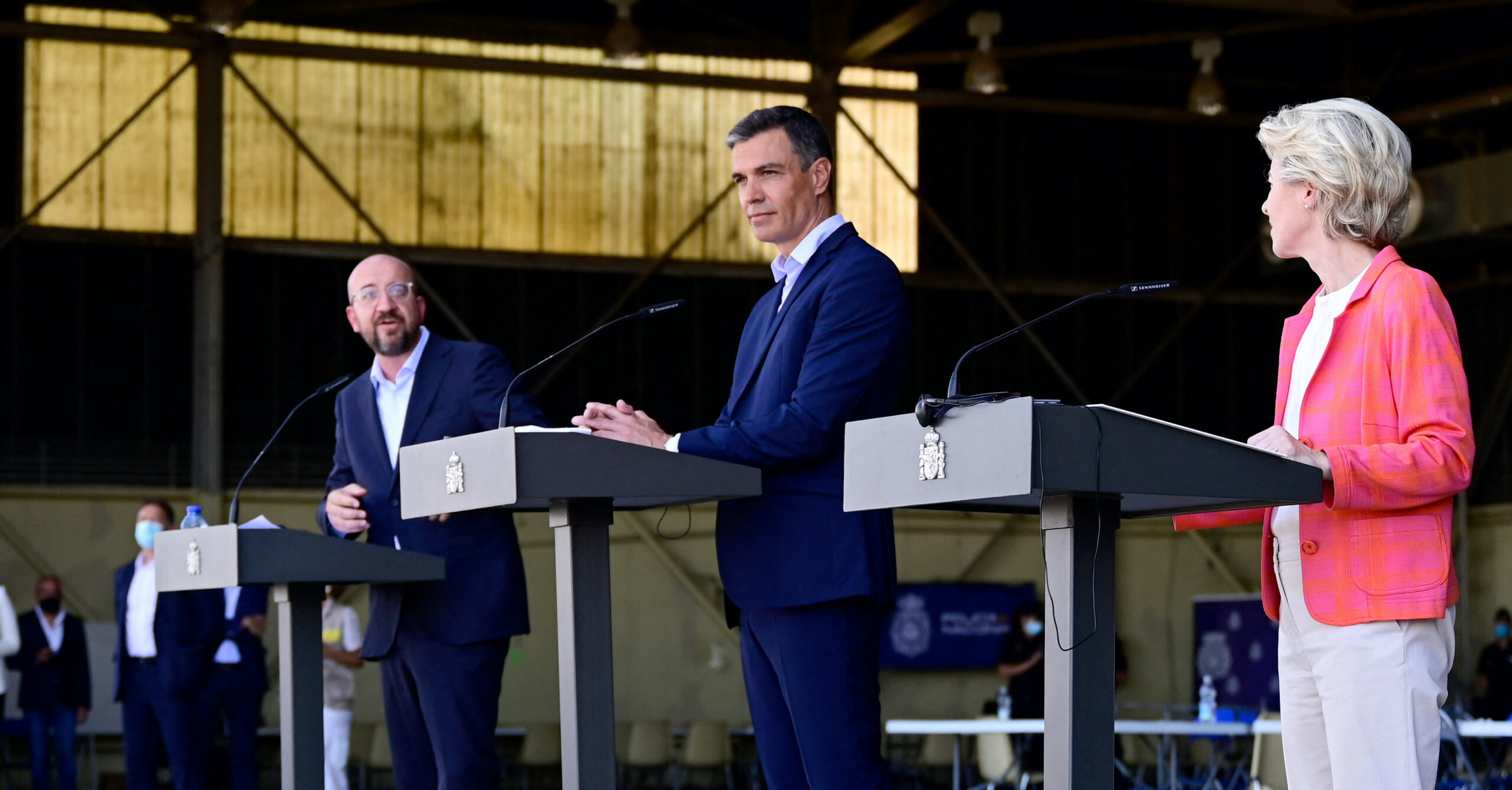
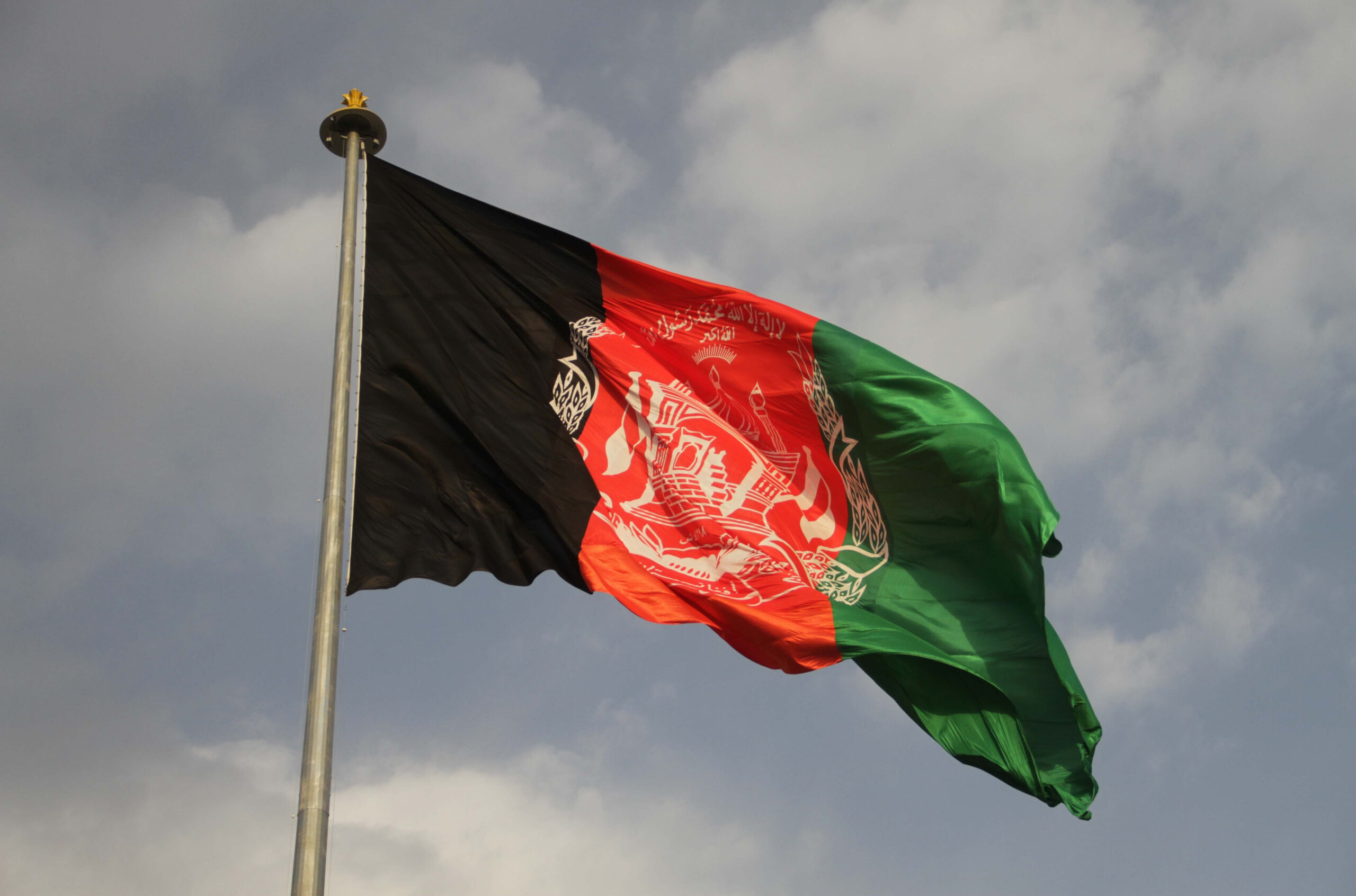
That the Taliban ended up taking over Afghanistan was not surprising, given the details of the agreement between the U.S. administration and the group’s leadership that have been known for many months. What was surprising for the international community, however, was the speed and manner of their takeover. The Taliban offensive and its consequences came as a particular shock to the institutions of the European Union (EU) and the member states that took part in the International Security Assistance Force (ISAF) mission and various aid programs in the country. When it comes to assessing the consequences of the Taliban’s takeover, there is no doubt that, first and foremost, it is the Afghan people that are most badly affected. Among the members of the international community, it is the Americans that have suffered the greatest reputational and financial losses so far, but from here on out the EU may well be the party that will face the greatest consequences.
What’s next in Afghanistan? The prospects for future political violence
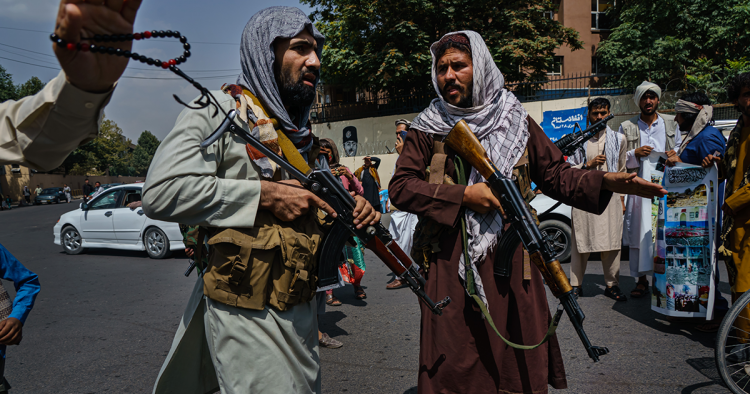
As the U.S. withdrew troops from Afghanistan, the Taliban pushed through large portions of the country, capturing strategic regional centers and ultimately securing the capital city of Kabul. In its pursuit, the Taliban faced relatively little resistance as it seized government strongholds. Rather than widespread fighting, reports indicate that Taliban fighters often cut deals with soldiers, offering payoffs or demanding surrenders. At the same time and as of the time of writing, the Taliban announced a general amnesty, encouraging former government officials and women to support the group.
Whether and how long this period of limited resistance and amnesty might last are unclear. What are the prospects for future political violence both within and outside the country?
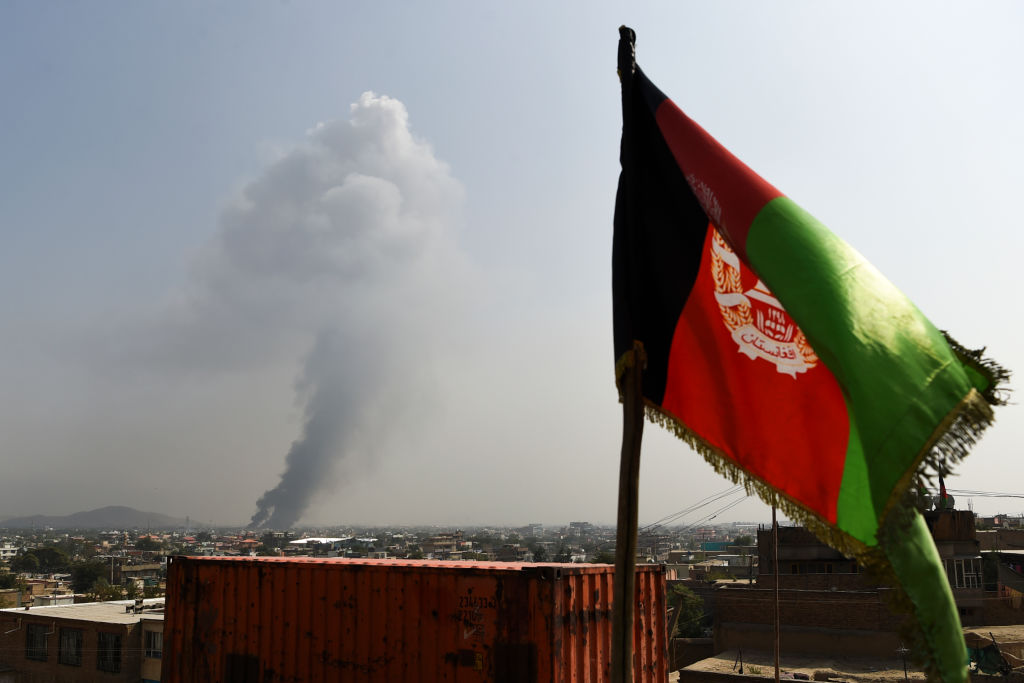
Weeks before the official U.S. military withdrawal, Afghanistan is unraveling rapidly as the Taliban continue their swift military advance. They now control more than two-thirds of the country and half of the provincial capitals. With the government’s hold on Kabul in doubt, the Biden administration has dispatched troops to evacuate U.S. citizens from the country. We asked experts and scholars from across MEI to weigh in with their thoughts on the situation and what it means for the country, the wider region, and key international players.