The Multiple Costs of the US–Iran War – From Hormuz to Europe and South Asia: The Widening Economic and Political Geography of the Conflict
Wars are decided by those who hold military power, but their costs are increasingly borne by those who have little or no voice in the decisions that start them. The US–Iran war shows this imbalance very clearly. Its economic consequences have gone far beyond the battlefield and have disrupted energy markets, trade routes, food supplies, public finances and investment in the Gulf, Europe, Africa and Asia. The most striking feature of the conflict, however, is not only the size of the damage but its very unequal distribution.
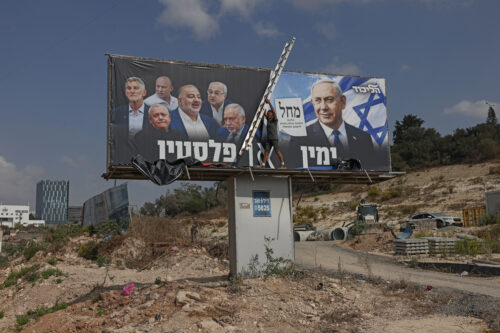
One striking thing about US President Donald Trump’s endorsement of Israeli Prime Minister Benjamin Netanyahu this past week is how isolated he was in making this call. The Israeli Prime Minister has become a widely detested figure worldwide following Israel’s war in Gaza—where Israel committed war crimes. This disdain was clearly on display in New York in September when dozens of diplomats streamed out of the hall during Netanyahu’s speech.
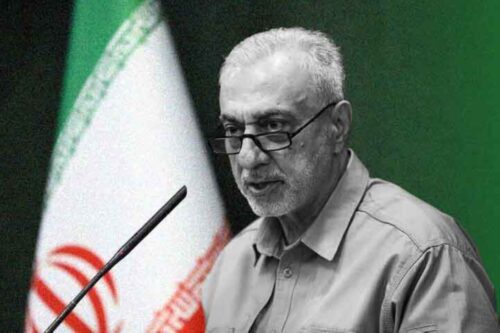
Iran’s New Defense Minister Is a Missile Man, Not a Military Man
Mehrdad Akhlaghi was appointed defense minister in October 2026 by Iranian President Masoud Pezeshkian. He is an unusual choice, as, unlike most of his predecessors, he does not come from a uniformed military background. And his appointment comes arguably at the most sensitive time in the history of the Islamic Republic.
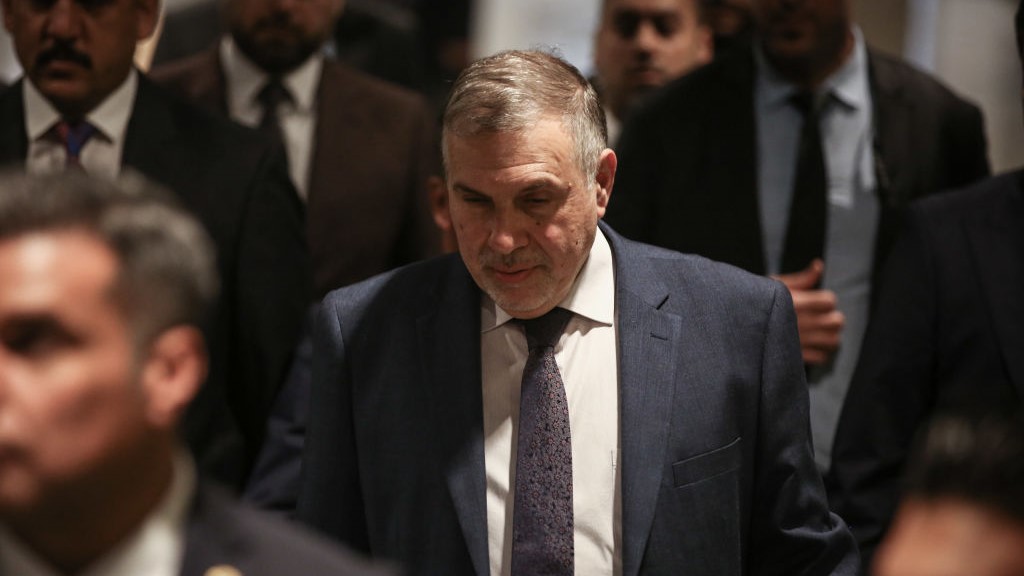
The difficult ordeal of forming a new Iraqi government
On March 1, Iraqi PM designate Mohammed Tawfiq Allawi announced that he had failed to form a new government to replace the current caretaker one headed by PM Adel Abdul-Mahdi. In the post-Saddam era, government formation in Iraq has always been a complicated process, but this is the first time since 2003 that a PM designate failed to form a government and the episode has revealed fundamental deficiencies in the Iraqi political process.
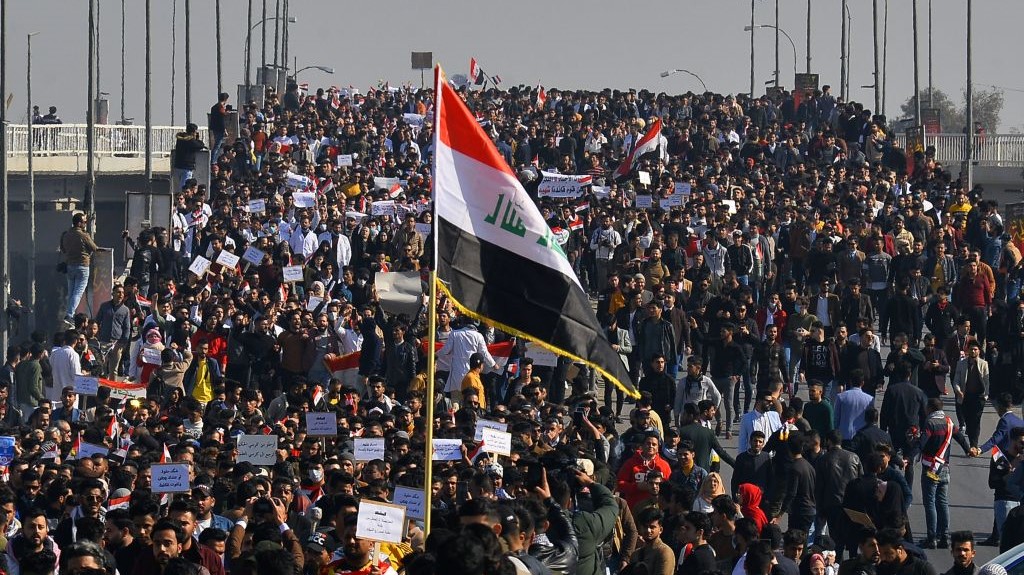
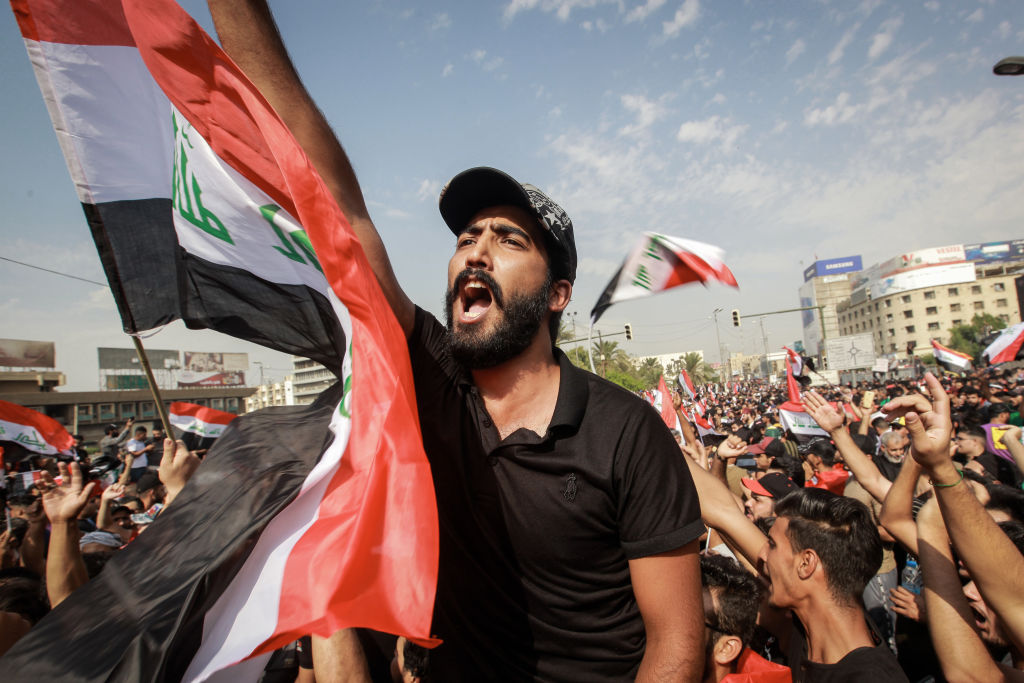
The protest movement in Iraq is now entering its fourth month. The protests raging across most of the south of the country have remained non-sectarian in their tone and message, and the movement is steadfast in its rejection of the political order, and all members of the political elite.
Foreign policy and commercial interests drive closer UAE-Syria ties
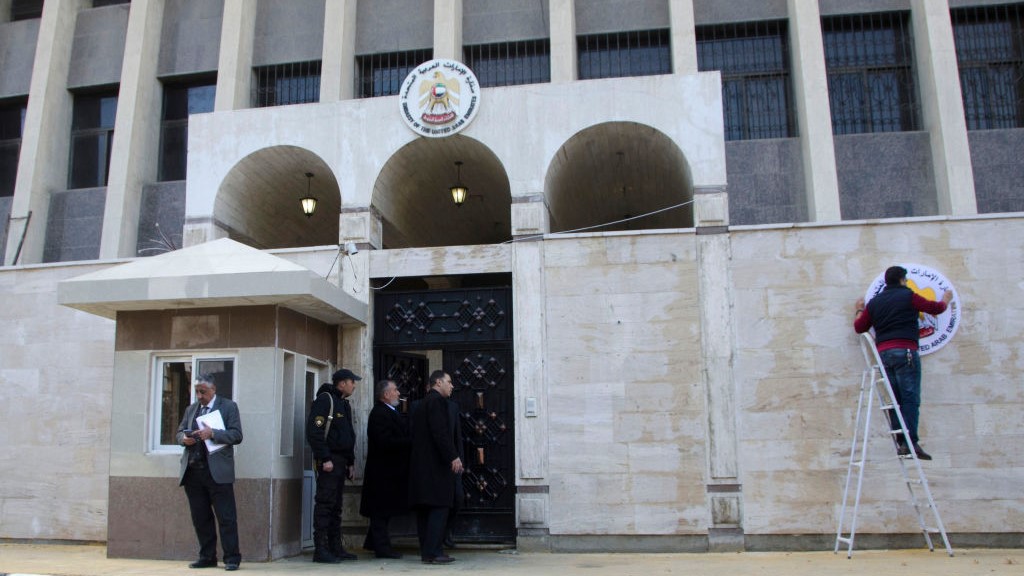
On Dec. 2, a series of public statements from Emirati and Syrian officials brought widespread attention to the UAE’s rapprochement with Syria. In a video circulated by Russian state media outlet RT, the UAE’s charge d’affaires in Syria, Abdul-Hakim Naimi, praised the “wise leadership” of Syrian President Bashar al-Assad and hailed the Syria-UAE relationship as “solid, distinct, and strong.” Syrian Deputy Foreign Minister Faisal Mekdad responded enthusiastically to Naimi’s comments by praising the UAE for standing by the Syrian government in its war against terrorism.
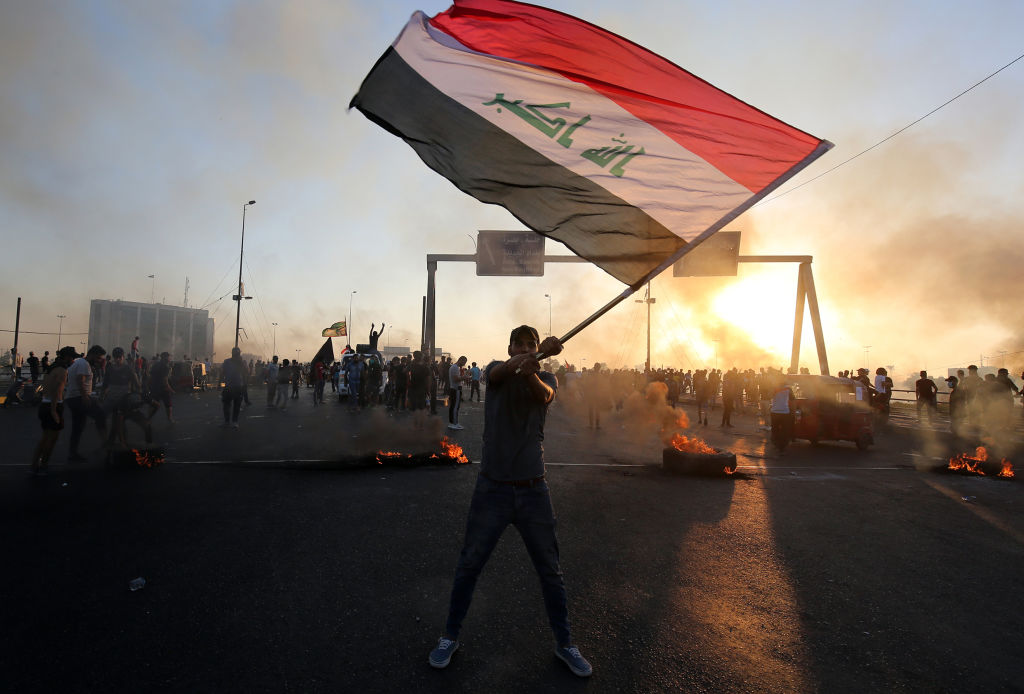
Iraq’s protests continue in force amid political turmoil
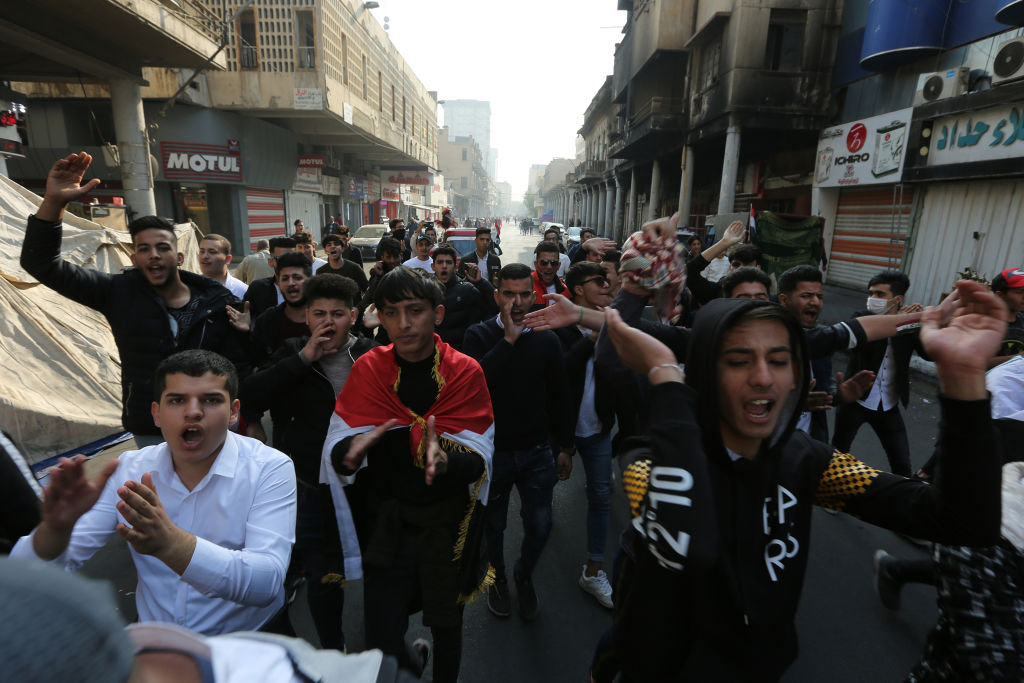
Although 350 Iraqis have died to date and close to 16,000 have been wounded, protesters are not going home. Yet, most of the ruling clique is still rejecting the idea of forcing the prime minister to resign.
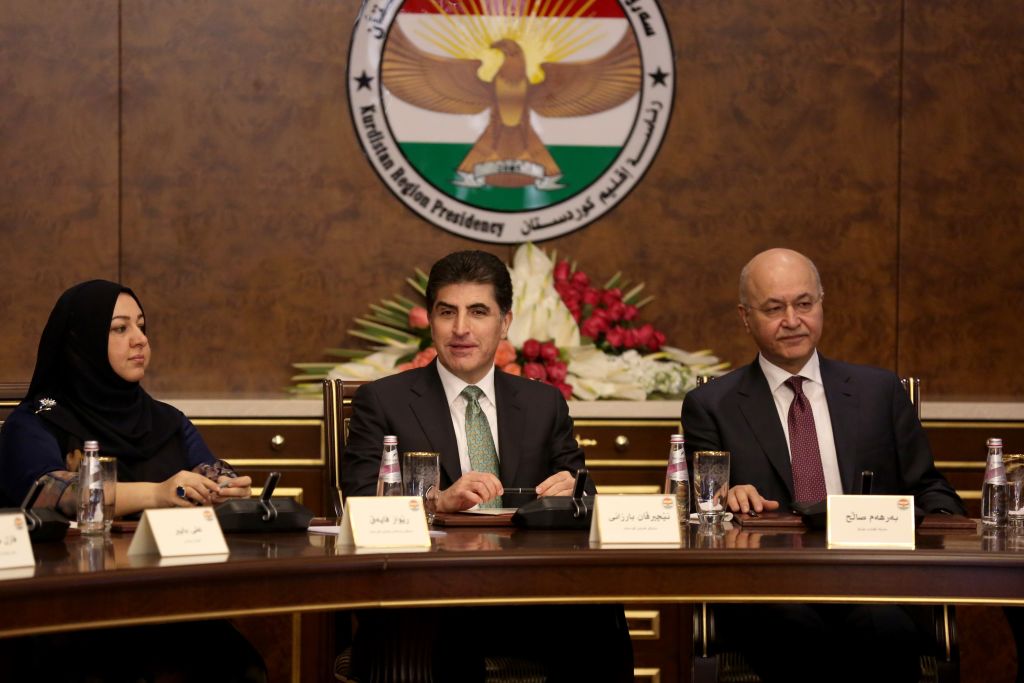
Breaking each other’s fingers: Kurdish parties nervously watch Baghdad — and one another
Since early October, the southern provinces of Iraq have been consumed by protests and strikes. While ruthlessly attempting to suppress protests, the Iraqi government has promised legal and political reforms. Yet some of the Kurdistan Region-Iraq’s elites are suspicious that the government’s reform agenda is a “conspiracy” against Kurdish entitlements masquerading as a good faith effort to placate the protestors. The region’s hegemonic parties are concerned that legal, constitutional, and procedural reforms may overhaul the institutions that guarantee their positions of influence in the federal government and secure their territorial claims.
MEI’s Paul Salem and Randa Slim join host Alistair Taylor to discuss the nationwide protests that have swept through Lebanon and Iraq this week resulting in political and economic turmoil as well as crackdowns by security forces. Where do things go from here?
Iraqi youth protesters: Who they are, what they want, and what’s next
“We reached a level of injustice we could no longer take. For every action, there is a reaction,” explained one civil society activist following the Oct. 1 outbreak of protests in Baghdad and central and southern Iraq.
MEI President Paul Salem and Senior Fellow Ross Harrison join host Alistair Taylor to discuss the underlying causes of the numerous civil conflicts engulfing the Middle East, the regional and global dynamics that complicate them, and potential policy responses.
MEI’s new book, Escaping the Conflict Trap: Toward Ending Civil Wars in the Middle East, co-edited by Salem and Harrison, is now available in paperback or for Kindle.
Randa Slim, director of MEI’s Conflict Resolution and Track II Dialogues initiative, and MEI Senior Fellow Alex Vatanka join guest host Jerry Feierstein to discuss recent regional developments that may be early indicators of an emerging round of diplomatic talks between the United States and Iran, and what renewed talks might be able to achieve.
Monday Briefing: Drone strike thrusts Iraq into Iranian-Israeli military confrontation
This week’s briefing on recent news and upcoming events in the region featuring Randa Slim, Gerald Feierstein, Alex Vatanka, Robert S. Ford, and Michael Sexton.
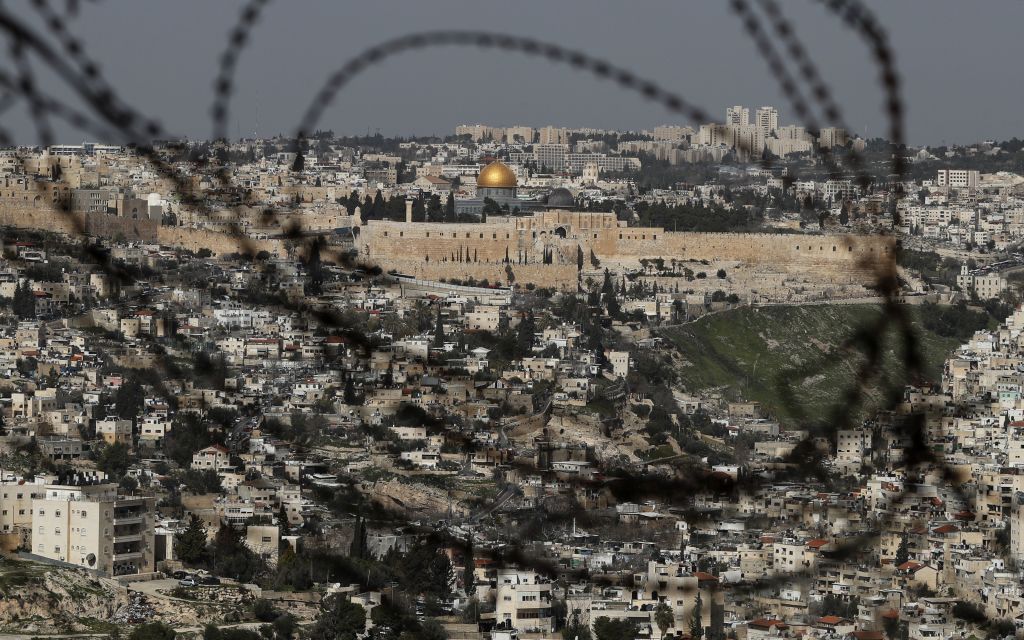
There Is No "Status Quo": Drivers of Violence in the Israeli-Palestinian Conflict
The Israeli-Palestinian conflict remains a destabilizing element in an already volatile Middle East. The Palestinians are too weak to wrest their independence from Israel. But as long as their right to self-determination is denied, they are likely to engage in regular violence targeting Israel. Absent outside intervention, Israel is powerful enough that it can suppress Palestinian demands for freedom — but it is not able to completely pacify the Palestinians. Thus, the conflict continues, punctuated every few years by rounds of more significant violence.
Can Russia play a role in ending the Yemeni civil war?
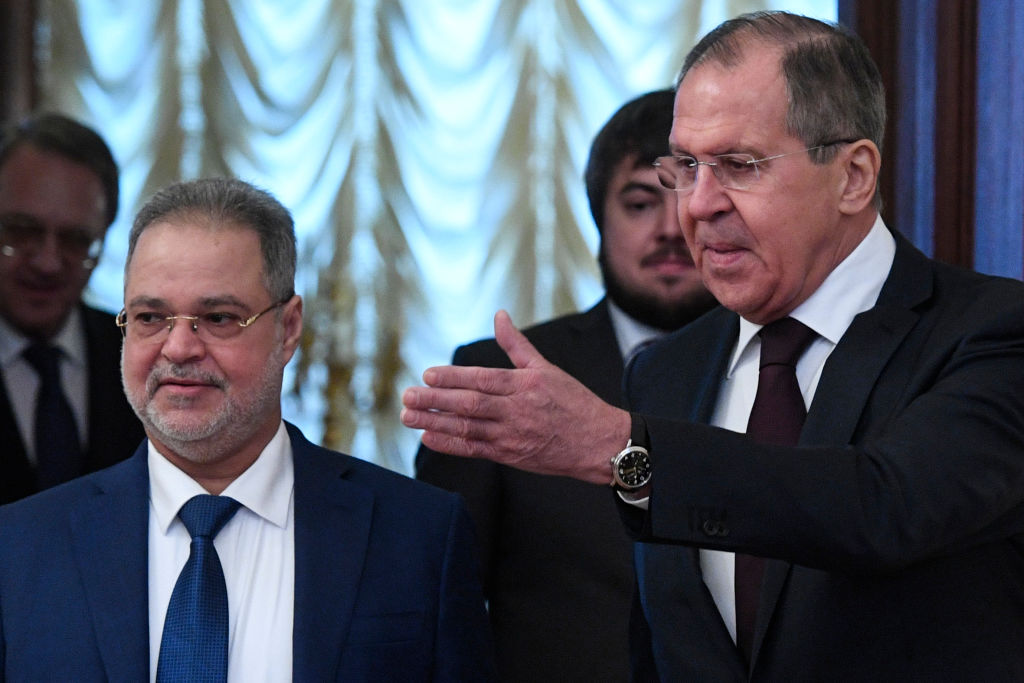
In late July, Russian officials met with Yemen’s Prime Minister Maeen Abdulmalik and representatives of the Houthi Supreme Political Council to discuss the resolution of the Yemeni civil war. These meetings underscored Russia’s ability to balance favorable relations with Yemen’s internationally recognized government and the Houthis: Moscow supported Abdulmalik’s vision for a political solution to the Yemeni civil war and concurred five days later with Houthi criticisms of U.S. military deployments to the Persian Gulf.
A not so progressive case for withdrawing from Syria
Elizabeth Tsurkov has courageously put forward what she calls a progressive case for staying in Syria. I would regard myself as progressive but I’m not convinced, even if I would have supported many of her arguments in the past. In arguing for an indefinite presence in Syria, Tsurkov relies on the notion that staying gives the U.S. influence over Ankara and Moscow, serves as a counter to Tehran, and pressures the Assad regime, possibly even creating “internal fissures in its senior ranks” and causing “the Assad regime to institute reforms that would benefit all Syrians.” Those fissures and reforms have been desired for the past eight years but have not yet appeared. It would be easier to argue that withdrawal is more likely to cause them, and to pressure Ankara and Moscow into countering Tehran.
The oldest peer-reviewed publication dedicated to the study of the modern Middle East, MEI’s flagship journal covers politics, society, and culture in the region.