Alex Vatanka is a Senior Fellow at the Middle East Institute. He specializes in Middle Eastern regional security affairs with a particular focus on Iran. He was formerly a Senior Analyst at Jane’s Information Group in London. Alex is also a Senior Fellow in Middle East Studies at the US Air Force Special Operations School (USAFSOS) at Hurlburt Field and teaches as an Adjunct Professor at DISAS at Wright-Patterson Air Force Base. He has testified before the US Congress and lectured widely for both governmental and commercial audiences, including the US Departments of State and Defense, US intelligence agencies, and a list of international corporations.
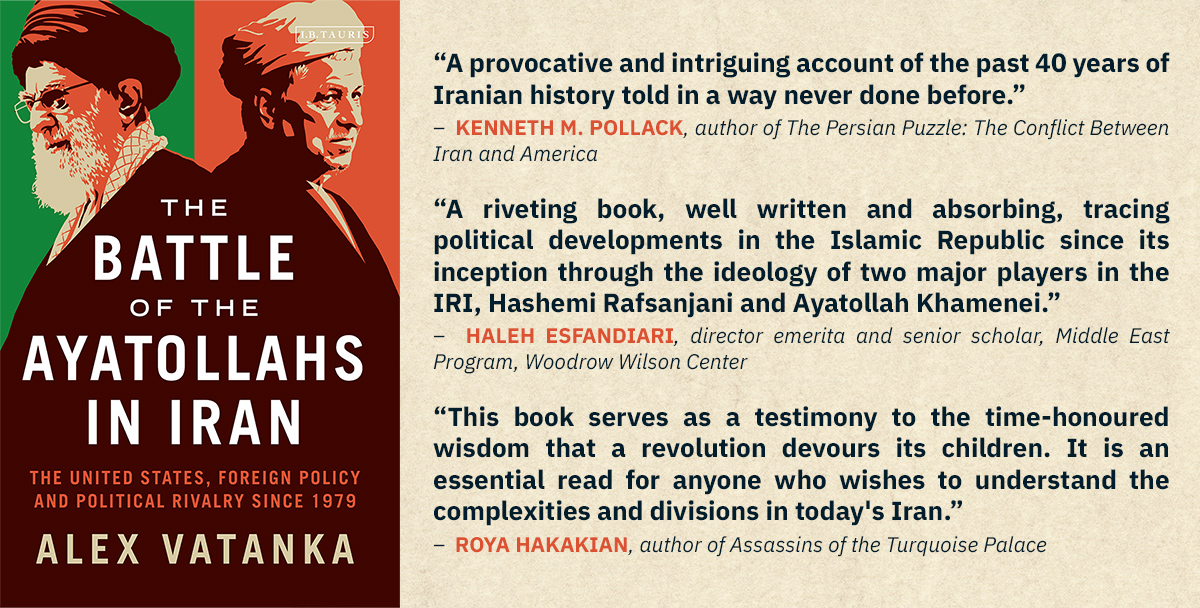
Born in Tehran, he holds a BA in Political Science (Sheffield University, UK), and an MA in International Relations (Essex University, UK), and is fluent in Farsi and Danish. He is the author of two books: The Battle of the Ayatollahs in Iran: The United States, Foreign Policy and Political Rivalry Since 1979 (2021) and Iran and Pakistan: Security, Diplomacy, and American Influence (2015).
He has also written chapters for a number of books, including Authoritarianism Goes Global (2016); Handbook on Contemporary Pakistan (2017); Russia in the Middle East (2018), Winning the Battle, Losing the War: Addressing the Drivers Fueling Armed Non-state Actors and Extremist Groups (2020); Global, Regional and Local Dynamics in the Yemen Crisis (2020); Routledge Handbook of Counterterrorism and Irregular Warfare Operations (2021); and Understanding New Proxy Wars (2022). He is presently working on his third book, Iran’s Arab Strategy: Defending the Homeland or Exporting Khomeinism?
Education
B.A. in Political Science at Sheffield University; M.A. in International Relations at Essex University
Languages
Farsi, Danish
Countries of Expertise
Iran
Issues of Expertise
Iran domestic and foreign affairs, Iranian military and security forces, Iran-US relations, Political Islam in Middle East
Website
Vatanka.com
Books
- The Battle of the Ayatollahs in Iran: The United States, Foreign Policy and Political Rivalry since 1979 (2020)
- Iran-Pakistan: Security, Diplomacy, and American Influence (2015)
Book chapters
- Authoritarianism Goes Global (2016)
- Handbook on Contemporary Pakistan (2017)
- Russia in the Middle East (2018)
- Winning the Battle, Losing the War: Addressing the Drivers Fueling Armed Non-state Actors and Extremist Groups (2020)
- Global, Regional and Local Dynamics in the Yemen Crisis (2020)
Select articles
- Iran’s IRGC has long kept Khamenei in power (Foreign Policy)
- China’s Great Game in Iran (Foreign Policy)
- Will Iraq get stuck in the middle with Iran? (Foreign Affairs)
- Why Protesters are so angry with Rouhani (Foreign Affairs)
- Iran and Russia Growing Apart (Foreign Affairs)
- Iran’s Bottom-Line in Afghanistan (Atlantic Council)
- Iran Courts China (Foreign Affairs)
- Donald Trump Needs a Good Cop on Iran (Foreign Policy)
- How Deep is Iran’s State? (Foreign Affairs)
- After Rafsanjani (Foreign Affairs)
The Latest from Alex Vatanka
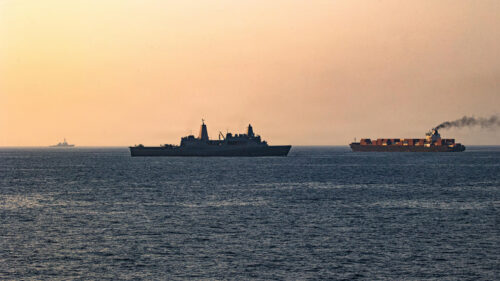
Test of Wills: Iran’s Ability to Outlast the US Blockade
The standoff in the Hormuz is not simply a question of whether Tehran can survive economic pressure, but whether Washington can sustain the pressure at an acceptable cost.

A New-Old Regime in Tehran
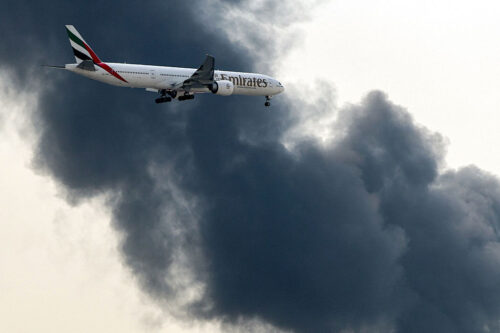
Mending the Rift: Iran and the UAE’s Post-War Ties
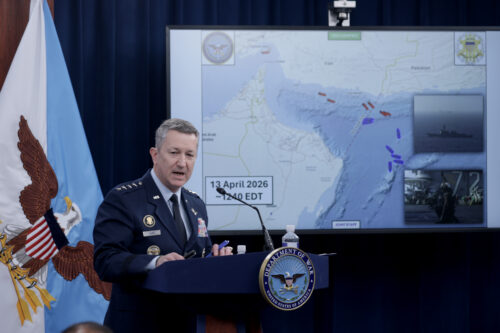
Iran’s Economic Realities Amid War
The war with the US and Israel has intensified pressure on the Iranian economy, but it has not represented a fundamentally new shock. The key question is not whether pressure exists, but whether it can be made decisive.
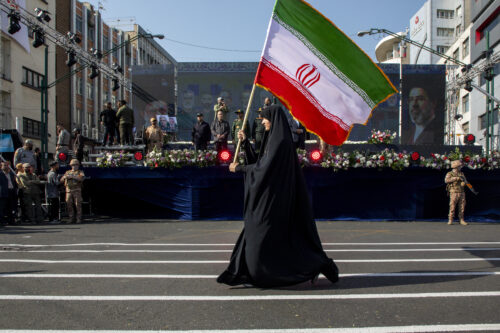
Has Iran’s Ideology Actually Hardened?
Israel’s killings of Ali Larijani and Kamal Kharazi were meant to do more than remove two senior figures from the Islamic Republic’s political landscape. And yet the regime did not break.
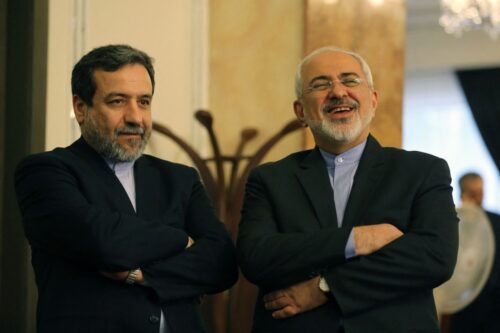
Zarif’s Peace Gambit Meets Tehran’s Limits
What made Mohammad Javad Zarif’s recent Foreign Affairs article so explosive was not simply what he proposed, but when and where he proposed it.
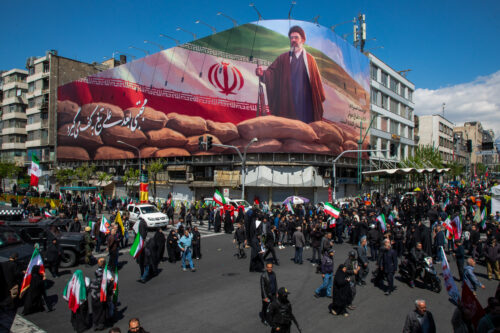
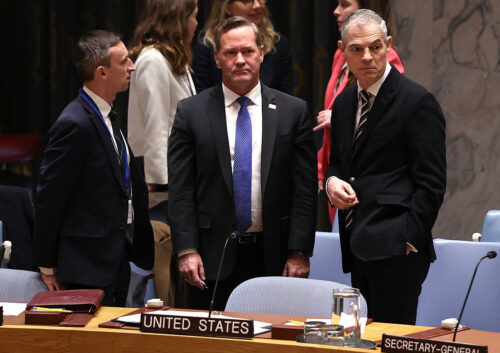
Understanding the Cease-Fire and Prospects for an End to the War
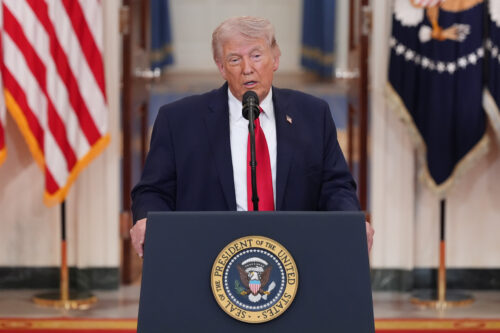
Trump Address Wages War on the Message
Iran’s leadership did not take long to respond to President Donald Trump’s latest address on the war. Regime-linked media dismissed the April 1 White House speech as a repetition of earlier claims, while officials and commentators close to the Iranian government framed it as further evidence that Washington remains uncertain about its own course. In the battle over messaging, Trump’s ambiguity is giving Iran’s narrative the edge.
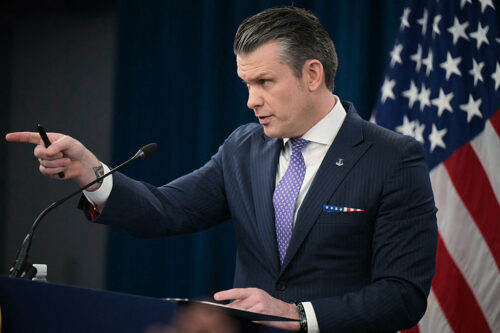
Diplomacy or Escalation? The Next Phase of the Iran Conflict
The Iran War: Escalation, Energy, and the Uncertain Endgame