Post-Saddam Iraq at 23: The War It Never Wanted Is Back
On the anniversary of the 2003 invasion, Iraq finds itself trapped between the same external powers that have defined — and destroyed — its last quarter-century.
What vulnerabilities has the Iran crisis exposed in GCC economies?
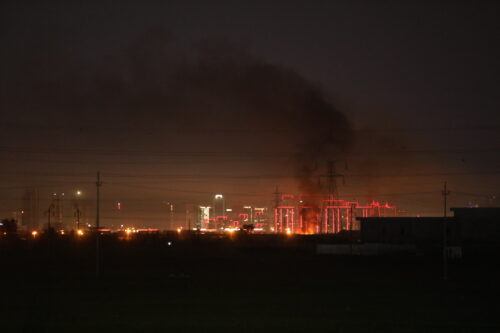
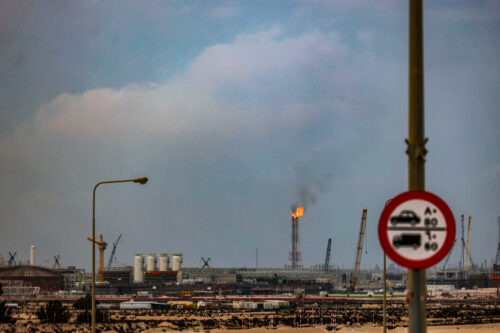
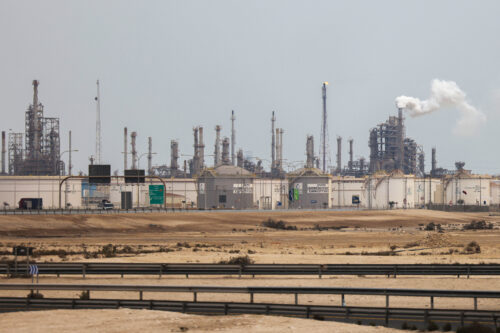
The economic stress points vary considerably across the Gulf. Assuming a resumption of exports by May, Kuwait, Iraq, Bahrain, and Qatar still face sharply declining revenues and contracting GDP—as much as 14 percent in Kuwait and Qatar—because of shut ins, time to restart, and lack of alternative delivery routes. After the Iranian attacks on Ras Laffan, Qatar’s economic outlook and time to recovery look much more difficult.
Five Fundamental Questions for US Foreign Policy as the Iran War Enters Its Fourth Week
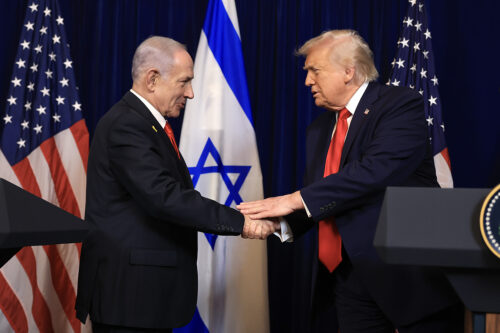
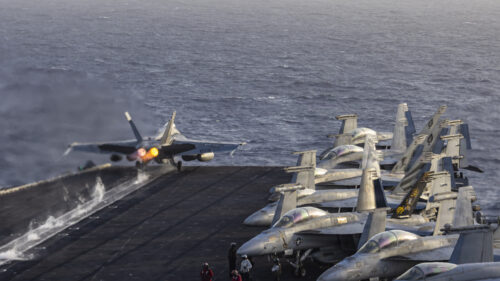
The US and Israeli conflict with Iran is currently just past the halfway mark, according to US President Donald Trump’s initial estimate that it would take four to six weeks to achieve his objectives, but for now there is no end in sight. Here are five fundamental, strategic questions that require more attention as the media and political debates fixate on the day-to-day breaking news and tactics of this war.
The relative resilience of GCC countries to the Iran crisis
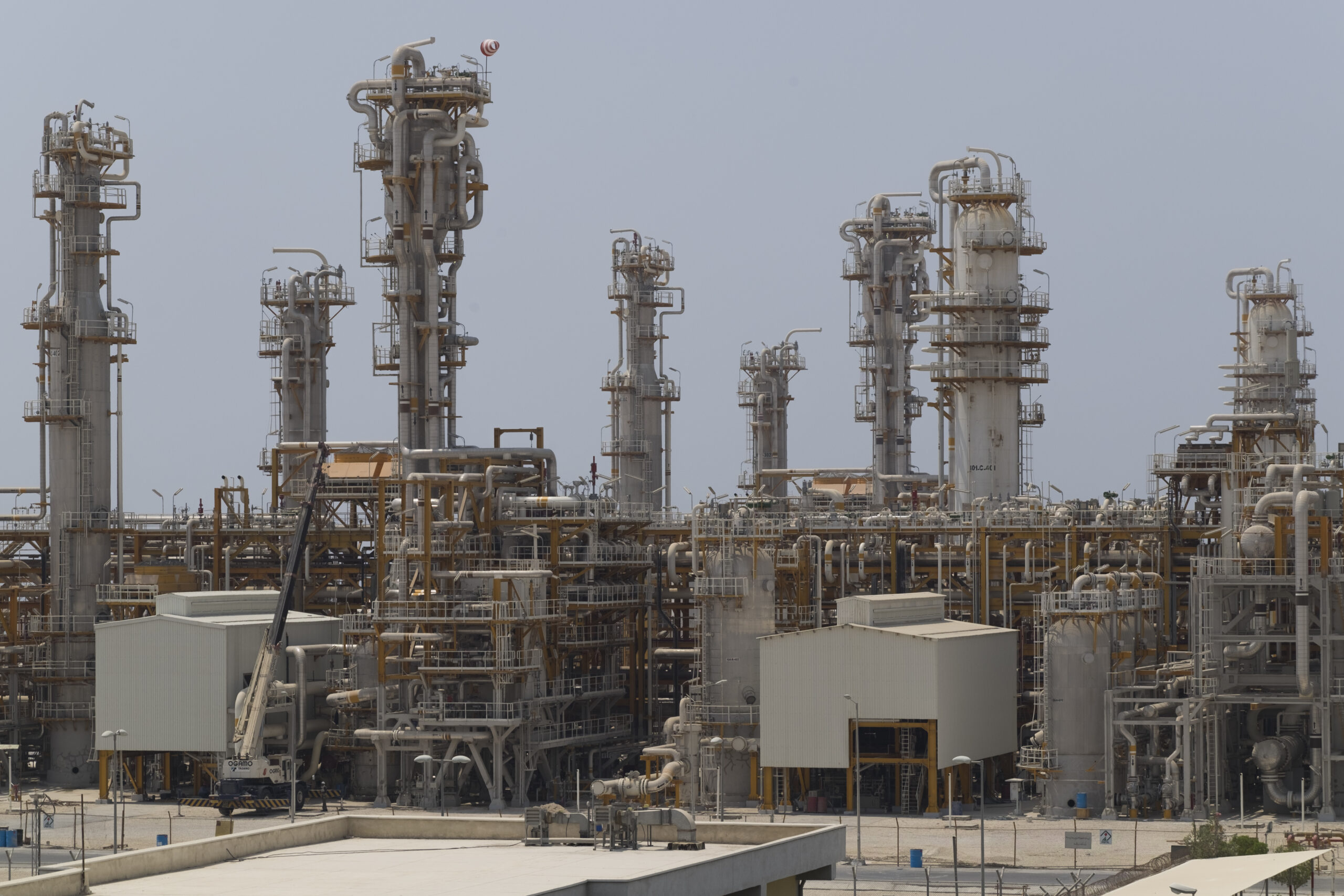
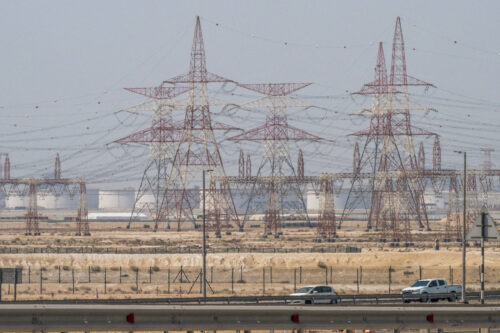
Gulf states — including their national oil companies and sovereign and related entities — are energy giants. They understand the risks of a prolonged threat from Iran and did not choose this war. They also recognize the risks of their geographic location, should the region endure another bout of instability and dislocation from a fragmented and collapsing neighbor.
The decision U.S. President Donald Trump made to attack Iran was a high-stakes gamble. The gamble is not really in the military campaign itself. It is whether a massive air campaign can trigger a popular rebellion that takes down the regime in Tehran. This could pay off brilliantly, but it could also fail miserably.
The Kurdish Card: Can Iranian Kurds Shape the War’s Endgame?
The war against Iran has entered its third week with no clear endgame—and no clear strategy from Washington.
At one point President Trump appeared to encourage Iranian Kurdish groups to rise up against the regime, before quickly walking it back. Meanwhile, some exiled Kurdish opposition figures say they already have an invasion plan and only need US air cover.
The Kurdish question is once again at the center of regional politics. In this episode, we examine the role of Iranian Kurds in the opposition—and what this moment could mean for their future.
If the Regime Survives: Iran War Raises the Ante for US, Israel
The United States and Israel both hope for the grand prize: the emergence of a new regime in Iran to replace the Islamic Republic. For the US, this would close the chapter on a hostile and at times violent relationship that has endured since 1979. For Israel, this would see the end not only of a regime with a deep ideological commitment against it but also the foe that Israel sees as behind all fronts of the war it has fought since October 7, 2023.
How the US and Israel Can Stave off Strategic Failure in Iran
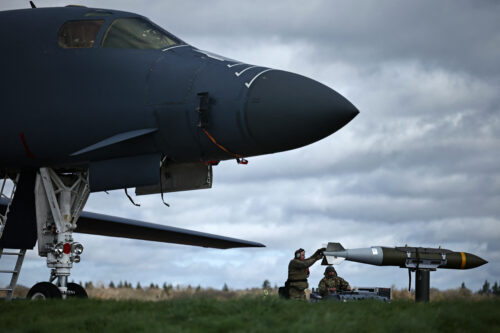
Despite a dazzling military onslaught, an Iranian regime that faces a threat to its very existence is demonstrating an entirely predictable willingness to stay the course at all costs. As things stand now, the joint US-Israeli war risks ending in military victory but becoming a strategic failure.
Iraq’s oil paralysis: A self-inflicted wound and a gift to Tehran
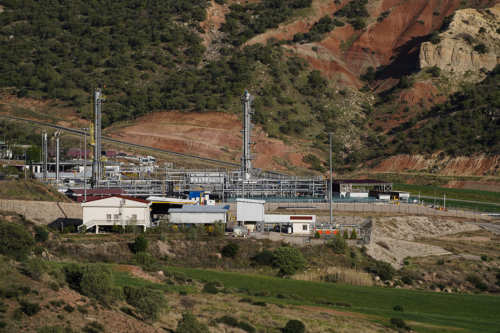
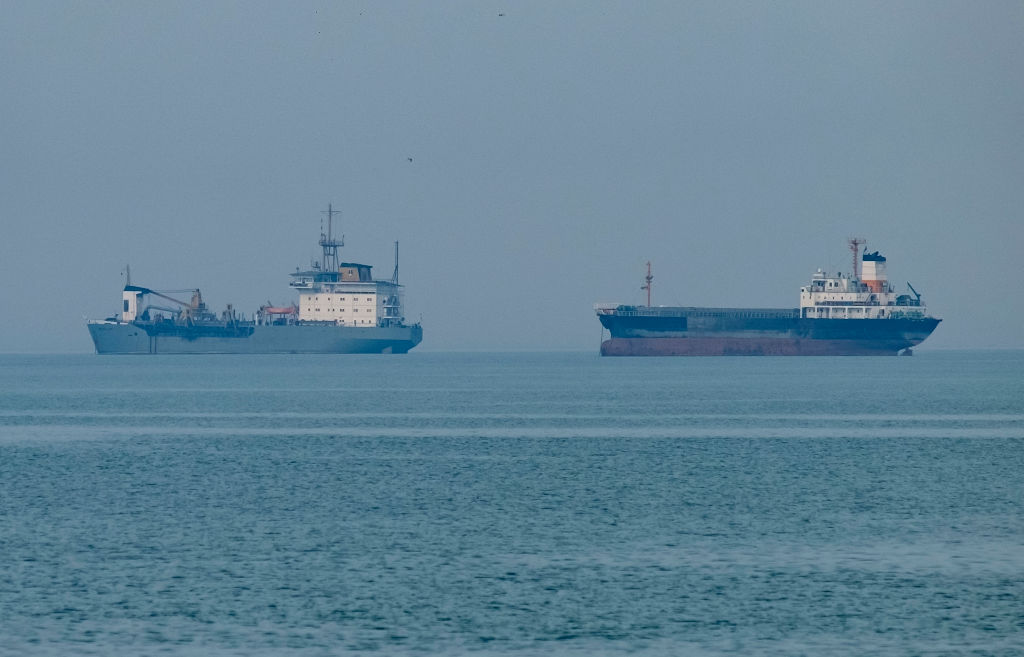
With the Strait of Hormuz closed and oil production from Iraq’s south in free fall, Baghdad’s failure to maximize the Iraq-Turkey Pipeline is no longer a policy dispute. It is a national emergency.
Tripartite Gulf Power: The Diverging Geoeconomics of Saudi Arabia, the UAE, and Qatar, and the Implications for MENA and the Global Order
While acknowledging the centrality of security tensions and potential conflict in the Gulf, this essay intentionally sets aside a detailed treatment of military and hard-power dynamics, concentrating instead on the geoeconomic logics of capital, infrastructure, energy, and connectivity, through which Gulf states now articulate power in a fragmented world order.
Shockwaves Across Asia: The Iran War’s Strategic Fallout
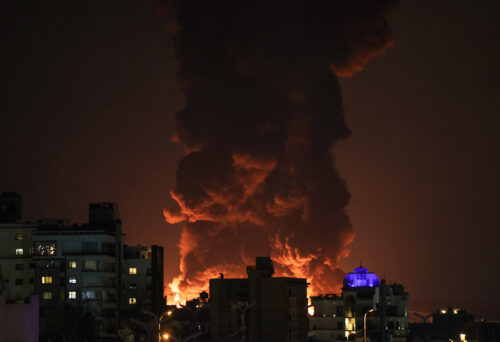
The Israeli-U.S. military strikes on Iran that began on February 28 have done more than ignite a Middle Eastern war. They have sent shockwaves rolling across Asia, from the Strait of Hormuz to the Sea of Japan, exposing the brittle underpinnings of regional energy systems, straining diplomatic balancing acts, and forcing governments to make hard choices they have long deferred.
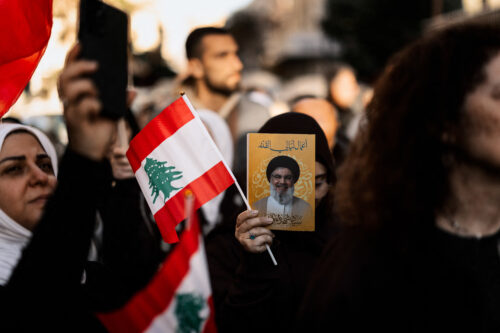
Operation Epic Fury has created a dramatic opportunity in Lebanon that the US cannot afford to miss. Sustained leadership and support for the Lebanese Armed Forces can result in real disarmament, eliminating Hizballah as an Iranian proxy, and dealing Tehran another massive defeat that would further undermine the Iranian regime and help bring about its collapse.
Known Unknowns and Unknown Unknowns: The US-Israeli War on Iran
Modern wars are fought not only with weapons but with assumptions—and the most dangerous assumptions are often invisible to those making them. Donald Rumsfeld’s distinction between known unknowns (questions we recognize but cannot answer) and unknown unknowns (risks we have not even framed as questions) captures something essential about the current confrontation between the United States, Israel, and Iran.
Intelligence questions as the war with Iran enters a more uncertain phase
Following the tactical surprise of US-Israeli strikes on Iran, a crucial next step is the assessment of judgments about Iranian military sustainability, regime cohesion, escalation dynamics, regional spillover, allied responses, and plausible end states, and how those judgments interact with allied positioning, diplomatic activity, and economic constraints.